World traveling, at home

Why is there a Paris in Texas? Discover 12 U.S. towns with foreign names


Published on January 27, 2026

Credit: Florian Wehde

You don’t need to leave the U.S. to take a trip around the world. All you have to do is check a map! Scattered across the country are dozens of American towns and cities named after faraway places, from Athens, Georgia, to Barcelona, New York. Did you know about these 12 cities and the origin of their names?

1

Birmingham, Alabama

Credit: Tom W

Birmingham, Alabama, was founded in 1871 and named after Birmingham, England, to reflect its industrial ambitions. James R. Powell, one of the founders, had recently visited the English city and proposed the name.

Inspired by England’s iron and steel hub, the new Birmingham quickly grew and earned the nickname "The Magic City" for its rapid industrial development.

2

Paris, Texas

Credit: Chris Karidis


Named after the French capital city, Paris, Texas, was officially established in 1844 and became the county seat of Lamar County before the Civil War.

The name was supposedly chosen by founder George W. Wright in a lighthearted or playful spirit, according to local lore.

3

Berlin, Connecticut

Credit: Florian Wehde

Berlin, Connecticut, was formed from parts of several nearby towns. It was originally called Kensington before being renamed after Berlin, the then capital of Prussia.

The name likely reflected admiration for Frederick the Great, seen as a supporter of the American Revolution. Unlike its German namesake, the town's name is pronounced with the stress on the first syllable.

4

Rome, New York

Credit: David Köhler

Rome, New York, was named after Rome, Italy, following a trend of naming towns in upstate New York after classical European cities. The area was previously called Lynchville, after its Irish settler Dominick Lynch.

The name "Rome" had already been given to the township during the "Classical Naming Period."

5

Madrid, Iowa

Credit: Florian Wehde

Madrid, Iowa, was named after Madrid, Spain, but the choice was rooted in personal spite. During the third town survey in 1855, local landowner Gaston named it to irritate his Swedish in-laws and a Spanish employee.

Despite the odd origin, the name remained through subsequent surveys and was officially kept when the town was incorporated in 1883.

6

Athens, Georgia

Credit: Constantinos Kollias

Athens, Georgia, was named after Athens, Greece, to reflect ideals of learning and culture. The name was chosen in 1801 by John Milledge when he purchased land for the University of Georgia.

Inspired by classical traditions, Milledge wanted the new town to symbolize intellectual pursuit, much like its ancient namesake.

7

Moscow, Pennsylvania

Credit: Michael Parulava

Moscow, Pennsylvania, was settled in the 1830s, with Reverend Peter Rupert, a Lutheran minister, playing a key role in its founding. The town’s early economy centered on lumbering and agriculture.

It was named after Moscow, Russia, possibly due to Russian settlers or shared religious ties with Reverend Rupert.

8

Versailles, Kentucky

Credit: Brandy Willetts

Versailles, Kentucky, was founded in 1792 on land owned by Hezekiah Briscoe. His guardian, Major Marquis Calmes, named the town after Versailles, France.

The name honored General Lafayette, a family friend and Revolutionary War hero with strong ties to the French city. It was chosen as a personal tribute and reflected French influence.

9

Oxford, Mississippi

Credit: Ben Seymour

Oxford, Mississippi, was founded in 1837 and named after Oxford, England, to attract a university. The founders hoped to establish the town as a center of learning.

Their plan succeeded when Mississippi chose Oxford as the site for its first state university in 1841. The university opened in 1848, fulfilling the city’s academic vision.

10

Frankfort, Illinois

Credit: Lāsma Artmane

Frankfort, Illinois, was named after Frankfurt-am-Main, Germany, the hometown of early settler Frederick Cappel. He named it Frankfort Township in 1850.

When the railroad arrived in 1855, it established "Frankfort Station." The village later dropped "Station" when it was officially incorporated.

11

Venice, California

Credit: Joshua Stannard

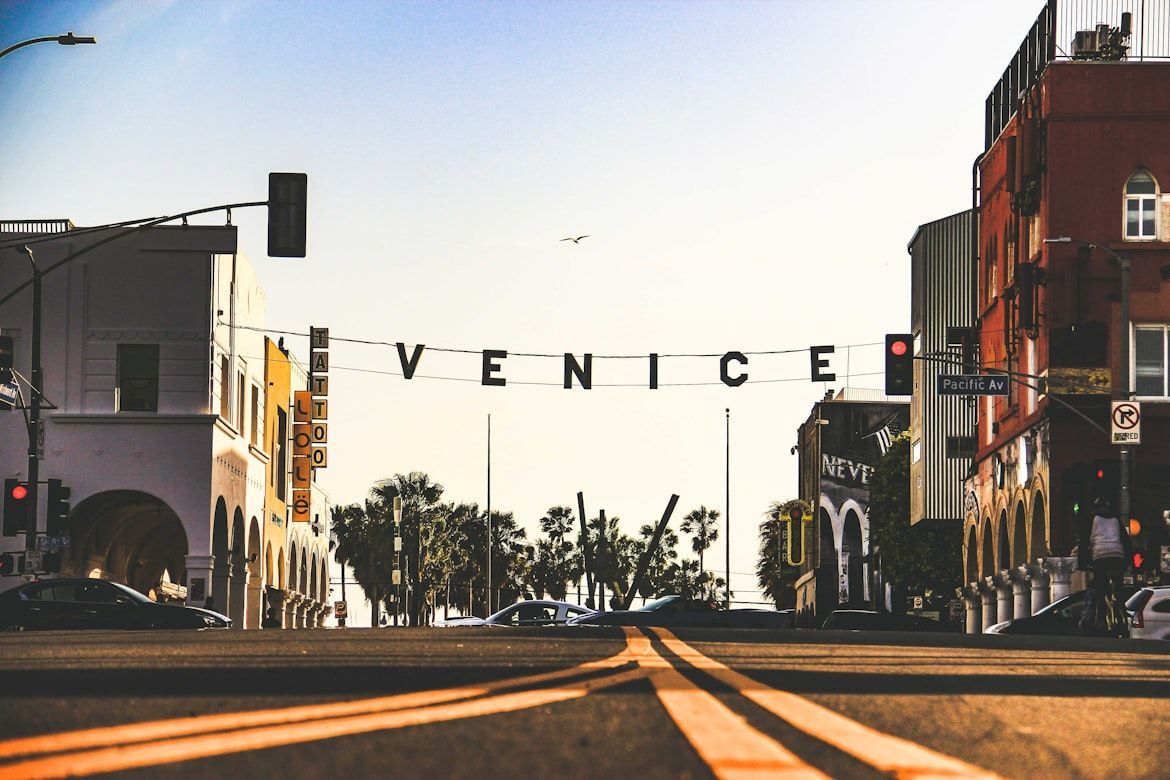
Venice, California, was founded by Abbot Kinney, who aimed to recreate the charm of Venice, Italy. He designed the town with canals, pedestrian bridges, and Venetian-style architecture.

Kinney envisioned it as a seaside resort with a romantic, European feel. The canals became a key attraction, drawing visitors and shaping the town's unique identity.

12

Barcelona, New York

Credit: Ken Cheung

Barcelona, New York, was originally called Portland and laid out in 1813. In 1836, a local businessman who had spent time in Spain urged the name change to Barcelona.

The village thrived as a harbor in the 1830s and 1840s, but declined after railroads took over regional transport. It later became part of the Town of Westfield.
Fascinating backstories of phrases

Ten Common English Idioms and Their Surprising Origins


Published on January 27, 2026


Credit: Amador Loureiro

Ever wondered why we "spill the beans" when we reveal secrets, or why something costs "an arm and a leg"? Our everyday expressions carry hidden tales of history, culture, and human nature. Let's dive into ten familiar idioms and discover the surprising stories behind the words we use so casually.

1

Break the Ice

Credit: Christian Regg

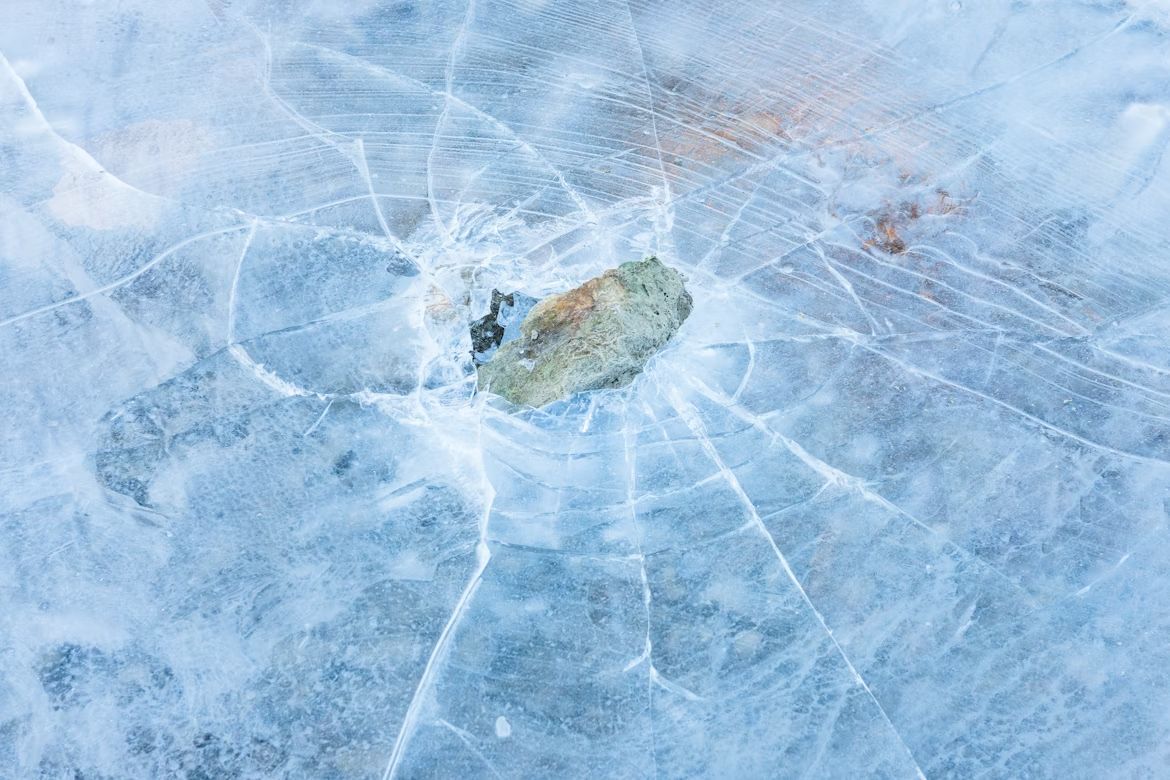
When you "break the ice" at a party or meeting, you're helping people feel more comfortable and start conversations. This perfectly sensible expression actually comes from a very literal practice. In the days before modern icebreakers, ships would get trapped in frozen harbors during the winter months, unable to move until smaller boats physically broke through the ice to create a clear path.

The phrase made its way into social situations because starting a conversation in an awkward silence feels just as challenging as breaking through solid ice. Shakespeare even used this expression in "The Taming of the Shrew" back in 1590, proving that people have been struggling with small talk for centuries.

2

Spill the Beans

Credit: Miles Burke

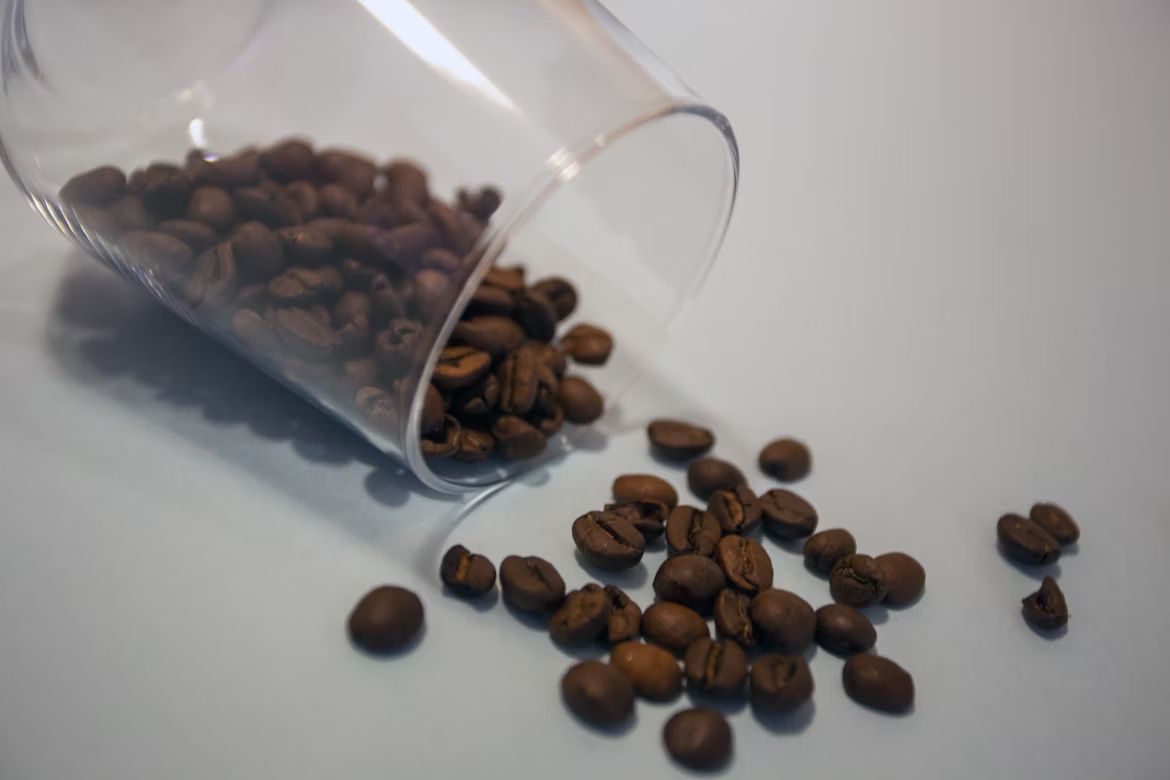
"Spilling the beans" means revealing a secret or letting information slip out accidentally. Historians suggest this idiom may have originated in ancient Greece, where voting was serious business. Citizens would cast their votes using beans. White beans meant "yes," and black beans meant "no." The beans were supposed to be counted privately, but sometimes a clumsy voter would knock over the jar and literally spill the beans, revealing the secret vote.

3

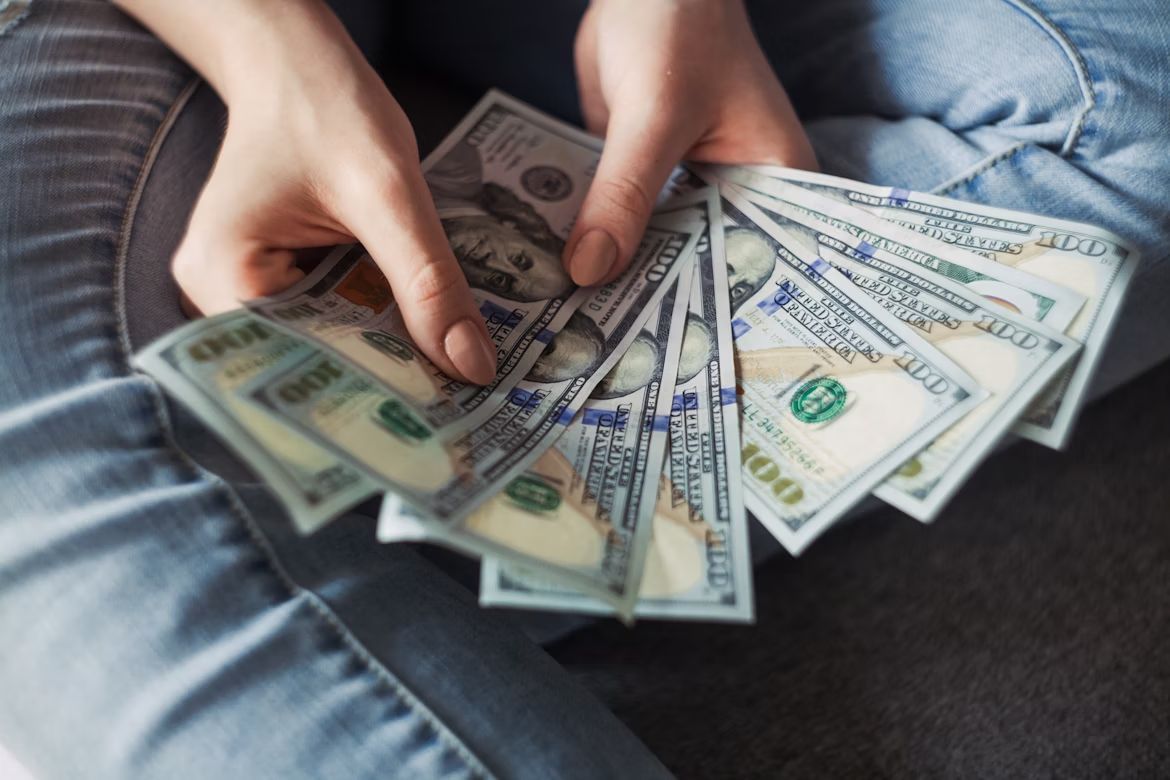
Cost an Arm and a Leg

Credit: Alexander Mils

When something "costs an arm and a leg," it's extremely expensive –so much so that you'd have to give up precious body parts to afford it. While this sounds like modern exaggeration, some theories suggest that the phrase comes from the world of portrait painting in the 18th and 19th centuries. Back then, having your portrait painted was a luxury, and artists charged based on how much of your body was included in the painting.

A simple head-and-shoulders portrait was the basic package, but if you wanted your arms and legs painted too, the price went way up. So literally, including arms and legs in your portrait cost extra arms and legs!

4

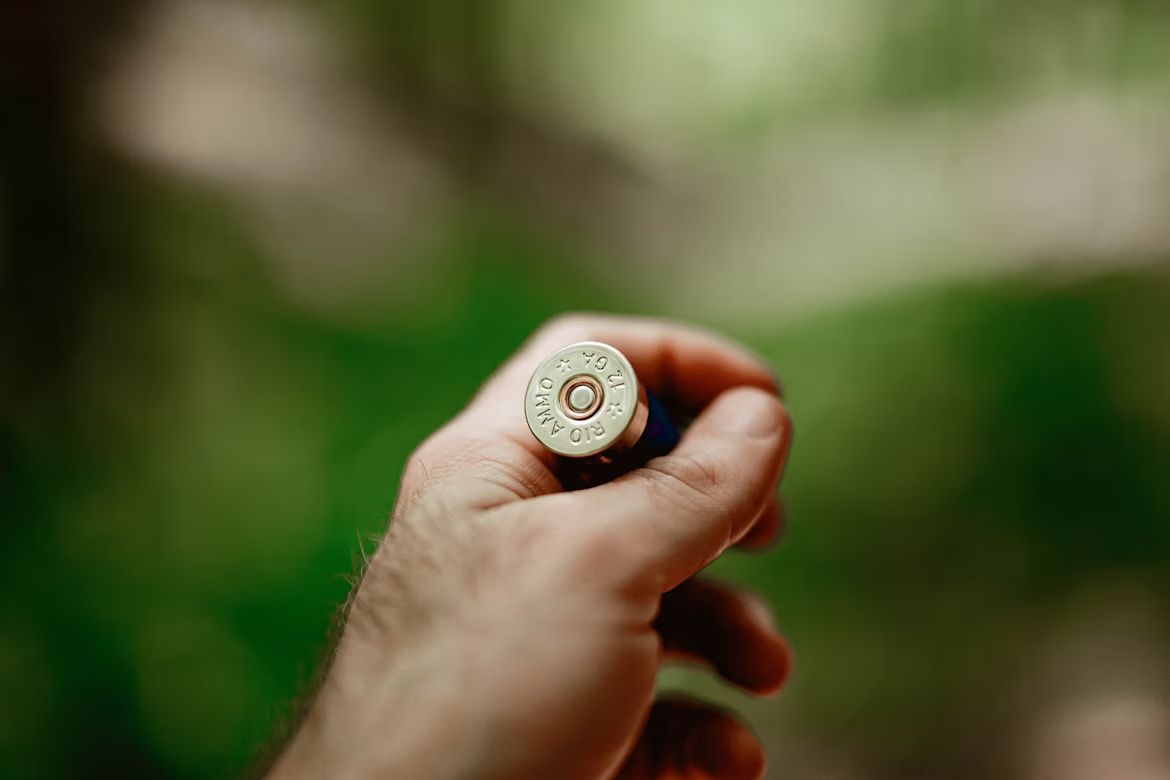
Bite the Bullet

Credit: Bennie Bates

"Biting the bullet" means facing a difficult situation with courage, usually something unpleasant you can't avoid. This grim expression comes from battlefield medicine in the days before anesthesia. When soldiers needed surgery or had to endure painful medical procedures, doctors would give them a bullet to bite down on to help them cope with the pain and prevent them from biting their own tongues.

The lead bullet was soft enough not to break their teeth but firm enough to give them something to focus on during the agony.

5

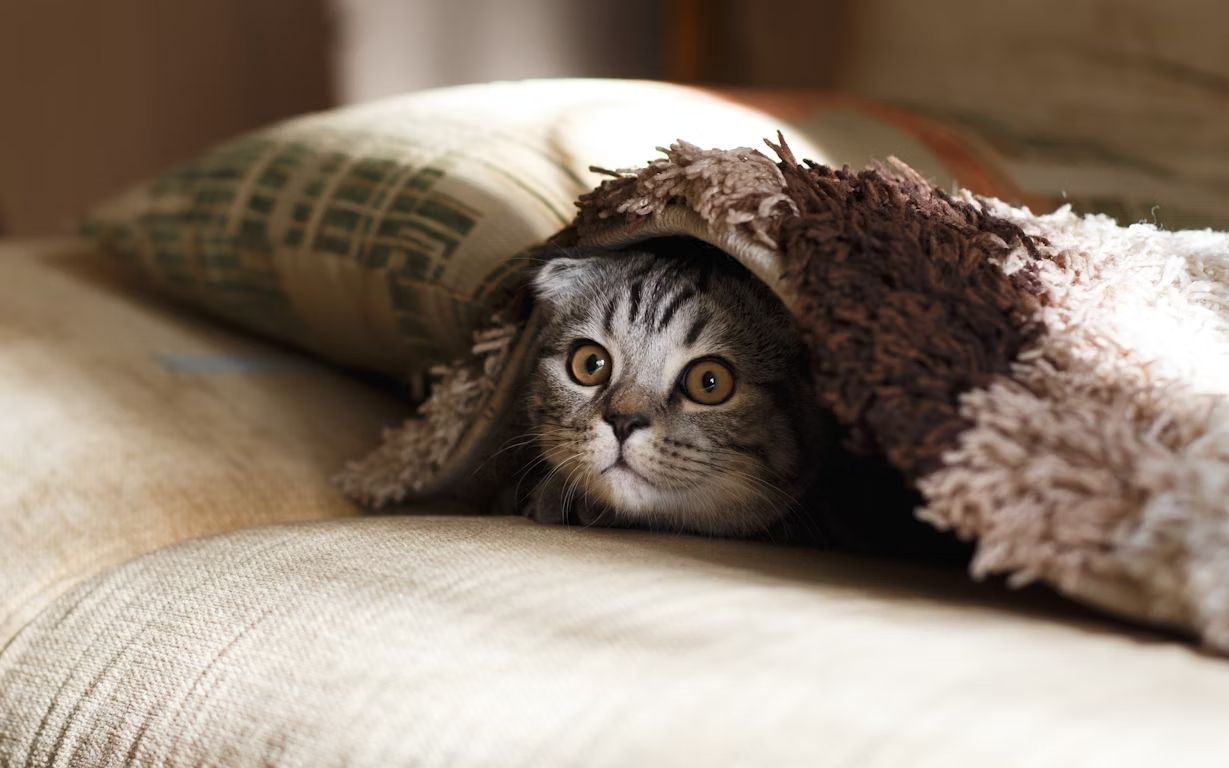
Let the Cat Out of the Bag

Credit: Mikhail Vasilyev

"Letting the cat out of the bag" means revealing a secret or surprise, usually by accident. Legend has it that this phrase comes from medieval marketplaces, where dishonest merchants had a sneaky trick for cheating customers. When someone wanted to buy a pig, the merchant would show them a nice, plump pig, then put what the customer thought was that pig into a bag for transport. But instead of the pig, they'd slip in a much cheaper cat.

The fraud was only discovered when the buyer got home and literally let the cat out of the bag. The cat was definitely out then, along with the secret of the merchant's deception! This medieval scam was so common that buyers learned to insist on seeing inside the bag before paying.

6

The Whole Nine Yards

Credit: Welcome

When you go "the whole nine yards," you're doing everything possible, giving maximum effort, or including everything available. Despite being such a common phrase, its origin is hotly debated. One popular theory involves World War II fighter pilots, whose ammunition belts were exactly nine yards long. When a pilot used up all their ammo in a fight, they had given it "the whole nine yards."

Other theories include fabric merchants selling nine-yard bolts of cloth, or concrete trucks carrying nine cubic yards of concrete. The truth is, nobody knows for sure, and that mystery makes the phrase even more interesting. What we do know is that nine yards seems to represent completeness in American culture.

7

Don't Look a Gift Horse in the Mouth

Credit: Phil hearing

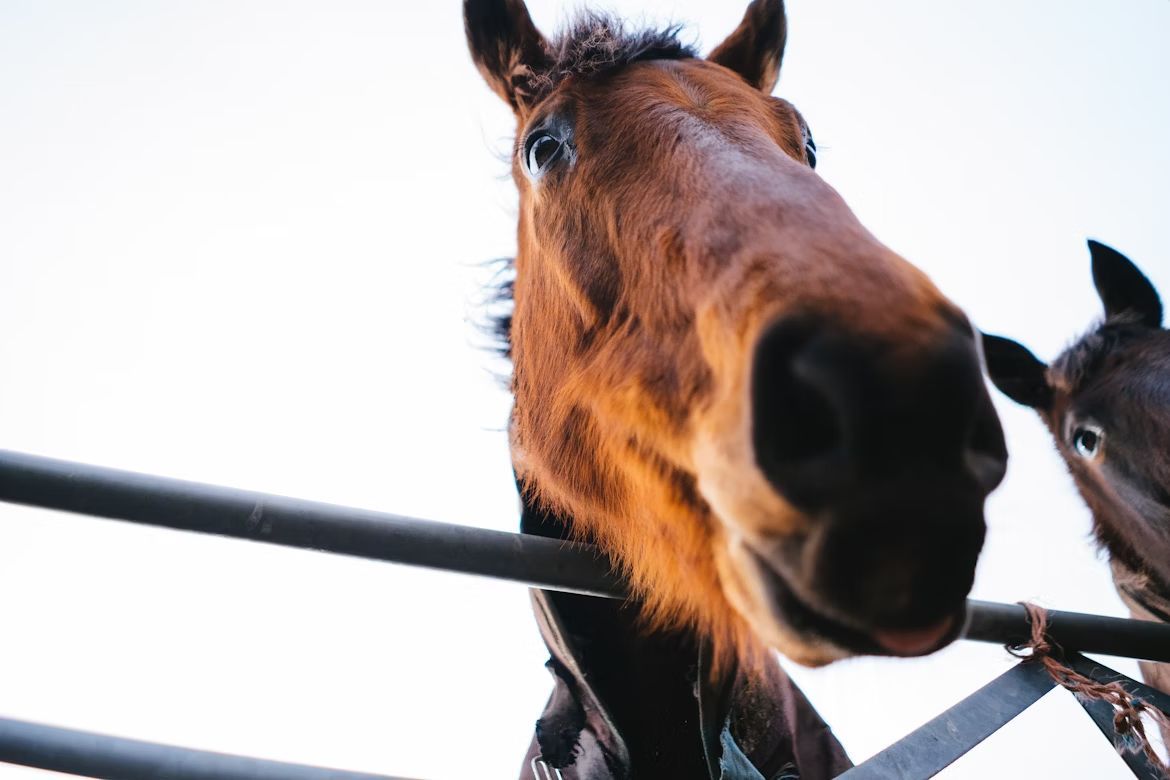
This awkward-sounding advice means you shouldn't be overly critical of something you're getting for free. The saying comes from the practical world of horse trading, where a horse's age and health could be determined by examining its teeth and gums. Younger horses have better teeth, making them more valuable, while older horses show wear and problems that reduce their worth.

When someone gave you a horse as a gift, it would be incredibly rude to immediately check its mouth to see if you were getting a good deal. You'd essentially be questioning the giver's generosity and looking for reasons to complain about your free horse.

8

Mad as a Hatter

Credit: Paolo Nicolello

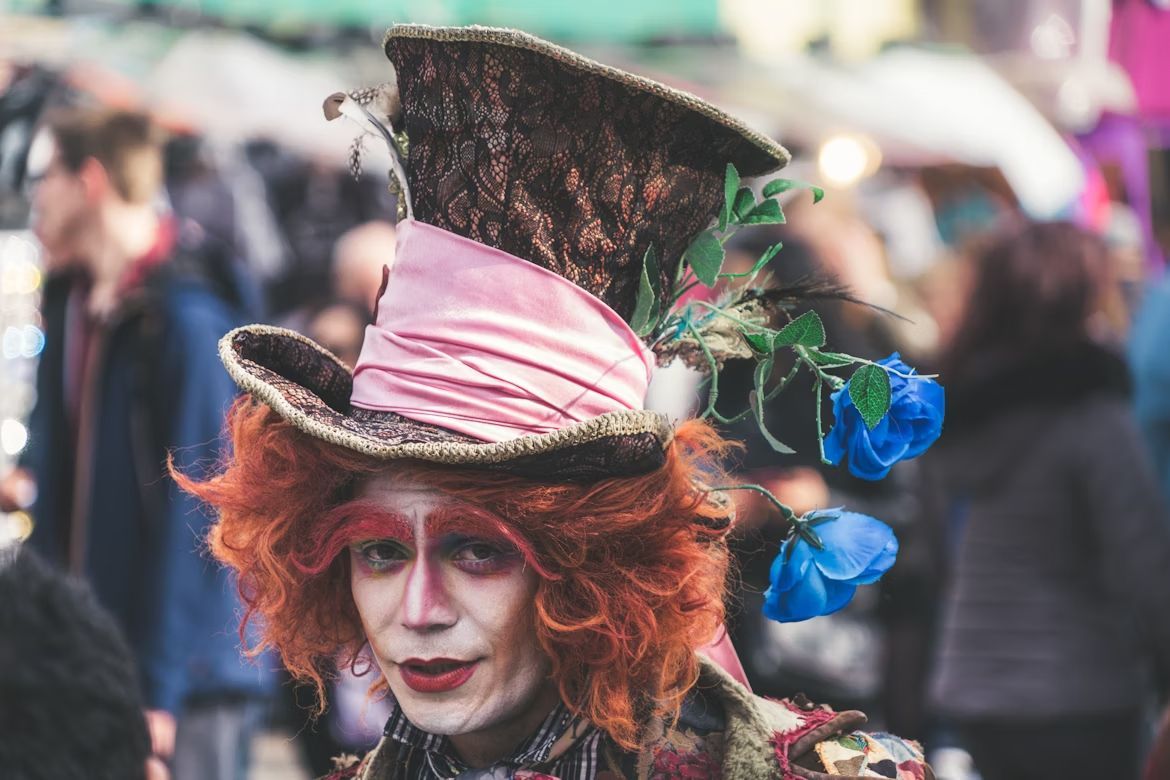
Calling someone "mad as a hatter" means they're acting crazy or irrational. This isn't just a random comparison. Hat makers really did go mad, and there was a tragic reason for it. In the 18th and 19th centuries, hat makers used mercury in the process of turning animal fur into felt. Mercury is highly toxic, and prolonged exposure caused mercury poisoning, which led to tremors, mood swings, and erratic behavior.

Hat makers would develop what we now know were symptoms of mercury poisoning: Twitching, slurred speech, and personality changes that made them seem insane. The phrase became so common that Lewis Carroll used it when creating the Mad Hatter character in "Alice's Adventures in Wonderland."

9

Saved by the Bell

Credit: Mrg Simon

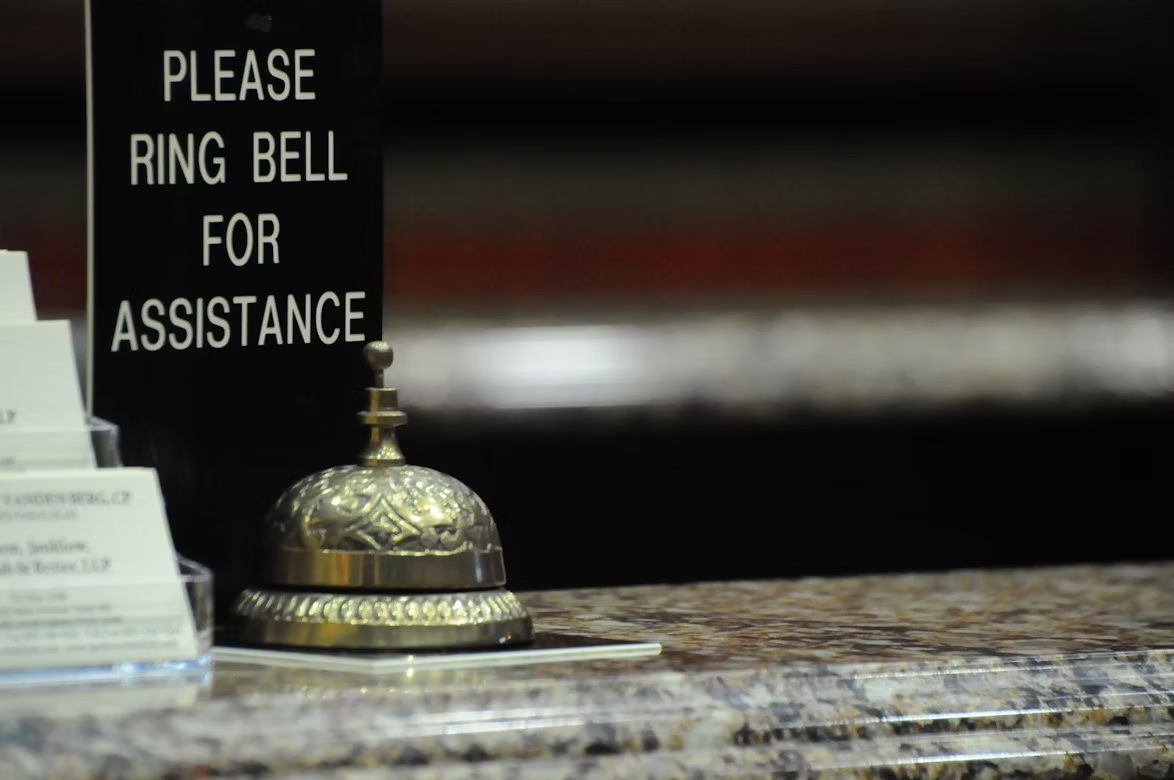
Being "saved by the bell" means being rescued from a difficult situation by a last-minute interruption, like when the school bell rings just as the teacher is about to call on you. While many people think this comes from boxing, where a boxer about to be knocked out gets saved when the round ends, the phrase might have an even more dramatic origin story involving the fear of being buried alive.

In the 18th and 19th centuries, people were terrified of being mistaken for dead and buried while still alive. Some coffins were equipped with bells connected to strings that ran down into the grave. If someone woke up buried, they could pull the string and ring the bell to alert the graveyard workers.

10

It's Raining Cats and Dogs

Credit: Roman Ten

When it's "raining cats and dogs," we mean it's pouring heavily. This bizarre expression has several possible origins, all of them rather unpleasant. One theory suggests that in medieval times, city drainage was so poor that heavy rains would wash dead animals through the streets, making it look like cats and dogs had fallen from the sky. Not exactly a pleasant mental image for your morning weather report.

Another theory points to old English, when thatched roofs provided shelter for small animals. During heavy storms, these creatures would supposedly fall through the soaked thatch into people's homes. While this sounds more like folklore than fact, it captures the chaos and surprise of a sudden downpour.

Looking for an extra scoop of literary fun?

Learn more with our Word of the day

salutary

/ˈsæljəˌtɛri/