From service to speech
Why do we say "Got your six"? The answer may surprise you
Published on November 19, 2026
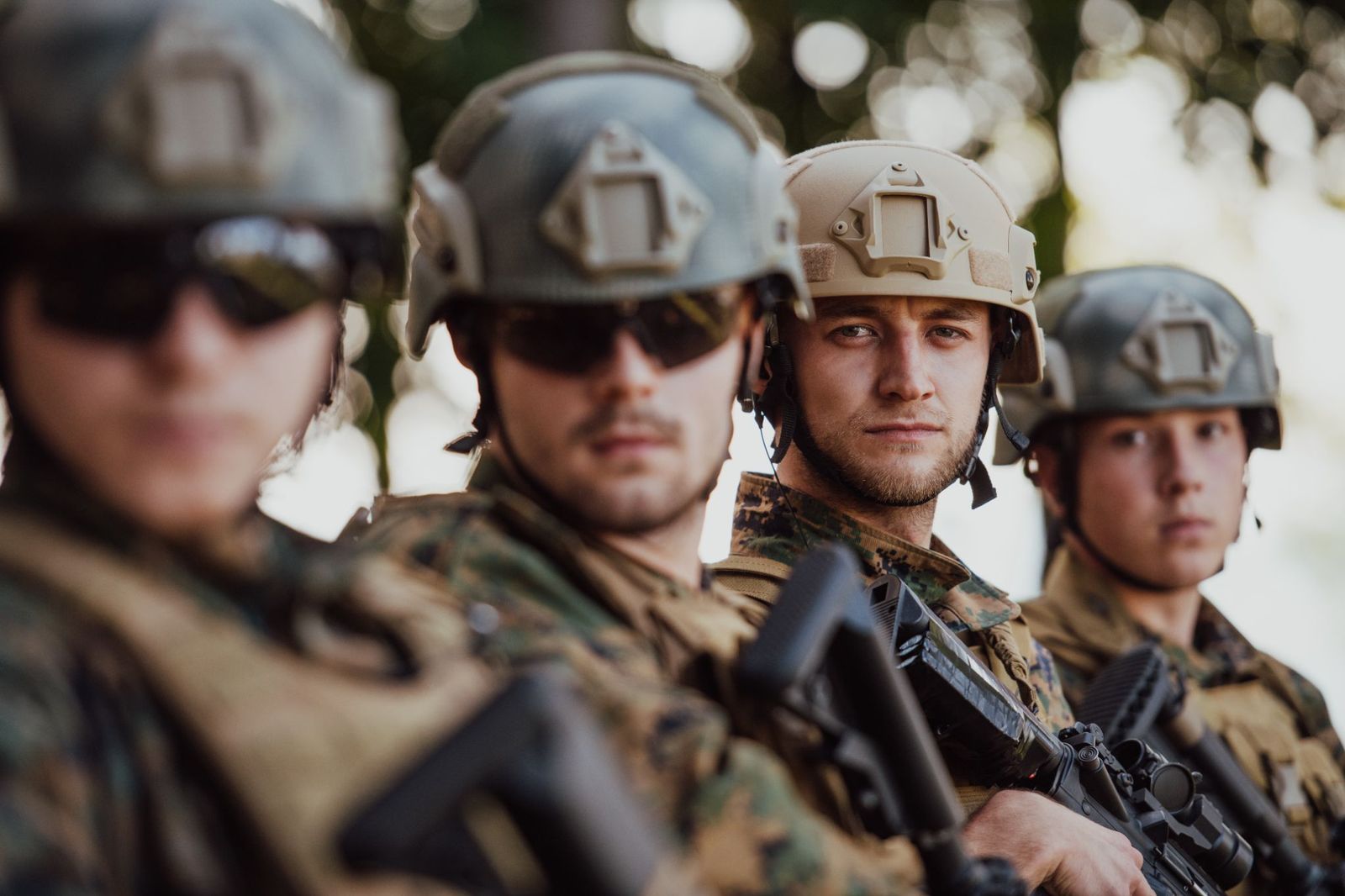
What do bullets, fighter pilots, and midnight missions have in common? They all help explain expressions we still use today. From "got your six" to "bite the bullet" and "zero dark thirty," these 10 familiar sayings reveal the surprising military history behind everyday American English. Ready to go "in the trenches" and find out what they mean?
Got your six
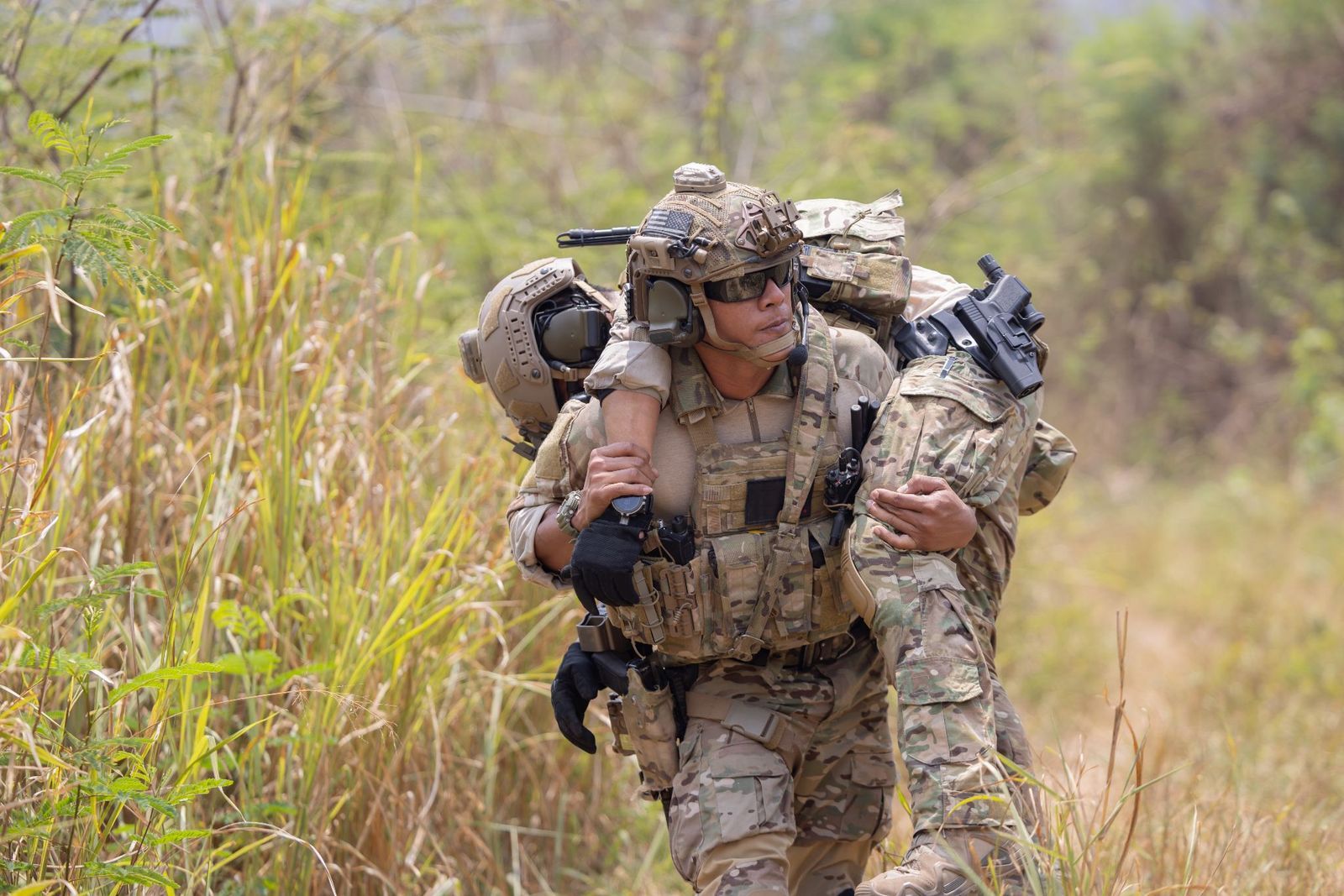
Picture being a soldier on the battlefield, with an enemy approaching from behind. You’d want someone watching your six. The phrase means having someone’s back or looking out for their safety. It comes from using a clock face to indicate direction: 12 o’clock is straight ahead, and 6 o’clock is directly behind.
The expression is commonly traced to World War I fighter pilots, who faced a serious threat from enemy aircraft approaching from their blind spot. Today, saying someone has "your six" or telling someone to "watch your six" means protecting them or staying alert to potential dangers.
Bite the bullet

Think back to a hard moment when you had to tackle a challenge head-on. To "bite the bullet" means to face a difficult situation, pain, or an unavoidable task with courage and grit rather than putting it off.
One popular explanation links the expression to 19th-century battlefield surgery. Before modern anesthesia was widely available, patients sometimes had to endure painful procedures with little or no effective pain relief. The familiar story that they were given bullets to bite down on is often repeated, although the exact origin of the expression remains uncertain.
Roger that
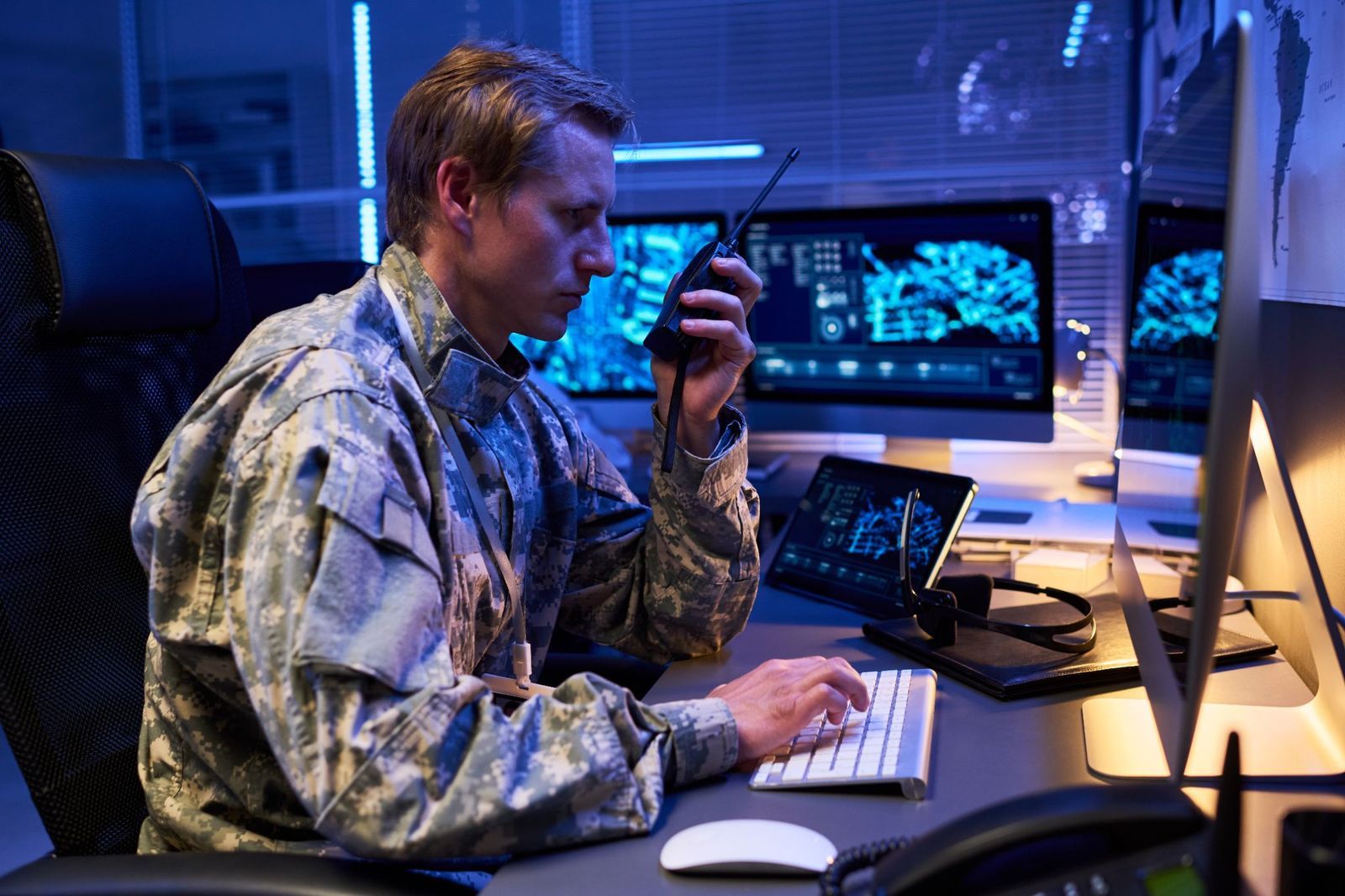
Chances are, you’ve probably said this at one point or another, maybe even as a kid playing with walkie-talkies: "Roger that." It means the message has been received and acknowledged.
The expression grew out of military and aviation radio communications. In early radio procedures, "Roger" represented the letter R, which was used to indicate that a message had been delivered. Using a word instead of a single letter helped reduce confusion over noisy radio transmissions. Although "Romeo" replaced "Roger" for the letter R in the international phonetic alphabet adopted in 1956, "Roger that" remained in use as a familiar way to acknowledge a message. And today, it has become part of everyday conversation.
Zero dark thirty
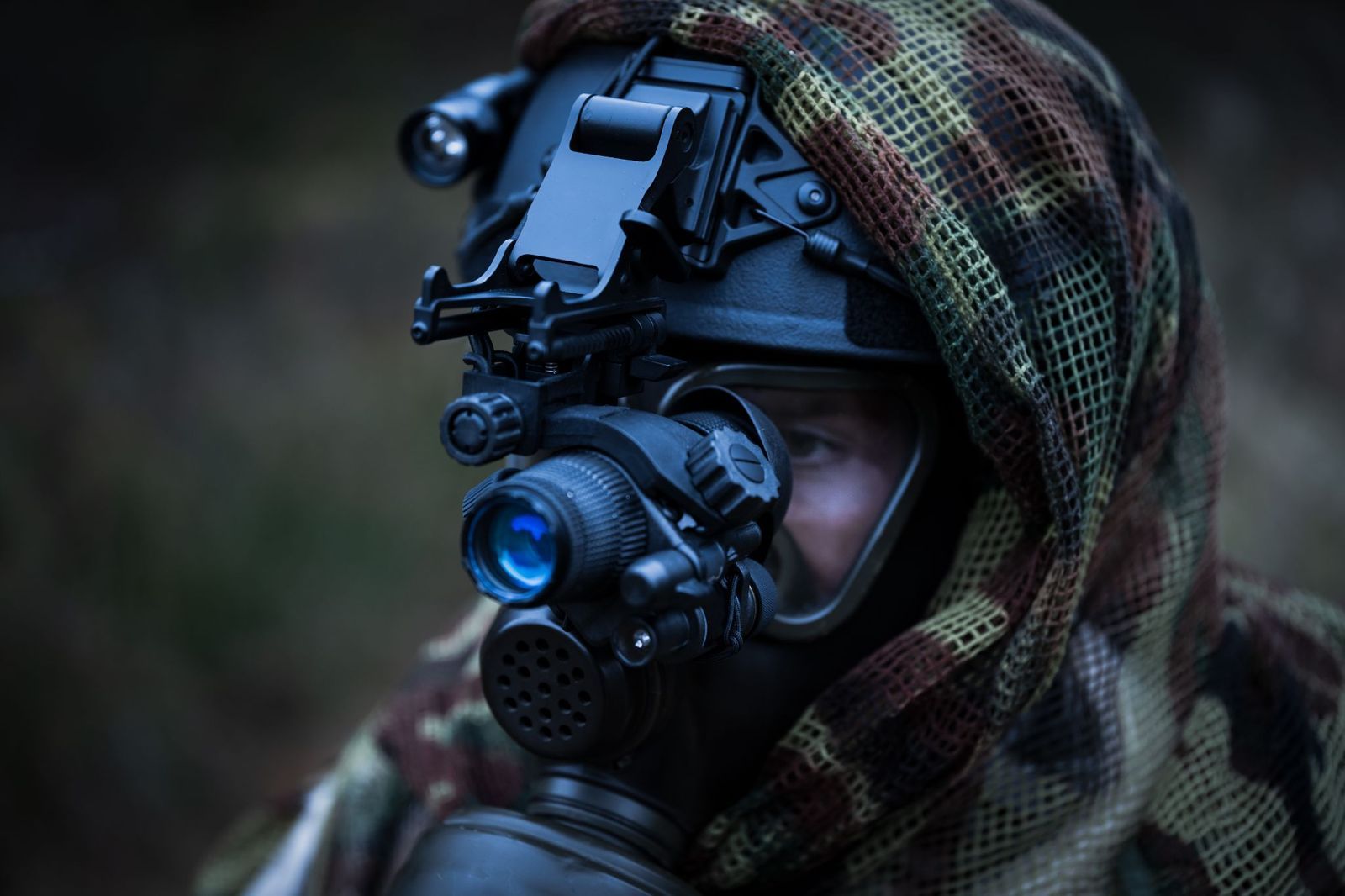
It’s pitch dark outside, but you’re already expected to report for duty. In military slang, that’s "zero dark thirty." This expression refers to an unspecified, very early hour, typically before sunrise. It’s often used humorously to describe an early-morning wake-up call or a mission that begins long before daylight.
The expression plays on the 24-hour clock, in which times such as 0530 are read as "oh-five-thirty." Replacing the numbers with "dark" emphasizes that it’s still nighttime. The variant "O-dark-thirty" has long been associated with military slang. The phrase later reached a wider audience through the 2012 film Zero Dark Thirty, which dramatized the hunt for Osama bin Laden.
In the trenches
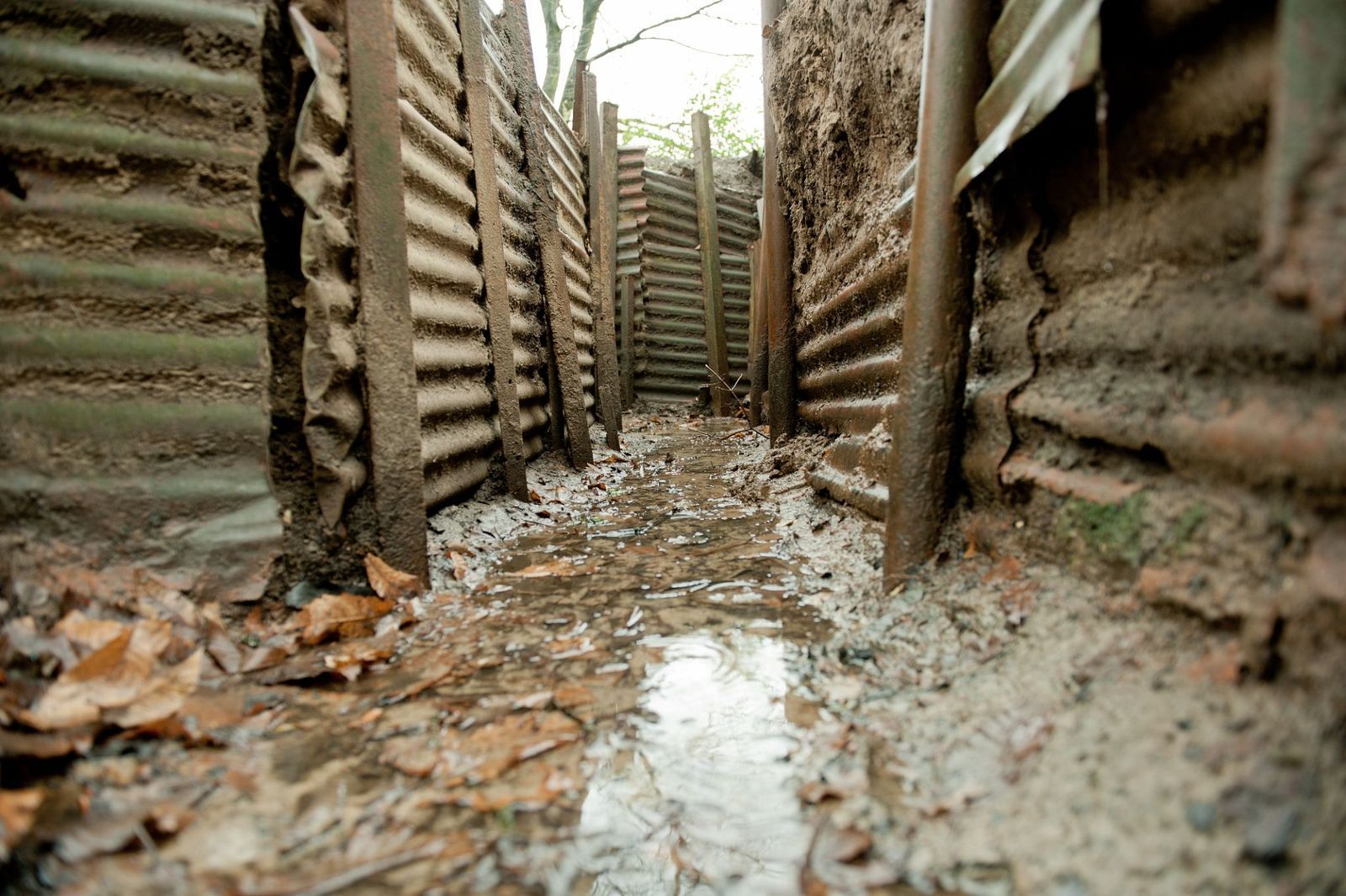
This is one of the most recognizable expressions with military roots. Being "in the trenches" means doing hard, hands-on, and often grueling daily work right where the action or struggle is taking place.
The phrase became especially associated with World War I. Soldiers literally lived, fought, and survived inside deep, muddy trenches on the front lines of brutal combat. The expression came to evoke the unglamorous, high-stress reality of warfare, far from the relative safety of command posts. Today, it is also used to describe people doing the difficult, practical work of a job or cause.
Voluntold
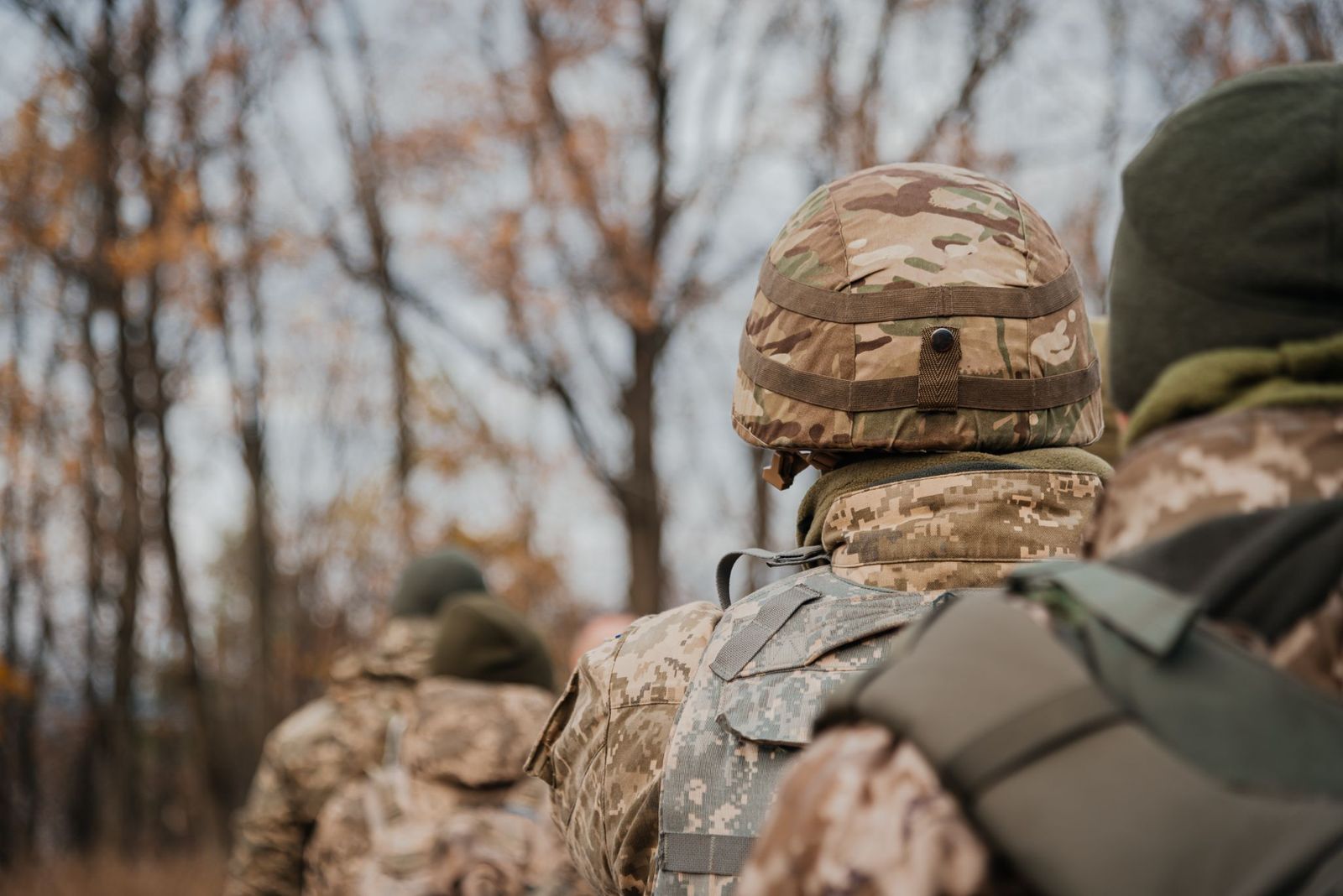
Your boss announces that you’ve volunteered to take on an extra shift, even though you never offered. That’s being "voluntold", being assigned a task as though you’d volunteered, even though you never agreed to it. The word combines "volunteer" and "told".
The term is often associated with military life, but it has also spread to civilian workplaces, churches, and volunteer groups. The related verb "voluntell" means to assign someone a task under the guise of asking for volunteers.
On the double
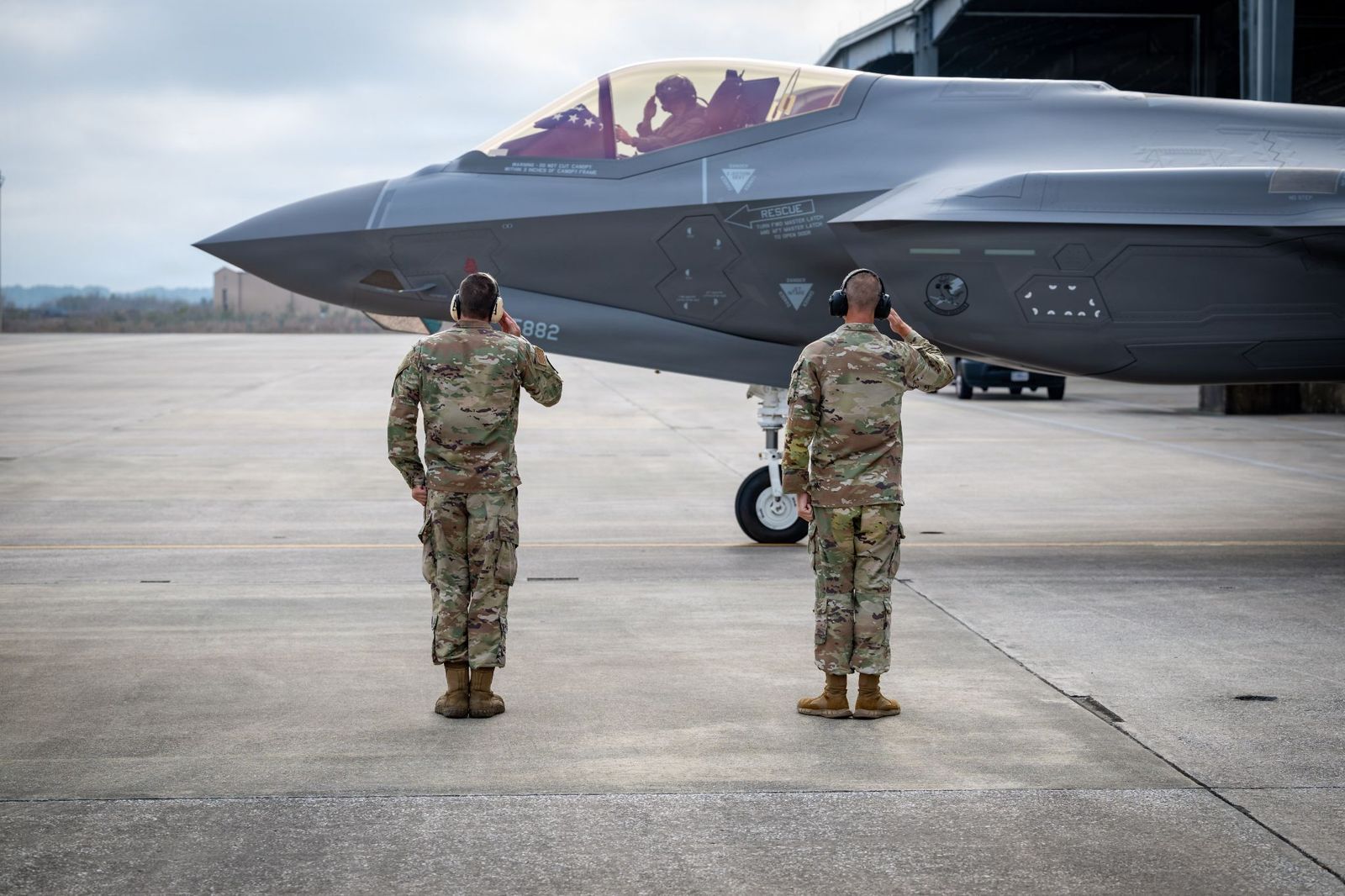
When something needs to happen right away, this is the expression to use. "On the double" means to do something very quickly, or without delay.
The expression comes from the military command "double time," which tells troops to move at a faster pace than a normal march. Military drill manuals describe double-time marching at around 180 steps per minute. Today, "on the double" is used outside the armed forces whenever someone wants a task finished immediately or expects a rapid response, whether it’s an urgent work assignment or a request to hurry up.
Boots on the ground
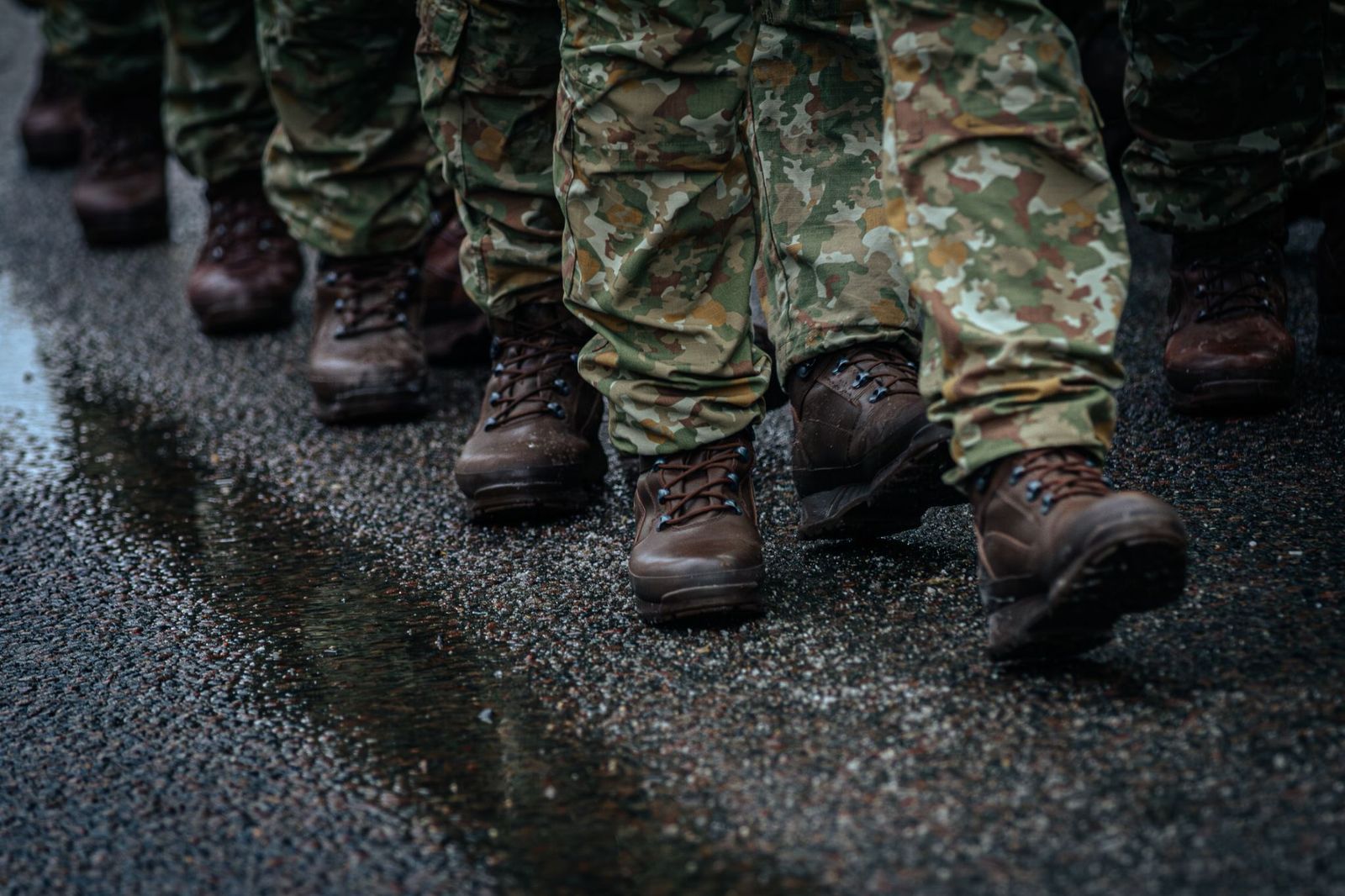
The phrase might sound like it refers to footwear, but its meaning goes far beyond boots themselves. Boots on the ground refers to military troops, law enforcement officers, or personnel who are physically present in a specific location and actively participating in an operation or mission
The phrase uses "boots" as shorthand for the people wearing them, particularly ground troops. One of the earliest documented uses of the exact phrase appeared in 1980, when U.S. Army Gen. Volney Warner used it while discussing the Iranian hostage crisis. Similar expressions, such as "feet on the ground," appeared earlier. The idiom has since expanded far beyond the military into business, politics, and disaster relief, where it means having people physically present to do the work.
Standard operating procedure
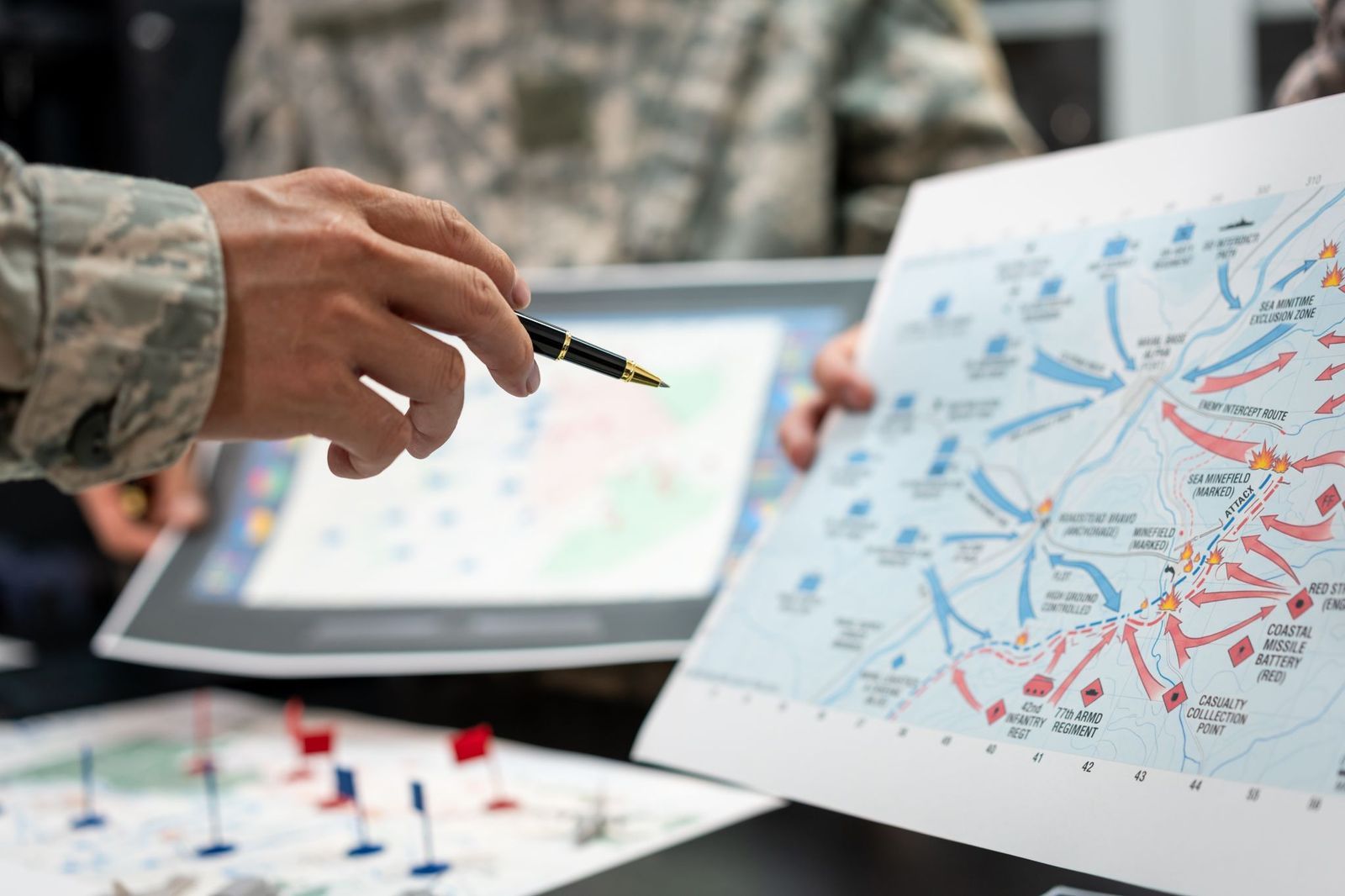
Ever wonder how military personnel know exactly what to do in a particular situation? A standard operating procedure, or SOP, provides written instructions for carrying out a task or process consistently. The term is widely used in the military, government, health care, manufacturing, and business.
An SOP lays out the steps people should follow to complete a task safely and consistently. Although the military is well known for using detailed procedures to coordinate complex operations, the term is not exclusive to the armed forces. Today, organizations of all kinds rely on SOPs to help employees follow established practices and reduce mistakes.
Rank and file
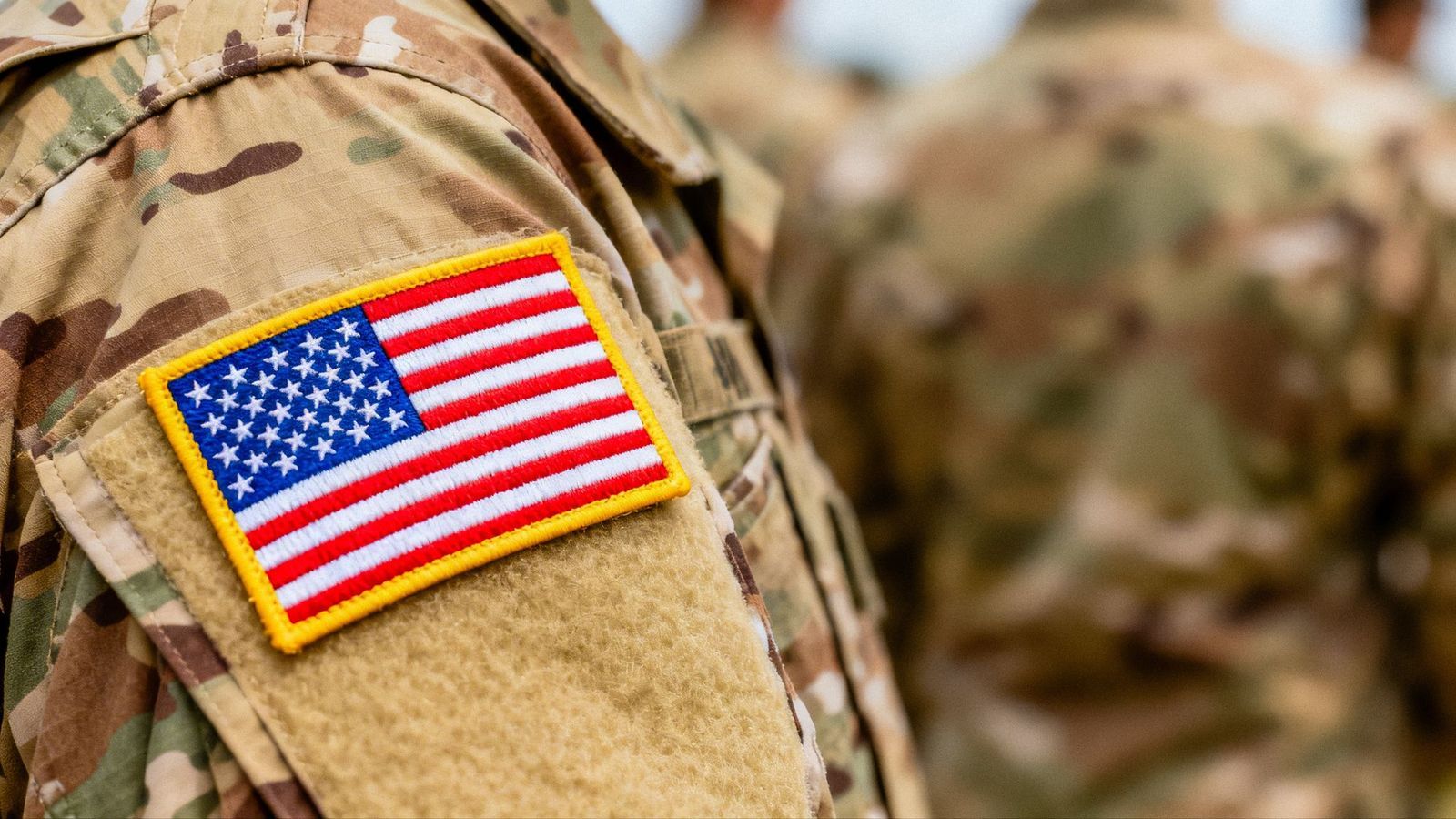
The expression "rank and file" refers to the ordinary members, workers, or foot soldiers of a group or organization, as distinct from its leaders. The phrase comes from the physical way troops lined up in military formations.
A rank refers to the soldiers standing side-by-side in a horizontal row, while a file refers to the soldiers standing one behind the other in a vertical column. Together, the terms describe the people who make up the body of a formation rather than those in command. The expression dates back to at least the 16th century and appears in early literature, including William Shakespeare’s Henry V, written around 1599.