And not just ships

Why do famous vehicles have names? 11 famous examples explained


Published on April 20, 2026
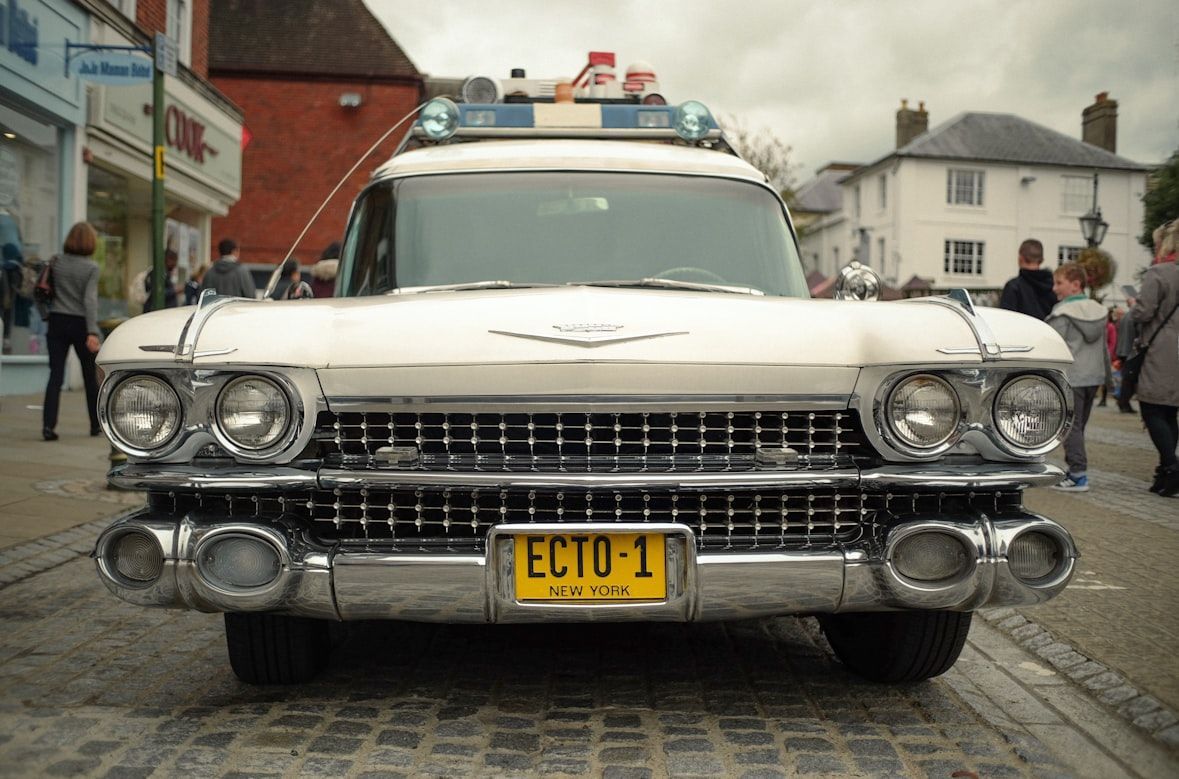

Image: Viktor Forgacs

The timeless tradition of naming vehicles is not reserved only for ships but, as it turns out, for anything else as well. Americans in particular tend to name machines as if they were people. When a car, boat, plane, or any other means of transport becomes familiar enough, through daily use or popular culture, it probably ends up earning a nickname. Which of the following 11 is your favorite?

1

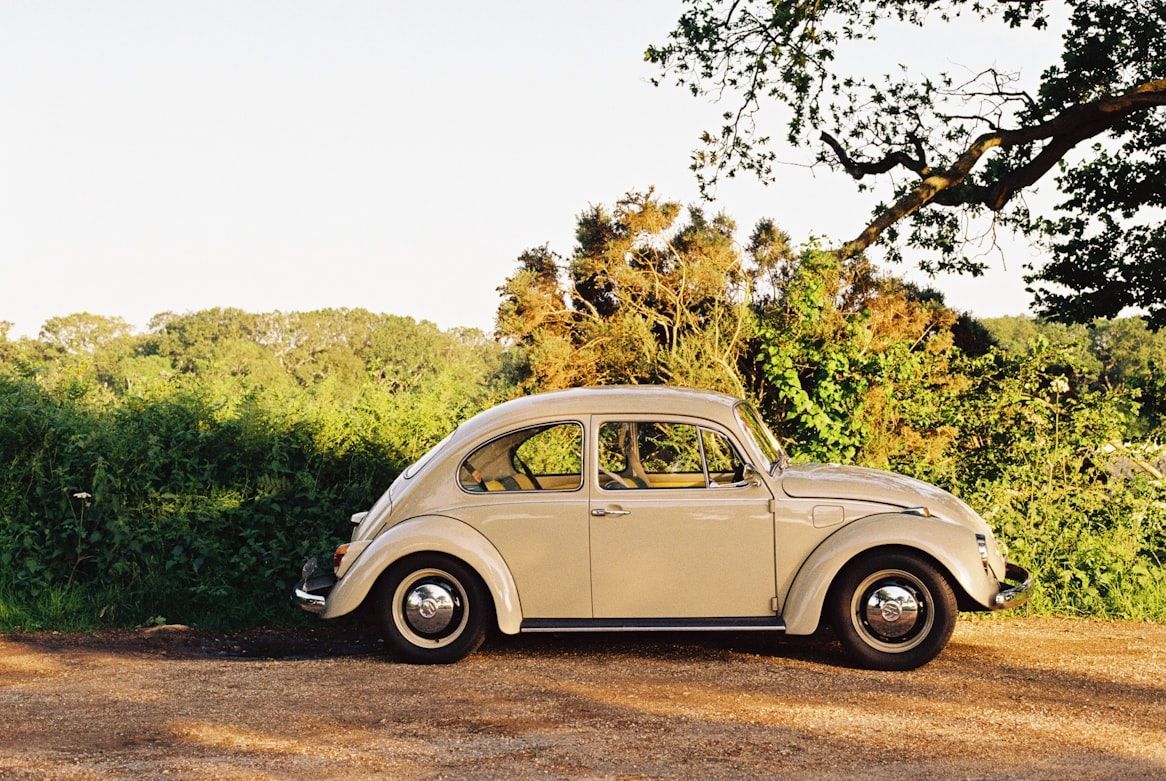
Herbie, The Love Bug

Image: Annie Spratt

This cheerful Volkswagen Beetle from a long-running Disney film series wasn’t just transportation: it had emotions, opinions, and a somewhat stubborn streak. The friendly name "Herbie" helped audiences accept the idea of a car with a personality.

By pairing a humble compact car with a human nickname, the films transformed an everyday vehicle into a charismatic character that many people embraced.

2

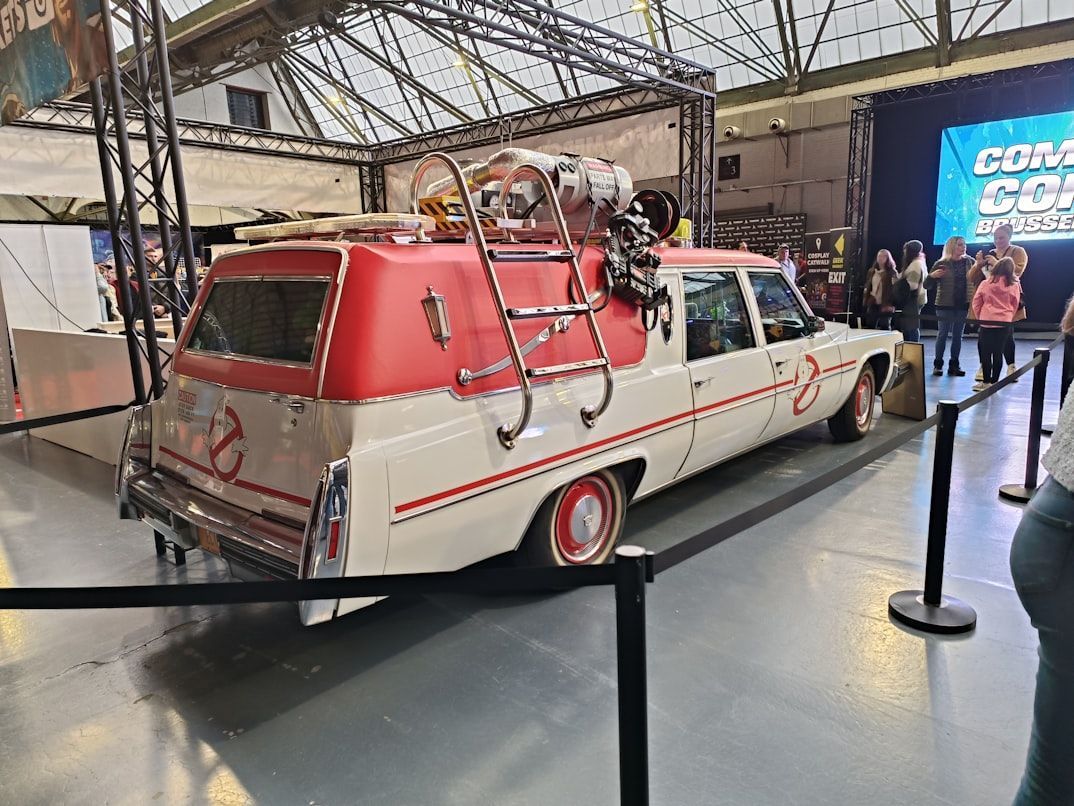
Ecto-1

Image: Jean-Luc Picard

The Ghostbusters’ iconic Cadillac hearse became famous under this strange, technical-sounding name. "Ecto-1" felt halfway between scientific equipment and a comic-book invention.

The nickname balanced spooky imagery with lighthearted absurdity, turning a creepy old vehicle into a lovable symbol of heroism and DIY aesthetic.

3

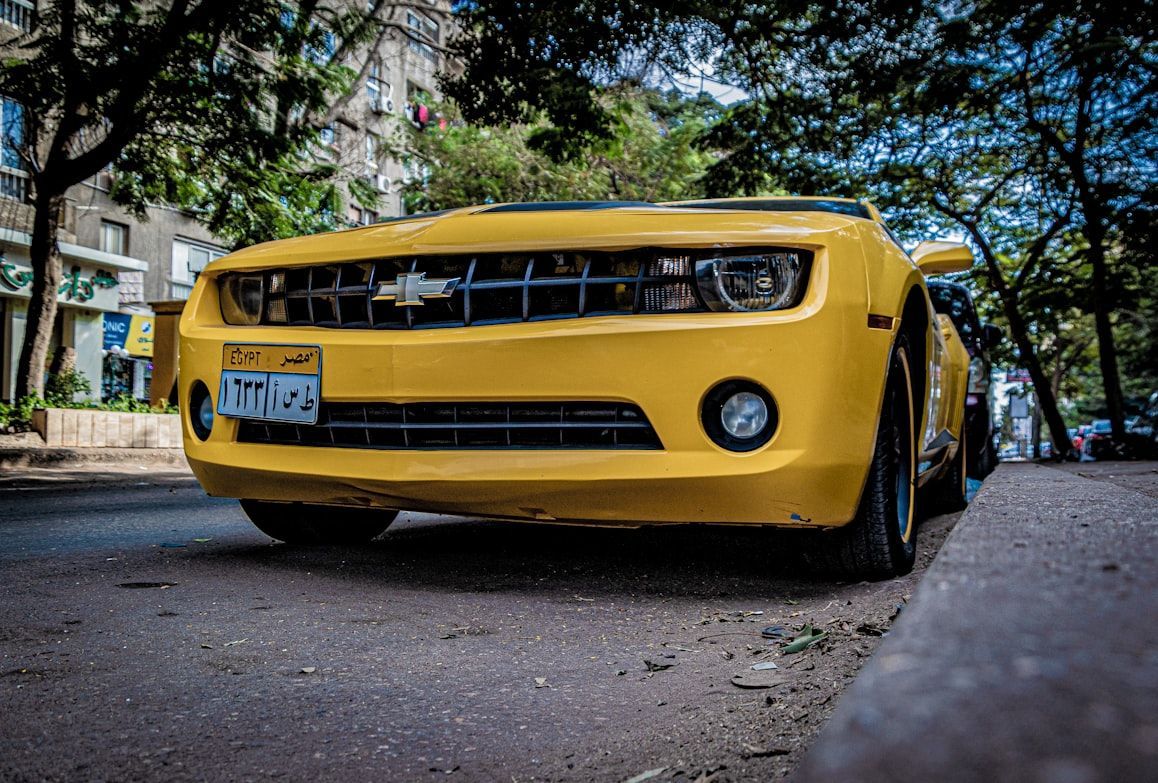
Bumblebee

Image: Michael Starkie

In the Transformers films, Bumblebee stood out for his loyalty, friendliness, and expressive nature. The nickname suggested warmth and charm rather than mechanical power.

By choosing such a gentle name, the films helped audiences emotionally connect with a robot, proving that personality can play a huge role even in a car.

4

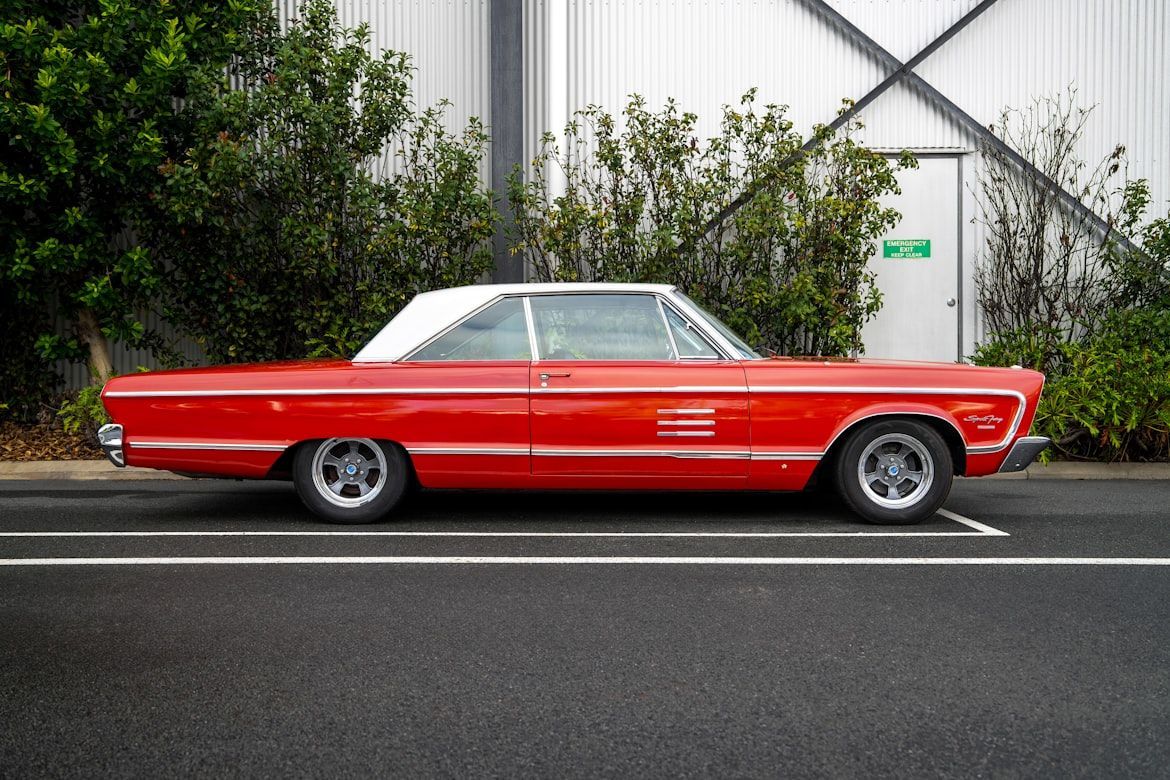
Christine

Image: Mat Kilkeary

The Plymouth Fury in the Stephen King horror story carried a sweet, ordinary human name that sharply contrasted with its violent nature.

Calling a murderous car "Christin" made it look as if it were disturbingly alive, showing how innocent-sounding names can heighten unease rather than soften it.

5

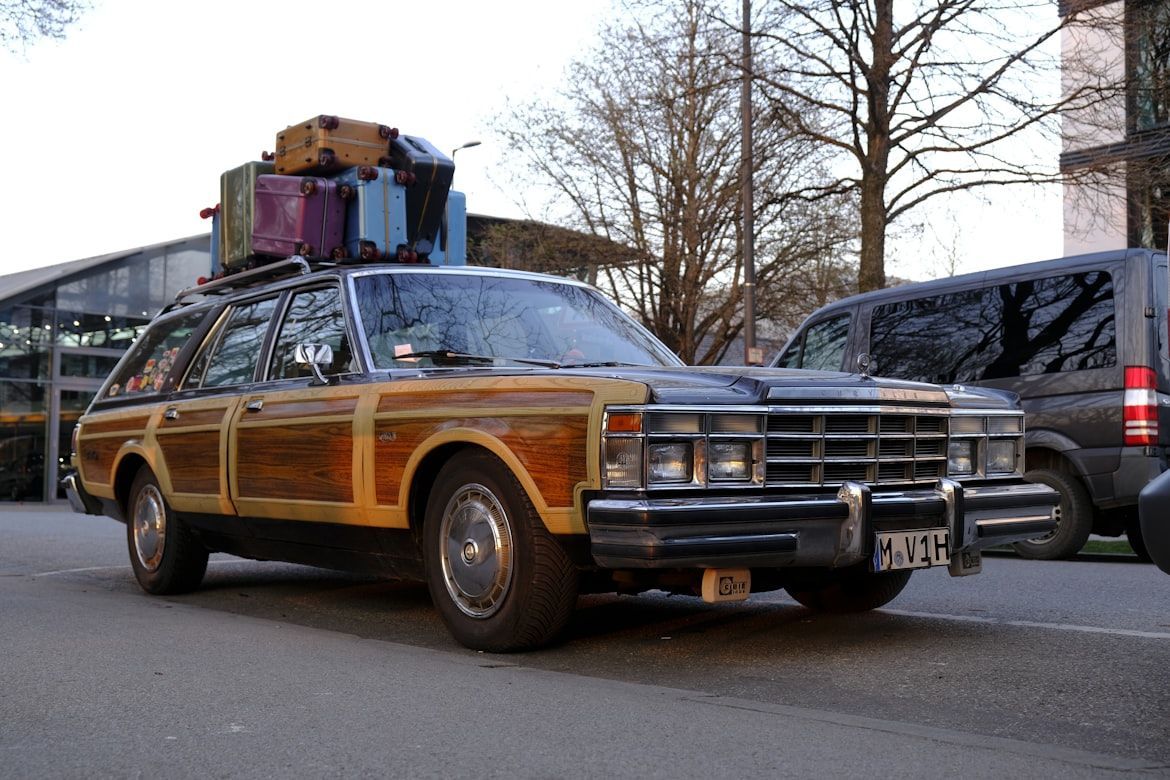
The Family Truckster

Image: Zlatko Đurić

This infamous station wagon from National Lampoon’s Vacation had a name that sounded proudly practical and painfully dull. That was entirely the joke.

The nickname perfectly captured the car’s role as a symbol of family optimism gone wrong.

6

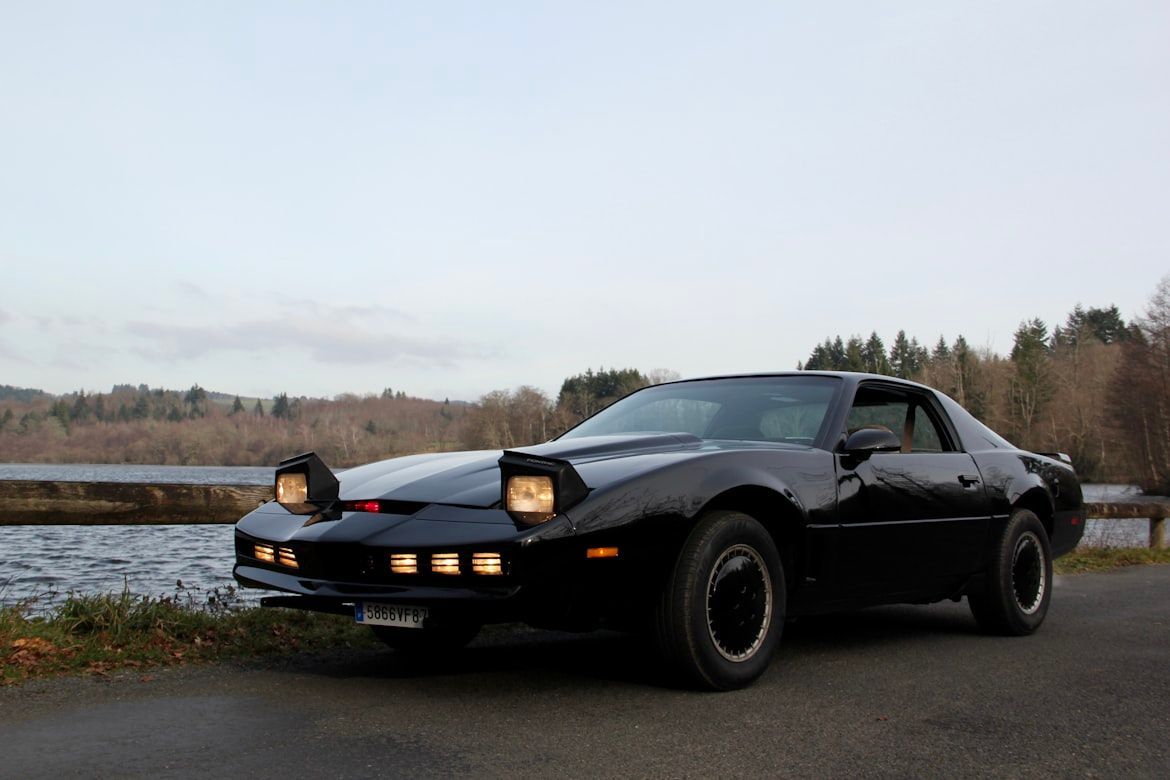
KITT

Image: Arthur Besnard

Short for "Knight Industries Two Thousand," KITT was a talking car with intelligence, sarcasm, and moral judgment. The acronym softened its advanced technology.

Rather than sounding cold or futuristic, the shortened name suggested companionship, helping viewers accept a machine as a trusted partner rather than a tool.

7

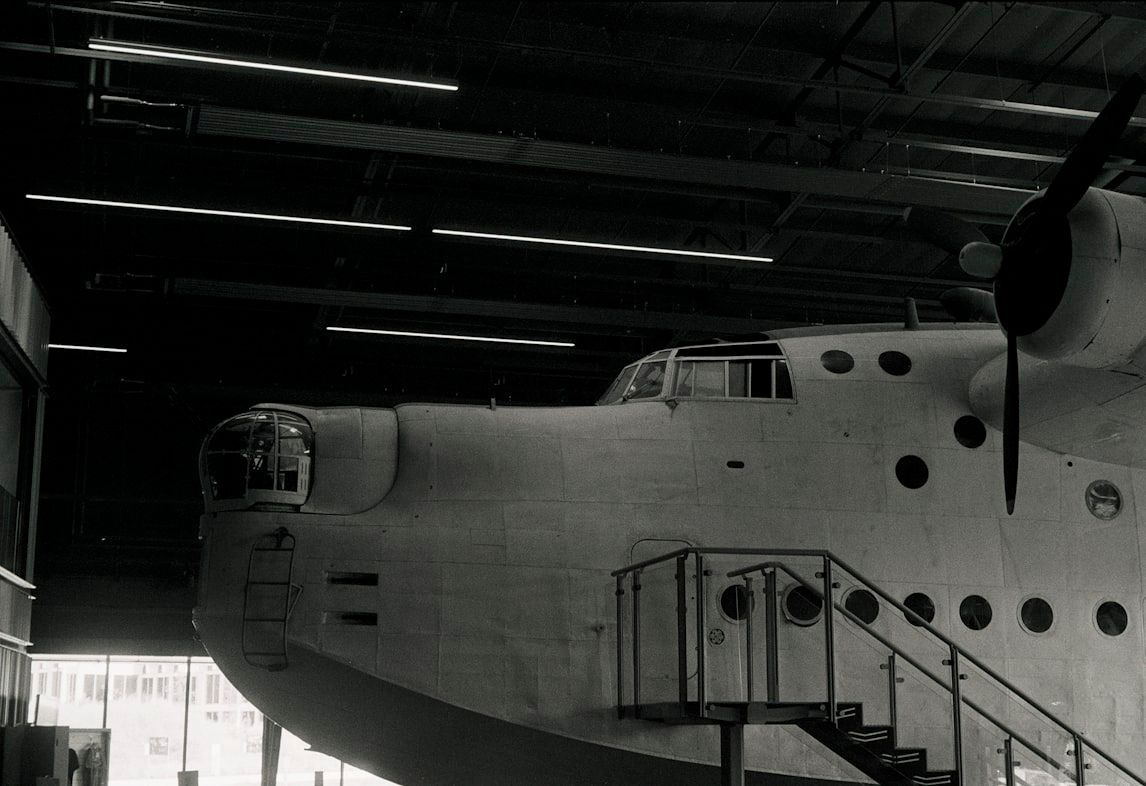
The Spruce Goose

Image: Dan Dodman

Howard Hughes’s massive experimental aircraft officially had a technical name, but the public preferred this quirky name. "Spruce Goose" stuck like glue once it was known.

The playful label softened the plane’s ambition and controversy, making an engineering oddity easier to remember and talk about.

8

The Spirit of St. Louis

Image: Matias Luge

Charles Lindbergh’s historic airplane carried a name that sounded poetic and hopeful. It emphasized civic pride rather than machinery.

That lyrical nickname helped turn a technical achievement into a national story of bravery and ambition.

9

Snoopy’s Sopwith Camel

Image: Fujiphilm

In the Peanuts comic strip, Snoopy’s doghouse doubles as this imaginary World War I fighter plane. The nickname blends history with childhood fantasy.

The vessel’s name gently parodied heroism while marking the imagination of the leading character.

10

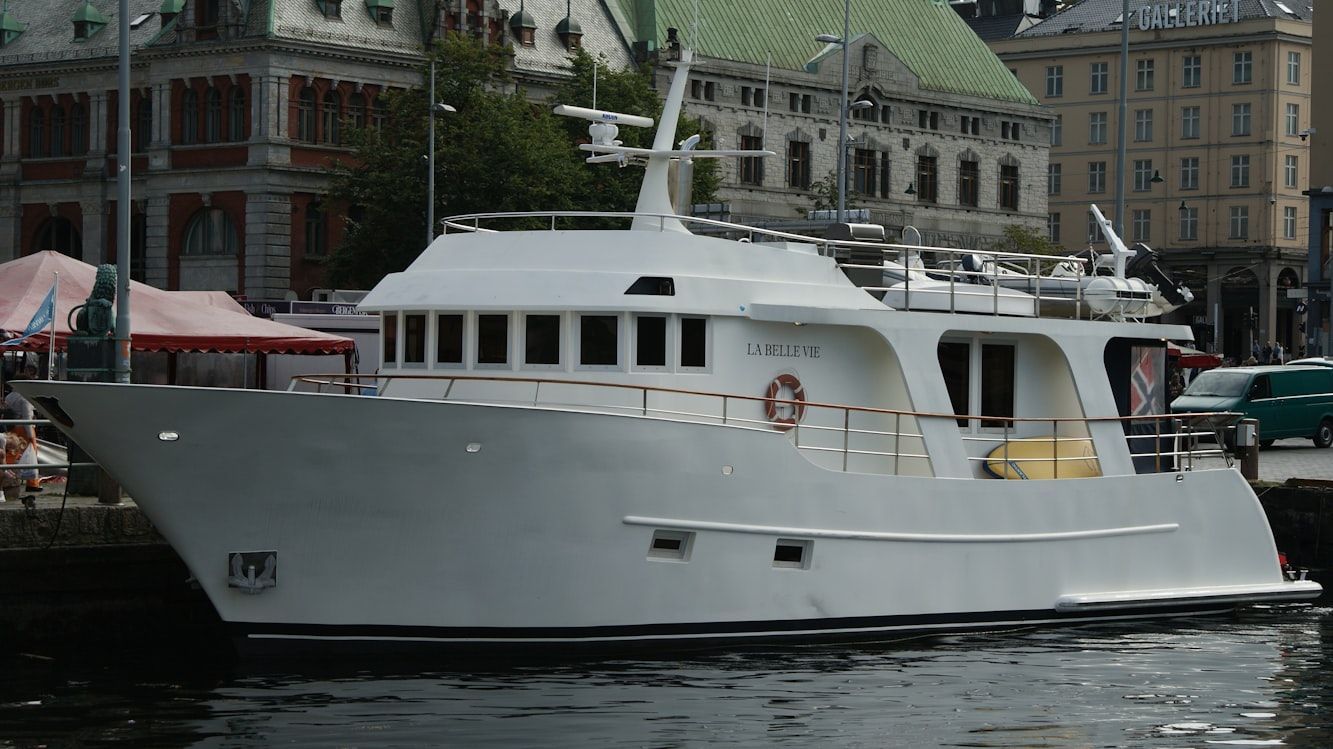
The Minnow

Image: Alan Bowman

This tour boat from Gilligan’s Island earned a name that highlighted its size. The irony was a trademark of the comedy series.

Calling it the Minnow made its outsized impact funnier, reinforcing the show’s theme that small mistakes can have huge consequences.

11

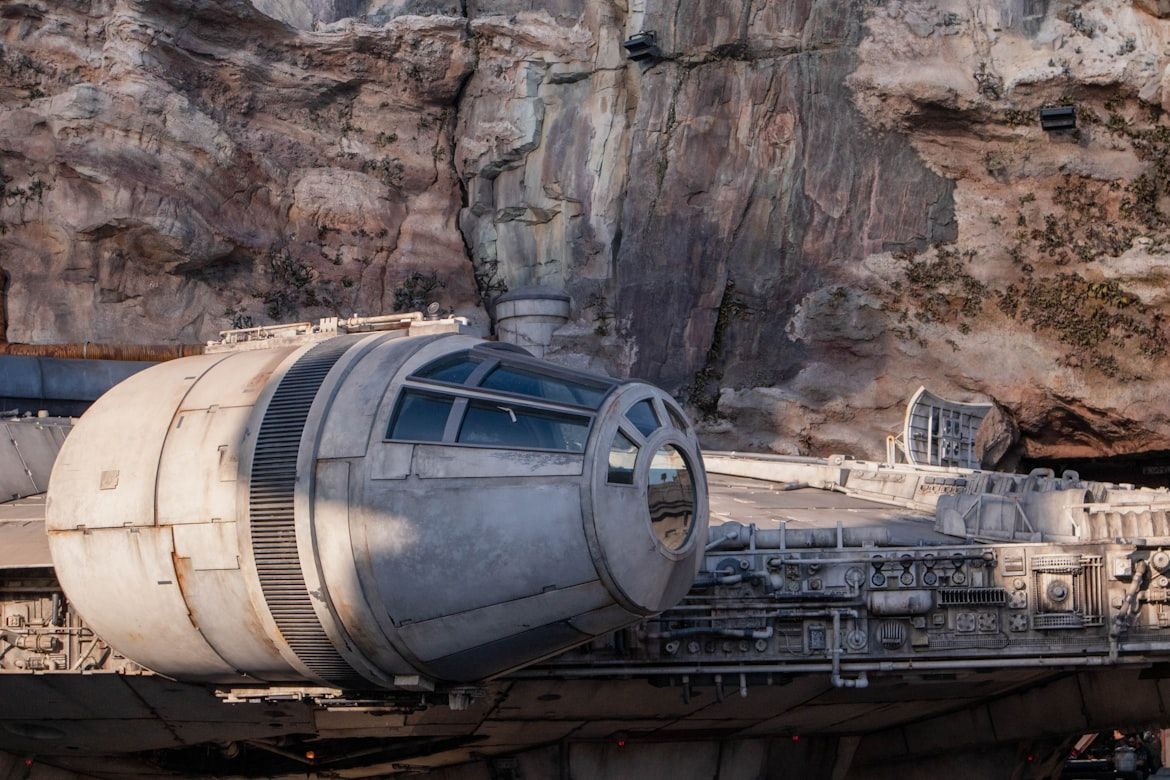
The Millennium Falcon

Image: Josué AS

Han Solo’s famously unreliable spaceship carried a name suggesting speed and nobility. The contrast was intentional and memorable.

Calling it the Millennium Falcon elevated a beat-up vessel into legend, proving names can create mythology.
Legendary language

From gods to gossip: common expressions with mythological roots


Published on April 20, 2026


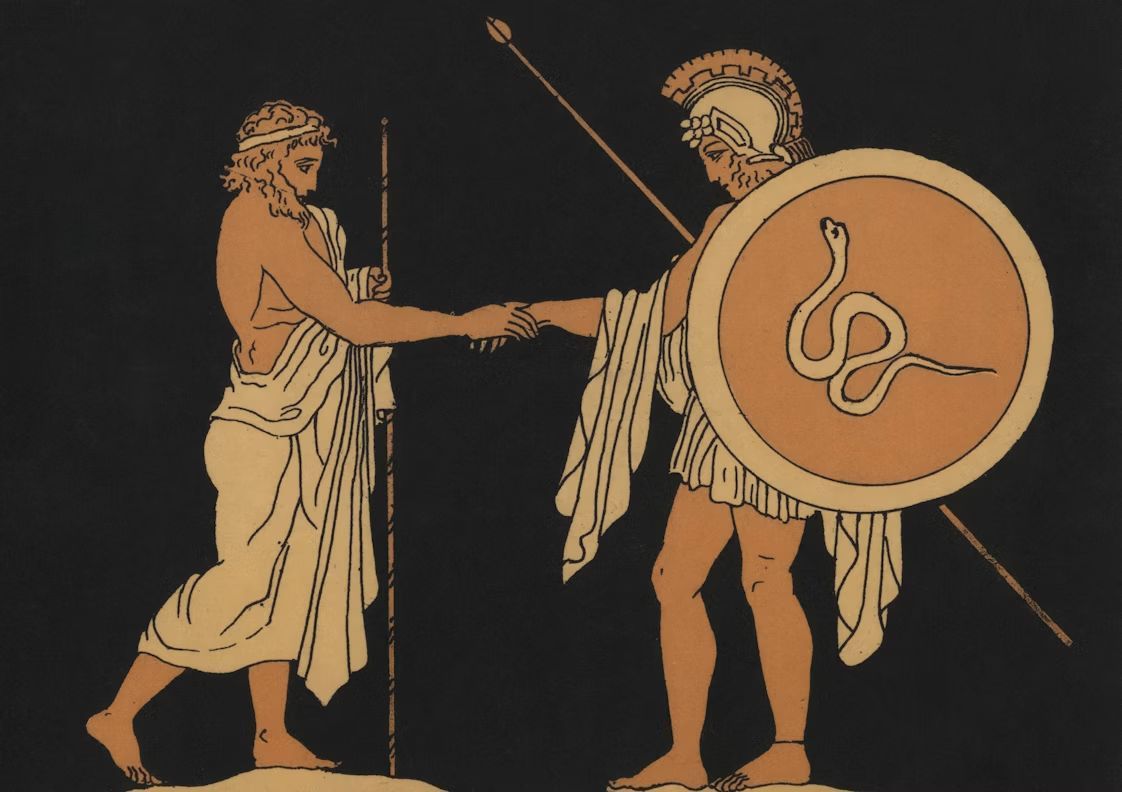
Image: The New York Public Library

We use colorful expressions every day without giving them much thought. But a surprising number of them go all the way back to ancient mythology. Long before movies and television, these dramatic stories helped people make sense of luck, love, danger, and human flaws. Today, we’ve gathered ten heroic, cautionary, and messy expressions that have sneaked their way into everyday language.

1

Midas touch

Image: Jr Korpa

You’ve probably known someone like this: everything they try seems to work out, and you can’t help but admire it. That’s what we mean by the Midas touch. It comes from King Midas, who asked for everything he touched to turn to gold. At first, it sounded perfect. Then reality set in when he couldn’t eat or hug anyone without disaster. Luckily, today we use the phrase to praise good luck rather than warn about it.

2

Pandora’s box

Image: Tipurita Andrei Razvan

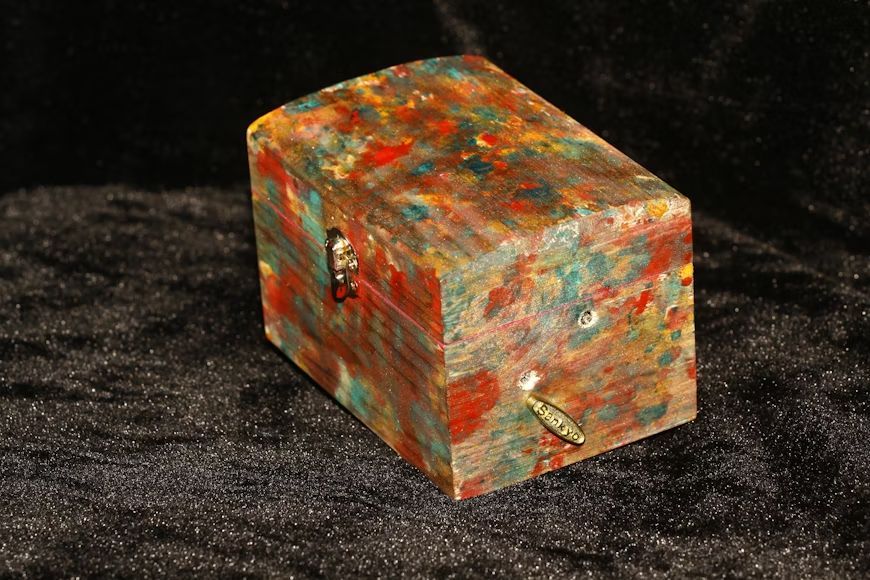
Pandora had one simple rule: don’t open the container. Naturally, she did. And once she did, all kinds of trouble spilled out into the world. When you hear someone say, "That’ll open Pandora’s box," they’re really saying, "Trust me, you don’t want to start this." And that’s just the beginning.

3

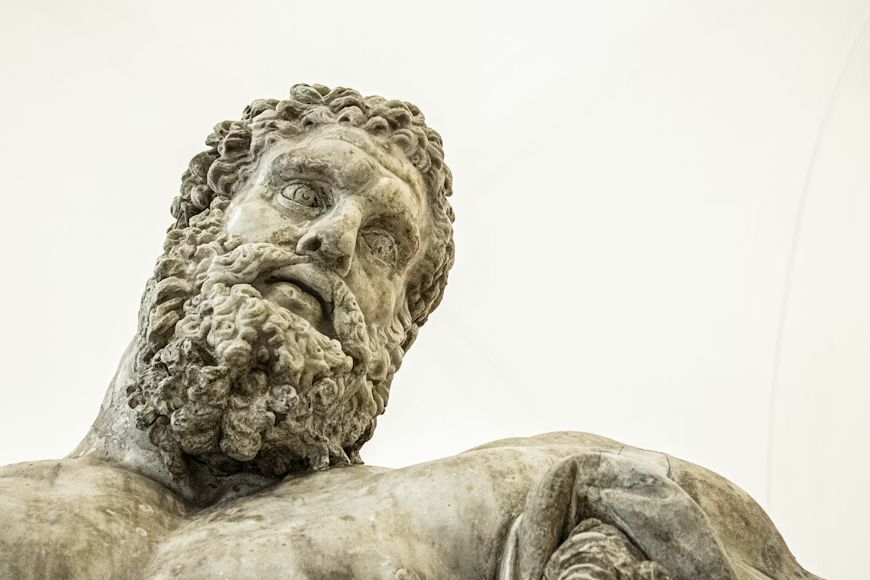
A Herculean effort

Image: Rosario Esposito La Rossa

Some jobs feel so big you wonder where to even start. Hercules knew that feeling well. He was famous for taking on tasks no one else would dare attempt, from fighting monsters to cleaning stables no one wanted to go near. So when you hear yourself say a job took a herculean effort, you’re in good company.

4

Amazonian

Image: Dale de Vera

The Amazons didn’t sit around waiting for help. They were warriors through and through, strong, skilled, and confident. That spirit carries over when we describe a woman as Amazonian today. It’s a compliment that suggests she has presence, power, and knows exactly who she is.

5

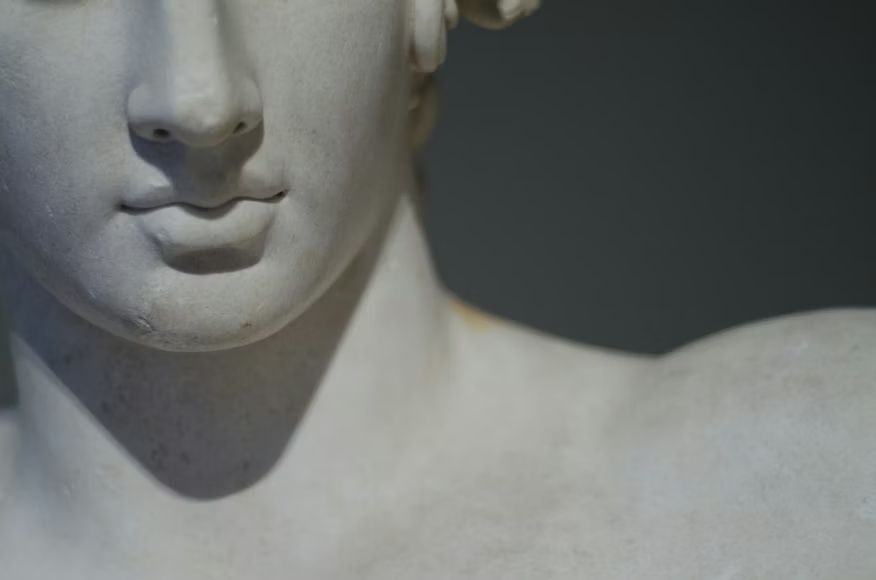
Adonis

Image: FotoFlo

We all know the type: the kind of man who turns heads without even trying. In mythology, Adonis was so good-looking that goddesses argued over him. These days, calling someone an Adonis is just an easy, playful way to say he’s handsome, no epic love story required.

6

Achilles’ heel

Image: Anne Nygård

Even the strongest people have a soft spot. Achilles was nearly unbeatable, except for one small weakness at his heel. That single flaw changed everything. When you talk about an Achilles’ heel now, you’re pointing to that one thing that can trip you up, even when everything else is going right.

7

Caught between a rock and a hard place

Image: Sophia Kunkel

Ever feel stuck with no good options? Odysseus knew that feeling all too well when he had to choose between two deadly dangers on his journey. Either way, he was in trouble. That’s why we still use the phrase today to describe situations where every choice feels like the wrong one.

8

A Trojan Horse

Image: Emma Corti

At first glance, it looked like a generous gift. But inside that wooden horse was a plan that changed history. The Trojan Horse has become our shorthand for anything that seems helpful on the surface but hides trouble underneath. Feel like saying yes to something? Think twice!

9

Tantalizing

Image: Guillermo Latorre

Imagine being inches away from what you want and never being able to reach it. That was Tantalus’s fate, and it gave us the word tantalizing. We use it for those tempting things that stay just out of reach, like a treat you swear you won’t have but can’t stop thinking about.

10

Icarian ambition

Image: Claudio Schwarz

Icarus had big dreams and ignored good advice. Flying higher and higher felt thrilling, until it all came crashing down. When someone warns about Icarian ambition, they’re saying it’s great to aim high, but it helps to listen and stay grounded. After all, even wings need limits.

Looking for an extra scoop of literary fun?

Learn more with our Word of the day

concatenate

/kənˈkætnˌeɪt/