Mayday! Mayday!
Why do commercial airflights have those letters and numbers? Here’s why!
Published on November 23, 2025
 Credit: Erik Odiin
Airport codes, numbers, and technical lingo might seem arcane or even random at first glance, but most have surprisingly logical origins. From international abbreviations to behind-the-scenes terms used by airport staff, there’s a whole coded world buzzing around your flight. Let’s unpack 10 of the most widely used ones.
IATA airport codes
 Credit: Nicole Geri
IATA airport codes are those three-letter codes you see on tickets and baggage tags, like LAX for Los Angeles or JFK for New York. They're set by the International Air Transport Association (the aforementioned IATA).
These codes often reflect the airport’s name or location, but not always. Some are not as obvious, like ORD for Chicago O’Hare, which comes from its previous name: Orchard Field.
UN/LOCODEs (Trade and Transport Locations)
 Credit: CHUTTERSNAP
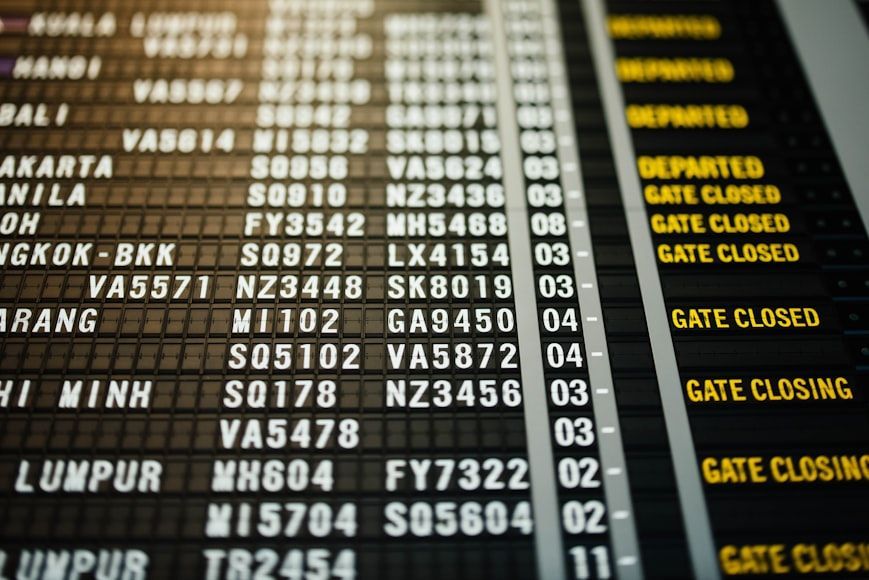
A relative of the IATA airport codes, UN/LOCODEs are five-character codes used in global trade and transport. They combine a two-letter country code with a three-letter location code, like USLAX for Los Angeles in the U.S.
These codes help standardize locations in shipping, logistics, and customs. You might not see them as often as airport codes, but they’re essential behind the scenes in moving goods worldwide.
Airport Terminal and Gate codes
 Credit: George Kourounis
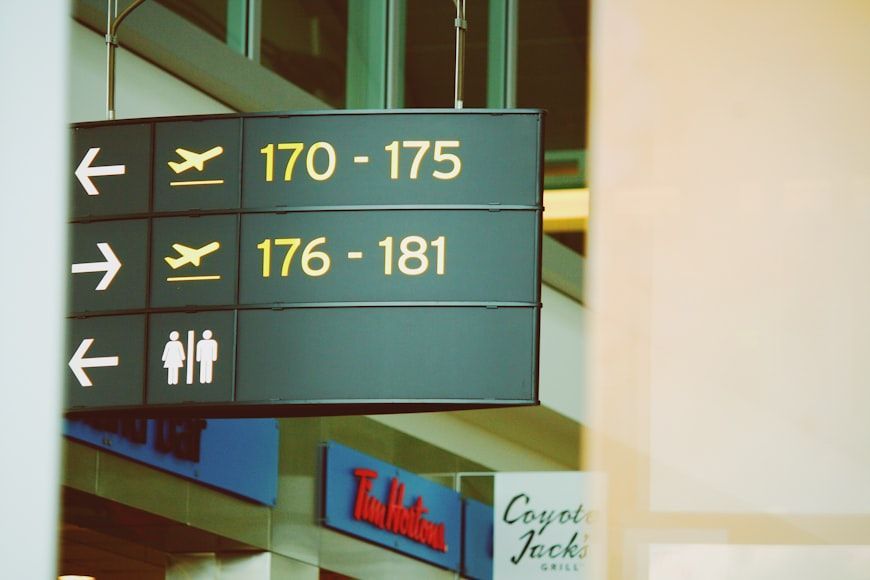
Airport terminal and gate codes help guide you through the airport. A sign like T1-G12 means Terminal 1, Gate 12.
Each airport has its own layout, so the letters and numbers can vary. Some use concourses (like B42), while others just number gates.
Runway designators
 Credit: Eduardo Cano Photo Co.
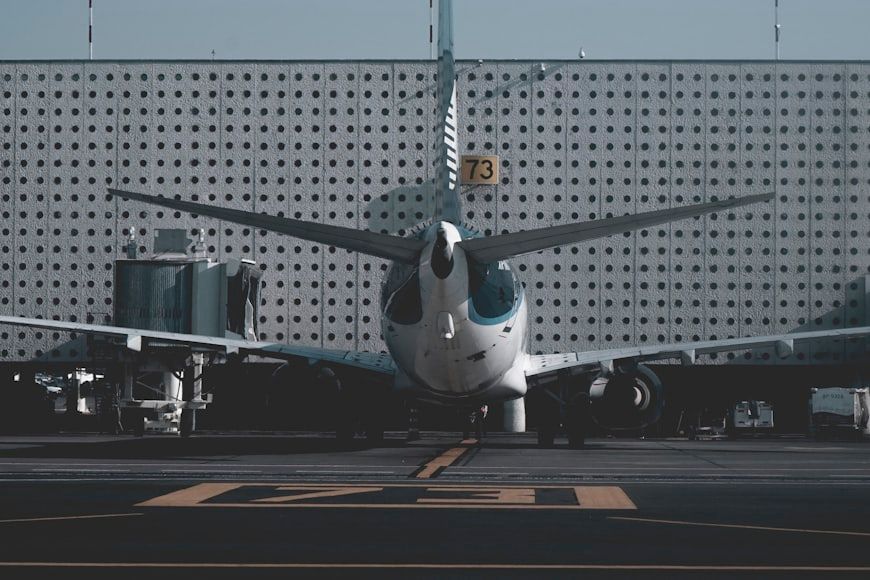
Runway designators are those numbers you see at each end of an airport runway, like 09/27. They’re based on compass directions. For example, 09 means 90°, or east, and 27 means 270°, or west.
If there are parallel runways, you’ll see letters too, like L for left or R for right (e.g., 09L/27R).
Airline and flight number codes
 Credit: Matthew Smith
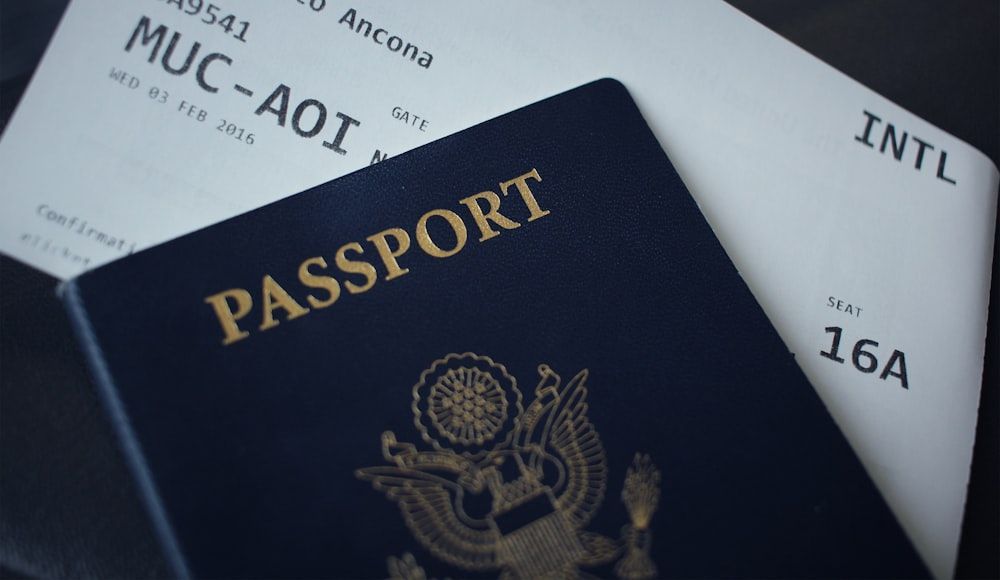
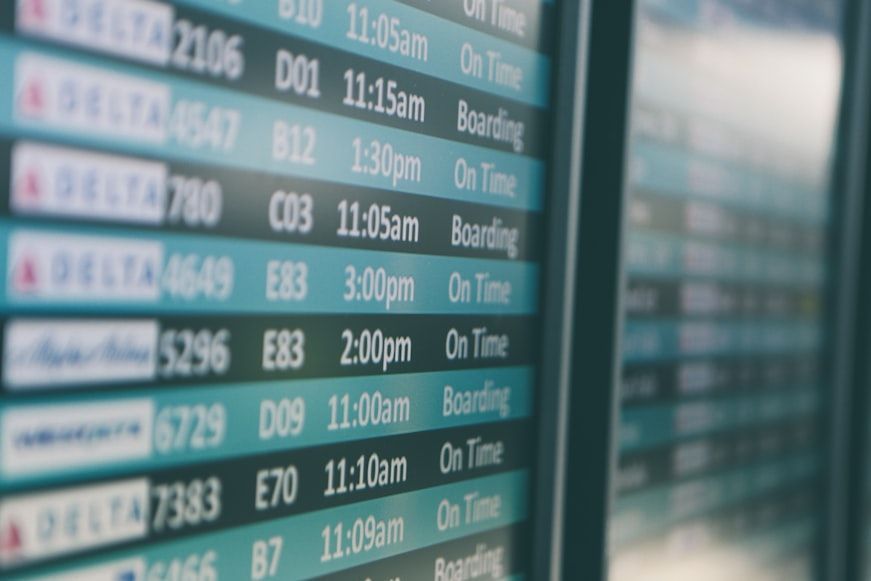
Airline and flight number codes help identify specific flights, like AA100 for American Airlines Flight 100. The first part is the airline’s IATA code, followed by a number assigned to the route.
These codes are used in schedules, boarding passes, and announcements.
A-CDM codes (Airport Collaborative Decision Making)
 Credit: Nicholas Jeffries
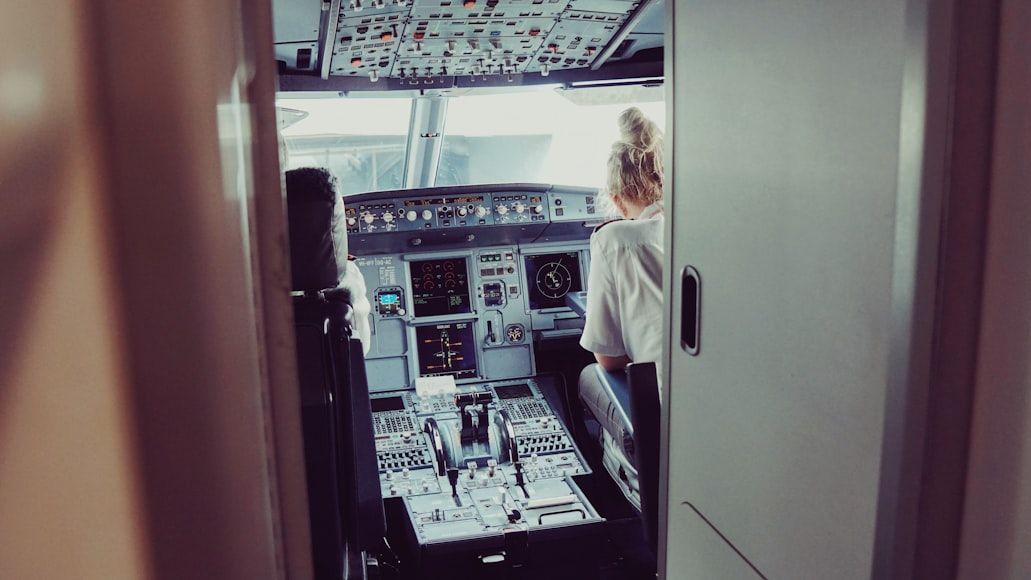
A-CDM codes are used at airports to help controllers and pilots work together smoothly using universal directives. They stand for Airport Collaborative Decision Making.
Some examples of these kinds of codes are TOBT (Target Off-Block Time) and TSAT (Target Start-up Approval Time), which help coordinate when planes should push back or start engines.
METAR/TAF airport codes (for weather reports)
 Credit: Gurwinder Singh
METAR and TAF codes use ICAO airport codes to report weather conditions for pilots and flight crews. For example, EGLL is used in METAR reports for London Heathrow.
These reports include info like wind, visibility, and temperature. METARs show current weather, while TAFs give forecasts.
Baggage tag codes
 Credit: Dimitri Karastelev
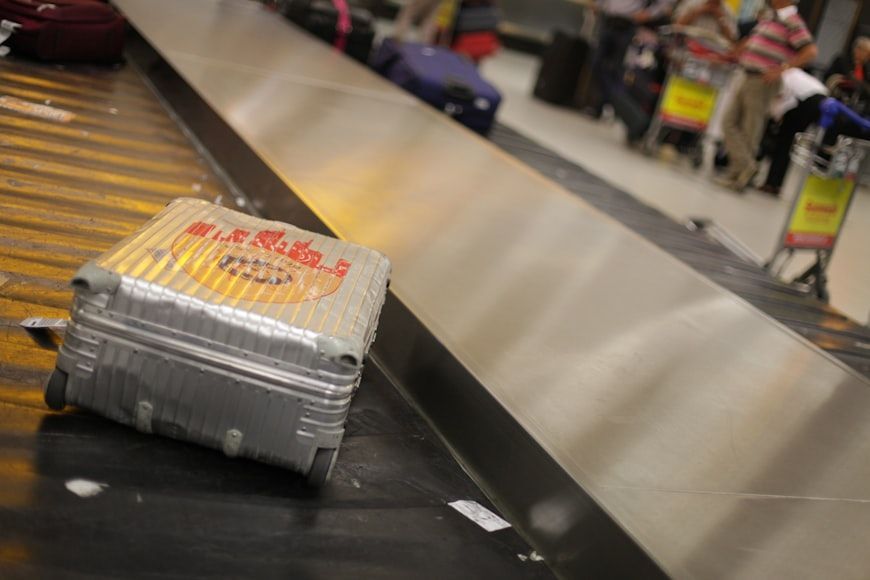
Baggage tag numbers and codes are the barcodes that are attached to the luggage when it is checked. They usually include the airport's IATA code, like LAX123456, to help route the bag correctly.
These tags let airports and airlines track bags from drop-off to arrival.
Flight status
 Credit: David
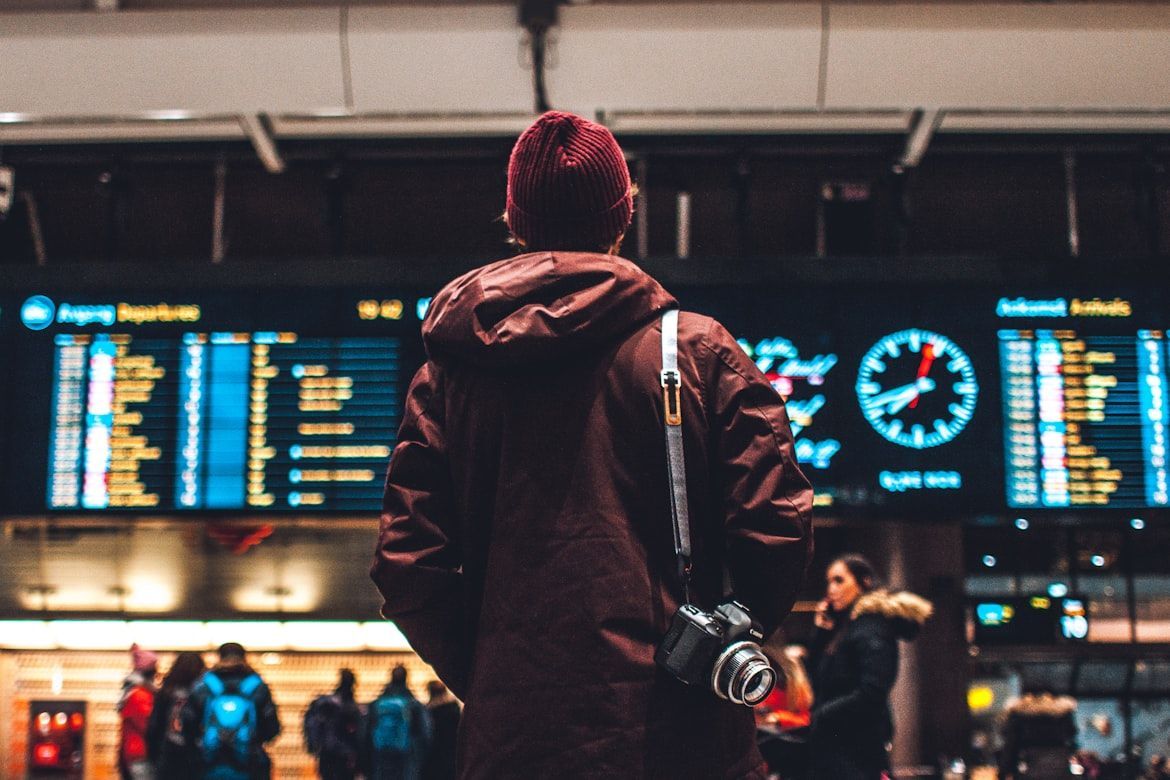
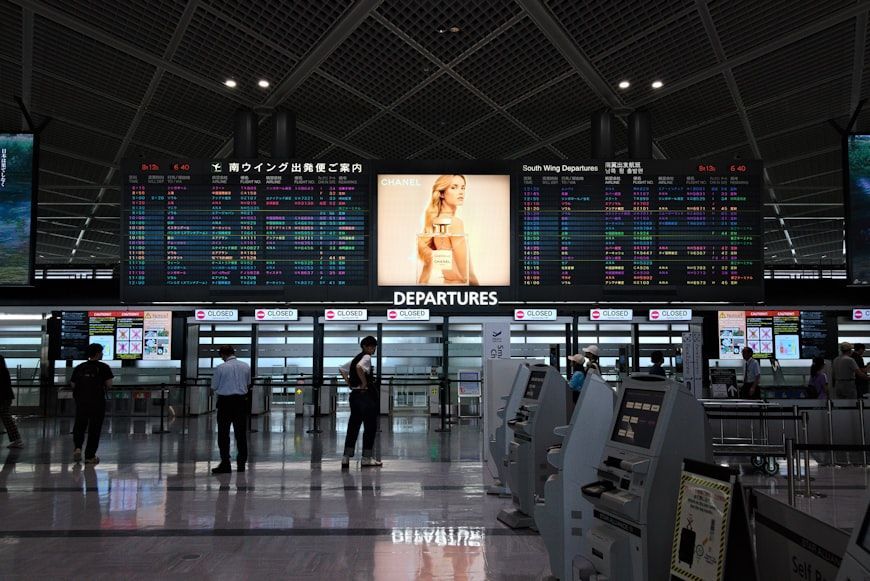
Flight status codes are seen on airport screens, like ON TIME, DELAYED, or BOARDING, to keep passengers updated. They’re simple but super helpful when you’re rushing to your gate.
Other codes can be spotted, like DEP (Departed), ARR (Arrived), ETA (Estimated Time of Arrival), and GATE CLOSED.
Flight number
 Credit: CardMapr.nl
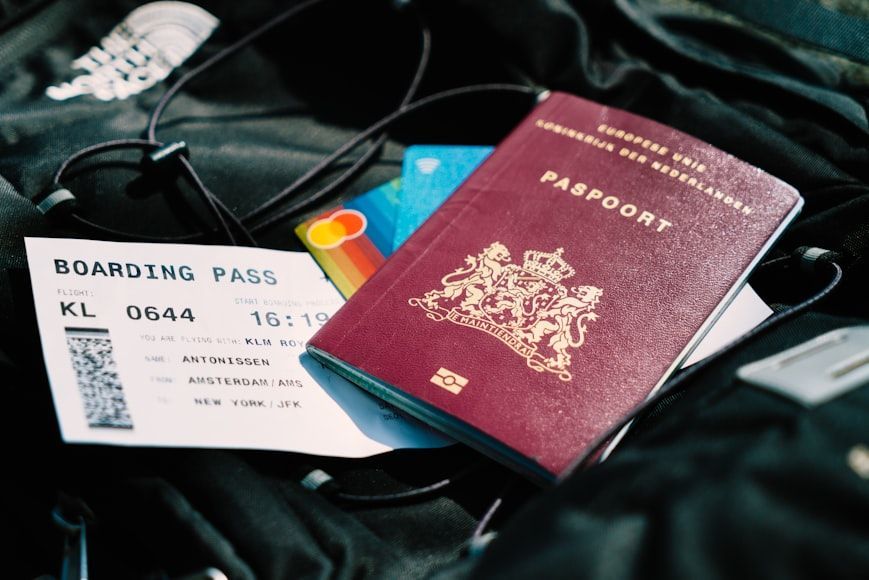
Flight numbers help identify each flight and usually include four or five digits after the airline code. These numbers aren’t random: they often reveal details like the route, destination, or flight type.
For example, Lufthansa uses 400s for North America and 900s for Asia. Some airlines even assign numbers based on the country of origin.