Keeping score of idioms

Which sport brought us the most sayings? The answer will surprise you!


Published on June 23, 2026


Image: Steshka Willems

Can you identify idioms that originated in sports? Maybe it’s trickier than you think. Sure, some expressions are obvious: Why else would we talk about "throwing a curveball"? But in this article, you might find a few sayings that you thought had other origins. Can you guess which sport has introduced the most expressions on this list? Let’s step up to the plate and dissect 13 sports idioms!

1

Go for gold

Image: Jingming Pan

Gold is such a valuable material that "going for gold" appears valid in many different arenas. That very expression could have originated during the Gold Rush era, for example.

But the phrase became popular via repetition in sporting competitions. When athletes applied their full efforts to win first place, they were revered for "going for gold." Today, we use it for anyone striving for excellence in any discipline.

2

Hands down

Image: Philippe Oursel

We have gotten very used to using "hands down" as an expression of certainty and hyperbole. "Chocolate ice cream is my favorite, hands down." But what did the hands ever have to do with it?

It traces back to horse racing. When a jockey was far ahead in a race, they would relax their grip on the reins and lower their hands: In short, a certain win. Over time, "hands down" became a term to emphasize something as undeniably the best or easiest.

3

Full-court press

Image: Barna Bartis

You can’t be blamed for thinking that a "full-court press" was some sort of judicial strategy. But it isn’t; The court here refers to a basketball game.

It’s a tactic that involves the defending team advancing and disrupting the opponent’s play, applying pressure across the entire court. That’s why we use this expression for all-out team efforts to achieve something, be it in business, politics, or personal matters.

4

Throw a curveball

Image: Colynary Media

In baseball, a "curveball" is a pitch that spins and curves unpredictably. Basically, a batter’s nightmare, because it is designed to catch them off guard and make them miss.

The dramatic image of facing an obstacle set up by the competition clicked with people. So they started using the expression "being thrown a curveball" when something tricky or unexpected was coming their way.

5

To win by a nose

Image: Keith Luke


When you hear that someone "won by a nose," do you picture two human faces lunging for a finish line? You may have, but that’s not the precise origin of the idiom.

It comes from horse racing, where a horse’s snout is really the first part of him (and his rider) to cross the line. Today, we use it for scenarios where we win what we want by a small margin. Like getting to our flight right before the gates close!

6

Throw in the towel

Image: Elena Kloppenburg

A frustrated chef in a cooking competition might also "throw in the towel," but that’s not the origin of this metaphor for surrender. This saying, like so many others, comes from boxing.

When a boxer is taking a beating and can't continue, a dramatic way for the trainer to interrupt or surrender the game would be to throw a towel into the ring. The image has evolved to stand for any form of surrender.

7

Drop the ball

Image: Ben Hershey

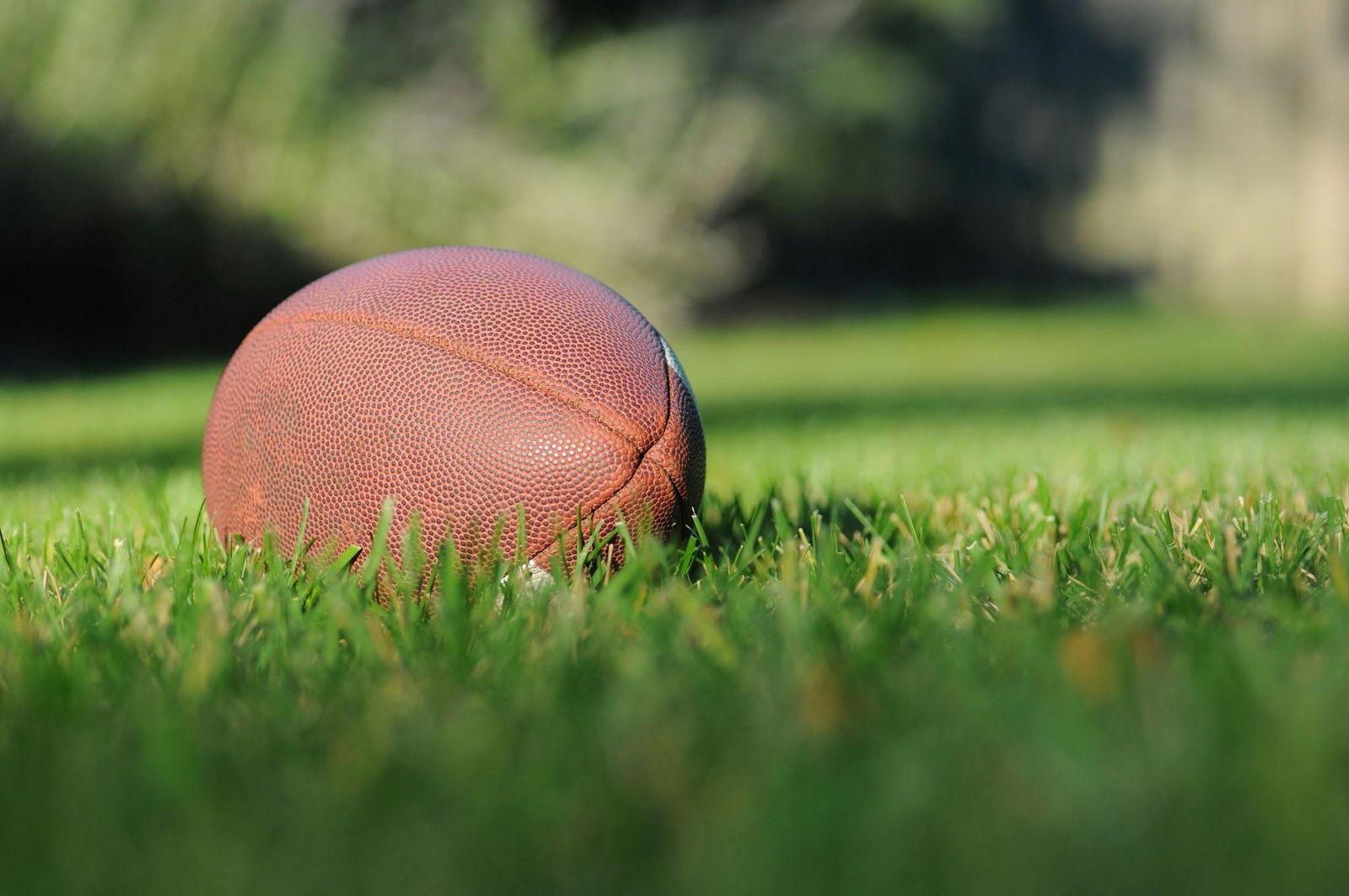
In American football and rugby, you have to catch and hold on to the ball if you want to keep the game alive. Let the ball slip from your hands and you’ll also be letting the rest of your team down.

That’s the origin of the expression. Dropping the ball means someone fumbled an endeavor, usually compromising the luck of other people.

8

To have someone in your corner

Image: Temple Noble Art

We all understand that this alludes to a person rooting for you and helping. Maybe when you heard this phrase you pictured someone figuratively in the corner of your mind, or of your heart –or of any room you were in.

But the origin is much more literal. As any boxing fan knows, the player’s support staff stay at a designated ringside corner. They are the ones tending to the player with help and encouragement between rounds.

9

Step up to the plate

Image: Kenny Eliason

You probably didn’t think that stepping up to the plate was advancing towards a dining table where a delicious feast awaited. But someone else probably did.

The actual meaning of the expression (which means to "rise up to the occasion") comes from baseball, where "the plate" refers to home plate –the spot where the batter stands to face the pitcher. If you are approaching it, it means it’s your turn to take action, face the challenge and deliver results.

10

Take it on the chin

Image: Michael Starkie

This one is easy to guess: Of course, it comes from boxing, where expecting blows is the norm. What isn’t the norm is to courageously accept punches in the face.

To take something on the chin means to face a figurative blow with resilience. A hit directly to the chin is one of the most jarring blows a fighter can endure, so when you are congratulated for having done something equivalent, it means you have withstood a challenge with grace.

11

Slam dunk

Image: Samuel Pagel

When someone says something is a "slam dunk," you probably imagine a sure success or an effortless win.

The term, as you may know, comes straight from basketball. A "slam dunk" is when a player jumps high and forcefully scores by slamming the ball directly into the hoop. Not effortless at all, but by the time the player has the opportunity to perform a slam dunk, their win is usually a sure thing.

12

The gloves are off

Image: Prateek Katyal

No, it does not derive from people putting aside their fancy gloves before having tea. It comes from harsh, bare-knuckle boxing.

In the early days of the sport, fighters wore padded gloves to soften their punches and reduce injury. When the gloves came off, the fight became more brutal and raw: No more pretense. Over time, the phrase evolved to describe any situation where politeness or restraint is abandoned.

13

Beat to the punch

Image: Johann Walter Bantz

It isn’t a race to a punch bowl at a party. This is yet another expression derived from the world of boxing, which, as you have seen, is a sport that launched more expressions into our language than any other!

This one refers to moments when one fighter manages to hit the other before receiving a blow.

We now use it for people who seize an opportunity and act faster than an opposing party.


From the U.S. to the world

From "guy" to "OK": 12 Americanisms that spread around the world


Published on June 23, 2026


Image: Markus Krisetya

American English has influenced global vocabulary for more than a century through movies, advertisements, literature, music, businesses, and technology. Some words that began as distinctly American expressions eventually became common almost everywhere, even in places where English is not an official language. From casual slang to everyday terms for housing, transportation, and anything you can think of, these 12 Americanisms have crossed oceans and cemented themselves into the daily speech of dozens of countries.

1

OK

Image: STEPHEN POORE

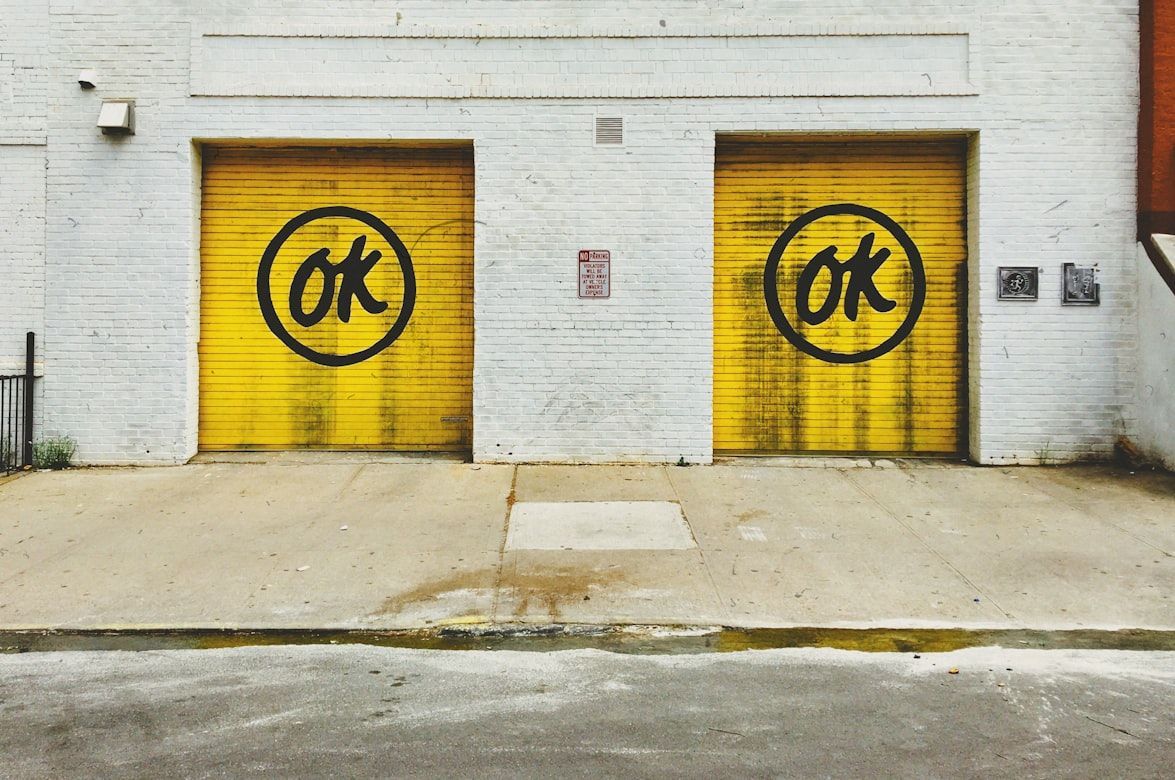
"OK" may be the most successful American word ever exported. It first appeared in print on March 23, 1839, in the Boston Morning Post, where editor Charles Gordon Green jokingly abbreviated "oll korrect," a humorous misspelling of "all correct."

The term exploded nationally during the 1840 U.S. presidential campaign of Martin Van Buren, nicknamed "Old Kinderhook" after Kinderhook, New York. Today, "OK" is used almost everywhere on Earth.

2

Teenager

Image: Simon Maage

The word "teenager" became popular in the U.S. during the 1940s, especially through advertising and youth marketing. Earlier generations did not usually view adolescence as a separate social category the way modern culture does.

American magazines, fashion brands, and music companies helped spread the idea worldwide after World War II. Publications such as Seventeen magazine and Hollywood films helped establish the teenager as a distinct cultural identity across Europe and beyond.

3

Movie

Image: Tyson Moultrie

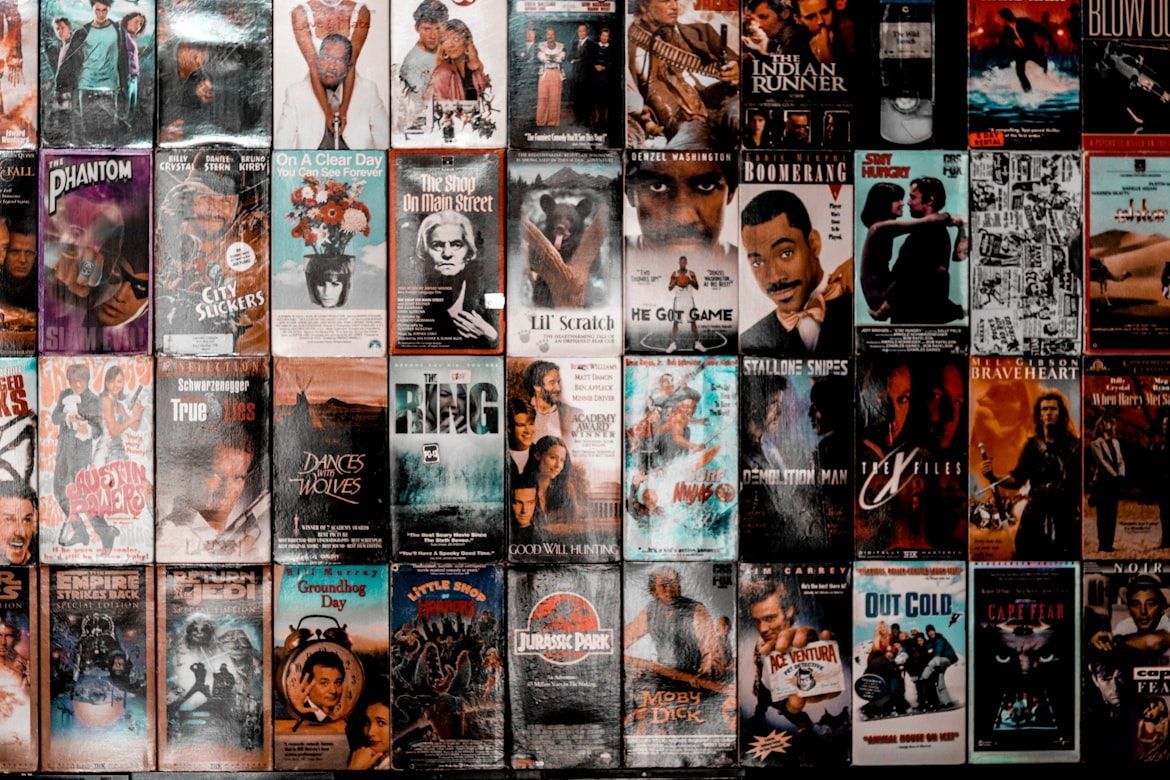
"Movie" emerged in the U.S. around 1912 as a shortened version of "moving picture." Americans favored the informal nickname, while Britain and some other countries kept preferring "film" or "cinema."

Hollywood’s rise during the 20th century carried the term across the globe. By the 1930s and 1940s, millions of people worldwide were watching American "movies," and the word became internationally recognizable even in places where local terms still existed.

4

Elevator

Image: Arisa Chattasa

Americans popularized the word "elevator" for the vertical lift system invented in the 19th century. In Britain, the same machine became known as a "lift," but American terminology spread internationally through U.S. companies and skyscraper culture.

The word gained prominence after inventor Elisha Otis demonstrated a safe passenger elevator in New York City in 1854 at the Crystal Palace Exhibition. As American-style office towers spread worldwide during the 20th century, so did the "elevator."

5

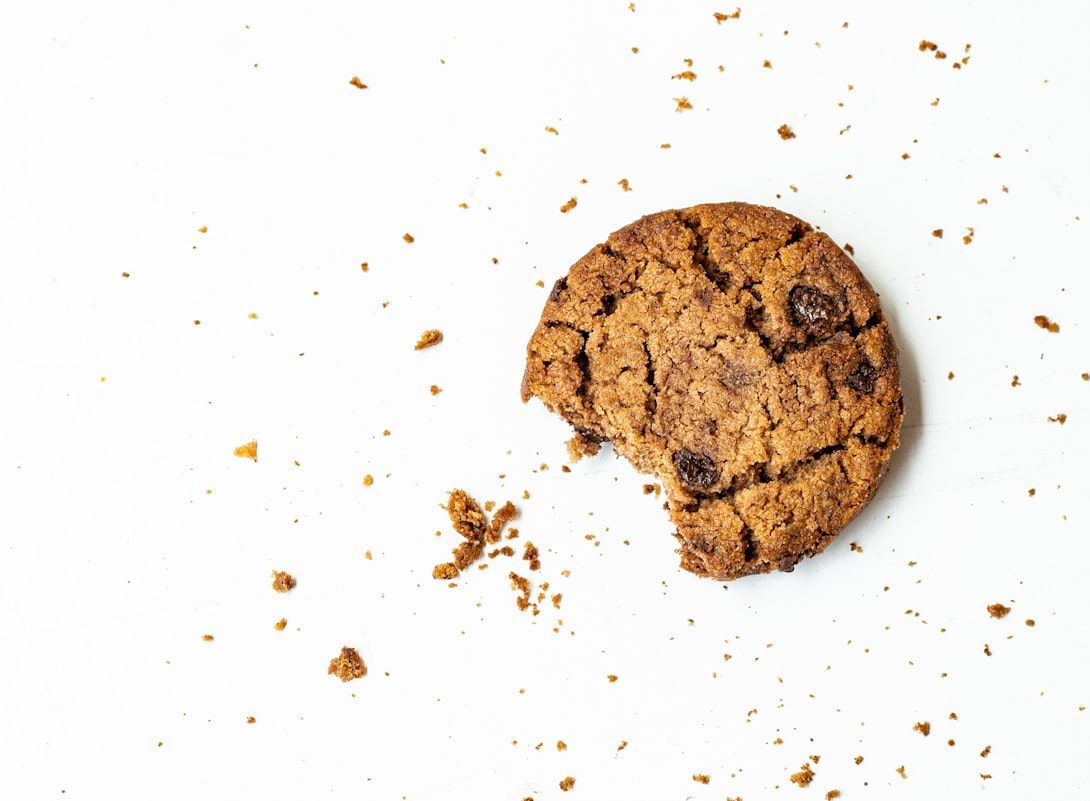
Cookie

Image: Vyshnavi Bisani

The American word "cookie" comes from the Dutch word koekje, meaning "little cake." Dutch settlers brought the term to New Amsterdam, later renamed New York, during the 1600s. Over time, Americans adopted it as the standard word for sweet baked treats.

Britain traditionally used "biscuit," but American culture helped spread "cookie" globally through packaged snacks, television advertising, and brands like Oreo and Chips Ahoy! Today, both terms are recognized internationally, often with slightly different meanings.

6

Apartment

Image: Huy Nguyen

"Apartment" became the dominant American term for a rented residential unit during the late 19th century as cities like New York and Chicago rapidly expanded upward with multi-family buildings.

British English traditionally favored "flat," but "apartment" spread internationally through American real-estate marketing, television, and films. Luxury developments worldwide now commonly advertise "apartments," even in countries where local words exist.

7

Gas

Image: Dawn McDonald

Americans shortened "gasoline" to simply "gas" in the early automotive era of the 1900s. The rise of Ford, General Motors, and America’s highway culture helped export the term globally alongside U.S. car culture.

While many countries still prefer "petrol," travelers almost anywhere understand "gas station." American road movies, music, and television helped cement the term in international vocabulary.

8

Truck

Image: Josiah Farrow

The American word "truck" replaced the older freight term during the industrial boom of the late 1800s and early 1900s. In Britain, the same vehicle is usually called a "lorry," but American English has spread widely through commerce and manufacturing.

As American trucking companies, military vehicles, and exports became globally visible after World War II, "truck" entered everyday speech in many countries. Today, international brands from Toyota to Mercedes often market "pickup trucks" using the American term.

9

Sidewalk

Image: Tim Photoguy

Americans adopted "sidewalk" during the 18th and 19th centuries to describe paved pedestrian paths beside the streets. British English preferred "pavement," but U.S. urban terminology spread through engineering, mapping, and popular culture.

The term became especially associated with American city life in places like New York and Los Angeles. Jazz songs, movies, and Broadway culture helped introduce "sidewalk" to international audiences during the 20th century.

10

Store

Image: Tem Rysh

"Store" became the standard American word for a retail shop during the country’s commercial expansion in the 1800s. Britain traditionally favored "shop," but American business culture later spread "store" internationally.

Department stores such as Macy’s, founded in New York in 1858, and later chains like Walmart and Target helped popularize the term worldwide. Today, many countries use both "shop" and store, often interchangeably.

11

Vacation

Image: Chen Mizrach

The U.S. popularized "vacation" as the standard word for leisure travel and time away from work. The term comes from the Latin vacatio, meaning freedom or exemption from duty, but gained especially strong impulse and use in the U.S. during the late 19th century.

British English prefers "holiday," yet "vacation" has spread globally through American tourism, airlines, and entertainment. Expressions like "summer vacation" became internationally familiar thanks to movies, television, and school-related American culture.

12

Guy

Image: Brooke Cagle

"Guy" originally referred to Guy Fawkes, the English conspirator involved in the failed Gunpowder Plot of 1605. In Britain, "guy" first described strange-looking figures burned during Bonfire Night celebrations.

Americans later transformed the word into an informal term for a man, and eventually for groups of people in general, as in "you guys." Hollywood films, television sitcoms, and everyday American speech helped spread this casual usage worldwide.

Looking for an extra scoop of literary fun?

Learn more with our Word of the day

seminal

/ˈsɛmən(ə)l/