What makes a wraith different from a standard ghost?
Published on November 18, 2026
Every October, millions of people carve pumpkins, wear scary costumes, and tell spooky stories. But while you might be familiar with the creatures that prey on the night, have you ever stopped to think about where their names actually come from? The language of spooky season is a fascinating mix of etymologies spanning Old English, Gaelic, Latin, and Arabic. Here is the true history behind 10 classic Halloween words.
Haunt
If you step into a haunted house, you expect floating spirits. But for centuries, the verb haunt had nothing to do with ghosts. From the Old French word hanter, it originally meant "to visit frequently" or "to seek the company of someone."
By the 1500s, people began using it to describe an unsettling thought or memory. It was only after people started connecting those mental images to spirits that haunt officially took on its ghostly definition. Interestingly, the noun form still keeps its benign origin when you talk about a place you go often, as in "one of my favorite old haunts".
Ghost
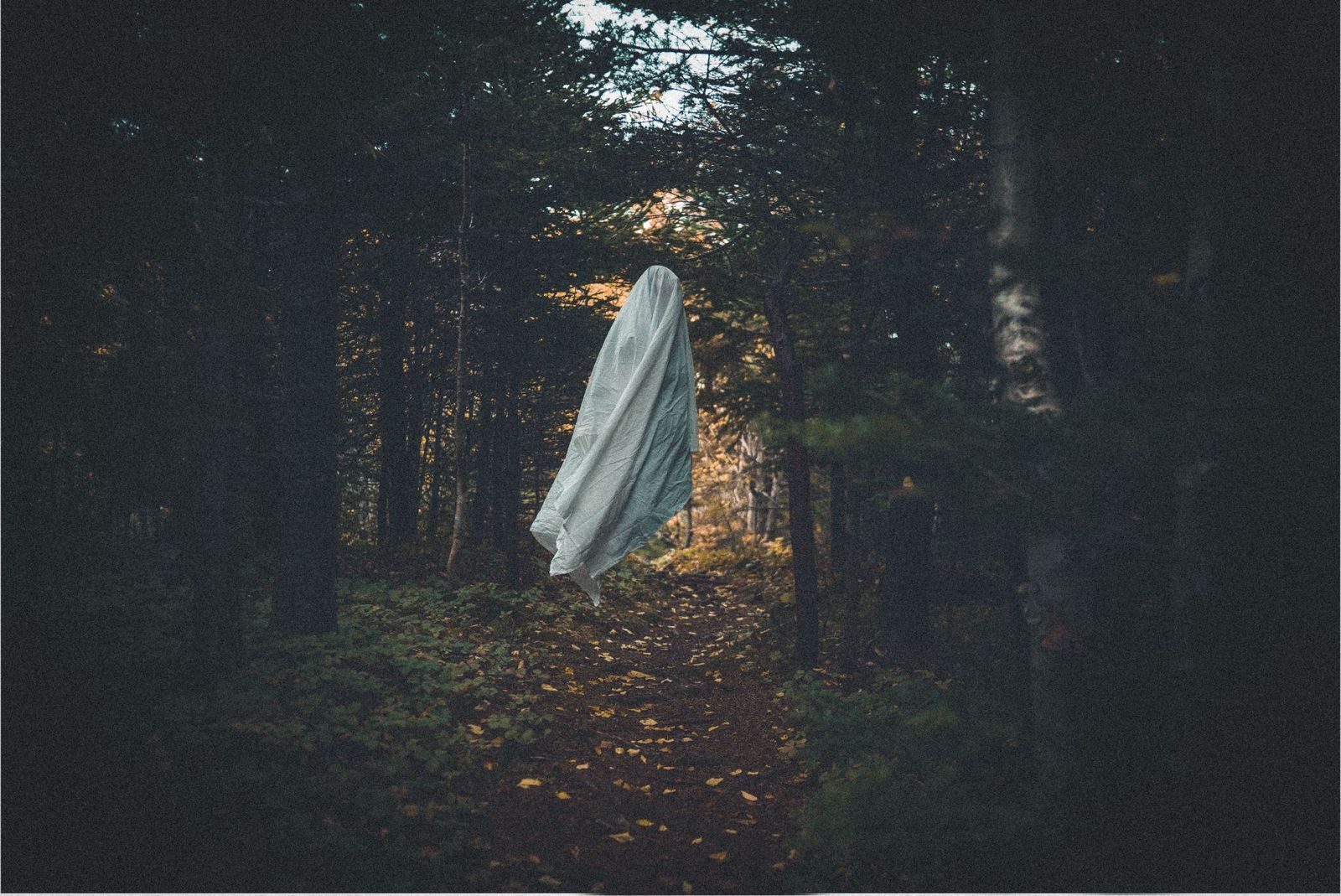
As one of the oldest words in the English language, ghost goes back over a thousand years to the Old English word gāst. Before it meant a floating white sheet in a haunted house, it simply stood for "vital spark," "breath," or "the seat of intelligence."
It referred to the living soul inside a human body, a meaning that still survives today in the phrase "to give up the ghost" (meaning to die). Over time, folklore pushed the word toward its modern meaning: a soul that has detached from its physical body and stuck around to haunt the living.
Vampire
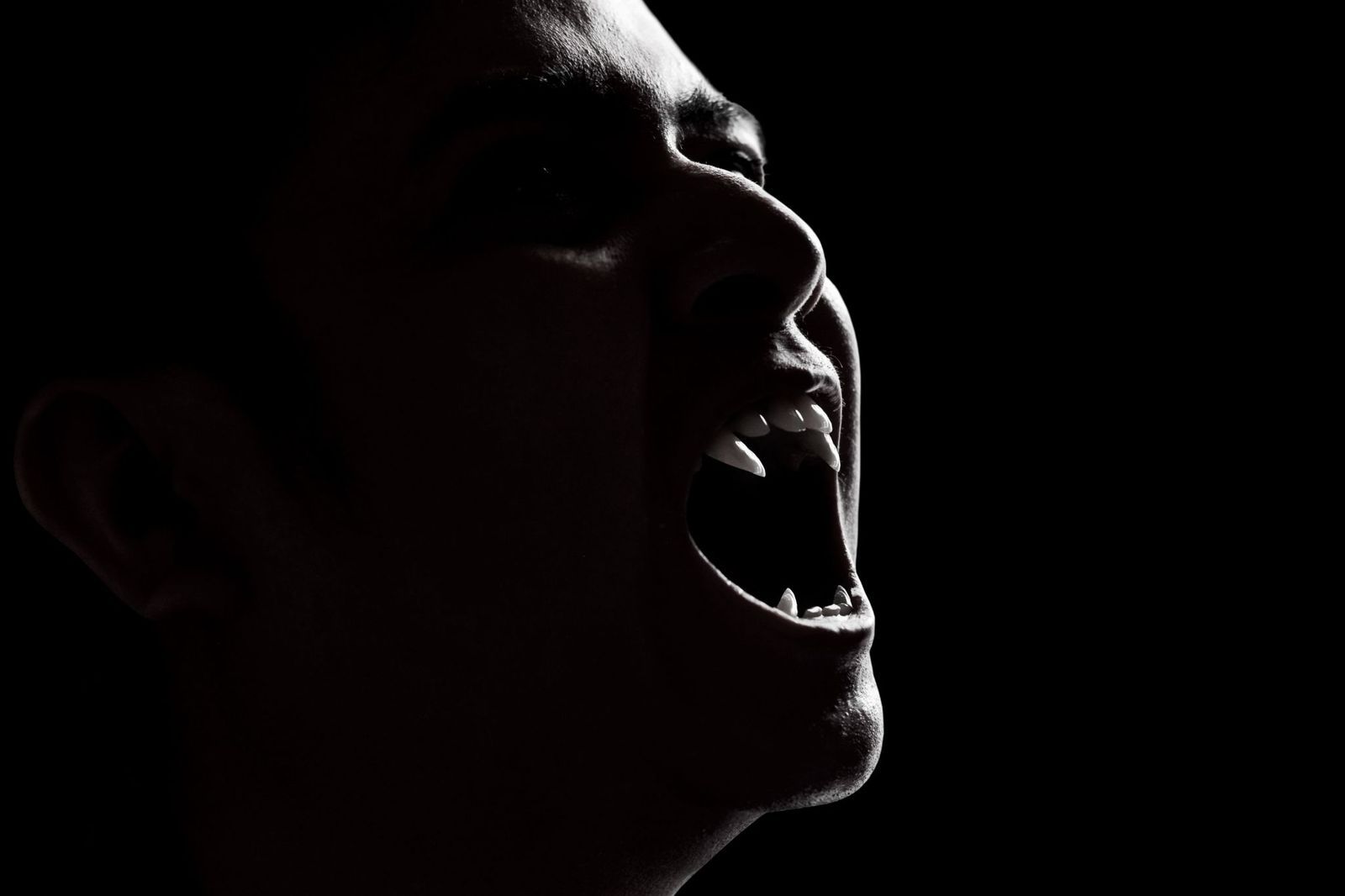
Blood-drinking creatures appear in ancient mythology all over the world, but the word vampire itself is surprisingly modern in the English language. It entered English in the early 1700s, imported from the Serbian word vampir (via German and French).
Eastern European folklore had lots of tales of undead corpses rising from their graves to feed on the living before sunrise. Once the word entered Western Europe, it came to describe predatory humans and bloodsucking bats.
Banshee
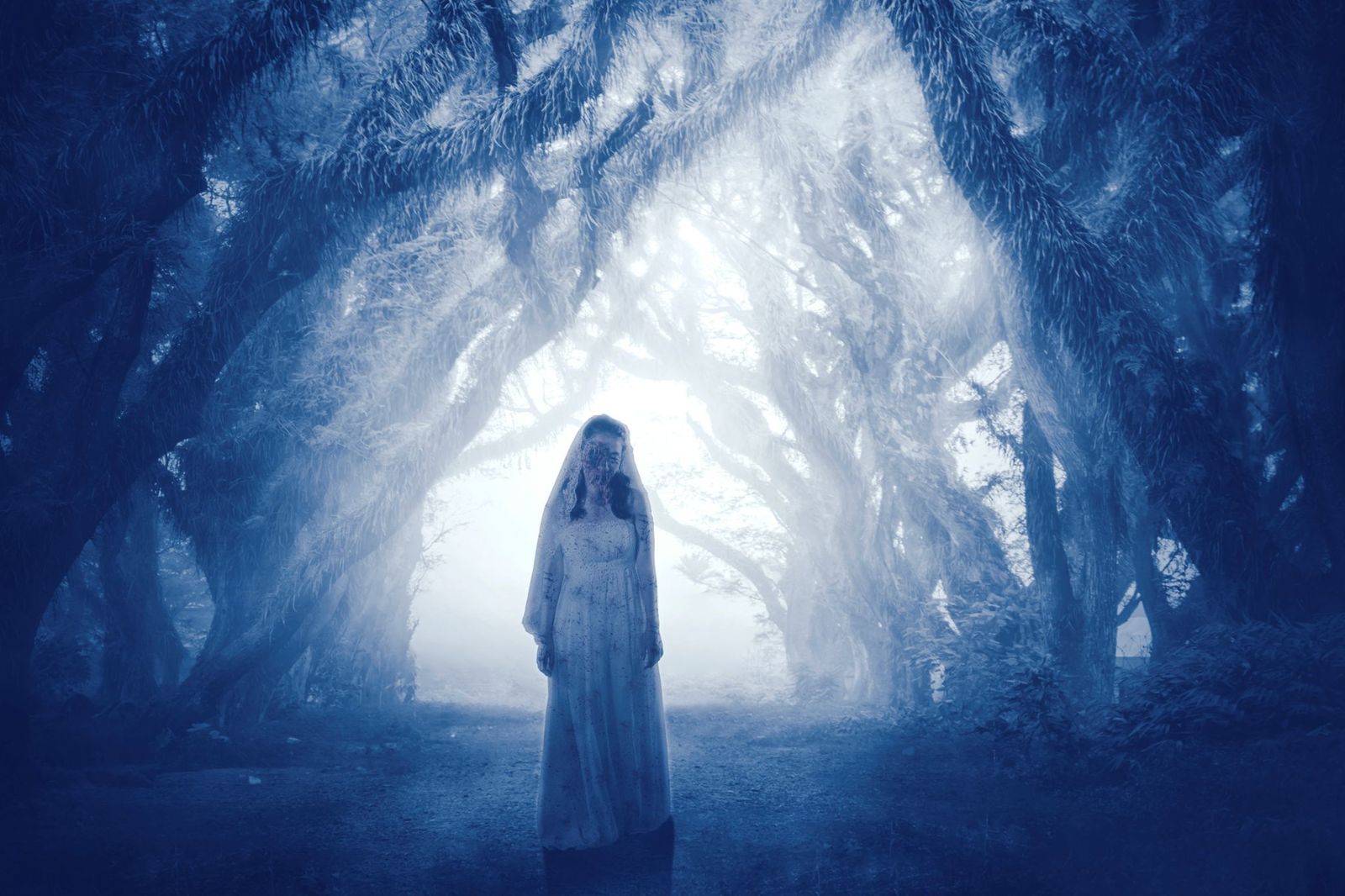
The word banshee comes from the Gaelic phrase bean sídhe, which translates to "woman of fairyland." But despite the romantic fairy roots, there’s nothing nice about this creature.
In Irish and Scottish folklore, a banshee is a female spirit whose terrifying wailing outside a house is a sign of an imminent death in the family. Today, most people know the word through the popular idiom "screaming like a banshee."
Goblin
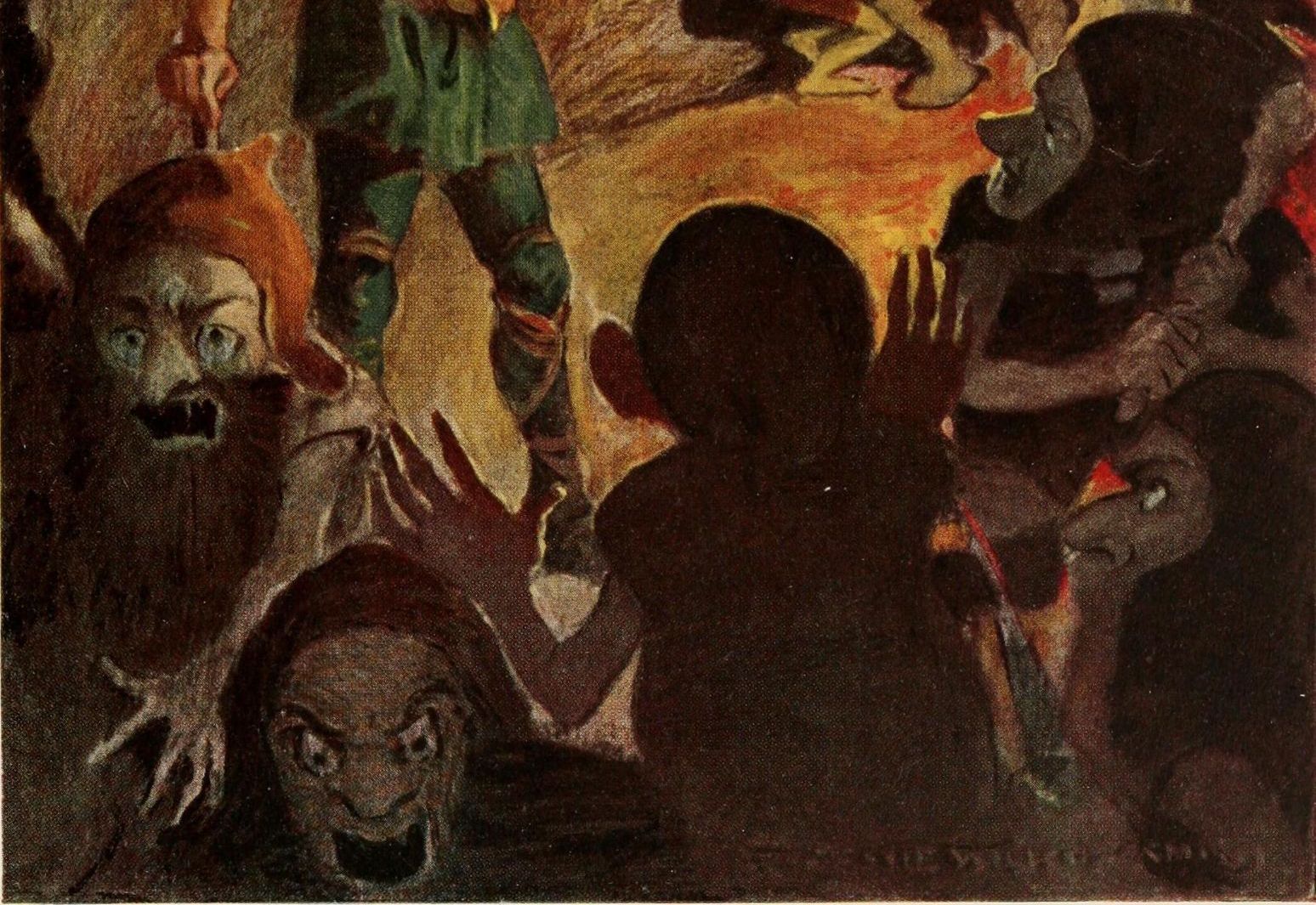
Modern pop culture often depicts goblins as weak, green fantasy minions, but the word used to have a scarier connotation. When John Milton wrote Paradise Lost in 1667, he used goblin as a terrifying alternate name for Death itself.
The word traces back through Old French to a Greek word meaning "rogue." Over time, it transformed into "an ugly or grotesque sprite," connecting the mischievous trickster to the malicious demon.
Wraith

What distinguishes a wraith from a generic ghost is its specificity. Originating in Scottish folklore, a wraith was an exact double of a living person, seen right before that person’s death as a premonition of doom.
In that sense, it acted as a classic doppelgänger or "spirit double." Later on, the word expanded to mean any pale, shadowy apparition or the ghost of a dead person returning after a long absence.
Ghoul
At first glance, ghoul sounds like it’s related to Old English words like ghost or ghastly. But that gh- spelling is misleading. Ghoul was actually borrowed from the Arabic word ghūl in the 1700s.
Derived from a verb meaning "to seize," the original creature was a terrifying desert demon known for robbing graves and devouring human flesh. The term was introduced to Western readers through 18th-century French translations of One Thousand and One Nights.
Specter
Derived from the French spectre and the Latin spectrum (meaning "an appearance" or "something seen"), a specter is nothing more than a ghost.
The Latin root verb specere means "to look," which makes specter a direct cousin to words like inspect, spectacle, and conspicuous. While it originally meant a visible disembodied spirit, it eventually expanded to imaginary, scary threats that haunt our minds, like the "specter of failure."
Bogeyman
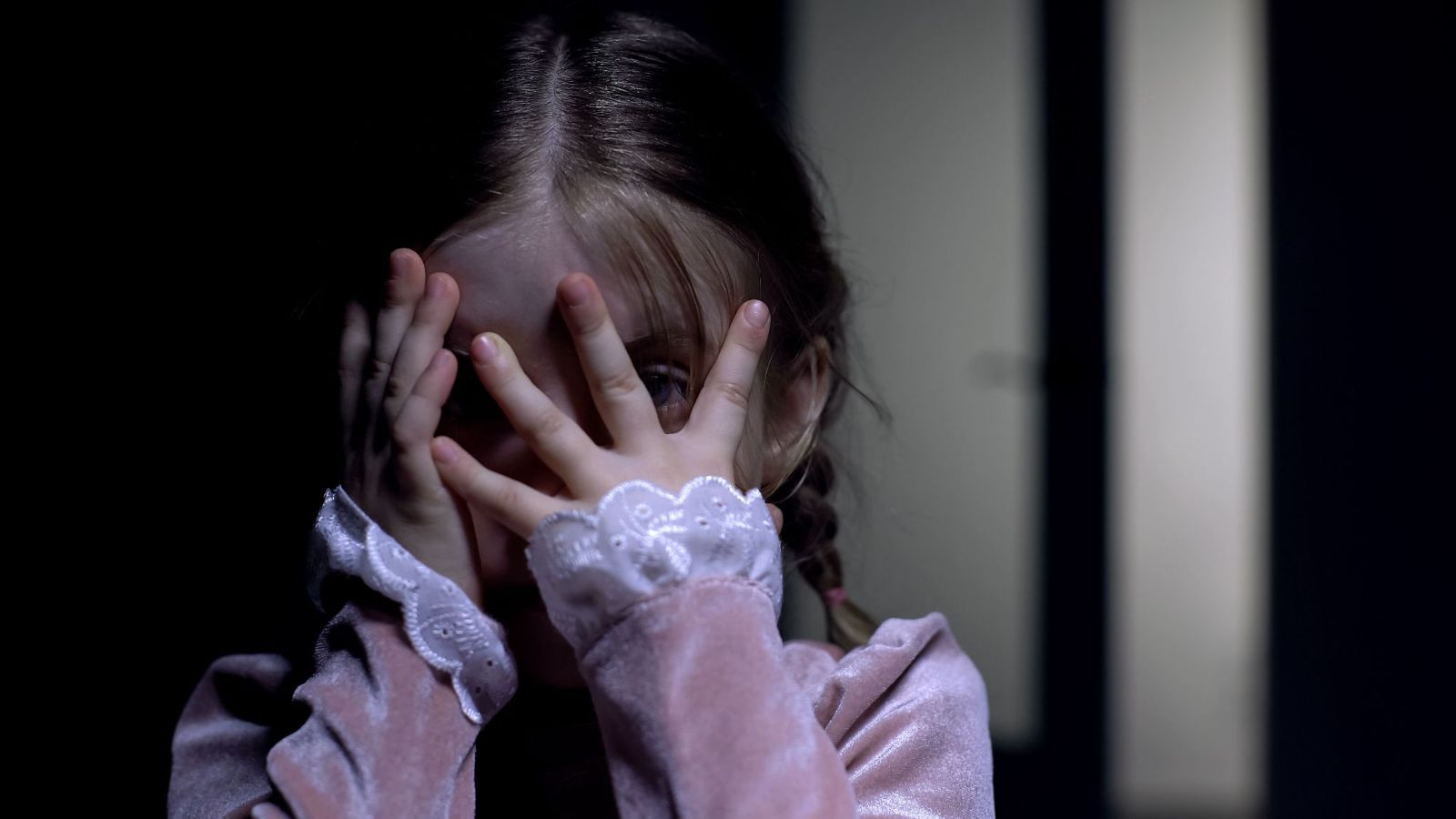
The ultimate nightmare, the boogeyman has been used by parents for generations to trick kids into behaving. The word traces back to the Middle English term boogie (or boggart), which referred to a frightening goblin, terror, or bug.
It shares a root with words like bogy, bugbear, and even bugaboo. Across different cultures, the bogeyman takes on whatever shape a child fears most, making it one of the most enduring monster words in history.
Macabre
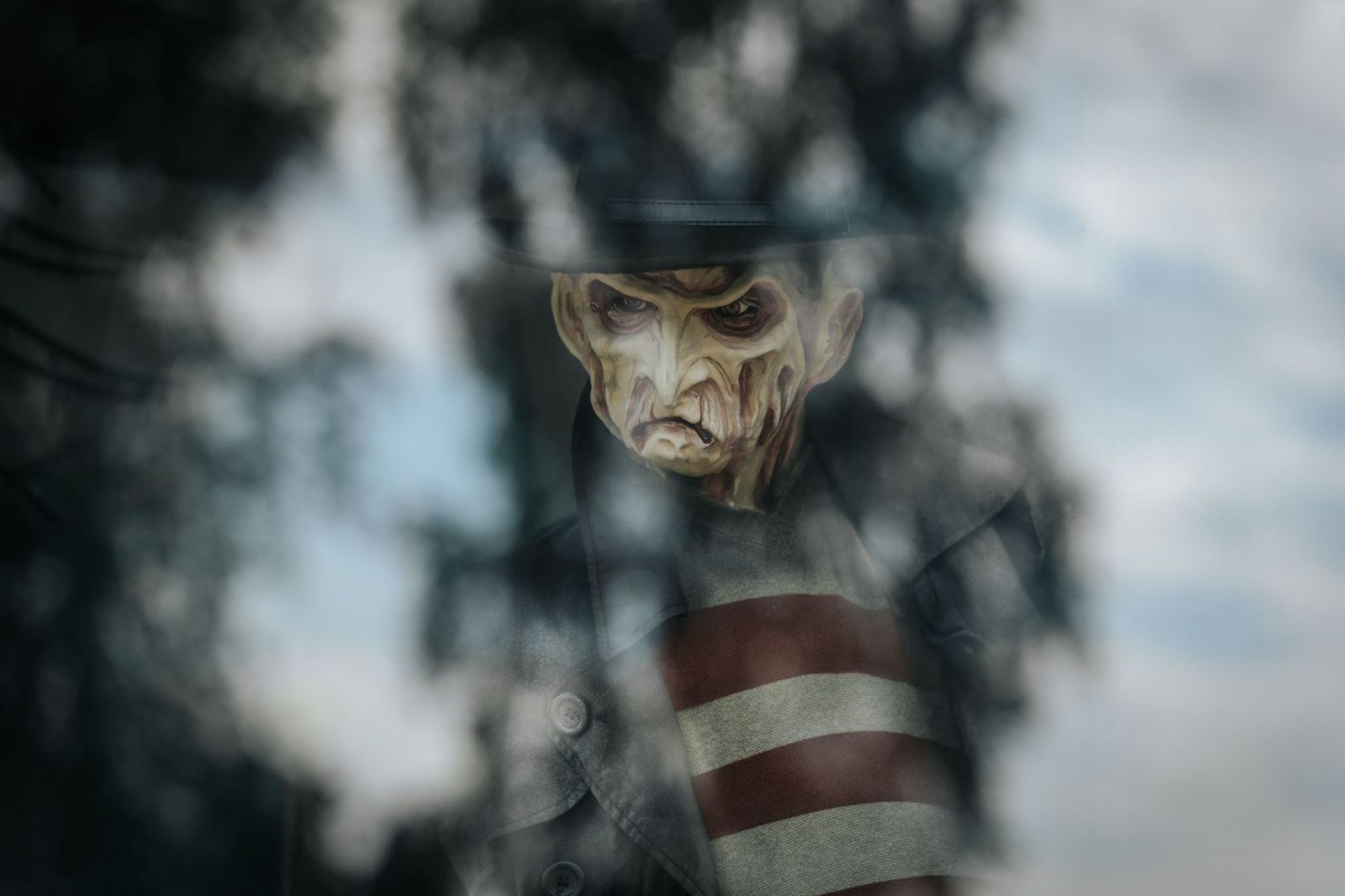
Whether you’re describing a horror film or a creepy graveyard, macabre is the go-to word for anything related to death. The word came into English from the Old French phrase Danse Macabré (the "Dance of Death"), a medieval artistic genre depicting skeletons leading people from all walks of life to the grave.
Etymologists believe Macabré was tied to the Biblical Maccabees or medieval miracle plays, but over the centuries, it evolved into an adjective for anything dark, morbid, or gruesome.


