A group of what?
What do you call a group of ravens? 10 strange collective nouns
Published on July 4, 2026
A shrewdness? A murder? An unkindness? None of these words even suggests that we are talking about apes, crows, or ravens, but we are. Why are animal collective nouns so strange? During the Middle Ages, English nobles developed a hunting language. These ‘terms of venery’ were not intended to be practical, but to show erudition and mastery of an elite code. Some of these names were adopted into everyday language and continue to be used nowadays.
Sounder
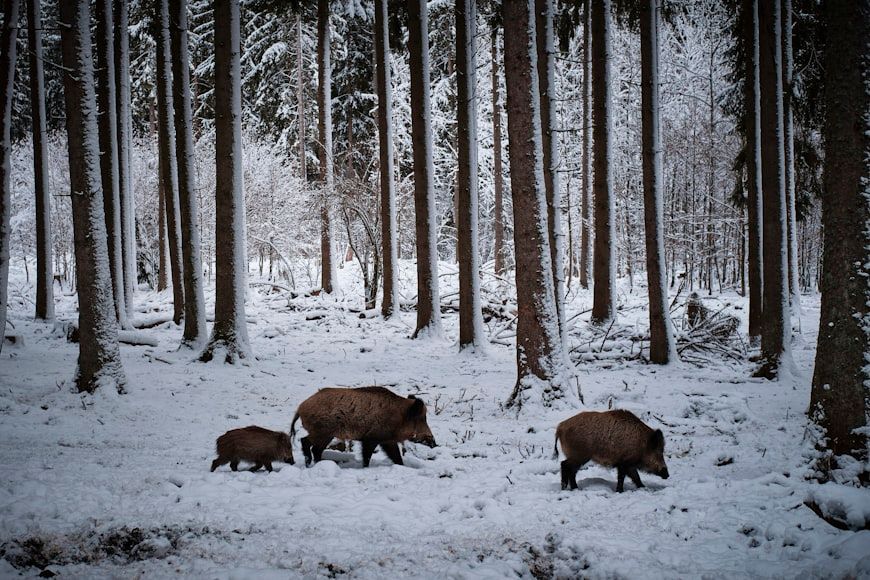
Boars are wild pigs, so why isn’t a group of boars just a herd? While ‘herd’ can be used, linguists believe that the collective noun ‘sounder’ —from the Old English sundor, meaning ‘to separate’— was used as a reference to the fact that boar herds were led by sows (the female adult), separate from the males that were solitary or formed male-only groups.
Unkindness
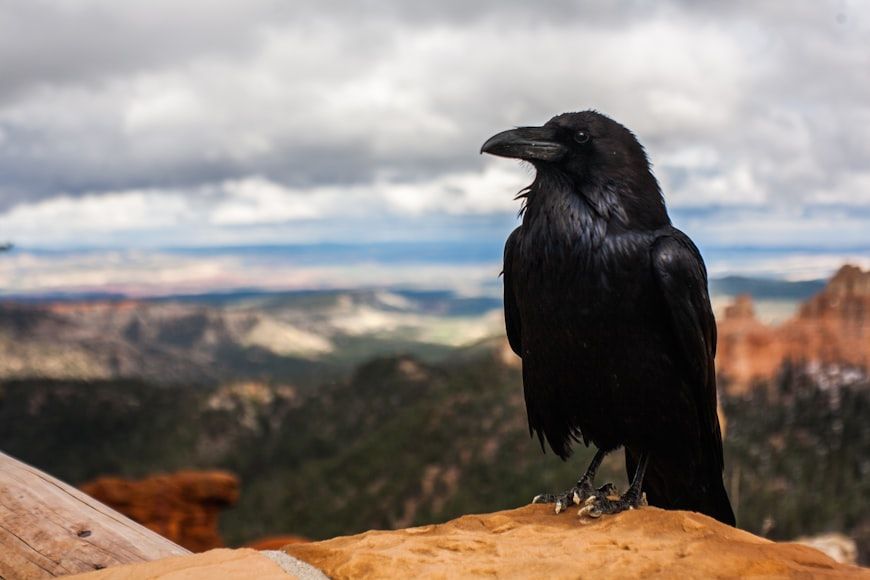
All across Europe, ravens bore a reputation for being tricksters and bad omens. In several folk traditions, they were seen as messengers for the Gods and bearers of prophecies, an ominous task reinforced by their black plumage. The term ‘unkindness’ to refer to a group of ravens reflected the perceived malice or cruelty of these animals.
Parliament
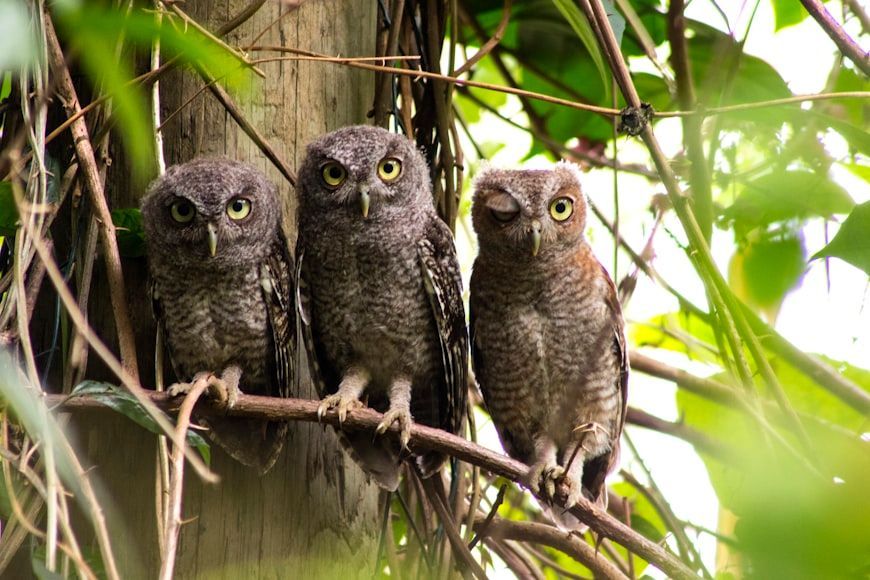
Since classical times, owls have been a symbol of wisdom and knowledge, and in the Greek tradition, these birds were the companions of Athena, goddess of wisdom. This led to the idea of a group of owls meeting for serious gatherings, such as a parliament.
Business
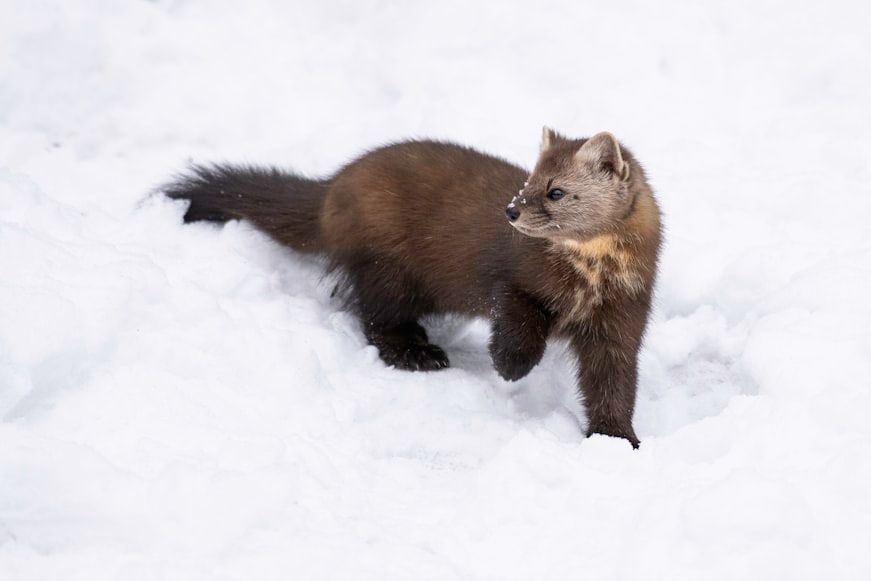
This is indeed an odd term to use as a collective noun, but it stems from a copying mistake. The 1486 Book of St. Albans, which describes several of these animal collective nouns, states that a group of ferrets is called a besynes —meaning ‘activity’— due to the scurrying habits of these animals. Over time, the word was miscopied as ‘business’, and the term stuck.
Siege
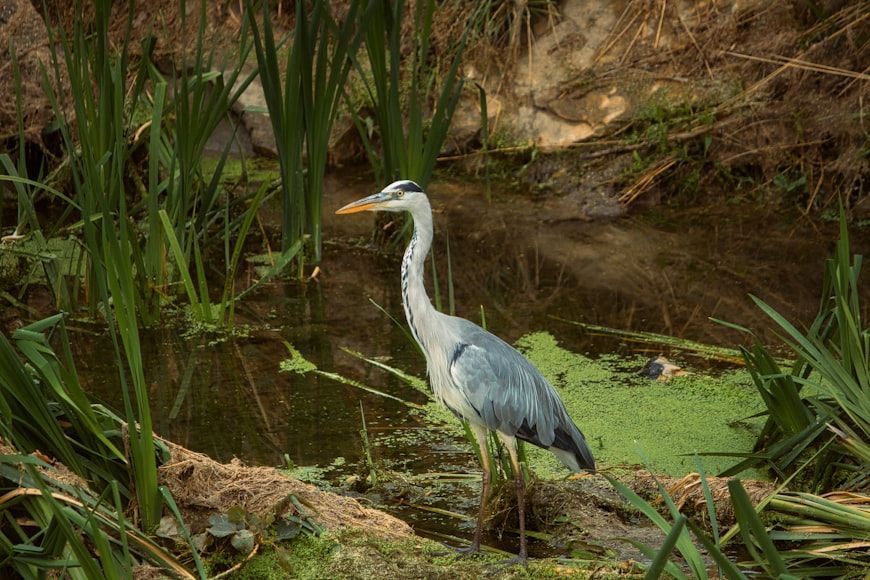
There are several theories about the reason for this particular term as a collective noun for herons. Some say that it is a reference to their patient hunting stance (siege comes from the Latin sedere, ‘to sit’). Other opinions refer to the use of ‘siege’ as a synonym for ‘plague’ or ‘vexation’, as these animals are noisy and generally unpleasant to have around.
Ostentation
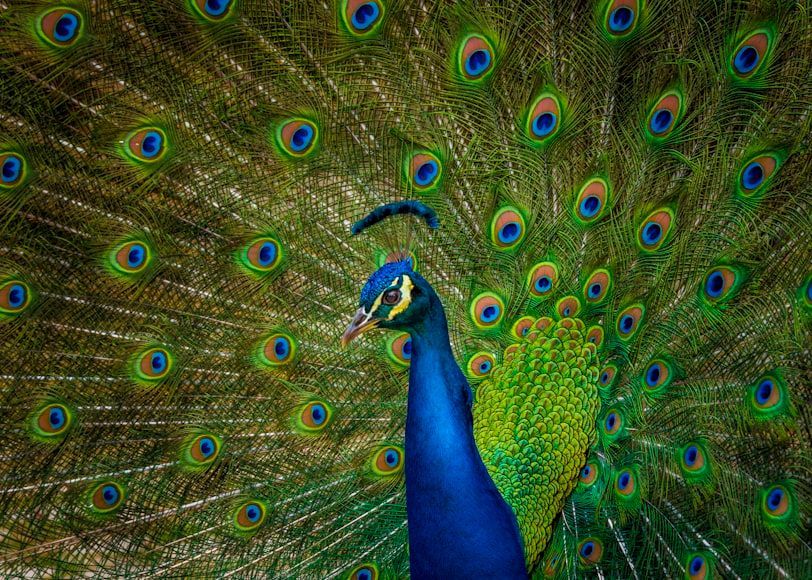
This one is quite straightforward. Male peacocks are known to parade their colorful feathers in front of the females, and have always been used as a symbol of vanity and flamboyance. Therefore, calling a group of peacocks an ‘ostentation’ seems quite fitting.
Bouquet
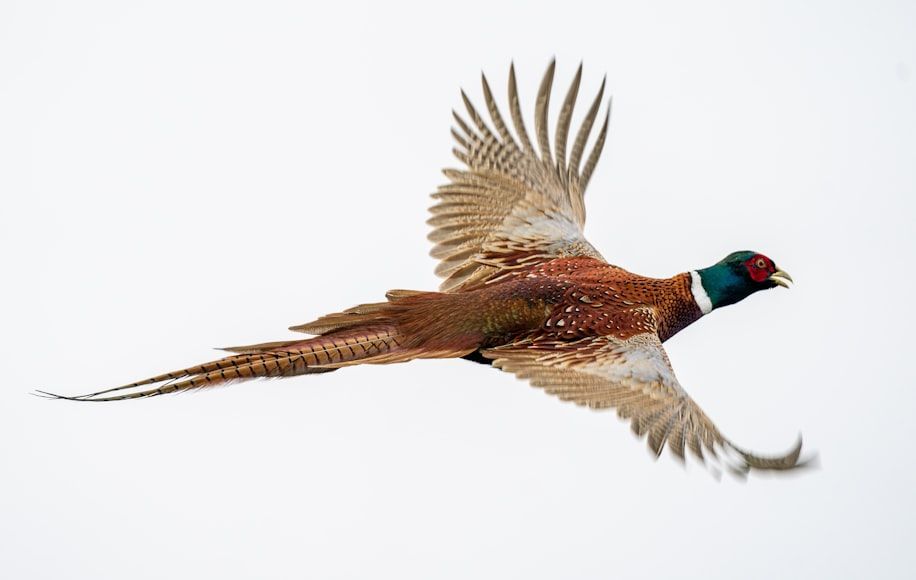
Several collective nouns can be used to describe a group of pheasants, but the term ‘bouquet’ stands out because it doesn’t just refer to the group of animals, but to flying pheasants. When hunters startled these birds, they took flight all at once in different directions, their colorful feathers looking like a ‘bouquet’ against the sky.
Shrewdness
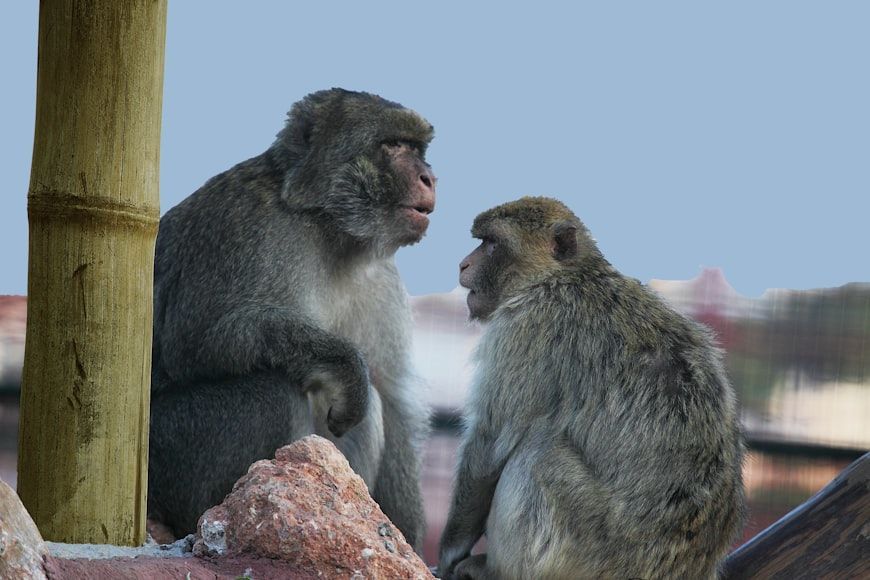
Like ravens, apes were perceived to be wicked, and this term reflected that idea. Originally, ‘shrewd’ was used to mean ‘evil, ‘mischievous, or ‘malicious’, so a group of apes was named a ‘shrewdness’. Later on, ‘shrewd’ came to mean ‘clever’ or ‘astute’, both qualities that apes do possess.
Mischief
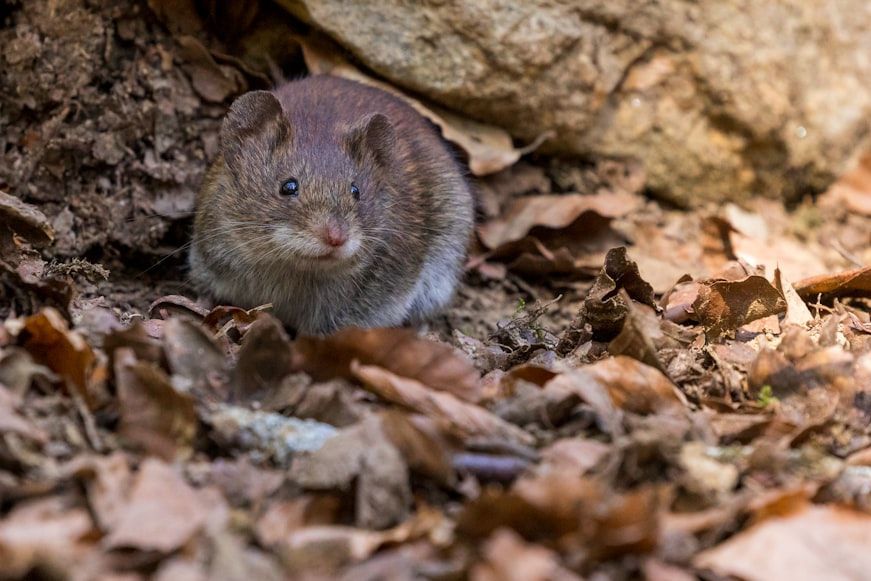
Were mice thought to be mischievous? Not really. The word ‘mischief’ was originally used to mean ‘harm, trouble, or annoyance’, and mice were troublesome pests that ate stored food and caused property damage.
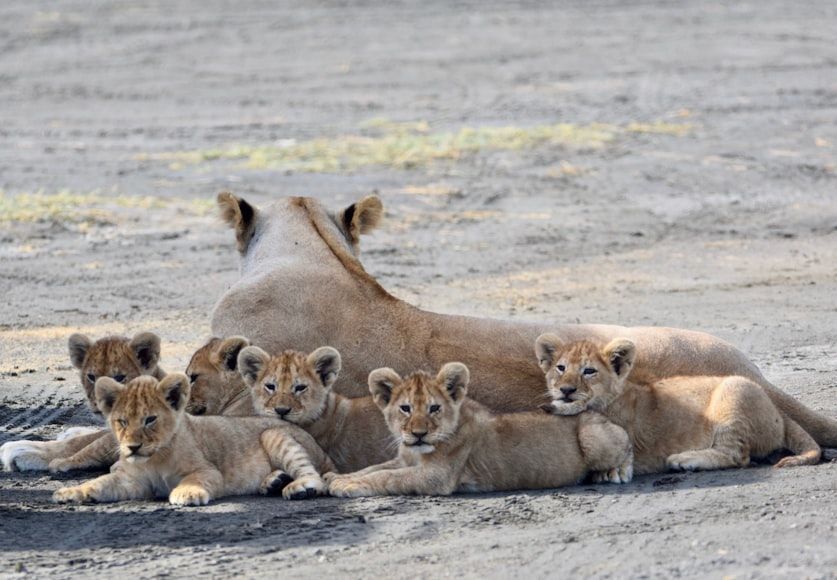
Pride
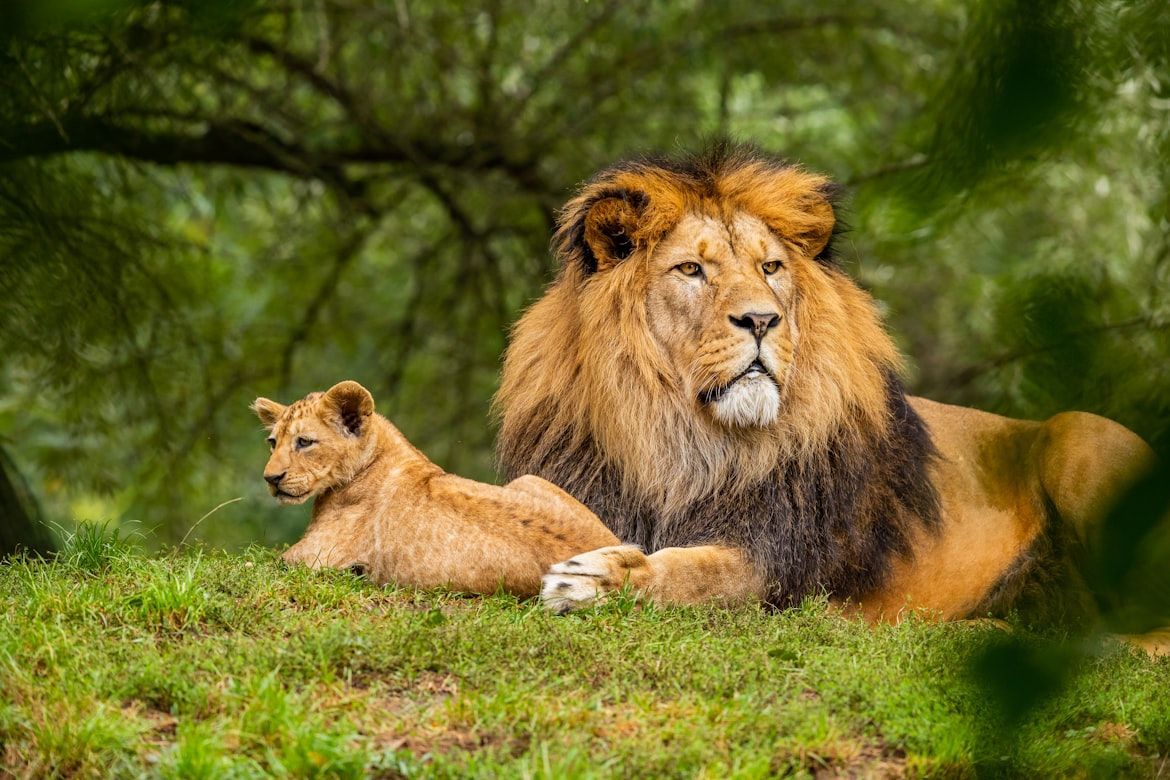
We are so used to the use of ‘pride’ as a collective noun that it might not sound as strange as other words in this list, but this term originated in the same way. Lions were a symbol of royalty, courage, and authority, so the word used to describe them had to reflect these qualities. While ‘pride’ can be used negatively, it also carries the positive connotation of ‘dignity’ and ‘high standing’.