Strangely accurate

Warning: once you learn these strange words, you’ll start using them!


Published on March 12, 2026
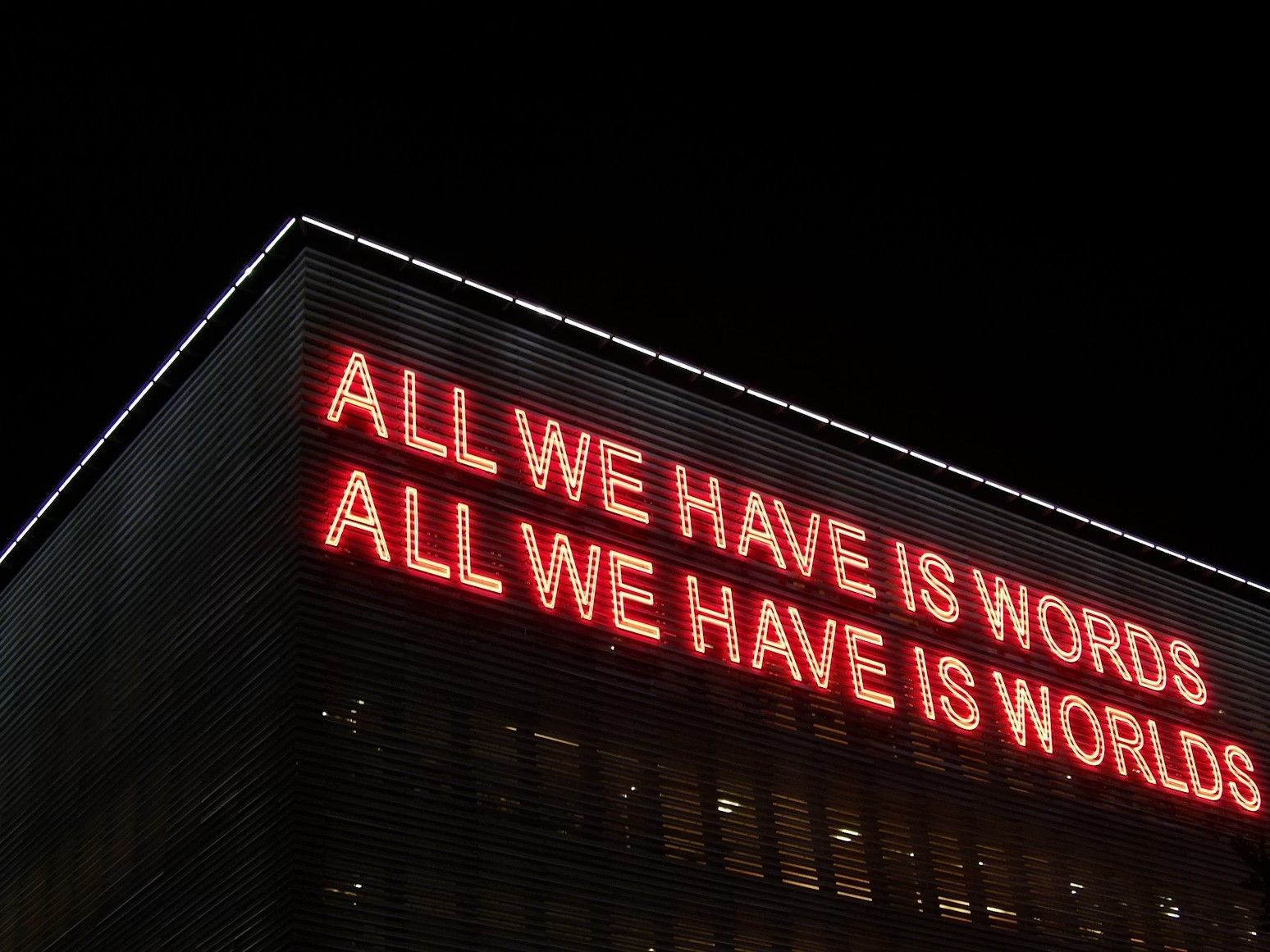

Image: Alexandra

You know those moments when you struggle to explain something simple, like a feeling, a habit, or a situation, and you think, "How is there no word for this?" Well, surprise: there usually is. English is packed with oddly specific words that describe everyday life with uncanny accuracy. Some are practical, some are funny, and some feel almost too honest. Let’s meet a few that might sound strange at first but will feel very familiar once you get to know them.

1

Overmorrow

Image: Estée Janssens

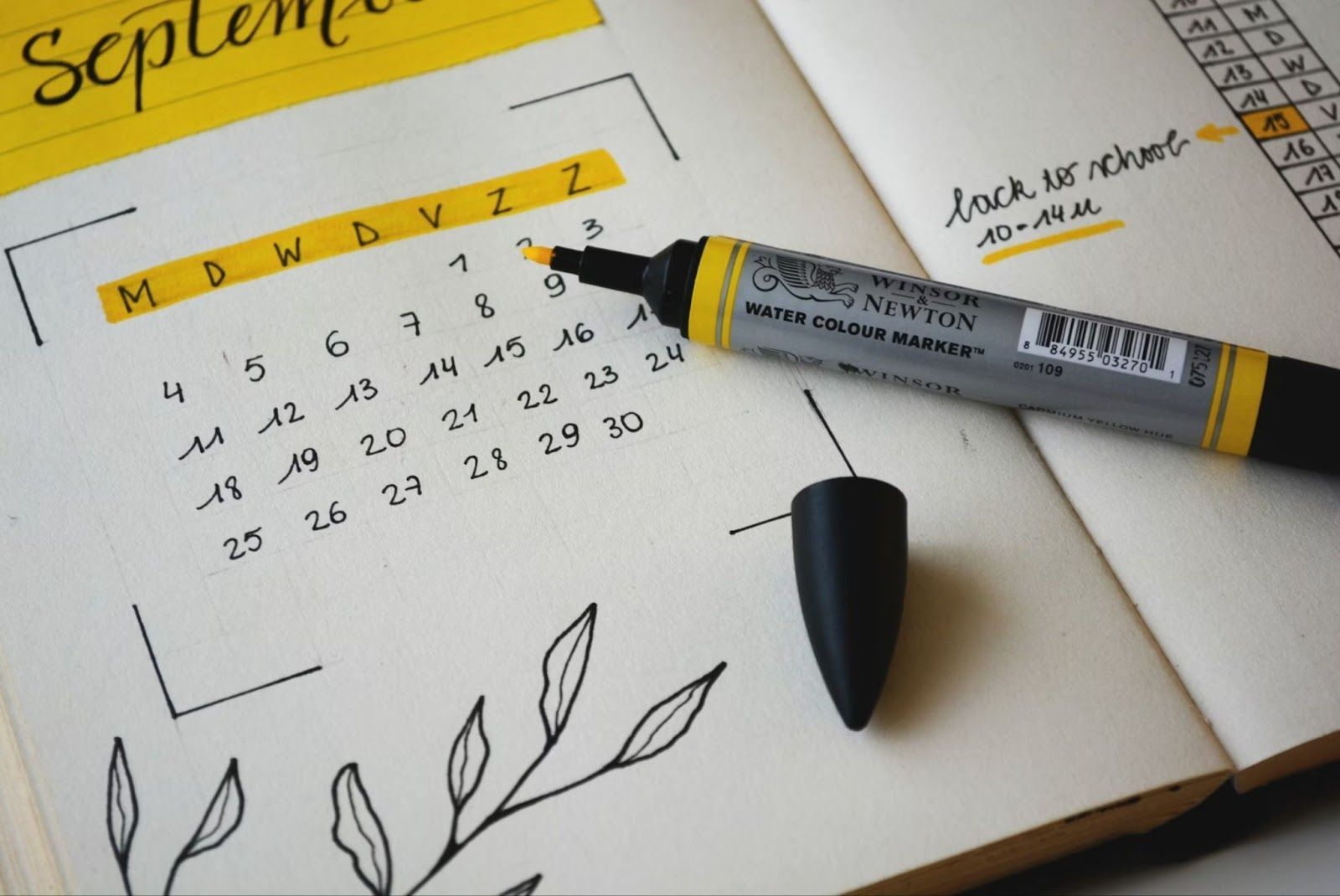
We talk about tomorrow all the time, but oddly enough, we rarely give the day after tomorrow a proper name. That is where overmorrow comes in. It is a neat, old word that means exactly that, no extra explanation needed. It used to be part of everyday English, and honestly, it feels like we lost something useful when it faded away.

2

Nudiustertian

Image: Brooke Lark

Just like English once had a word for the day ahead, it also had one for the day behind us. Nudiustertian means the day before yesterday. It sounds grand and a bit theatrical, especially for something so ordinary. Still, it does the job beautifully and makes casual conversation sound far more distinguished than necessary.

3

Clinomania

Image: mark champs

Now let’s move from calendars to something far more comfortable: the bed. Clinomania describes that powerful urge to stay under the covers, even when you know you should get up. It is not about being lazy so much as being deeply committed to comfort. If mornings have ever felt like negotiations, this word gets you.

4

Fudgel

Image: Brooke Cagle

Of course, once you finally leave the bed, another challenge appears: actually getting things done. Fudgel refers to pretending to work while accomplishing very little. People have been fudgeling for centuries, which is oddly comforting. It turns out that "looking busy" is an ancient skill, not a modern invention.

5

Bloviate

Image: Kate Bezzubets

And then there are moments when someone appears busy not by working, but by talking. Bloviate means speaking at great length without saying much of substance. Long speeches, endless stories, and conversations that go nowhere all qualify. The word itself feels inflated, which makes it a perfect match, don’t you think?

6

Ultracrepidarian

Image: Yura Timoshenko

Bloviating often goes hand in hand with another familiar habit: giving strong opinions without much knowledge. An ultracrepidarian is someone who does exactly that. The term has been around for ages, which suggests people have always had thoughts on things they barely understand, and have never been shy about sharing them.

7

Absquatulate

Image: Jake Hills

Sometimes, listening to an ultracrepidarian makes you want to do one thing only: leave. And there are many ways of leaving, but this one feels quite appropriate. Absquatulate means to make a sudden exit, often to avoid discomfort or trouble. It has a playful sound, but the impulse behind it is universal. We have all wanted to disappear quietly at least once.

8

Collywobbles

Image: WolfBlur

Of course, not every uncomfortable moment sends us running. Sometimes it settles right in the stomach. Collywobbles describes that nervous, fluttery, slightly uneasy feeling we get when something feels off. The word is light and bouncy, which helps soften a sensation most people would rather avoid.

9

Wamble

Image: Sora Shimazaki

And when that uneasy feeling spreads, you might start to wamble. To wamble is to feel unsteady or unsettled, whether it is shaky legs or a queasy stomach. It is one of those words that sounds exactly like the feeling it describes, which makes it surprisingly satisfying to say. Try it out!

10

Discombobulate

Image: Michelle Tresemer

Let’s wrap it up with a word you have probably needed at least once! The word discombobulate means to be confused or thrown off, usually in a harmless, everyday way. Missed plans, mixed messages, or a sudden change can all discombobulate us. It sounds dramatic, but the experience is wonderfully ordinary.


Perfect winter reads

Books to wrap up with: 15 titles that are best enjoyed in winter


Published on March 12, 2026


Image: anotherxlife

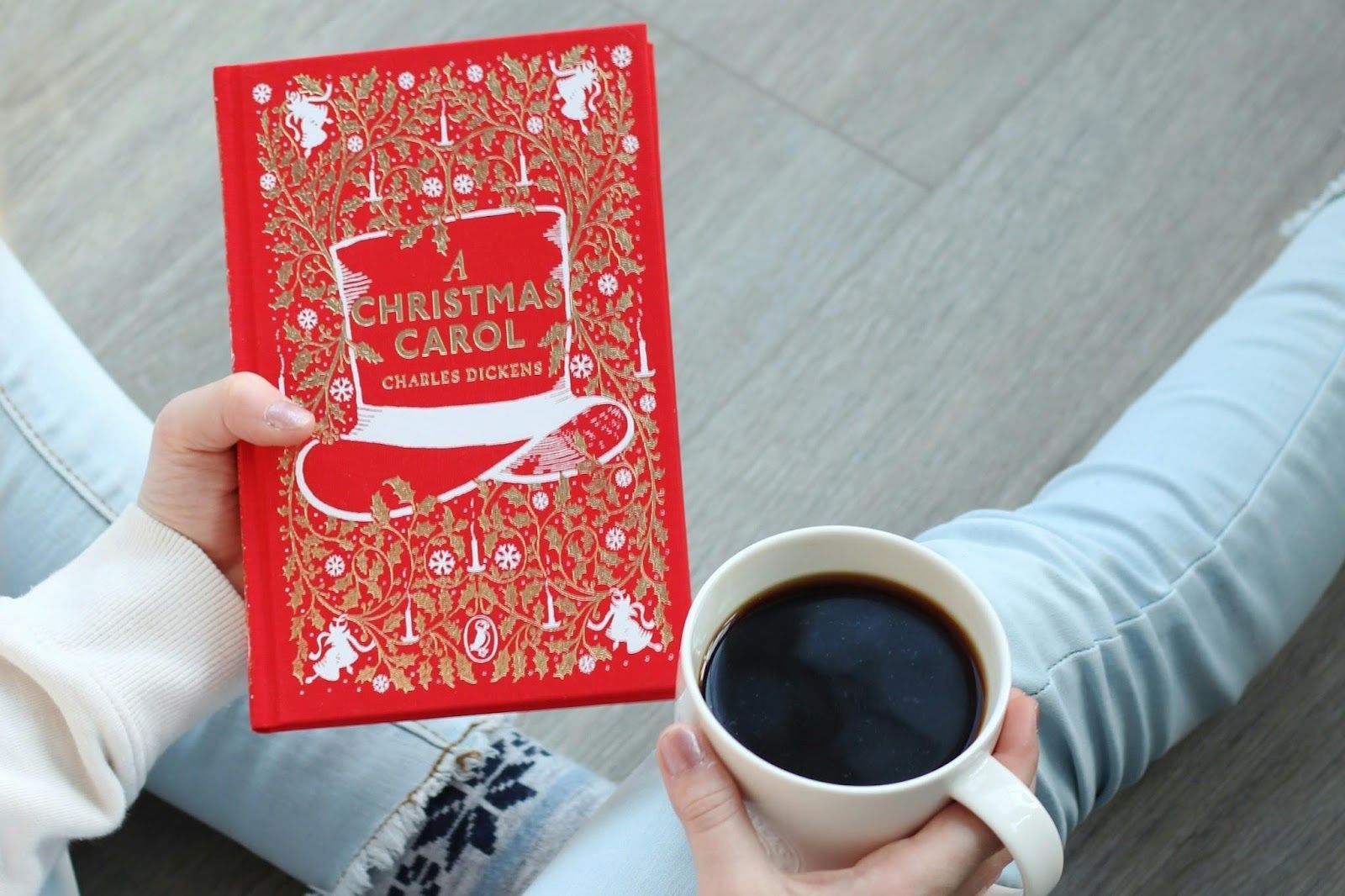
Silence, a crackling fire, crisp cold air outside… Winter has a way of slowing everything down. And isn’t it the best time of the year to curl up with a blanket and a highly-recommended book? Whether you’ve already enjoyed some of the classics in this list or whether they are all new to you, surely you’ll find some valuable recommendations for the next few weeks!

1

A Christmas Carol, by Charles Dickens

Image: Elin Melaas

Let’s start the list with the obvious! In this Christmas classic, Dickens shaped the way the modern world imagines the season. It’s a slim novella that once revived fading Victorian holiday traditions.

It feels like a warm drink after coming in from the cold. 'Tis the season to read it, if you never have!

2

Little Women, by Louisa May Alcott

Image: Andreea Radu

Some books feel like returning home, and Little Women is one of them. Alcott’s portrait of the March sisters, with their ambition, frustration, hope, and heart, has charmed readers for more than 150 years.

The Civil War looms in the background, but the story itself is full of small, tender scenes: homemade plays, winter illnesses, Christmas morning sacrifices. Snow is practically another character.

3

The Snow Queen, by Hans Christian Andersen

Image: Ravi Patel

Have you read the tale that inspired Disney’s movie Frozen? This is Andersen at his most mysterious in one of his longest stories.

This tale sends young Gerda across forests, rivers, and frozen kingdoms in search of her friend Kai, whose heart has been pierced by an icy shard. Its wintry imagery is unforgettable.

4

The Hound of the Baskervilles, by Arthur Conan Doyle

Image: Saad Ahmad

Conan Doyle’s most atmospheric mystery thrives on cold, empty spaces and the suspense that comes with them.

Sherlock Holmes navigates superstition and science while the landscape itself sharpens the tension. It all works beautifully when read on a winter evening. Especially if the wind is howling a little.

5

Dubliners, by James Joyce

Image: Олег Мороз

Joyce’s collection of short stories moves through everyday Dublin life, capturing small disappointments, brief joys, and the stubborn weight of routine.

But it’s "The Dead," the final story, that cements its place on any cold-weather list. In it, snow falls over the city, softening everything… And by the end of the story, you’ll understand why!

6

Ethan Frome, by Edith Wharton

Image: Rolf Schmidbauer

In this novel, Edith Wharton’s New England is pure sharp winds and quiet despair. It tells the story of a man whose life has narrowed to duty and silence, and whose one chance at happiness arrives in the snow… in the dead of winter.

7

The Bear and the Nightingale, by Katherine Arden

Image: anotherxlife

Some books feel like stepping into a snow-covered folktale, and this one does it with breathtaking ease.

Arden blends Russian mythology, medieval history, and a fierce young heroine who sees spirits others deny. Winter dominates every page.

8

The Snow Child, by Eowyn Ivey

Image: Aaron Burden

Tender. Haunting. And quietly mesmerizing. Set in 1920s Alaska, this novel takes inspiration from a Russian fairy tale about a child made of snow who may or may not be real.

Ivey’s prose beautifully captures the way winter can feel both punishing and strangely hopeful.

9

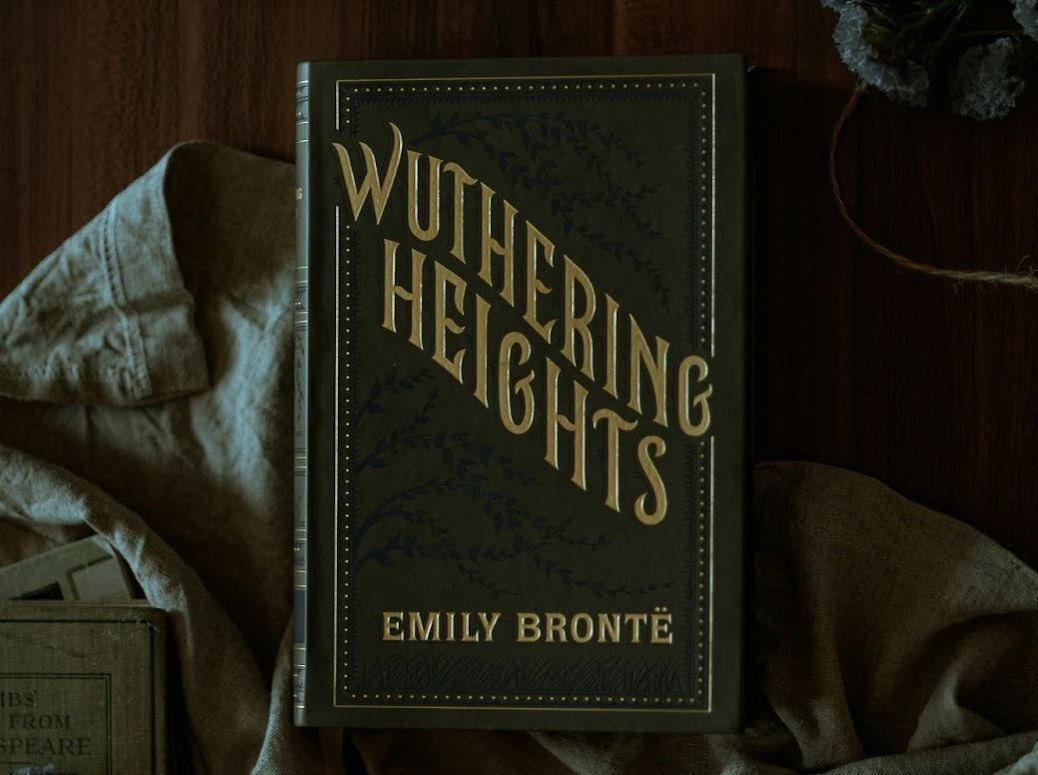
Wuthering Heights, by Emily Brontë

Image: Zoe

Yes, it is a stormy autumn novel in spirit, but winter suits it even better. Brontë’s wild moors, icy winds, and stark isolation intensify the story’s fierce emotions. And the landscape becomes a character, unforgiving and unforgettable.

10

The Secret Garden, by Frances Hodgson Burnett

Image: Miriam Przybylo

At first glance, this might seem like a spring story, but winter is what shapes its magic. Burnett’s classic begins with cold corridors, silent rooms, and a desolate estate where everything feels dormant.

The transformation that follows (of the garden, the characters, and the house itself) is more powerful when you begin in frost.

11

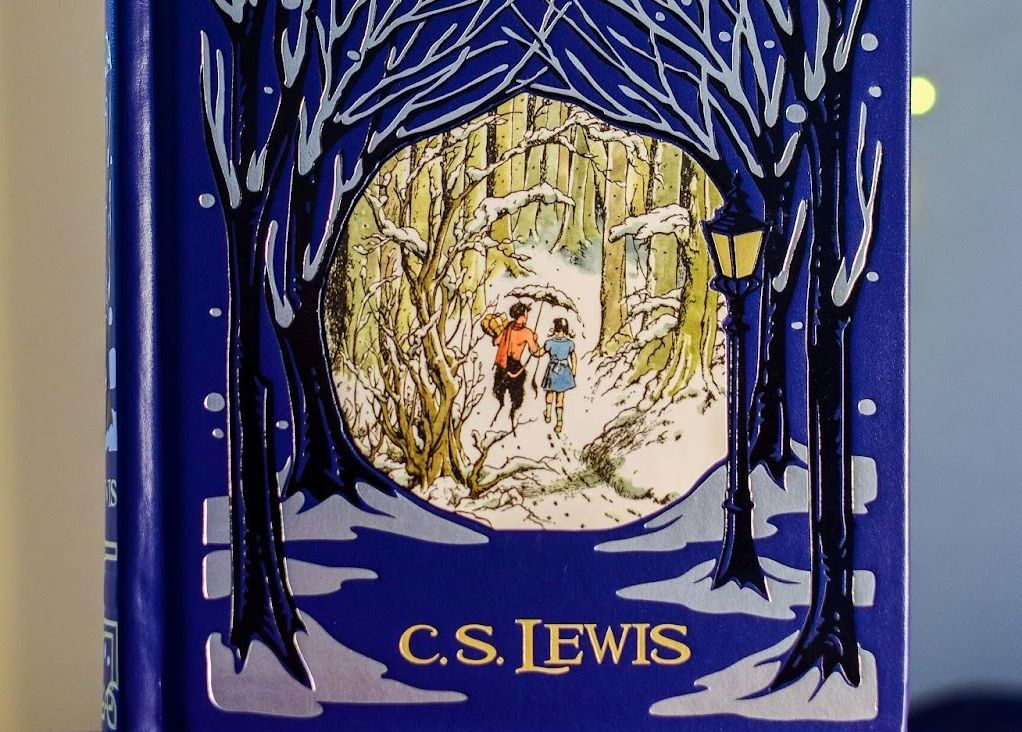
The Lion, the Witch, and the Wardrobe, by C. S. Lewis

Image: Tim Alex

Open the wardrobe, and everything changes: A frozen kingdom and a witch who thrives on cold. Lewis’s beloved tale drops readers straight into a land ruled by winter, where snow crunches underfoot, and the air feels enchanted and dangerous.

It is a simple story at heart: four siblings, one prophecy, and their wholesome struggle between fear and hope.

12

Murder on the Orient Express, by Agatha Christie

Image: Vaibhav Raina

Few mysteries trap you as elegantly as this one. Christie sets her hero, Hercule Poirot, aboard the luxurious Orient Express just as it becomes stranded in a snowdrift.

The result is a locked-room puzzle with icy tension and razor-sharp precision. Every passenger hides something. Every detail matters. You won’t be able to put this one down until you know the ending!

13

The Call of the Wild, by Jack London

Image: Zara Caskey

The Call of the Wild follows Buck, a kidnapped dog thrust into the brutal world of the Yukon Gold Rush, where snow, instinct, and survival rule the day.

The prose is direct, muscular, and unforgettable, and the wilderness feels alive in a way few books manage. Readers keep coming back because the story taps into something primal.

14

Anna Karenina, by Leo Tolstoy

Image: Elena Kloppenburg

This is a novel of grand emotions and quiet winter moments. Tolstoy moves between high society and rural life with astonishing detail, and many of the book’s most striking scenes unfold against snowy Russian landscapes.

Lovers meet on frosted streets. Trains roar through drifting snow. Characters search for warmth in a world that often feels cold in more ways than one.

Looking for an extra scoop of literary fun?

Learn more with our Word of the day

embezzle

/əmˈbɛz(ə)l/