Not so happy originally

The tragic ending of Ciderella's stepsisters that Disney changed


Published on June 9, 2026
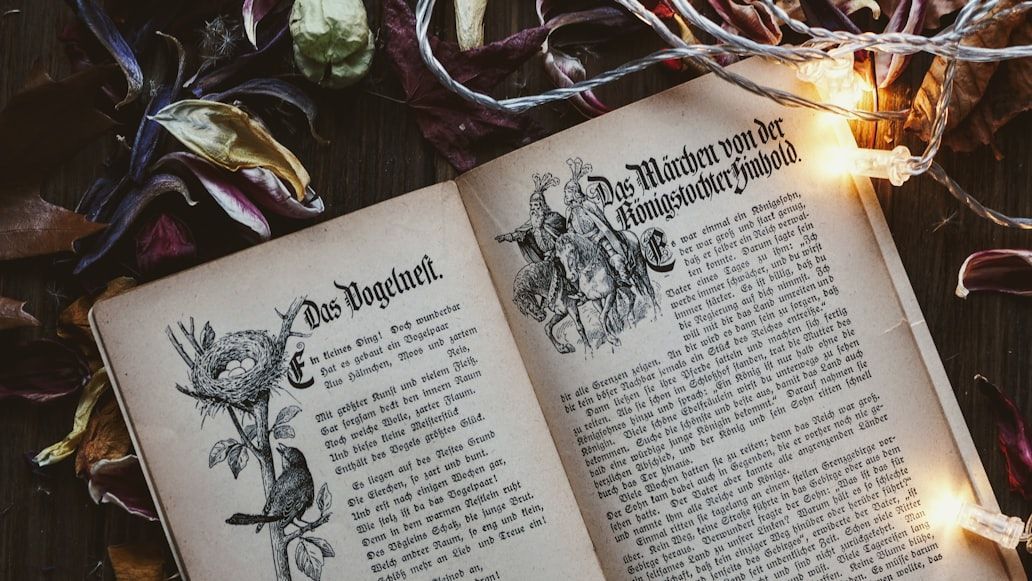

Image: Natalia Y.

Disney movies have adapted several beloved fairy tales and stories, which means that, for those who experienced these stories as movies for the first time, coming across the original tales can be shocking, as they are quite different, and sometimes even scary and gory.

Most of Disney's movies are intended for children, so these stories had to be adapted and often softened for the audience. Let’s see how Disney changed famous stories when making them into movies.

1

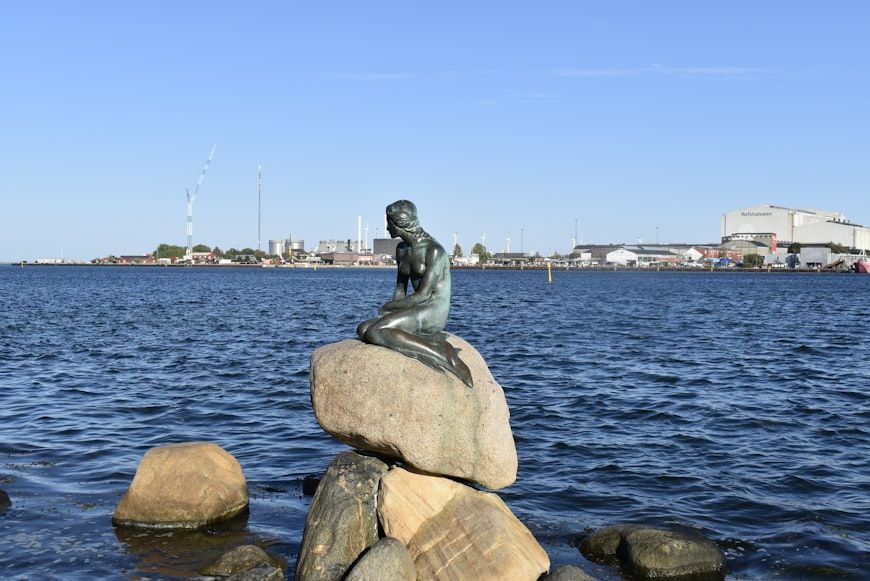
The Little Mermaid

Image: Anjali Shrivastava

This 1837 story by Hans Christian Andersen is, at first sight, similar to its movie adaptation. Yes, in the original, the Little Mermaid feels sharp pains each time she walks, but other elements remain. However, the main difference is in the ending: before the prince’s wedding, the sea witch tasks the Little Mermaid with killing the prince in order to live, but she prefers to die herself and turn into sea foam.

2

Cinderella

Image: The Now Time

The 1950 version of Cinderella also follows most of the original story. Most of the differences with the Brothers Grimm’s version come from elements added by Disney, such as the Fairy Godmother and the singing mice. But there is one gory element that needed to be changed before making a children’s movie: in the tale, Cinderella’s stepsisters, trying to fit into the crystal slipper, resort to cutting parts of their feet.

3

Snow White

Image: Priscilla Du Preez 🇨🇦

The first full-length Disney animated movie, Snow White and the Seven Dwarves was a resounding success. However, the story has some differences when compared to the original story by the Brothers Grimm. When the Queen gives Snow white the poisoned apple, it is not a true love’s kiss that wakes her. The prince sees her lying in her crystal coffin and wants to take her with him. When he moves the coffin, the piece of apple that’s still in her throat moves, and she wakes up. As punishment, the Queen is made to dance in shoes made from hot iron until she falls dead.

4

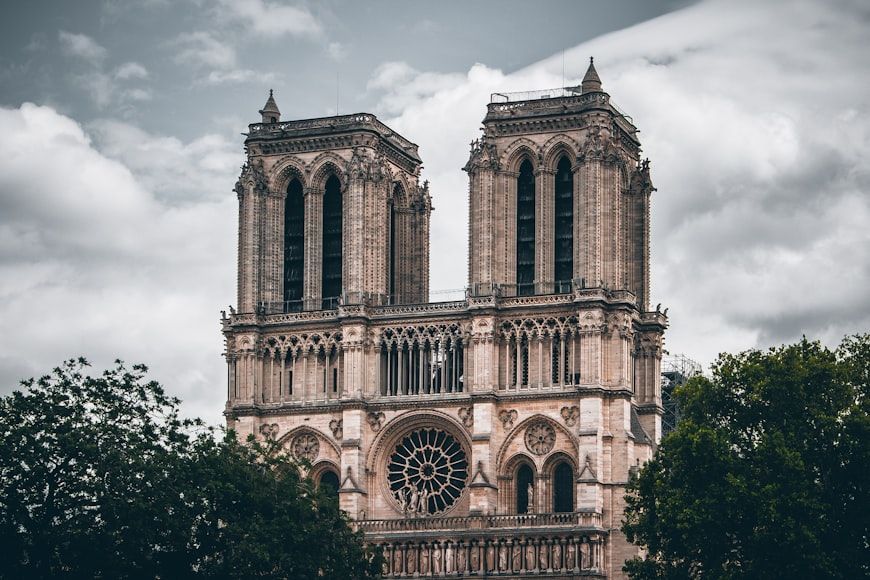
The hunchback of Notre Dame

Image: Marcel Strauß

When watching this lovely musical, it is difficult to imagine that it comes from a lengthy novel filled with tales of vengeance, obsession, social disparities, and a tragic ending. In Notre-Dame de Paris by Victor Hugo, Quasimodo is deaf and nearly mute, and he is isolated from the world. Frollo, an archdeacon inamoured by the young Esmeralda, accuses her of witchcraft and ultimately succeeds in killing her, while Frollo, instead of the chivalrous young man portrayed by Disney, takes advantage of Esmeralda but abandons her in her time of need.

5

Tangled

Image: Taylor Smith

A reimagination of the 19th-century Rapunzel by the Brothers Grimm, the Disney version adds many elements to the story, such as the magical properties of the hair or Rapunzel being a stolen princess. In the original, Rapunzel’s parents give her away as payment for a stolen lettuce. When a prince comes across her tower, they fall in love, but they are tricked by the witch, with the prince falling into a thorny bush and hurting his eyes. Luckily, there is a happy ending where they are reunited, and Rapunzel’s tears restore the prince’s sight.

6

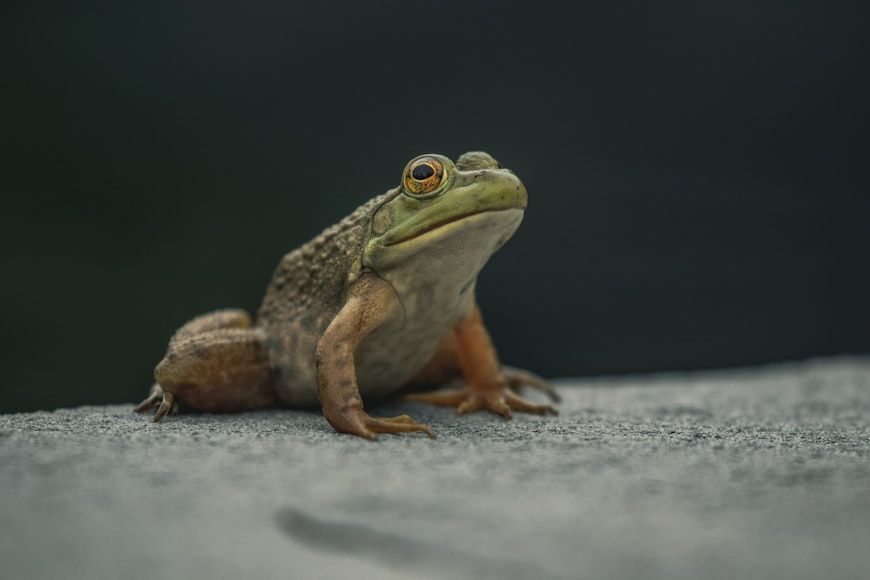
The princess and the frog

Image: Adam Currie

This 2009 version, set in New Orleans, is only loosely based on several classic tales featuring a prince-turned-frog. While in the Disney version, the kiss turns Tiana into a frog, in the classic fairy tale, the princess, disgusted by the idea of kissing the frog prince, throws him violently against the wall. Luckily for him, it works just as well as a kiss, and he returns to his original form.

7

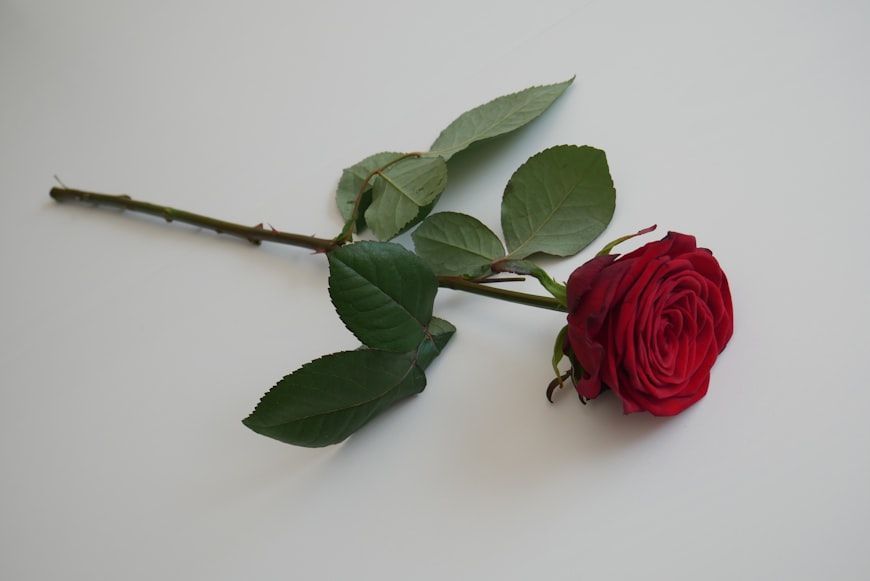
Beauty and the Beast

Image: jerry klein

The main fairytale behind this Disney classic is of French origin. In it, the reason for Belle’s arrival at the castle is quite different: her father steals a rose from the Beast’s garden and is imprisoned. Belle’s sisters blame her for their father’s misfortunes and demand that she stay in his place. She goes to the castle, filled with invisible servants, where the Beast tries to make her fall in love with him. After being allowed to visit her family, she returns to find the Beast dying. After professing her love, the Beast turns into a prince, and they live happily ever after.

8

Frozen

Image: Carmen Keuper

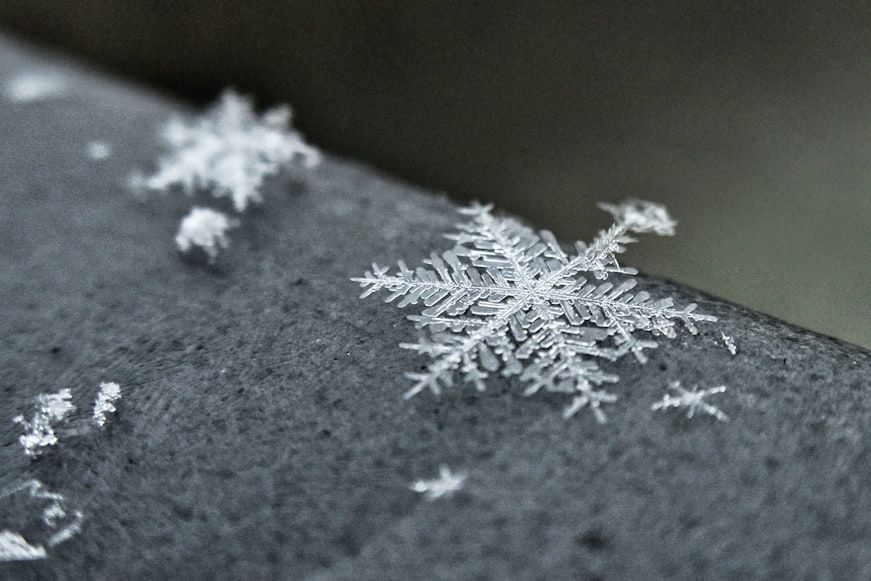
Loosely based on Hans Christian Andersen’s The Snow Queen, Disney’s Frozen turns a dark story featuring a villainous Queen into a tale of sisterly love. In the original story, Gerda (the inspiration behind the character of Anna) goes on a quest to rescue her friend Kai from the clutches of the evil Snow Queen. Ultimately, her tears are able to melt the ice shards in Kai’s heart and save him.

9

Pinocchio

Image: Rhamely

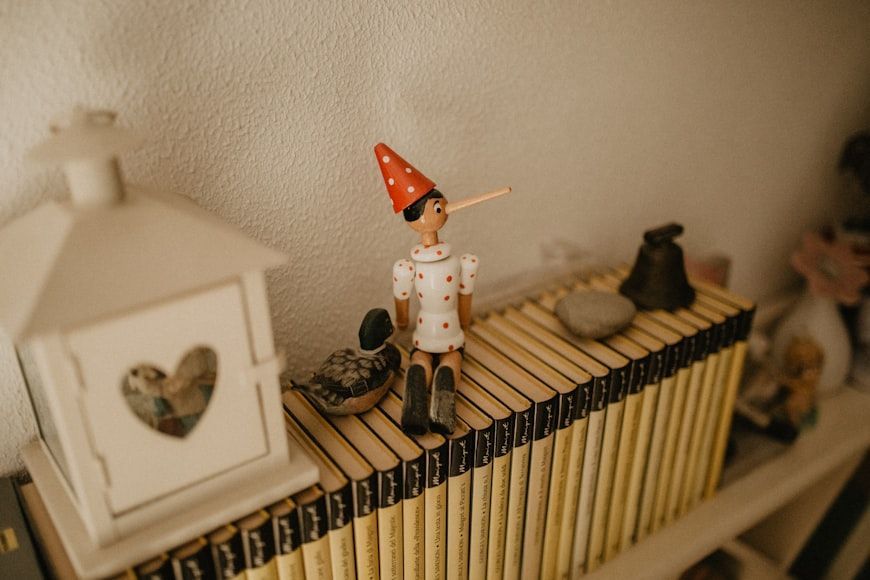
Inspired by the 1883 Italian novel The Adventures of Pinocchio by Carlo Collodi, the Disney movie gives us a much more tame version of the story. In the original, Pinocchio is rude and cruel. Often chastised by Jiminy Cricket, he ends up killing him and is punished in consequence. A moral tale about disobedience and laziness, the original Pinocchio is only able to turn into a human boy after working hard and learning to care for others.

10

Hercules

Image: Simone Pellegrini

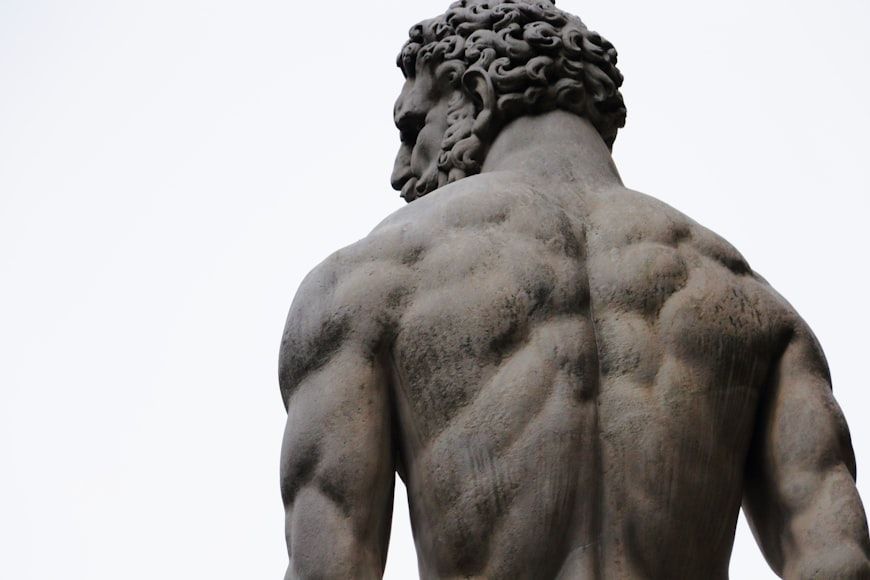
As with most mythological stories, the original tale of Hercules is quite tragic, and not the happy ending story presented by Disney. A product of the affair of Zeus with a mortal woman, Hercules is hated by Hera, Zeus’ wife, who drives him mad. While out of his mind, he murders his wife, Megara, and their children. To atone for this crime, he performs 12 seemingly impossible labours. In the end, Hercules dies after being poisoned, but he is eventually turned into a god by Zeus.

Debunked science

10 absurd explanations given in the past for natural phenomena


Published on June 9, 2026


Image: Philippe BONTEMPS

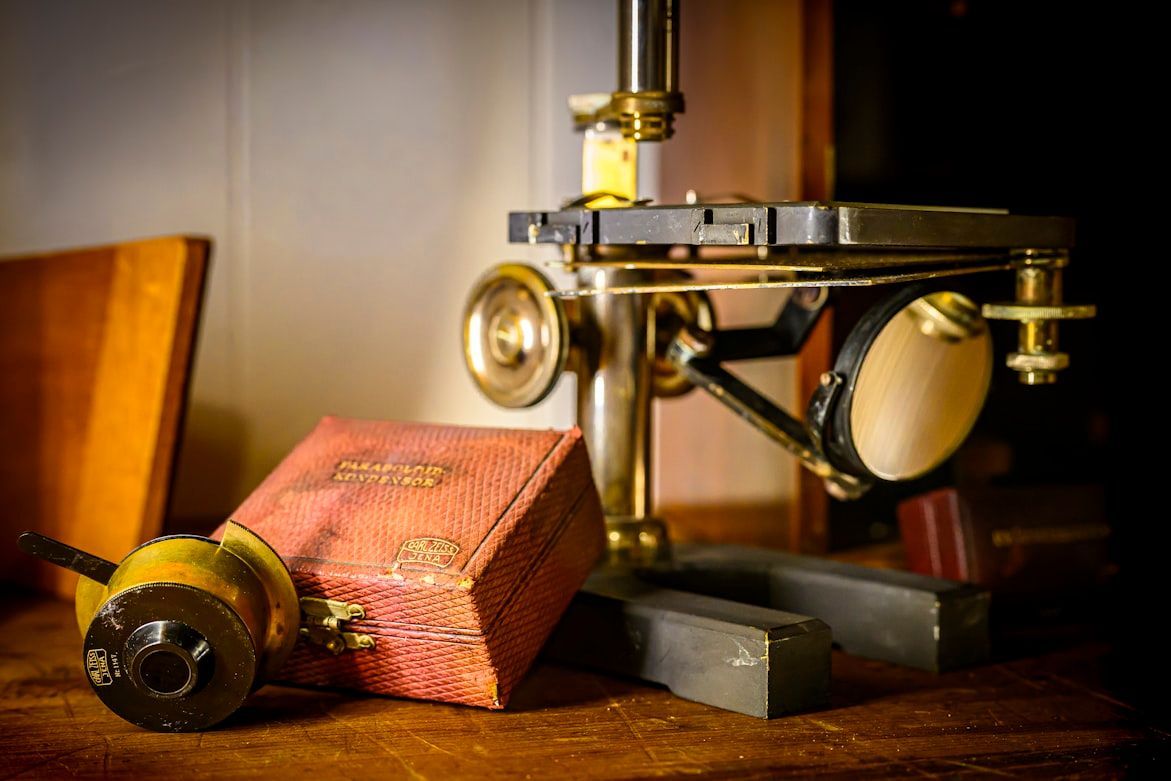
Before modern science lifted the veil on some of nature’s most baffling phenomena, people relied on what they knew—and when that failed, they invented explanations that now seem spectacularly bizarre. But even if these early ideas now seem strange or even foolish, they helped pave the way for modern science. Each flawed theory pushed curious minds to investigate further and refine how we understand the world. From spontaneous generation to the theory of miasma, here are 10 examples of what people believed not so long ago.

1

Flat Earth

Image: Glenn Carstens-Peters

For centuries, people believed the Earth was a flat disc floating on water. Ancient maps depicted oceans surrounding a flat plane, and falling objects supposedly plummeted straight down to the abyss.

While Aristotle was among the first to argue for Earth’s true shape—observing ships vanishing hull-first over the horizon and the round shadow cast during lunar eclipses—and Eratosthenes later refined these intuitions to calculate the planet’s circumference with remarkable accuracy, the flat-Earth concept still persisted well into the Middle Ages.

2

Spontaneous generation

Image: Adrian Lange

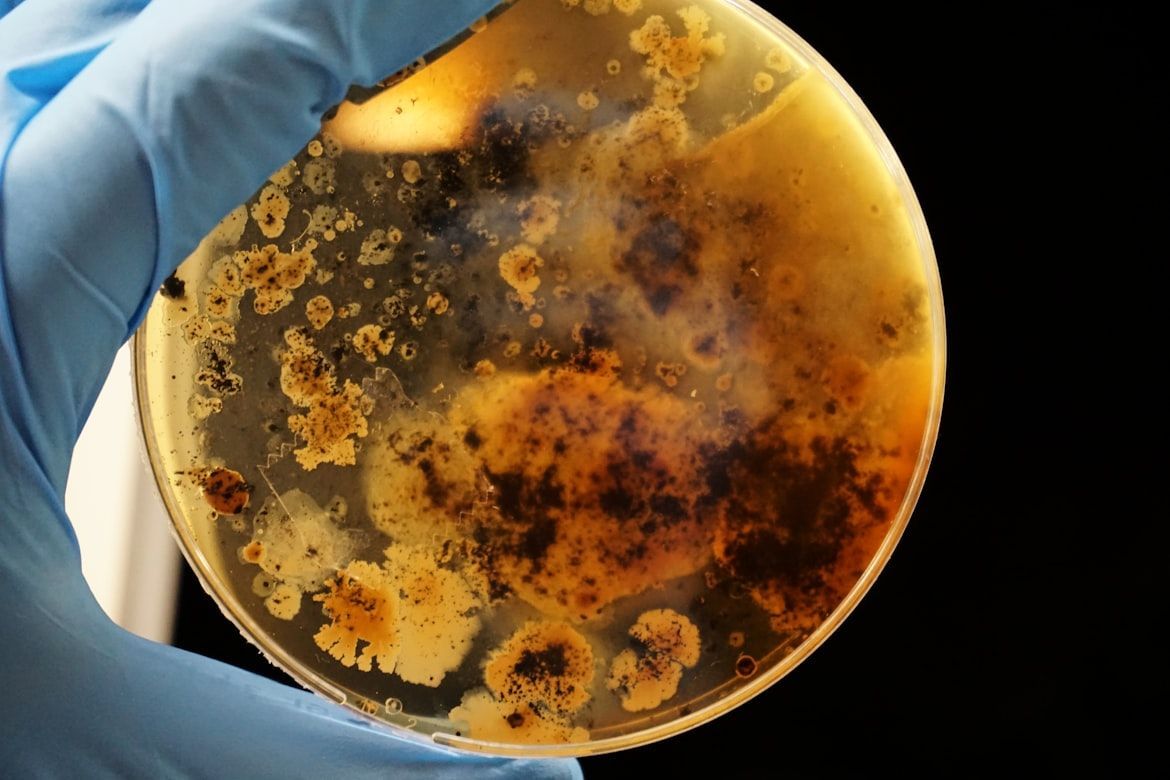
During the Middle Ages, and for long before, it was believed that maggots, mice, and other creatures could arise spontaneously from mud, rotting meat, or grain.

It wasn’t until the 17th century that Francesco Redi’s experiments disproved this idea: maggots appeared only when flies had access to lay their eggs. Later, Pasteur confirmed that microbes also do not arise spontaneously.

3

The Moon’s "breath"

Image: Ganapathy Kumar

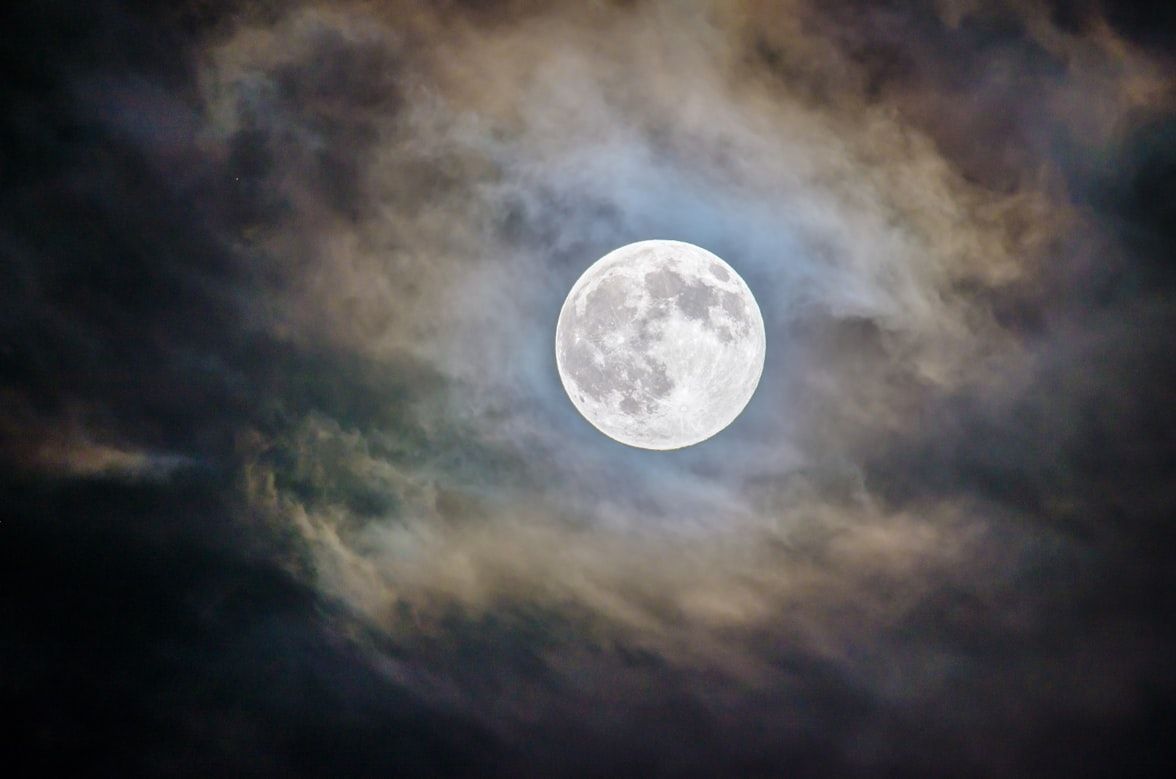
Early natural philosophers suspected the tides followed the Moon’s cycle, but without a concept of gravity, they proposed more imaginative mechanisms. One widely repeated idea described the Moon as "breathing" or exhaling a kind of pneumatic force that pulled the seas upward, much like winds or vapors moving through the air.

It wasn’t until Newton’s work in the 17th century that a clear physical explanation emerged, showing that the tides are driven by the gravitational pull of the Moon and Sun acting on Earth’s oceans.

4

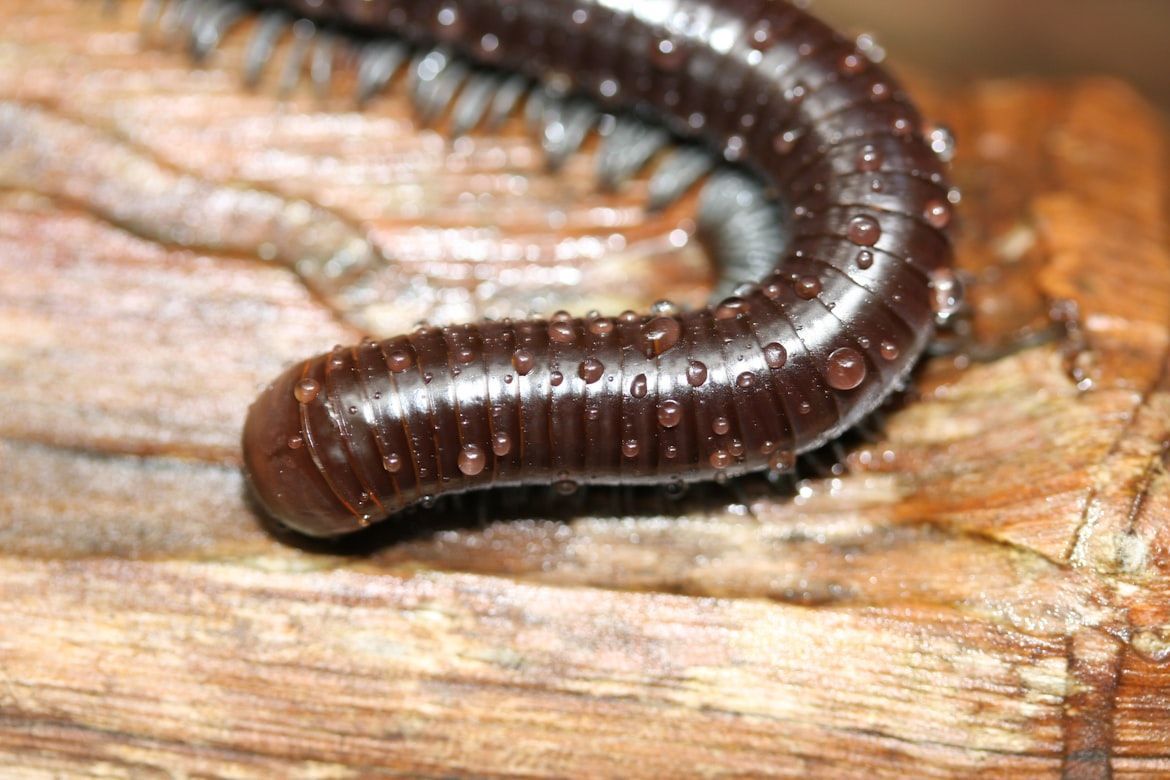
Giant worms cause earthquakes

Image: Karl Callwood

Some early natural philosophers suggested earthquakes were caused by giant underground worms or serpent-like creatures shifting through the Earth. The analogy came from observing how smaller burrowing animals disturbed soil and assuming larger unseen versions could shake the ground itself.

As geological science progressed, however, these notions gave way to evidence showing that earthquakes result from the movement and fracturing of Earth’s crust along fault lines.

5

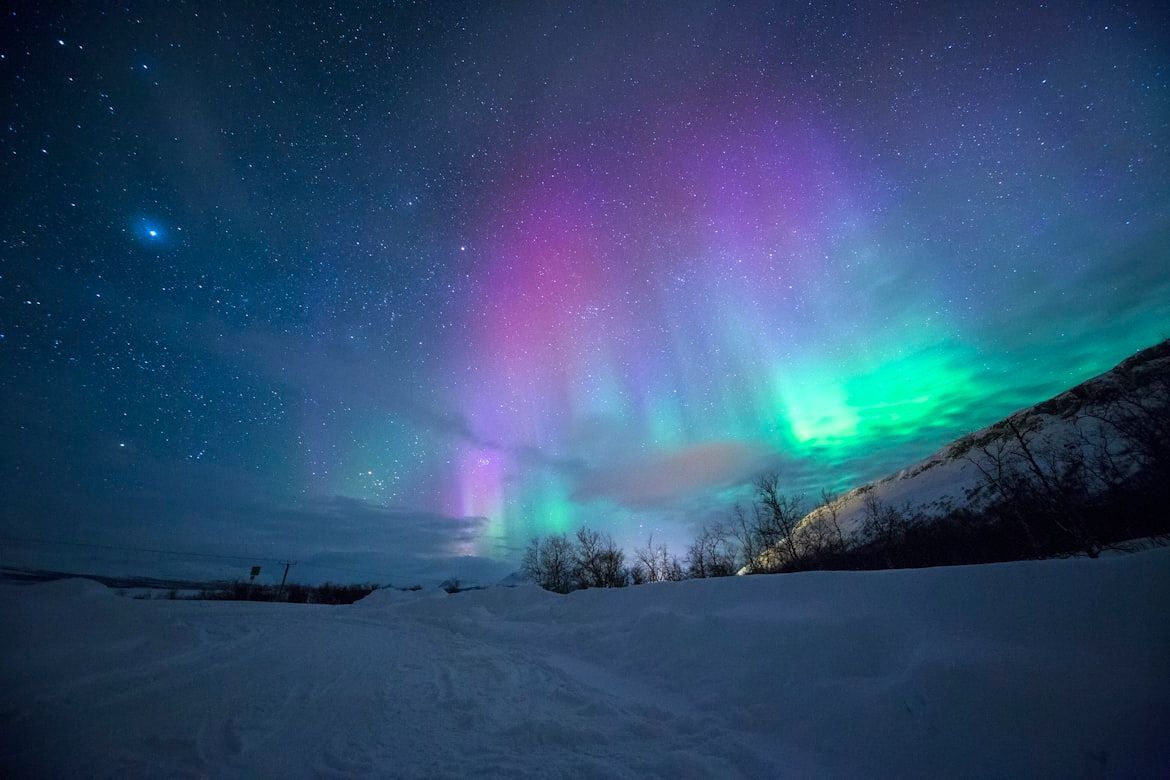
Flaming gas in the skies

Image: Lightscape

Early explanations for the northern lights often described them as fires or glowing vapors igniting high in the atmosphere. Some natural philosophers proposed that luminous gases rose from Earth’s surface and caught fire in the upper air, while others compared the lights to reflections from vast, distant flames.

With improved observations, scientists showed that auroras are caused by charged particles from the solar wind interacting with Earth’s magnetic field and energizing atmospheric gases.

6

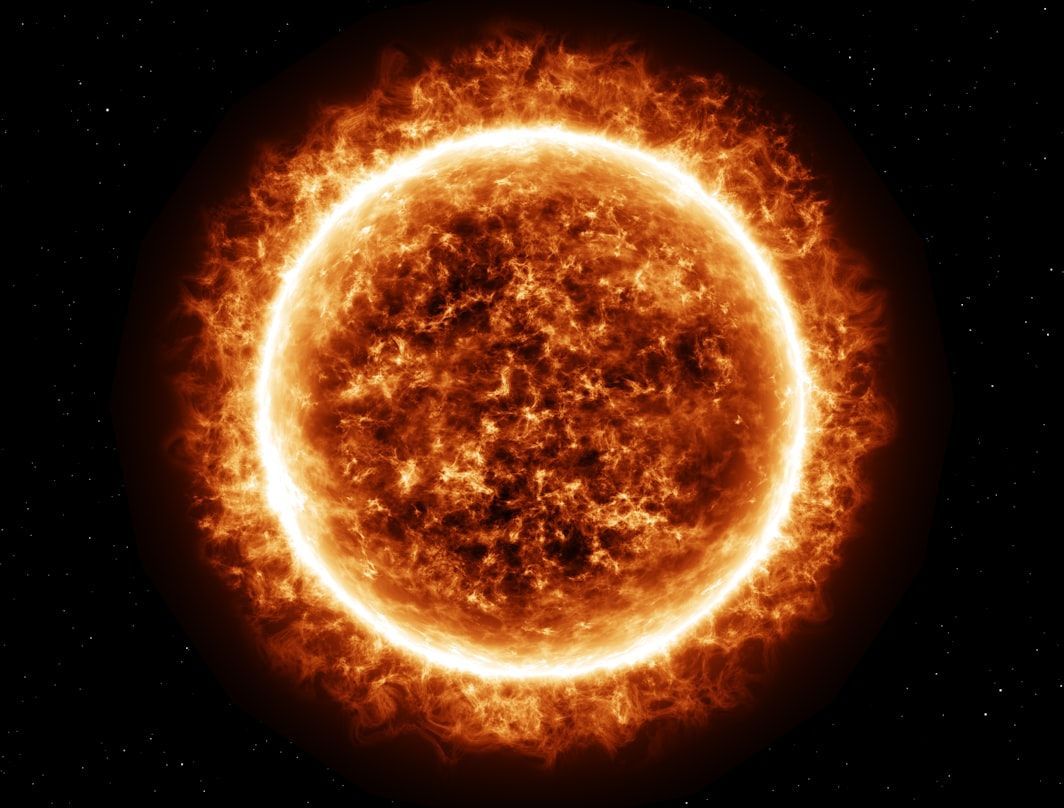
Sunspots as planets crossing the Sun

Image: Javier Miranda

Some early astronomers—including Jesuit priest Christoph Scheiner—argued that sunspots were actually small planets or satellites orbiting the Sun, preserving the idea of a "perfect" Sun untouched by blemishes.

Galileo, however, tracked their shapes and motions and noticed they transformed and changed irregularly, which meant they were on or very close to the Sun’s surface—so they couldn’t be planets.

7

Bad air causes disease

Image: Ruvim Noga

People once believed diseases like cholera, plague, and malaria spread through "miasma," or poisonous bad air rising from decaying matter. The theory shaped public health for centuries and even informed major sanitation reforms in the 19th century.

It wasn’t until the work of Snow, Pasteur, and Koch that germ theory replaced miasma, showing that infectious diseases are caused by specific microorganisms—not foul-smelling air.

8

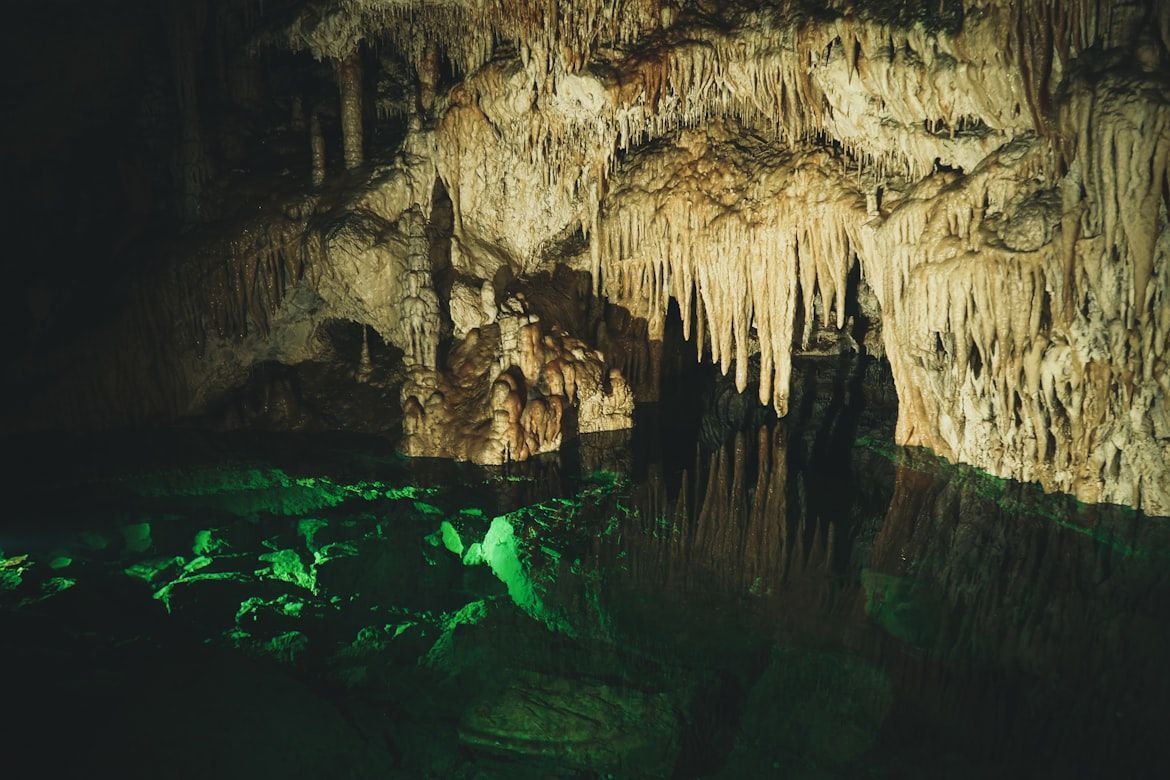
Underground rivers

Image: Kubo Mičuch

Early hydrologists often believed springs were fed by vast underground rivers flowing through hollow channels in the Earth. The idea came from observing surface rivers disappearing into caves and reappearing elsewhere, leading to the assumption that similar large waterways existed everywhere below ground.

Modern hydrogeology shows that most groundwater doesn’t travel in rivers but moves slowly through porous soil and rock, driven by pressure and permeability rather than hidden subterranean channels.

9

Comets as atmospheric phenomena

Image: Forsaken Films

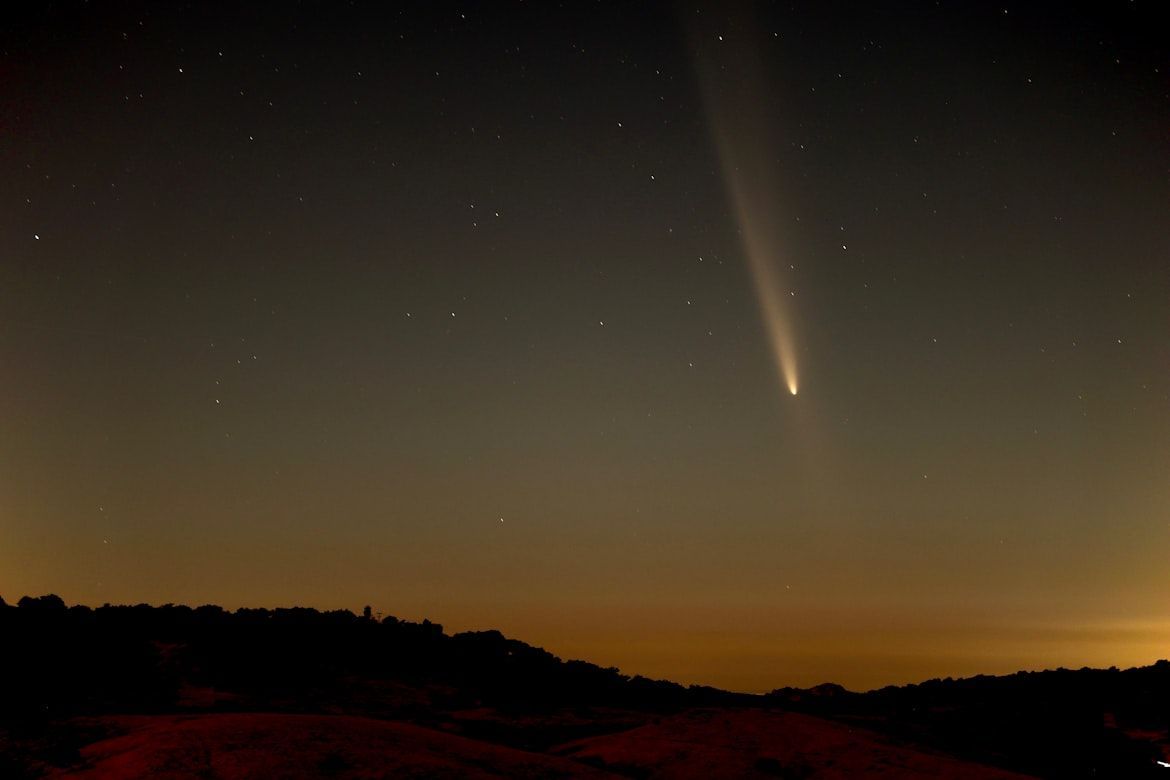
For centuries, comets were thought to be atmospheric phenomena—fiery vapors or clouds igniting high in the sky. Even Aristotle’s model placed them in the upper atmosphere, and this view persisted well into the Renaissance.

Until Tycho Brahe’s observations in the 1570s showed that comets had no measurable parallax, it hadn’t been realized that they were actually far beyond the Moon. This helped establish comets as true celestial bodies orbiting the Sun.

10

Magnetism from living "souls"

Image: Chris Nagahama

Early explanations for magnetism often invoked a "living force" within lodestones, suggesting they possessed a kind of spirit or soul that allowed them to attract iron. Others claimed magnets emitted invisible _effluvia_—mysterious vapors that pulled metals toward them.

William Gilbert’s De Magnete (1600) replaced these ideas with a physical model, showing that magnetism was a natural property of matter and that Earth itself acted like a giant magnet.

Looking for an extra scoop of literary fun?

Learn more with our Word of the day

impolitic

/ɪmˈpɑləˌtɪk/