Life inspires fiction
The surprising real-life anecdotes behind 10 classic novels
Published on July 19, 2026
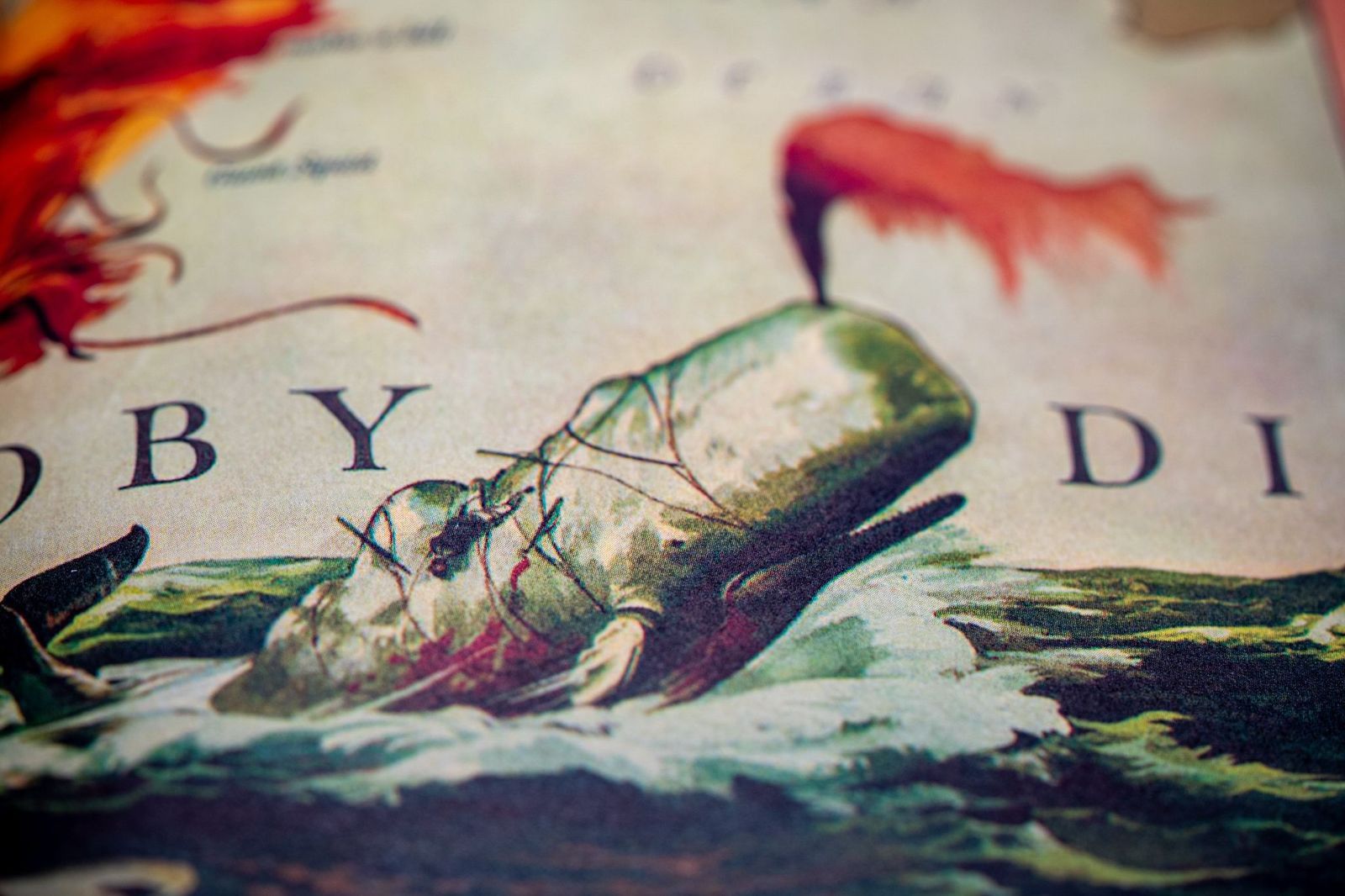
Many great books stem from real-life stories, but we often ignore to what degree. Few people know that, before Moby-Dick, there was a real whale that sank a ship and left its crew adrift for 90 days. Or that it was the four Alcott sisters living in Massachusetts who inspired the four March sisters from Little Women. The ten novels in this article have collectively sold hundreds of millions of copies; here are the true stories behind 10 of the most famous books ever written.
Frankenstein, by Mary Shelley (1818)
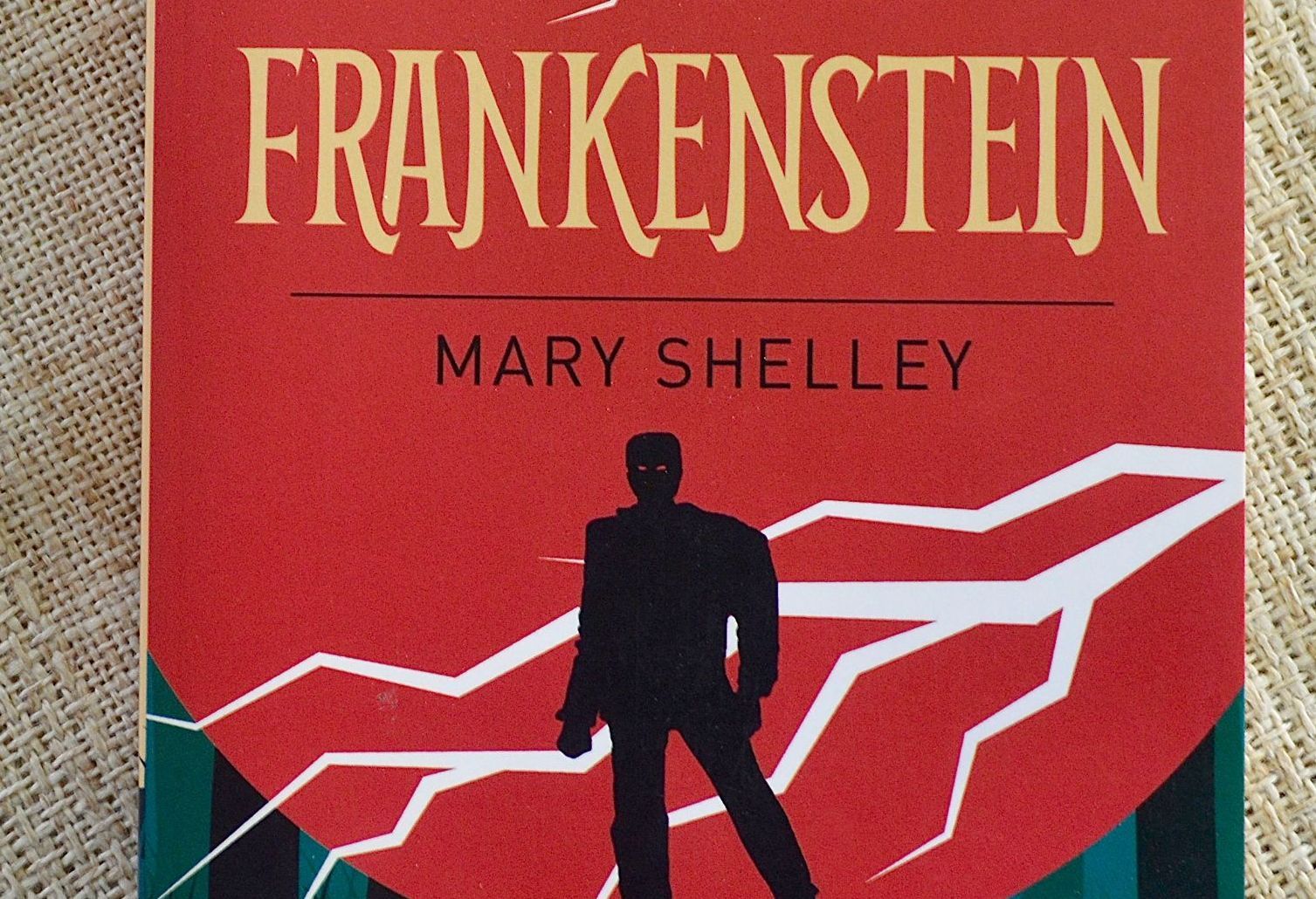
In the summer of 1816, the famous British poet Lord Byron was hosting a remarkable group in his rented home in Switzerland. Byron, Percy Shelley, and 18-year-old Mary Godwin found themselves one night having a conversation about galvanism and the possibility of reanimating corpses. Mary immediately conceived the idea for the ghost story that Byron had dared all of his guests to write.
It took her two years, and by age 20, Mary Godwin had become Mary Shelley and had published the novel about "the pale student of unhallowed arts kneeling beside the thing he had put together." The Gothic novel was published anonymously until 1831, when a revised edition recognized her as its author.
Another of Byron's guests that summer, John Polidori, wrote The Vampyre (1818) following the same dare. This book became a direct inspiration for Bram Stoker's Dracula.
Sherlock Holmes, by Arthur Conan Doyle (1887)
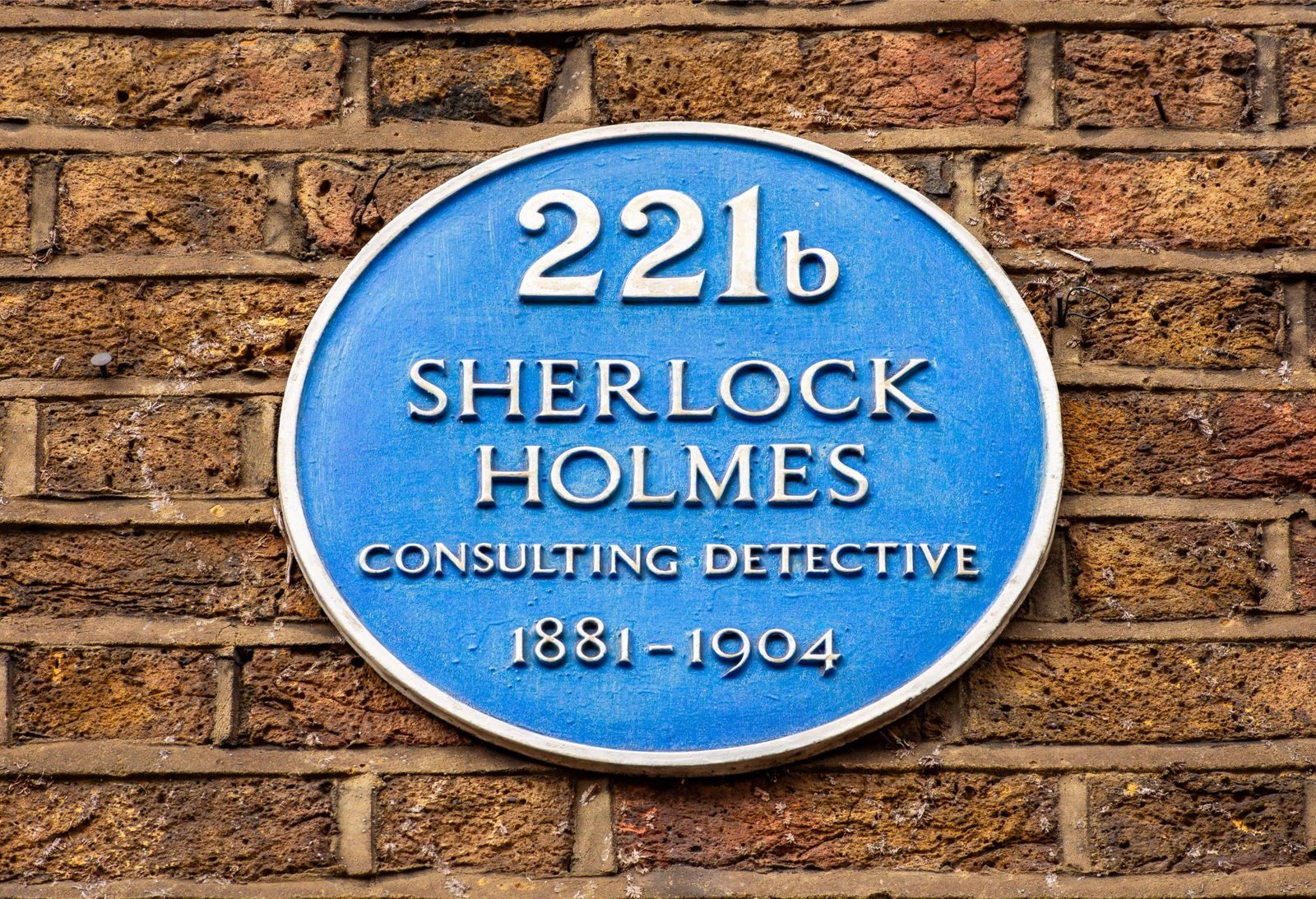
The world's most famous fictional detective was a real person, and we know it because his creator said so in writing. Conan Doyle met Dr. Joseph Bell when he was studying to be a doctor at the University of Edinburgh in 1877. Bell's powers of diagnosis were extraordinary, and he often used to demonstrate the importance of close observation by selecting strangers and deducing their recent activities simply by observing them.
In a letter from Conan Doyle to Bell dated 1892, Conan Doyle wrote that Holmes’s analytical work was "not in the least an exaggeration of some effects which I have seen you produce in the out-patient ward." Bell had such renown that he also served as a personal surgeon to Queen Victoria during her visits to Edinburgh.
Moby-Dick, by Herman Melville (1851)
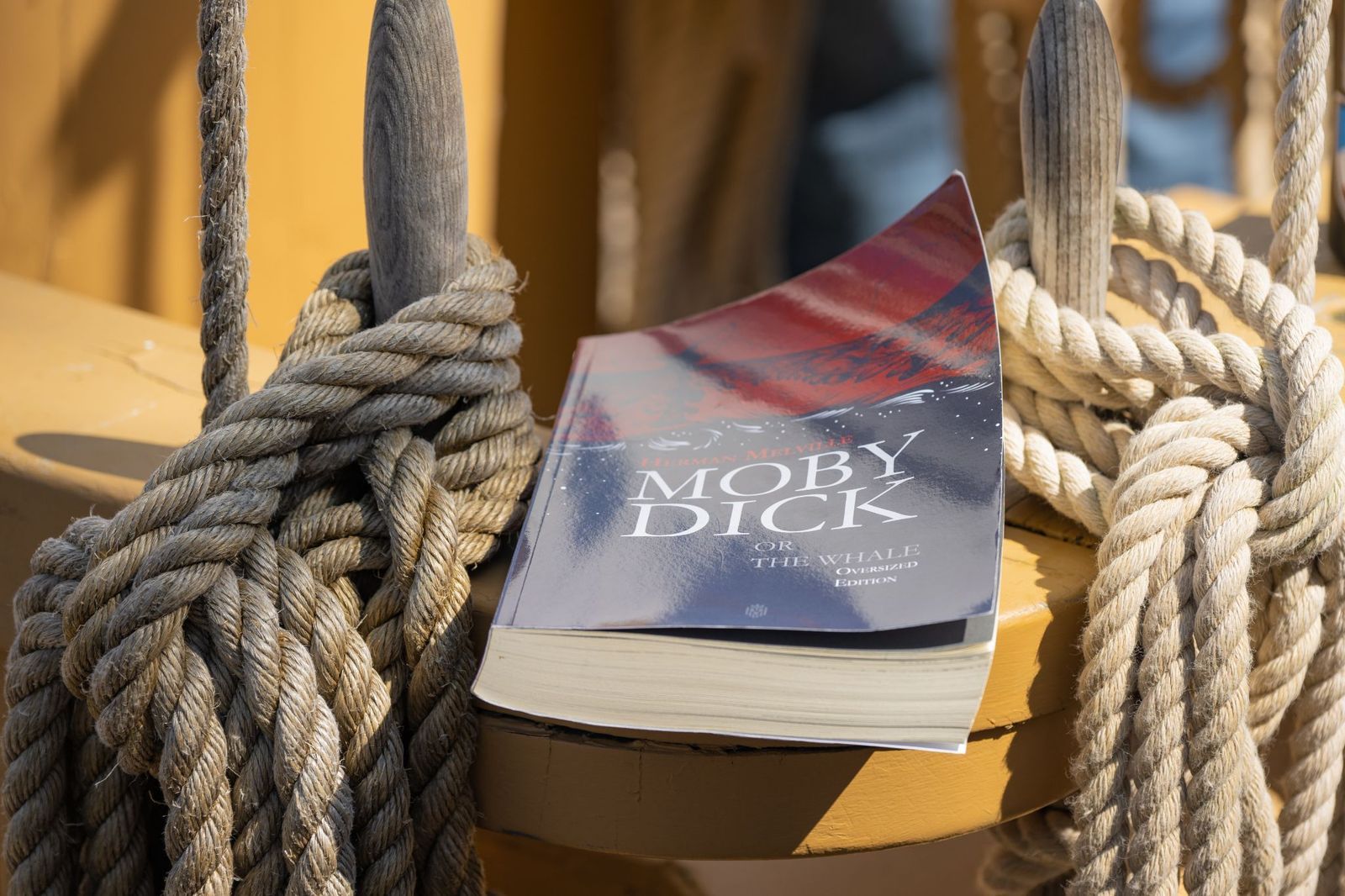
In 1820, an 80-ton sperm whale rammed and sank the Essex, an American whaling ship, in the Pacific Ocean off the coast of South America. The crew of 21 men escaped in small boats.
They spent 90 days adrift in the Pacific with dwindling supplies and were forced to make desperate choices. The remaining crew members needed to resort to cannibalism, and only 8 of the 21 survived. The ship's captain was George Pollard Jr., who returned to Nantucket and went to sea again on another ship, only to be shipwrecked a second time.
Author Herman Melville encountered Pollard once, briefly, on Nantucket. He wrote: "To the islanders, he was a nobody. To me, the most impressive man, tho' wholly unassuming, even humble, that I ever encountered." Melville turned this concept into a novel that became a quintessential American classic.
Little Women, by Louisa May Alcott (1868)
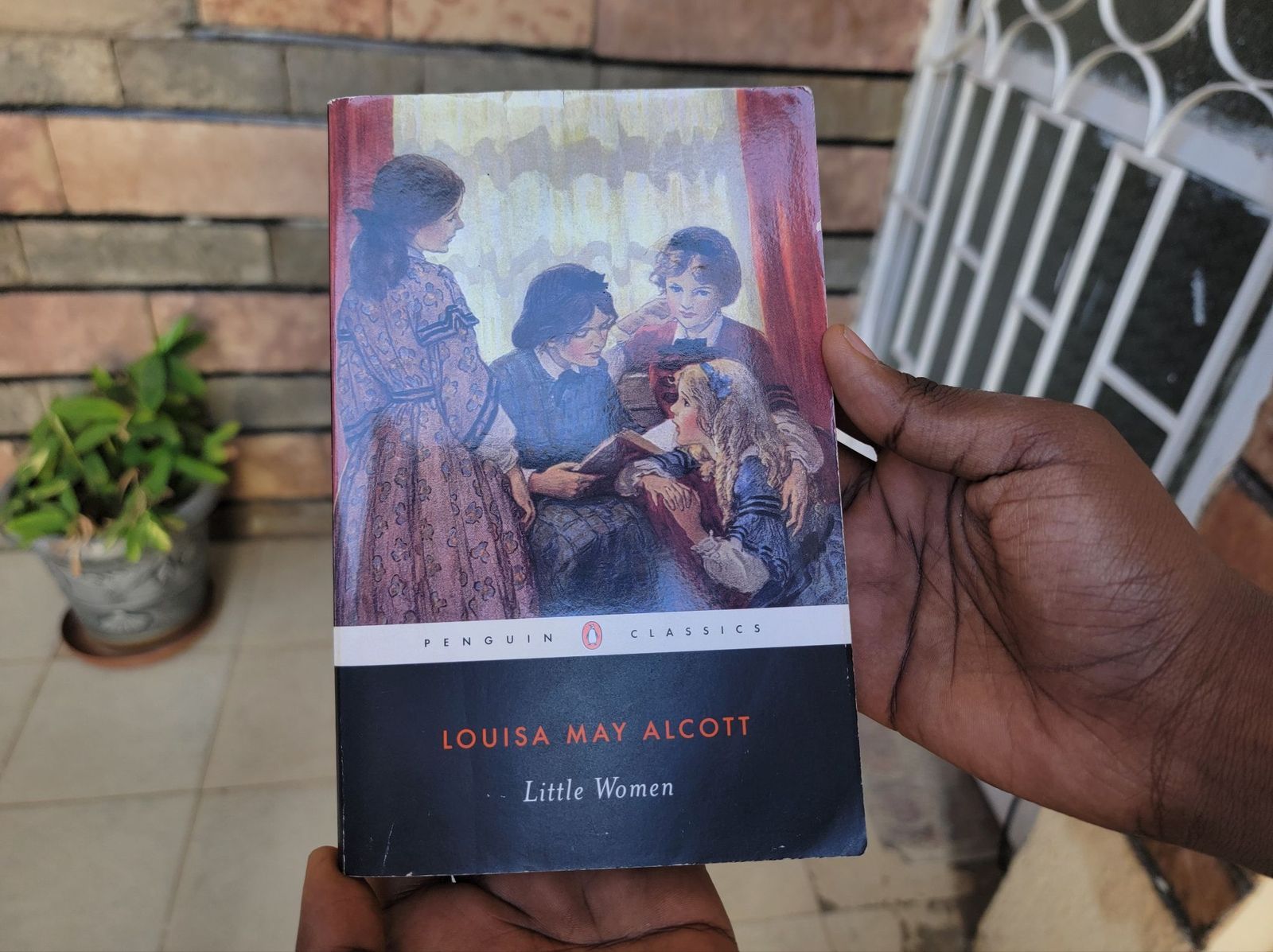
Louisa May Alcott didn’t want to write this book. In 1868, her publisher asked her to write "a book for girls." She protested, but it was her need for money that drove her to comply.
In her journal, she wrote: "Never liked girls or knew many, except my sisters, but our queer plays and experiences may prove interesting, though I doubt it." Fortunately for literature, she was wrong. She wrote the entire first volume in just ten weeks. In it, Meg, Jo, Beth, and Amy March were in real life Anna, Louy, Lizzy, and May Alcott.
She modeled the characters of the mother and the father on her own. The Alcott family had known Ralph Waldo Emerson, Henry David Thoreau, and Nathaniel Hawthorne as personal friends and neighbors in Concord, Massachusetts. Alcott later attributed the book's success to its simplicity and truth. Her novel has never been out of print since 1868.
The Great Gatsby, by F. Scott Fitzgerald (1925)
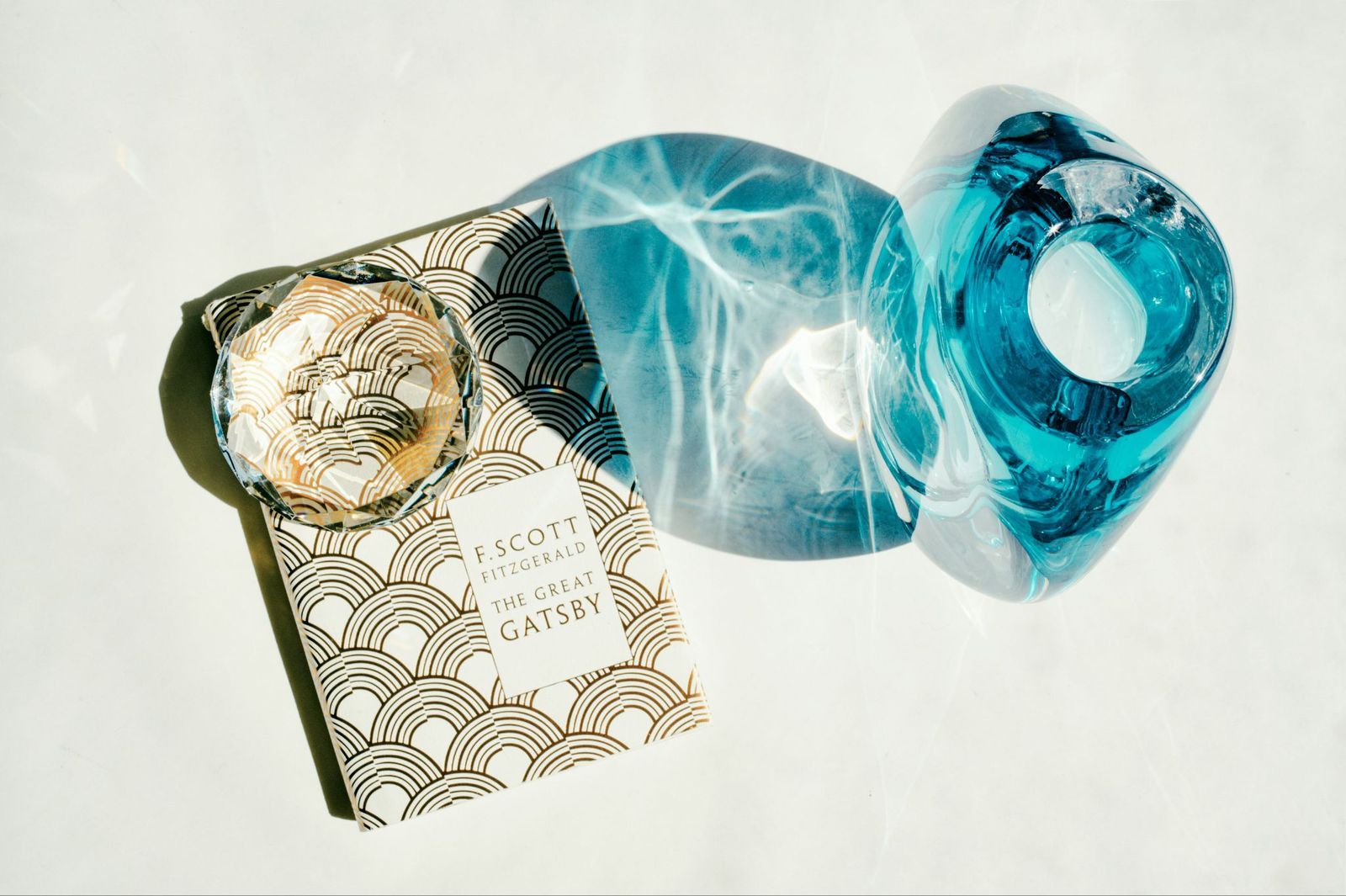
F. Scott Fitzgerald was a young student at Princeton in 1915 when he met Ginevra King at a party. She was a socialite: popular, pretty, and very rich. Fitzgerald idealized her and tried to court her through letters, to no avail. Later, Fitzgerald overheard a comment he recorded in his own journal: "Poor boys shouldn't think of marrying rich girls."
Fitzgerald would always remember the role Ginevra's wealth seemed to play in the breakup. This inspired him to write about the corrupting power of money over love in American life.
The novel was also inspired by the parties he attended in Long Island in 1922 with his wife, Zelda. Their glamorous, wealthy neighbors on one side of the bay contrasted sharply with the old-money families across the water, giving Fitzgerald the idea for West Egg and East Egg.
Alice in Wonderland, by Lewis Carroll (1865)
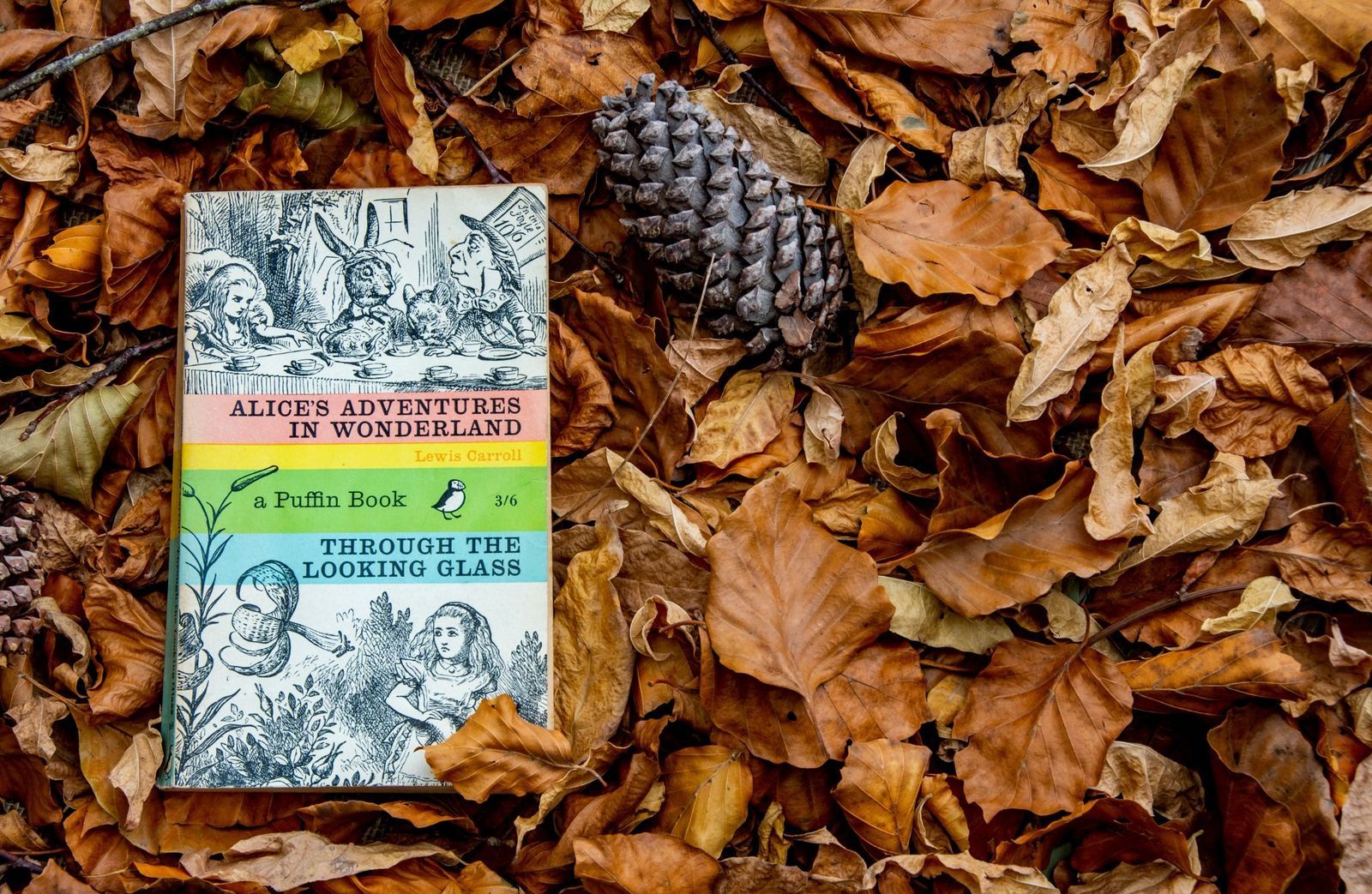
One day in 1862, Lewis Carroll took ten-year-old Alice Liddell and her two sisters on a boat trip from near Oxford, where they had a picnic. Alice begged him to tell a story, so he invented tales on the spot about a girl who fell down a rabbit hole and had fantastical adventures.
Alice Liddell asked him to write it down. So he did: he spent the next two years expanding and illustrating the story by hand, presenting the completed manuscript to Alice in 1864, as a Christmas gift.
He titled it Alice's Adventures Under Ground. A friend persuaded him to publish it, and he did so in 1865 under a pen name: Lewis Carroll, concealing his real name, Charles Lutwidge Dodgson.
Treasure Island, by Robert Louis Stevenson (1883)
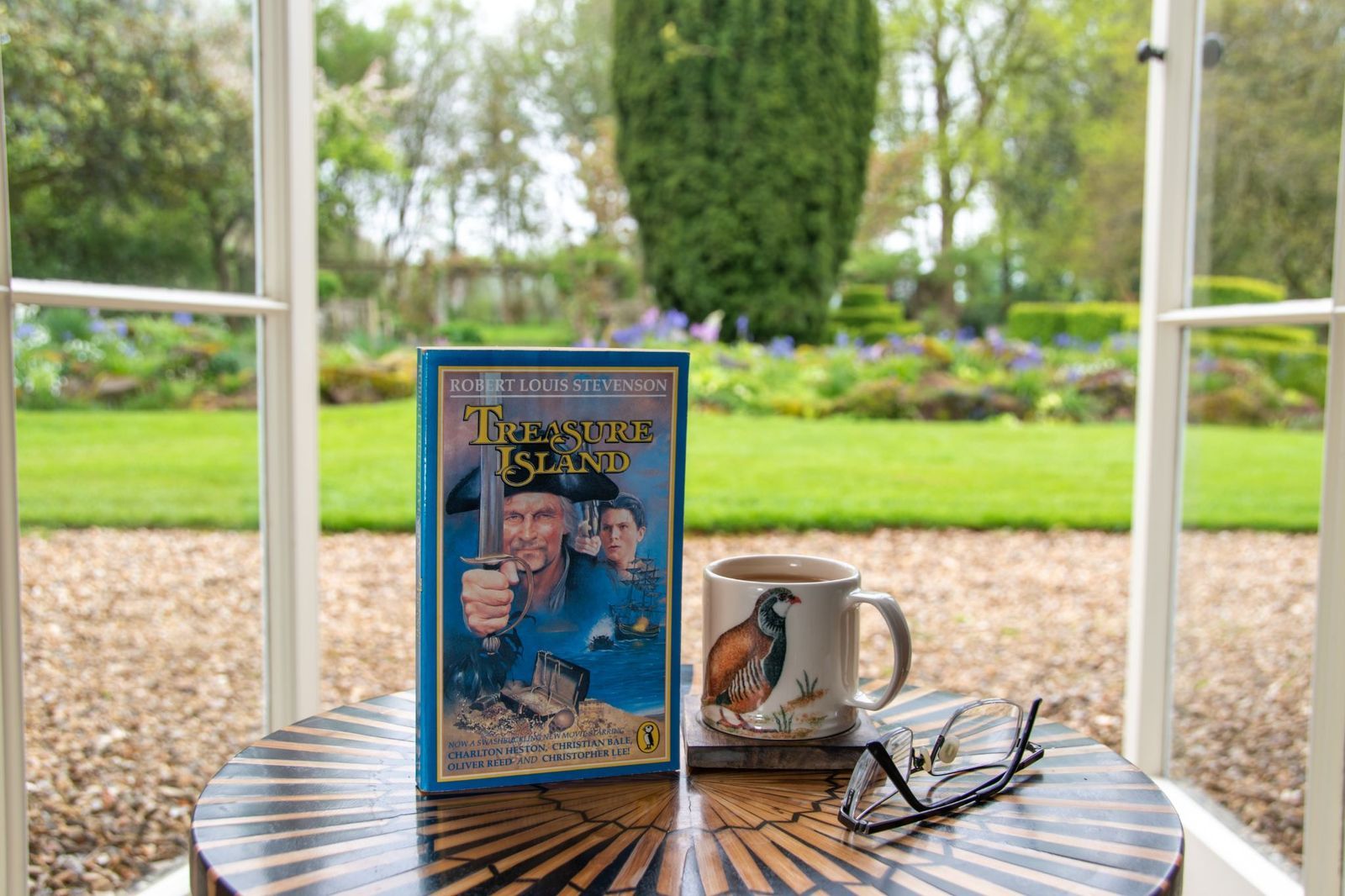
In the summer of 1881, Stevenson settled with his wife, Fanny, and his 12-year-old stepson, Lloyd Osbourne, in a cottage in Braemar, Scotland. Lloyd was confined inside because of the rain and amused himself by drawing a map of an imaginary island.
Stevenson joined him and began adding names to the map: Spyglass Hill, Skeleton Island, a stockade, and a cross marking buried treasure. Stevenson recalled that, before he knew it, he was scribbling down character names and even a list of chapters. He completed the first draft of chapter one the following morning.
Unfortunately, the original map was later lost in the mail when the manuscript was sent to the publisher. Stevenson had to redraw it entirely from memory. The character of Long John Silver was partly inspired by Stevenson's friend W.E. Henley, the poet who wrote Invictus and who, like Silver, had one leg.
Dracula, by Bram Stoker (1897)
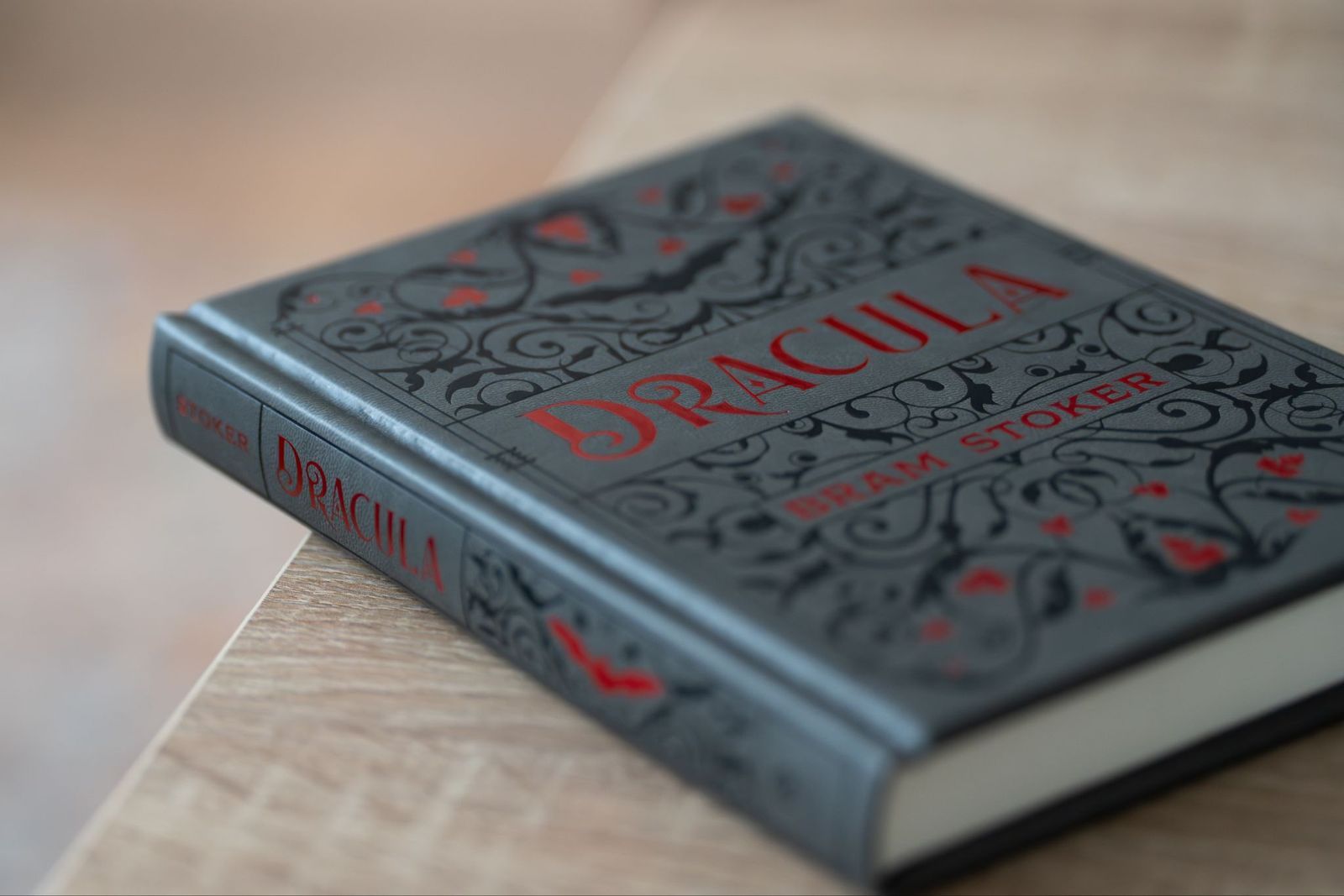
Vlad the Impaler was born in 1431 in Transylvania, the second son of Vlad II Dracul. His surname "Dracula" meant "son of Dracul," which derived from the Latin draco, meaning "dragon," after his father's induction into a Christian military order called the Order of the Dragon.
Vlad earned his nickname for impaling more than 20,000 people during his Medieval reign and killing as many as 60,000 others. He was said to dine among his impaled enemies. Bram Stoker never visited Romania, but he came across a book about Wallachia in 1890, afterward writing in his research notes: "Dracula in Wallachian language means DEVIL". Stoker borrowed the name and the Transylvanian setting. His vampire novel was published in 1897 to immediate success.
Robinson Crusoe, by Daniel Defoe (1719)
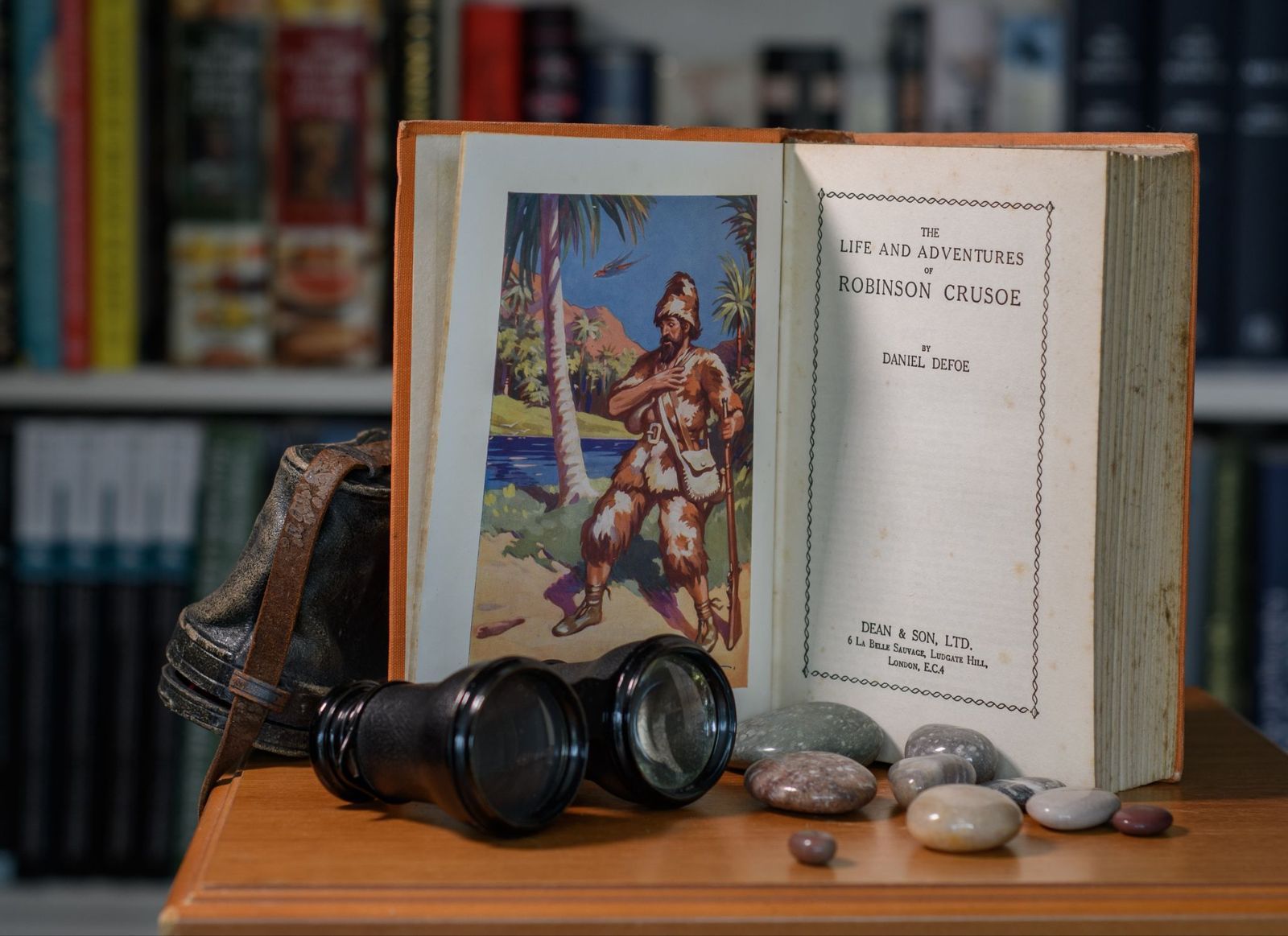
In 1704, a 27-year-old Scottish sailor named Alexander Selkirk made a desperate decision: he demanded to be put ashore on an uninhabited island in the Pacific Ocean, after quarreling with the captain of his ship.
The captain agreed. Selkirk lived alone on the rugged 29-square-mile island for more than four years, subsisting on fish, lobster, goats, and seals, until he was rescued by a passing ship in 1709.
Writer Daniel Defoe, in England, read the published accounts about Selkirk's ordeal. He drew on them for his 1719 novel Robinson Crusoe, though scholars note that Defoe wove in details from many other castaway narratives. The Selkirk connection became so embedded in history that the Chilean government renamed the island from "Más a Tierra" to "Robinson Crusoe Island" in 1966 to attract tourists.
Anna Karenina, by Leo Tolstoy (1878)
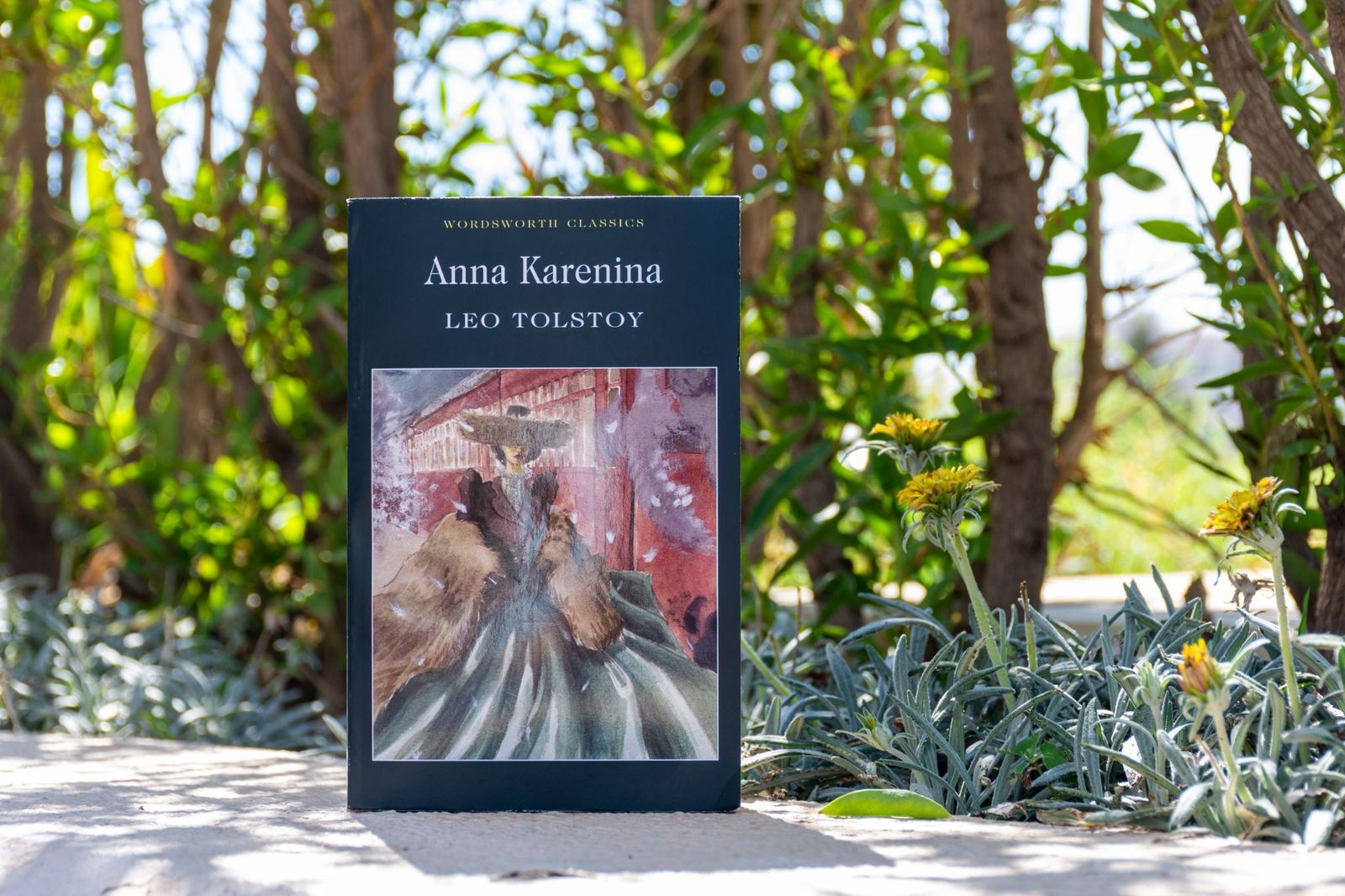
In 1872, Leo Tolstoy read about a well-dressed woman jumping in front of a train at a railway station near his estate outside Moscow. Tolstoy and his wife, Sofia, knew the woman: she was Anna Stepanovna Pirogova, the 35-year-old mistress of one of the Tolstoys' closest neighbors. It was a landowner named Bibikov, who had abandoned her for the family's German governess.
Tolstoy became haunted by the circumstances surrounding Anna’s death. He put aside his ambitious project on Peter the Great and wrote a new story about a respected noblewoman who has an adulterous affair with an aristocrat. Anna Karenina was first serialized between 1875 and 1877 and published as a complete book in 1878. Writer Vladimir Nabokov called it "the greatest novel ever written."


