Superstitious speech

The eerie belief behind saying "bless you" after a sneeze


Published on June 18, 2026


Image: Emmeli M

We use phrases like "bless you" or "break a leg" every day, but have you ever stopped to wonder where they actually came from? Many of our favorite figures of speech are rooted in the old superstitions of our ancestors: fears, beliefs, and traditions that haven't quite faded away. Let’s uncover the fascinating, sometimes eerie, backstories behind 10 idioms we use all the time.

1

Bless you

Image: Towfiqu barbhuiya

When someone sneezes, "bless you" is the automatic response. This tradition began in the 6th century, primarily thanks to Pope Gregory the Great, who ordered the saying of "God bless you" to protect people from the plague, as sneezing was considered an early symptom of sickness.

Some also trace it back to an ancient belief, shared across Europe and Asia, that a sneeze was the body's way of driving out evil spirits, or even the soul briefly trying to escape. According to the legend, saying "God bless you" was a quick, necessary prayer to protect the sneezer’s soul from being snatched by the devil before it settled back in.

2

Cross your fingers

Image: Dayne Topkin

"Cross your fingers" is a widely recognized way of wishing for a positive outcome. It originated in the 16th-century Christian practice of physically crossing one's fingers to signify the cross and invoke divine protection.

Over time, the hand gesture evolved from a silent, pious prayer into a casual expression. Now, we use it in everyday conversation to show support for a friend or to signal that we are banking on a specific, desired result during a stressful situation.

3

Break a leg

Image: Ana Dujmovic

We use this expression when we wish someone good luck before they step on stage, or, more broadly, before any high-pressure moment.

The origins are surprisingly murky for such a well-known phrase. The most widely accepted theory traces it back to the competitive world of American vaudeville and Broadway in the early 20th century, where wishing someone good luck directly would actually invite bad luck. Saying the opposite was a way of outsmarting fate.

4

Speak of the devil

Image: Marius

"Speak of the devil" is one of those phrases we use almost automatically. The moment someone walks into a room right after being mentioned in conversation, someone inevitably says it.

The expression is a shortening of a traditional English proverb, 'speak of the devil, and he shall appear,' which dates back to at least the 1500s-1600s. The original meaning was far less casual: it was a genuine warning rooted in the medieval Christian belief that speaking of evil, even in passing, was thought to invite it into your presence.

5

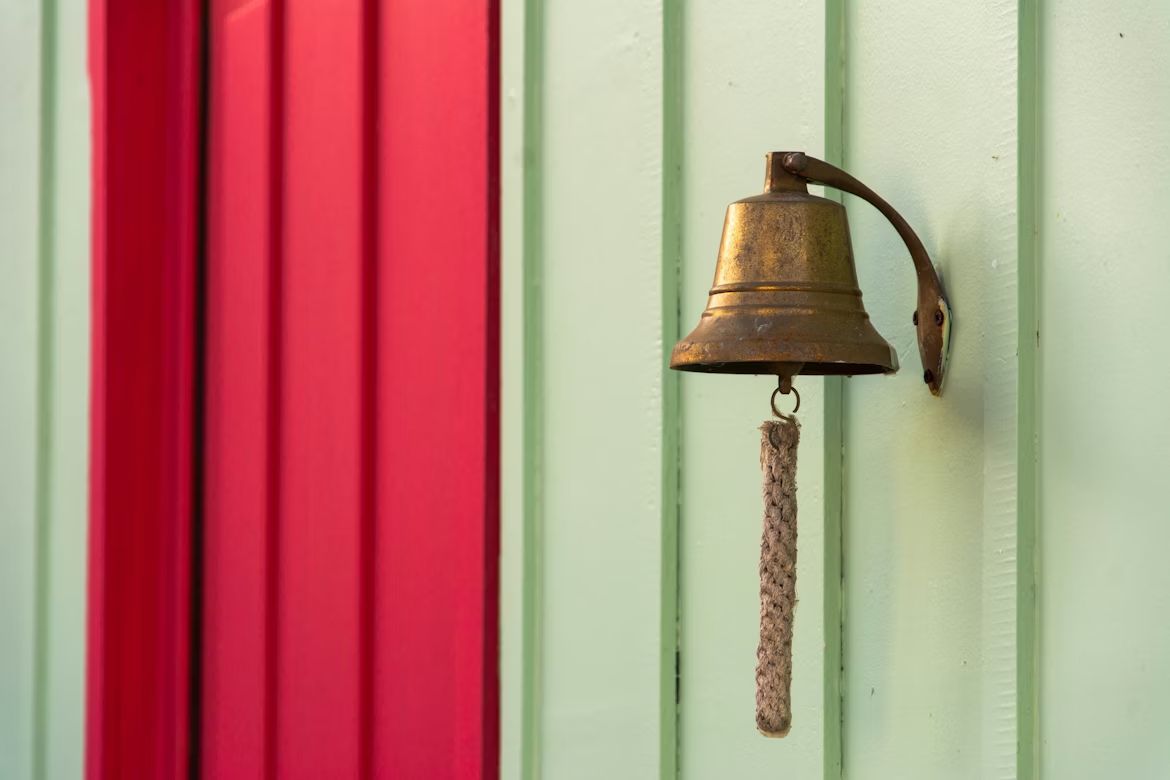
Saved by the bell

Image: Luís Perdigão

Imagine your boss is about to call on you to present a report you completely forgot to prepare, but just as he turns to you, an urgent call comes in, and the meeting gets cancelled. Being saved by the bell means to be rescued from a difficult situation at the very last second.

Due to a 19th-century custom, bells were attached to coffins to alert people in case someone woke up, reflecting the widespread fear at the time of being buried alive. It is a perfect example of a dark, historical anxiety morphing into a lighthearted, everyday piece of office humor.

6

Throwing caution to the wind

Image: Markus Spiske

There's no single definitive origin story or specific text where this expression first appeared. It likely evolved organically from the general cultural association between wind and chaos. Today, the expression means to act recklessly or boldly, ignoring risks.

The phrase draws from a long tradition of wind-related idioms in English that associate wind with unpredictability and lack of control ("gone with the wind," "which way the wind blows," etc.).

In seafaring culture, "throwing caution to the wind" may also connect to the idea of sailing recklessly by putting up too much sail despite dangerous conditions: essentially letting the wind take over rather than navigating carefully.

7

Friday the 13th

Image: Nik

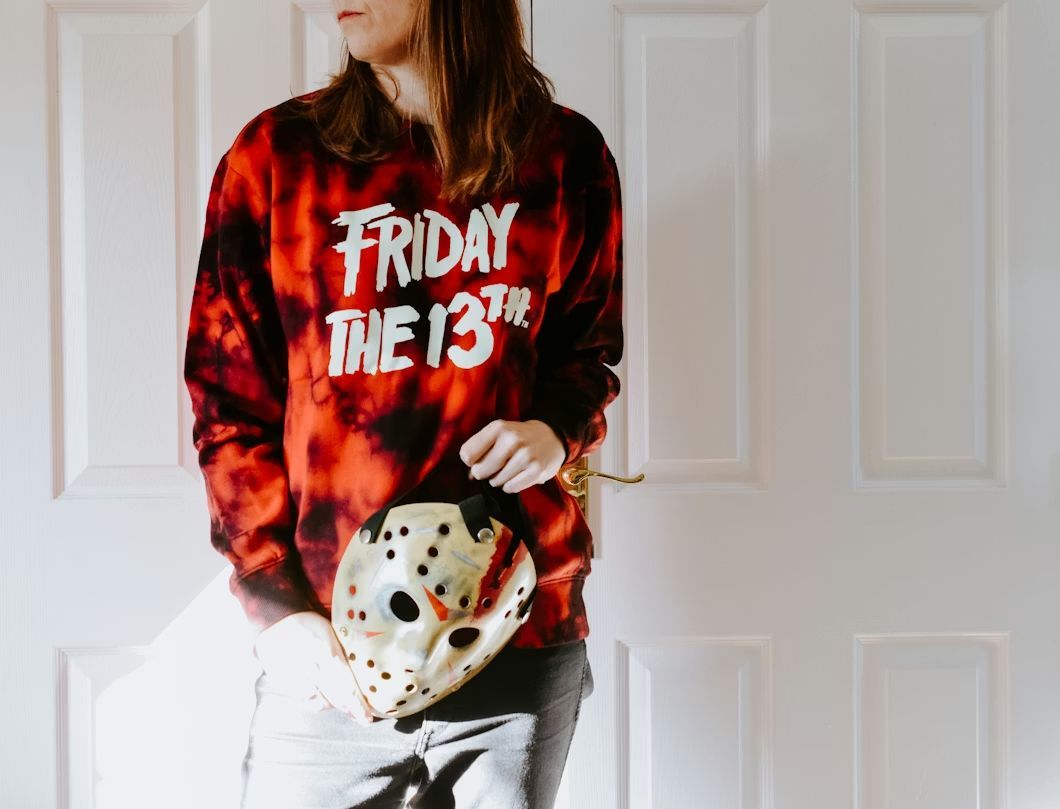
The phrase "it must be a Friday the 13th" has become an idiomatic way to complain about a day when everything goes wrong. It draws on the combined superstitions surrounding the number 13, often linked to the 13 guests at the Last Supper (1st century AD), and the perceived misfortune of Friday, the day of the Crucifixion. When we use this expression, we aren't necessarily expressing deep fear; we are simply using a culturally shared shorthand to describe a series of unfortunate, coincidental events.

8

Like walking through a minefield

Image: Duncan Kidd

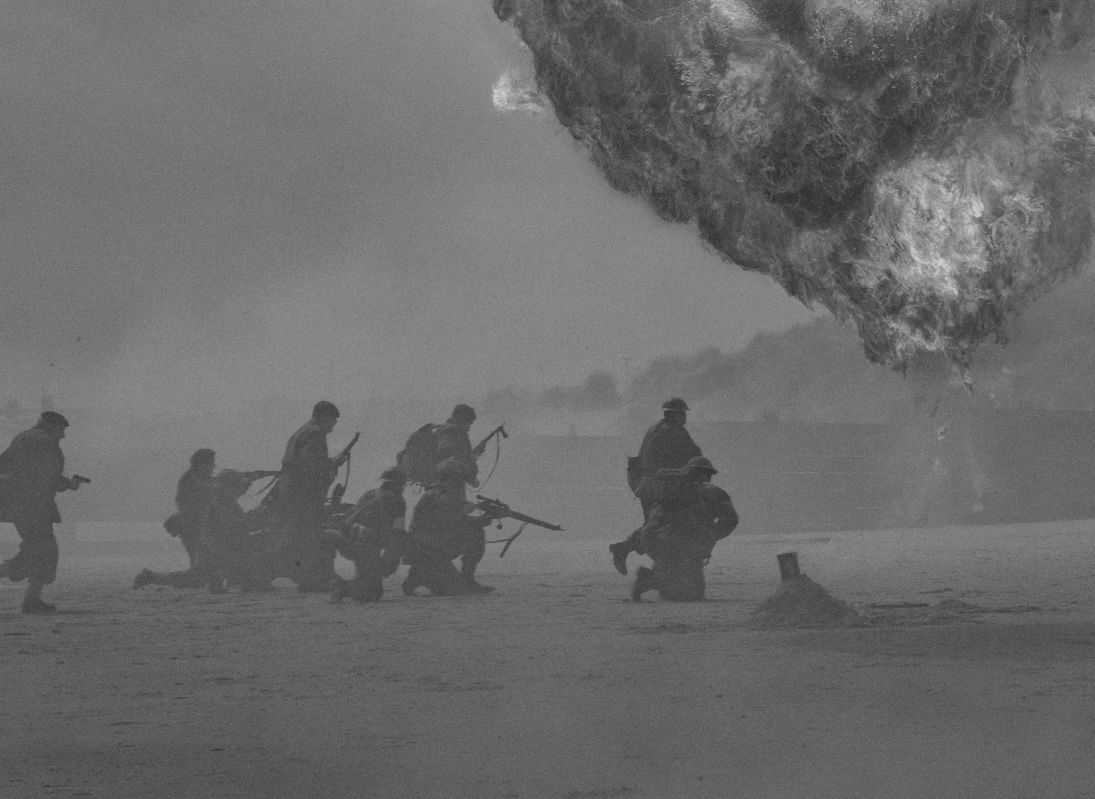
We often use the idiom "like walking through a minefield" to describe a social situation that is incredibly tense and fraught with hidden dangers. While it sounds like a literal warning, it has become a common expression for navigating tricky interpersonal politics. The phrase originated in the early 20th century, specifically around World War I (circa 1915), when the use of landmines became a terrifying new reality of modern warfare. It quickly shifted from a military term to a popular metaphor.

9

Find a penny, pick it up

Image: Elijah Mears

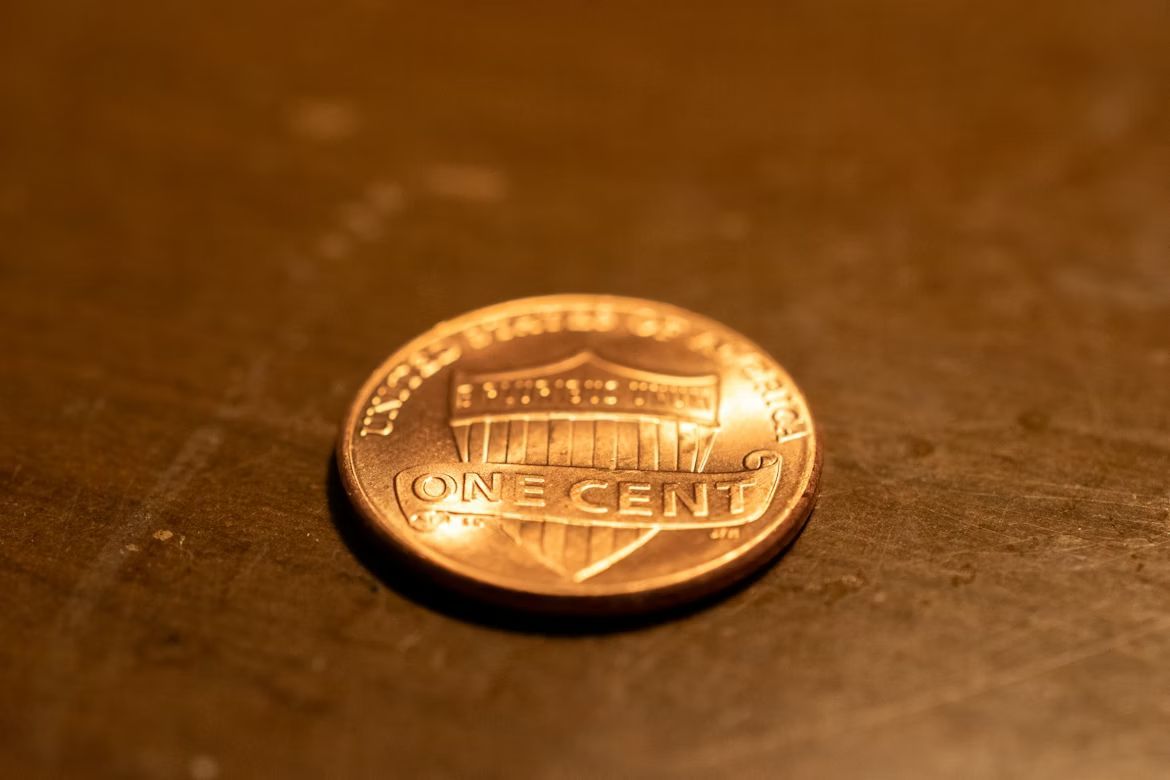
"Find a penny, pick it up, and all day long you’ll have good luck" is an idiomatic rhyme that turns a mundane discovery into a superstitious event. The underlying belief likely traces back to ancient societies across Europe and Asia, who saw metal as a sacred gift from the gods, forged from the earth itself. Finding a piece of it was no accident; it was a sign of divine favor. By the early 20th century, it evolved to include the penny. Today, reciting this idiom acknowledges our enduring, playful hope for a little extra luck.

10

Knock on wood

Image: Chris Barbalis

When we say "knock on wood," we express an idiom to express a desire for continued good fortune or to ward off bad luck after boasting. It’s just a reflexive, superstitious way to keep the bad luck at bay, even if we’re only knocking on a laminated desk.

One popular theory traces it to ancient pagan cultures, particularly those that regarded trees as sacred or inhabited by spirits — a belief found across pre-Christian Europe, from Norse to Celtic traditions. By knocking on the trunk, people hoped to awaken these benevolent spirits to request protection, or sometimes to distract malicious ones from spoiling their good fortune. However, folklorists note there is little concrete evidence for this, and the true origin remains uncertain.


Kick-off your vocabulary

In the limelight: 10 show-biz idioms and expressions explained


Published on June 18, 2026


Image: Allie Reefer

It should come as no surprise that the entertainment world has spawned an exceptional number of idioms and expressions that we use in our daily lives. After all, artists are an endless source of creative ideas. Phrases from the radio, the circus, theater, cinema, and television have remained in the memory of English speakers expanding our vocabulary to no end. In this article, we’ll uncover the origin of 10 expressions that showbiz has gifted us for our sole entertainment. Join us!

1

Break a leg

Image: Fabian Centeno

This is probably the most popular idiom derived from the performing arts. To hope somebody breaks a leg may sound negative but in fact means you want them to have good luck, usually when it refers to stage actors or musicians. Some historians believe the expression originates from the assassination of President Abraham Lincoln who was shot at Ford’s Theater in 1865. His murderer, a renowned Shakespearean actor called John Wilkes Booth, is said to have broken his leg while trying to escape.

The claim that the saying arose as a form of black humor in relation to this event is probably wrong. In fact, the phrase was in use centuries before that. In theater, actors measured the success of a performance by the number of times an audience called them back for applause. Each time the curtain was reopened they bowed, and the more often that happened the greater the chance of "breaking a leg".

2

Blonde bombshell

Image: Daan Noske / Anefo, CC0, via Wikimedia Commons

Over the years Hollywood has given us a good sample of blonde bombshells: Marilyn Monroe, Mae West, Jayne Mansfield, Marlene Dietrich, just to name a few. But do you know where this expression originated? Nowadays, a blonde bombshell is an expression used to describe any attractive blonde lady, usually a singer or film star.

However, the original blonde bombshell was American actress Jean Harlow, known for her portrayal of "bad girl" characters and star of the 1933 film Bombshell. When the film was released in the UK, producers changed its title to Blonde Bombshell as they worried it might be perceived as a war film. The expression immediately became popular on both sides of the pond.

3

Old chestnut

Image: Brett Jordan

An old chestnut usually refers to a stale joke or story, something that has been repeated too many times. According to the Oxford English Dictionary, the origin of the saying dates back to an 1816 play called The Broken Sword. One of the characters often repeats the same joke about a cork tree, with slight variations each time. Another character, Pablo, interrupts and says, "It’s a chestnut. I have heard you tell the joke 27 times and it’s a chestnut."

But the story doesn’t end there. Years later, an American actor called William Warren, who had played the part of Pablo in the melodrama, was at a society event when another guest began to recite an old, worn-out joke. Warren, bored to tears, interrupted and said, "It’s an old chestnut, that’s what it is", much to the amusement of everybody there. News of the incident spread amongst their acquaintances and beyond and that is how the expression is still alive and kicking to this day.

4

Face the music

Image: Marcelo Jaboo

Face the music is a popular idiom used to express that we have to accept responsibility and be confronted with the unpleasant consequences of our actions. It has two possible origins. The first one has to do with theater and refers to nervous actors on opening nights when they have to go out on stage and quite literally "face the music", as the orchestra pit sits directly in front of them.

The second explanation, on the other hand, is related to the military. It suggests that a dishonorable discharge results in the disgraced soldier being marched off barracks to the sound of drummers playing, in which case he too has to "face the music".

5

As fit as a fiddle

Image: Baher Khairy

As fit as a fiddle is used to indicate a person is in very good health. A fiddle is a stringed musical instrument, a forerunner of the violin. As you can imagine, this idiom has its origins in music, but also in theater.

The earliest reference to the expression has been traced to William Haughton's 1597 stage play Englishmen for My Money: "This is excellent, i’faith; as fit as a fiddle." Back in the days of medieval court, the word fiddle applied not only to the instrument but also to the fiddler and, by extension, to an entertainer. It is possible, therefore, that the phrase describes the fiddler, a vivacious character who made the company merry and played his instru­ment throughout the crowds, which makes a lot more sense.

6

Jumping the shark

Image: Tima Miroshnichenko

Jumping the shark is a phrase used in showbiz to describe a good television show that is experiencing a decline in quality and has reached a point at which flashy scenes are included just for show. This has been the case with many classic comedies, which ran for too many seasons and at some point started repeating themselves.

Happy Days was one of the greatest sitcoms of the 1970s. Americans across the country were captivated by the adventures of Richie Cunningham and his family until the writing became tired and viewers started to switch off. The final straw was a scene in which The Fonz —Henry Winkler— is waterskiing in his leather jacket and boots and literally jumps over a shark. For many critics that scene marked the end of the show and the beginning of a long-run expression we still use today.

7

Play it by ear

Image: Dolo Iglesias

According to Cambridge Dictionary, to play it by ear means "to decide how to deal with a situation as it develops, rather than acting according to plans made earlier". As you probably have guessed, this is a musical expression and can be traced back to the days before recording equipment was available to everyone.

Before the 1870s, when Thomas Edison invented the first sound recording and reproduction devices, musicians had to play music without reference to a written score. The way they had to learn a given piece of music was literally, playing by ear. The concept of ear to refer to musical talent was already in use since the 16th century, but the broader meaning we give today to the idiom play it by ear didn’t appear until the mid-19th century.

8

Steal your thunder

Image: Martinus

Don't you hate it when someone steals your thunder? But, did you ever stop to think what thunders have to do with upstaging someone and taking the credit properly belonging to someone else? Believe it or not, this is a story that dates back to the early 1700s, the golden era of Elizabethan theater.

The expression was first coined by the playwright and critic John Dennis, who invented a method of simulating the sound of thunder for his unsuccessful play Appius and Virginia. Shortly after, he attended a performance of Macbeth and, to his dismay, he discovered his groundbreaking sound effect was being used without his permission. According to documents of the time, Dennis wrote a review stating: "See what rascals they are. They will not run my play and yet they steal my thunder."

9

Back to square one

Image: Ron Lach

The meaning we give today to the expression back to square one is "to be back where one started with a project or plan". However, its literal meaning goes back to the glory days when television had not yet been invented and radio was the greatest form of entertainment.

In the 1930s, soccer and rugby fans could follow matches broadcasted by the BBC with the help of a printed plan of the pitch divided into squares. Commentators would murmur "Square five" or "Square three" as the ball moved about the field. Playing the ball back to square one meant losing maximum territorial advantage and, therefore, meant "back to the beginning".

10

The show must go on

Image: Tima Miroshnichenko

Whenever something bad happens we use this phrase to give us courage, to remind us that we must carry on no matter what. According to Merriam-Webster Dictionary, the show must go on is "used to say that a performance, event, etc., must continue even though there are problems". Its origin is not entirely clear but its connection to the entertainment world is evident.

One theory indicates that the phrase was first coined in the 19th-century circuses, where incidents involving lost animals and performers suffering from injuries were commonplace. In these circles, the audience was more important than anything else, so regardless of what happened, the show would not be canceled. With time, the expression became widespread and is now used for any kind of situation, from theater and the hotel business to a birthday party.

Looking for an extra scoop of literary fun?

Learn more with our Word of the day

loot

/lut/