Paints from the past

The color that killed Napoleon Bonaparte and 9 other risky pigments


Published on October 2, 2026
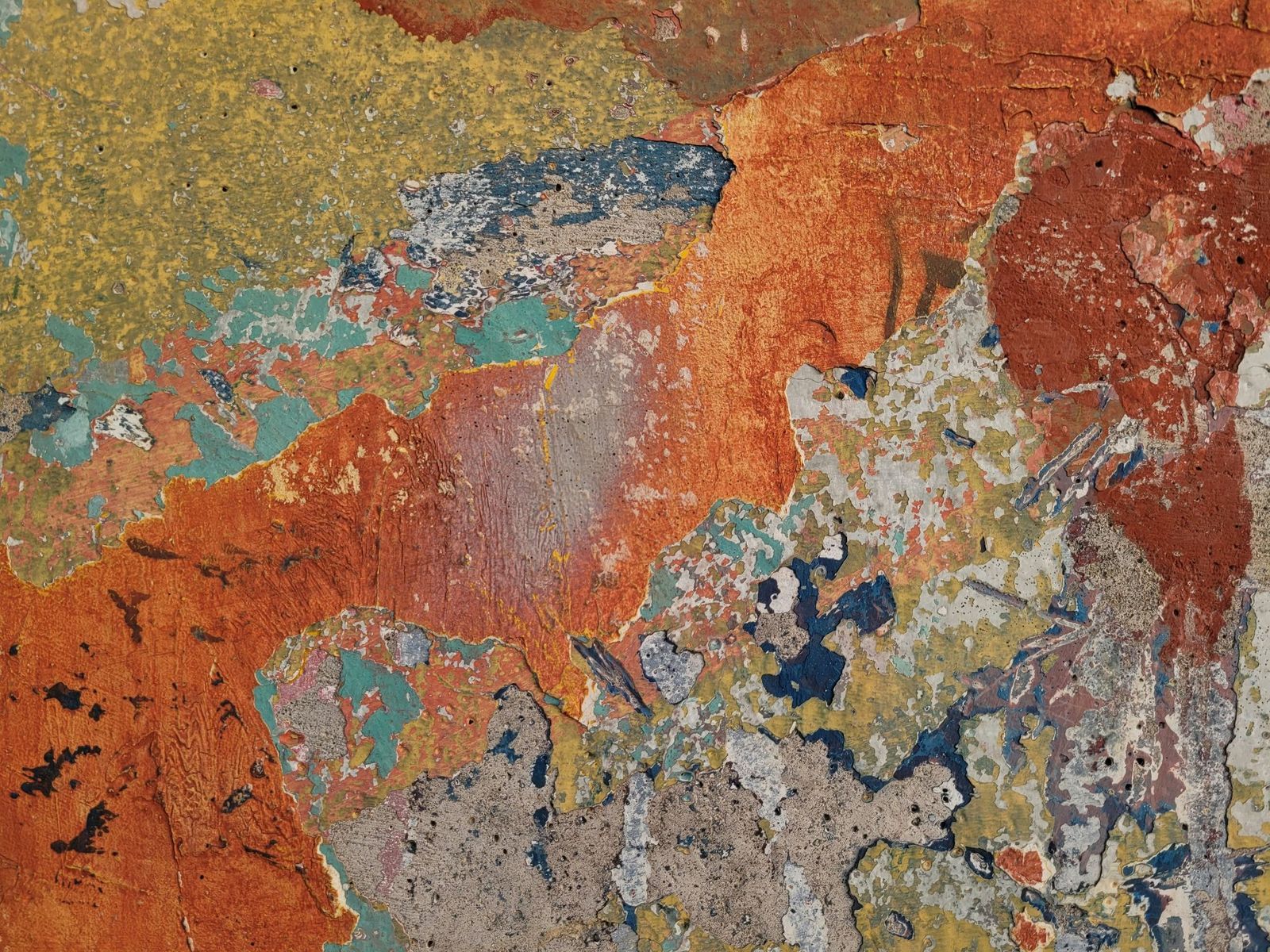

Image: Killari Hotaru

We often assume that the past was a dull, washed-out world. But history has always been bursting with vibrant color, even if humanity had to take extreme measures to capture it. From crushing millions of tiny bugs to robbing ancient tombs and playing with dangerous substances, artists and chemists spent centuries inventing brilliant hues. Here are 10 pigments with surprising, strange, and sometimes terrifying origins.

1

Carmine

Image: spline_x

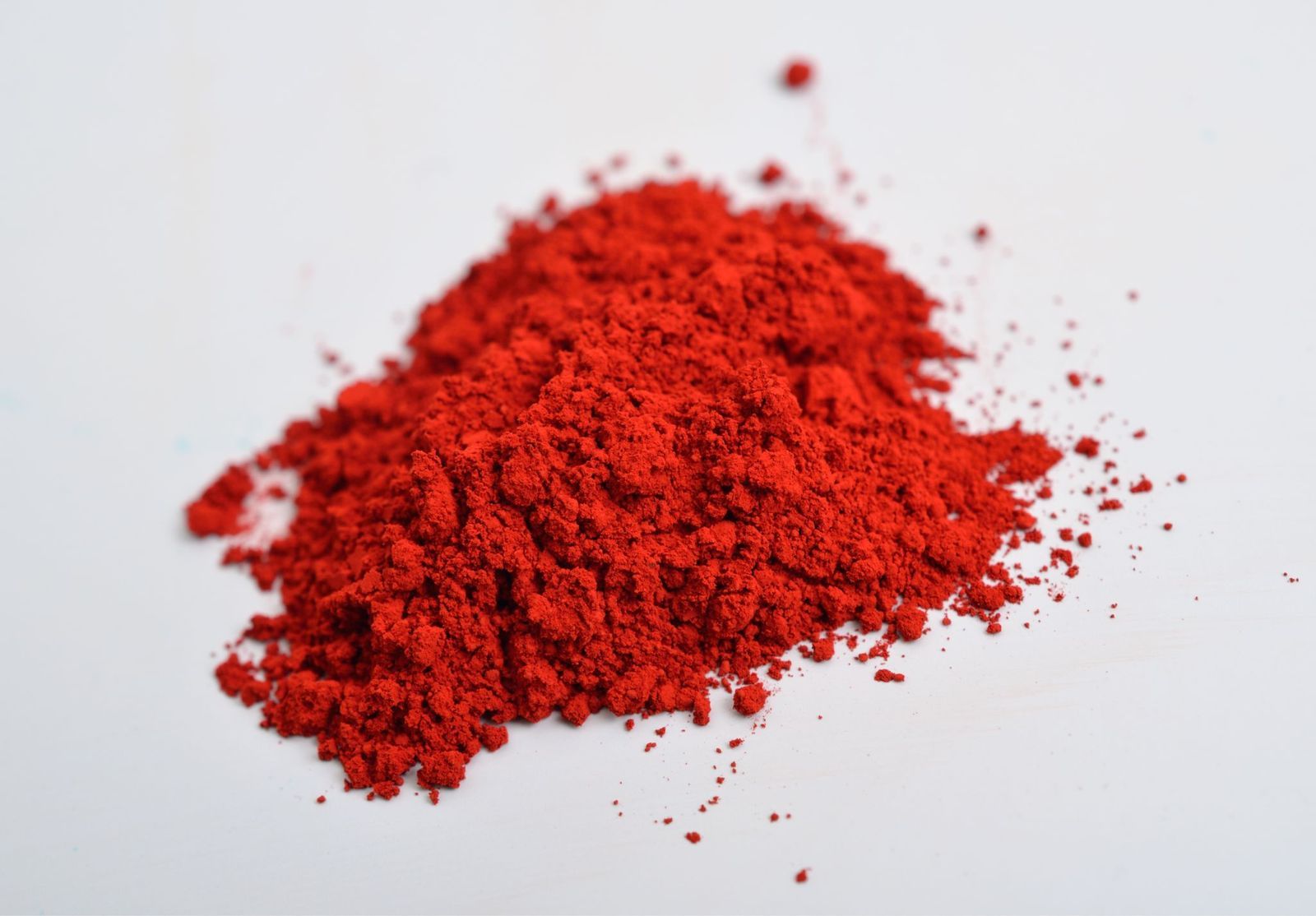
The word carmine refers to a family of deep reds. Its origins trace back to tiny scale insects, Dactylopius coccus (cochineal scale), that feed on cactus berries. When European explorers reached Mexico in the 16th century, they discovered native populations producing reds far more vibrant than anything in Europe.

Harvesters collected the female insects, killed them, and dried them in the sun to extract carminic acid. It took roughly 70,000 insects to make a single pound of pigment. Today, synthetics have replaced it in textiles, but carmine is still used under names like "natural red 4" to color candles and cosmetics.

2

Egyptian Blue

Image: Rawpixel.com

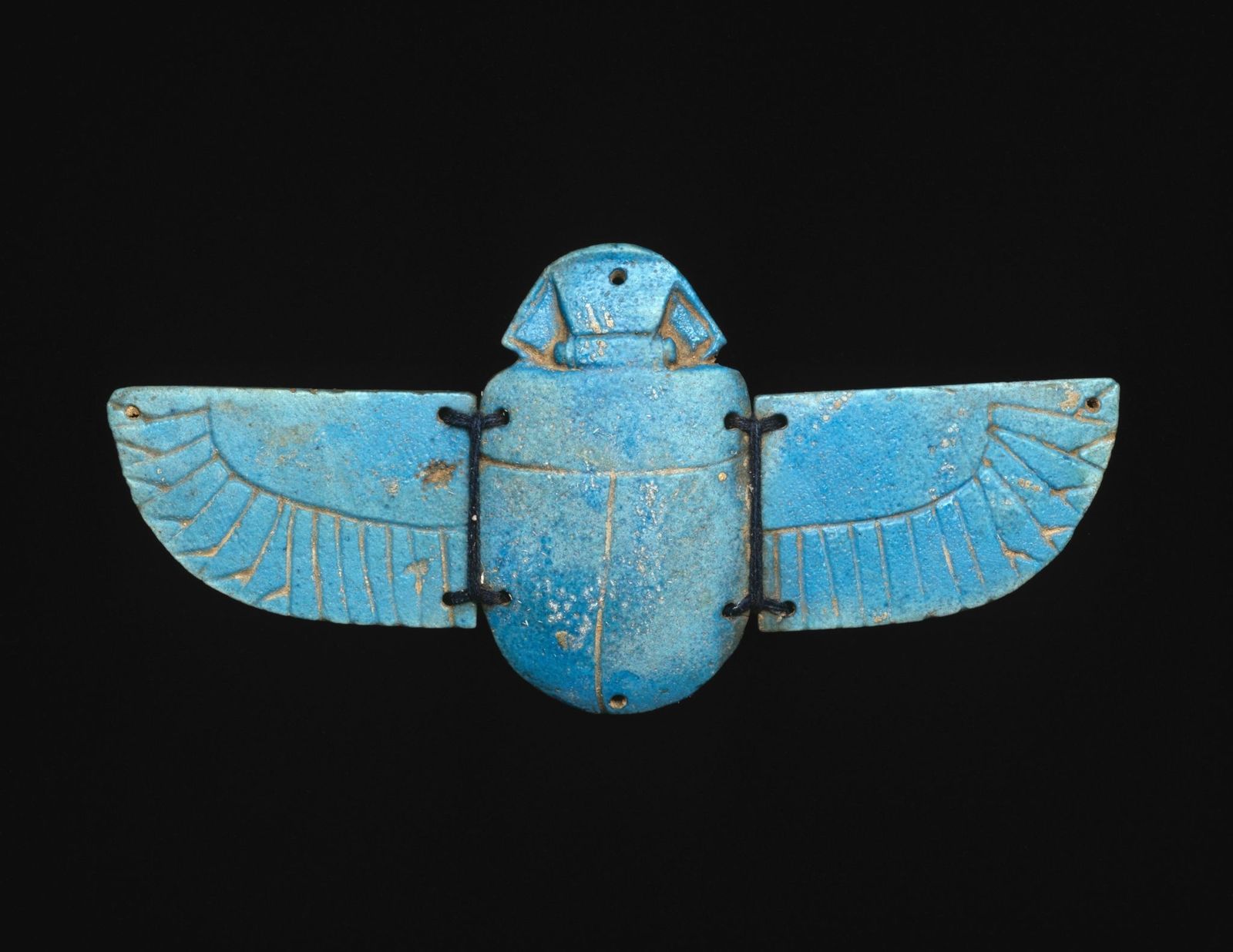
Dating back to the 3rd millennium BCE, Egyptian blue is the first known synthetic pigment in human history. Ancient craftsmen created this vibrant azure by heating quartz, copper, alkali, and lime to extreme temperatures.

This recipe was lost for over a thousand years before it was reverse-engineered in the 19th century. Interestingly, under modern infrared light, Egyptian blue glows with intense fluorescence, helping researchers scan archeological sites.

3

Imperial Yellow

Image: National Library of Australia

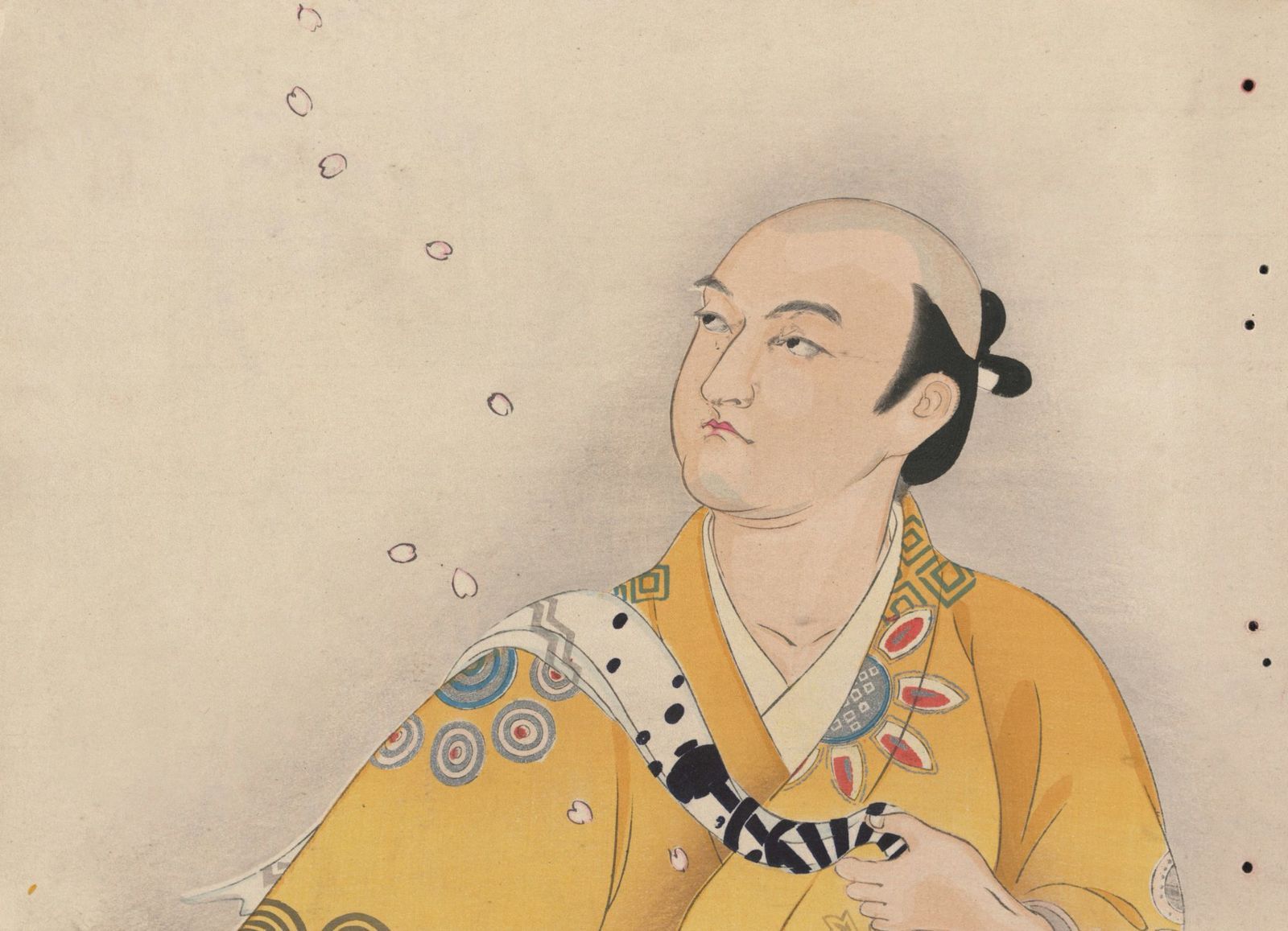
In ancient China, color was regulated by law to determine social status. Starting with the Zhou dynasty, yellow became linked with the throne.

By the Tang dynasty, laws strictly forbade anyone outside the imperial family from wearing garments dyed in reddish-yellow shades. Also, creating this prestigious color wasn’t easy. It was an arduous process that required harvesting massive amounts of Chinese foxglove tubers, grinding them into a paste, and finally staining fabrics.

4

Mauveine

Image: annokhotska

Many great breakthroughs are born from accidents, and mauveine is no exception. In 1856, an 18-year-old English chemist named William Henry Perkin was trying to synthesize a cure for malaria using aniline.

His experiment failed, leaving behind a sticky black residue with bright purple remnants. Perkin recognized the beauty of his accident and launched the world’s first mass-produced synthetic dye, sparking a global industry that changed fashion and art forever.

5

Mummy Brown

Image: Alex Jauk

Over the years, people have made plenty of weird choices in the name of beauty, but mummy brown is probably the creepiest. Popular among 18th- and 19th-century European painters for its rich, translucent shading, this yellowish-brown pigment was literally made by looting Egyptian tombs and grinding down mummified human remains and animals.

When artists discovered what their paint was actually made of, they were horrified. The practice finally ended in 1964 when the supply of preserved bodies ran dry.

6

Orpiment

Image: Minakryn Ruslan

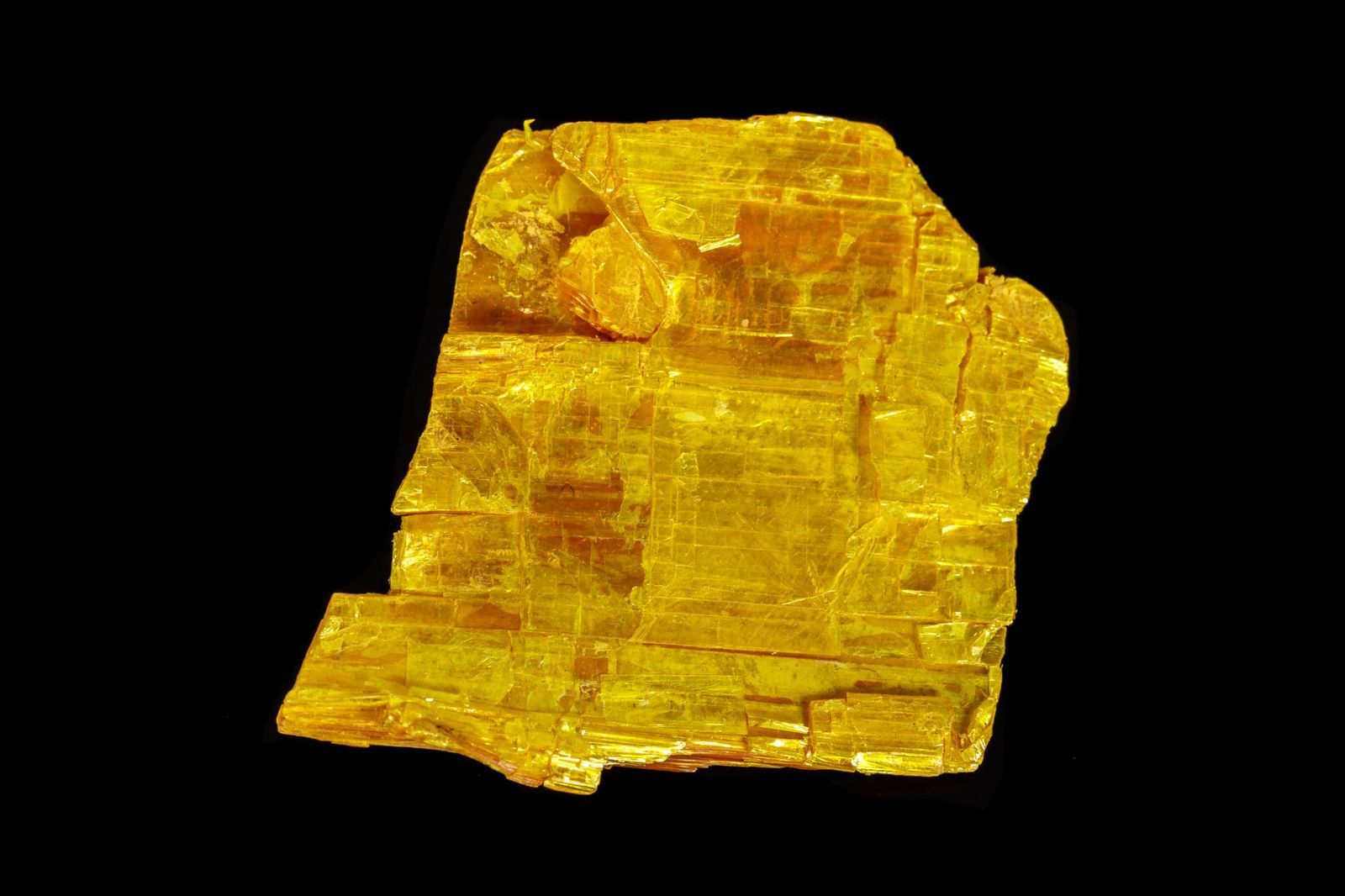
Alchemists and artists have always been fascinated by hues that resemble gold, but orpiment came with lethal consequences. This naturally occurring mineral features a fiery orange-yellow brilliance, yet it contains toxic arsenic sulfide.

Alchemists working in hot, unventilated labs would hang over furnaces heating orpiment to manufacture this golden pigment, poisoning themselves in the process. Despite the danger, master painters relied on its vibrant punch until safer cadmium and chromium alternatives arrived.

7

Pompeiian Red

Image: Ahmet Yüksek ✪

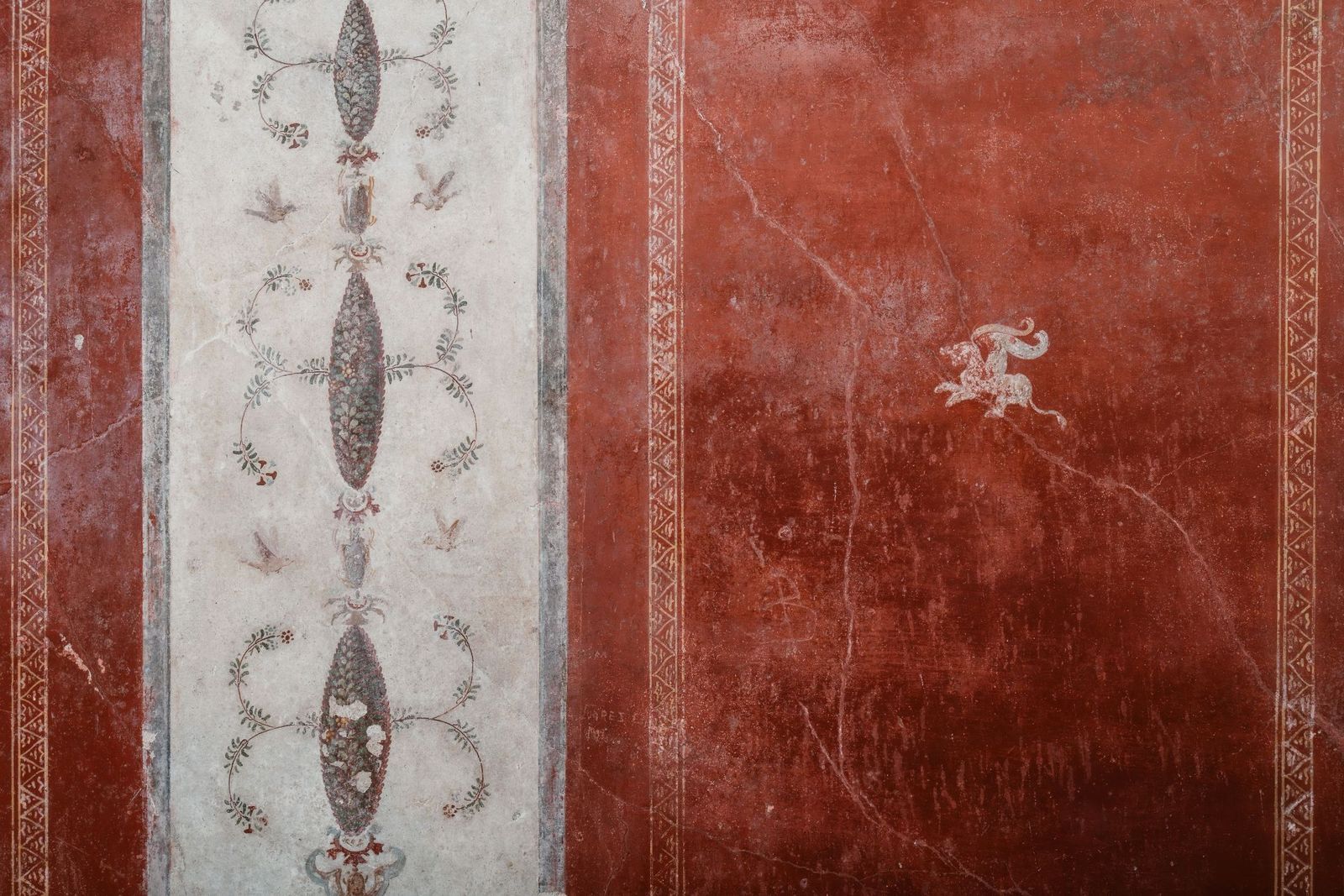
When archaeologists uncovered the ancient Roman city of Pompeii, they found stunning villas adorned with deep red frescoes. For generations, experts believed the color came from local iron-rich clay.

However, modern scientific analysis suggests that those red walls may have originally been yellow ochre. When Mount Vesuvius erupted in 79 CE, the intense volcanic heat cooked the mineral, transforming the yellow walls into the unique red we see today.

8

Prussian Blue

Image: Art Institute of Chicago

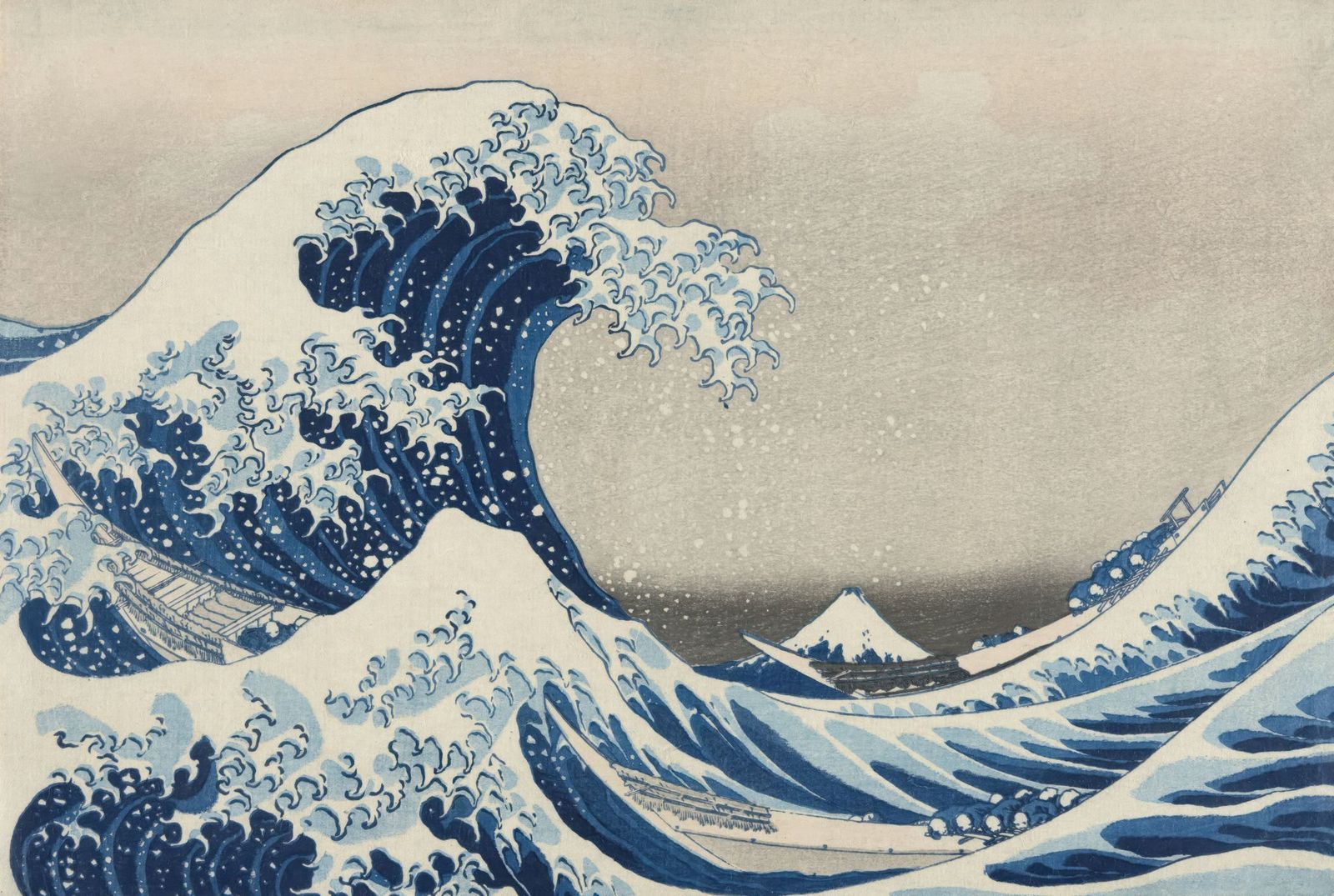
Prussian blue was born in 1706 through a lab mishap. Johann Jacob Diesbach, a German paint maker, was trying to create red carmine, but a contaminated batch of ingredients caused an unexpected chemical reaction, producing a deep blue instead.

This accidental pigment later replaced expensive ultramarine for painters, and it also became the basis for the chemical process behind architectural blueprints.

Fun fact: Purified forms of Prussian blue are still used today as a medical antidote for heavy metal poisoning.

9

Scheele’s Green

Image: Cooper Hewitt, Smithsonian Design Museum, Public domain, via Wikimedia Commons

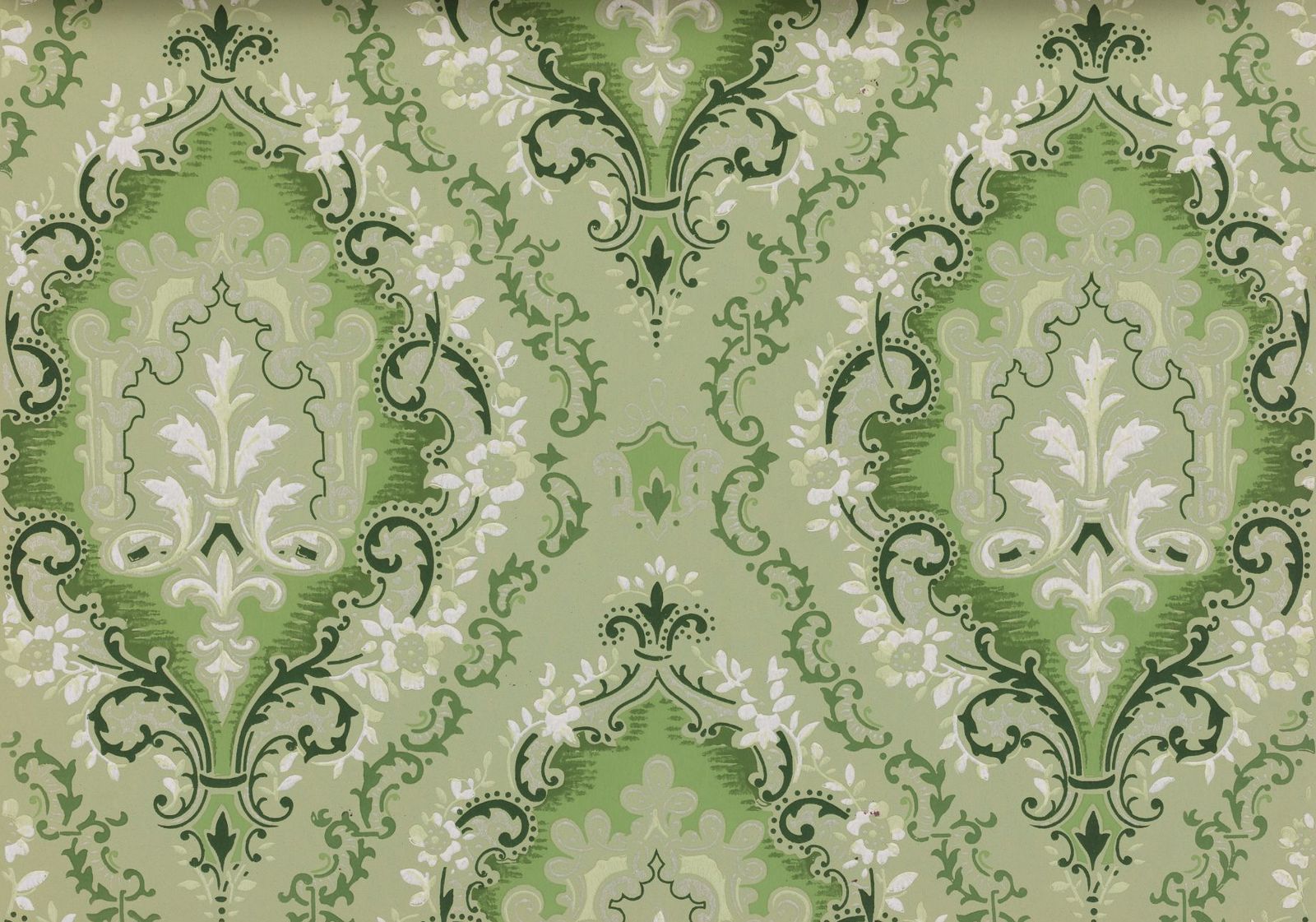
Invented in 1775 by Swedish-German chemist Carl Wilhelm Scheele, this brilliant green is obtained by mixing copper, oxygen, and arsenic. Scheele’s green became a Victorian obsession, used in everything from children’s toys and dresses to patterned wallpaper.

Tragically, factory workers suffered horrific chronic arsenic poisoning making it. Even worse, when wallpaper made with Scheele’s green got damp, mould could release poisonous arsenic gas into the air (a phenomenon believed to have contributed to Napoleon Bonaparte’s mysterious illness and death in exile).

10

Tyrian Purple

Image: Viva Luna Studios

In the ancient world, purple was the ultimate symbol of wealth and power, often costing its weight in silver. Tyrian purple was especially prized because it resisted fading, but producing it required hard labor and cost marine life.

Derived from the mucus secretions of Murex sea snails, it took roughly 10,000 crushed snails to produce just a single gram of dye. The process left a foul stench along the Mediterranean coasts, so it was a color exclusively worn by emperors until modern technology finally figured out how to synthesize the exact same molecule using engineered bacteria.


Out-of-this-world icons

Let them "phone home": 10 famous characters from distant planets


Published on October 2, 2026


Image: Javier Miranda

Although we can't all jump on a spaceship to explore other planets yet, science fiction has given us a glimpse into what creatures from distant worlds might look like. From cute and funny to sinister and menacing, many of these extraterrestrial characters have touched our hearts and become unforgettable. ALF, E.T., and Chewbacca are just a few of the iconic names from other planets we'll explore in this article. Let's get started!

1

Darth Vader

Image: Matthew Ball

We are off to a great start! One of the most famous figures in science fiction cinema, the iconic Darth Vader first appeared in Star Wars: Episode IV - A New Hope (1977).

Anakin Skywalker -his real name- comes from a planet called Tatooine, but he's much more than just an alien. His character evolves as the story progresses, demonstrating great emotional and psychological depth. His legendary black mask and his deep voice are some of the characteristics that best define The Dark Lord of the Sith.

Did you know that Washington National Cathedral features a gargoyle on its facade with the face of this character?

2

The Xenomorph

Image: Олег Мороз

Ridley Scott's 1979 film Alien is one of those that made many of us fear encounters of the third kind.

Although many people refer to it simply as "the alien," the extraterrestrial species in the film is called the Xenomorph, and it is quite terrifying. Its most fearsome features include its elongated head, slick skin, and, of course, its jaws lined with sharp teeth.

The predatory nature of the Xenomorph enables it to adapt to various environments and hunt any prey, including humans. If, after all this, you still feel like encountering alien species, remember: "In space, no one can hear you scream."

3

Marvin the Martian

Image: Emre Turkan

But now, let's set aside the terrifying aliens and focus on the ones we like better.

The Looney Tunes is an undisputed classic, and among its members, we all remember Marvin the Martian. As his name suggests, Marvin is not from Earth, and he stands out with his iconic look: old Roman-style war helmet, green uniform, and sneakers. In addition, his large, expressive eyes cover a large part of his face.

Although we really like Marvin, we have to remember that his evil plan in the show was aimed at us: his main goal was to destroy Earth. Luckily for us, he never succeeds!

4

E.T

Image: Rick L

Some characters instantly give off good vibes, and that's exactly the case with E.T., the star of one of the most beloved movies for both adults and children.

While the 1982 movie doesn't reveal the name of his home planet, we do know that his name, E.T., stands for "Extra-Terrestrial." His glowing finger, huge eyes, and gentle nature are some of the defining characteristics of this friendly alien.

But E.T. is not just a pretty face; he has powers we humans could only dream of. He possesses telekinetic abilities, the power to heal wounds, and can even communicate telepathically!

5

Yoda

Image: Aksel Fristrup

When it comes to wise extraterrestrials, we can't overlook the incredible Yoda.

One of the most famous and remembered characters of the Star Wars universe, Yoda stands out for his greenish skin, bald head, big eyes, and long and pointed ears. Despite being only 2 to 3 feet tall, Yoda is incredibly powerful. He's a master of lightsaber combat and possesses a wisdom that few other characters can rival.

Calm and patient, Yoda is also known for his unique way of speaking, often putting together his sentences in object-subject-verb order, something rare in our language.

6

ALF

Image: Marcel L.

If you think an alien can't make you laugh out loud, it means you haven't watched the ALF TV show.

In 1986, a friendly extraterrestrial appeared on our television screens to make our days a bit more fun. Even though ALF came from a distant, completely different planet, he spoke perfect English and had a great sense of humor that fit right in with ours.

ALF, short for "Alien Life Form," came from the planet Melmac. After his spaceship crash-landed on Earth, he was taken in by the Tanners, who made him a part of their family (well, you know, except for the family cat).

7

Superman

Image: Jon Tyson

Maybe because he's not green or blue and doesn't have giant eyes or pointed ears, we sometimes forget Superman is also an alien.

But just because he looks like an ordinary human from Earth doesn't mean he lacks extraordinary powers. Along with his heat vision, super speed, and super strength, he has one ability we all dream of: he can fly "faster than a speeding bullet!"

Superman was born Kal-El, and he came from the planet Krypton. To save him from Krypton's destruction, his parents sent him to Earth, where he landed in Smallville. There, he was adopted by the Kent family, and the rest is history!

8

Spock

Image: Wonderlane

Leonard Nimoy was the first actor to bring to life a character that has crossed generations: the unforgettable Spock from the Star Trek franchise.

His bowl-cut hair and pointed ears are among the most iconic and often imitated features when people dress up as this beloved character. But, in addition to his peculiar appearance, he also has amazing powers, such as superintelligence and telepathic abilities.

Although Spock was born on the planet Vulcan, he is actually half-human, as his father is Vulcan, but his mother is from Earth. His Vulcan side makes him a very logical being, but his human side also gives him emotions and feelings that other Vulcans lack.

9

Chewbacca

Image: Justin Wilkens

With an appearance somewhat reminiscent of ALF but a completely different personality, Chewbacca is one of the most beloved characters of the Star Wars franchise. Known for his courage and loyalty, Chewbacca has been a part of the saga since the very first film, Episode IV: A New Hope (1977).

Chewbacca is a member of the Wookiee species and comes from the planet Kashyyyk. His appearance is imposing: standing about 7 feet tall, Chewbacca is covered in thick, long brown fur, with deep-set eyes and prominent teeth. In addition, his characteristic voice also makes him a very special character.

10

Kang and Kodos

Image: Stefan Grage

Okay, we know we promised 10 characters on this list, but we had to make an exception for Simpsons fans. We wouldn't dare separate Kang and Kodos!

These two creatures with funny names are the extraterrestrial beings that often appear in The Simpsons Halloween specials. As beloved as other classic characters, Kang and Kodos come from the planet Rigel VII and are known for their intelligence and ambition to conquer Earth. This duo has become very popular, showing up in many episodes with a lot of unforgettable moments and lines.

Looking for an extra scoop of literary fun?

Learn more with our Word of the day

contemplate

/ˈkɑn(t)əmˌpleɪt/