Battle-born everyday words

Some of your favorite expressions were born in the heat of war


Published on September 19, 2026

Image: Rawpixel.com

Health breakthroughs (like modern trauma care) and everyday tech (like the microwave oven) came straight out of wartime research labs. But there's a quieter legacy nobody talks about: language. Military vocabulary quietly slipped into ordinary conversation. Take the trench coat, invented for officers freezing in WWI trenches, now just a stylish coat you grab on a rainy day. Or SNAFU, once army slang for total chaos, is now what you call it when your printer jams for the third time. Here are 10 examples you've probably used without realizing where they came from.

1

Trench coat

Image: Kiselev Andrey Valerevich

Born in WWI, the trench coat was designed for British and French officers standing in muddy, waterlogged trenches: durable, belted, and weatherproof. After the war, civilians loved the practical look and adopted it for city life.

By the mid-20th century, it became a fashion icon, thanks to detective movies and spies. Today, you probably own one just to survive rainstorms.

2

Sideburns

Image: catwalker

Named after Civil War general Ambrose Burnside, who sported a bold strip of facial hair connecting to his mustache, this style became famous through news coverage of the war. Civilians liked the look and kept it going long after the fighting ended.

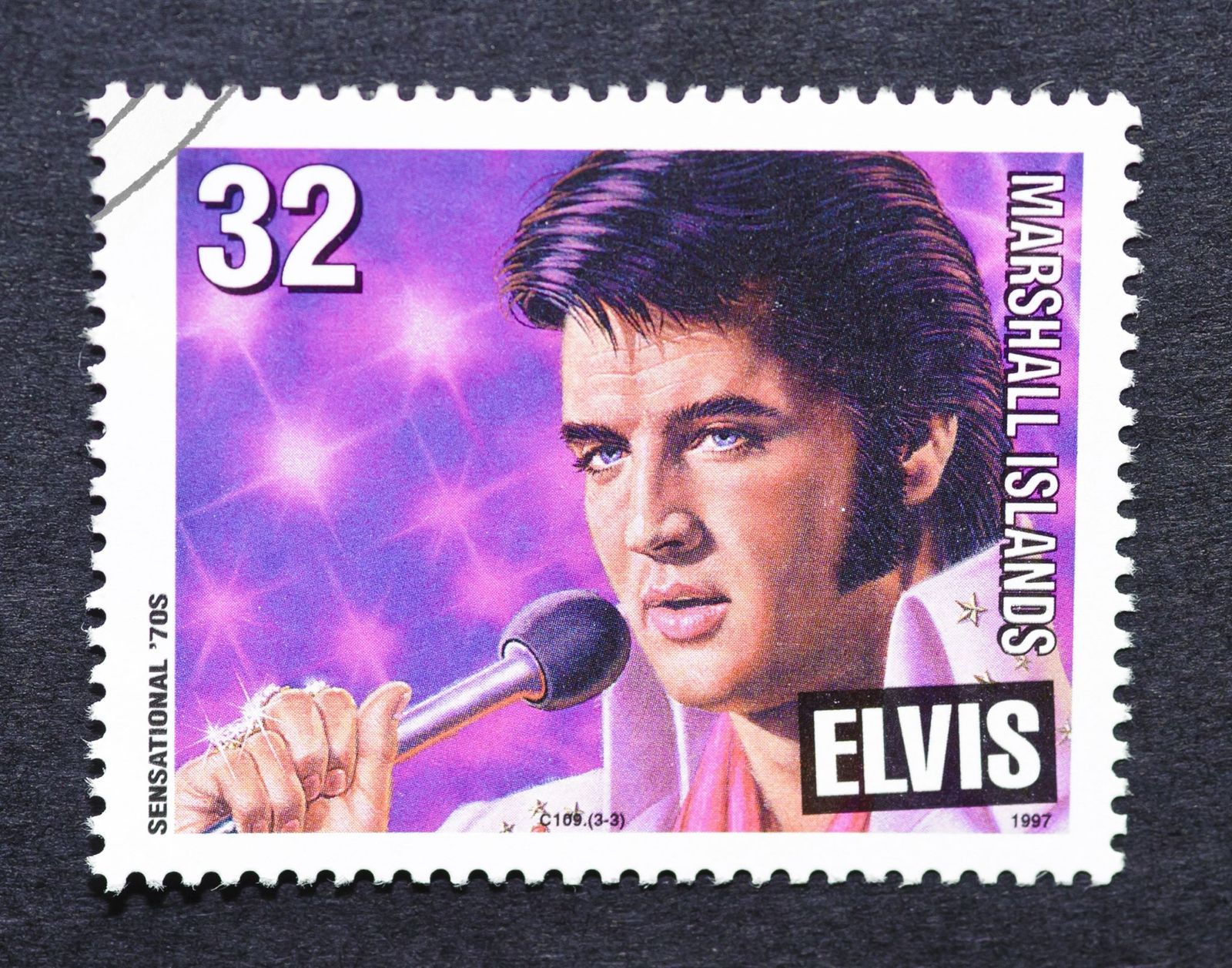
It's now just a grooming term, no history lesson required. Elvis wore them; your barber trims them.

3

Blockbuster

Image: Barry Mountford

This one started as a literal WWII bomb, powerful enough to level an entire city block. Grim stuff. But Hollywood, always looking for a punchy word, borrowed it in the 1950s to describe a movie so big it "blew away" everything else at the box office.

Now it just means your favorite summer movie made a ton of money.

4

SNAFU

Image: Betofoto

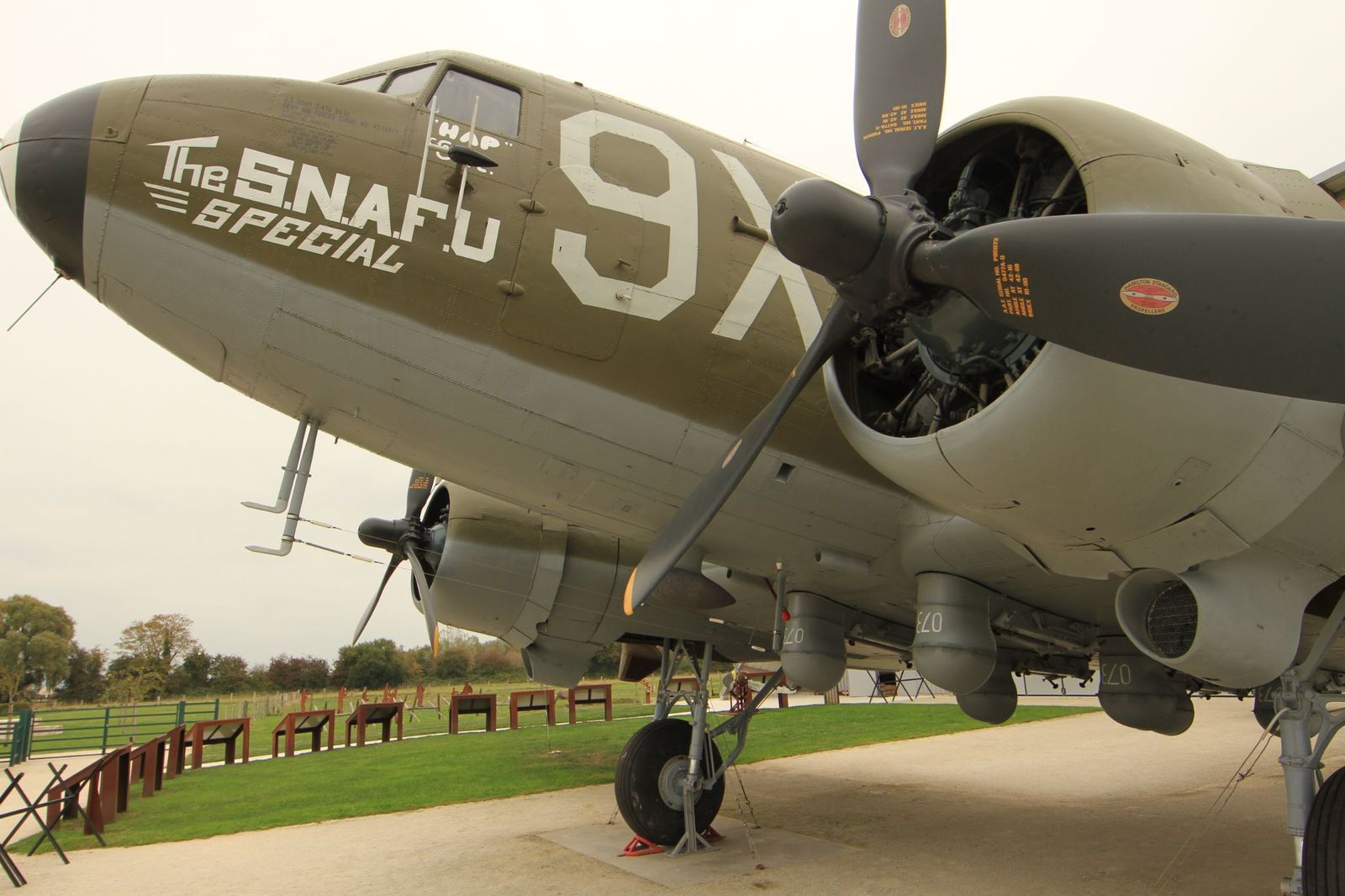
American soldiers in WWII coined this one as a sarcastic acronym meaning things were a complete, chaotic mess: SNAFU stands for "situation normal: all fed up,". Troops used it constantly to laugh off disasters. Civilians picked it up after the war, and now it just means any everyday screw-up.

Your flight got cancelled, and your luggage vanished? That's a classic SNAFU; no soldiers required.

5

Flak

Image: Karolis Kavolelis

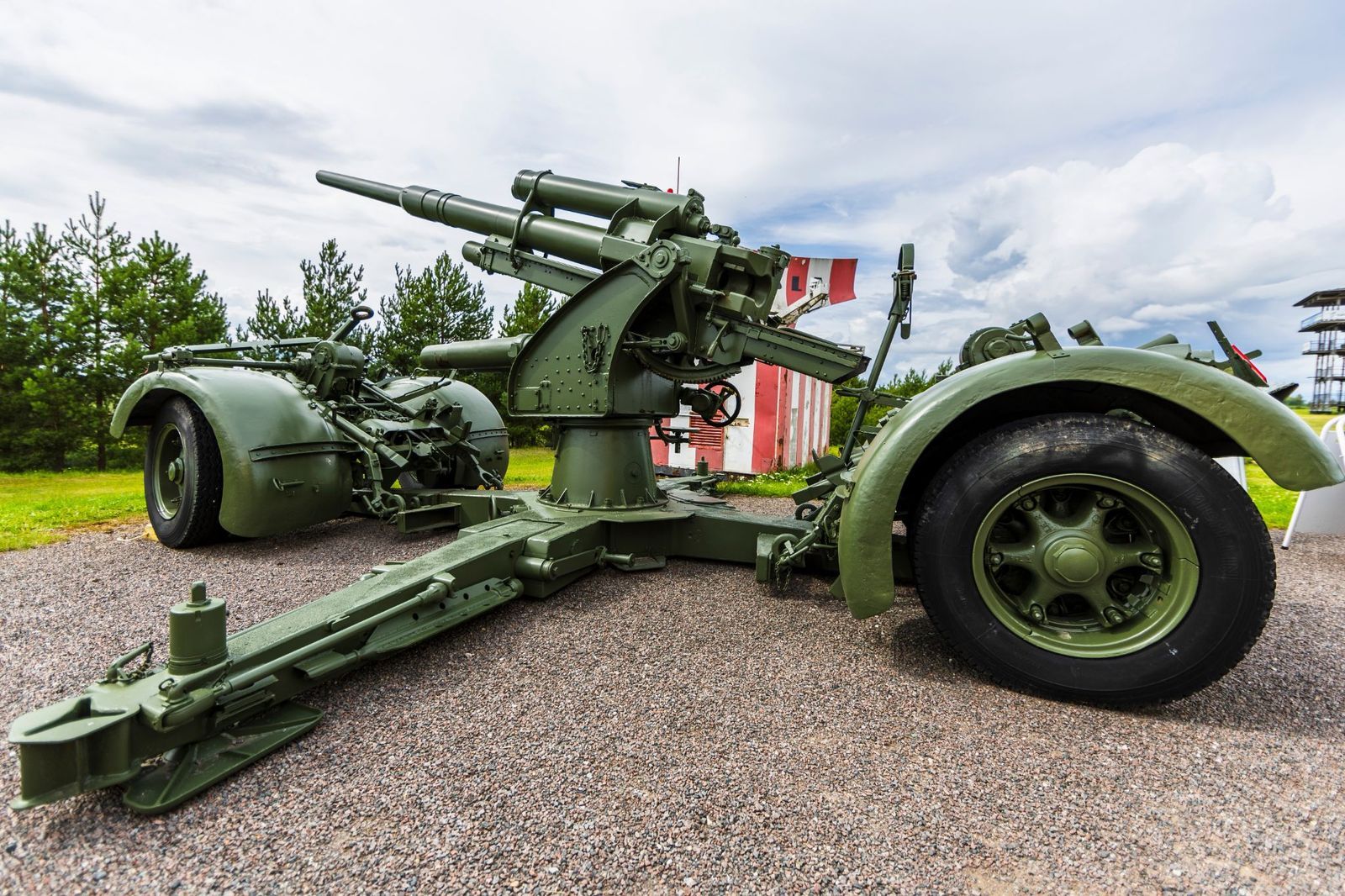
"Flak" came from the German word Fliegerabwehrkanone, literally "aircraft-defense cannon", and was used to describe the exploding shells fired at enemy planes during WWII. Pilots dreaded flying through it. Over time, people borrowed the image of getting hit from all directions to describe verbal attacks.

Now if you tell your spouse you forgot the anniversary dinner reservation, you're bracing for some serious flak.

6

Bunker

Image: geogif

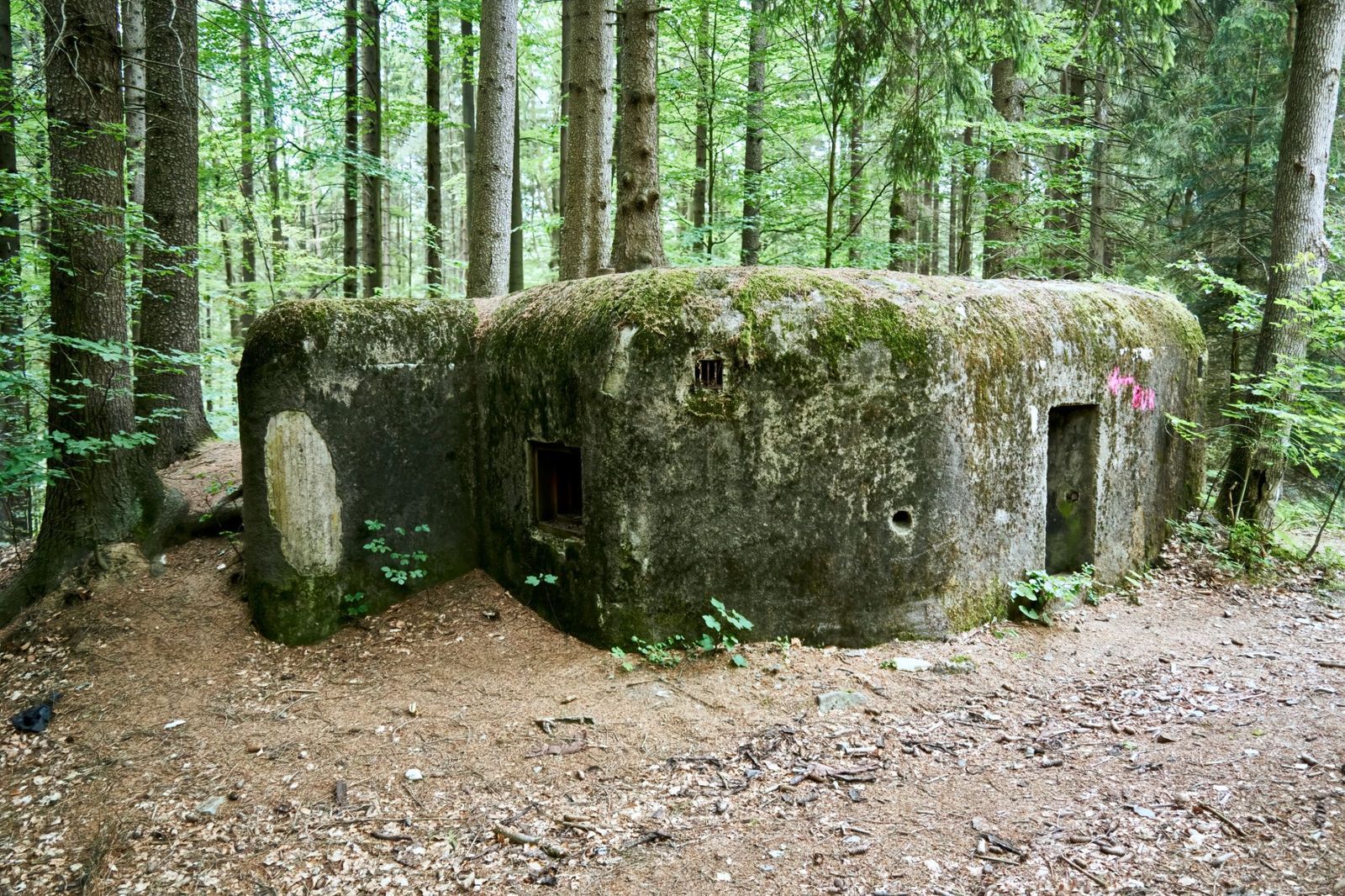
Originally a fortified shelter built to protect soldiers from bombing and shelling, the bunker was pure wartime survival architecture. After the wars, the word stuck around for anything reinforced and defensive-feeling.

These days, it describes storm shelters, wine cellars, even a golfer's sand trap. If your neighbor built a concrete room under his garage for tornado season, he's got a bunker.

7

Camouflage

Image: Kiri Photography

The military borrowed this word from French artists, who'd studied how animals blend into their surroundings to avoid predators. Armies applied the same idea to conceal tanks, uniforms, and equipment from enemy eyes during WWI. Civilians eventually embraced the pattern as a fashion statement, and the word itself came to mean any kind of blending in or hiding.

Wearing a camo jacket to the grocery store, or "camouflaging" a bad haircut with a hat: either way, you're covering something up.

8

Brainwashing

Image: Chizhevskaya Ekaterina

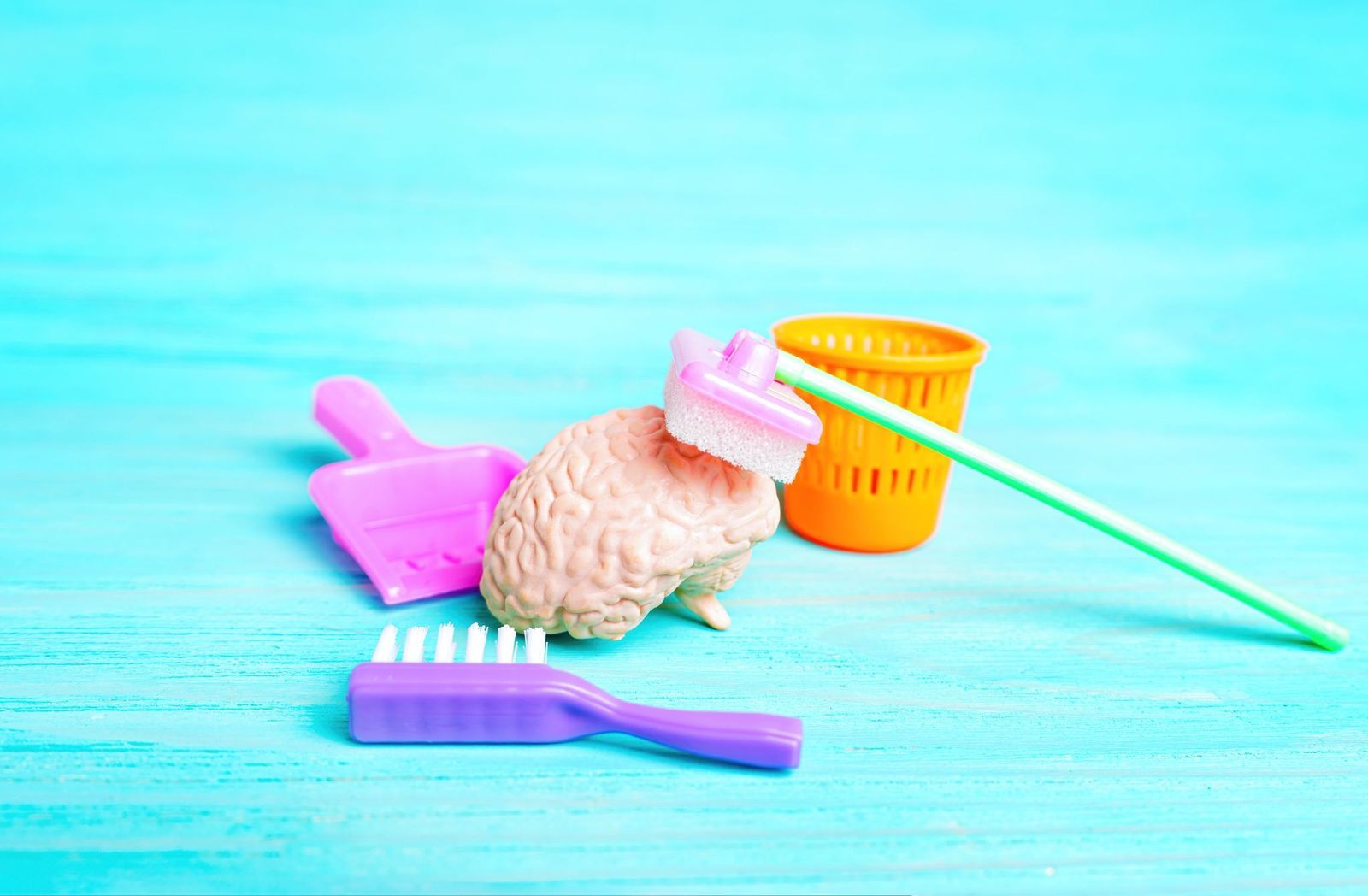
This unsettling term emerged during the Korean War, describing coercive tactics used on prisoners to change their beliefs. It sounded straight out of science fiction at the time. Now it's used far more casually, for anything from pushy advertising to a friend's obsession with a diet fad.

9

No man's land

Image: Zoltan Sandula

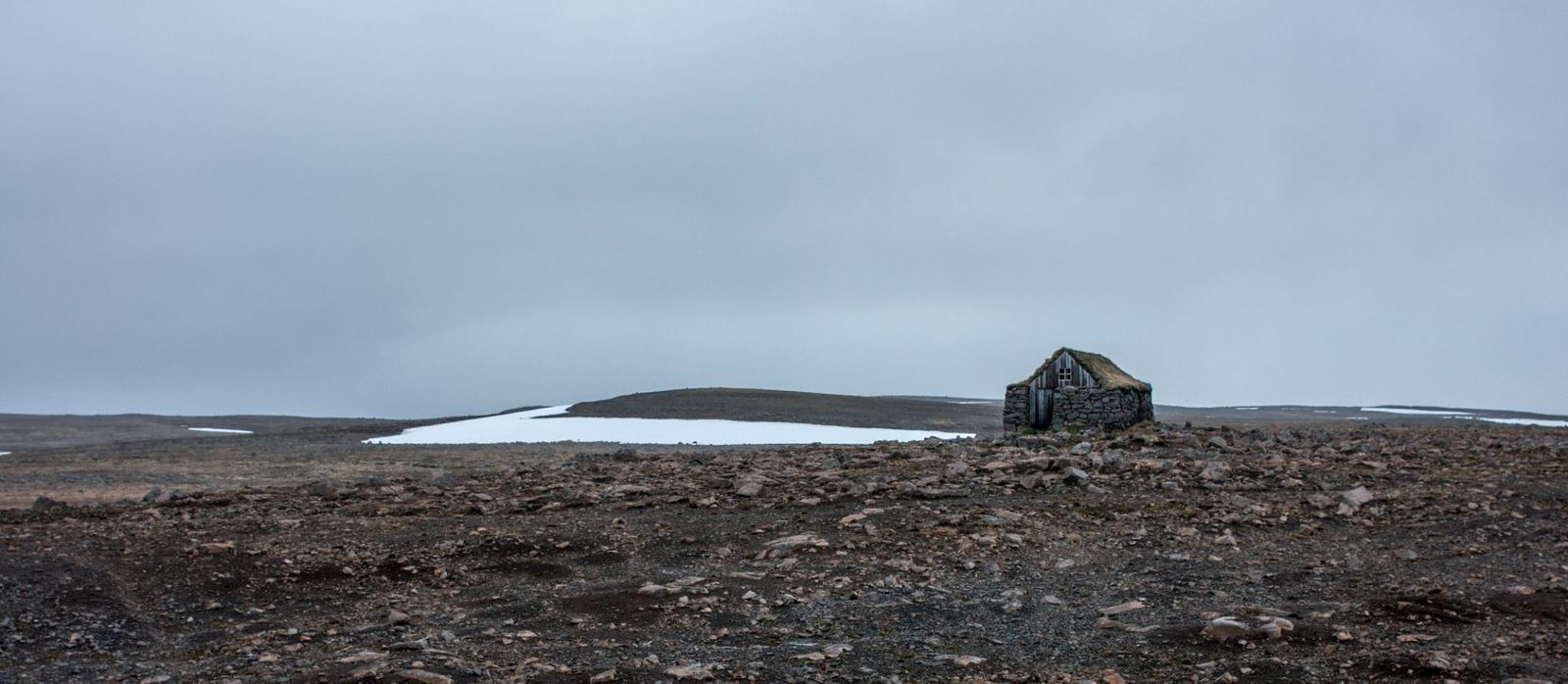
Centuries old, this phrase originally described unclaimed or disputed territory, then gained new meaning during WWI as the deadly strip between opposing trenches, a place nobody dared cross. Today it simply means any confusing, undefined space.

10

Radar

Image: DenisProduction.com

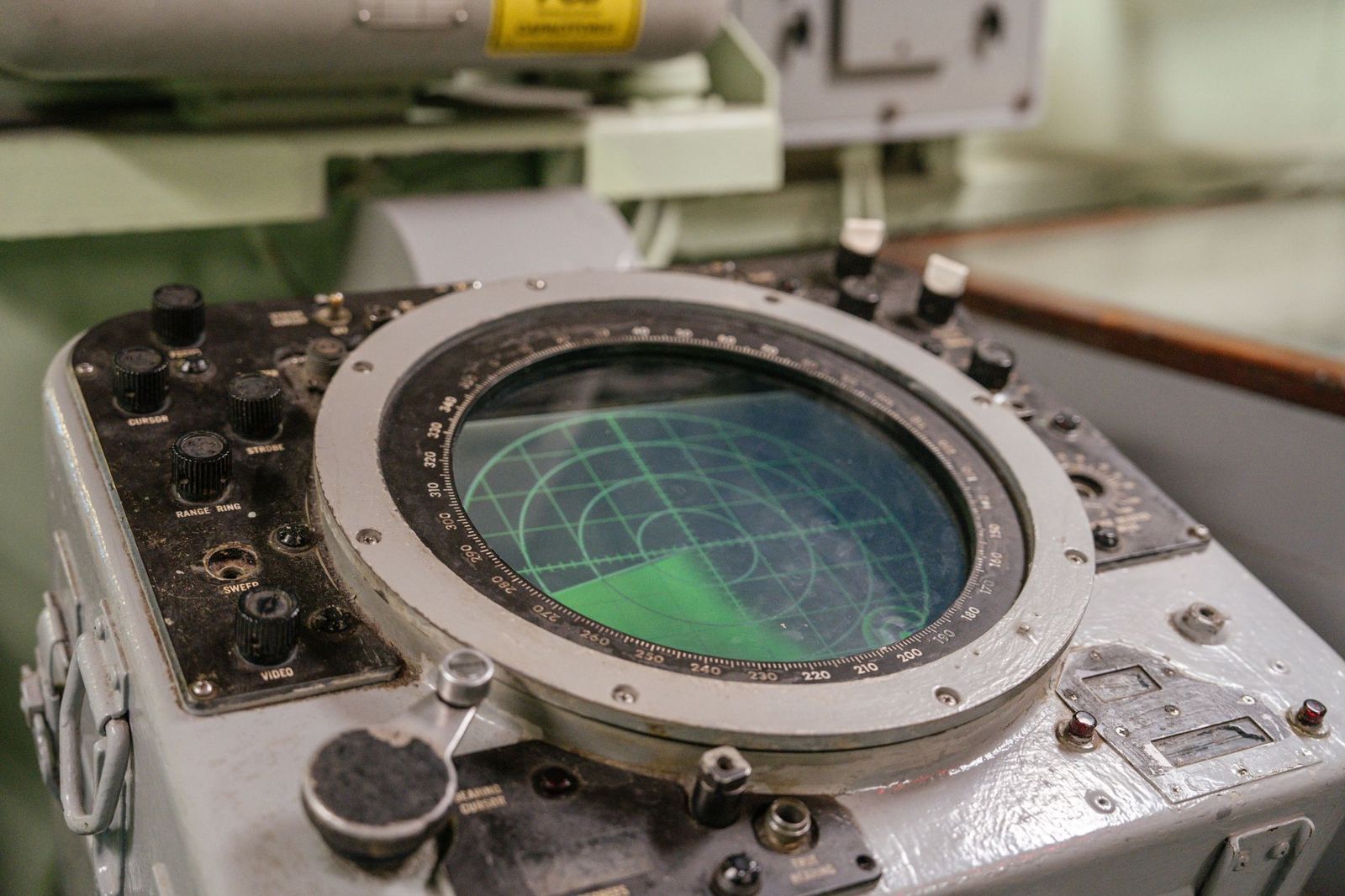
Developed in secret during WWII to detect approaching enemy planes and ships, radar was cutting-edge, classified technology. After the war, it became public knowledge and its name drifted into daily speech. Now, if something catches your attention, it's "on your radar", and if it sneaks past you, it flies "under the radar."


SING IT WRONG

Leave Your Pizza Burning: 10 Famously Misheard Song Lyrics


Published on September 19, 2026


Image: Expect Best

Have you ever realized that you’ve been belting out the wrong lyrics to a song for years? Don’t worry, you’re not alone. There’s even a term for phrases we mishear and apply new meanings to: mondegreens. Some misheard lyrics become so widespread that they leave multiple listeners convinced the words they hear are correct. Let’s dive into ten of the most famously misheard lyrics that have made us all hit pause and rewind.

1

"A year has passed since I broke my nose"

Image: Jayne Harris

Singer and songwriter Sting of The Police composed "Message In a Bottle" to illustrate a state of loneliness and disconnection. The first verse talks about a castaway lost at sea, who was presumably involved in some accident or shipwreck. Sting’s distinctive British accent caused confusion in the first line after the song’s chorus. Some listeners wondered if he could have broken his nose in the shipwreck. However, the correct words are "A year has passed since I wrote my note," which makes more sense in a song called "Message In a Bottle."

2

"Hold me closer, Tony Danza"

Image: Call Me Fred

The 1971 song "Tiny Dancer" reminds many of a certain actor with a similar-sounding name. Elton John’s pronunciation perplexed some listeners years after the song’s release, especially when Tony Danza’s name became widely recognized for his TV roles. This mondegreen became so widespread in the U.S. that it even made it into an episode of Friends. In that scene, the character Phoebe says that she thinks the most romantic song ever written is the one where Elton John sings "Hold me close, young Tony Danza." For many years since then, people have been deliberately singing the wrong lyrics as a joke.

3

"I’ll never leave your pizza burning"

Image: James Hardman

"Beast of Burden," by The Rolling Stones, doesn’t mention any pizzas. Mick Jagger’s iconic singing style, however, can make every repetition of "beast of" sound like "pizza" and "burden" like "burning." These misheard lyrics have had listeners giggling since the song’s release in 1978. Some lines of the song were, in fact, improvised by Mick Jagger while Keith Richards and Ronnie Wood played their riffs. However, the line that gives the song its name was not improvised. "I’ll never be your beast of burden" were words written by Keith Richards to thank his band members for their support through hardships.

4

"We’re herding for peanuts"

Image: Pixabay

Europe’s glam metal 80s anthem "The Final Countdown" was inspired by David Bowie’s song "Space Oddity" and the idea of leaving Earth for another planet. This is why it makes it unlikely for the singer to declare that the team is "herding for peanuts." However, that is what some people heard when Swedish vocalist and songwriter Joey Tempest sang "We’re heading for Venus" after the first chorus. In this case, the grandiose and epic reverb effect used in this space-themed song might be to blame.

5

"We’re caught in a trout"

Image: Saya Omar

This mondegreen comes from Elvis Presley’s voice. In "Suspicious Minds," the hit song released in 1969, he is singing that he and his lover are caught in a "trap," not a "trout." This song about a couple who mutually fear betrayal was written and recorded by Mark James, but his version failed commercially. It was then offered to Elvis, who gladly included a version of it in his album From Elvis in Memphis. Apparently, however, his pronunciation conjured a funny image in the minds of some listeners.

Elvis’ version of "Suspicious Minds" was so successful that he went on to record another song by Mark James, which became just as memorable: "Always on My Mind."

6

"Then I saw her face, now I’m gonna leave her"

Image: Gelatin

This particular mondegreen completely reverses the meaning of the song. "I’m A Believer," originally written and performed by Neil Diamond, caused a few laughs in the version by The Monkees. It was the biggest-selling single of 1967, recorded in just two takes. In this version, the band sang the exact same lyrics as Neil: "Then I saw her face, now I’m a believer." However, some listeners misheard the quote. People found the misinterpretation so funny that T-shirts are now sold with the incorrect phrase.

7

"On a dark desert highway, Cool Whip in my hair"

Image: Bob Osias

Not even a timeless song like "Hotel California" is free from misunderstandings. It is the exact first phrase of the Eagles’ 1976 song. Famously, it describes an eerie hotel that seems idyllic but keeps its guests for life. The lyrics use many vivid and enigmatic images to narrate the story. However, someone driving with Heinz Cool Whip in their hair is not one of them. Instead, vocalist Don Henley begins the song with: "On a dark desert highway, cool wind in my hair." Despite the silly alternative lyrics, the song won the Grammy Award for Record of the Year in 1978 and solidified the Eagles as one of the top bands of the era.

8

"Kicking your cat all over the place"

Image: Sander Dewerte

This is what some people swear they can hear in Queen’s anthem "We Will Rock You." Instead, Brian May’s composition describes some aloof young man "kicking (his) can all over the place." You’ll notice the word "can" coincides with the clap in the iconic stomp-stomp-clap of the song. Freddie Mercury’s ardent performance, combined with the song's powerful beat, can easily make that final "n" sound like "t" to some listeners. The wrong lyrics have triggered jokes since then, and even today, memes and cartoons about offended cats are associated with the song.

9

"Here we are now, in containers"

Image: Kaique Rocha

This one might be attributed to Kurt Cobain, both as the vocalist and lyricist of Nirvana’s "Smells Like Teen Spirit." First, at the point of this line in the grunge anthem, he is screaming. Second, the lyrics of "Smells Like Teen Spirit" are famously cryptic and abstract, and speak of societal containment, so this mondegreen isn’t very far-fetched. The original line "Here we are, now! Entertain us!" of the 1991 song is powerful enough, referring to the expectations placed on Cobain and his generation. However, one characteristic of grunge is slurring and mumbling in the vocal delivery, so misinterpretations are likely.

10

"Jackie Chan, Jackie Chan, Jackie Chan"

Image: Charlein Gracia

ABBA’s pop hit, "Take a Chance on Me," was inspired by morning runs. During his jogs, band member Björn Ulvaeus used to repeat a tck-a-ch-sounding rhythm to himself. He proposed taking that idea to the studio, and thus the rhythmic chorus of this anthem was born. It became a worldwide hit in 1978.

Unbeknownst to them, that very same year, a young man in Hong Kong was having his breakthrough in a kung fu action comedy, Snake in the Eagle’s Shadow. His name was Jackie Chan, and some years later, when hearing ABBA’s song, some people would swear they could hear the superstar’s name being chanted dozens of times.

Looking for an extra scoop of literary fun?

Learn more with our Word of the day

dissonant

/ˈdɪsənənt/