Only time can tell
Some authors never knew: Literature classics that were flops initially
Published on August 13, 2026
Some of the most celebrated artists of history died without realizing the value of the work they’d left behind. Such was the fate of Vincent van Gogh, who sold, by most accounts, exactly one painting in his lifetime. Many of the authors we now call brilliant had similar experiences. Emily Dickinson made her sister promise she’d burn each of her 1,800 poems after she died; Fitzgerald thought The Great Gatsby had been a fluke, as did Melville of Moby-Dick. Here are 10 stories with bittersweet endings about authors who never knew the historical significance of their work.
Moby-Dick, by Herman Melville
Moby-Dick hit shelves in 1851, but it sold roughly 3,000 copies in Melville's entire lifetime. Critics dismissed it as bloated and strange. Melville had been a literary star in his twenties, but this book baffled readers expecting another great sailor's tale.
Sales never recovered. He spent his last two decades as a customs inspector on the New York docks. He died in 1891, believing this book was a failure. It took until the 1920s, and a wave of scholars celebrating the centennial of his birth, for critics to declare Moby-Dick the great American novel.
The Great Gatsby, by F. Scott Fitzgerald
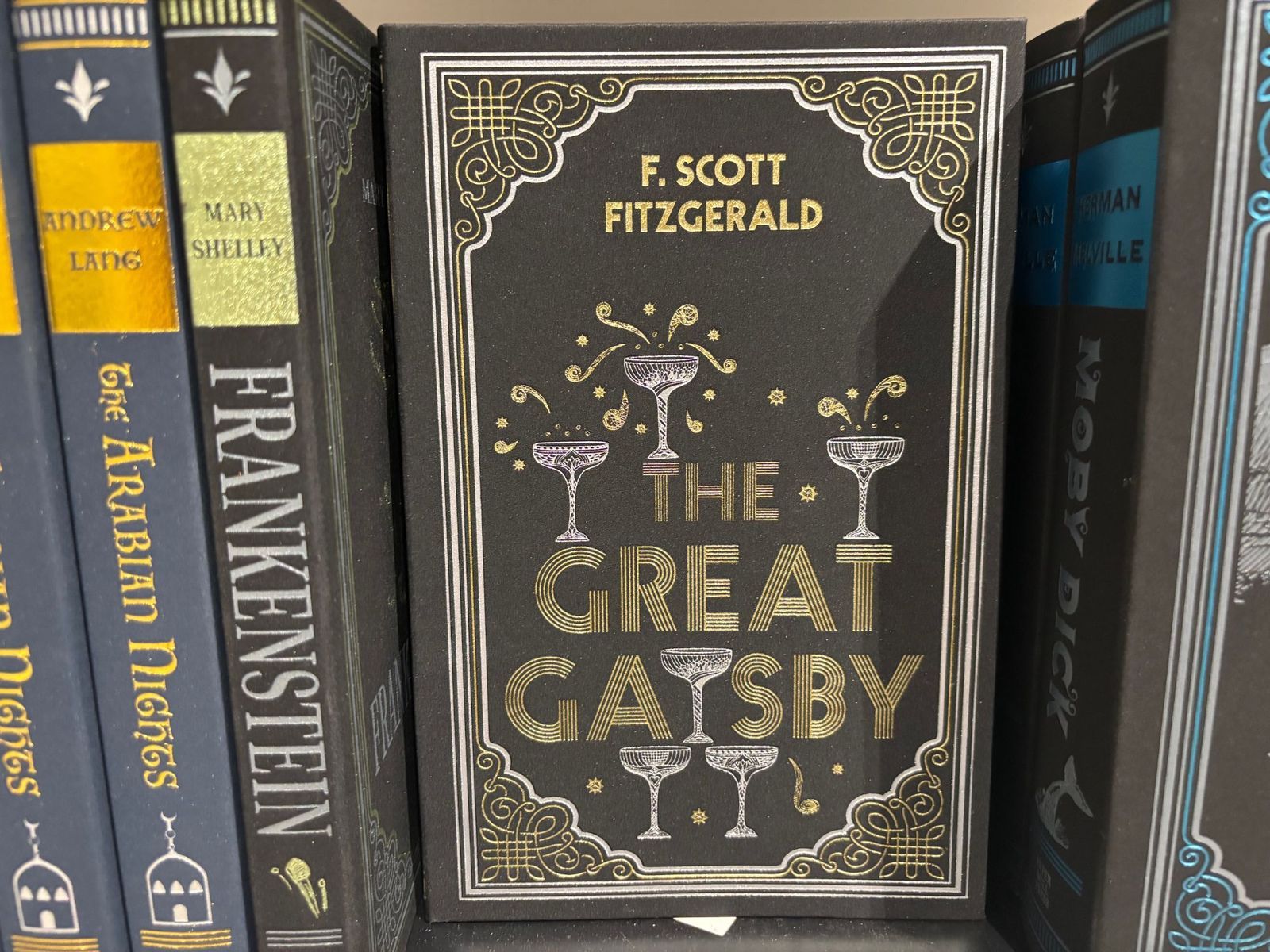
The final royalty check F. Scott Fitzgerald ever received for The Great Gatsby came to $13.13. When the novel about a mysterious millionaire chasing a lost love across Long Island's glittering parties appeared in 1925, it sold fewer than 25,000 copies and left unsold stock rotting in warehouses.
Fitzgerald died in 1940, convinced he'd been forgotten, unable even to find copies of his own books in Los Angeles stores. Then, in World War II, the government's Armed Services Editions program shipped 155,000 pocket-sized copies to soldiers overseas, and each one reportedly got passed around and read by roughly seven men. Its popularity rose. Today, Gatsby sells half a million copies a year and is one of the best-selling American novels ever written.
A Confederacy of Dunces, by John Kennedy Toole
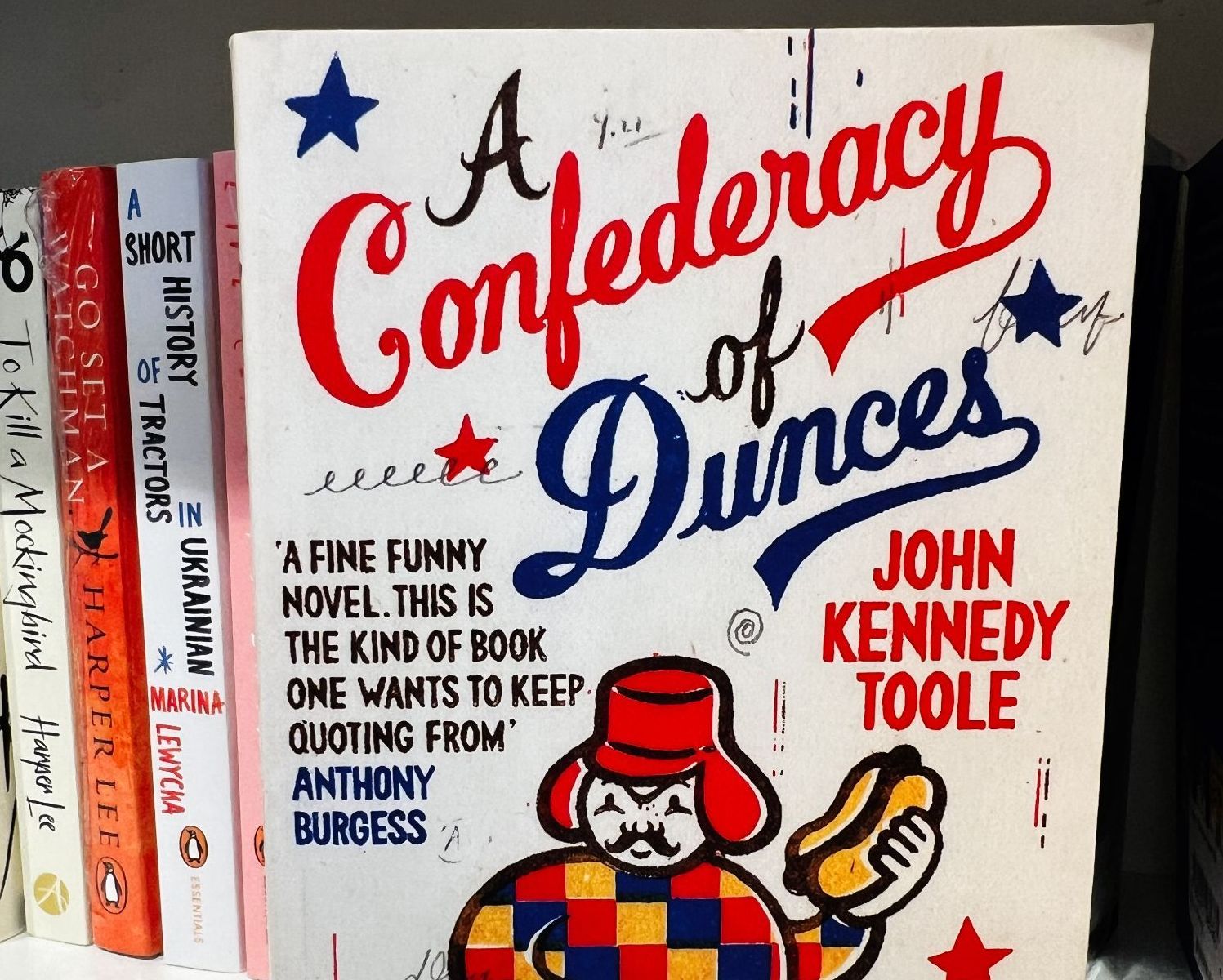
A grieving mother, a stack of rejected pages, and one very reluctant novelist. That formula gave way to the funniest book of 1981. John Kennedy Toole wrote his sprawling New Orleans comedy in the early 1960s, only to have it rejected by Simon & Schuster after two years of revisions.
Crushed, he shelved it. In 1969, at 31, he took his own life. But his mother, Thelma, refused to let the manuscript die with him. For years, she pushed it toward publishers, finally cornering novelist Walker Percy, who initially refused… But he couldn't put the pages down. Louisiana State University Press published it in 1980, eleven years after Toole's death. It won the Pulitzer Prize the following year.
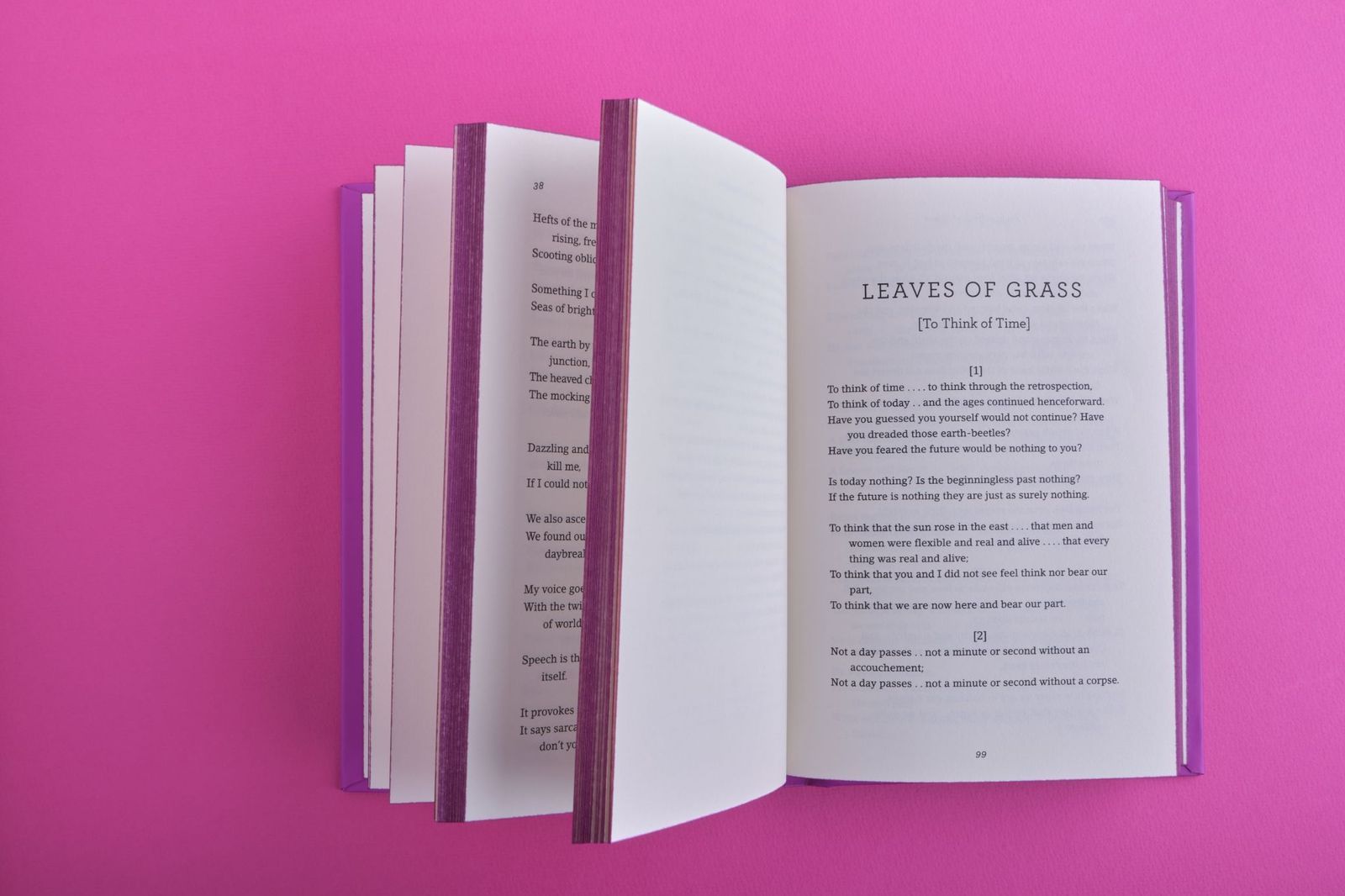
Leaves of Grass, by Walt Whitman

When Leaves of Grass appeared in 1855, self-published in Brooklyn with Walt Whitman’s name left off the cover, only around 800 copies existed, and just one American library bothered to buy one.
Critics called it obscene; one reviewer suggested throwing it in the fire. Whitman kept revising and expanding it for the rest of his life, eventually growing it from 12 poems to more than 400. Even his 1881 edition, praised by many, was effectively banned in Boston after a district attorney threatened obscenity charges over its treatment of sexuality. Whitman simply found a new publisher.
Though Whitman achieved notoriety towards the end of his life, he was not widely famous or commercially successful for most of his career. It took around a century for America to stop calling Leaves of Grass filthy and start calling it foundational.
Persuasion, by Jane Austen
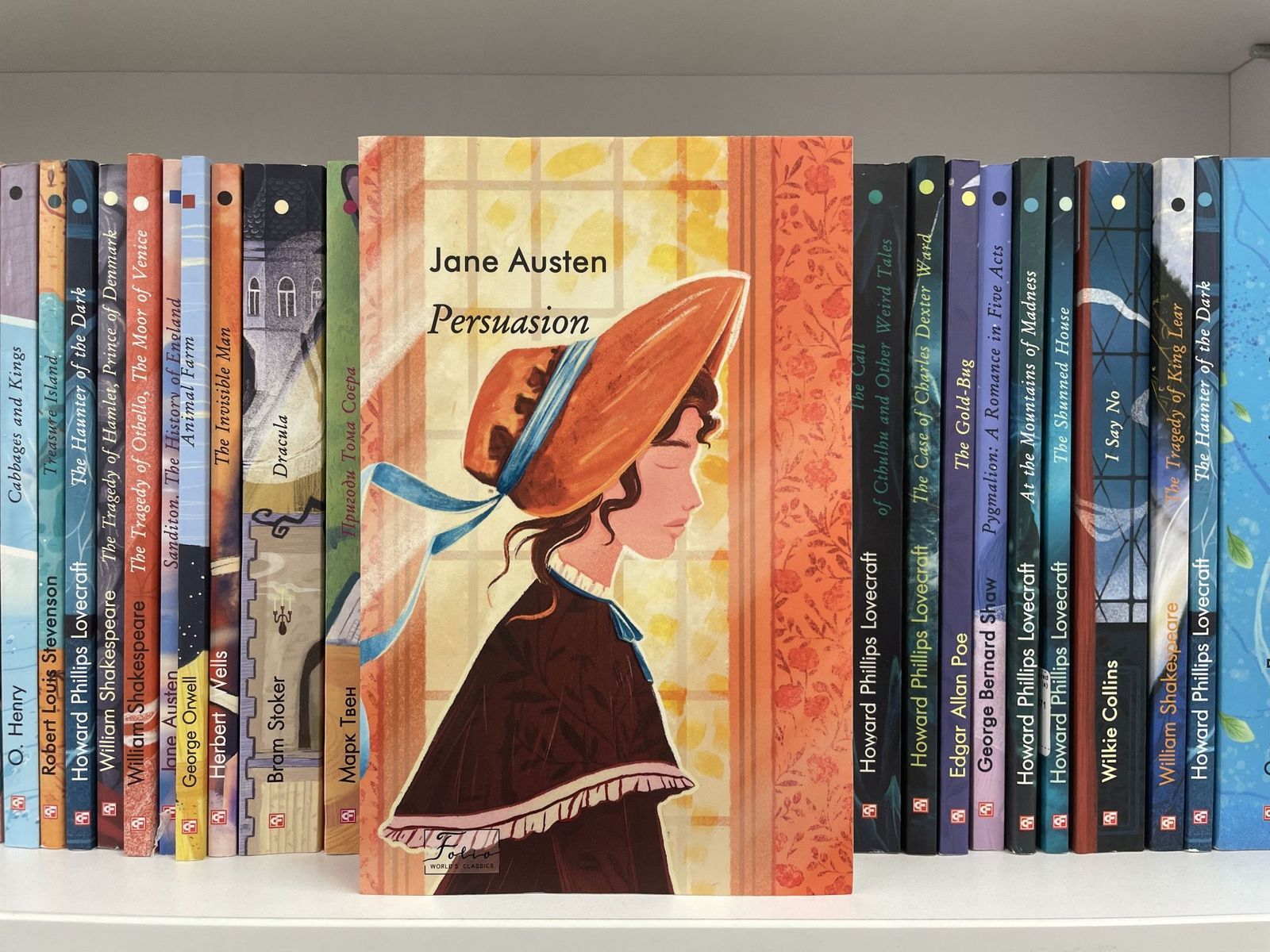
Today, Jane Austen is one of the English language's most beloved novelists, her evergreen books selling millions each year. But, during her lifetime, each of her novels was published anonymously, credited only to "A Lady" or "the author of Pride and Prejudice."
When Austen died in 1817 at just 41, most of the reading public had no idea who had written the books they loved. Persuasion, her last completed novel, was published six months after her death. It was only then, in a memorial notice her brother Henry attached to the edition, that the world learned Jane Austen's actual name.
At the Mountains of Madness, by H.P. Lovecraft
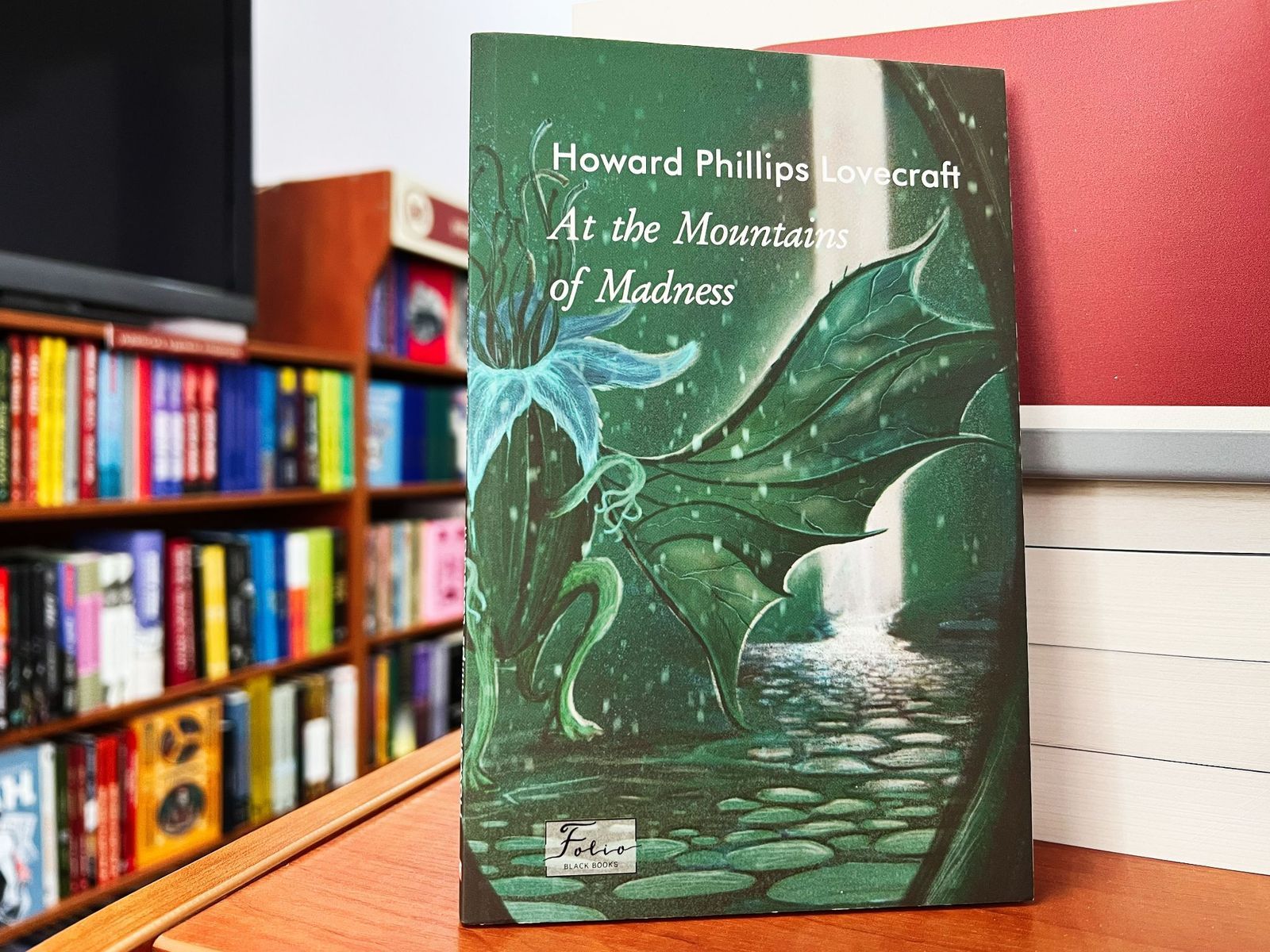
H.P. Lovecraft finished one of his most ambitious stories, a chilling tale of an Antarctic expedition, and his own editor wouldn't even publish it. In 1931, he submitted At the Mountains of Madness to Weird Tales, the pulp magazine that had run most of his work, only to have editor Farnsworth Wright reject it for being too long.
Lovecraft was so stung he shelved the manuscript for four years, unwilling to even look at it. It finally appeared in 1936 in Astounding Stories, heavily and clumsily edited without his approval, earning him $315, the most money he ever made from a single story. A fully restored version of his original text wasn't published until 1985, nearly fifty years after his death. Today the novella is considered one of his finest works and a major influence on modern science fiction horror.
The Metamorphosis, by Franz Kafka
Franz Kafka wrote the story of a man who wakes up transformed into a giant insect in just three weeks, then spent years anxious about how it would be received. When The Metamorphosis finally appeared in 1915, it was one of the very few works Kafka published during his lifetime; most of his fiction stayed in drawers or notebooks.
Reception was modest at best, confined to small German literary circles, who found it strange and difficult to categorize. Kafka was so protective of the story's ambiguity that he insisted the insect itself never be illustrated on the cover, worried an image would ruin the horror readers built in their own minds. He died in 1924, having no idea that Gregor Samsa's transformation would become one of the most analyzed openings in all of literature.
The Bell Jar, by Sylvia Plath
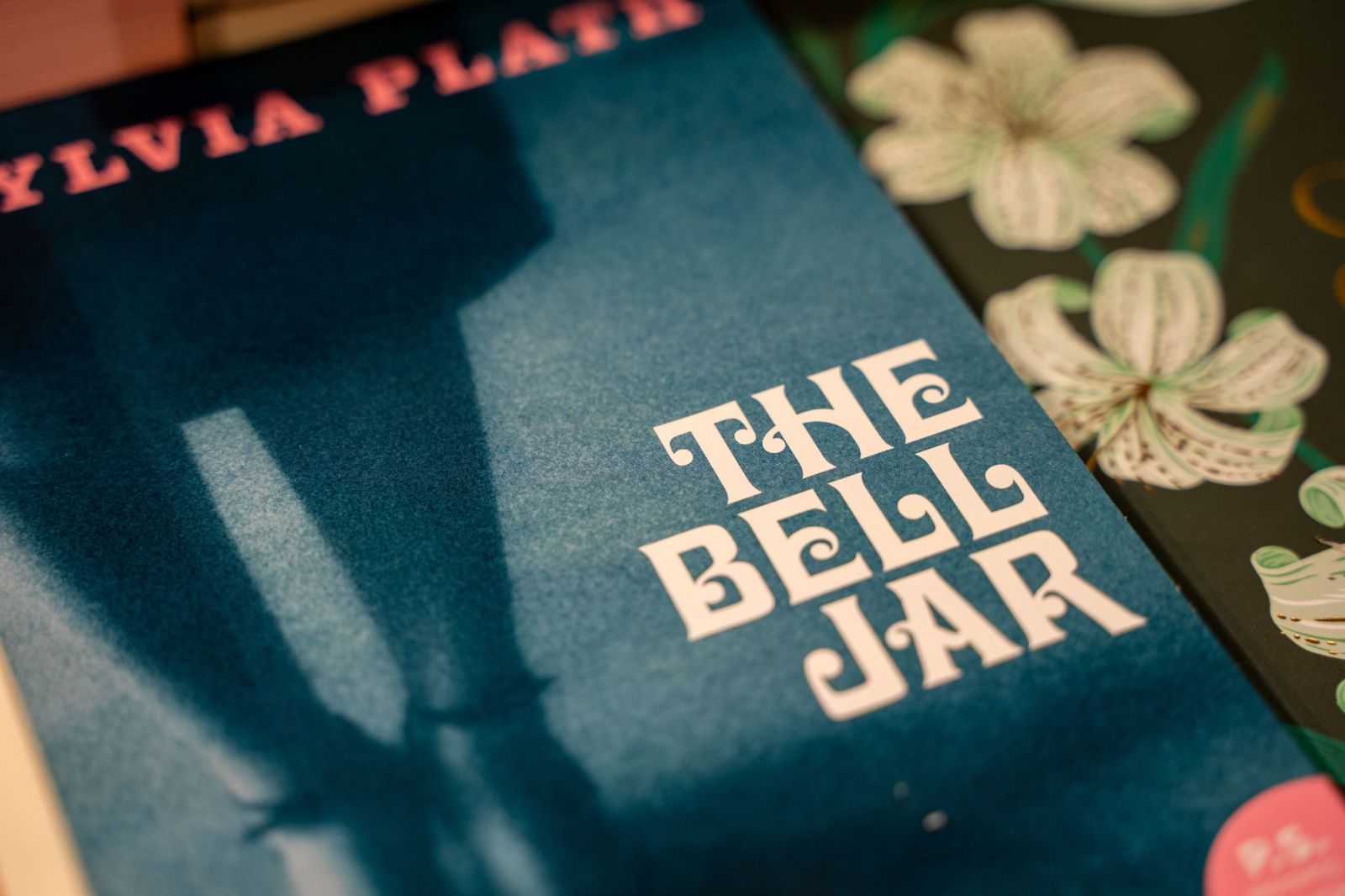
Sylvia Plath was so unsure of her only novel that she published it under a fake name. The Bell Jar, a thinly veiled account of a young woman's breakdown during a summer internship in New York, appeared in London in January 1963 under the pseudonym "Victoria Lucas", in a print run of just 2,000 copies.
Plath worried a poorly received novel might damage her standing as a poet. Weeks later, she died. The book's true authorship became public only after her death, and it wasn't published in the U.S. under her real name until 1971, once her reputation as a poet had already secured her a devoted readership. Today, it's considered one of the defining American novels about mental health and womanhood.
Emily Dickinson's 1,800 poems
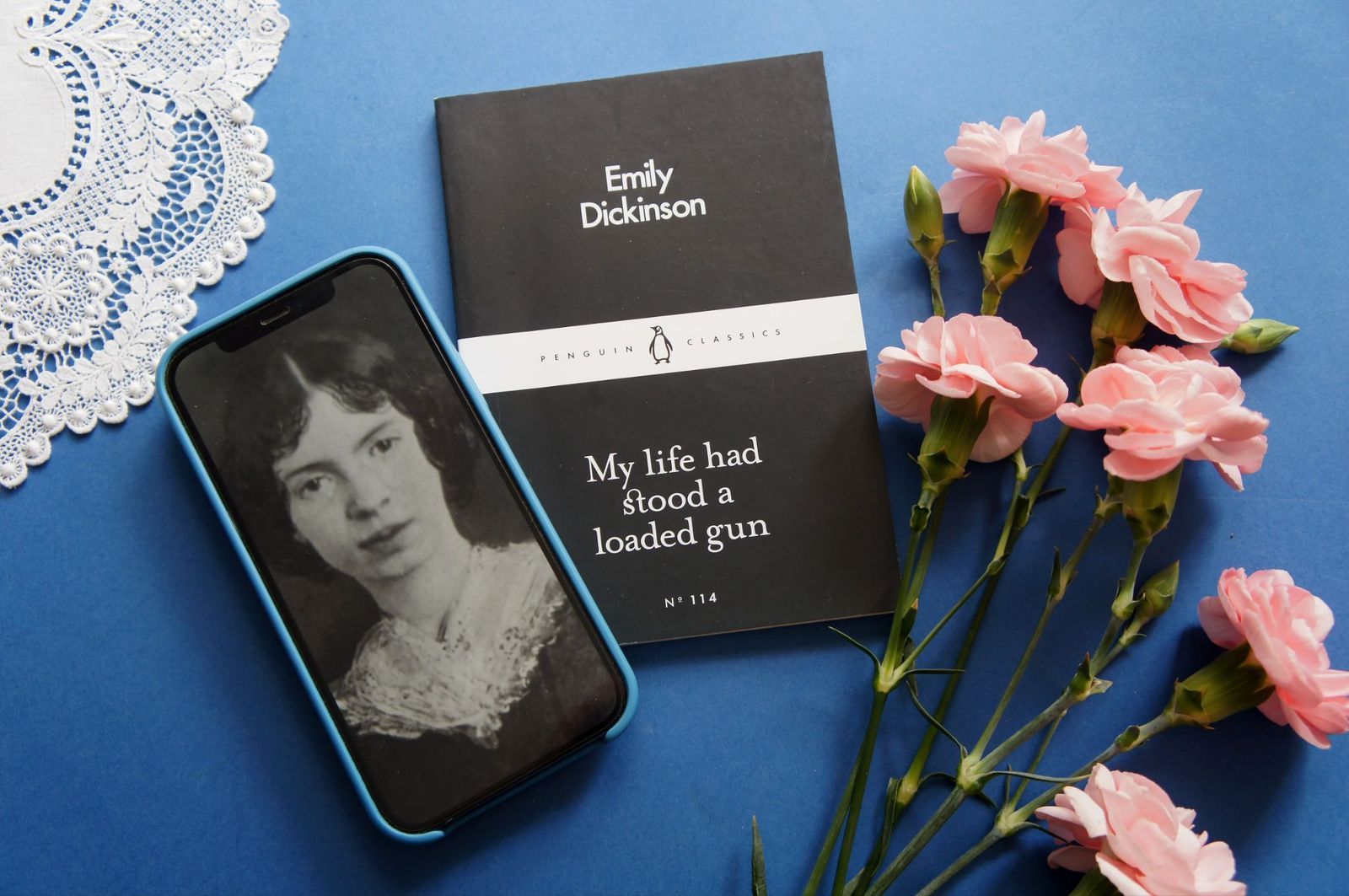
Emily Dickinson wrote nearly 1,800 poems. She saw fewer than a dozen printed in her lifetime, and even those were published anonymously, likely without her full consent.
She lived in Amherst, Massachusetts, sewing her poems into small hand-bound booklets and tucking them into a bureau drawer. When she died in 1886, her sister Lavinia discovered the stash and, instead of burning it as she'd once promised, resolved to share it with the world.
She turned to writer and editor Mabel Loomis Todd, who happened to be having a long affair with Emily's brother Austin, and scholar Thomas Wentworth Higginson to prepare the poems for print. Their edited version appeared in 1890 and became an immediate sensation.
The Millennium trilogy, by Stieg Larsson
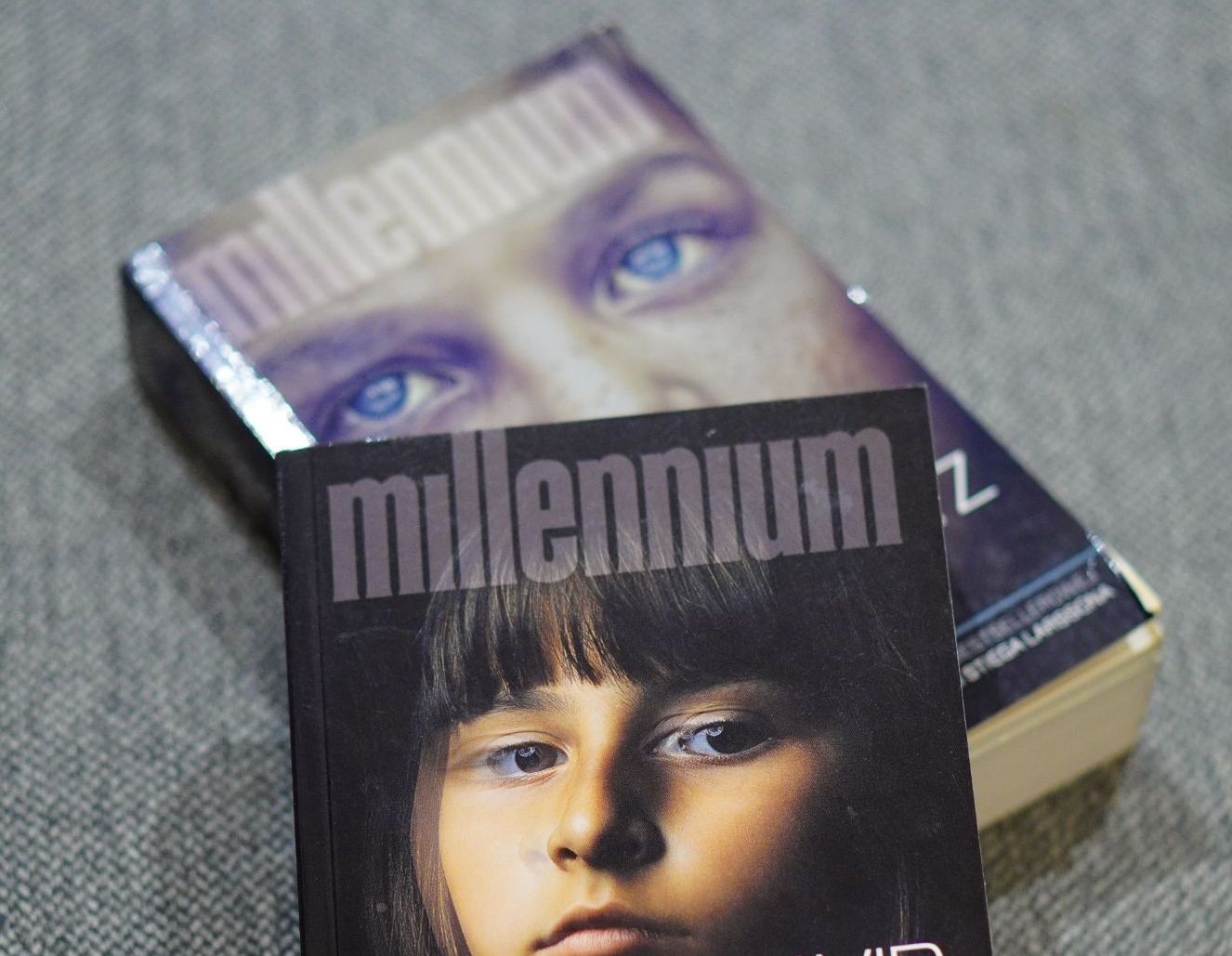
Stieg Larsson never got to hold a single copy of any of his three bestselling novels. The Swedish journalist wrote The Girl with the Dragon Tattoo and its two sequels in his spare time, mostly for his own satisfaction, and only shopped them to a publisher shortly before his death.
In November 2004, months after turning in all three manuscripts, he suffered a fatal heart attack at 50, reportedly after climbing several flights of stairs when his office elevator broke down. The books were published starting in 2005 and went on to sell more than 60 million copies worldwide, spawning multiple film adaptations and making its heroine, Lisbeth Salander, a global icon.