Learn the lingo

Read on if you ever wanted to know what the codes used in stores mean


Published on September 25, 2026
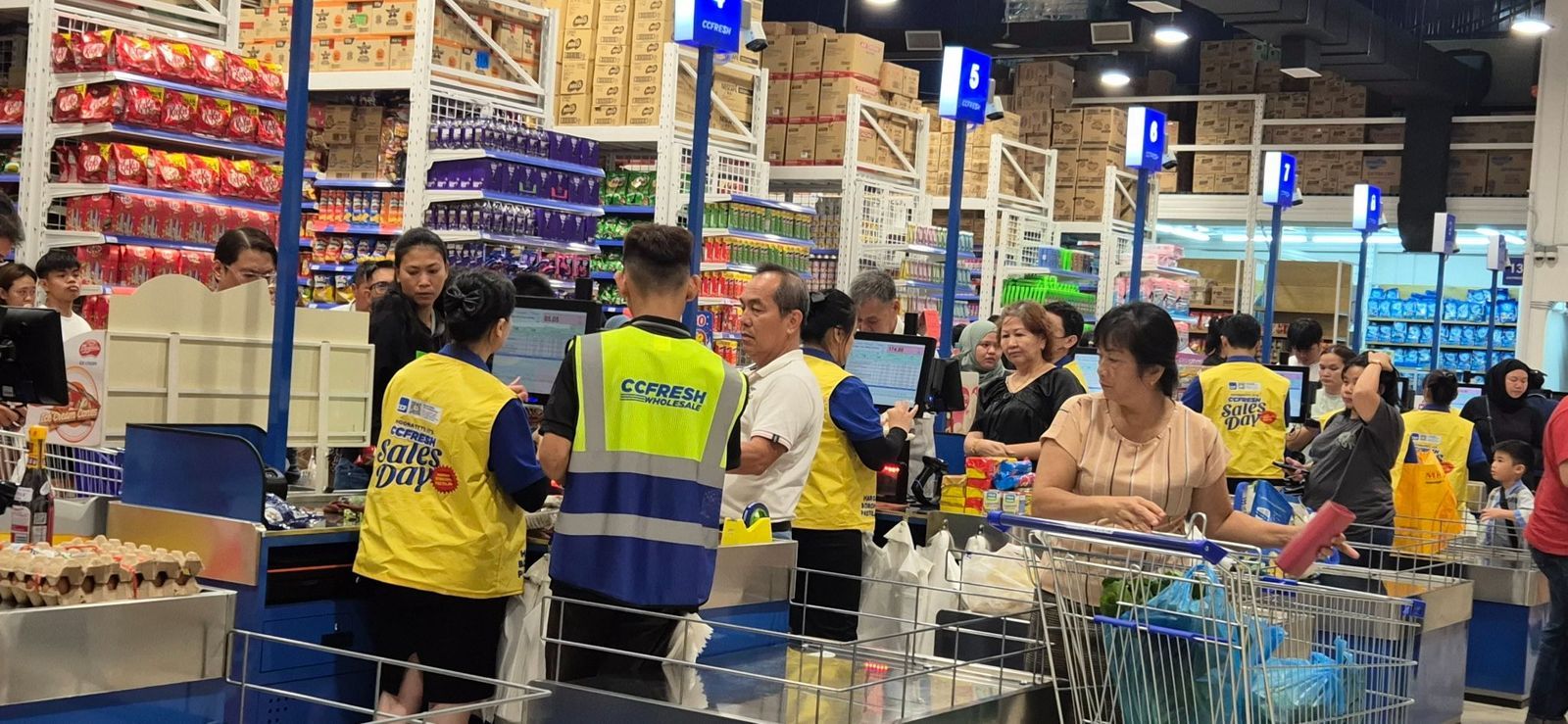

Image: Lina king

Ever heard a mysterious "Code Yellow" or "Code 50" over a store loudspeaker and wondered if you should keep shopping or head for the exit? Retailers use coded announcements to communicate quickly without broadcasting every detail to customers. There’s no universal codebook, so the meanings can change from one chain to another, and some operational codes even vary by location. Here are 10 codes you might hear while shopping and what they can mean.

1

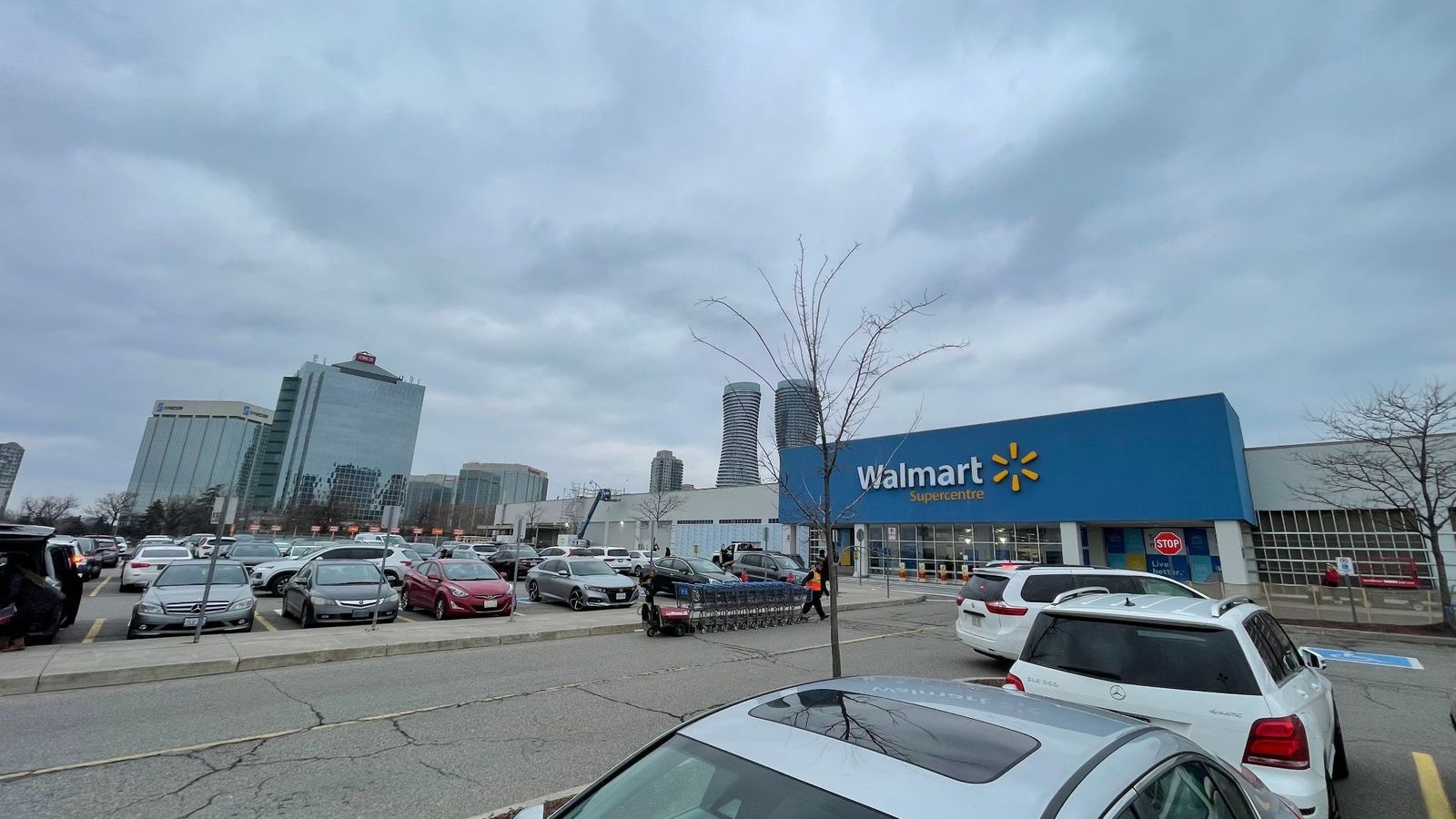
Code Black - Walmart

Image: Amir Abouelw

At Walmart, hearing "Code Black" isn't a commentary on the day's sales. Company emergency documentation identifies it as the warning for severe weather, alerting employees that potentially dangerous conditions require attention.

That might mean the sort of storm that makes staying inside safer than heading for the parking lot. Walmart's documented emergency vocabulary also assigns other colors to specific dangers, allowing employees to quickly recognize the nature of a situation quickly without a lengthy announcement.

2

Code Orange - Walmart

Image: Etienne Girardet

Orange has a very different meaning in Walmart's emergency system. Company documentation identifies Code Orange as a chemical spill or hazardous materials incident, a situation in which employees may need to secure an area and follow special safety procedures.

That's particularly relevant in a giant retailer selling everything from household cleaners to automotive products. So if you hear the mysterious phrase while debating which detergent to buy, it isn't necessarily time to panic, but employees nearby may suddenly have something more pressing to handle.

3

Code Yellow - Target

Image: PeopleImages

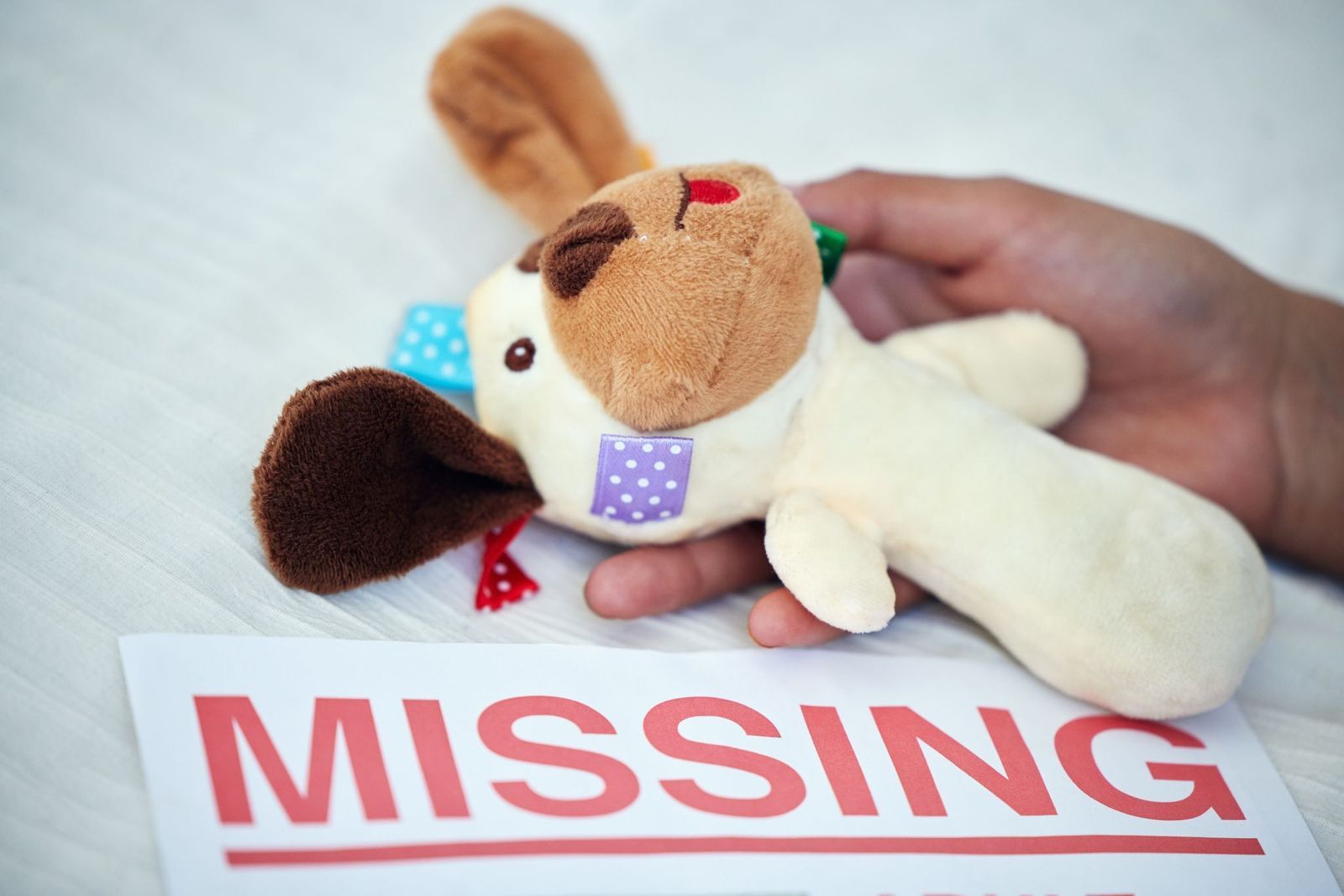
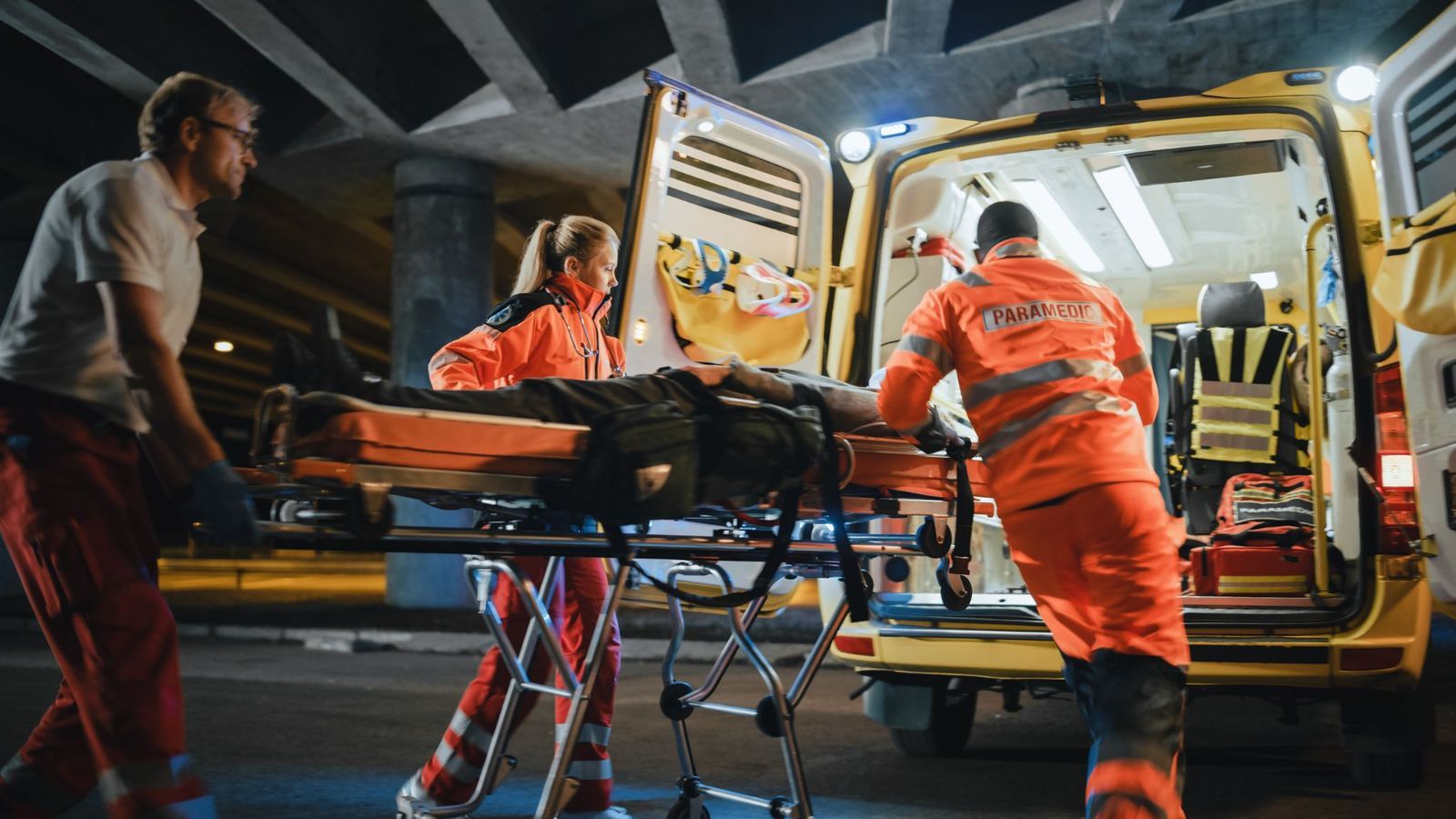
At Target, Code Yellow is associated with a missing child. Employee accounts describe it as an announcement that quickly changes everyone's priorities: staff receive information about the child, begin looking around the store, and pay particular attention to exits.

It's a reminder that these seemingly cryptic announcements can have a practical purpose. Instead of publicly announcing sensitive details over the loudspeaker, a short code immediately tells trained employees what kind of response is needed while avoiding unnecessary confusion among shoppers.

4

Code Red - Target

Image: Oxygen

This one is considerably easier to guess. Target employees have consistently described Code Red as the store's fire alert. Once it's announced, employees know they're dealing with something very different from an ordinary customer-service request.

Red has a similar association elsewhere, but don't assume retail colors form a universal language. Different companies develop their own procedures and terminology. At Target, Red, Yellow and Green have traditionally distinguished three very different situations: fire, a missing child and a medical incident.

5

Code Green: Target

Image: Gorodenkoff

If Target employees suddenly start talking about a Code Green, somebody may need medical help. Long-running employee accounts identify Green with an injury or medical emergency involving a customer or team member.

Employees have recalled Code Greens being called for everything from falls to customers becoming seriously ill. That's also why the deliberately vague wording makes sense: announcing someone's private medical problem to an entire store would hardly help. Two words can instead alert the people who need to respond.

6

Code 50 - Lowe’s

Image: FOTOGRIN

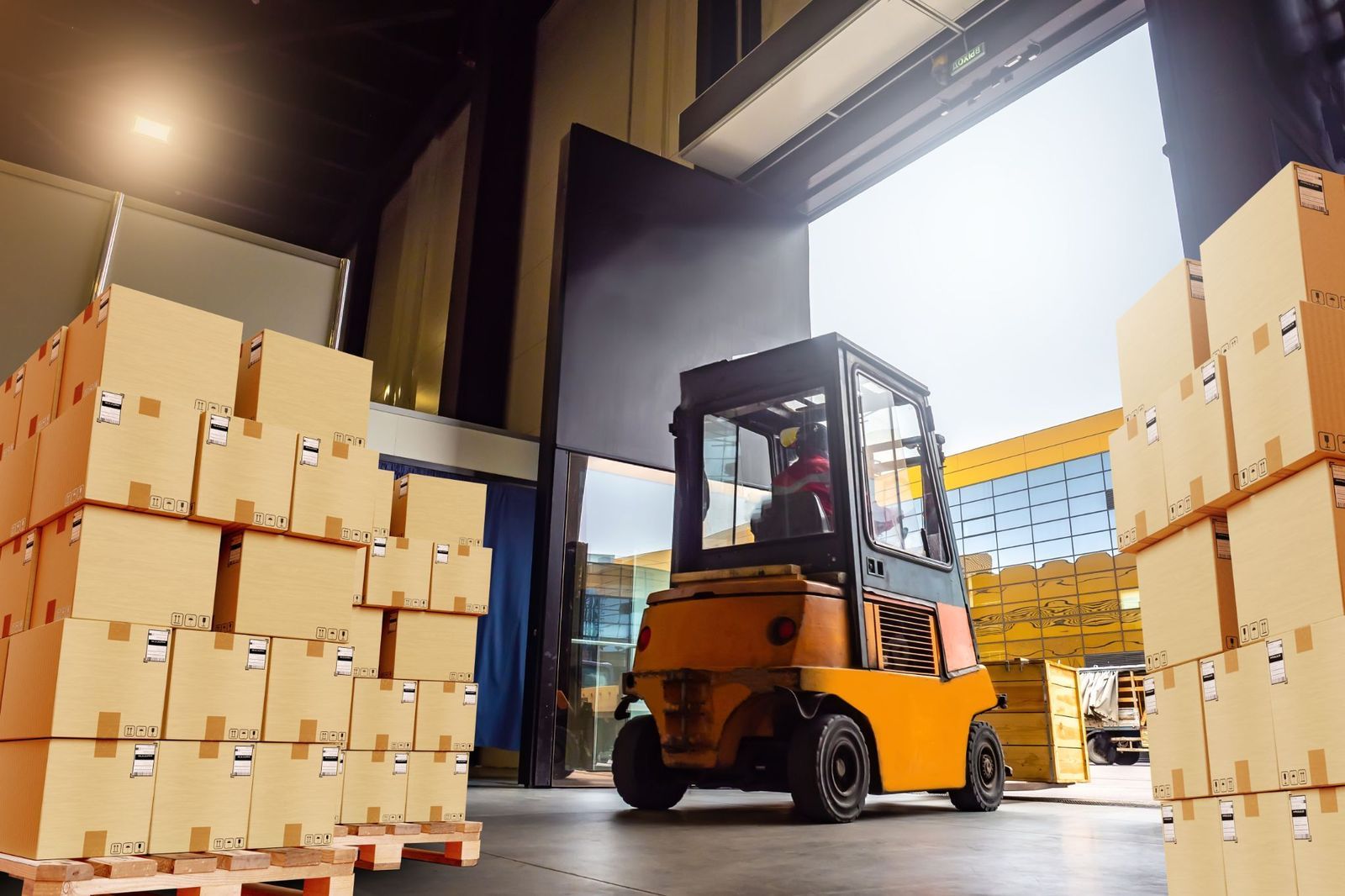
Thankfully, not every mysterious store code signals an emergency. At Lowe's, Code 50 is widely described by employees as a request for loading assistance, usually because a customer has bought something too large or heavy for one person to handle comfortably.

Considering what Lowe's sells, opportunities aren't exactly scarce. Lumber, appliances, bags of concrete, and other bulky purchases eventually have to make the journey from store to vehicle. Code 50 is essentially a discreet way of saying, "We need some extra muscle over here."

7

Code 75 - Lowe’s

Image: Quantix

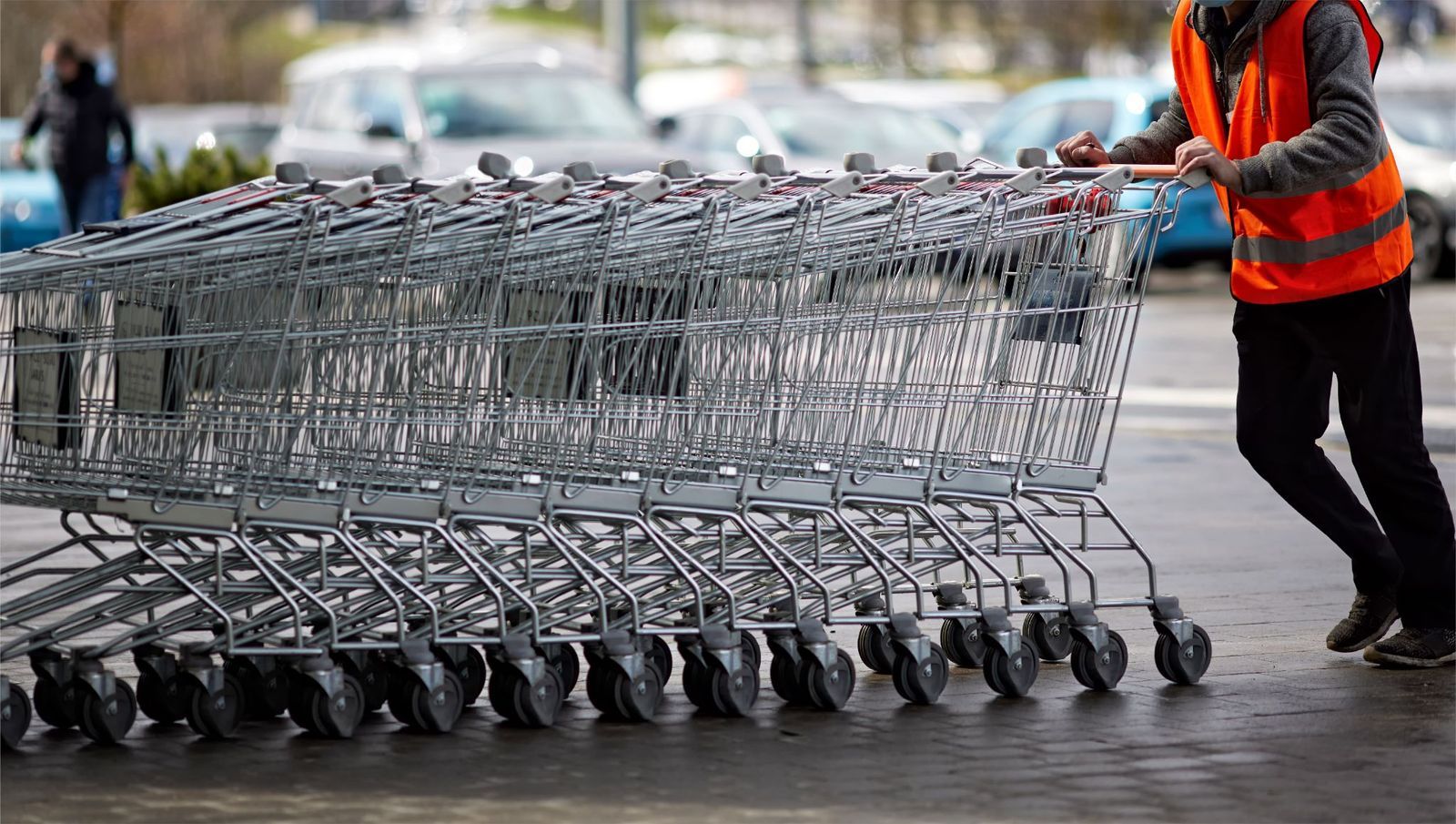
Here's another code that's far less alarming than it sounds. Lowe's employees have described Code 75 as a call to collect shopping carts from the parking lot. Available associates may suddenly find themselves heading outside to round up the wandering fleet.

Operational codes can vary between individual locations, so Code 75 isn't necessarily carved in stone at every Lowe's. Still, the mundane meaning makes it particularly fun. That ominous-sounding number coming over the PA may simply mean the cart corral is overflowing.

8

Code 22 - IKEA

Image: Sia Footage

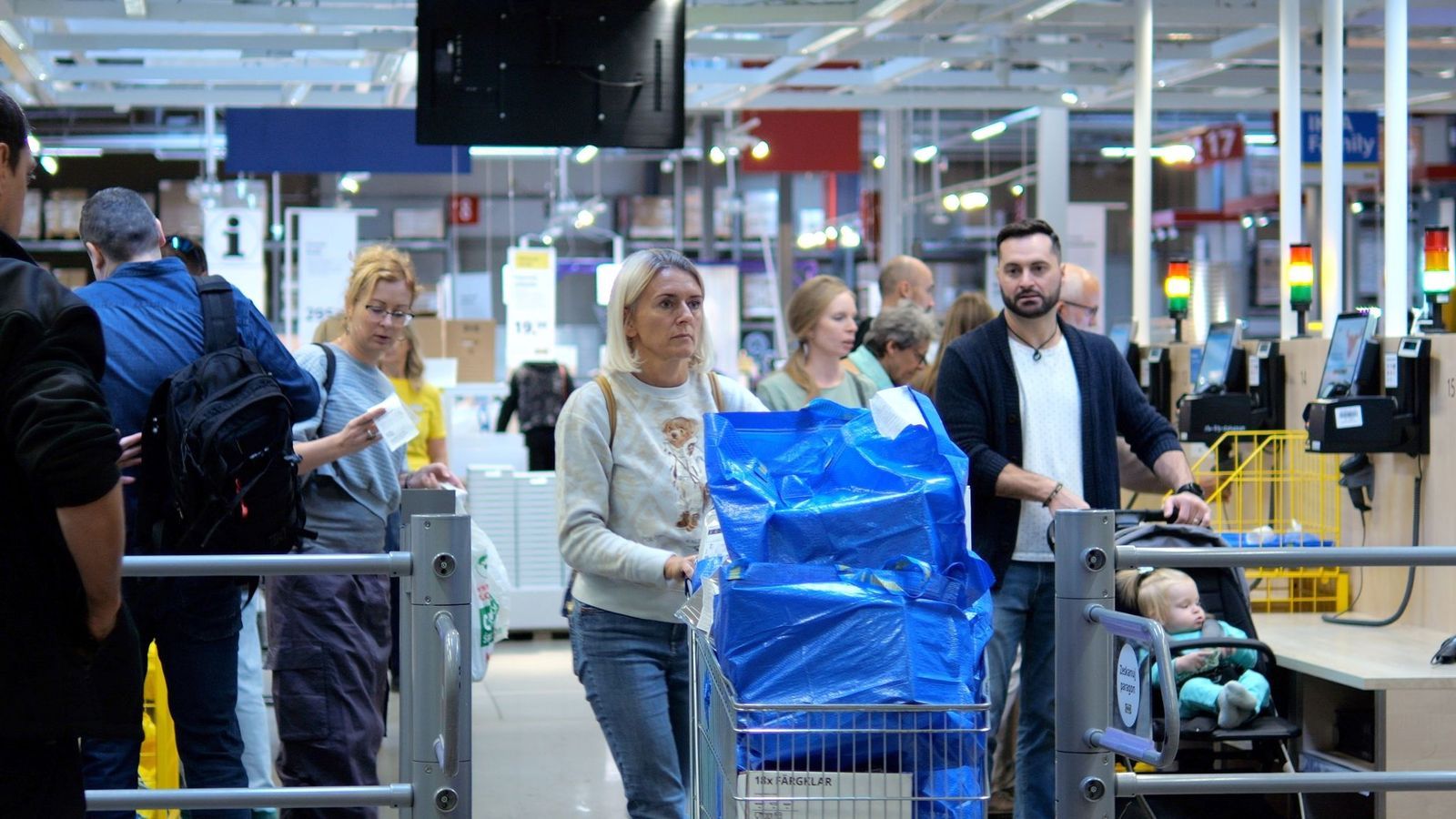
A Code 22 at IKEA might sound mysterious but, in fact, is used when checkout lines become overwhelmed.

Register-trained workers elsewhere in the store can then be summoned to help handle the rush. Employees have said the call is especially familiar during busy periods such as weekends. In other words, Code 22 is retail shorthand for something shoppers already know perfectly well: that line is getting much too long.

9

Code Orange - Home Depot

Image: Germany_ru

At Home Depot, employee accounts describe Code Orange as an "all hands" request when a department or area needs additional help. Rather than signaling a disaster, it can mean employees are being summoned because customers or work are piling up faster than the available staff can cope.

That's a perfect demonstration of why you shouldn't try decoding store announcements by color alone. Walmart uses Code Orange for a hazardous-material situation, while Home Depot workers have used the same color for additional assistance. Same words, considerably different levels of urgency.

10

Code 21 - Walgreens

Image: NIKS ADS

Code 21 may sound like something out of a police drama, but at Walgreens, its reported purpose is much more ordinary. Employees describe it as a call for an eligible coworker when a cashier can't complete an age-restricted transaction because of age requirements.

The exact rules can depend on local law and company procedures, but the basic idea is quite mundane: the person operating the register needs another employee to finish a particular sale. So the next mysterious announcement you hear while shopping might not involve an emergency at all: it could simply be retail's secret language keeping the store moving.


A case of spelling ability and sheer luck

Is "muzjiks" a word? 10 Scrabble opening plays to win big


Published on September 25, 2026


Image: okanakgul

We all know that the letters that score the most points in Scrabble are J and X (8 points), and Q and Z (10 points). But the most popular word game in the world is also about being able to combine all the lettered tiles that luck has handed you, even when they don't seem to have anything in common. One of the first things Scrabble players should learn is new and different words to help them win the game. In this article, we have compiled 10 words that—if the conditions are right—will make you score the most points in an opening play. Come join us!

1

Muzjiks

Image: Debby Hudson

The highest-scoring possible play in Scrabble is a seven-letter opening move formed with the letters IJKMSUZ. Looks unpromising, right? To everyone's surprise, however, there's one word that's perfect for that hand: muzjiks. It's a pluralized, alternative spelling of the word muzhik, meaning a Russian peasant from the times before the Russian Revolution of 1917. Muzhik came into English thanks in large part to Tolstoy and Dostoyevsky. Today, muzhik is used in Russian as the equivalent of "guy" or "dude."

Placing the Z on the Double Letter Score in this opening move would bring in 128 points. The odds of drawing these tiles are about 1 in 55 million, and, to be honest, the play has never been recorded in sanctioned play. However, in 2008, a man from South Carolina managed to open a game at the National Scrabble Championships with muzjiks, using a blank tile for the U, setting a record with a 126-point opening move.

2

Bezique

Image: StockSnap

The second-highest opening move ever recorded in an American Scrabble tournament, for a wonderful 124 points, is bezique. According to the Merriam-Webster Dictionary, bezique is "a card game similar to pinochle that is played with a pack of 64 cards."

Bezique originated in France in the 19th century and was later imported into Britain, where Winston Churchill was one of the game’s most prominent enthusiasts. Unfortunately, by the early 20th century, bezique declined in popularity, but at least it left us an excellent word for another great game: Scrabble.

3

Cazique

Image: PublicDomainPictures

You are probably familiar with the word cacique, which refers to a native Indian chief in areas dominated primarily by Spanish cultures. Although it would be a good starting move, if instead of a second C you were lucky enough to get a Z, you could score a solid 124 points, and your chances of winning the game would be even greater.

Some dictionaries accept cazique as a variant of cacique. However, cazique has its own meaning: it refers to black-and-red or black-and-yellow orioles of the American tropics. Best of all, it is an accepted word in the Official Scrabble Players Dictionary (OSPD)!

4

Mezquit

Image: okanakgul

Another great opening play for up to 124 points is mezquit. Here's another spelling variation of a word you probably already know, mesquite. According to Merriam-Webster, mesquite refers to "any of several spiny leguminous trees or shrubs, chiefly of the southwestern U.S., that often form extensive thickets and have sweet pods eaten by livestock."

To be fair, the word mesquite is an Anglicism of the Spanish word mezquite, which in turn was borrowed from the Nahuatl term mizquitl. So, it makes perfect sense that mezquit is an accepted word in Scrabble—and one of the good ones too!

5

Zombify

Image: Brett Jordan

We are out of 124-point opening plays, so the next best thing is 122 points. And for that, we have a handful of good options. The first one is zombify, and as you can imagine, it has to do with zombies.

Believe it or not, this is an accepted word in Scrabble. Although zombies have been invading popular culture in recent years, the word zombify, meaning "to turn a person into a zombie," has been in our vocabulary for a long time. According to the Oxford English Dictionary, the word first appeared in The New York Times in the 1950s. So, the next time you are blessed with these promising tiles, don't miss the opportunity to kick-start the board with zombify.

6

Quetzal

Image: Pixabay

If you happen to draw the Z and Q tiles on your first play, you know you're up to big things. However, having those tricky consonants staring back at you can be a little intimidating. That's why it's nice to have some rare or unusual words up your sleeve to surprise even the most experienced players.

Quetzal is a strikingly colored bird commonly found in the humid forests of Central and South America. Interestingly, the quetzal has also been the currency of Guatemala since 1925. It was named after the bird, which is the national bird of the country. Now you know a new word and have a way to justify its use in your next Scrabble game!

7

Squiffy

Image: Pixabay

Okay, to present this word in an opening play of Scrabble, you should be lucky enough to draw the only two F's available up front. But even though it’s a one-in-a-million chance, knowing that this word exists can come in handy. Plus, it will give you up to 122 points — a good head start.

Squiffy means "intoxicated or drunk" and originated as a slang word in England at the end of the 19th century. The term probably derives from skew-whiff, which means "crooked or askew," or from swipey, meaning "tipsy."

8

Sovkhoz

Image: Potztausend

If you want to impress your friends with another rare Russian word accepted by the OSPD — and earn a well-deserved 122 inaugural points — then sovkhoz may be the way to go. According to the Encyclopedia Britannica, a sovkhoz is a "state-operated agricultural estate in the U.S.S.R. organized according to industrial principles for specialized large-scale production."

Sovkhoz is short for sovetskoe khozyaĭstvo, meaning "soviet farm." These large state farms began to be created in 1918, and the term first appeared in 1921 in the Russian Economist. By 1990, there were 23,500 sovkhozy, and although they were eventually disbanded with the fall of the Soviet Union, the term is still there for us to play in Scrabble.

9

Zymurgy

Image: Freysteinn G. Jonsson

If we say zymurgy, do you know what we are talking about? Perhaps you know this practice better as zymology, but zymurgy is also accepted and will give you more points in an opening play of Scrabble.

Zymurgy is a branch of applied chemistry that studies fermentation processes, especially those related to winemaking and brewing. The term was coined in the 19th century and derives from the Greek zymo, which means "leaven," combined with the suffix urgy, meaning "work." Fun fact: zymurgy is the last word in many English language dictionaries!

10

Squeeze, Quickly, and Jukebox

Image: Skitterphoto

Scrabble is not just about odd and difficult words. There are a bunch of regularly used words in the English language that will earn you up to 122 points at the start of a game — that is, if you are lucky enough to get the correct letters, of course!

Squeeze ("to hold tightly") and quickly ("in a short time") are two good words that any Scrabble player should always keep in mind. Jukebox (a machine that plays recorded music for money), on the other hand, is an excellent and recognizable word that any opponent will accept as correct without needing to check the Official Scrabble Players Dictionary.

Looking for an extra scoop of literary fun?

Learn more with our Word of the day

severe

/səˈvɪr/