One of these things is not like the others
Produce in disguise: 10 fruits and vegetables that are not what they seem
Published on December 10, 2025
 Credit: Alexandr Podvalny
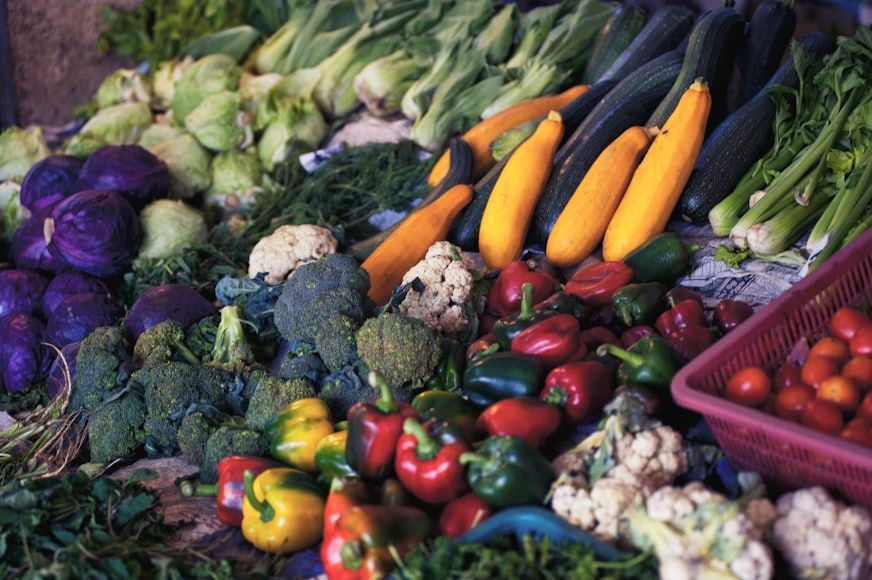
The classification of food can be challenging because it often relies on subjective criteria. Not everyone utilizes ingredients in the same way or for the same purposes, so how we see these items is influenced by cultural and social factors.
An example of this is what produce we consider to be a fruit, a vegetable, or a nut, which doesn’t always align with its botanical classification. Let’s look at some fruits and vegetables that are not what they seem to be.
Tomato
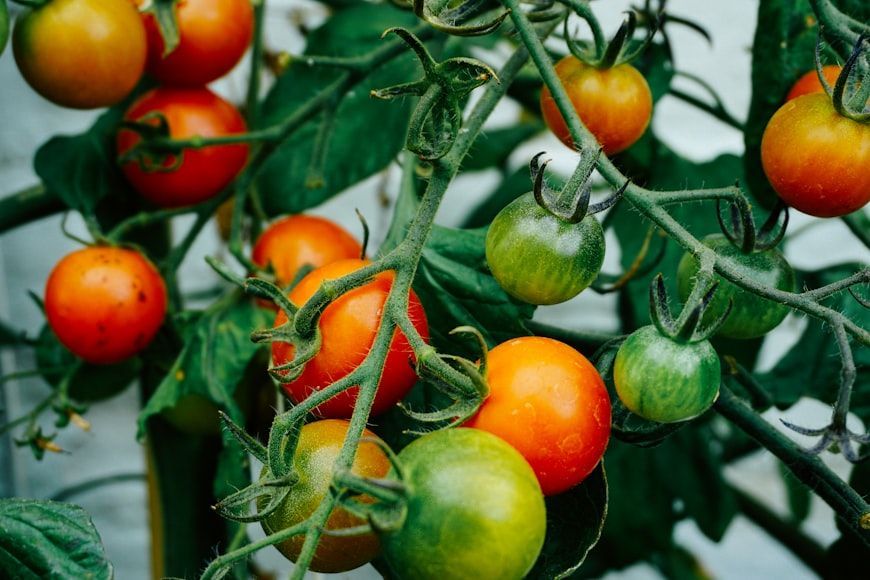 Credit: Dan Gold
Let’s start with a classic. Most people know that tomatoes are a fruit commonly used as a vegetable (The U.S. Supreme Court once had to rule on this due to customs regulations). They have seeds surrounded by a fleshy pulp. But did you know that tomatoes are actually berries? Botanically, ‘berry’ is used for all fruit without a pit or stone where each flower develops into a single fruit.
Tomatoes are part of the Nightshade family, meaning they are related to chillies, potatoes, and the tobacco plant.
Avocado
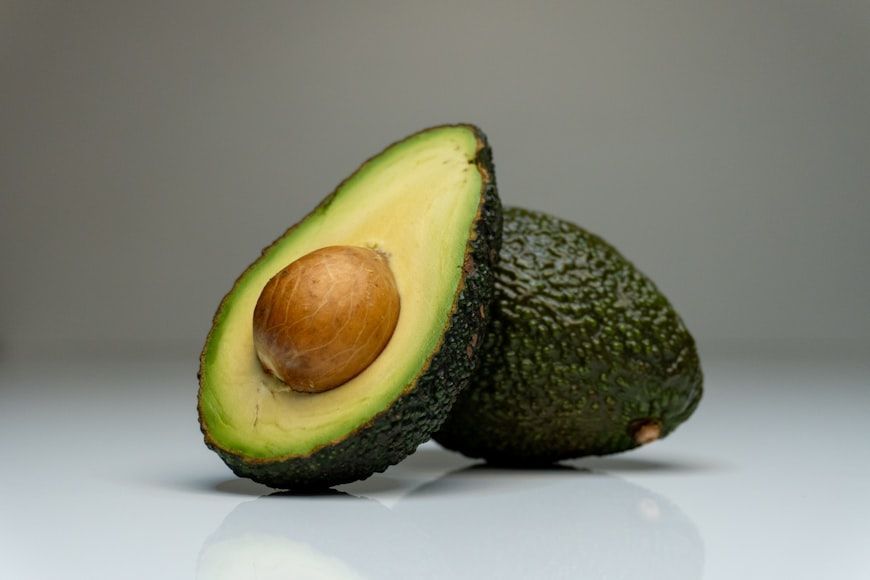 Credit: John Vid
This one is for all the avocado toast lovers: Avocados are a fruit. A berry, more specifically. While in Western countries avocados are used in savoury preparations, many cultures around the world use them in desserts and sweet drinks.
But aren’t berries fruits without a stone? One would think that the stone is hard to miss in this case. Botanists are still arguing on this one, but the general consensus is that the avocado seed does not fulfill the requirements to be considered a stone. Some common plants that you might not know were related to the avocado are the bay laurel and the cinnamon tree.
Peanut
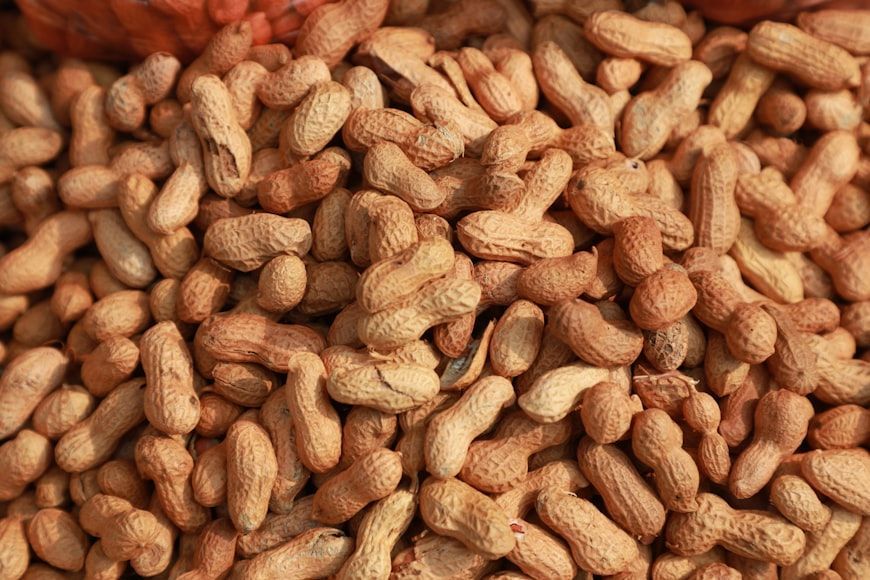 Credit: Ashes Sitoula
A staple in the nut/dried fruit category, peanuts are neither fruits nor nuts in a botanical sense. They are actually the seed of a legume, but even then, they are unique because they are the only legume that develops underground.
Peanuts are classified and treated as nuts for culinary purposes, so people often think that a peanut allergy is the same as a nut allergy, but these are two very distinct (although dangerous) reactions. As part of the Fabaceae family, peanuts are related to soybeans, chickpeas, lentils, and peas.
Zucchini
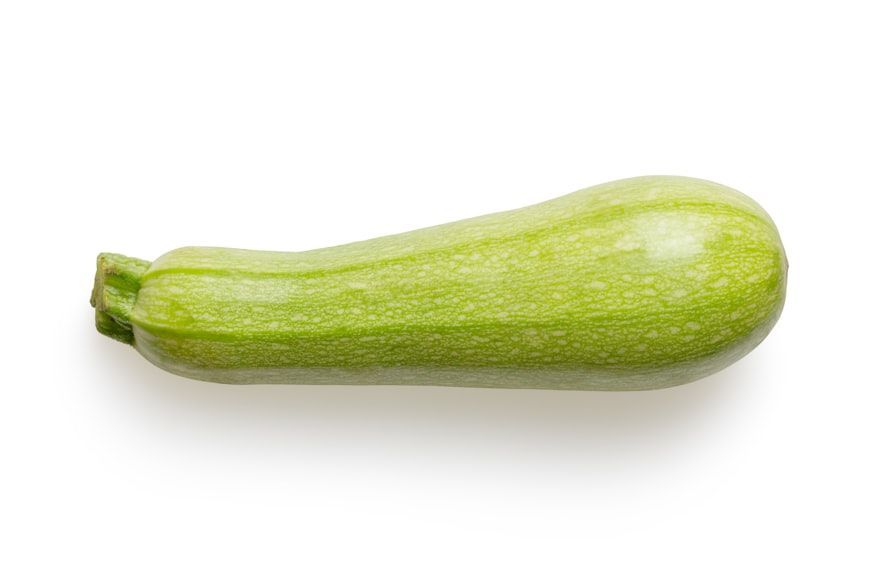 Credit: Mockup Graphics
Zucchinis are used as a vegetable, but they are multiseeded, fleshy, and have an edible outer layer. Rings any bells? That’s right, zucchinis are a type of berry. A member of the Cucurbitaceae family, they are relatives of cucumber, squash, watermelon, and the luffa (yes, the one used in the shower).
As an ingredient, zucchinis are usually harvested before they mature, because ripe zucchinis have tougher skin, harder seeds, and are bitter.
Corn
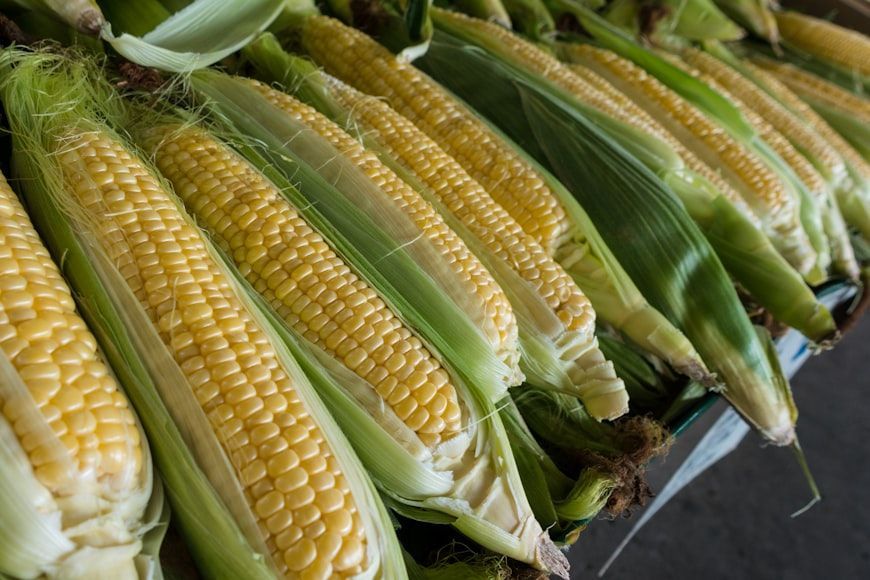 Credit: Andre Ouellet
Also known as maize, corn is used in savoury and sweet preparations alike. Classified as a grain for culinary purposes, it is actually a grass that bears fruit. So, technically, corn is a fruit.
But where are the seeds and the skin? In the grass (Poaceae) family, each flower has a seed that fuses with the skin and forms a kernel. Other relatives that behave in the same way are wheat, rice, sugarcane, and barley.
Mushroom
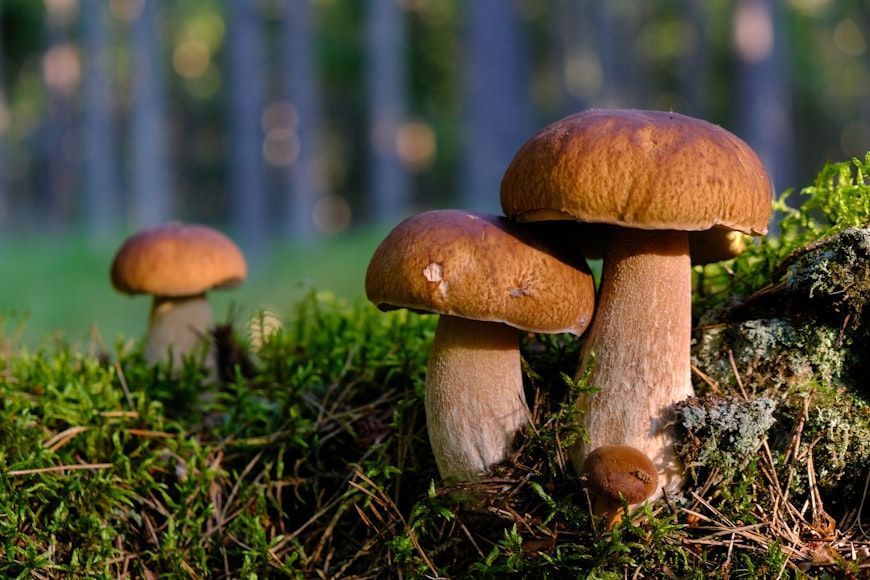 Credit: Transly Translation Agency
Mushrooms are vegetables in a culinary sense, and a "fruit" body in a botanical sense, but they are neither vegetables nor fruits, because they are not plants. Culinary mushrooms are edible fungi, and as such, they have a totally different classification.
Mushrooms are not the only fungi that have culinary uses: other cases include yeast used for leavening or alcoholic beverages, fermented foods, or the mold used for blue cheese.
Rhubarb
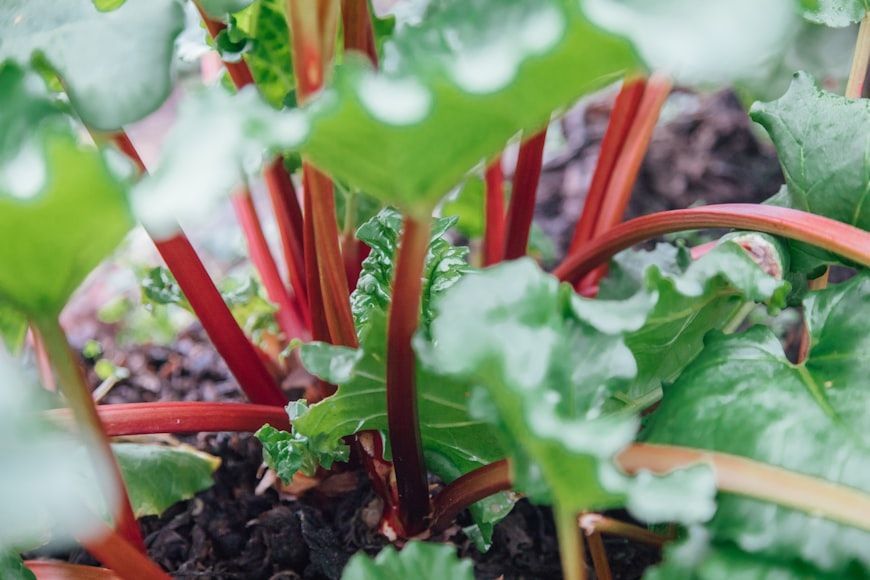 Credit: kaori nohara
Rhubarb is a vegetable, but is traditionally used for tarts, jams, and other sweet desserts. The only edible part of the plant is the stalk, as the leaves can be toxic.
Edible rhubarb is a hybrid, and it’s not closely related to other edible plants, although it is a distant relative of buckwheat.
Bell Pepper
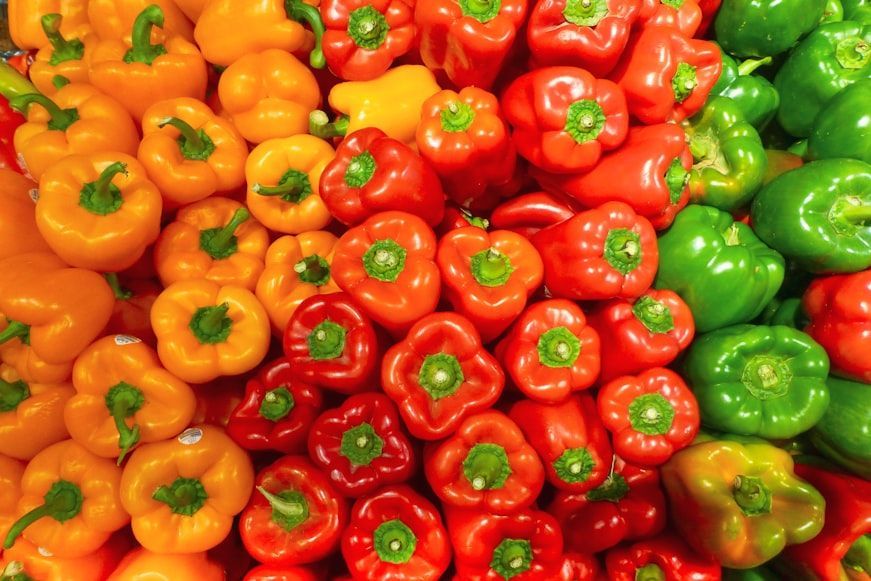 Credit: Nick Fewings
Also called capsicum or sweet pepper, bell peppers are a berry of the Nightshade family (which makes them a relative of tomatoes and potatoes). Although they are classified as berries, they lack one of their main characteristics: instead of having seeds surrounded by fleshy pulp, plants in the capsicum species are hollow.
Fun fact: plants in the capsicum species have no relation whatsoever to the pepper spice, but they were given that name because Europeans used the word ‘pepper’ for all plants and spices that were pungent.
Strawberry
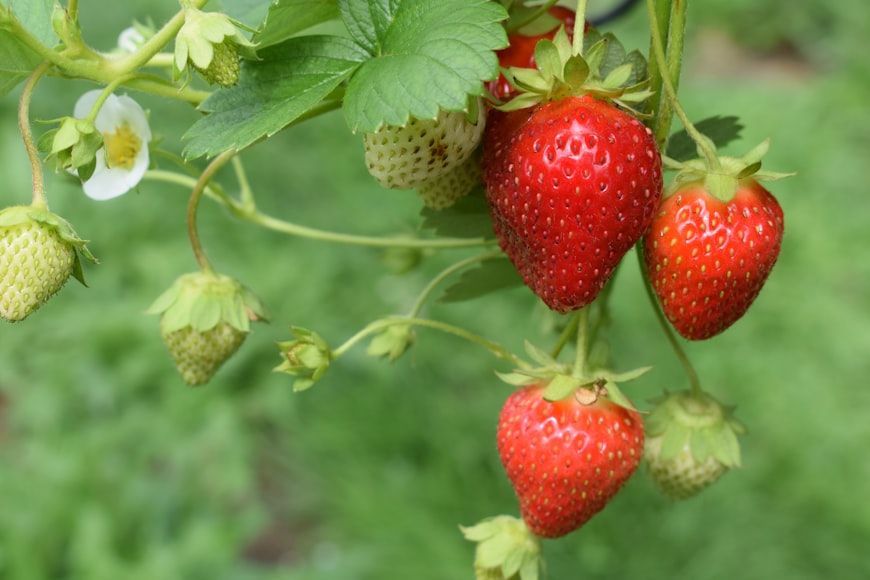 Credit: Oliver Hale
Despite their name, strawberries are not berries in the botanical sense of the word, because they develop multiple fruits from each flower, and they don’t have seeds (even if they look like they do). Historically, the English language has used the word ‘berry’ for any small, brightly colored, and juicy edible fruit.
So, where do strawberries come from? They are a hybrid, and they belong to the Rosaceae family, which makes them a relative of apples, cherries, peaches, almonds, and roses.
Cashew
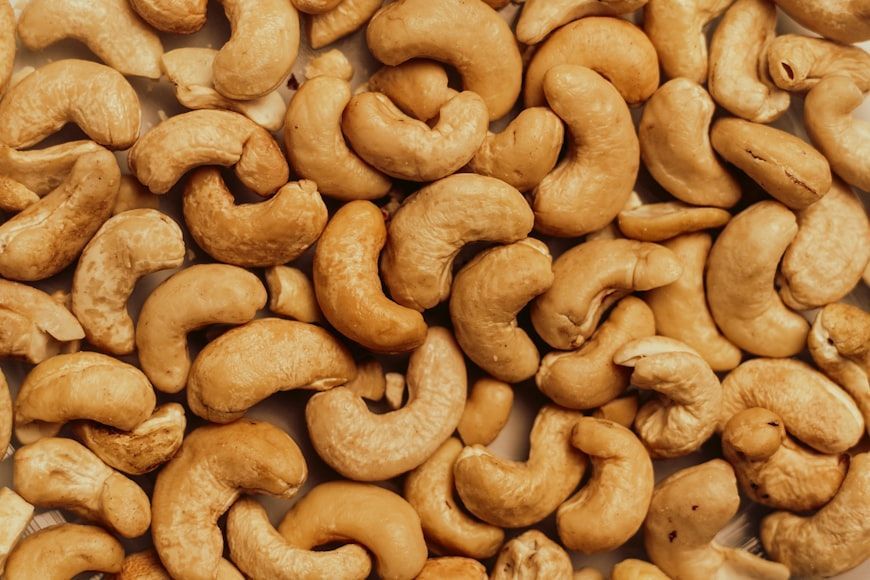 Credit: Kischmisch
From a culinary point of view, cashews are classified as nuts. But nuts, in their botanical sense, are fruits protected by a hard shell that doesn’t open on their own. Cashews are actually drupes, or stone fruits.
In this case, what we eat is the seed of the cashew fruit. As a member of the Anacardiaceae family, cashews are related to mangoes, sumac, and (by a more recent classification) to pistachios.