Wild idioms
Mustard after lunch? 10 foreign sayings that make zero sense
Published on March 23, 2026
Idioms make any language way more colorful, but when you translate them literally, things can get quite goofy. You can’t translate a whole culture, so we’ve gathered some foreign idioms and their literal translation into English. Have some fun reading about it and trying to guess what they actually mean. Are you up for the challenge?
Tie a bear to someone (German)

In Germany, if you’ve "tied a bear to someone," you’ve pulled a fast one, like fooled them good. No bears, ropes, or zoos involved. It’s their way of saying you tricked somebody, kind of like slipping a whoopee cushion under their chair, but in a more metaphorical way. It’s unclear how the bear got involved, but you’ve got to admire the imagery.
Swallow some camels (Norwegian)

This one paints quite the picture, right? No way you’ll guess what it means, so here it is: In Norway, if you "swallow some camels," it means you’ve had to compromise on something you’d rather not. We might say "grin and bear it" or "bite the bullet"—they say gulp down a few large desert animals. Frankly, the mental image is enough to make anyone appreciate our American metaphors. Talk about a tough pill to swallow.
When chickens have teeth (French)
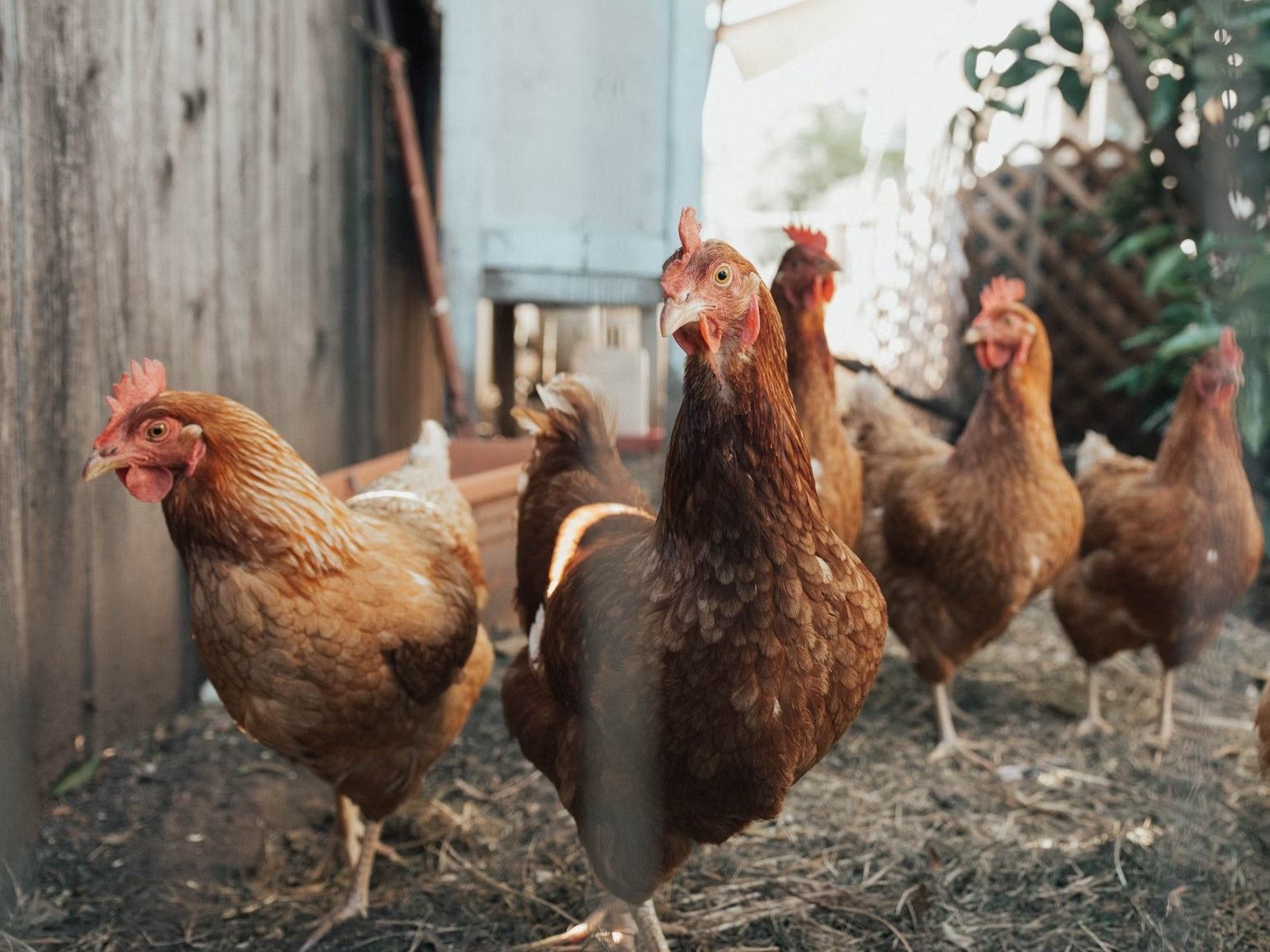
The French equivalent of "when pigs fly" is "when chickens have teeth." It’s a way of saying something will never happen. Can’t you just imagine a chicken grinning with a mouthful of molars? Terrifying. But effective anyway!
My cheeks are falling off (Japanese)

When a Japanese person says their cheeks are falling off, don’t call the doctor, they’re just loving their meal. Connection not found, but who are we to judge? It’s their way of saying something is so delicious, your face can’t even handle it.
The raisin at the end of the hot dog (Icelandic)
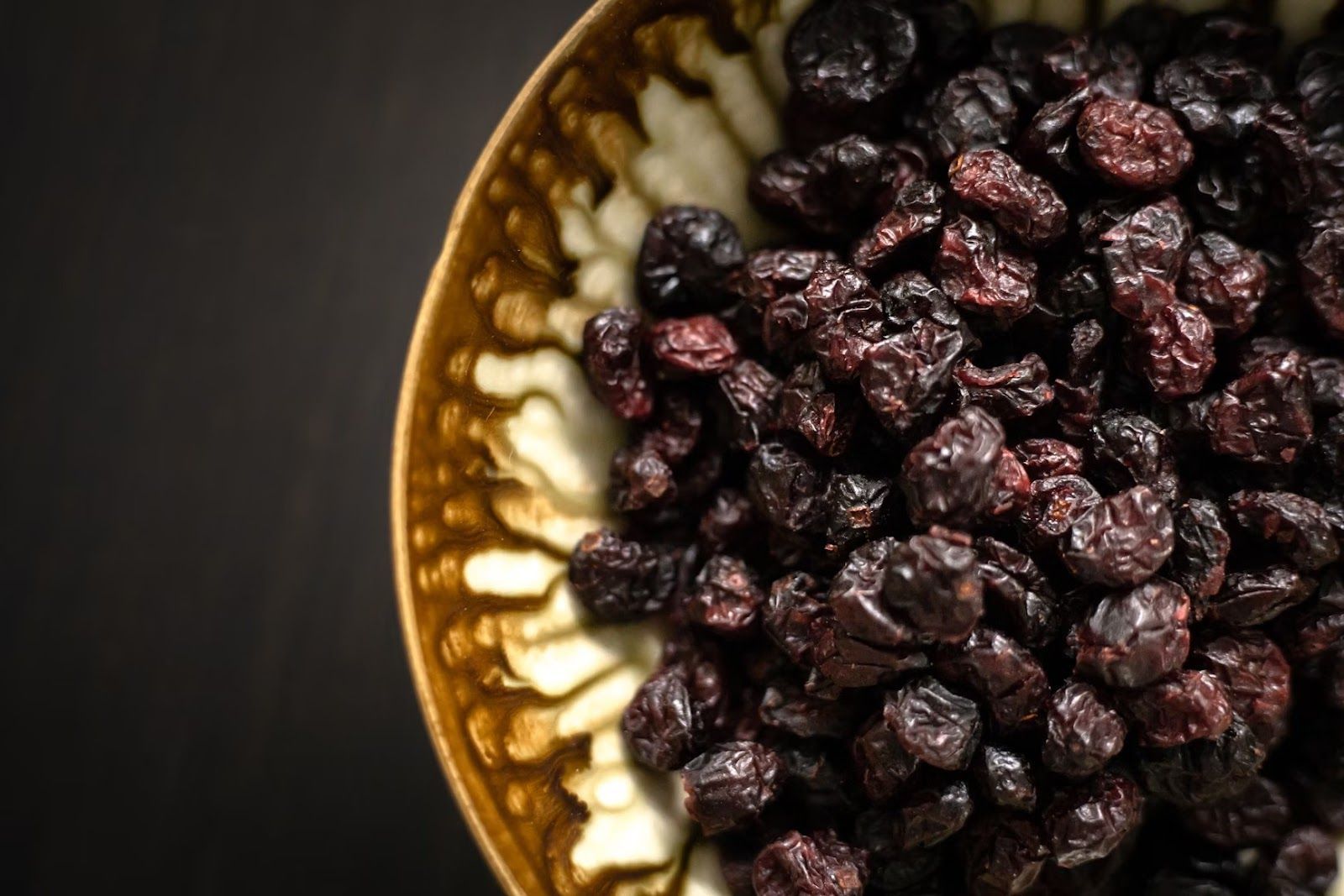
This Icelandic gem describes an unexpected surprise, like a little bonus at the end of something. A pot of gold at the end of the rainbow? Nope. They’ve got raisins. In a hot dog. It may sound more like a cooking disaster than a feel-good moment, but hey, they mean well.
Slide in on a prawn sandwich (Swedish)
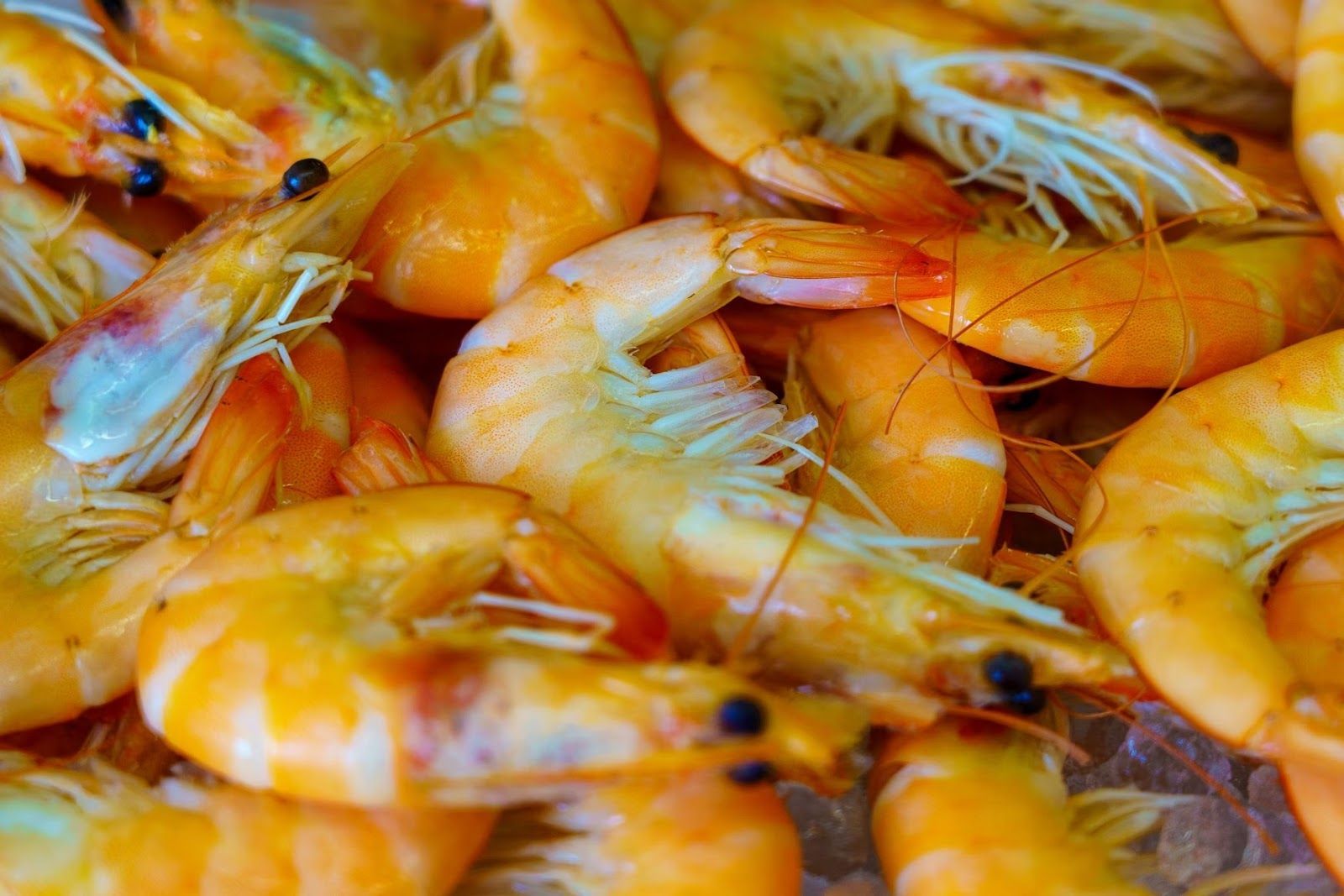
In Sweden, if someone "slides in on a prawn sandwich," it means they’ve had it easy—no struggle, no stress, just cruising through life on shrimp and bread. It’s a cousin to being "born with a silver spoon." Either way, the person didn’t have to hustle too hard.
Not all doughnuts come with a hole (Italian)
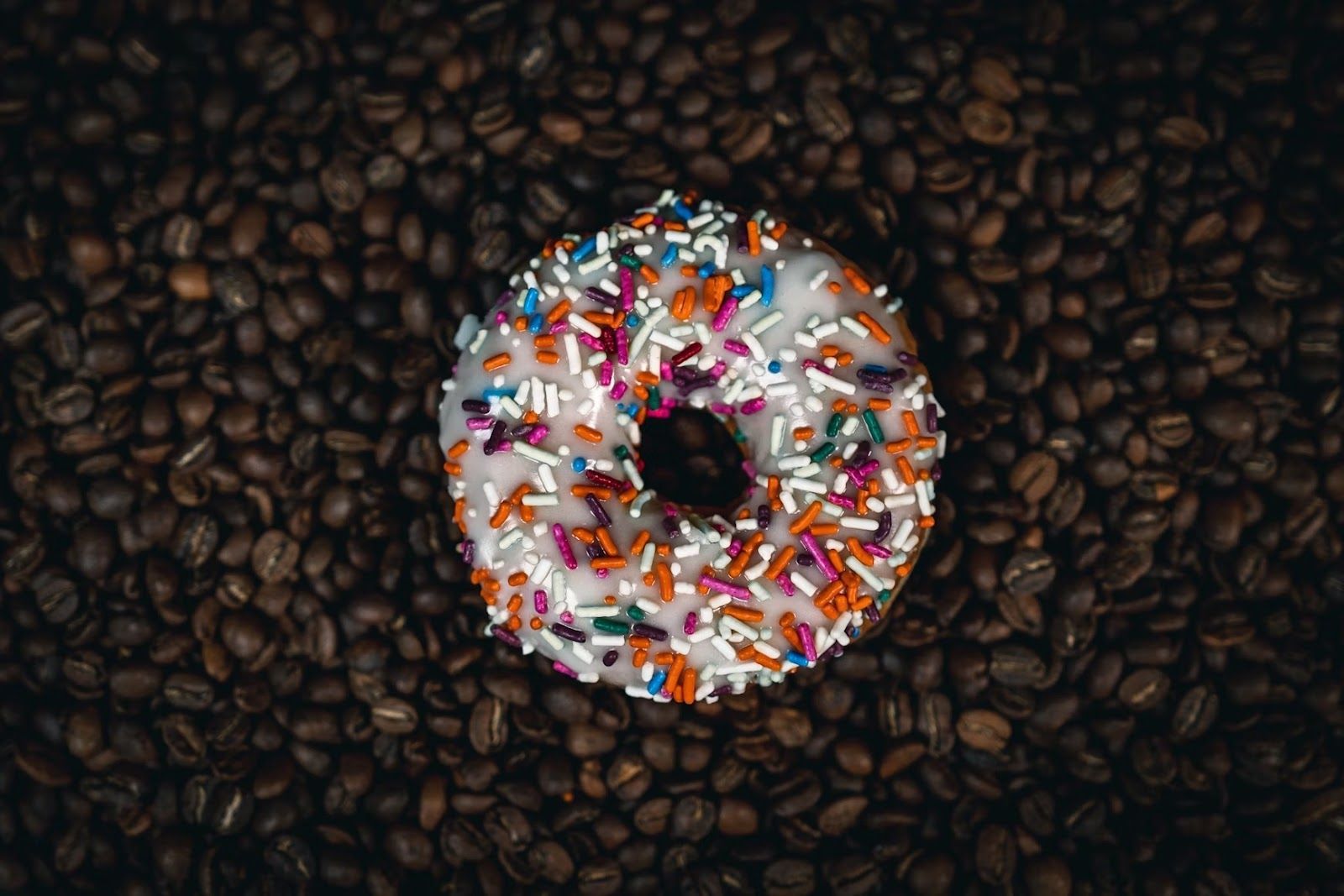
In Italy, they say "not all doughnuts come with a hole," when life throws a curveball. It’s a gentle reminder that not everything turns out the way you expect. And hey, a doughnut without a hole is technically more donut. Maybe things aren’t so bad after all!
Mustard after lunch (Polish)
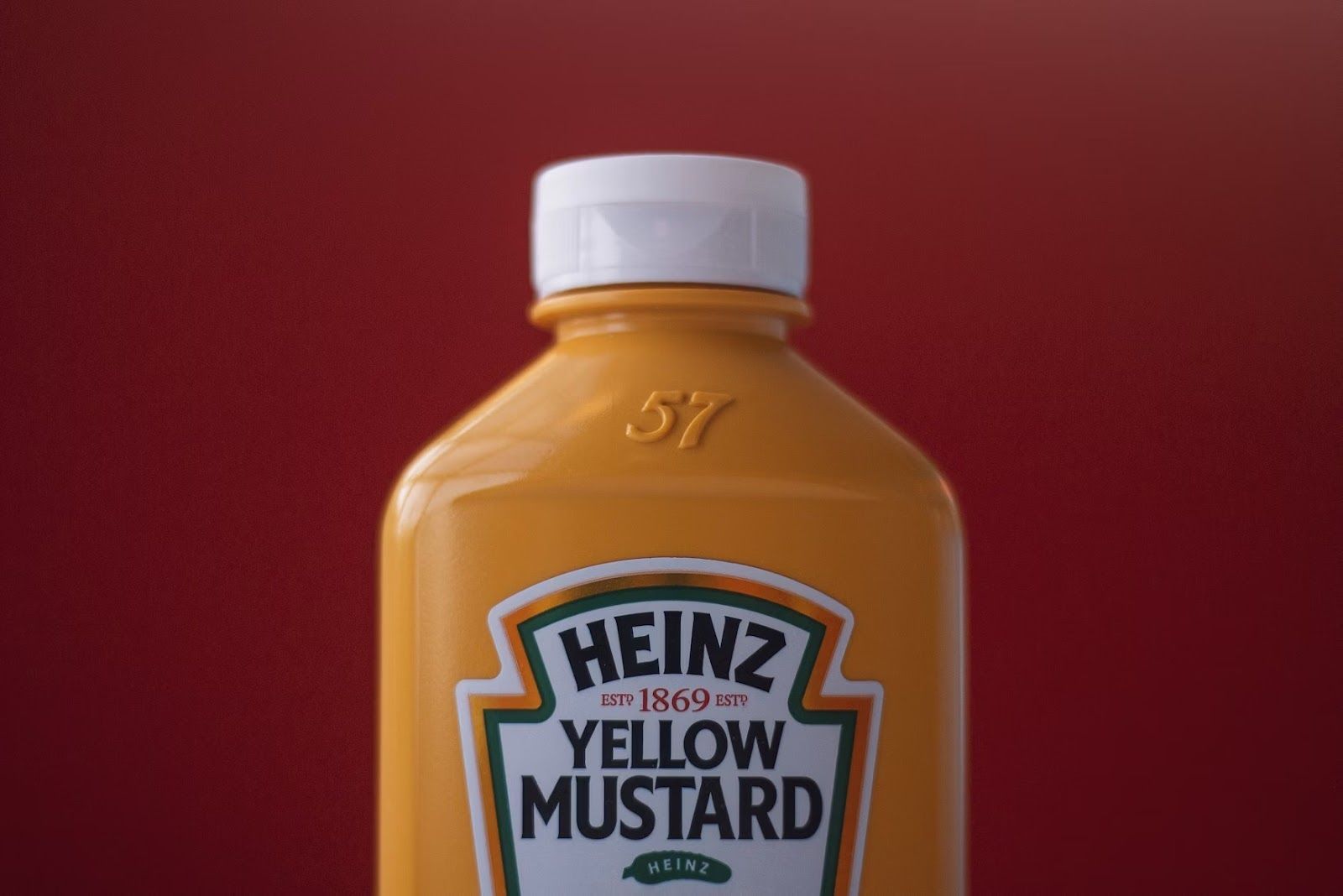
Poles say "mustard after lunch" when it’s too late to do something, like when the moment has passed. You can think of it like "closing the barn door after the horse is gone." Except in this case, you’re stuck with a hot dog… and no mustard. Tragic, don’t you think?
Break a fast with an onion (Arabic)
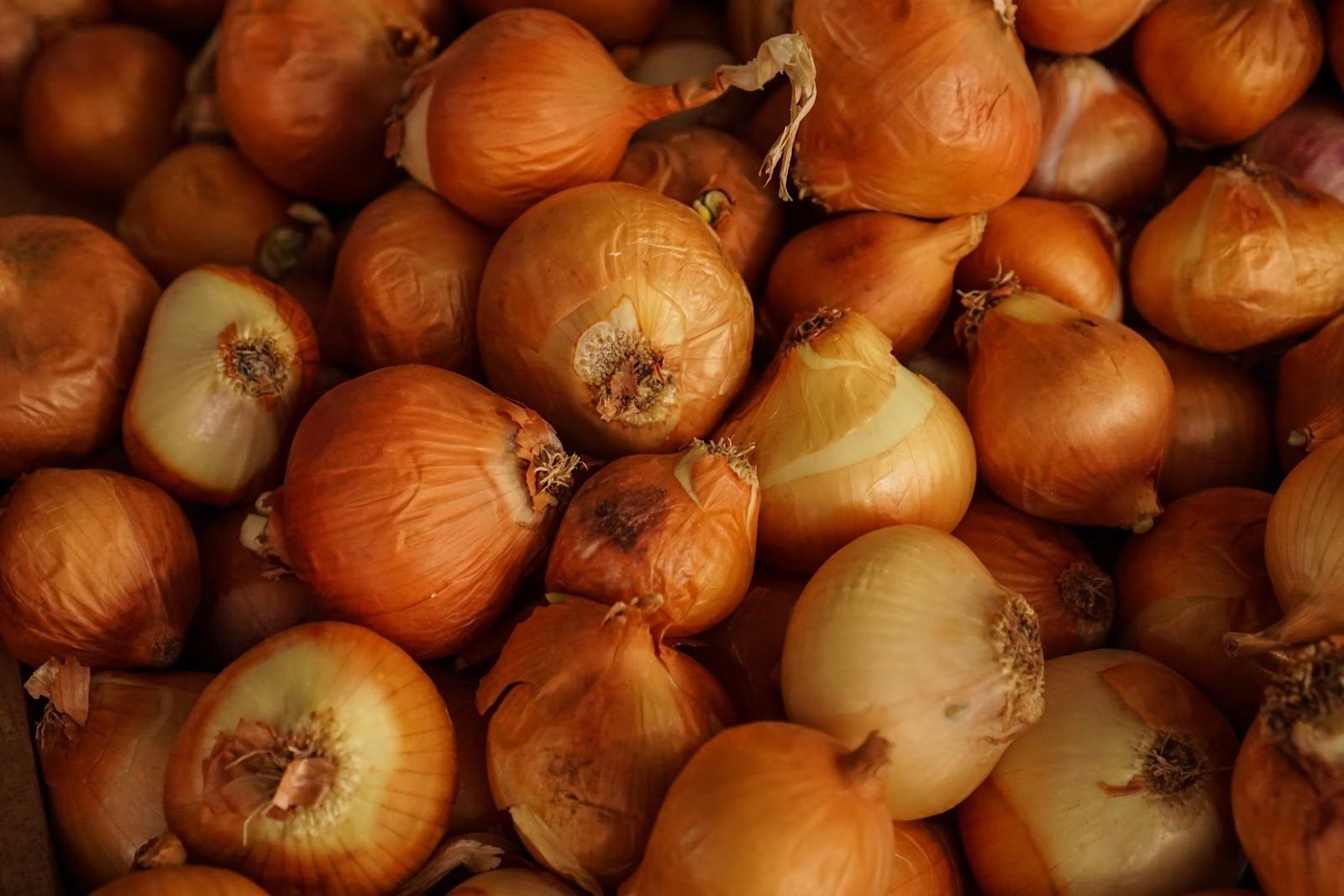
This Arabic idiom describes a letdown. You’ve waited all day to eat, only to be handed… an onion. A raw deal, literally. It’s like expecting prime rib and getting a saltine. The literal translation is hilarious, but you can’t deny it’s effective, pointed, and a little stinky.
Have hair on your teeth (Dutch)
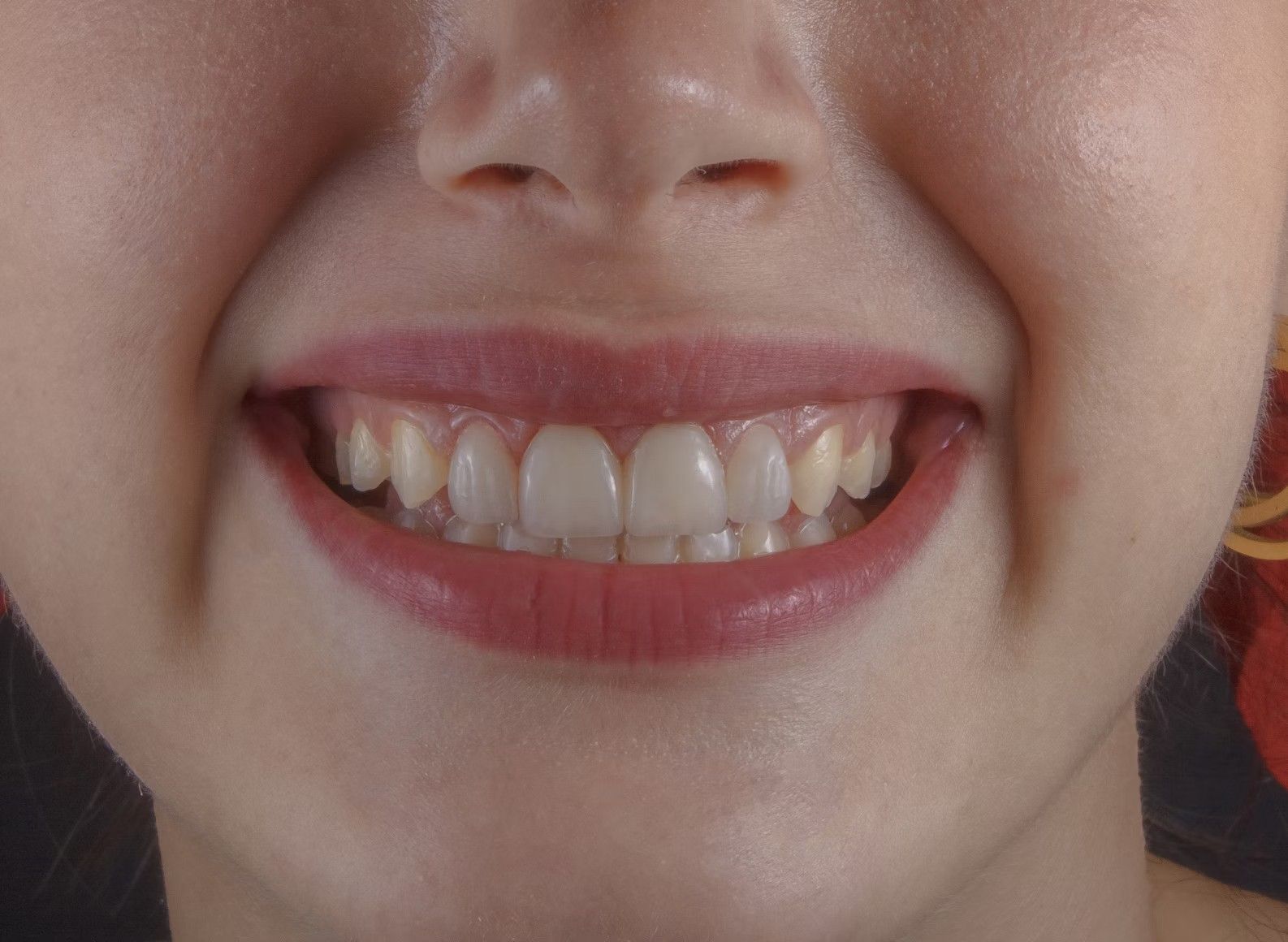
This Dutch idiom doesn’t sound pleasant, but it’s actually a compliment. To "have hair on your teeth" means you’re assertive, bold, and maybe even a little fierce. In other words, not someone to mess with. Dental floss is not included, though.