The universe revealed

Mind-blowing truths: 10 space facts you won’t believe are real


Published on April 5, 2026

Image: Greg Rakozy

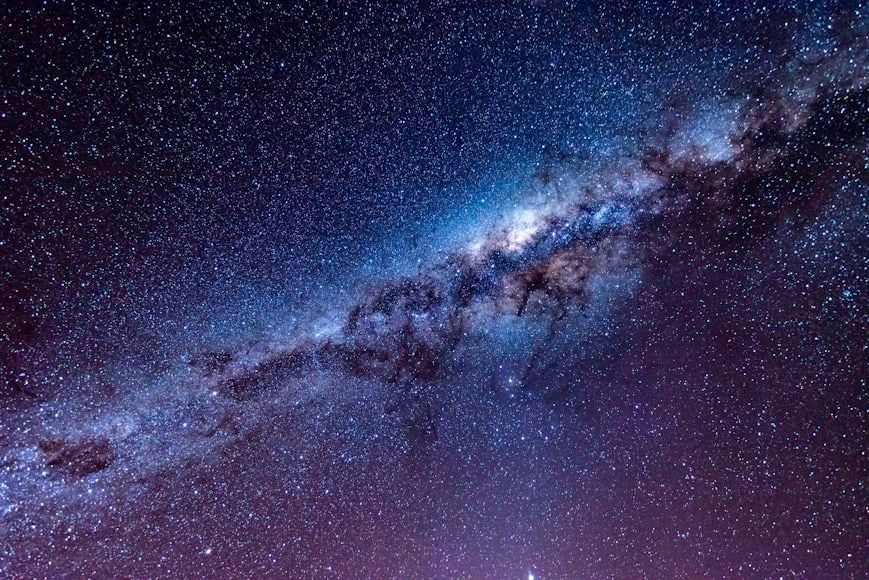
Did you know that everything we know about the universe makes up only about 5% of it? Even so, there’s still much that might surprise you. On some planets, a year is shorter than a day, while on others it can literally rain diamonds. From the smell of comets to the color of Mars’ sunsets, here are 10 incredible facts about the universe you probably didn’t know.

1

It's raining diamonds

Image: Bas van den Eijkhof

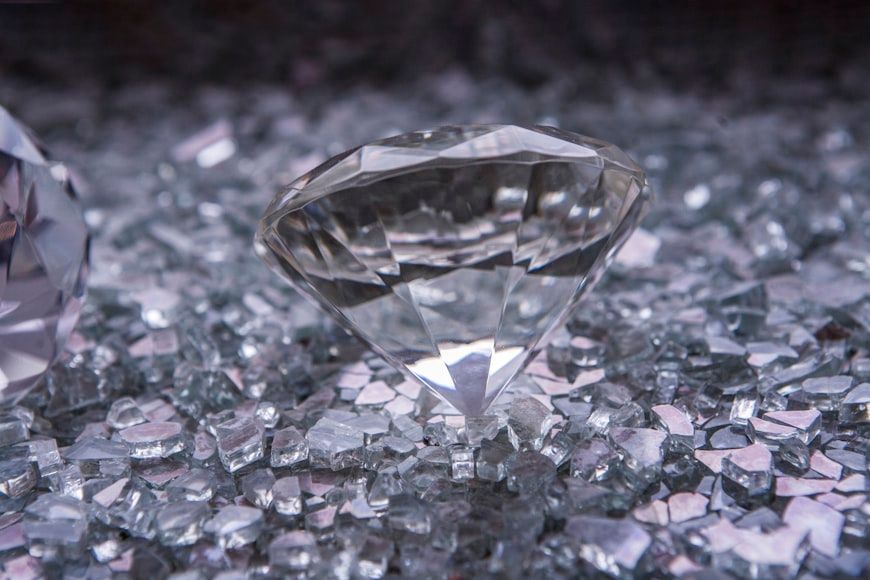
Perhaps if the Weather Girls had been born on Neptune or Uranus, their famous hit might have had a very different title, because something extraordinary may happen on these planets: it can rain diamonds! The immense pressures in their atmospheres can compress carbon into diamond crystals, which then sink deeper into the planets’ interiors.

2

The Moon upside down

Image: Ganapathy Kumar

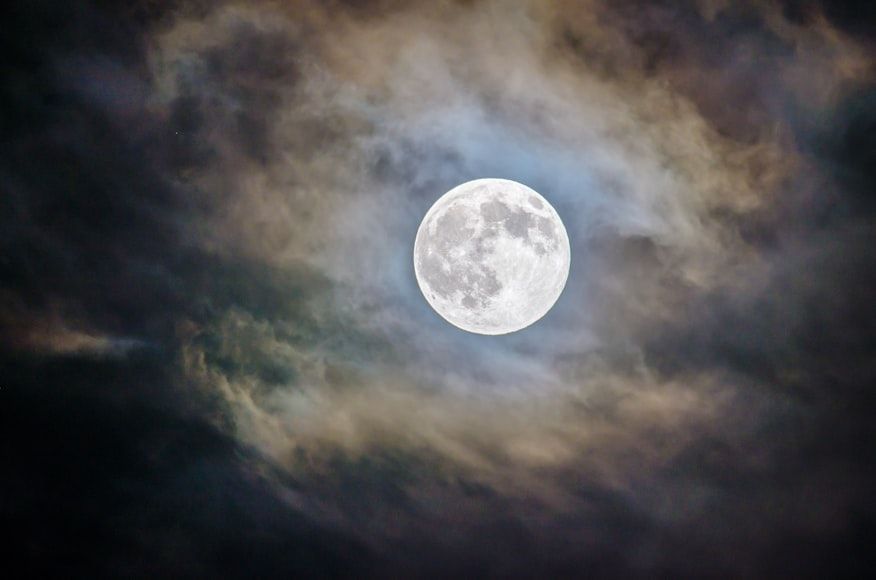
If you are reading this at night, step out into your backyard and take a look at the Moon. While we often assume everyone sees the Moon the same way, that’s not true. In fact, the Moon appears "upside down" in the Southern Hemisphere. This happens because your perspective changes relative to the Moon: in the Northern Hemisphere, you’re viewing it from "above" the equator, while in the Southern Hemisphere, observers see it from "below."

3

Saturn could float in water

Image: Planet Volumes

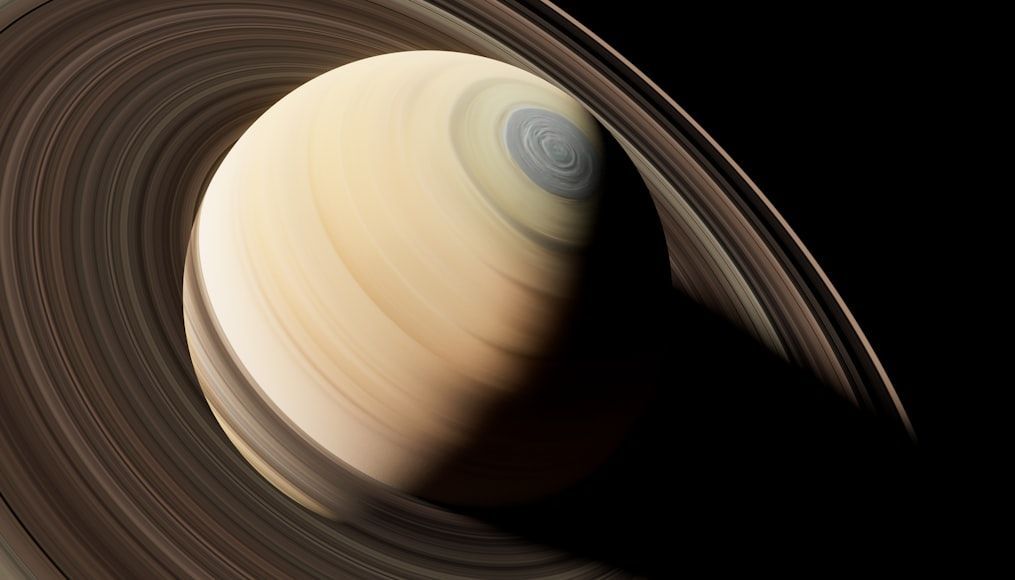
Saturn, the second-largest planet in our solar system, has a diameter of about 74,897 miles, making it roughly nine times wider than Earth. Surprisingly, it’s theoretically possible for Saturn to float on water... if only you could find an ocean big enough! This isn’t because of its size, but because of its composition: the planet is mostly made of hydrogen and helium, extremely light gases that make Saturn less dense than water.

4

Things from space smell

Image: NASA

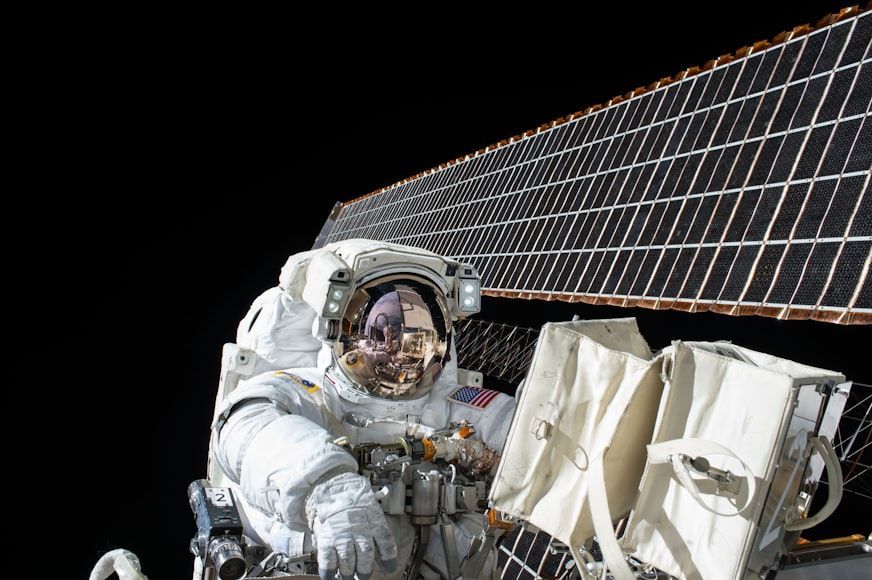
Remember that time you got distracted and the steak on the stove got a little burnt? Surprisingly, the smell in your kitchen isn’t too different from what astronauts report after spacewalks. Scientists have noticed that objects returning from space, especially those exposed to the vacuum outside the spacecraft, carry a distinctive odor often described as burnt steak or welding fumes.

5

A very long day

Image: NASA

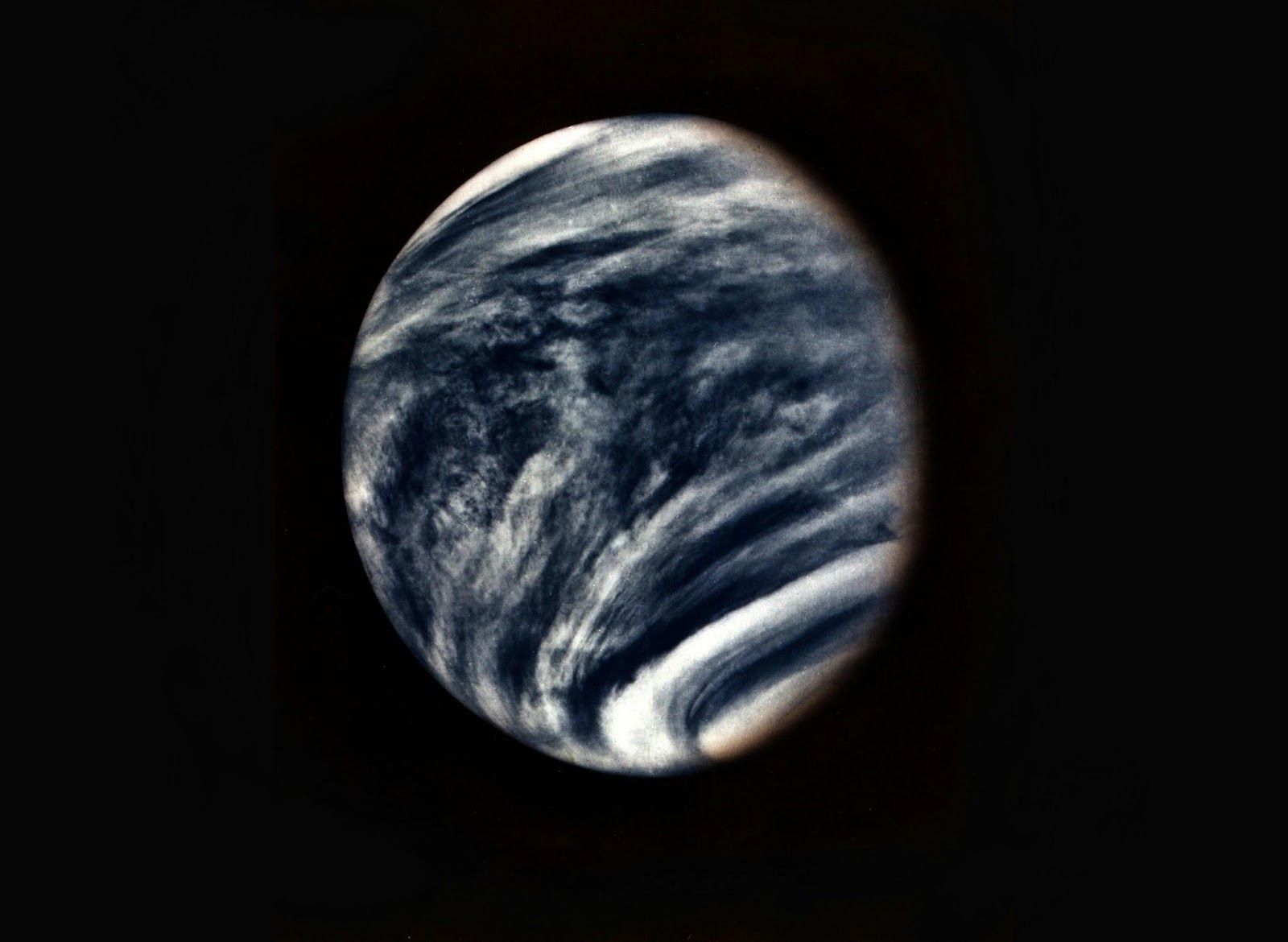
It takes Earth about 365 days to orbit the Sun, which is why our year is that long. A day, on the other hand, lasts just 24 hours because that’s how long it takes Earth to complete one full rotation on its axis. But on Venus, things work very differently. A single day on Venus (the time it takes to rotate once on its axis) is about 243 Earth days, making its rotation extremely slow. Surprisingly, a year on Venus is shorter than its day, because it only takes about 225 Earth days for Venus to orbit the Sun. Incredible, isn’t it?

6

All of them

Image: NASA

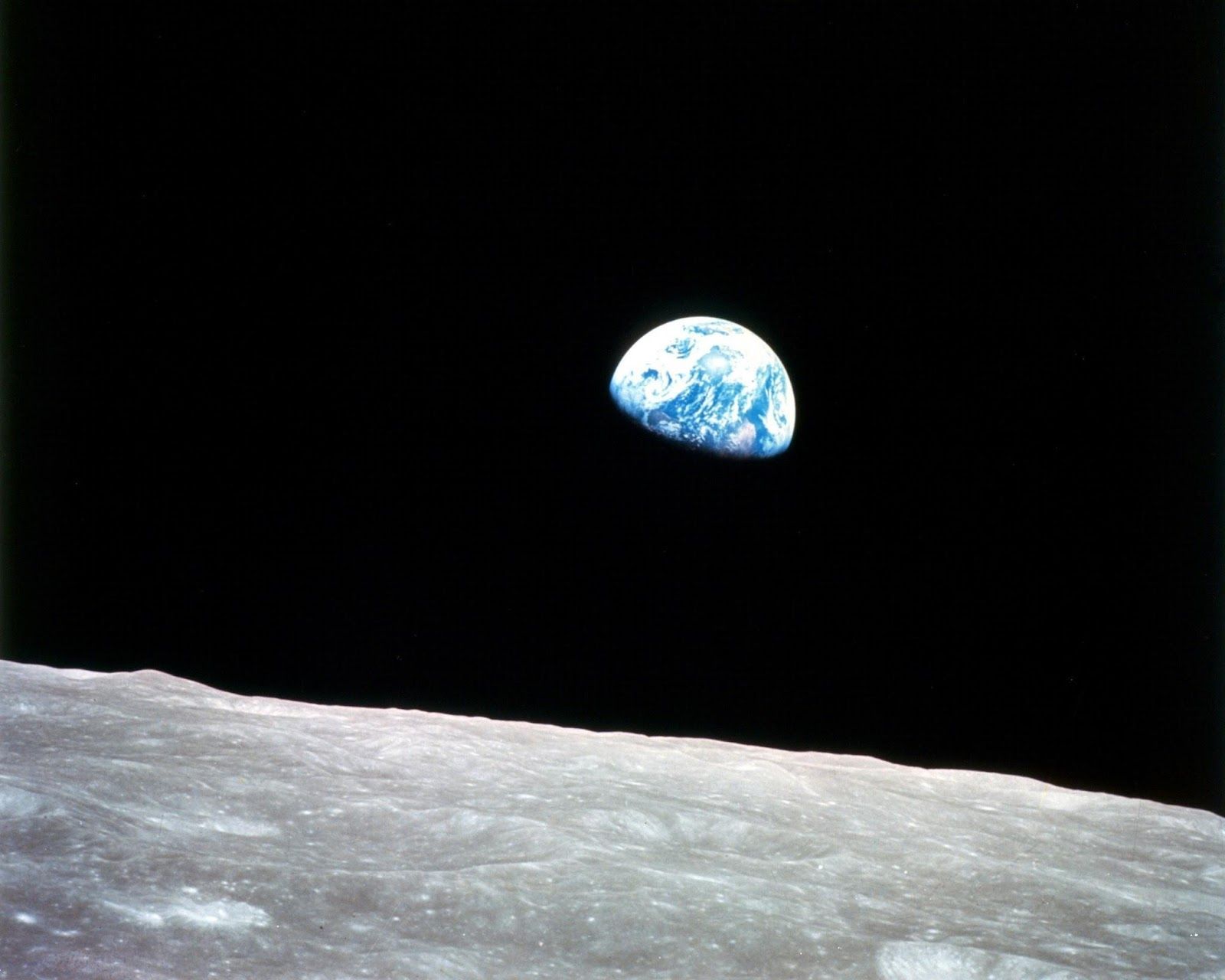
Since we see the Moon in the sky nearly every night, it’s easy to forget that it’s a giant rock floating far away in space. In fact, the distance between Earth and the Moon is about 238,900 miles, so vast that, in theory, you could line up all the other planets in our solar system across that gap!

7

Sunset on Mars is blue

Image: Planet Volumes

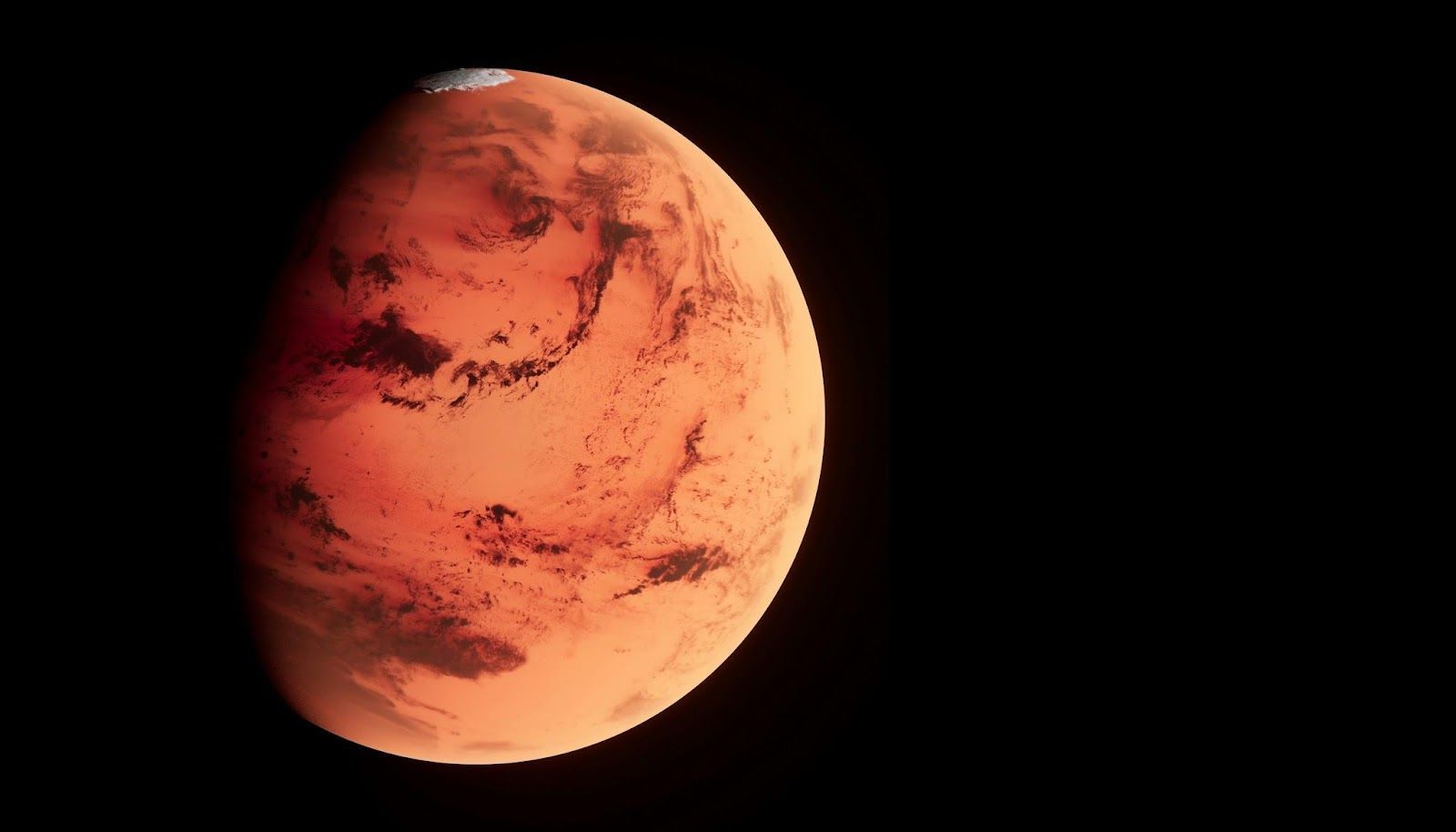
Mars is famously called the "Red Planet" because its surface is covered in iron oxide (rust), giving it a reddish appearance from afar. But if you were standing on Mars at sunset, you’d get a surprise: unlike Earth’s warm orange, gold, and pink hues, Martian sunsets appear blue. This happens because the planet’s thin, dusty atmosphere scatters sunlight differently, allowing blue light to dominate near the Sun at sunset.

8

Rotten eggs in the sky

Image: Justin Wolff

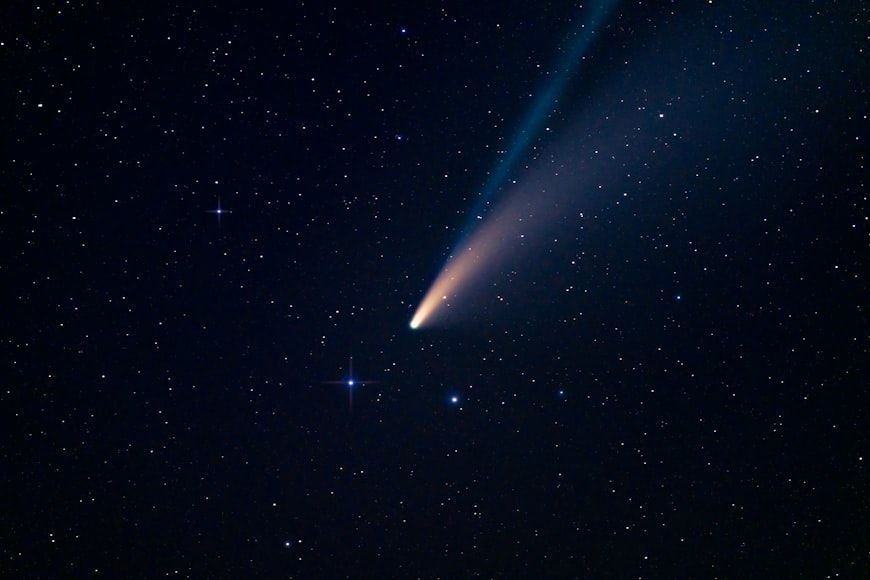
Comets, made of ice, dust, and frozen gases, are truly spectacular to see. But if you could smell them, they might not be so pleasant. As a comet nears the Sun, its ices sublimate, turning directly from solid to gas and releasing various compounds. Among these are sulfur-containing gases, which give off a strong rotten-egg smell.

9

More stars than grains of sand

Image: Graham Holtshausen

Scientists can estimate the number of stars in the universe using observations and projections. Astronomers observe a small patch of the sky, count the galaxies and stars there, and then extrapolate those numbers to the entire observable universe. While Earth has an incredible number of sand grains, these calculations suggest that there are far more stars than grains of sand. If you're not impressed yet, remember that many of those stars are much larger than any planet!

10

There are more trees than stars!

Image: Geranimo

If the last fact shocked you, this one will totally blow your mind. While our galaxy has far fewer stars than the entire observable universe, you might be surprised to learn that trees on Earth actually outnumber the stars in the Milky Way. That’s right! Scientists estimate there are roughly 3 trillion trees on our planet, while the Milky Way contains only about 100 to 400 billion stars.
They speak what? Where?

Migrant tongues: places with an unusual second language


Published on April 5, 2026


Image: Towfiqu barbhuiya

Migrations, trade, and other historical events have contributed to the spread of languages to regions far from their origins. But sometimes, we arrive at a new location expecting to hear a particular language, only to be surprised by the use of a language we wouldn’t expect. Here are 10 places in the world where an unsuspected language is spoken daily.

1

Argentinian Patagonia: Welsh

Image: Catrin Ellis

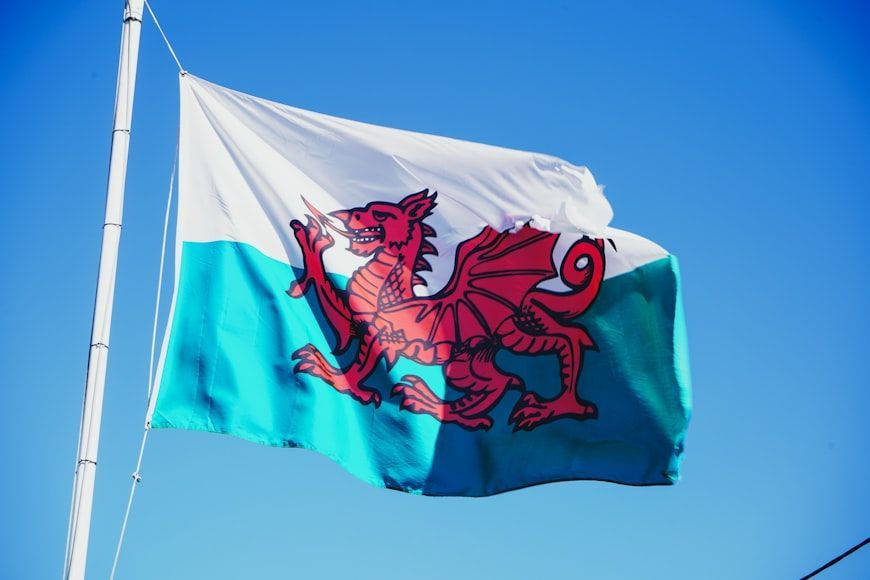
Welsh is the sort of language one wouldn’t expect to hear outside Wales, so its presence in southern Argentina often comes as a shock. During the 19th century, a group of Welsh people sailed across the Atlantic looking for a place where they could preserve their culture, which was threatened by English colonial rule. They arrived in Patagonia and founded Y Wladfa, or ‘the colony.’ Despite the harsh weather conditions, the colony subsisted and expanded, maintaining the Welsh language and traditions. Today, Argentina has the highest number of Welsh speakers outside Wales.

2

Chipilo, Mexico: Venetian

Image: Miikka Luotio

Italian is the official language of Italy, but most regions have their own distinct languages. Venetian is spoken in the north-east region of Veneto, but also in the Mexican town of Chipilo, a place that received an influx of migrants from a Venetian town called Segusino. These people spoke Venetian rather than Italian, a language that they were able to maintain thanks to Chipilo being somewhat isolated from other towns. Nowadays, Chipileño is a distinct dialect within the Venetian language.

3

Gimli, Canada: Icelandic

Image: Josh Reid

Gimli, located north of Winnipeg, the capital of the Canadian province of Manitoba, was established by Icelandic settlers. It is the largest Icelandic community outside Iceland, and it has preserved many Icelandic customs and traditions. While the Icelandic language is still used and taught in Gimli, its fluency is sadly declining.

4

Sakhalin, Russia: Korean

Image: ibmoon Kim

The island of Sakhalin is part of the Russian Federation, but its control has changed hands multiple times in history, having been disputed by Russia, China, and Japan. After the Russo-Japanese War, Russia ceded the southern part of the island to Japan, which brought workers from one of its colonies, Korea, to work in the coal mines. When the Soviet Union recovered Sakhalin after WWII, the Korean population was around 50,000 people. Nowadays, only a fraction of their descendants are fluent in Sakhalin Korean, which follows the North Korean standard in writing, but the Seoul dialect in speech.

5

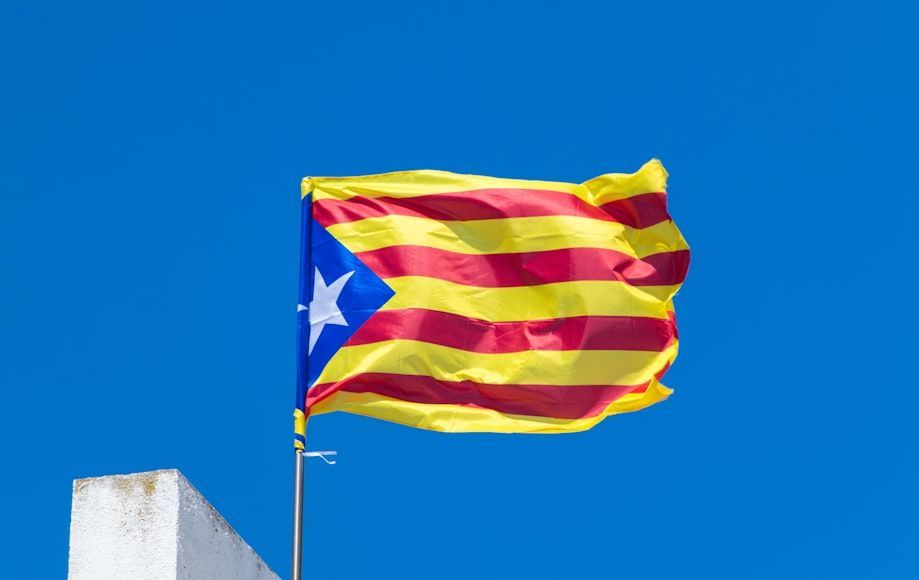
Alghero, Italy: Catalan

Image: Lucas Gallone

Before Italy became a unified country in the 19th century, many of its regions were part of different empires or kingdoms. During the Middle Ages, the island of Sardinia was part of the Kingdom of Aragon, which later became part of the Spanish Empire. Revolts during Aragonese rule led to the arrival of Catalan settlers, and the Catalan language became widespread. Although it was later replaced by other languages in much of Sardinia, it was preserved in the city of Alghero, where it is still spoken today.

6

Boqueron, Paraguay: German

Image: Marie Martin

At the start of the 20th century, Mennonite groups looking for a place where they wouldn’t be forced to abandon their way of life relocated to the Boquerón department in Paraguay. They established several communities and transformed the arid territory into farmland. Though these groups came from different places, most of them spoke Plautdietsch, or Low German, a language that they still use in daily life. The Mennonite population in Paraguay is estimated at around 40,000.

7

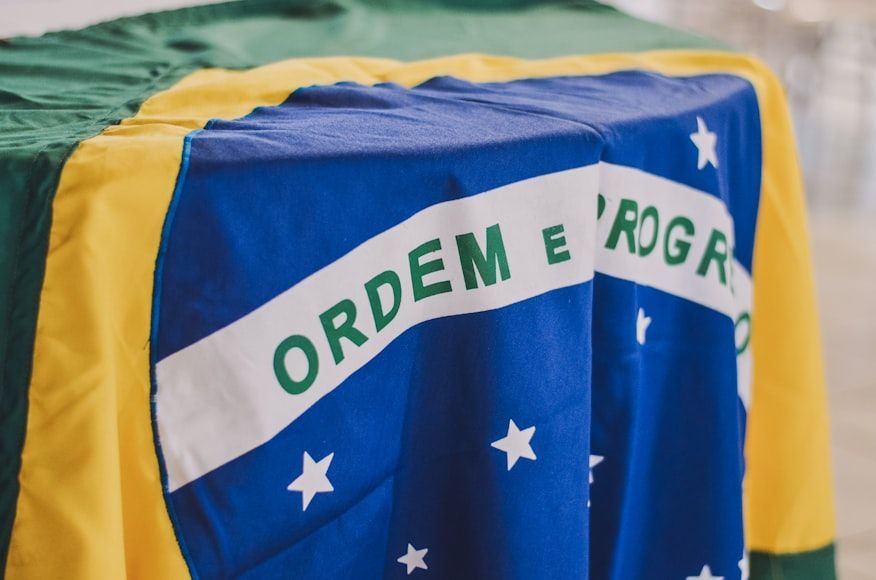
Beqaa Valley, Lebanon: Portuguese

Image: Rafaela Biazi

Portuguese is widely spoken in many Asian countries due to colonization, but this is not the case. More than 100,000 Lebanese emigrated to Brazil in the 19th and 20th centuries, where there are now more than 7 million people of Lebanese descent. While many immigrants decided to permanently stay in South America, others returned home, carrying Portuguese with them. Today, around 10,000 people in the Beqaa Valley speak Portuguese daily.

8

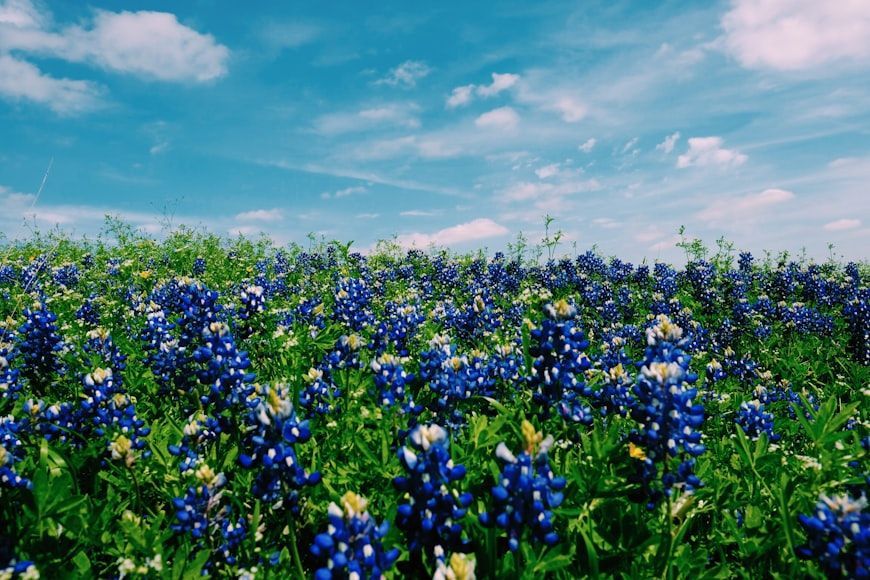
Texas, U.S.A: German

Image: Roberta Guillen

Heritage languages in the U.S. tend to disappear after a few generations, but Texas German was once the exception. Spoken by thousands of descendants of German immigrants across Texas, and markedly distinct from Standard German, Texas German was at one point granted official recognition comparable to Spanish. Sadly, as a consequence of the First and Second World Wars, the language was suppressed, and its number of speakers has since declined.

9

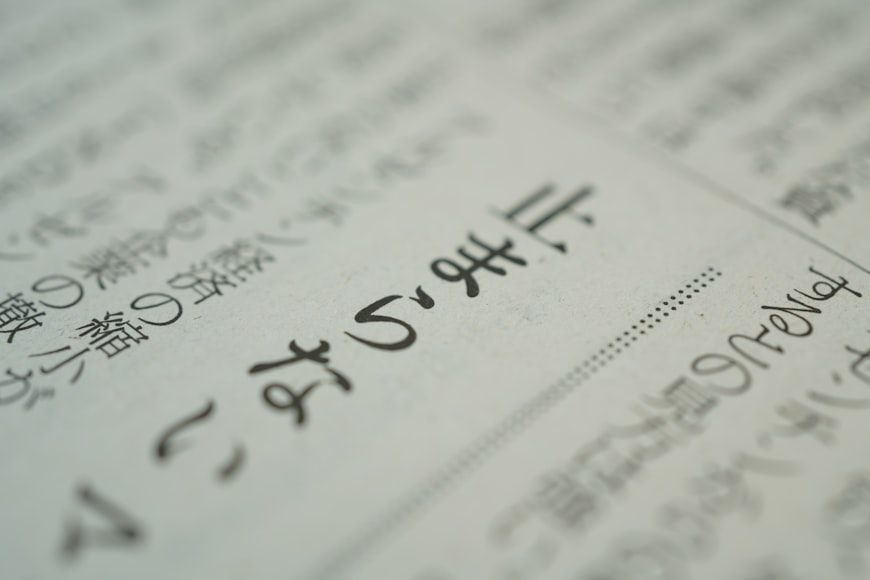
São Paulo, Brazil: Japanese

Image: FlyD

The fact that the largest Japanese community outside Japan is in South America may come as a surprise, but it is true. Japanese immigrants settled in several South American countries, but especially in Brazil, where nearly two million people are of Japanese descent. Most of them reside in the state of São Paulo. While not all Brazilian Nikkei are fluent in Japanese, it is estimated that there are between 400,000 to 450,000 speakers.

10

Svalbard, Norway: Thai

Image: Mathieu Ramus

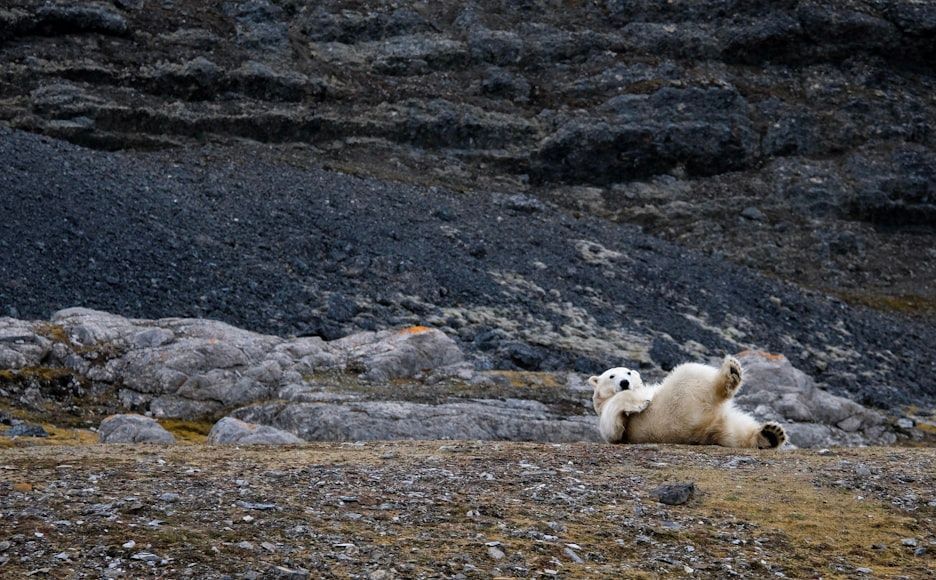
What are the odds of Thai being spoken by 10% of the population of an archipelago in the Arctic? Quite high, if we consider that those kinds of regions are not densely populated. But how did a Southeast Asian language manage to get there? In the 1970s, many Norwegian miners from Svalbard married Thai women, who in turn became the link for other Thais who migrated looking for work. While there are only about 200 Thai speakers, this represents a sizable portion of Svalbard’s population of roughly 2,500.

Looking for an extra scoop of literary fun?

Learn more with our Word of the day

nascent

/ˈneɪs(ə)nt/