Become a hardware store savant

How old were you when you learned these hardware staples' names'?


Published on July 6, 2026


Image: Tyler Olson

It happens to the best of us: you embark on a mundane home repair, only to realize that there is a broken thing in need of replacement. But, alas, you don’t know the name of said item. Spare yourself the embarrassment of having to show the hardware store clerk a clumsy smartphone picture of the wretched piece itself. After reading this article, you will be able to walk into the store and order a wing nut or an escutcheon with the confidence of a seasoned contractor.

1

Toggle Bolt

Image: sockagphoto

A toggle bolt is a fastener designed for hollow walls such as drywall. Its secret weapon is a pair of spring-loaded wings that fold to fit through a hole and then expand behind the wall, spreading the load over a larger area.

The word toggle comes from an older mechanical term for a pivoting or folding device. The name describes exactly what the wings do: they change position after passing through the wall. As drywall construction became widespread during the twentieth century, toggle bolts became a common household fastener.

2

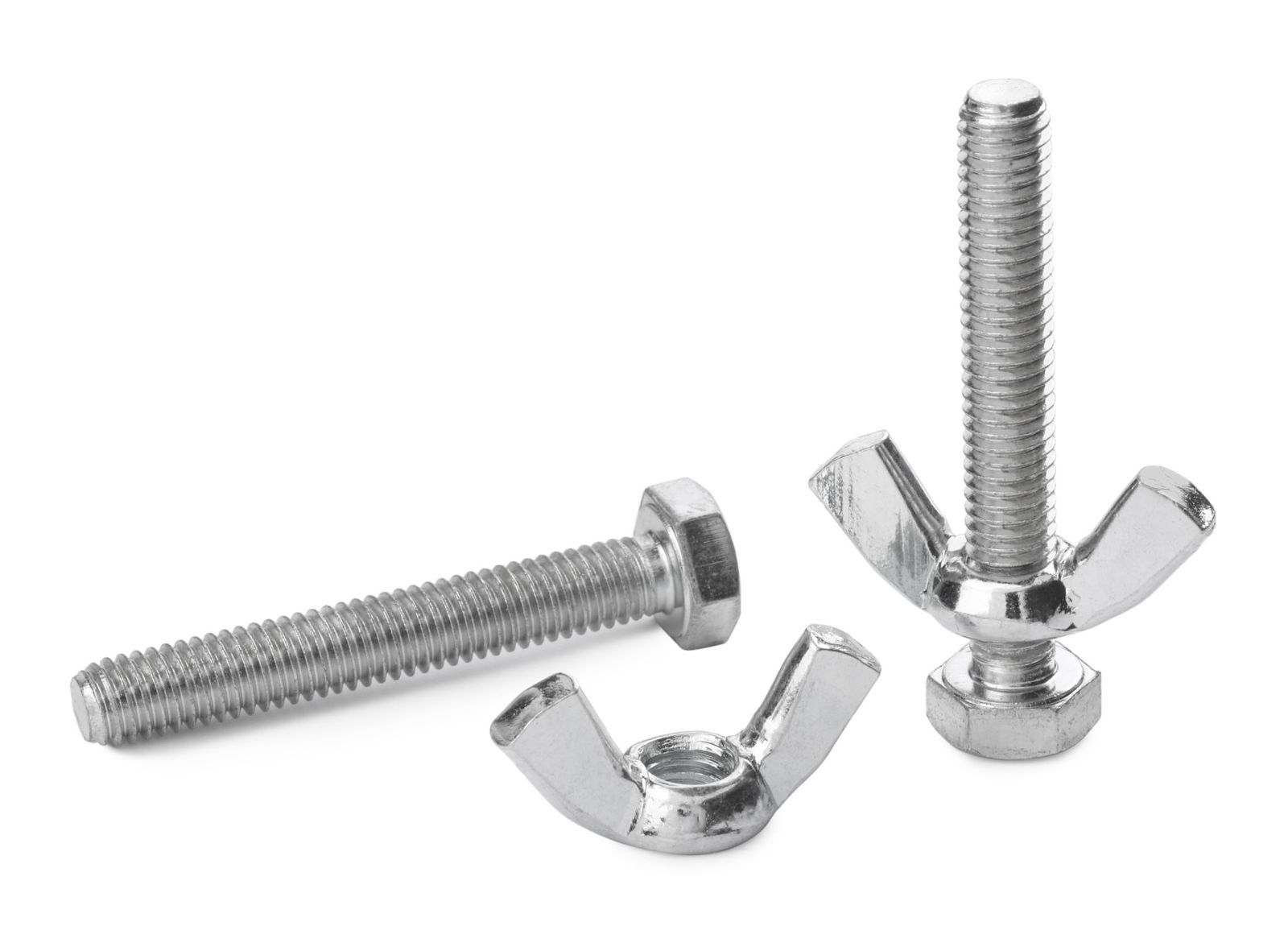
Wing Nut

Image: New Africa

A wing nut is probably one of the easiest hardware names to understand. Instead of a standard hexagonal shape, it has two projections that resemble wings, allowing it to be tightened or loosened by hand. You might find it located under the toilet tank.

The design became popular wherever quick adjustments were needed without tools. You’ll find wing nuts on equipment, musical stands, machinery, and countless household items. Their name is purely visual, based on the shape that makes them so convenient.

3

Escutcheon

Image: Mathilda Photography

Among hardware terms, escutcheon sounds especially mysterious, right? It refers to the decorative or protective plate surrounding a keyhole, pipe opening, or door fixture.

The word originally referred to a shield used in heraldry. Over time, the term was applied to hardware because the plate "shielded" or covered an opening. Although most people encounter escutcheons regularly, almost nobody realizes that they are using a word with medieval roots.

4

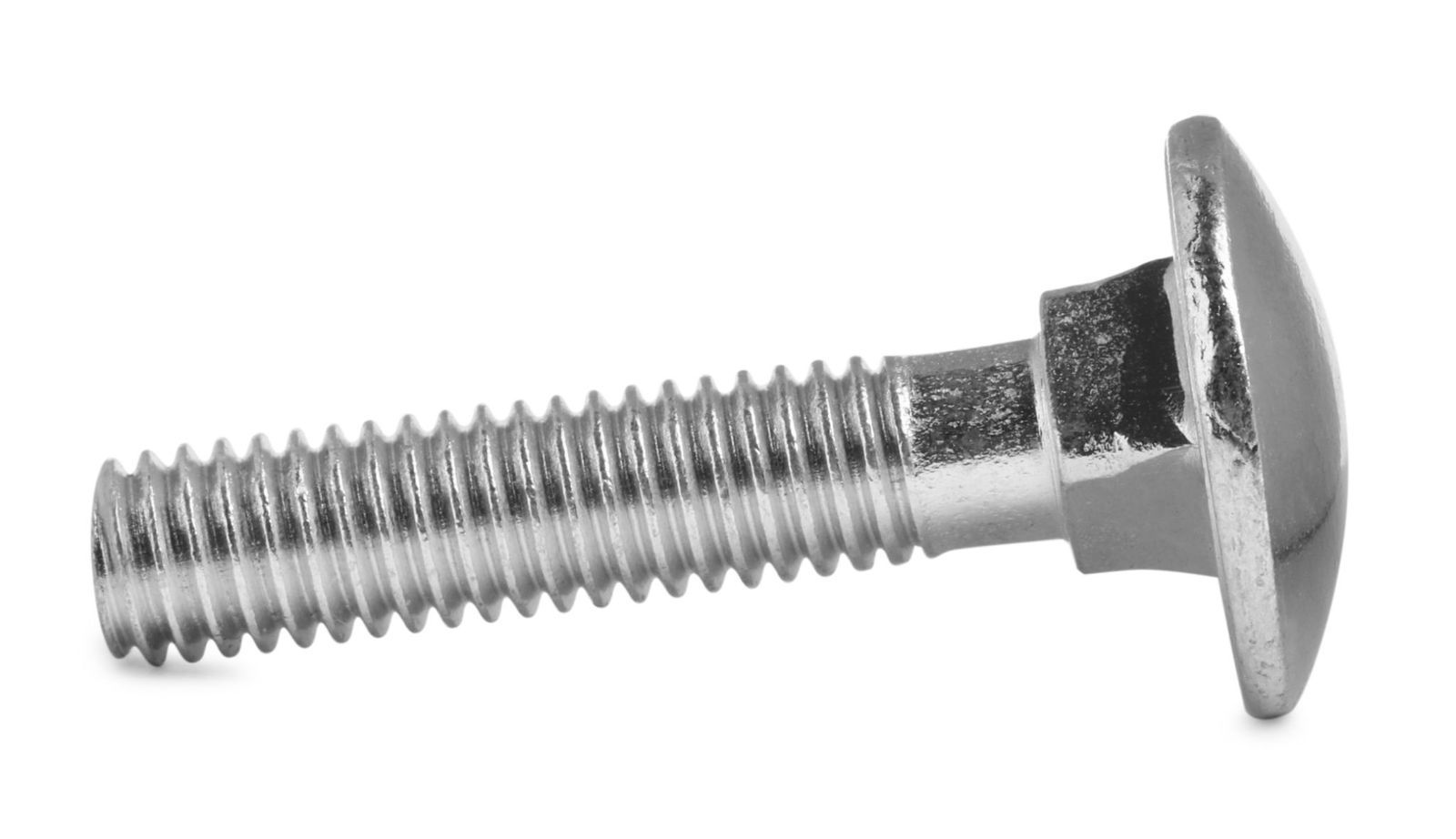
Carriage Bolt

Image: New Africa

The carriage bolt earned its name from the horse-drawn carriage era. Builders needed a fastener that could secure wooden components without leaving a protruding head that might snag clothing, cargo, or harnesses. You might find one on an outdoor deck.

Its smooth, rounded head and square neck solved the problem. The square section bites into wood and prevents the bolt from turning while the nut is tightened. Even though carriages largely disappeared long ago, the name remains in use today.

5

Lag Screw

Image: Wirestock Creators

A lag screw is a heavy-duty fastener commonly used in timber construction. It looks like a giant screw but is often tightened with a wrench because of its large hexagonal head. It can usually be found on TV wall mounts.

The origin of the word lag is uncertain, but it likely derives from an older term associated with large wooden structural members. The name reflects the fastener’s traditional role in securing heavy timbers for buildings, bridges, docks, and other major structures.

6

S-Hook

Image: Ordinary Sun Photography

Sometimes hardware names are exactly what they seem. An S-hook is simply a hook shaped like, you guessed it, the letter S. You might recognize it from kitchen pot racks.

Its design has existed for centuries because of its simplicity and usefulness. One end can attach to a support while the other holds an object. From hanging pots and tools to organizing workshops and warehouses, the S-hook remains one of the most versatile pieces of hardware ever created.

7

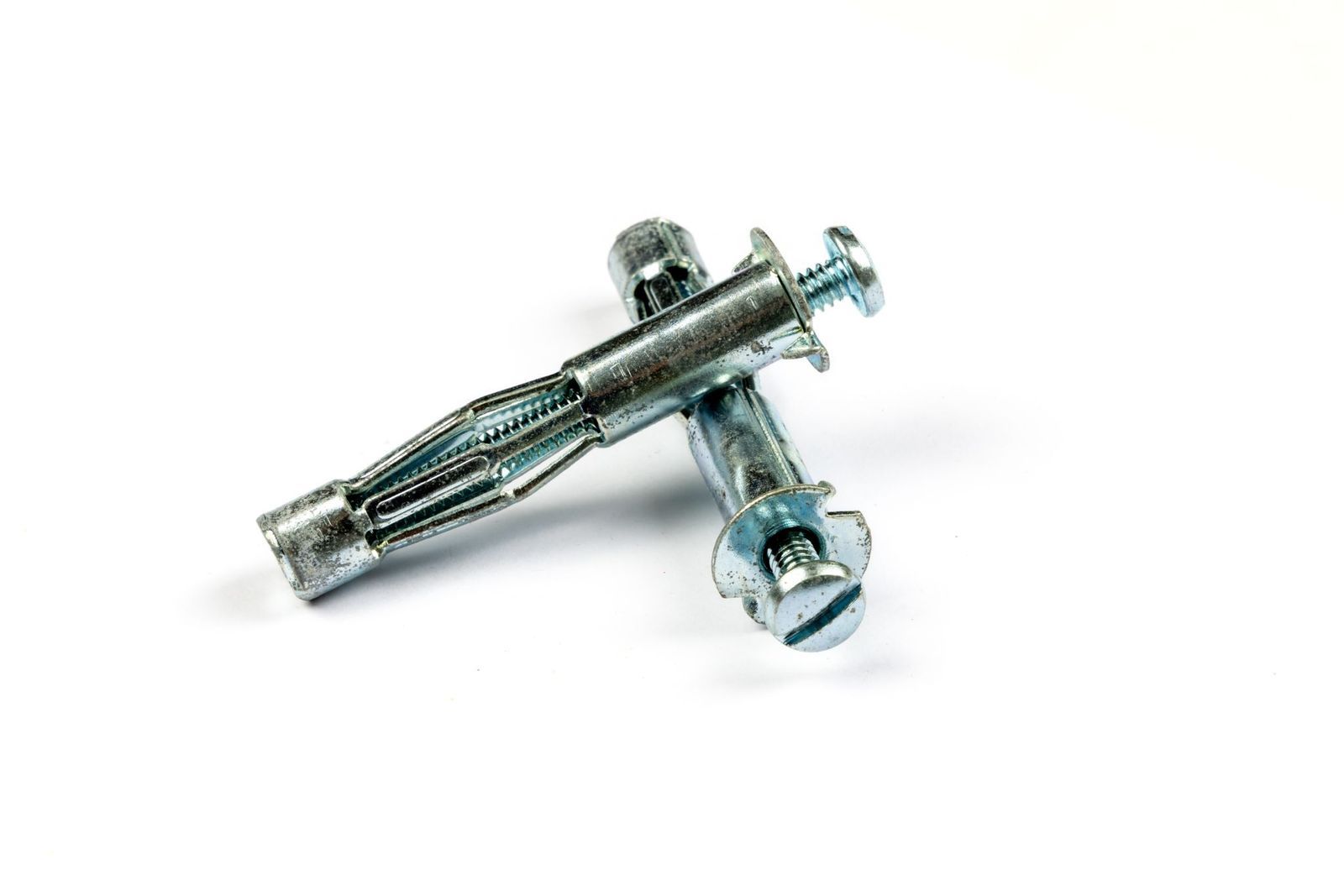
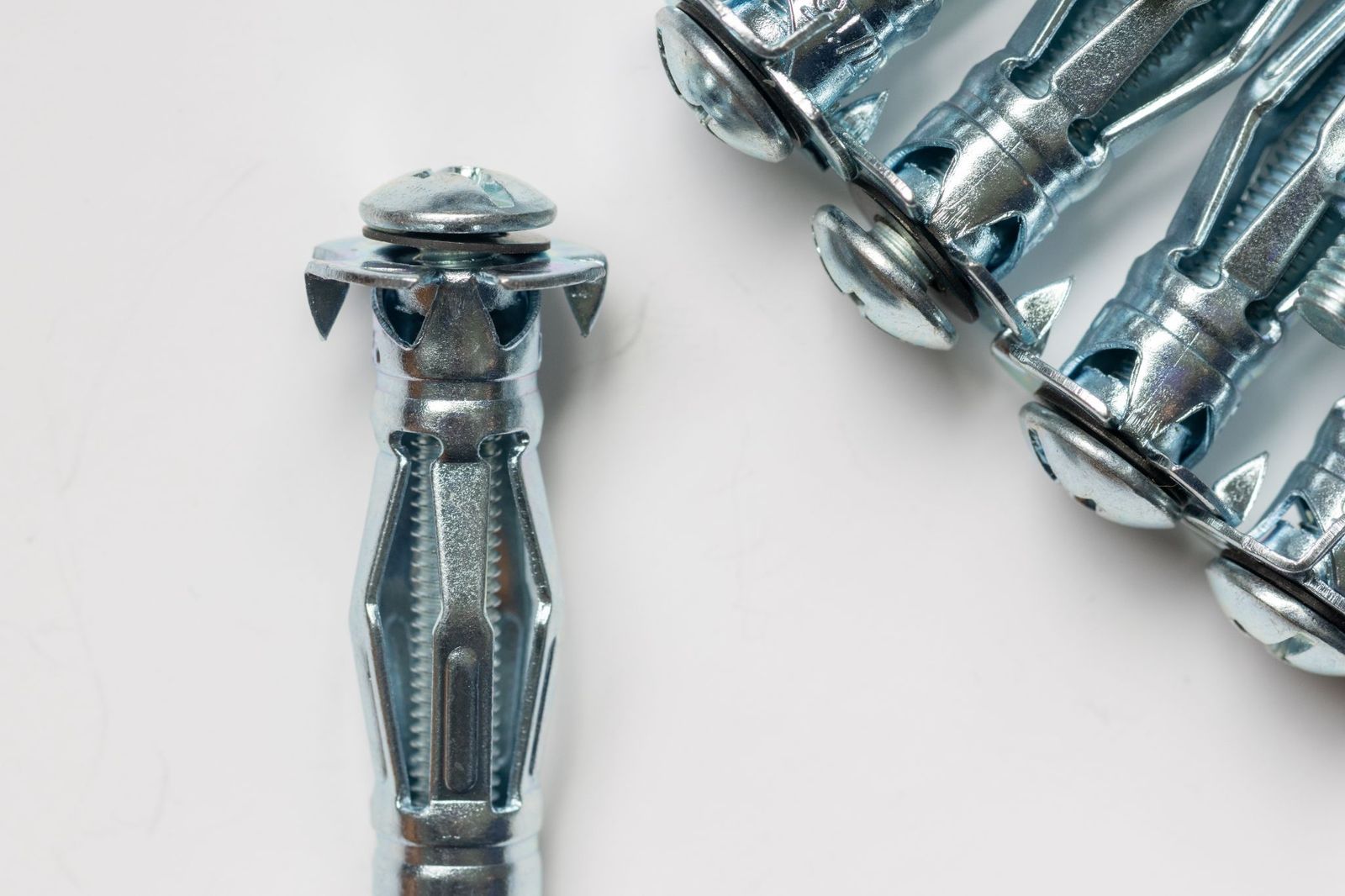
Molly Bolt

Image: odecam

Aside from being a common name, many people assume that "molly" describes a type of fastener. It began as a trademark. In 1934, inventor George Frederick Croessant patented an improved hollow-wall anchor sold under the name MOLLY. Today, it can be seen in curtain rod brackets.

The product became so successful that the brand name gradually turned into a generic term. Today, countless people use "molly bolt" to describe expandable wall anchors, even when they are not made by the original manufacturer.

8

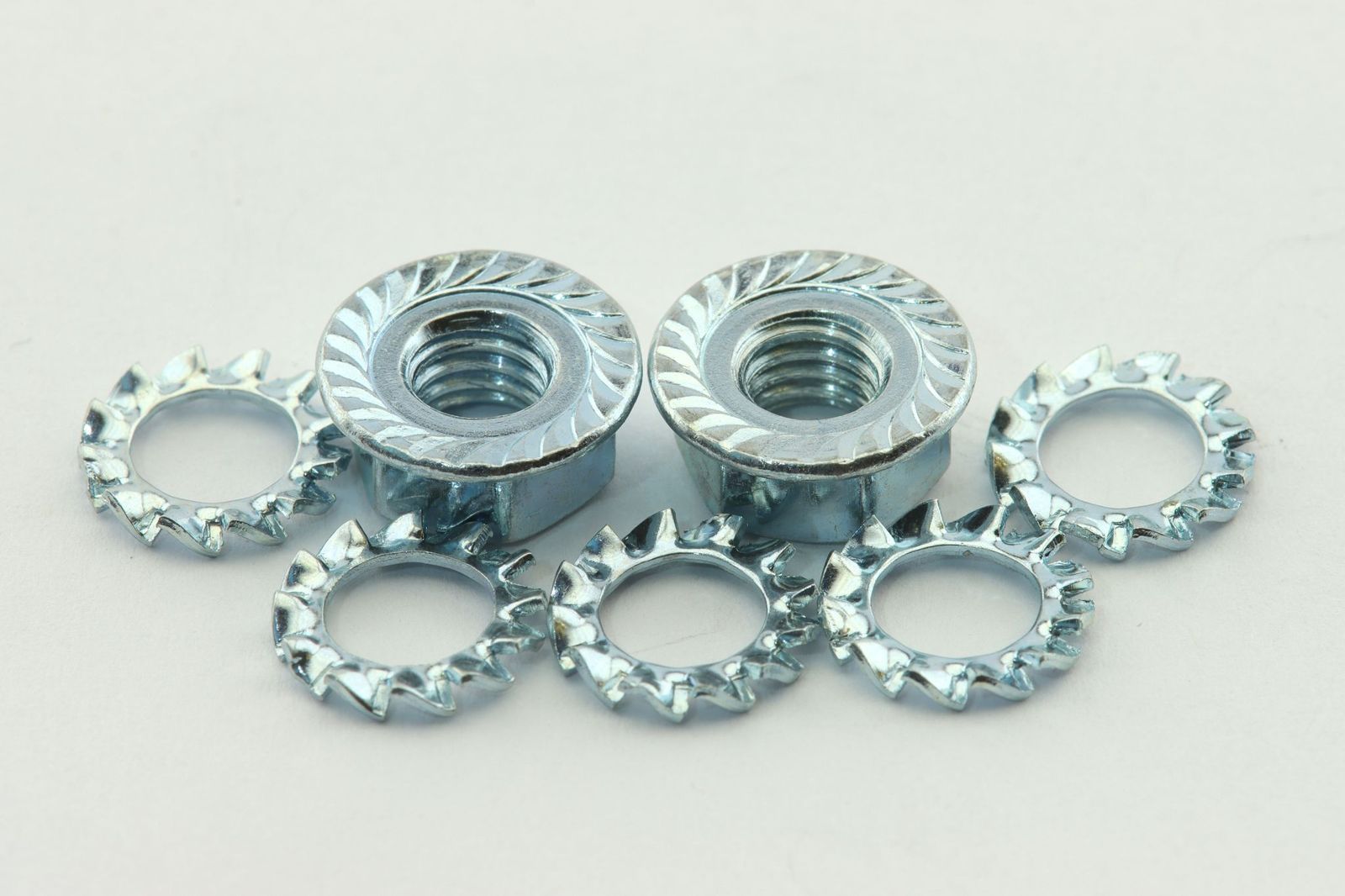
Lock Washer

Image: nelikdulatov

The purpose of a lock washer is built directly into its name. It is designed to help prevent a fastener from loosening because of vibration or movement. It can often be found in washing machines and dryers.

As automobiles, railroads, and industrial machinery became more common during the nineteenth and twentieth centuries, engineers needed better ways to keep bolts secure. Lock washers became one of the simplest solutions, helping assemblies stay tight under demanding conditions.

9

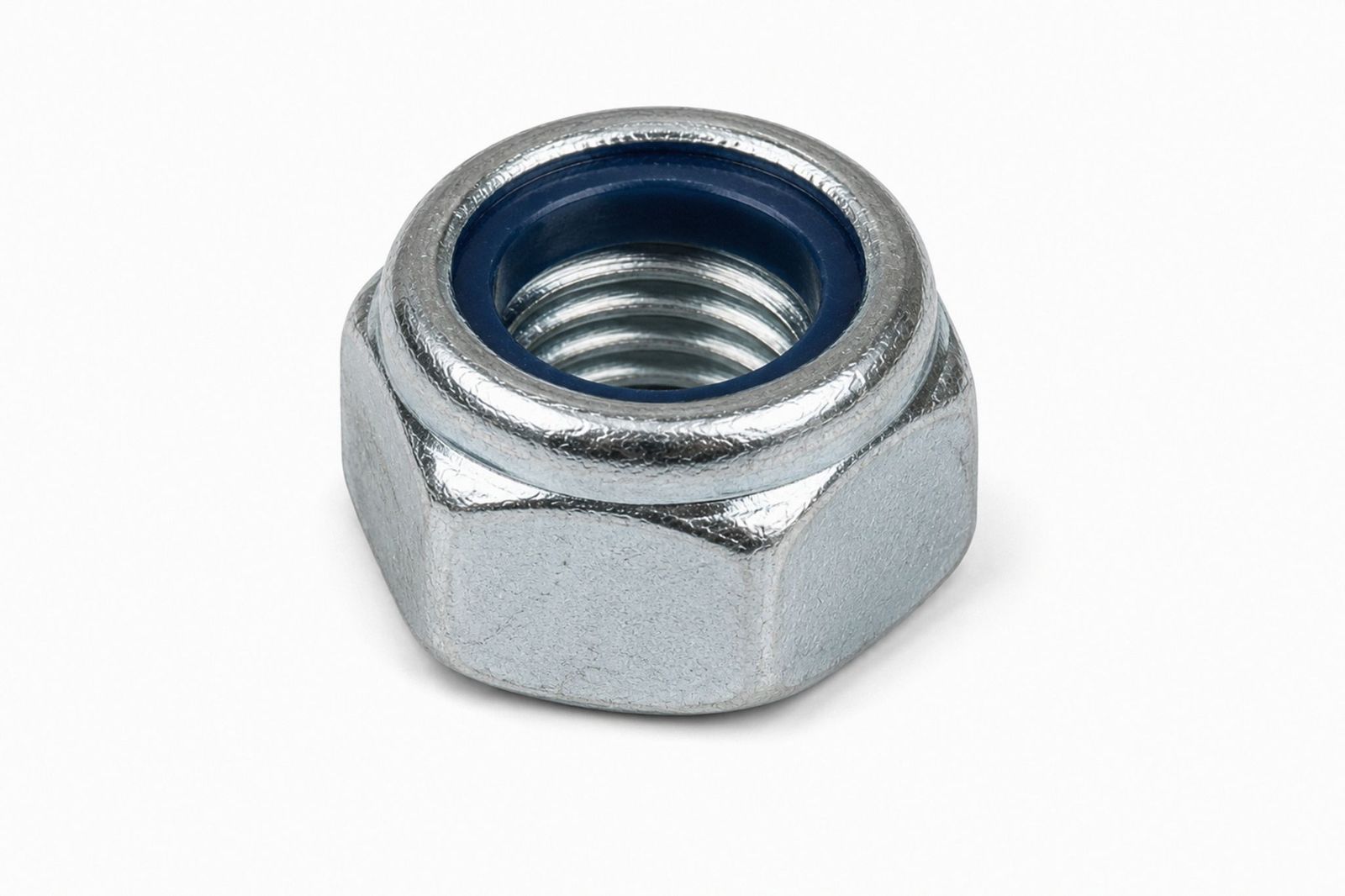
Nyloc Nut

Image: Adefreak

A nyloc nut contains a nylon insert that grips the bolt’s threads. This extra friction helps keep the nut from backing off when subjected to vibration. It can be found in skateboards and roller skates.

The name combines two words: nylon and lock. Like many successful engineering products, the term eventually became familiar beyond the company that originally promoted it. Today, nyloc nuts are widely used in automotive, aerospace, and industrial applications.

10

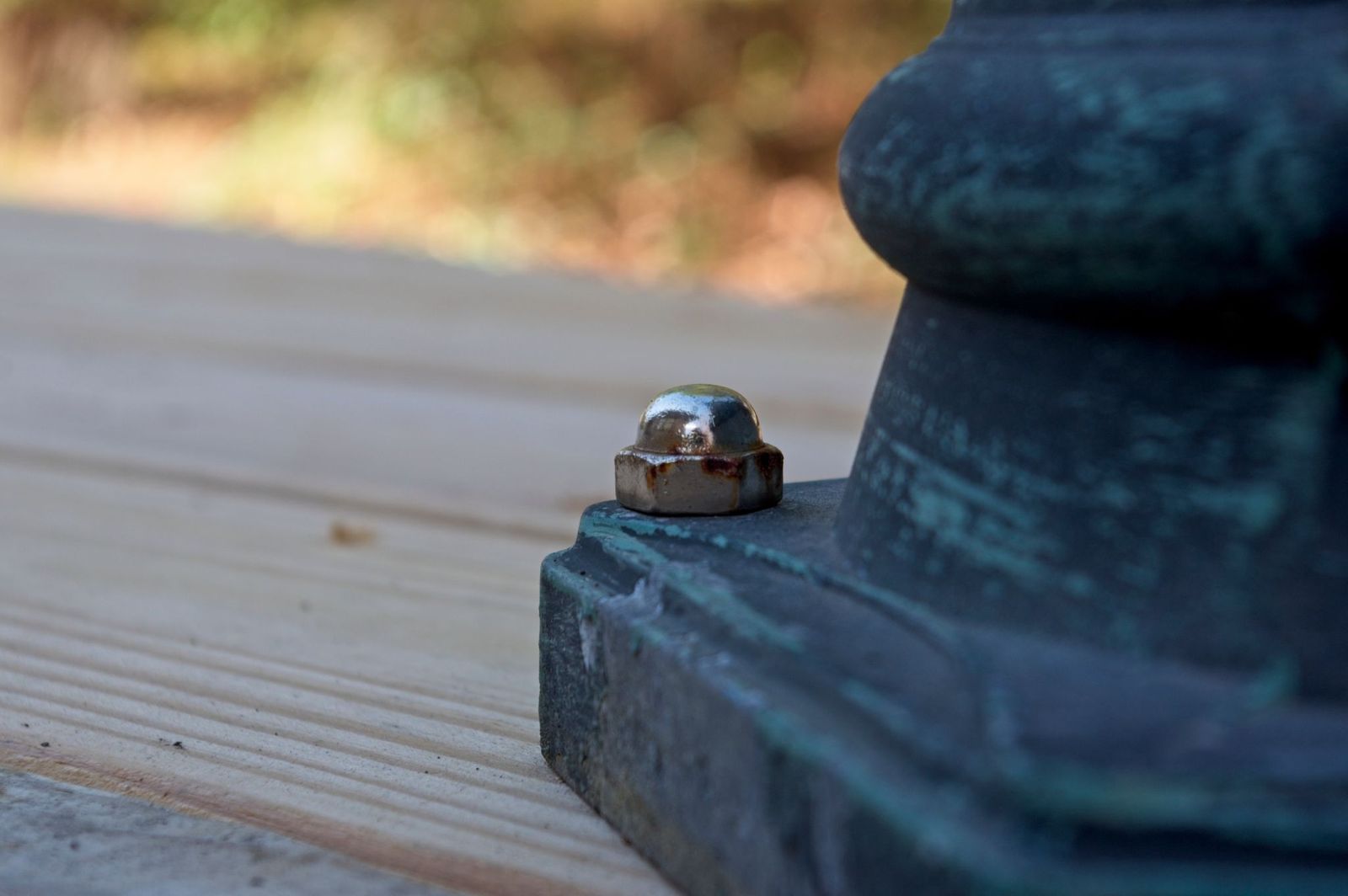
Acorn Nut

Image: Jerome L Lawson

This acorn nut is not the kind that grows on oaks. An acorn nut bolt features a rounded, closed end that covers the exposed tip of a bolt. Viewed from the side, the shape somewhat resembles the acorn that grows on trees.

The design serves both practical and aesthetic purposes. It protects people from sharp threads while helping shield the bold from dirt and moisture. That’s why acorn nuts are often found on furniture, bicycles, playground equipment, and ornamental metalwork.

11

Draw bolt

Image: Ivan Dragiev

A draw bolt works by pulling two parts tightly together. Unlike a standard bolt-and-nut combination, it often functions as a latch that creates tension when closed.

The name comes directly from the verb draw, meaning to pull. Draw bolts are commonly used on toolboxes, storage cases, industrial cabinets, and equipment enclosures where a secure, tight closure is needed.

12

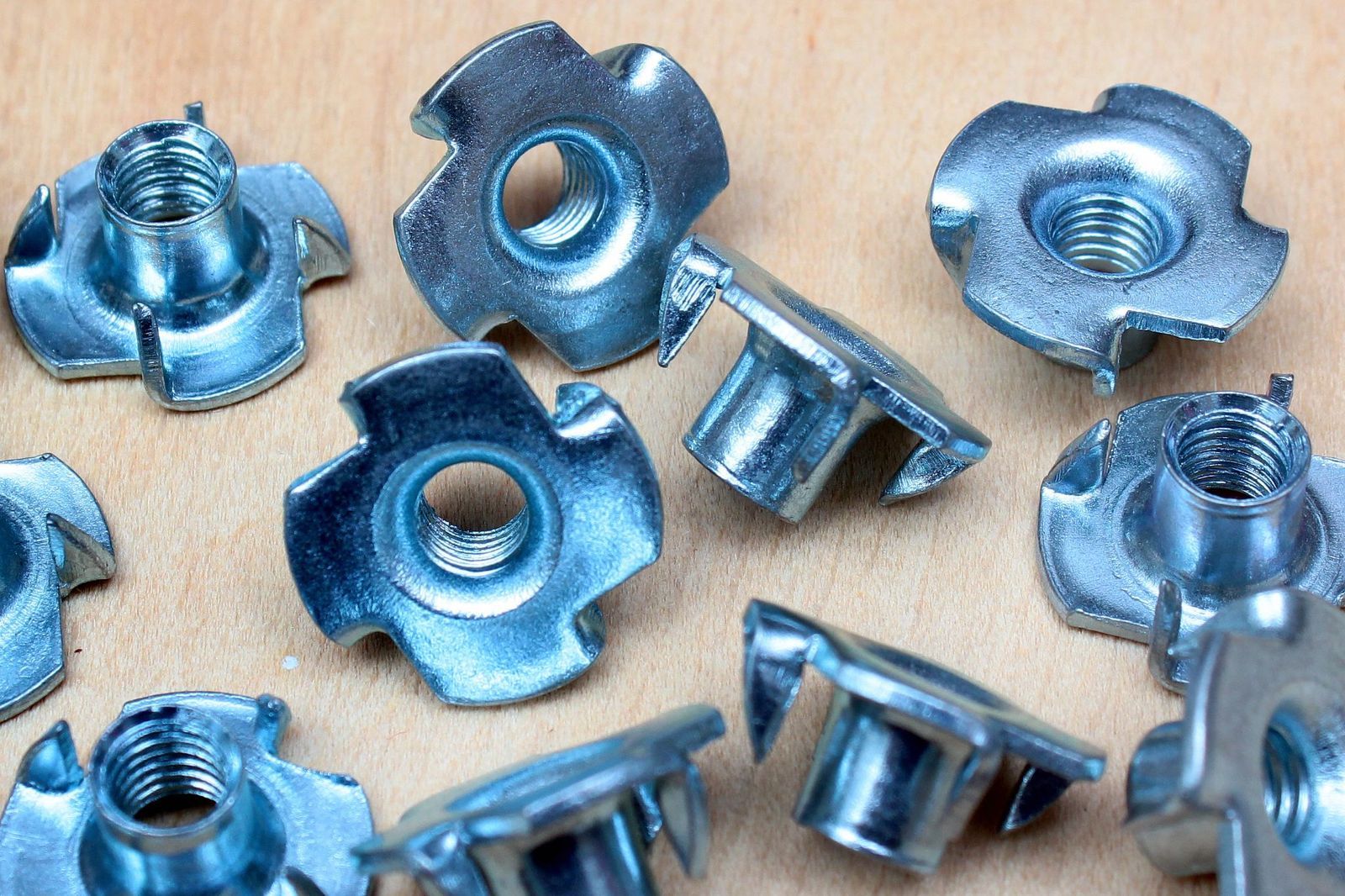
T-nut

Image: aquatarkus

A T-nut, also known as a tee nut, gets its name from its shape. Viewed from the side, its threaded barrel and flange resemble the letter T.

The design allows a bolt to be inserted from one side of a wooden panel, while the T-nut anchors itself from the other. T-nuts are especially common in furniture, speaker cabinets, climbing walls, and other products that require strong threaded connections in wood.


Out in the boondocks

Sleep better than a hibernating bear: 10 tips for cold-weather camping


Published on July 6, 2026


Image: Anna Shvets

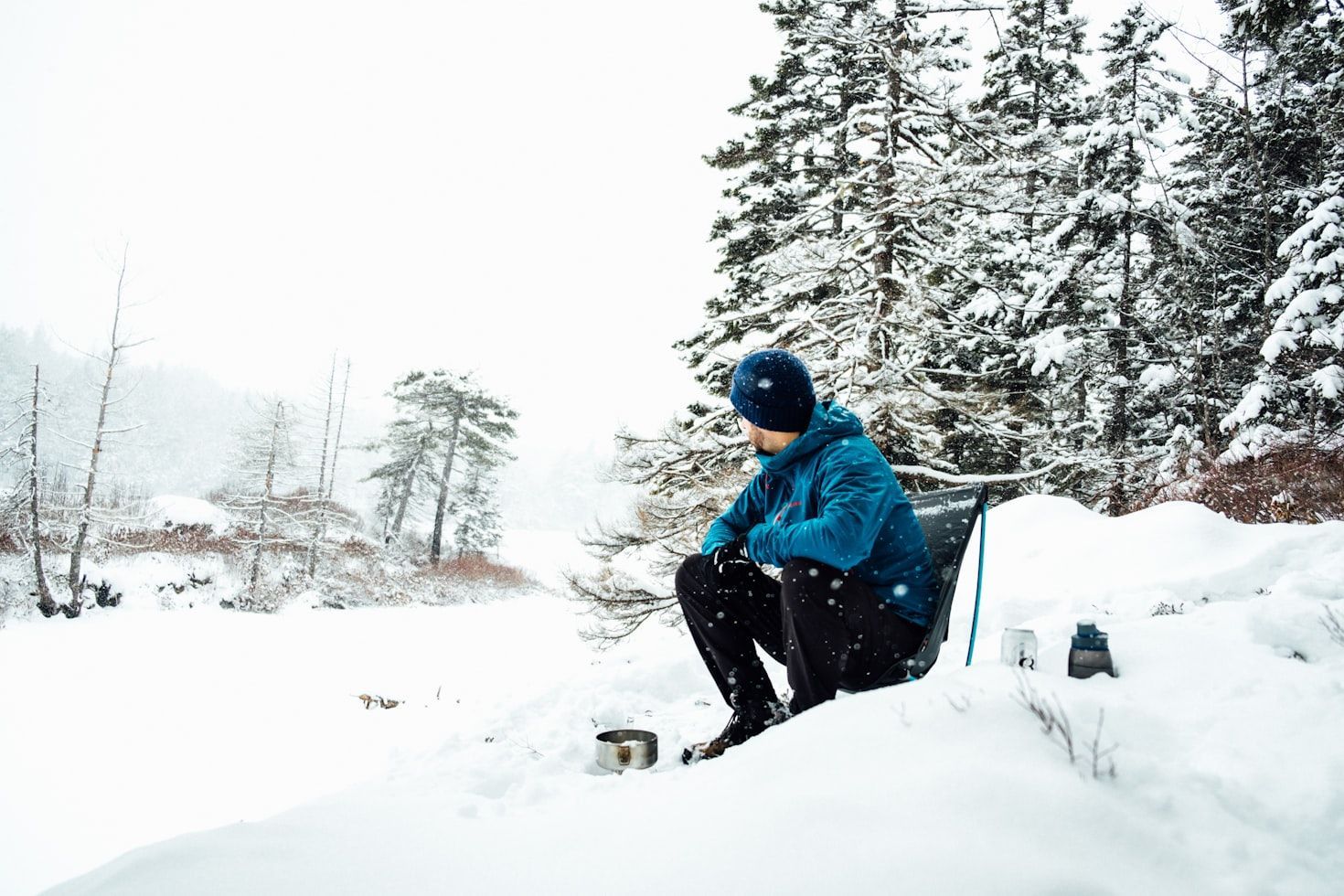
Winter camping is a unique experience, just as satisfying as camping during other times of the year. True, the weather can be more severe and unpredictable, and there are fewer daylight hours, but with proper preparation, winter camping offers unparalleled rewards. In this article, we’ve compiled 10 tips to help you get the most out of your cold-weather camping trip!

1

Plan your route in advance

Image: Kimon Maritz

A trip never truly begins on the first day of your vacation—it starts long before. First, choose the place you want to visit and make sure you have everything you need to live away from home for a few days. Once you’ve selected your destination, it’s time to plan your route. With the help of physical and topographical maps, you can study the terrain, check road and trail conditions, and estimate how long it will take to reach your destination.

It’s also essential to check local weather forecasts so you can avoid dangerous areas. Research the emergency services available in the region, and learn how to recognize and avoid avalanches if your route passes through areas with deep snow.

2

Essential winter camping gear

Image: Christian Buttazzo

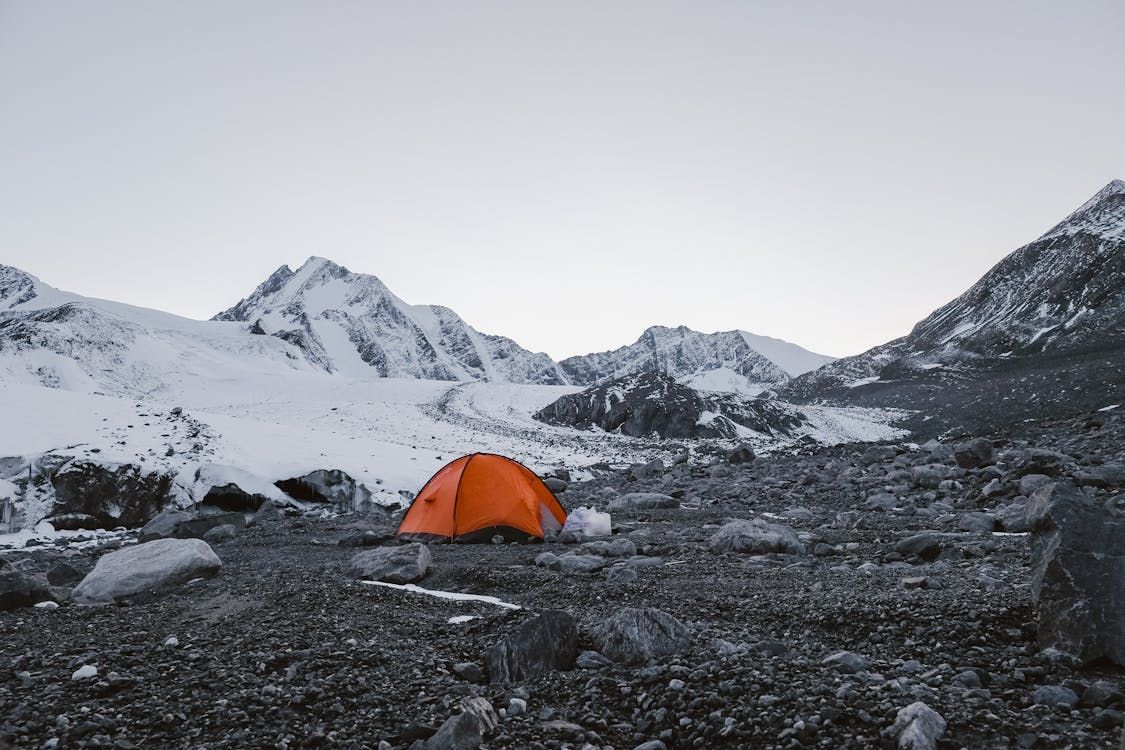
Before heading out on a camping trip in cold areas, make sure you have the right equipment. Find a tent that is suitable for winter. For example, if you expect snow or strong winds, opt for a 4-season tent that can withstand harsh weather and help keep the interior dry and warm.

A proper sleeping bag is essential for ensuring a good night’s rest on your trip. It’s your best defense against the cold when temperatures drop at night. Bring a closed-cell foam sleeping pad as well—without a well-insulated pad underneath, even the warmest sleeping bag will quickly lose heat.

3

Clothing is as important as equipment

Image: Tim Foster

Your winter camping gear is key—but so is your clothing! Your tent and sleeping bag will keep you warm at night, but during the day you’ll need clothing that is sturdy, waterproof, and warm. Choose garments that are insulating, moisture-wicking, quick-drying, and breathable.

Pack enough clothing so you can change when you sweat—this helps prevent chills and reduces the risk of getting sick. Pay special attention to socks and footwear; warm, dry feet make it much easier to maintain proper body temperature.

Pro tip: At night, stash your boot liners inside your sleeping bag. Few things are worse than slipping warm feet into frozen boots in the morning. Also store electronics, batteries, fuel canisters, and anything else you don’t want to freeze.

4

Overpack

Image: Ali Kazal

It never hurts to pack more than you need. Pack extra batteries, a couple of gallons of additional fuel, more food than you plan to eat, extra gloves and socks, and enough toiletries to last the trip.

Remember, winter camping means fewer daylight hours, which makes you more dependent on flashlights and other light sources. If you’re camping in a snowy area, you’ll likely need to melt snow for drinking water—so plan for the extra fuel this requires.

5

The perfect spot for your campsite

Image: David Schultz

Once you arrive at your destination, your first task is to choose the right place to set up camp. Study your surroundings to find the safest and most suitable spot for your tent. Avoid areas that could pose a risk, such as avalanche terrain, landslide zones, or places with unstable or overhanging trees.

Look for the flattest site possible—one that gets plenty of sun and stays relatively dry throughout the day. A good trick is to orient your tent’s entrance toward the east so it catches the morning sun and warms up more quickly. As soon as you climb inside your tent for the first time, use your knees to smooth out the area beneath your sleeping pad. Don’t wait until night—once snow melts and refreezes, it becomes much harder to adjust.

6

Stay warm

Image: Necip Duman

The best way to handle camping in cold conditions is to be proactive and plan ahead. For example, did you know that warm air rises and cold air falls? Digging a trench in the snow in front of your tent’s entrance allows the cold air to settle in the hole instead of around your body.

This technique—borrowed from igloo construction—has other advantages: the trench can serve as a bench for putting on or taking off your boots, and it makes getting in and out of the tent easier while helping prevent snow from being tracked inside.

7

Hydrate and eat properly

Image: Tima Miroshnichenko

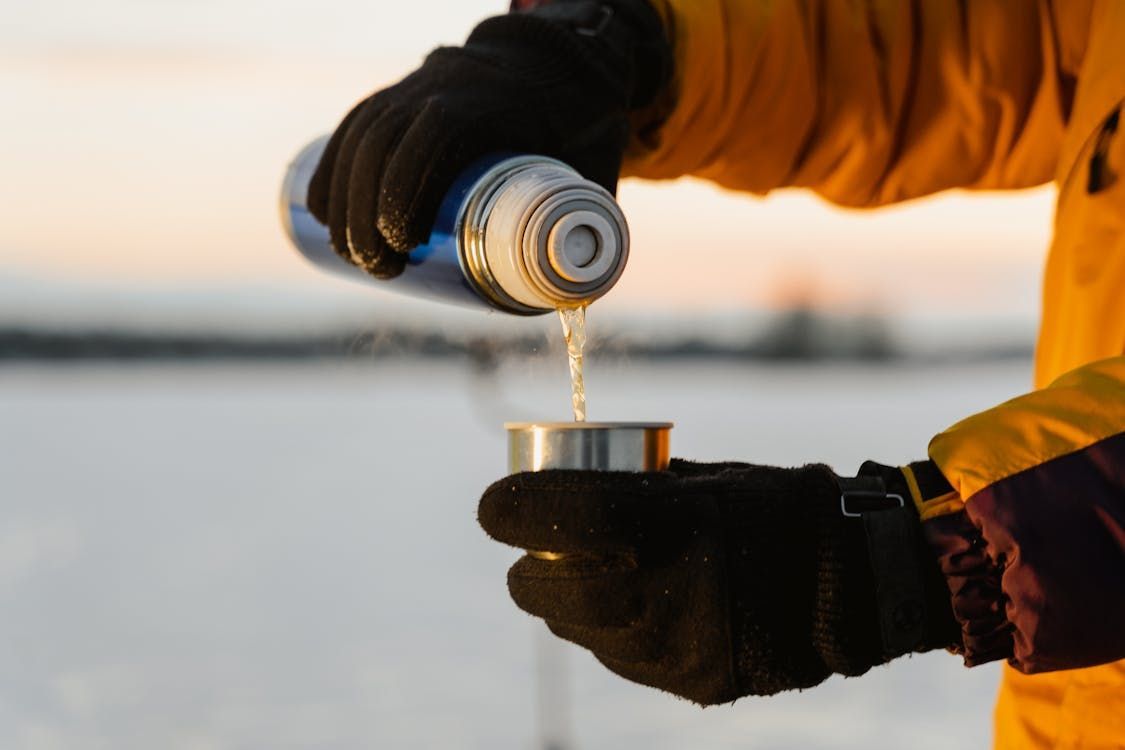
Staying hydrated is essential when camping in bitter cold weather, as the air dries you out more quickly and your body still needs plenty of fluids to function. Drink regularly, but avoid water that is too cold. Carry a sturdy thermos filled with hot broth, tea, or coffee, and insulate your water bottles to prevent freezing—wrap them in extra clothing or use dedicated bottle insulators.

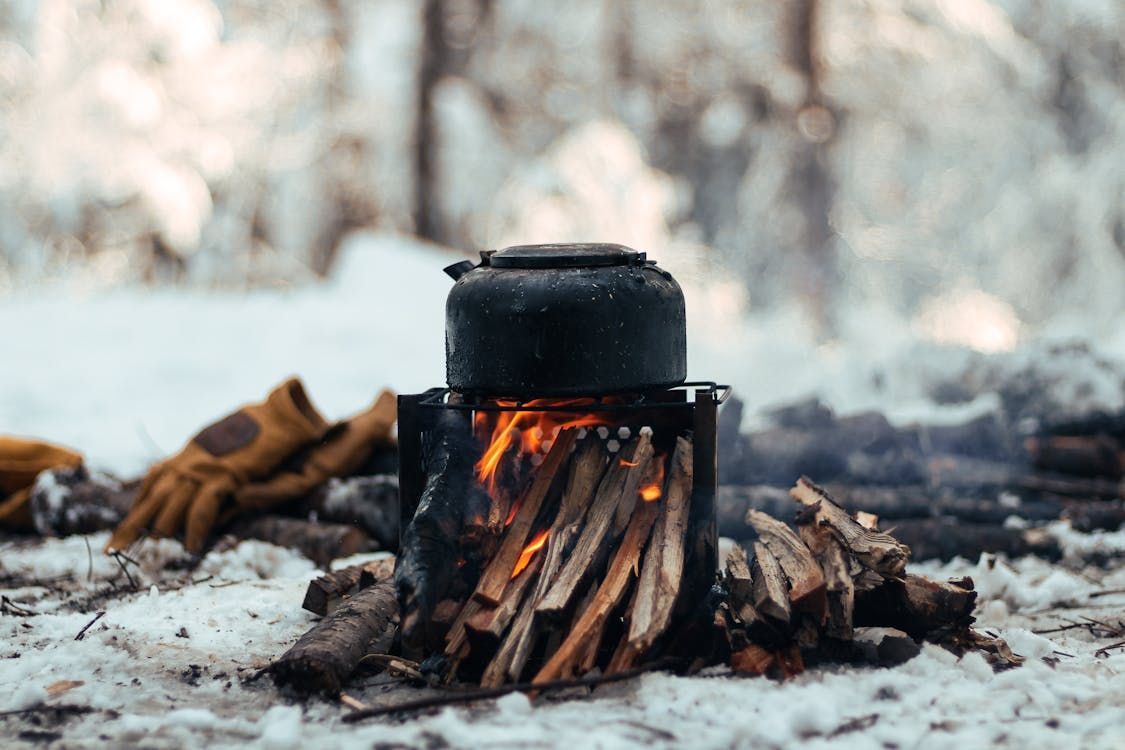
Bring a camping stove to prepare or heat food. Eat consistently, even if you don’t feel hungry. If you wake up cold during the night, have a quick snack to "fuel your engine," focusing on calorie-dense foods like chocolate, cheese, and nuts. Always pack extra food in case you get trapped by a snowstorm—survival energy bars and canned goods can be lifesavers in extreme conditions

8

Prepare for a good night's sleep

Image: truthseeker08

On freezing nights, water vapor often condenses on the tent’s inner walls, your sleeping bag, and your gear—even with the door cracked open. When the ice melts, it can soak your equipment. Control frost buildup by keeping your gear covered or inside garbage bags, and by sweeping ice crystals into piles before they melt.

Another key tip for a restful night is to keep your sleeping bag as dry as possible. Your body produces heat and exhales warm air at night, both of which cause condensation that can reduce your sleeping bag’s effectiveness. To avoid this, air out and dry your bag thoroughly during the day to remove any excess moisture.

9

Stay safe outside, too

Image: Thom Holmes

We can’t stress this enough: always stay hydrated. Winter activities burn a lot of energy, so be sure to drink water regularly. While on the move, sip water every 20 minutes; at rest, drink every 40 minutes.

Equally important is protecting your skin. Snowy landscapes reflect a lot of solar radiation, increasing your exposure. Apply a broad-spectrum sunscreen with at least SPF 30 three times a day—and never forget your ears! Finally, wear sunglasses or goggles to prevent eye injuries from glare and UV rays.

10

Have a plan B

Image: Paige Deasley

Even if you’ve prepared well, chosen the best campsite, and packed the right equipment, freezing weather and snow can be unpredictable. That’s why it’s important to have a backup plan in case things don’t go as expected.

For example, always carry a map showing shelters, refuges, or rural houses in case it becomes impossible to continue camping outdoors. Bring food that doesn’t require cooking in case the weather is too bad to light a fire or use your camping stove. Also, plan some indoor leisure activities—if outdoor sports or adventures become impossible, you’ll want fun ways to pass the time inside your tent.

Looking for an extra scoop of literary fun?

Learn more with our Word of the day

incongruous

/ɪnˈkɑŋɡrəwəs/