"How dare you?": 10 iconic speeches that made history
Published on June 26, 2026
History has been made through iconic speeches that changed the world: From ‘I Have a Dream ’, ‘Are Women Persons?’ to ‘The Only Thing We Have to Fear Is Fear Itself ’, tectonic shifts have occurred after these words were spoken. All written and delivered by masters of ideas and expression, discover the ultimate 10 manifestos that modified how people felt, thought, and acted.
I Have a Dream - Dr Martin Luther King
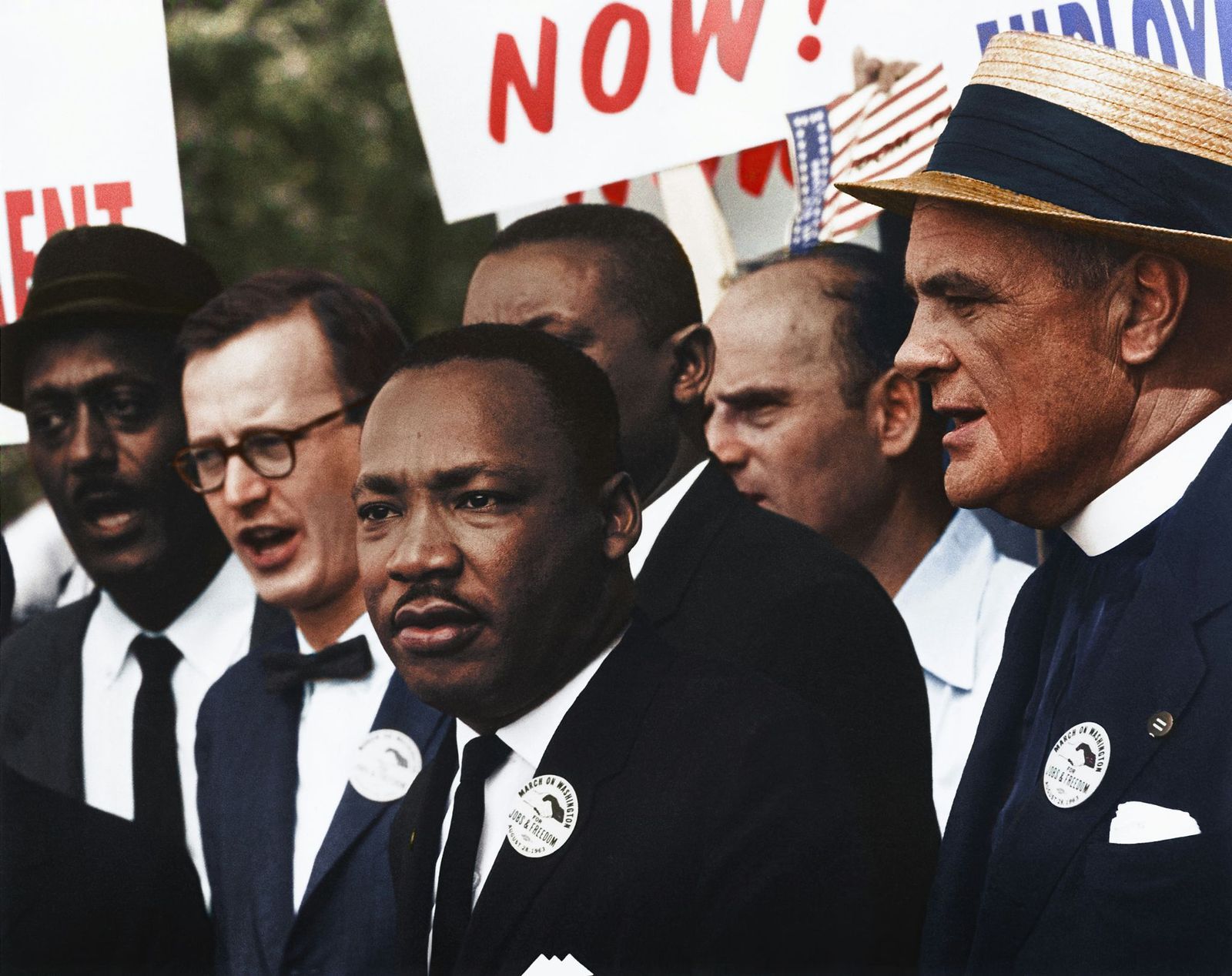
On the 28th of August 1963, at the Lincoln Memorial in Washington, D.C., Dr Martin Luther King delivered his famous speech I Have a Dream, which was one of the most defining moments in history. This incredible speech was the climax of the March on Washington for Jobs and Freedom, which drew over 250,000 supporters to the city. Through his words, King galvanized the American Civil Rights movement, calling for racial equality and an end to legalized discrimination.
Through the reiteration of the title phrase, he managed to express hope powerfully, stating his wishes for the nation as a whole, in a relatable and inspiring way for all: "I have a dream that my four little children will one day live in a nation where they will not be judged by the color of their skin but by the content of their character".
We Shall Fight on the Beaches - Winston Churchill
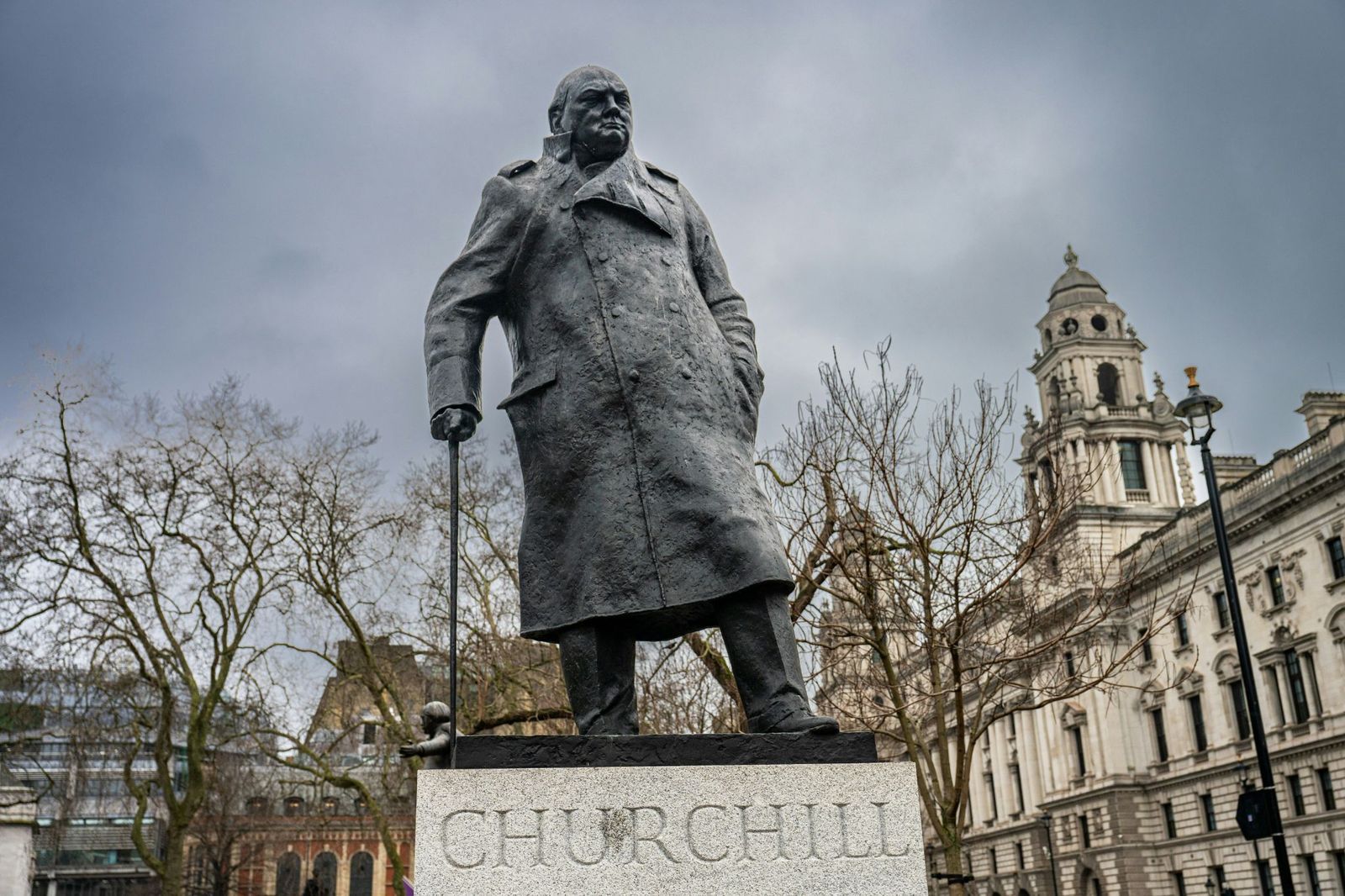
This iconic speech was delivered by Winston Churchill on June 4th, 1940, in the House of Commons, while he was Prime Minister of the United Kingdom. It was the second of a three-speech series given by Churchill around the time of the Battle of France, where tough things had to be said, without losing all hope.
The objective of this delivery was quite complex: to warn the British public of a possible invasion attempt by the Nazi regime, without casting doubt about their eventual victory: "...we shall prove ourselves once again able to defend our island home, to ride out the storm of war, and to outlive the menace of tyranny, if necessary for years, if necessary alone".
Ask Not What Your Country Can Do for You - John F. Kennedy
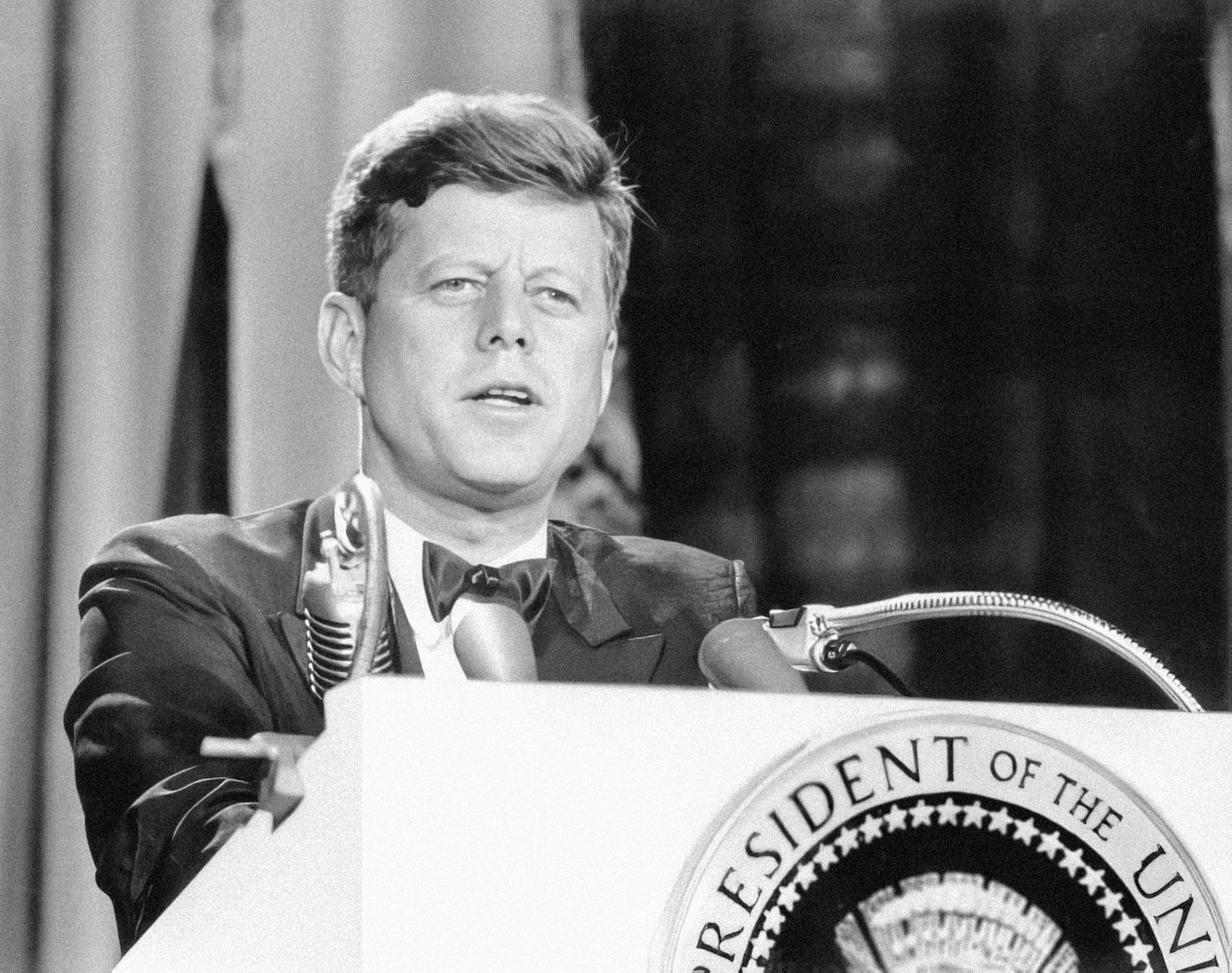
During John F. Kennedy's Inaugural Address on January 20th, 1961, he had a climactic moment which has been remembered throughout history: "Ask not what your country can do for you—ask what you can do for your country."
His goal was for it to be a call to civic action, urging ordinary citizens to prioritize public service, community sacrifice, and the greater good over individual self-interest.
An Ideal for Which I Am Prepared to Die - Nelson Mandela
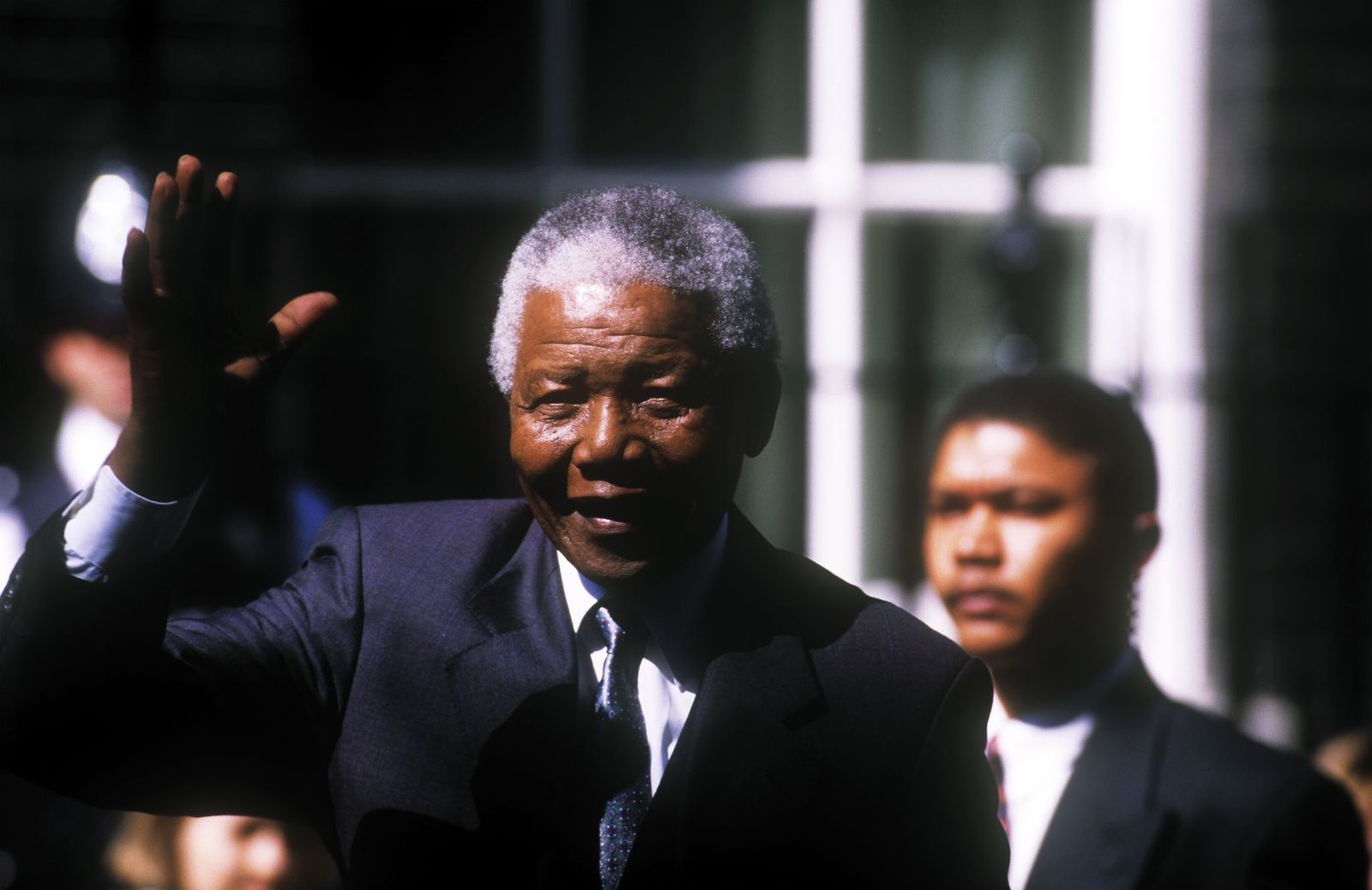
It was on April 20th, 1964, when the future leader of South Africa, Nelson Mandela, the eldest son of a Xhosa-speaking Tembu chief, had a difficult time ahead of him: He faced the death penalty for alleged sabotage and treason against the white-minority-ruled state and its segregationist policies during what was known as the Apartheid regime.
Mandela, also known as Madiba, used the trial in Pretoria to outline the ideals of the African National Congress (ANC). His closing statement, which became a defining document for the global struggle for human rights, shocked the courtroom: "I have cherished the ideal of a democratic and free society in which all persons will live together in harmony and with equal opportunities. It is an ideal for which I hope to live for and to see realised. But, my Lord, if it needs be, it is an ideal for which I am prepared to die."
How Dare You? - Greta Thunberg
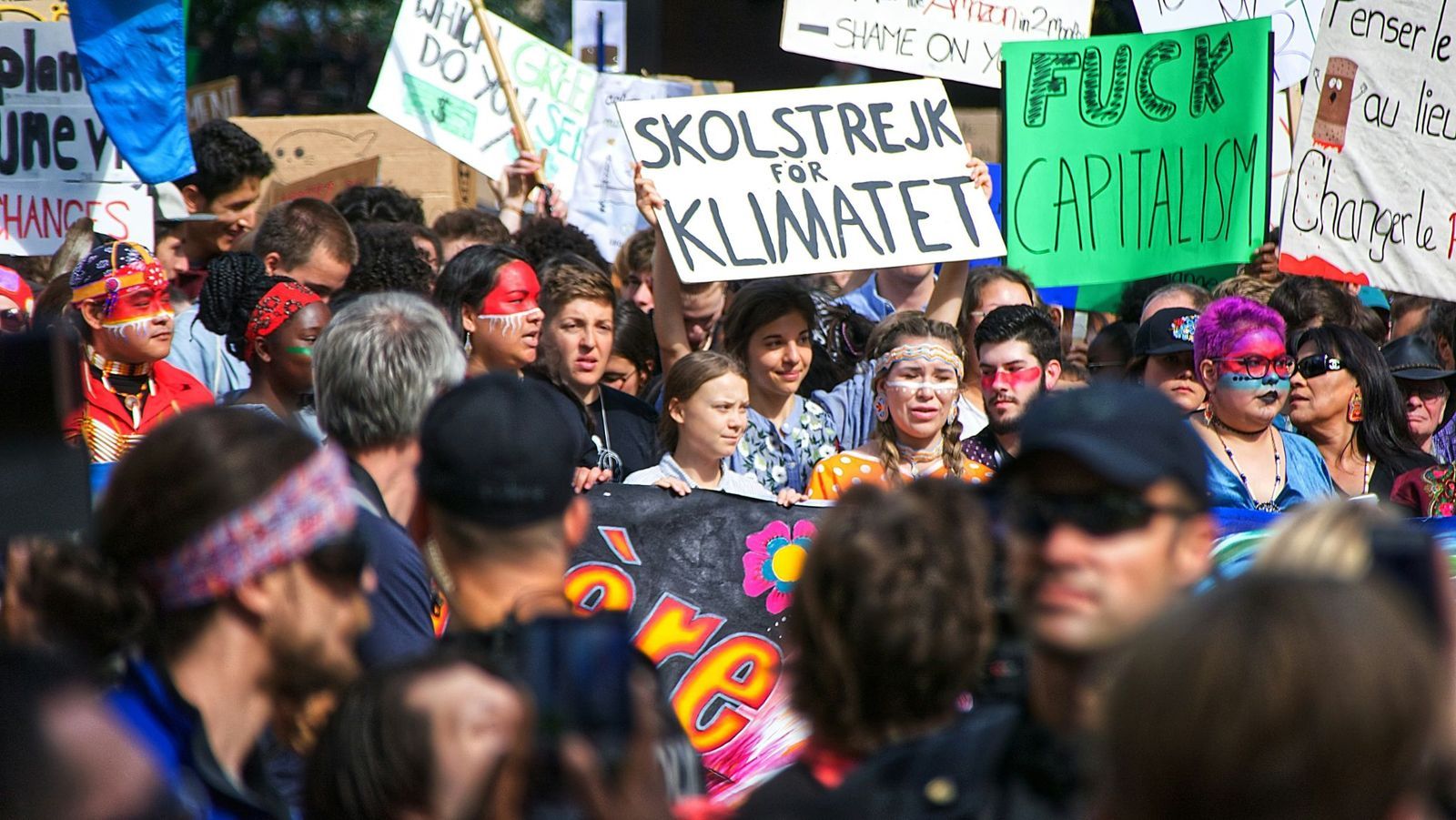
On the 23rd of September of 2019, during the United Nations Climate Action Summit in New York, Greta Thunberg delivered a speech titled: "How Dare You?" Just like Malala Yousafzai, she was 16 years old at the time, but she confronted world leaders on their inaction on climate change in a way that had rarely been seen before.
She demanded urgent measures to be taken to save the planet, urged them to stop ignoring scientific warnings, and accused those present of stealing her generation's future with empty promises: "We are at the beginning of a mass extinction, and all you can talk about is money and fairy tales of eternal economic growth. How dare you!"
The Only Thing We Have to Fear Is Fear Itself - Franklin D. Roosevelt
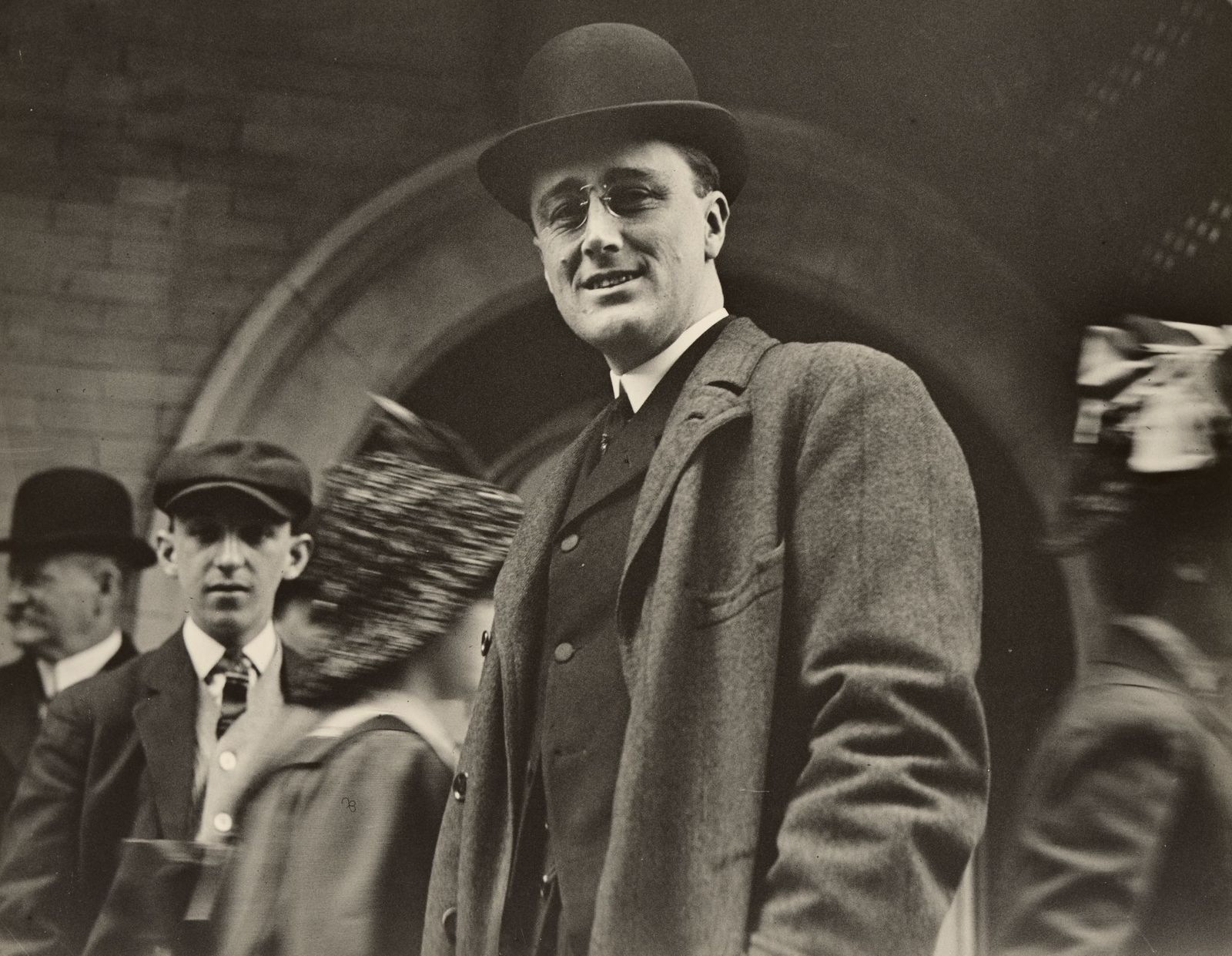
During his First Inaugural Address on March 4th, 1933, Franklin D. Roosevelt delivered this pivotal speech while facing the depths of the Great Depression. His intention was to assure the American public that, instead of the economic crisis itself, despair, inaction, and hopelessness were their biggest enemies.
The full historic passage reads: "So, first of all, let me assert my firm belief that the only thing we have to fear is fear itself—nameless, unreasoning, unjustified terror which paralyzes needed efforts to convert retreat into advance."
One Book and One Pen Can Change the World - Malala Yousafzai
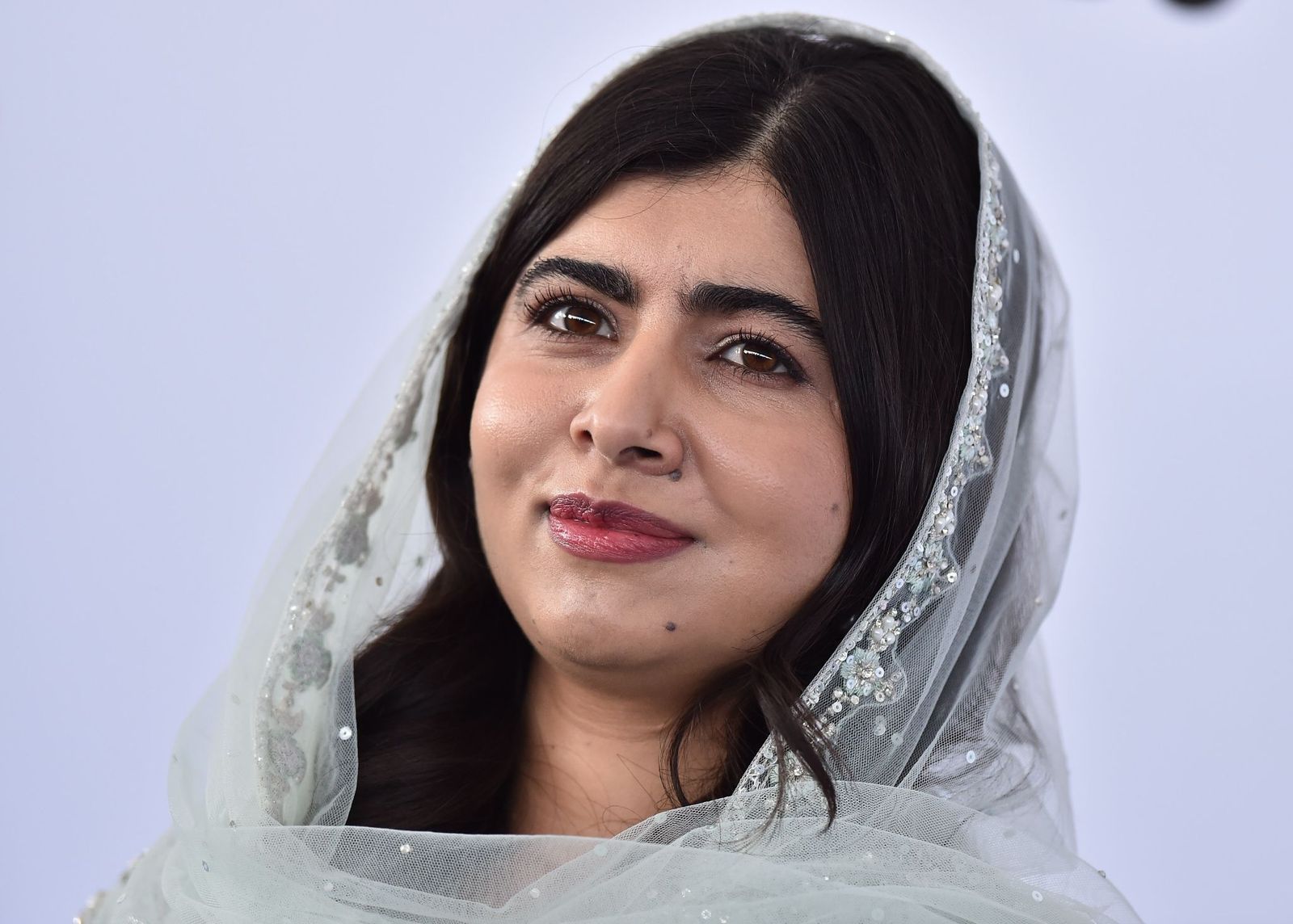
On her 16th birthday, on July 12th, 2013, Malala Yousafzai, the Nobel Peace Prize laureate, delivered her historic speech at the United Nations Assembly in New York to urge leaders around the globe to provide free and compulsory education for every child.
Incredibly, this took place just nine months after Malala survived an assassination attempt on her life by the Taliban for advocating for girls' education. In her address, she declared that the extremists were "afraid of books and pens" and that the power of education frightened them.
Are Women Persons?- Susan B. Anthony
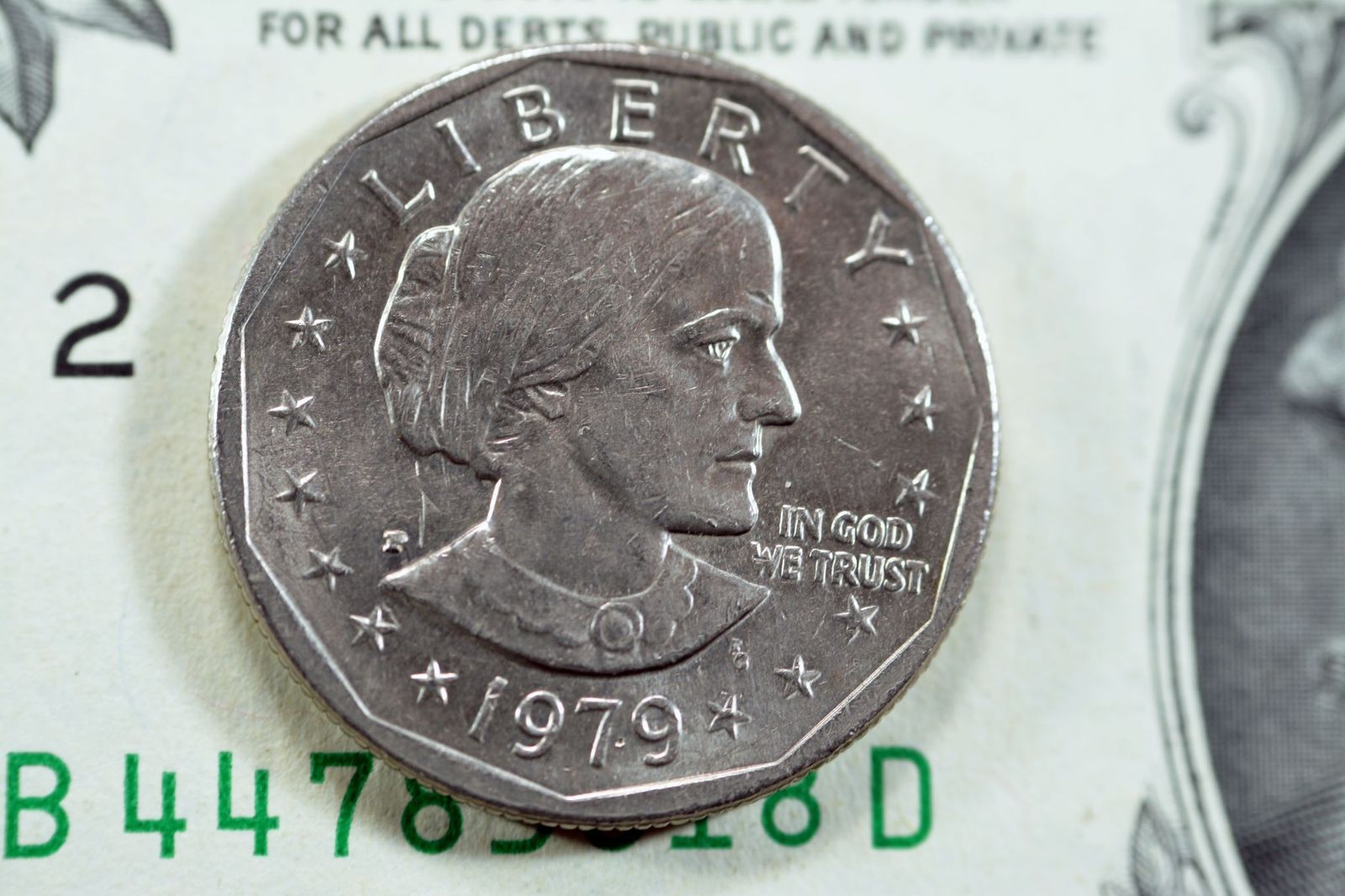
Following her arrest for illegally voting in the 1872 presidential election, Susan B. Anthony posed a powerful question in her groundbreaking speech of 1873: "Is it a crime for a United States citizen to vote?", where she passionately argued that the United States Constitution guaranteed women’s rights. Anthony famously stated, "The only question left to be settled now is: Are women persons? And I hardly believe any of our opponents will have the hardihood to say they are not."
Since women are persons, she argued they are inherently citizens, pointing out that the Preamble of the Constitution begins with "We, the people," and does not say "white male citizens," or "male citizens," concluding that any state law denying women the right to vote was unconstitutional, null, and void.
We Are Not Only Scientists; We Are Men Too - J. Robert Oppenheimer
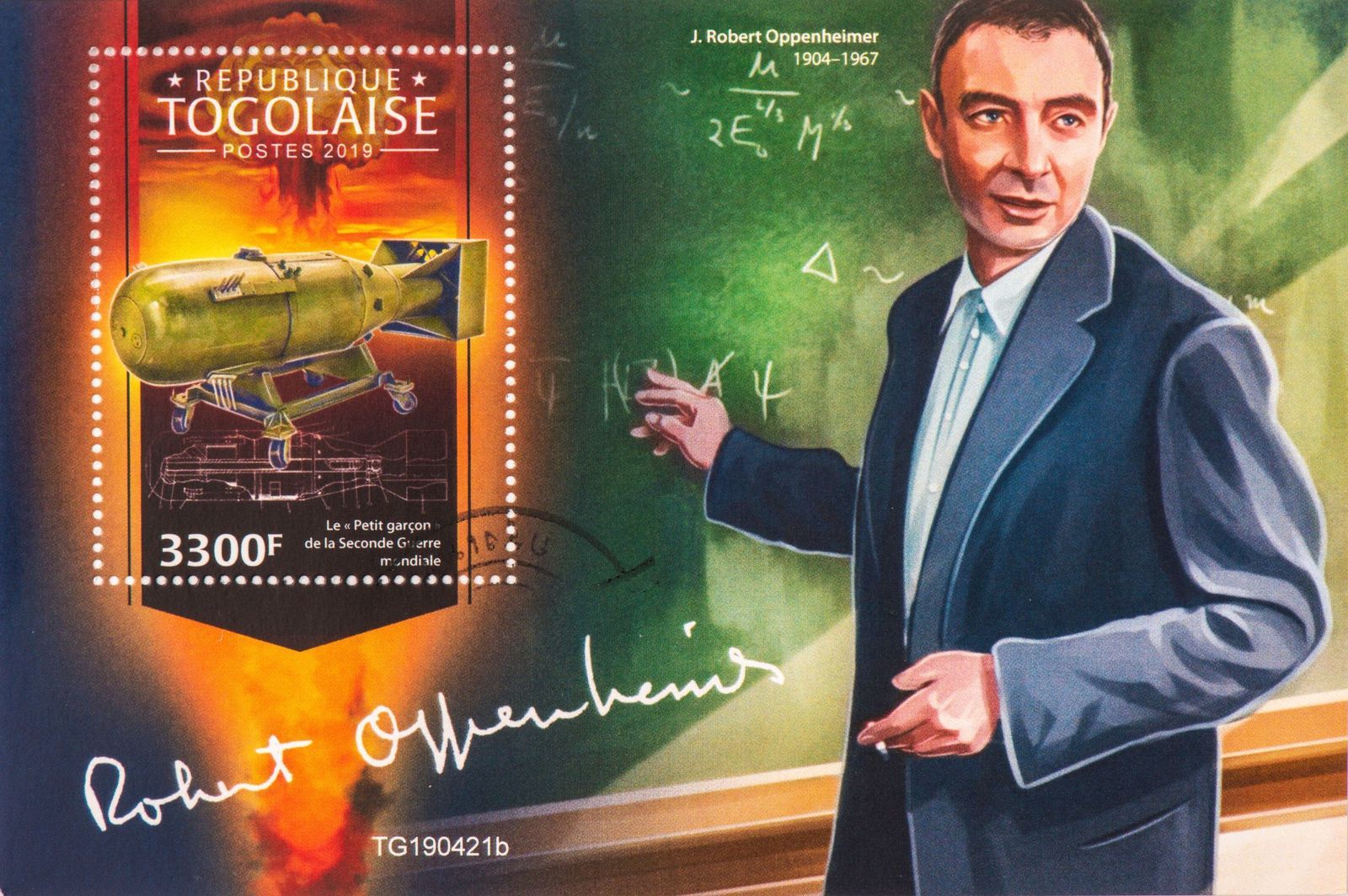
In the Farewell Address given by J. Robert Oppenheimer to the Association of Los Alamos Scientists on November 2, 1945, he argued that scientific progress cannot be divorced from humanity, and that moral responsibility must guide the pursuit of knowledge.
"But there is another thing: we are not only scientists; we are men, too. We cannot forget our dependence on our fellow men. I mean not only our material dependence, without which no science would be possible, and without which we could not work; I mean also our deep moral dependence, in that the value of science must lie in the world of men, that all our roots lie there."
Freedom or Death - Emmeline Pankhurst
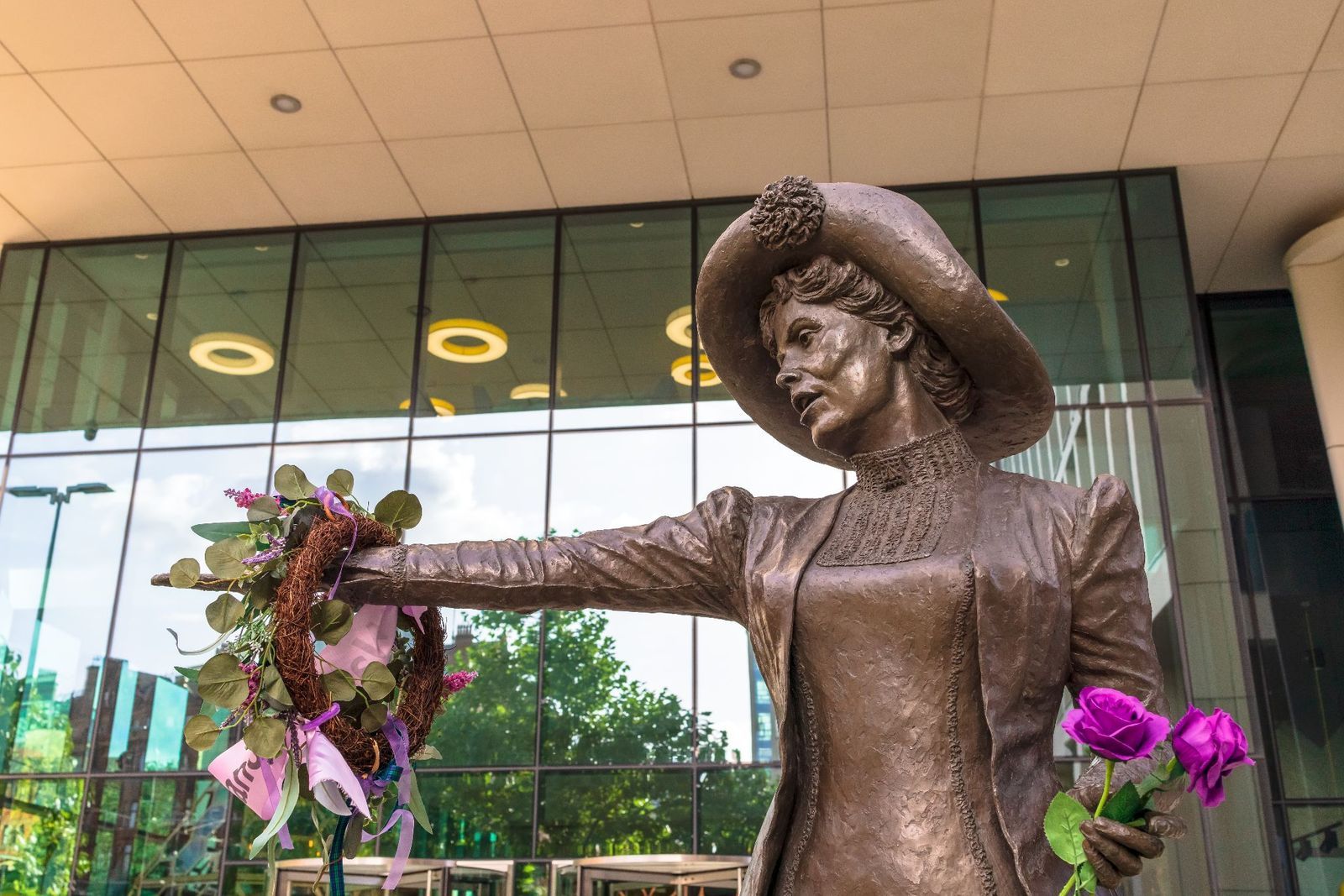
The British suffragette Emmeline Pankhurst delivered her famous speech "Freedom or Death" on November 13, 1913, in Hartford, Connecticut, a speech that was a defining moment in the women's suffrage movement.
In the opening, she famously declared: "I am here as a soldier who has temporarily left the field of battle to explain—it seems strange that I should have to explain it—what civil war is like when women wage it."