Celebrity flops
From Madonna to Burt Reynolds: 10 celebrity rebrands that tanked
Published on March 19, 2026
 Image: Bruno Guerrero
Reinvention is part of survival in Hollywood, but not every career makeover works. From actors trying to become rock stars to musicians chasing movie stardom, the industry is filled with cautionary tales of failed transformations. These 10 celebrities tried to break out of their established images, but the public—and sometimes critics—weren’t buying it.
Madonna
 Image: De'Andre Bush
Intended rebrand: Actress
Despite occasional praise (Desperately Seeking Susan, Evita), her performances in films like Body of Evidence and Swept Away earned her little more than Razzie Awards and negative reviews.
Her attempts to pivot into film never reached the same acclaim as her music, leaving her firmly on her pop-icon throne—not that there’s anything wrong with that when you’re Madonna.
Shaquille O’Neal
 Image: Gordon Cowie
Intended rebrand: Rapper
NBA legend Shaquille O’Neal released several rap albums in the ’90s. His debut, Shaq Diesel, went platinum, but subsequent releases, like Shaq Fu: Da Return, fell flat.
Critics panned his lyrics and delivery, despite numerous star collaborations, and Shaq’s rap career soon became more of a novelty act than a serious artistic pivot, ultimately overshadowed by his basketball achievements.
Paris Hilton
 Image: Matthias Wagner
Intended rebrand: Singer
In 2006, Hilton released her debut pop album, Paris. While the lead single "Stars Are Blind" gained some popularity, the overall album received lukewarm reviews, and sales didn’t last.
Attempts to relaunch her music career later failed, leaving her better remembered for reality TV and celebrity branding.
Mariah Carey
 Image: Brands&People
Intended rebrand: Actress
At the height of her fame, Mariah Carey starred in the 2001 film Glitter. However, the movie bombed both critically and commercially, dealing a major blow to Carey’s acting ambitions.
Although she later earned some praise for Precious (2009), her attempt to rebrand as a movie star remained overshadowed by Glitter’s failure.
Dennis Rodman
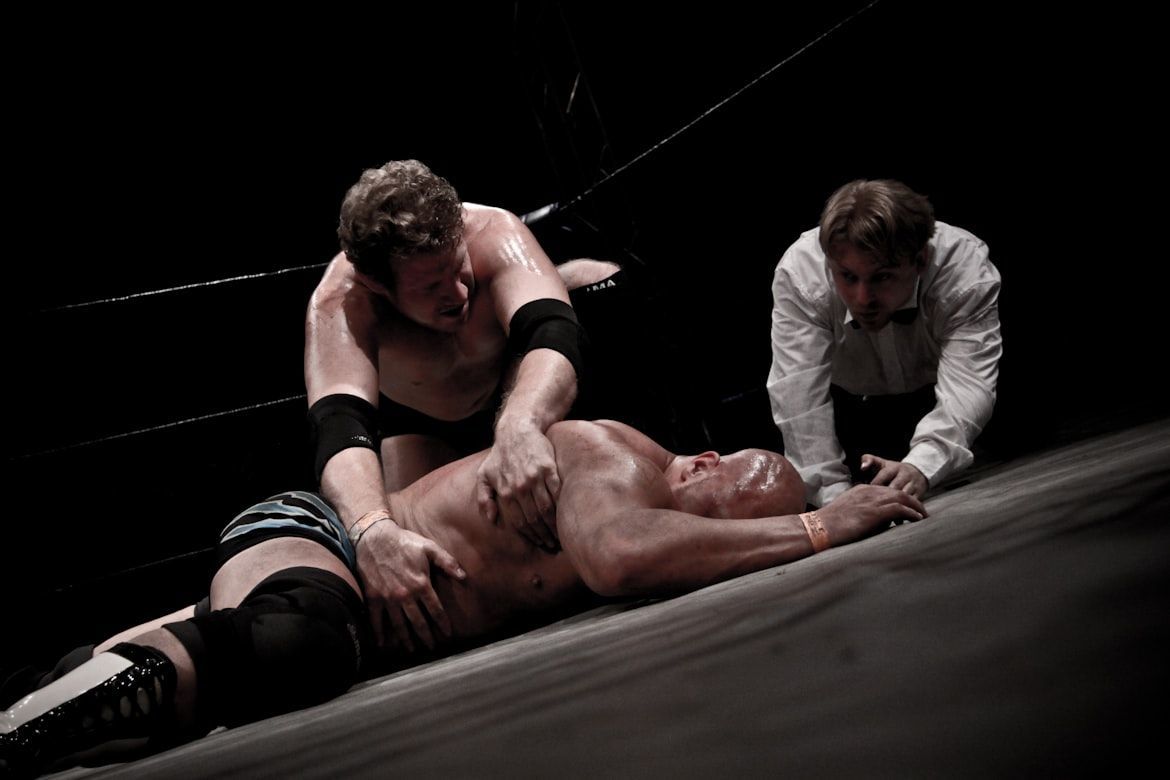 Image: Senad Palic
Intended rebrand: Wrestler
Rodman, already infamous in the NBA for his wild antics, joined WCW in the late 1990s. While he wrestled alongside Hulk Hogan in big matches, critics and wrestling fans mocked his lack of training and commitment.
The stunt drew headlines but didn’t translate into a lasting wrestling career, and Rodman returned to his basketball-focused career instead.
Sarah Palin
 Image: Sam McGhee
Intended rebrand: TV Host
After the 2008 election, Palin signed on for Sarah Palin’s Alaska on TLC.
The show revolved around outdoor adventures in the northernmost state. While initial ratings were strong, they quickly dropped off, and the show was eventually canceled after one season.
Mike Tyson
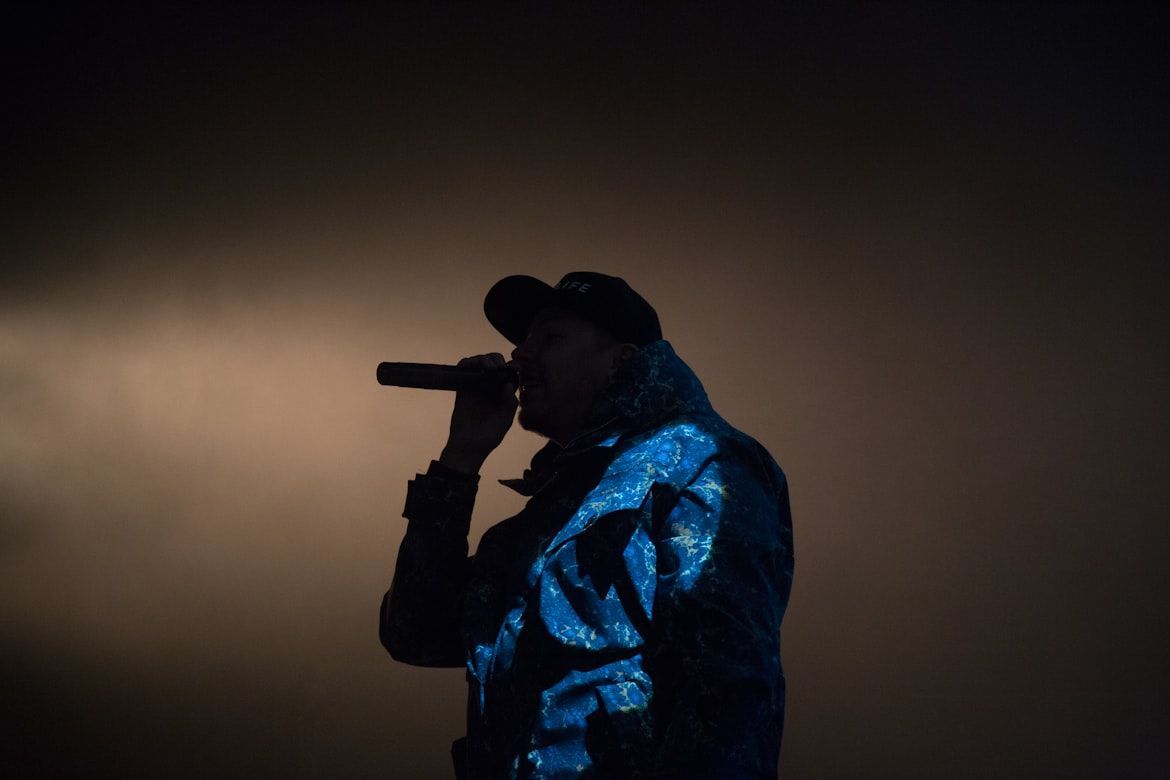 Image: aiden marples
Intended rebrand: Rapper
In the early 2000s, Mike Tyson announced plans for a rap career. Tracks like "I Am Who I Am" circulated but were widely mocked for their poor quality and delivery.
Despite his larger-than-life persona, Tyson’s attempt to rebrand as a musician collapsed almost before it began.
Michael Jordan
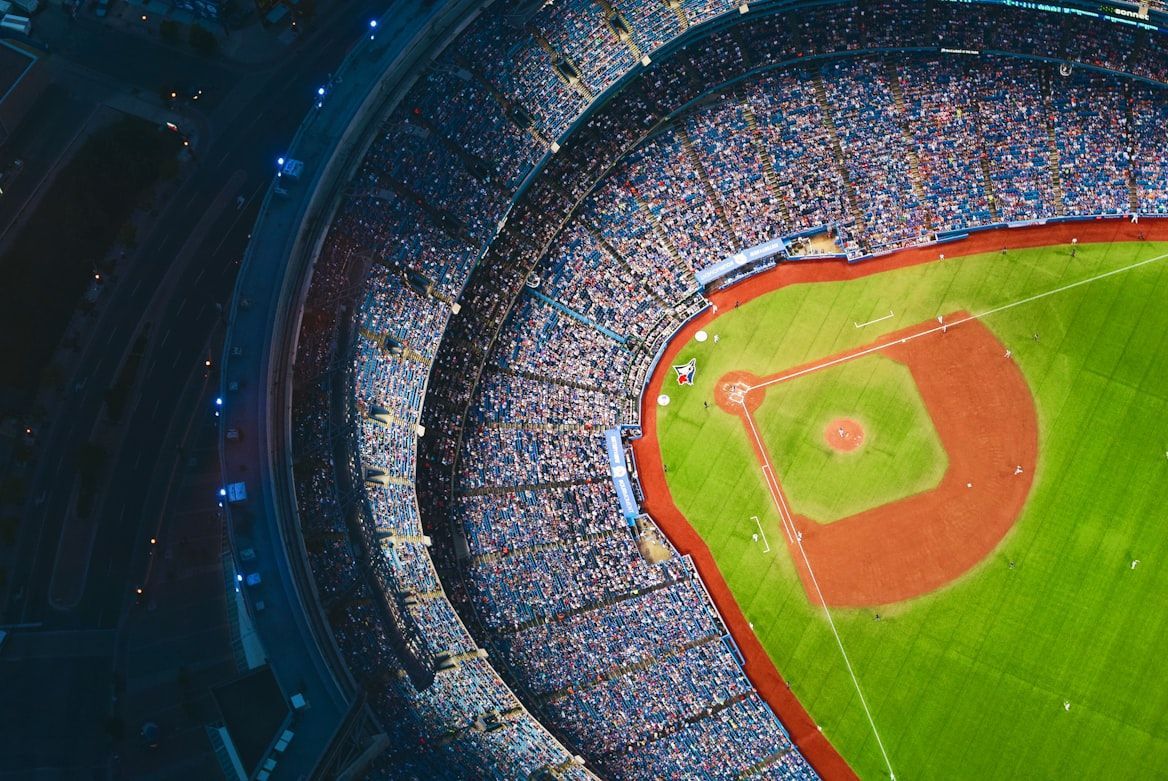 Image: Tim Gouw
Intended rebrand: Baseball player
In 1994, Jordan left the NBA to play minor-league baseball with the Chicago White Sox. Though he showed flashes of talent, he batted just .202 with the Birmingham Barons.
The baseball pivot became one of sports’ most famous failed rebrands, though Jordan later returned to his basketball career.
Tiger Woods
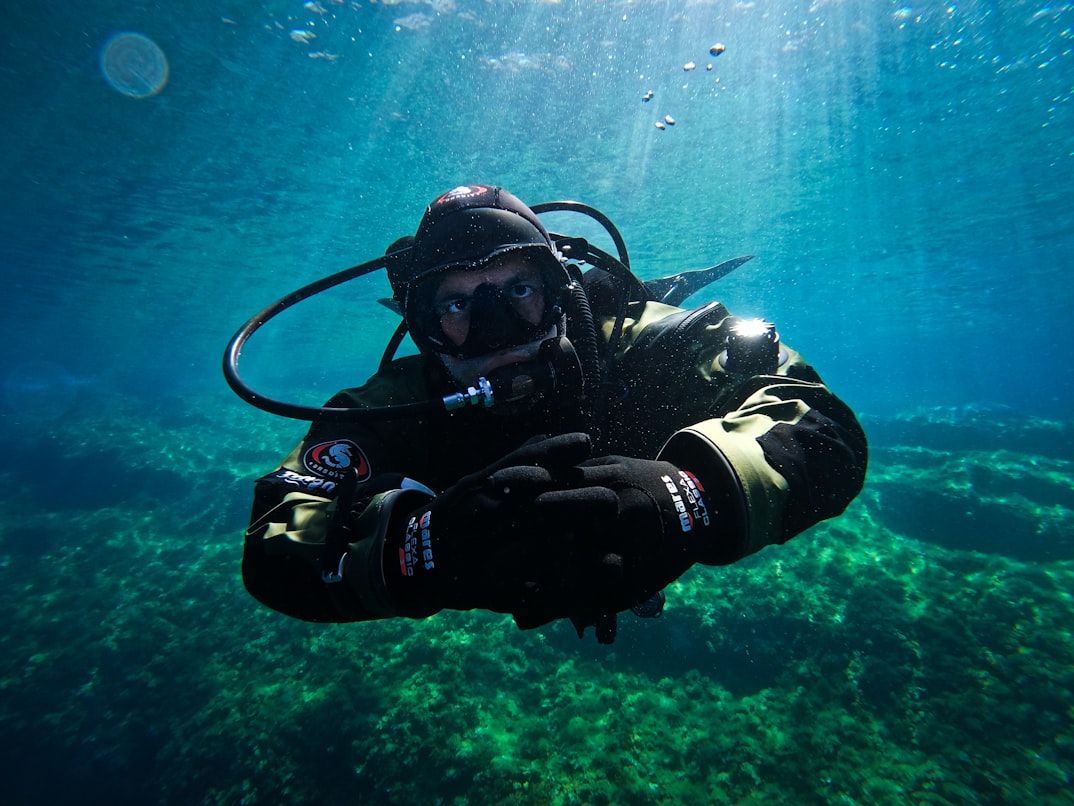 Image: Leo Talabardon
Intended rebrand: Navy SEAL
One of the most eccentric rebrands on this list, at the height of his golf career, Tiger Woods reportedly trained with Navy SEALs in hopes of pursuing a military path.
He did this as an attempted homage to his father, a Green Beret who served during the Vietnam War. However, a series of injuries, along with his ongoing golf commitments, prevented the idea from materializing.
Burt Reynolds
 Image: Priscilla Du Preez
Intended rebrand: Country singer
Hollywood star Burt Reynolds released a country album in 1973, Ask Me What I Am. Despite his fame, the album was poorly received and sold very few copies.
As a result, Reynolds quickly abandoned his country music ambitions and refocused on his thriving film career.