Fake news in the Middle Ages: 10 legends that stand the test of time
Published on June 20, 2026
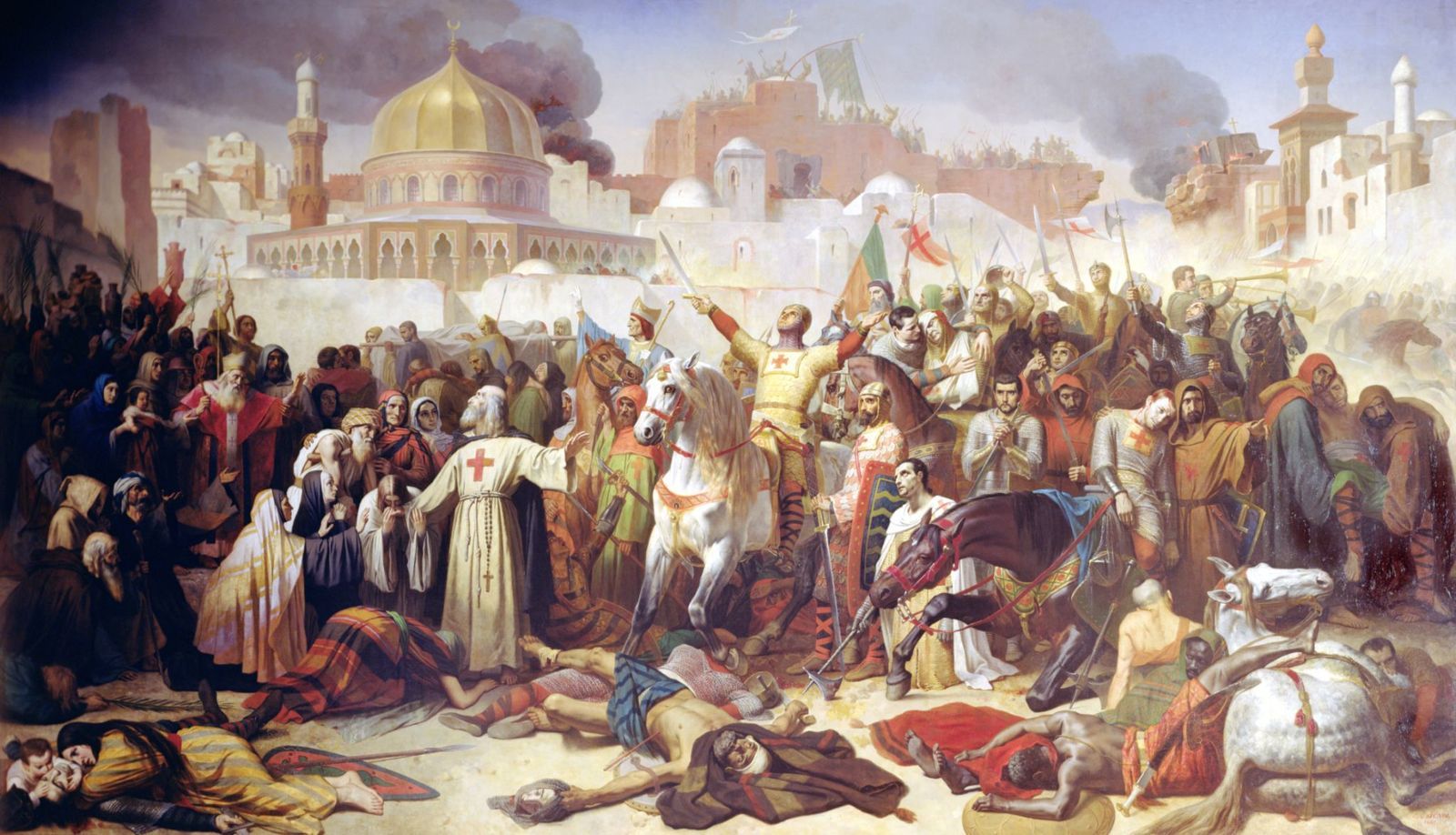
Before dark web conspiracy theories, people had the tavern. Information in the Middle Ages traveled slowly, mutating with every retelling. What we now call urban legends back then were terrifying theological myths that thousands accepted as facts. Discover ten of the most famous medieval legends that shaped the worldview of Europe for centuries.
Pope Joan
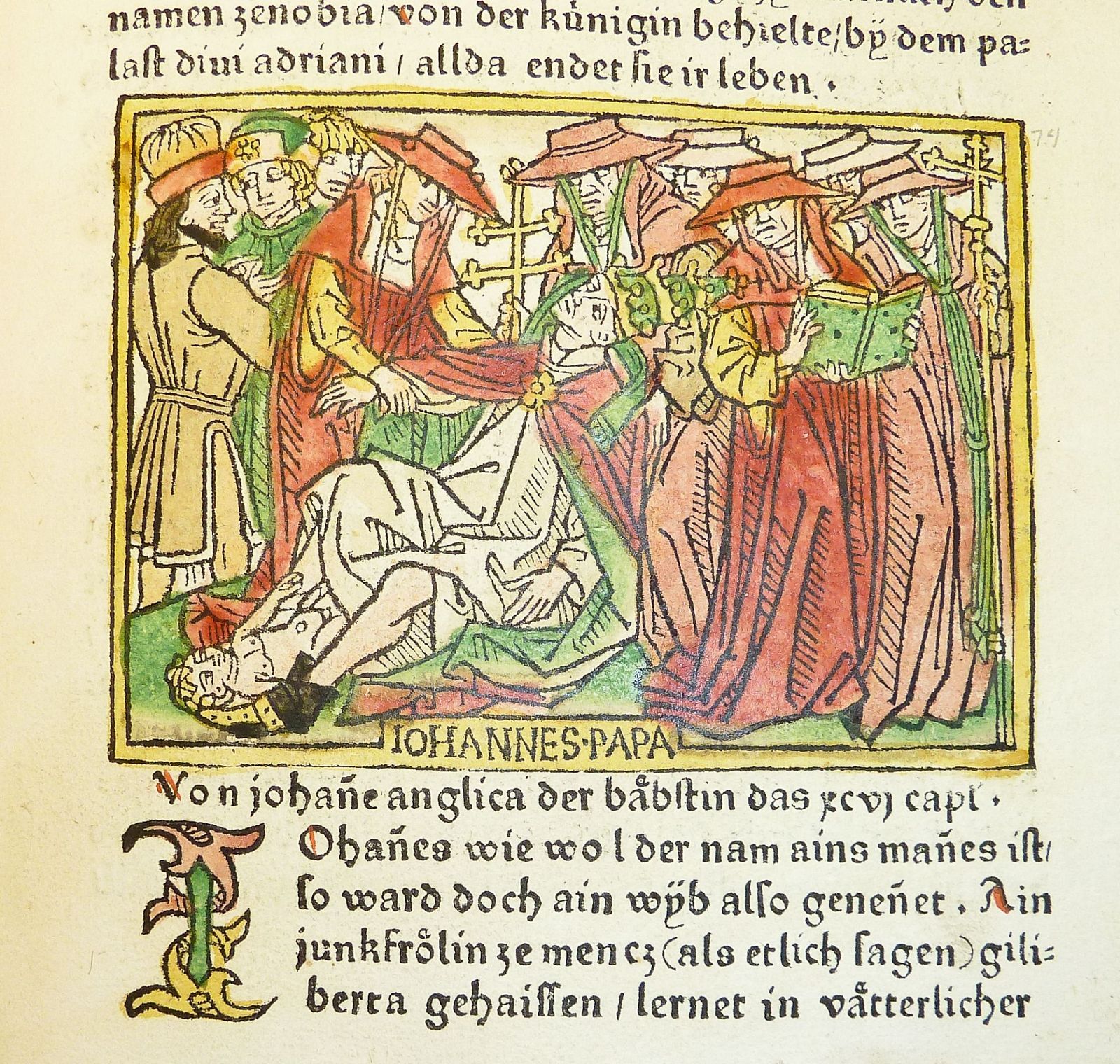
In the mid-13th century, there was a rumor that a woman had successfully disguised herself as a man, climbed the ranks of the Catholic Church, and reigned as Pope for several years in the 9th century.
According to the legend, John Anglicus was in fact an exceptionally brilliant English woman who mastered theology. Her secret was supposedly uncovered during a papal procession through Rome, when she went into sudden labor and gave birth right in the middle of the street. While modern historians believe the story is just satire or folklore, it was widely accepted as historical truth during the late Middle Ages.
Robin Hood

The urban legend of a noble outlaw who outsmarted the corrupt sheriff of Nottingham and stole from the rich to give to the poor began circulating in oral ballads around the 14th century.
Modern audiences know him as a cheerful hero in green tights, but early medieval versions of Robin were much grittier, violent, and anti-clerical. Historians have spent centuries looking through court records trying to find a definitive Robin Hood. Most conclude he was a complex figure, the medieval manifestation of rebellion against an unfair system.
The Holy Grail
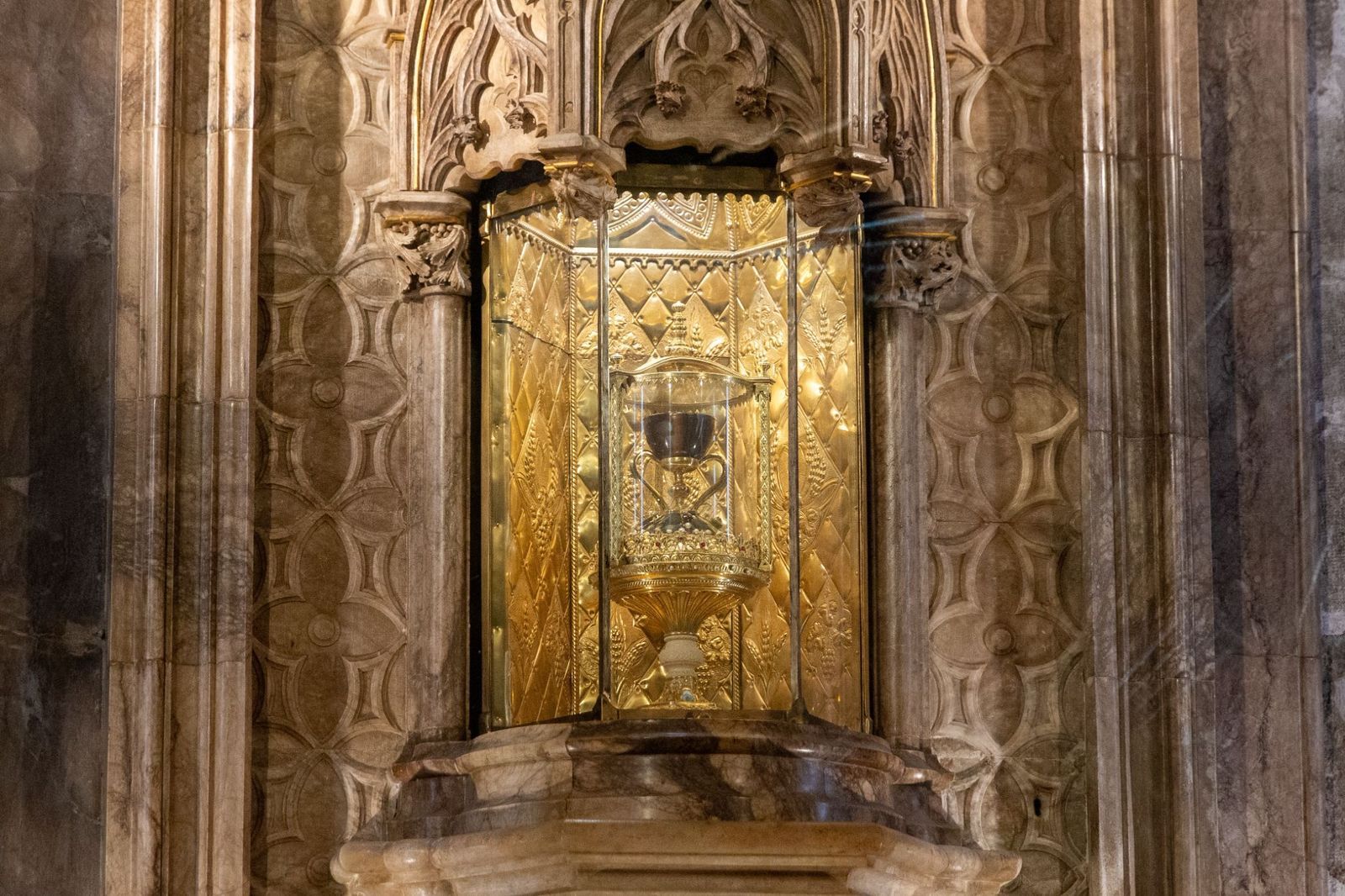
Originating in the late 12th century through the French romances of Chrétien de Troyes, the Grail was described as the sacred chalice used by Jesus Christ at the Last Supper, and later used to collect his blood during the Crucifixion.
The legend claimed that this vessel possessed miraculous healing powers, granted eternal youth, and provided infinite food. It became an obsession across Western Europe. Knights and nobles genuinely believed the Grail was hidden somewhere in a secluded castle, waiting for a perfectly pure warrior to find it.
King Arthur

Did a heroic king once rule Britain from a golden castle called Camelot, surrounded by a Round Table of knights? The legend of Arthur was popularized in the 1130s by Geoffrey of Monmouth’s History of the Kings of Britain, a mixture of vague fragments of real 5th-century Celtic warlords and doses of pure fiction.
Arthur became the gold standard for medieval chivalry. The urban legend expanded to include his magical sword Excalibur, the wizard Merlin, and the tragic betrayal by his queen, Guinevere. The myth was so powerful that English monarchs, including Edward I, used Arthurian imagery to legitimize their rule, even claiming to have discovered Arthur’s tomb at Glastonbury Abbey in 1191.
Fountain of Youth
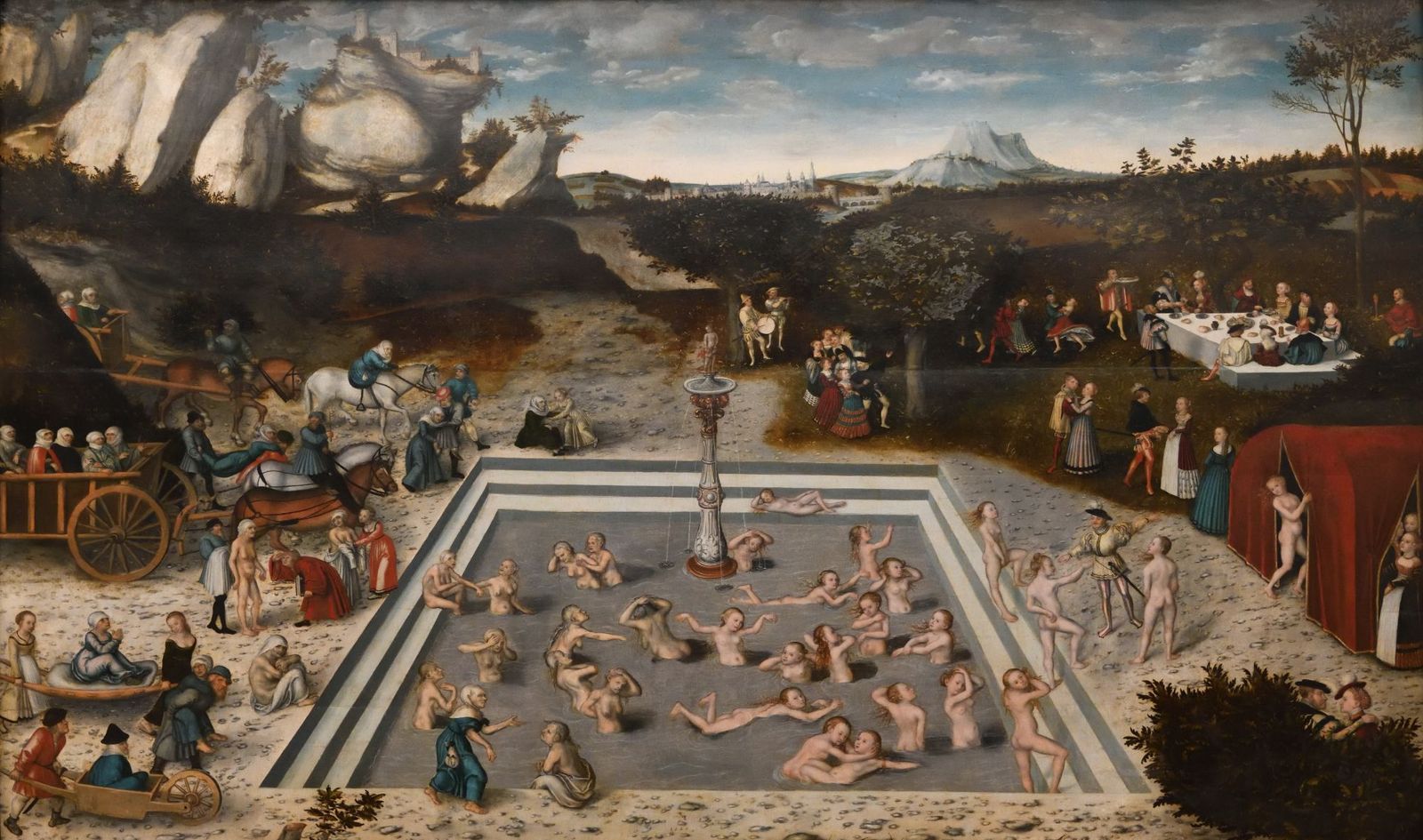
The idea of a magical spring capable of reversing aging and curing all sickness is an ancient one, but it became a dominant urban legend during the Middle Ages. The myth was blown up by the Alexander Romance, a fictionalized collection of stories about Alexander the Great that circulated in Europe at the time.
According to these tales, Alexander and his armies searched for the "Water of Life" on the outer edges of the known world. Medieval travelers and mapmakers speculated that this fountain existed somewhere in India or the mythical lands of the East. This legend laid the groundwork that, centuries later, would drive Spanish explorers like Juan Ponce de León to hunt for it in the Americas.
Incubus and Succubus
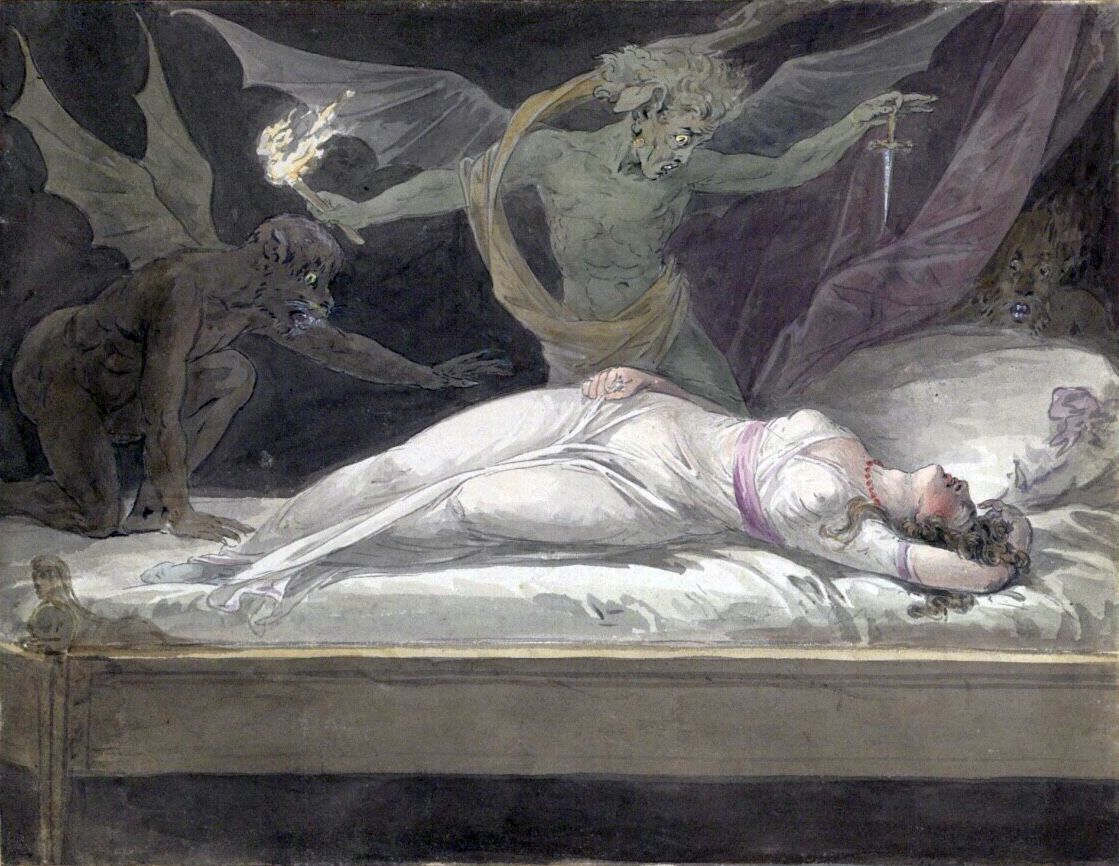
Medieval life was deeply preoccupied with sin, demonic temptation, and the supernatural. When people experienced terrifying nightmares or sleep paralysis, they didn’t have modern psychology to explain it. Instead, they blamed the incubus and succubus.
An incubus was a male demon believed to prey upon sleeping women, while a succubus was a female demon that seduced men. These entities weren’t just folklore, they appeared in serious medieval theological texts. Church scholars even argued about how these demons operated, warning that they could steal human material to create monstrous offspring.
The Ten Lost Tribes of Israel
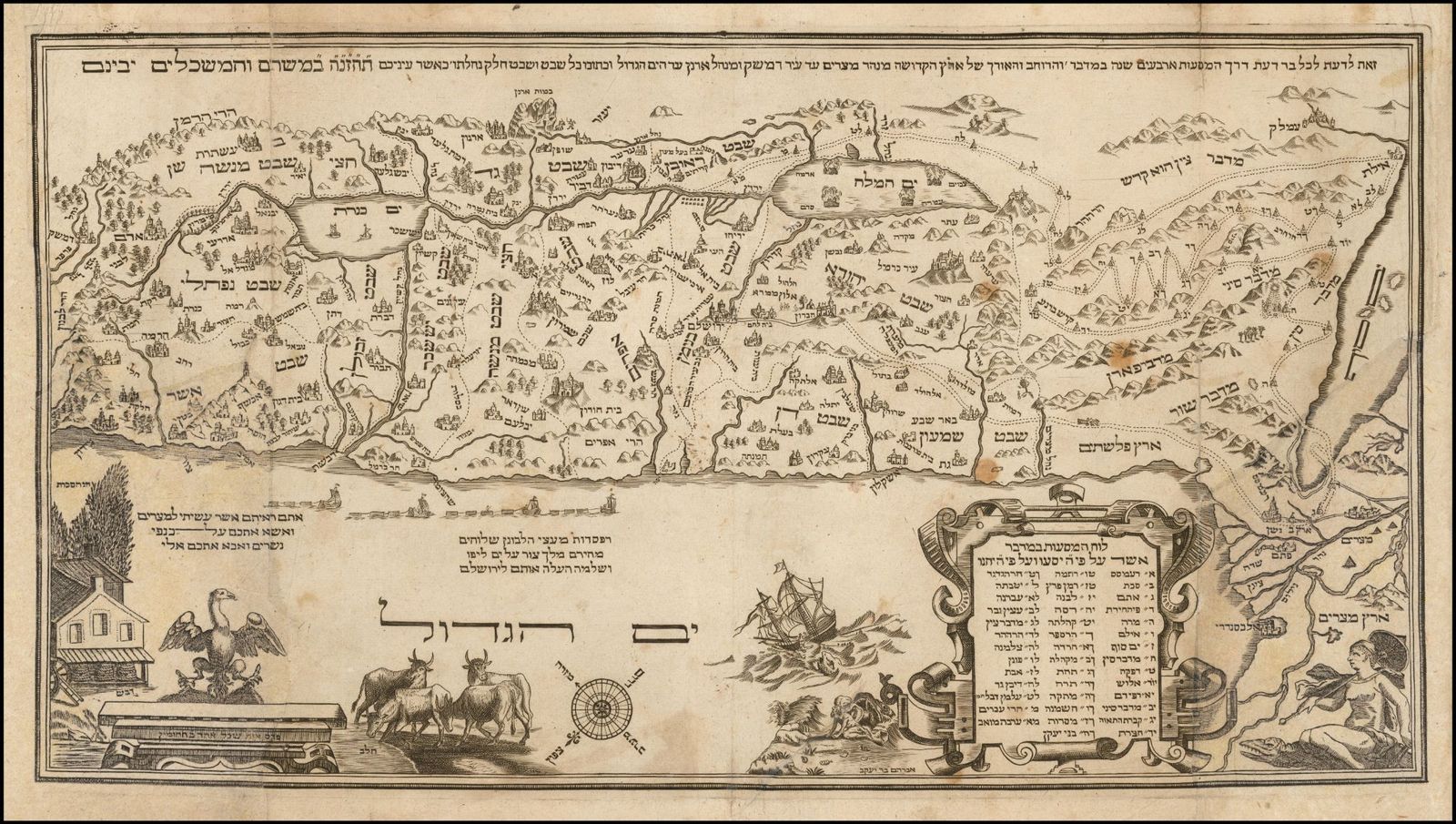
Following the Assyrian conquest of the Kingdom of Israel in the 8th century BCE, ten of the twelve Jewish tribes vanished from the biblical narrative. In the Middle Ages, this historical mystery became a geopolitical urban legend.
European Christians and Jews alike shared the thought that the Ten Lost Tribes were living out past the edges of the mapped world. They were said to be trapped behind the mythical Sambation River, a river made of stones and sand that only stopped flowing on the Sabbath. A major component of this legend was the fear or hope that these millions of hidden warriors would one day cross the river.
The Wandering Jew
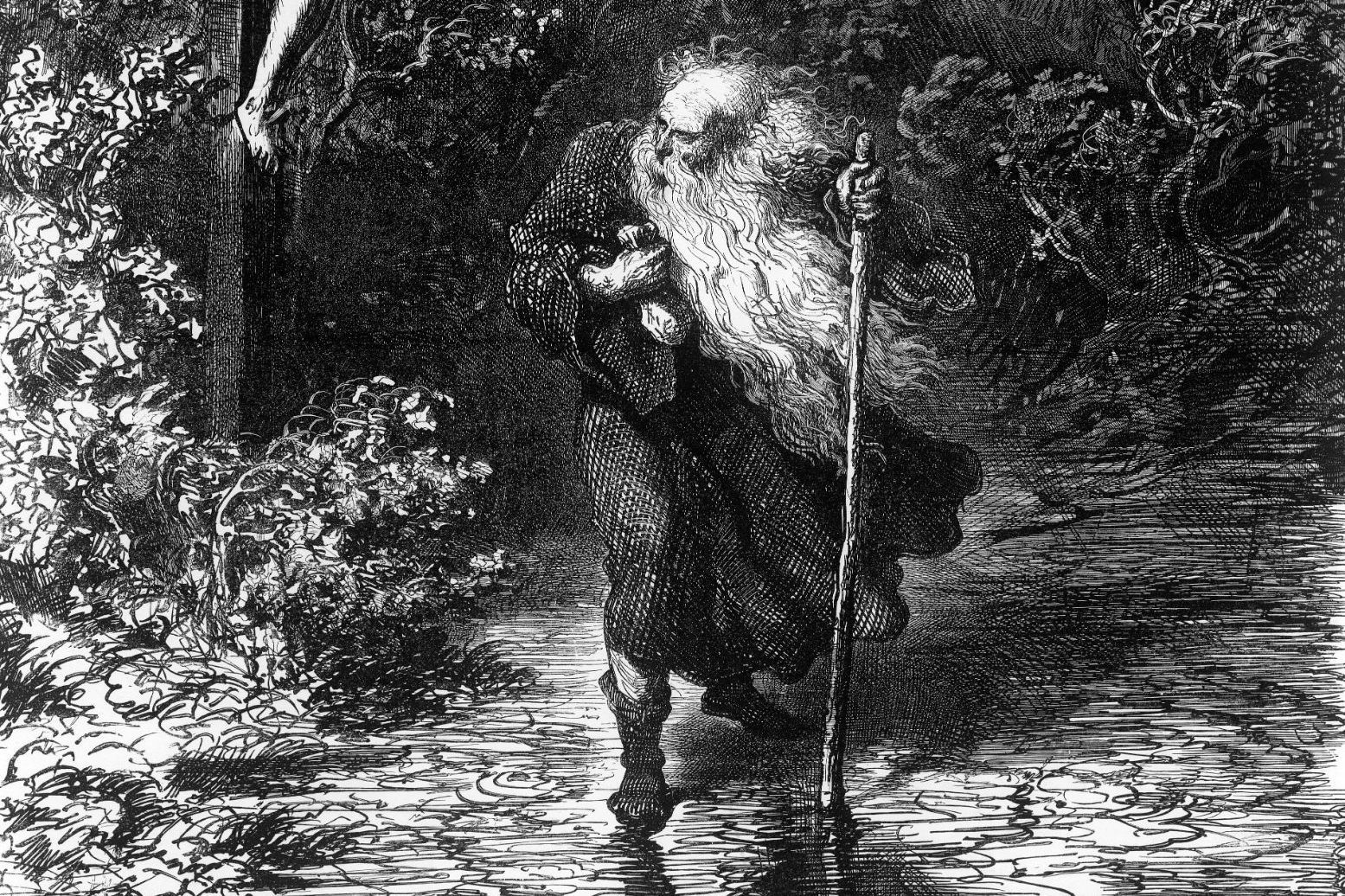
The Wandering Jew is one of the most tragic urban legends of the time, first appearing in written European chronicles around the 13th century. The story goes that a Jewish shoemaker or guardsman named Cartaphilus (or Ahasuerus in later versions) taunted Jesus as he carried his cross to Calvary, telling him to hurry up. Jesus supposedly replied: "I am going, but you will wait until I return."
As a result, the man was cursed with immortality and doomed to walk the earth without rest until the Second Coming of Christ. Throughout the Middle Ages, people across Europe claimed to have met this sorrowful traveler, describing him as a knowledgeable man who spoke every language.
The Children’s Crusade
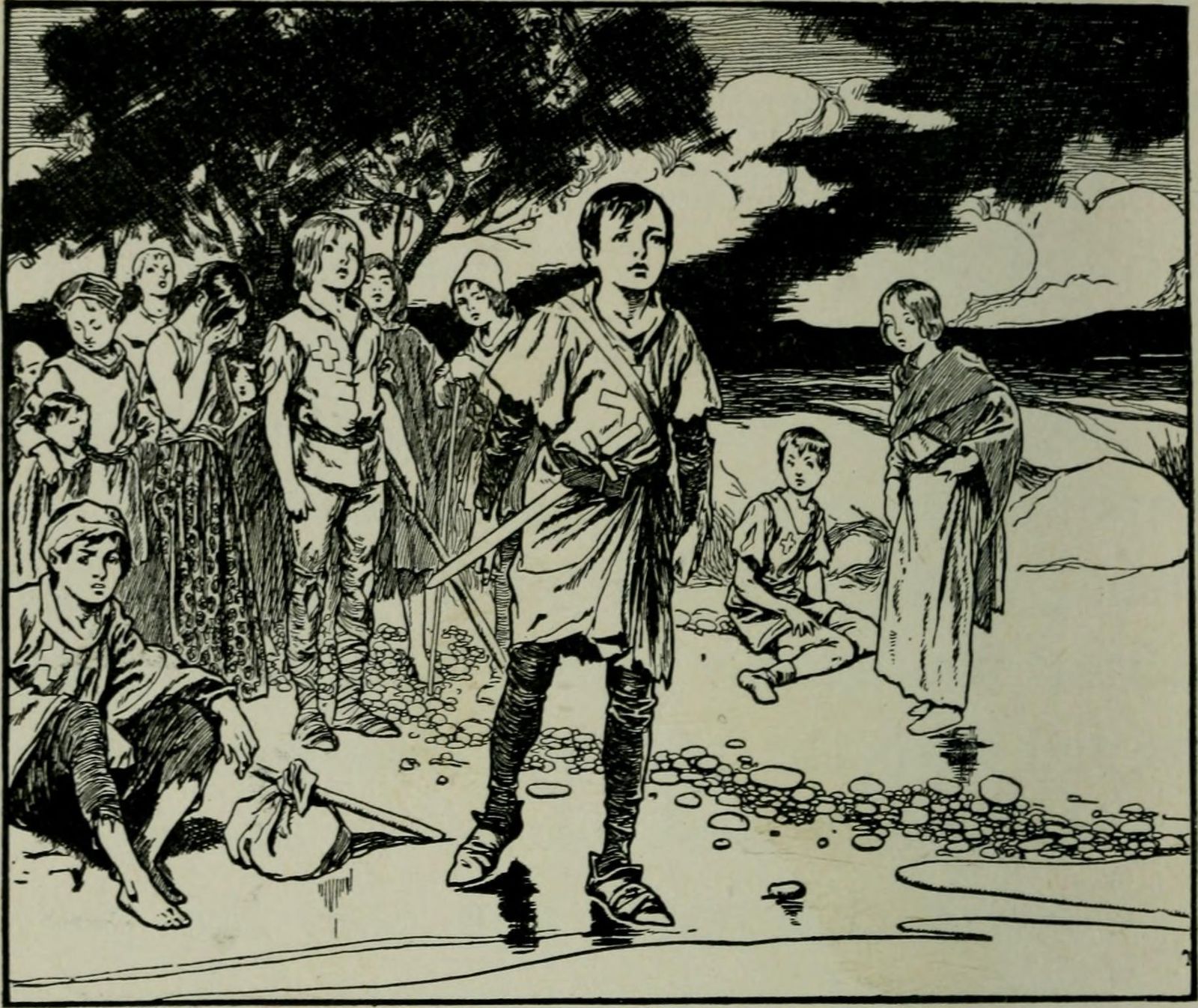
In the year 1212, a wave of religious hysteria swept through France and Germany. The resulting story became one of the most heartbreaking urban legends of the era: the Children’s Crusade. The popular tale stated that thousands of unarmed children, inspired by visions, marched toward the Mediterranean Sea, believing the waters would part for them so they could peacefully reclaim Jerusalem. When the sea failed to part, corrupt merchants supposedly loaded them onto ships and sold them into slavery in North Africa.
Prester John
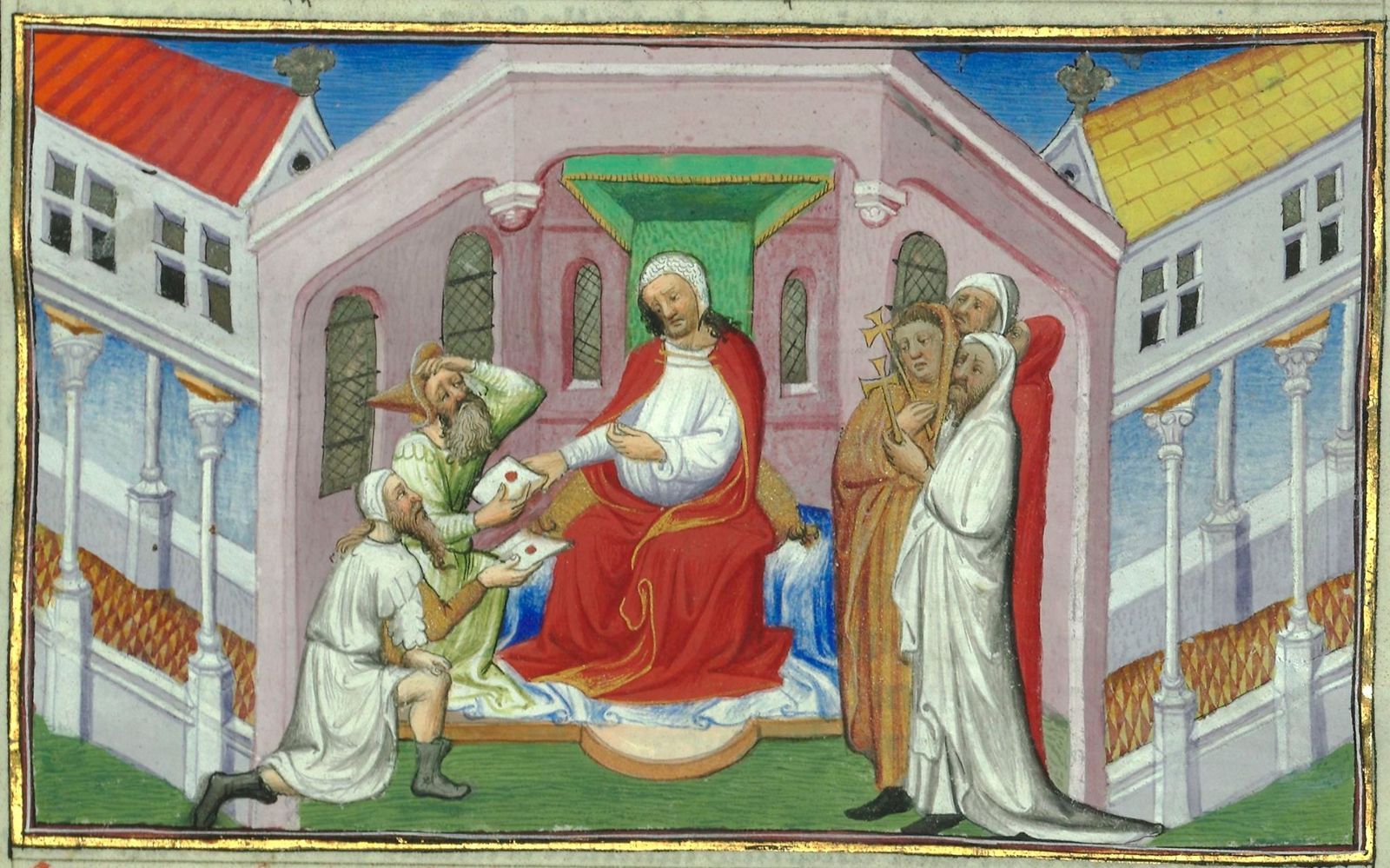
Beginning in the mid-12th century, rumors spread of Prester John, a wealthy Christian king who ruled a utopian empire somewhere in the heart of Asia or Africa.
The legend reached a peak when a forged letter, supposedly written by Prester John himself, circulated among European monarchs. The letter described a kingdom with rivers filled with gold, the Fountain of Youth, and a mirror through which the king could see his entire empire. During the Crusades, European armies hoped that Prester John’s legions would march from the East to save them.