Dyslexia, anyone?
Do you know what a “spoonerism” is? It happens more often than you think
Published on February 22, 2026
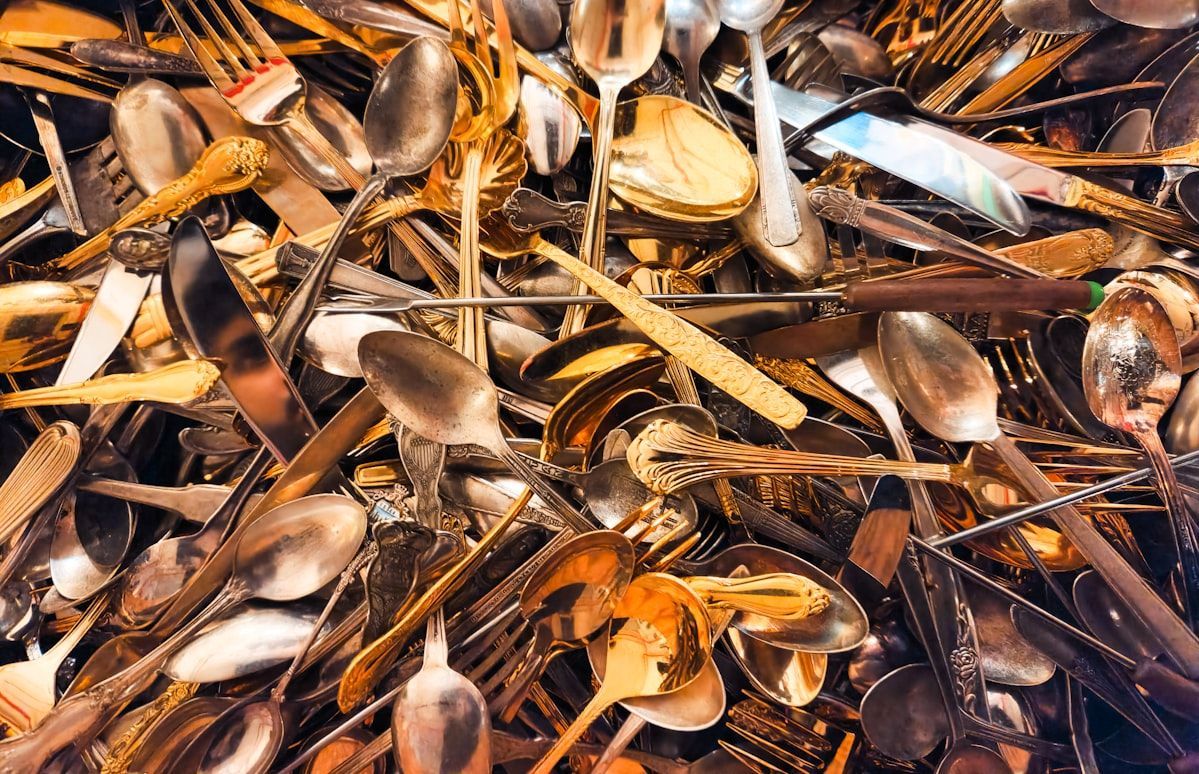 Image: Zoshua Colah
If you have never heard of spoonerisms, you are not alone. But, even if you are not familiar with the term, you have surely experienced this linguistic phenomenon that can be a sign of dyslexia. Spoonerisms are those accidental (or sometimes intentional) word swaps where the first sounds of two words trade places. Take a look at the following 11 examples of this kind of thing, and you will understand what it is.
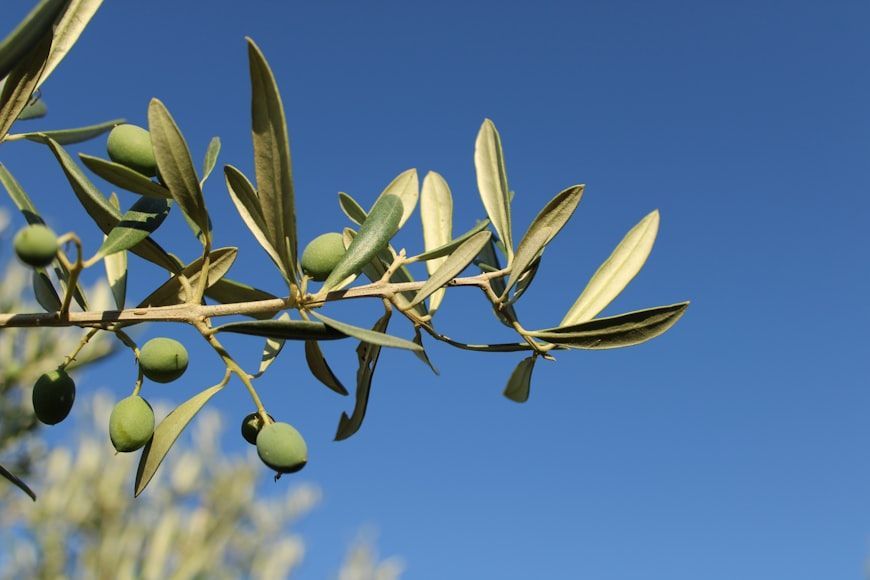
Well-oiled bicycle > Well-boiled icicle
 Image: Carl Nenzen Loven
A well-oiled bicycle suggests a smooth, working bike ready to ride. Swap the sounds, and suddenly you’re talking about a "well-boiled icicle," which is nonsense but funny because icicles are frozen, not boiled.
This spoonerism illustrates how absurdity enters the room when everyday objects are assigned mismatched qualities.
Fighting a liar > Lighting a fire
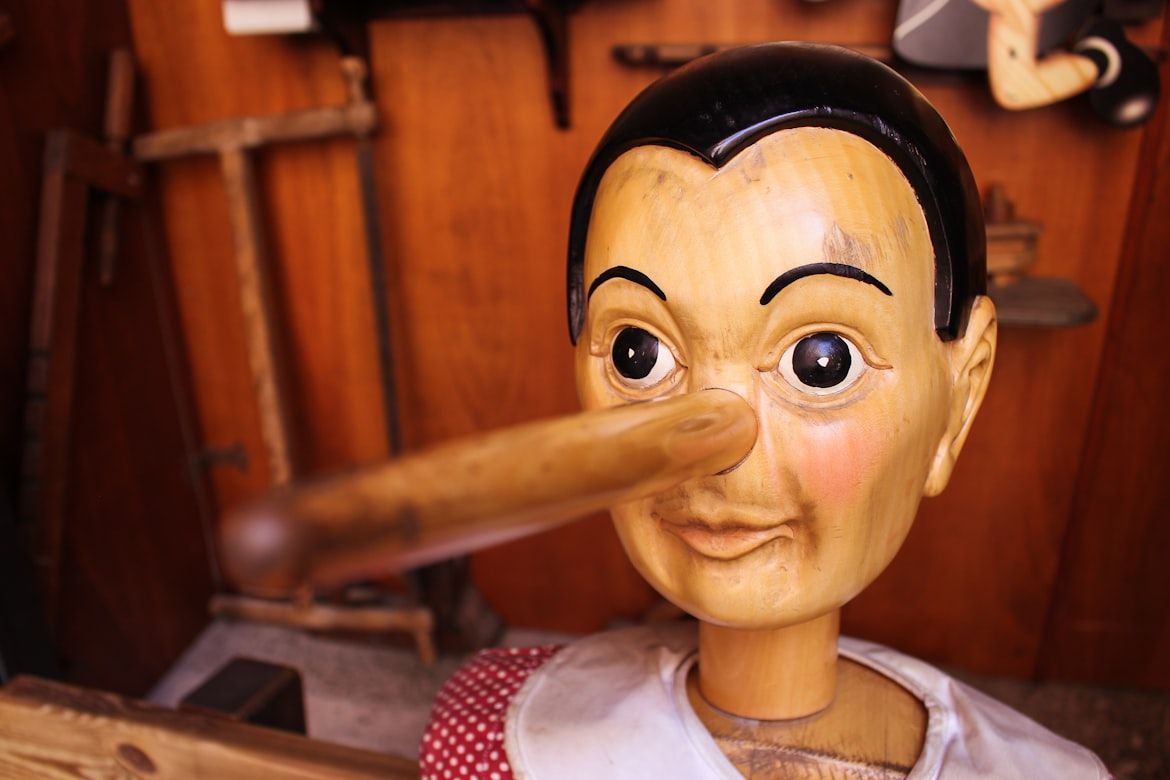 Image: Jametlene Reskp
If someone is fighting a liar, you picture an argument or a clash. But with the swapped version, you’re just sparking flames instead. Two very different scenarios: one involves conflict, the other warmth.
The humor comes from the complete shift in tone: from deception and struggle to something as simple as starting a campfire.
You have hissed all my mystery lectures > You have missed all my history lectures
 Image: Wan San Yip
The original phrase suggests someone accidentally hissing during class, which is silly. The corrected version points out they simply weren’t there for the history lessons.
It shows how one slip can turn an ordinary comment into something unintentionally funny.
It is customary to kiss the bride > It is customary to cuss the bride
 Image: Eugenia Pan'kiv
Weddings are a traditional event, with the new couple sealing the deal with a kiss. But if the sounds get mixed up, suddenly you’re picturing guests shouting rude words at the bride.
The joke lands because it twists a wholesome ritual into something shocking and inappropriate.
Better late than never > Better Nate than lever
 Image: Pierre Bamin
The proverb teaches us that doing something eventually is better than not at all. Flip the sounds, and suddenly it’s about an individual named Nate being preferable to a lever.
This one’s funny because it introduces an entirely random element (or person, Nate) into a well-known saying.
Our dear old queen > Our queer old dean
 Image: Church of the King
Praising a monarch as a "dear old queen" sounds respectful. But swap the sounds, and you’re describing a school official in a very different light.
The shift is humorous because it takes a regal image and transforms it into a funny academic one.
A crushing blow > A blushing crow
 Image: Johann Walter Bantz
A crushing blow suggests defeat, damage, or something powerful. Turn it around, and you have a shy bird blushing.
This example works because it replaces seriousness with absurdity. What could have been about battle or hardship becomes about a bashful crow.
Ease my tears > Tease my ears
 Image: Tom Pumford
The original phrase has an emotional meaning: asking for comfort to reduce crying. Flip it, and suddenly someone is talking about tickling their ears instead.
The humor lies in how the swap removes the sadness and inserts playful nonsense.
Coast Guard > Ghost card
 Image: Fujiphilm
The coast guard protects the waters and rescues sailors in distress. But switch the sounds, and you’re left with a "ghost card," something that sounds like a spooky playing card.
This one is funny because it takes a respected institution and transforms it into something from a Halloween party instead.
Bass drum > Drass bum
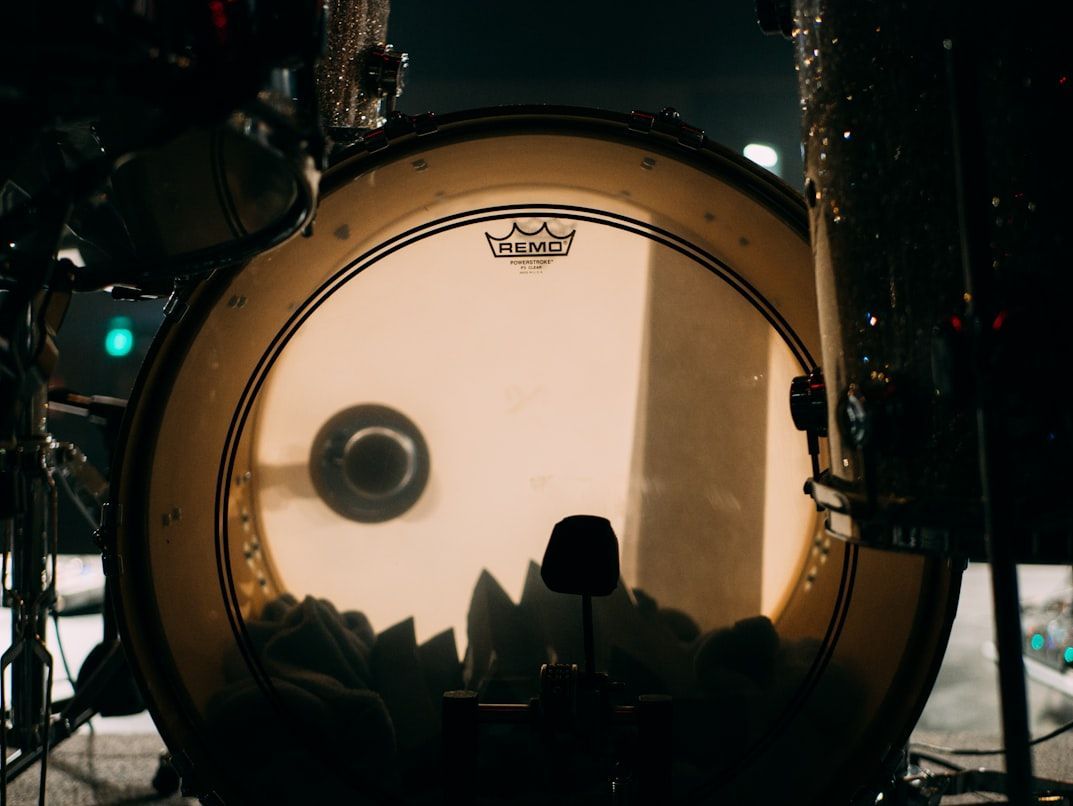 Image: Chris Bair
A bass drum is a key part of a band’s rhythm section, loud and commanding. But "drass bum" isn’t even a real phrase, it sounds like an extravagant insult.
The silliness comes from turning a musical term into gibberish that feels rude without meaning anything.
A lack of pies > A pack of lies
 Image: Fran Jacquier
Being disappointed by a lack of pies can be a sad thing for dessert lovers, indeed. But swap the sounds, and suddenly you’re accusing someone of dishonesty instead.
This spoonerism is a classic example of this phenomenon because it takes something light and twists it into something serious.