Awkward words ahead

Did you fartlek today? 12 words that sound funny but are serious


Published on June 30, 2026


Image: Piotr Łaskawski

We all know it: some words just sound ridiculous, but they mean business. If you have ever come across a term like "gobbledygook" or "kerfuffle" and wondered if someone made it up, you're not alone. Let us take a look at 12 of these magnificent words that seem unreal, but are not.

1

Firkin

Image: Ellienore Bradley

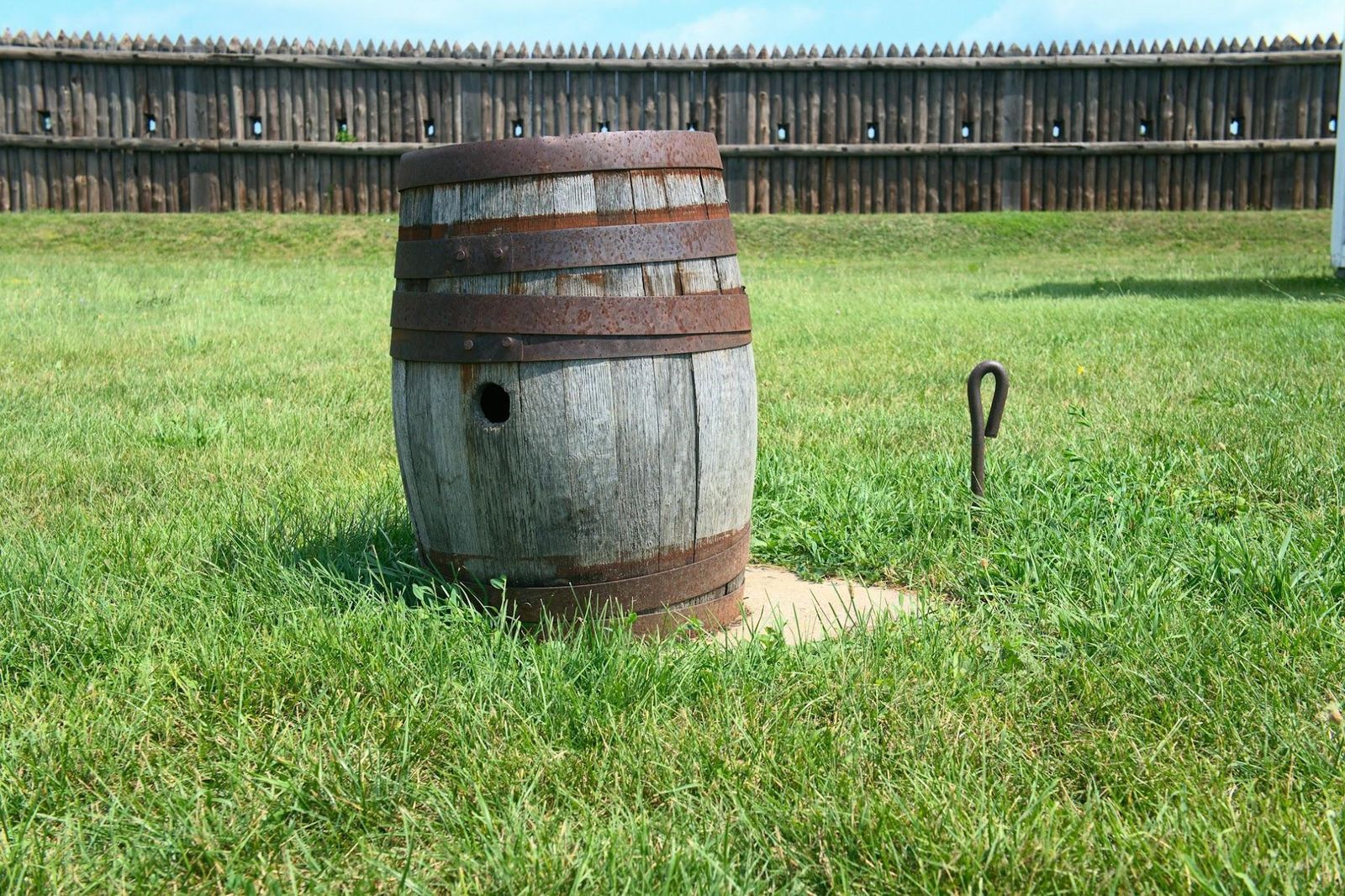
It does remind us of a dirty word, but it’s not. A firkin is, in fact, an ancient English word that refers to a small tub or a vessel of sorts.

Traditionally, it held ale or butter, sized at about a quarter of a barrel, making it handy for transport. Breweries still sometimes use firkins today for cask-conditioned beers, keeping the word alive in pub culture.

2

Godwottery

Image: baona

Many terms that today sound funny or even rude are, in fact, outdated words and idioms that fell out of use. Godwottery is one of these, and it can be used to describe overly decorated or elaborate speeches.

The word comes from the name of English poet George Gascoigne’s fictional gardener, "Godwot," linked to the overly ornate style of gardening. By extension, it entered English in the 19th century to label pretentious language.

3

Spondulicks

Image: Giorgio Trovato

What sounds like a teenager's expression of approval is, in fact, an 18th-century word for cash. It often appeared in casual speech and newspapers to mean ready funds.

Though it has fallen out of everyday use, it still pops up in literature or nostalgic writing to add a colorful touch to talk about money.

4

Fartlek

Image: Alex McCarthy

Fartlek may sound like a joke, but it’s a serious workout technique. It comes from Swedish and means "speed play."

This type of endurance training involves alternating between jogging and sprinting. Despite the silly name, it’s used by athletes to improve speed and stamina.

5

Popple

Image: Barth Bailey

Popple means choppy or rough seas, and, in an onomatopoeic sense, it sounds just like what it describes.

Its origin lies in Middle English, linked to the verb popelen, meaning to bubble or boil. And, though it is less common in modern English, it does survive in regional usage and poetry, evoking the lively surface of wind-stirred water.

6

Impignorate

Image: Tierra Mallorca

Impignorate is a fancy old word that means to pawn or mortgage an item. It’s rarely used today, but it once described the act of offering something valuable as a loan guarantee.

The term comes from the Latin impignorare, formed from in- plus pignus, meaning pledge. First recorded in the 16th century, it was used in legal and financial contexts.

7

Buttress

Image: Chris Boyer

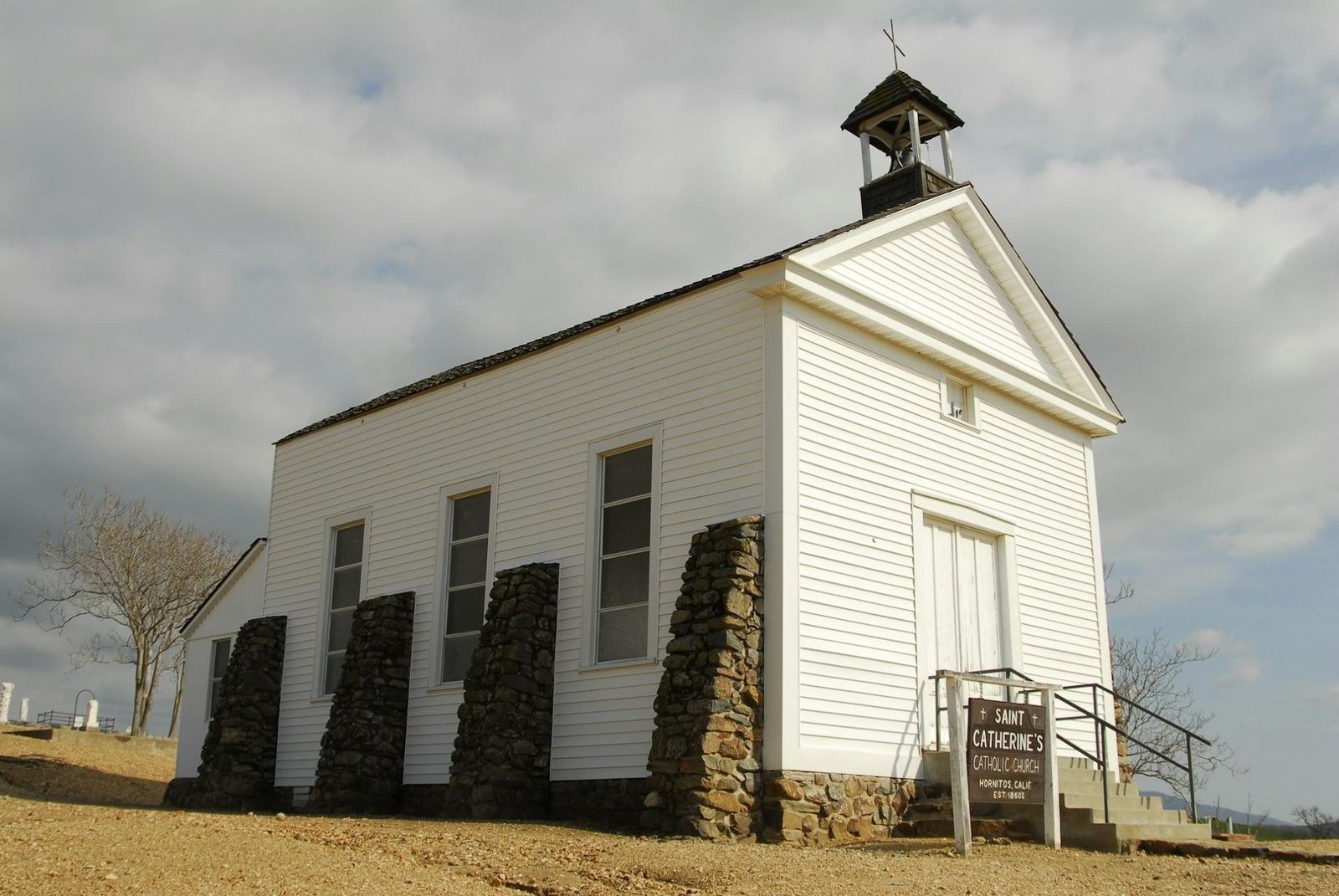
Any word that starts with "butt" is prone to appear on this list. In this case, a buttress is a support structure that helps keep walls or buildings stable.

You’ll often spot them on Gothic-style churches, castles, and cathedrals, adding both strength and style.

8

Biblioklept

Image: Thought Catalog

While it sounds like a tricky tongue twister, and it definitely could be one, "biblioklept" is in fact the word for someone who steals books.

The word comes from the Greek roots biblio- meaning "book" and kleptes meaning "thief." It appeared in English in the 19th century, reflecting a period when Greek and Latin roots were often combined to coin precise or scholarly terms.

9

Spleenwort

Image: Mykyta Martynenko

If the term spleenwort sounds more like a medical problem than a plant to you, you are not alone. Does it refer to something or someone worthy of spleen?

In fact, the word spleenwort is the name of a small evergreen fern found in rocky areas and forests.

10

Penuche

Image: Phil Hearing

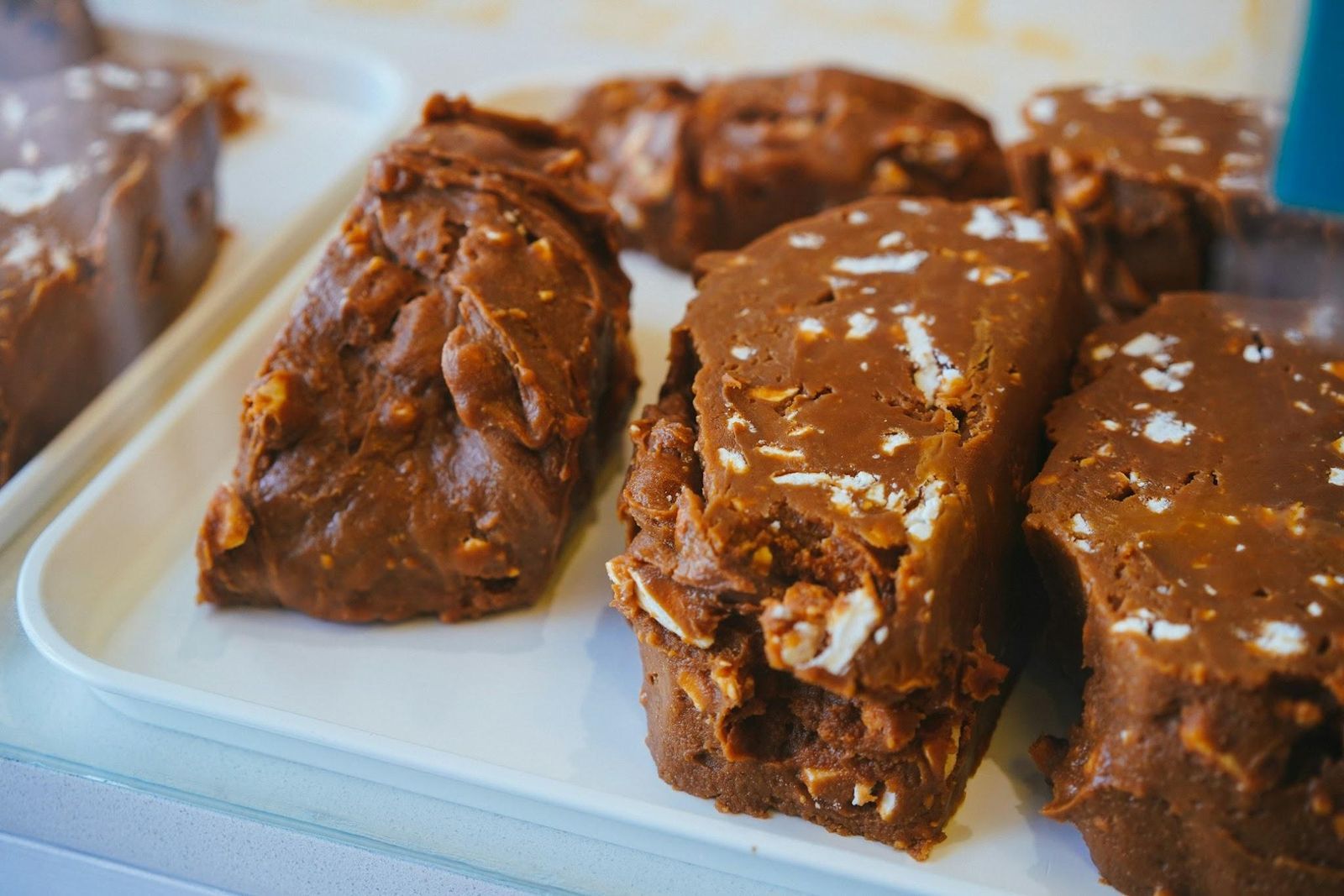
Never heard of penuche? If you’re not a baker, that’s pretty normal. A penuche is a type of fudge made with brown sugar, buttercream, and usually some nuts.

It’s a traditional sweet found in New England and parts of the American South, where it remains a nostalgic treat. It sounds more sophisticated than it is!

11

Slumgullion

Image: DUSAN ZIDAR

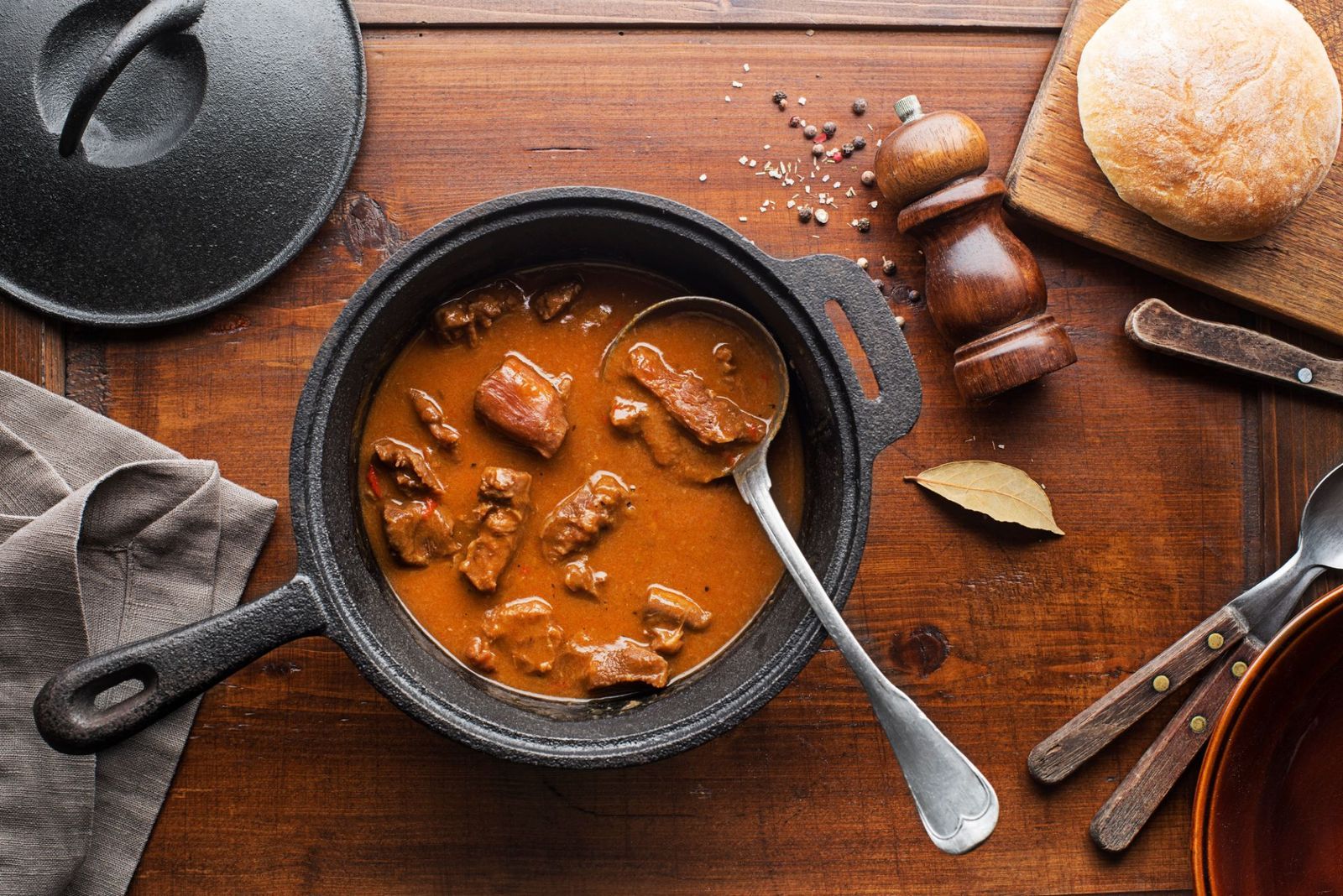
Again, it’s not an old-fashioned insult. Slumgullion is a strange-sounding word for a simple, cheap meat stew. It’s one of those food terms that doesn’t exactly make your mouth water, despite its hearty roots.

It was common among miners, loggers, and working folks who needed filling meals with whatever was on hand. It might not look or sound great, but it definitely gets the job done!

12

Shalloon

Image: Artsy Vibes

A shalloon might sound like the word saloon, pronounced by someone with a speech impediment. But it’s not. Shalloon is a lightweight, twilled wool fabric once used in clothing and linings. Unless you're into textiles or fashion history, you’ve probably never needed the word.

The word comes from Châlons-sur-Marne in France, where the fabric was originally produced. The English form "shalloon" emerged in the 1600s, reflecting the common practice of naming textiles after their place of origin.

Trimming our vocabulary

10 words in English that used to be longer


Published on June 30, 2026


Image: Megan Watson

Have you ever wondered why we say ‘fab’ for fabulous, or ‘uni’ for university? A natural characteristic of most languages is that speakers, even if they don't realize it, try to say the most amount of things with the least amount of words possible. This can be done in many ways, including by shortening the word to its smallest form. While in some cases the short and the long versions are used at the same time, many terms that we don’t think twice about actually have a longer version. Keep on reading to discover the original form of these everyday words.

1

Pub

Image: Amie Johnson

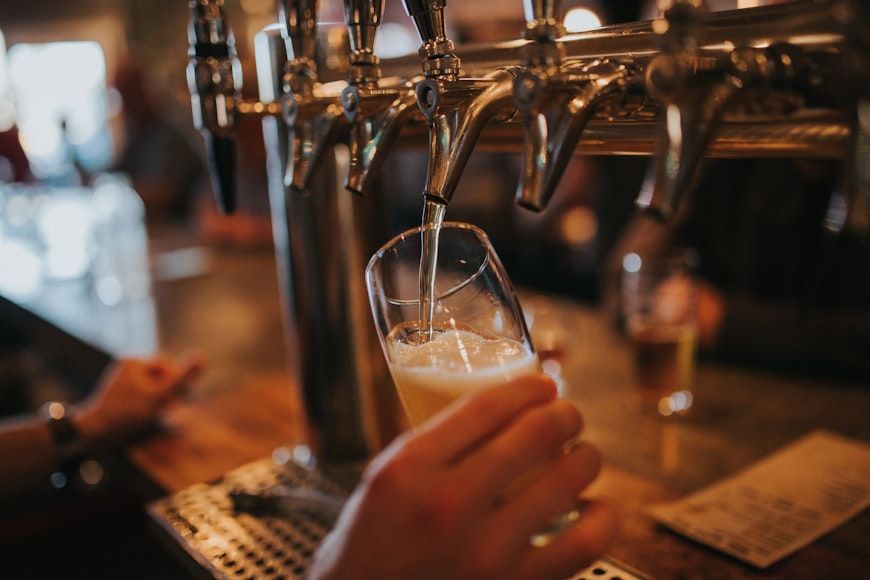
Public establishments dedicated to selling alcohol are as old as time and have gone by several names over the centuries. In English, taverns, alehouses, and inns existed way before the word ‘pub’ was in use. Where did it come from, then? In the 17th century, the term ‘public house’ began to be used to distinguish these establishments from private houses and residences, and the shortened version of ‘pub’ was registered for the first time in 1859.

2

Bus

Image: CHUTTERSNAP

Buses weren't always machines. The first recorded bus dates back to 1823 in Nantes, France, where a horse-drawn carriage service transported passengers to the public baths. The service was called Omnes Omnibus, Latin for ‘everything for everyone’. The omnibus part remained and was adopted into English to refer to public transport, later shortened to ‘bus’.

3

Fridge

Image: nrd

While we still use the full word ‘refrigerator’ in English, ‘fridge’ is now a word in its own right. But how did it get to that form? As modern refrigerators became increasingly more common in the 20th century, people started shortening their name to ‘frig’, but this form sounded harsher than the original. To capture the sound of the g in ‘refrigerator’, writers started writing the word as ‘fridge’, mirroring the spelling of words like ‘bridge’ or ‘lodge’.

4

Soccer

Image: Emilio Garcia

Many think that Americans use the term soccer because a sport named football was already popular in the U.S., and they are only half right. Originally, there were several sports named football: Rugby football (now, just rugby), Association football (soccer), and Gridiron football (football). In the late 19th century, English students started shortening Association football to ‘assoc’ and then to ‘soccer’, a name that became popular and coexisted with the term ‘football’ for a long time. While ultimately ‘football’ became the more widespread term for the sport, in America, due to the popularity of Gridiron football, the name ‘soccer’ remained.

5

Perk

Image: Markus Winkler

The word ‘perk’ has many meanings, but not all are a shortened version of another word. The word ‘perquisite’ comes from the Latin perquisitum, meaning ‘something carefully sought or acquired’. In the 19th century, it was shortened to ‘perk’, which has now evolved to mean a benefit or an extra, usually related to a job or salary.

6

Miss

Image: Christopher Campbell

While ‘mistress’ often has a negative connotation in modern English, this was not always the case. Originally, ‘mistress’ was the feminine version of ‘master’, as in ‘the head of a household’. Around the 1600s, it was shortened to ‘miss’, and both ‘mistress’ and ‘miss’ were used for the lady of the house. Eventually, ‘miss’ came to be used for young, unmarried ladies, while ‘mistress’ evolved into ‘Mrs’ (pronounced missus).

7

Cute

Image: Jonatan Pie

Have you ever heard the word ‘acute’ used to describe a sharp pain or a sharp-witted person? Believe it or not, it is related to the word we use to talk about charming and pretty things and people. While acute —and its shortened version, ‘cute’— originally meant ‘perceptive’ or ‘sharp’, it became a slang word for clever, fetching, or pretty things in the 19th century. Eventually, the meaning broadened to include physical appearances.

8

Girl

Image: Leo Rivas

Middle English had many gender neutral terms to refer to people —think ‘child’ or ‘sibling’, for example— and ‘girl’ was one of these terms. Originally gyrle or girle, it was used to describe any small child, regardless of their sex, and adjectives were added to specify if it was male or female. Around the 15th and 16th centuries, the meaning shifted to refer to young females, while also becoming an affectionate term for women of all ages.

9

Taxi and Cab

Image: Waldemar Brandt

‘Taxi’ and ‘cab’ are used interchangeably for a vehicle with a hired driver, and many people have at least once heard the term ‘taxicab’, now practically obsolete. But what if we tell you that taxicab is not the original term either? A taximeter (a mix of taxa, ‘charge’, and metron, ‘measure’) was an instrument used to measure and determine a fare, while a cabriolet was a light, horse-drawn carriage. The first automatic taximeter was invented in Germany in 1891, and attached to horse carriages and later to automobiles. These vehicles were initially called taximeter cabs, then taxicabs, and ultimately just taxis or cabs.

10

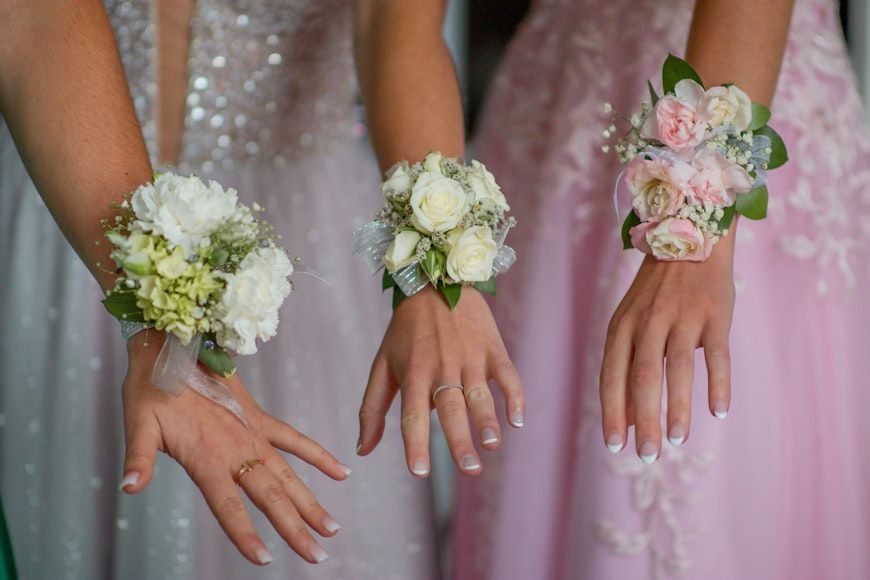
Prom

Image: Shayna Douglas

Ask any high school student, and most of them will agree that prom is a major rite of passage of adolescence. This tradition is derived from high society formal dances that gave young people the opportunity to practice their social skills and make acquaintances. But what does ‘prom’ mean? The original term is ‘promenade’, a word you may recognize in relation to walkways and avenues, a French term used for a leisurely walk or stroll. In high society events, ‘promenade’ was used for the initial formal parade of the guests, which gave them the chance to show off their attire. Eventually, it came to refer to the event itself.

Looking for an extra scoop of literary fun?

Learn more with our Word of the day

defiant

/dəˈfaɪənt/