Popular beliefs
Cracking your knuckles has consequences, but not the ones you think
Published on July 20, 2026

You’ve heard it before: Don’t swim after eating. You’ll lose most of your body heat through your head. Swallow a piece of gum, and it’ll stay in your body for years. Many of these common beliefs that parents or teachers have told you repeatedly over the decades are simply not true. Here are 10 everyday myths that science has set straight, and the real stories behind them.
Carrots will give you enhanced night vision

The myth of carrots providing a better sense of vision in the dark became especially popular during World War II, when the British government promoted this idea to help explain the success of its pilots while keeping its new airborne radar technology a secret. It was just a myth, although there was a scientific explanation to back it up.
Carrots are rich in beta-carotene, which your body converts into vitamin A, an important nutrient for healthy vision. If someone is deficient in vitamin A, eating more of it can improve their eyesight. But for people who already get enough of the vitamin, extra carrots won't suddenly make it easier to see at night.
Waking a sleepwalker is dangerous

You hear footsteps in the middle of the night and find a family member quietly wandering through the house while asleep. Your first instinct is to wake them up, but remember you’ve been told it’s dangerous. That’s just a myth, so go ahead and wake them.
The person may be startled, confused, or briefly disoriented, but there’s no evidence that being awakened causes physical injury. The bigger concern is that someone suddenly pulled from sleep may react unpredictably or accidentally lash out because they don’t understand what’s happening. For that reason, sleep specialists usually recommend gently guiding the person back to bed if it’s safe to do so, rather than abruptly shaking them awake, but there’s no intricate danger to waking a sleepwalker.
Cracking your knuckles will give you arthritis
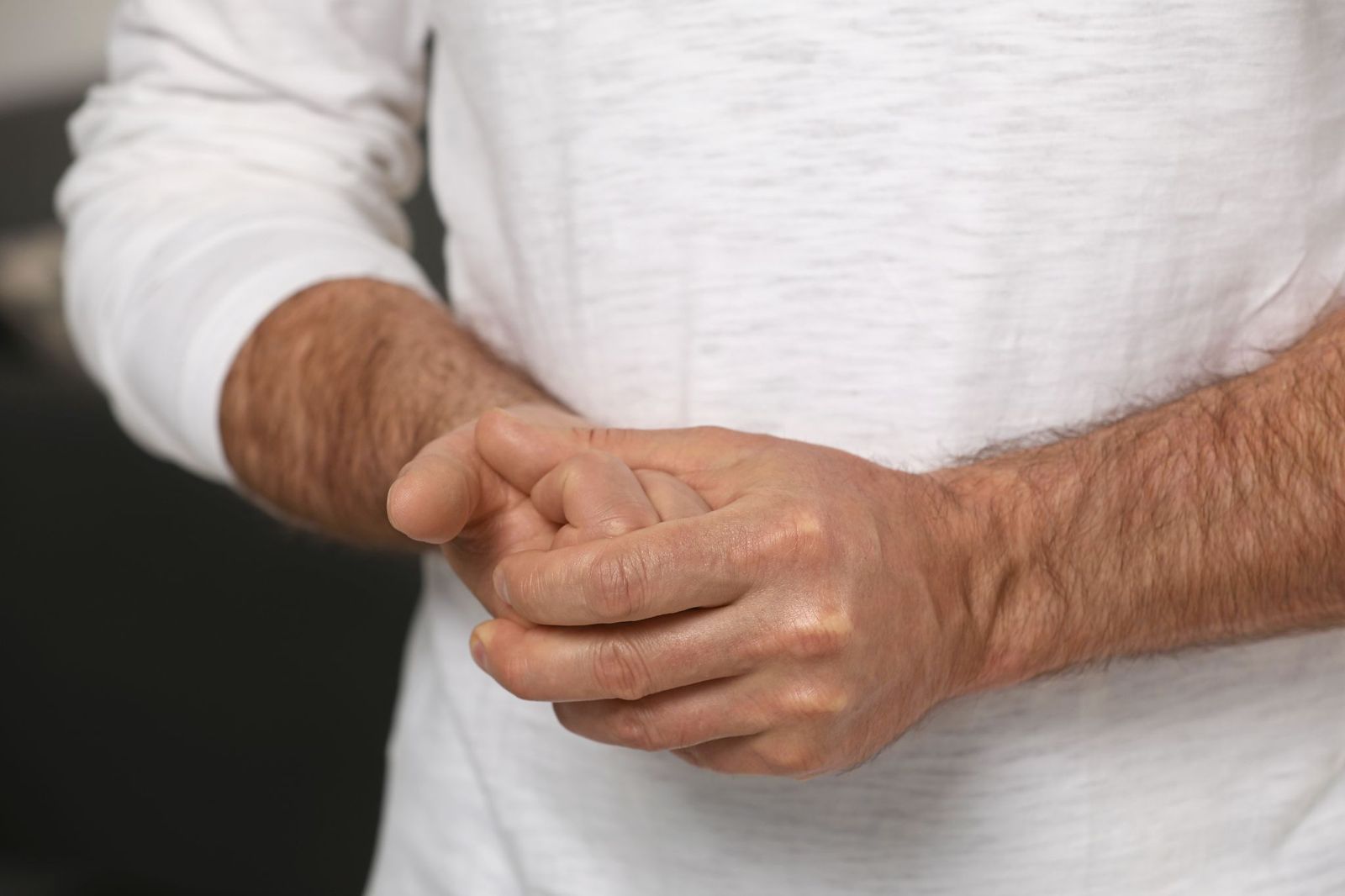
Almost everyone has heard the sharp popping sound of someone cracking their knuckles, followed by another person saying, "Keep doing that, and you’ll get arthritis."
Researchers have been looking into that claim for decades, and the evidence simply doesn’t support it. The popping sound comes from tiny gas bubbles forming and collapsing inside the fluid that lubricates your joints, not from bones grinding together. Multiple studies comparing habitual knuckle crackers with people who never crack their knuckles have found no higher risk of developing arthritis. Some research has suggested that frequent knuckle cracking may slightly reduce grip strength or cause temporary swelling in a few people, but it has not been shown to damage the joints. So while the sound may bother the people around you, it isn’t likely to lead to arthritis.
You use just 10 percent of your brain

Most of us have heard someone say, "Imagine what you could do if you used the other 90 percent of your brain." The truth is that modern brain imaging has shown that virtually every part of the brain has a purpose.
Even when you’re resting, different regions are constantly working together to control movement, memory, breathing, emotions, vision, and countless other functions. While not every area is active at the same moment, there is no large section of the brain sitting permanently unused. Scientists aren’t exactly sure where or how this myth started, but your brain is one of the busiest organs in your body. Even while you’re asleep, it’s hard at work keeping you alive and processing the day’s experiences.
Swallowed chewing gum stays in your stomach for seven years

If a child accidentally swallowed a piece of gum, some adult would inevitably claim it would sit in the stomach for the next seven years.
The warning, even if a myth, contains a small grain of truth. The gum base isn’t fully broken down by the digestive system the way other foods are. But that doesn’t mean it stays behind. Instead, it moves through your digestive tract along with everything else you eat and is naturally eliminated within a few days. So while swallowing pieces of gum isn’t something doctors recommend making a habit of, there’s no need to worry if it happens by accident.
You have to wait an hour after eating to go swimming

After lunch at the lake or a backyard barbecue, the adults would insist everyone, especially the kids, stay out of the water for at least an hour. The idea was that digestion would pull blood away from your arms and legs, causing severe muscle cramps that could make you drown.
Medical research, however, has found no evidence that eating before swimming creates that kind of danger. While vigorous exercise immediately after a very large meal might make some people feel uncomfortable or sluggish, a normal swim after eating is generally considered safe for healthy individuals. The "wait an hour" rule probably prevented plenty of cannonballs during nap time over the years, but it wasn’t based on scientific evidence.
You lose most of your body heat through your head

If you ever left the house on a cold winter morning without a hat, chances are someone reminded you to wear one since "most of your body heat escapes through your head." The belief became widespread after military studies conducted in the 1950s observed significant heat loss from uncovered heads. What they didn’t notice was that the subjects were bundled up everywhere else. Naturally, their only exposed body part lost the most heat.
In reality, your head loses heat at about the same rate as any other uncovered area of skin, depending on its size. A warm hat is still a smart idea on a cold day, but only because it covers exposed skin, not because your head has some special ability to leak away most of your body heat.
Your tongue has separate zones for different tastes

Many tongue illustrations show the tongue divided into neat sections, with one area for sweet foods, another for salty flavors, and others for sour and bitter. The famous "taste map" came from a misunderstanding of research published in the early 1900s.
While some parts of the tongue may be slightly more sensitive to certain flavors than others, taste buds across nearly the entire tongue can detect sweet, salty, sour, bitter, and umami, the savory taste found in foods like mushrooms, cheese, and broth. The old diagram appeared in textbooks for decades, making it one of the most successful scientific misconceptions ever taught in classrooms. Today, we know the tongue is much more versatile than that simple map suggested.
Sitting too close to the television will ruin your eyesight

If you grew up in the age of bulky television sets, you may remember a parent telling you to back away from the screen before you damaged your eyes. That warning became especially common in the 1960s when early television models were found to emit unusually high levels of radiation because of a manufacturing defect. Those sets were quickly recalled, but the myth lingered long after the problem disappeared.
Modern televisions don’t pose that risk. Sitting very close to the screen may leave your eyes feeling tired or dry after a while, but it doesn’t cause permanent damage to your vision. Even if screen time is not recommended for children up until 7 years old, the screen itself isn’t likely to be the cause of poor eyesight.
You only have five senses

Everyone learned about the five senses at some point: sight, hearing, smell, taste, and touch. That lesson dates back more than 2,000 years to the ancient Greek philosopher Aristotle.
However, modern science paints a much more intricate picture. In addition to the five traditional senses, your body constantly relies on other senses that work without you even noticing them. These include your sense of balance, your awareness of where your arms and legs are without looking, your ability to feel pain, temperature, and more. Depending on how they’re classified, scientists recognize anywhere between 10 and 20 different senses.


