What’s your drink of choice?
Confused in the coffee shop? These are the main coffee-based drinks
Published on December 12, 2025
 Credit: Nathan Dumlao
Have you ever stood in a coffee shop and thought, "Is there a real difference between all these drinks?". Coffee names seem to be all over the place. Long gone are the days when the options were as simple as choosing between regular and decaf, or deciding whether you wanted cream or milk. But between the onslaught of milk types, syrups, creamers, and quirky names, there are real differences between the most popular coffee options, even if they look very similar.
Espresso
 Credit: Adi Goldstein
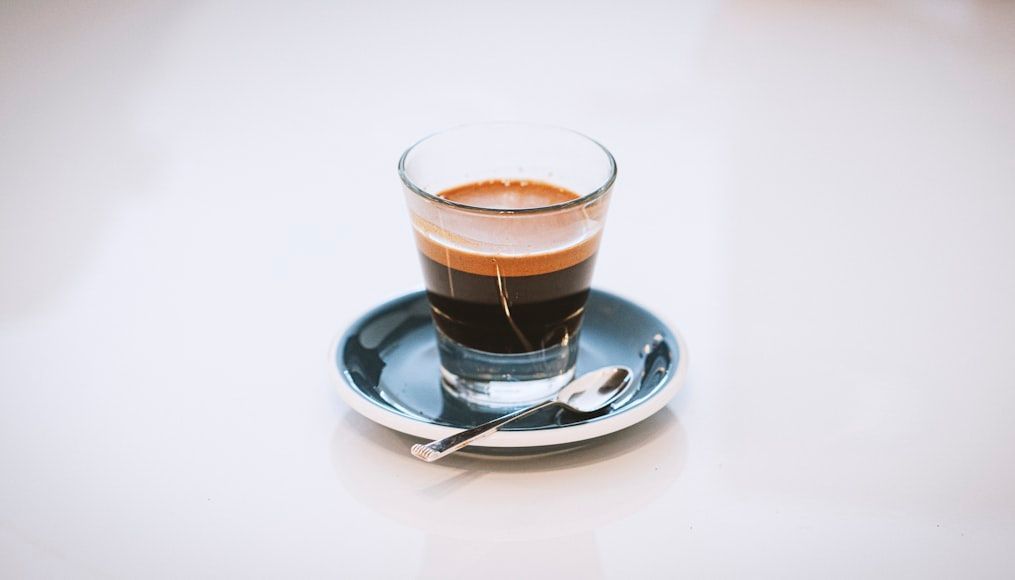
The most basic form of coffee and the stepping stone for most drinks, espresso is short and highly concentrated. The high pressure of the espresso machine allows for a thicker coffee than regular drip methods, with a slightly higher caffeine content per ounce. Espresso, when done correctly, should have two distinct layers: a dark body and a light-colored foam called crema.
Cortado
 Credit: Negar Mz
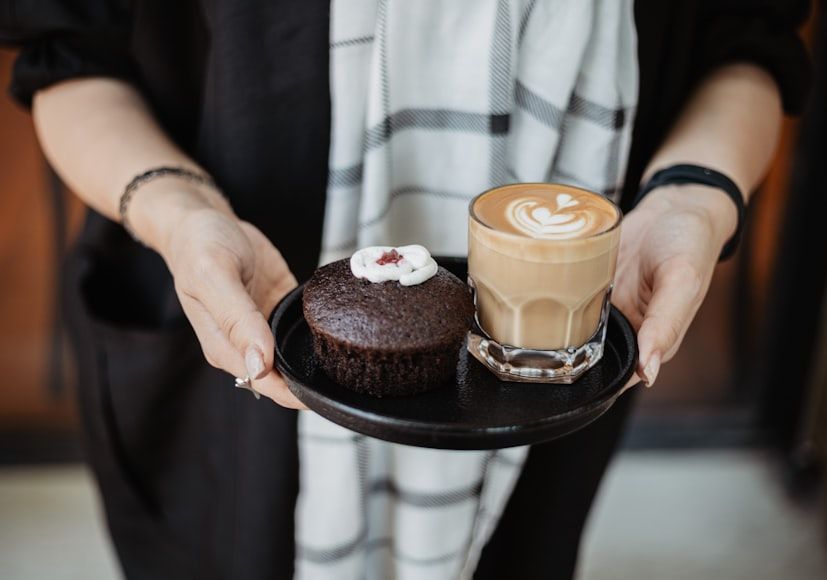
Of Spanish origin but popular across many countries, this drink combines espresso with milk to reduce acidity, usually in a one-to-one ratio. Unlike other popular coffee drinks, the milk for a cortado is steamed but not frothy, and the amount used can vary depending on the region. The name comes from the Spanish verb cortar ("to cut"), referring to the espresso being cut with milk.
Macchiato
 Credit: barak ziv
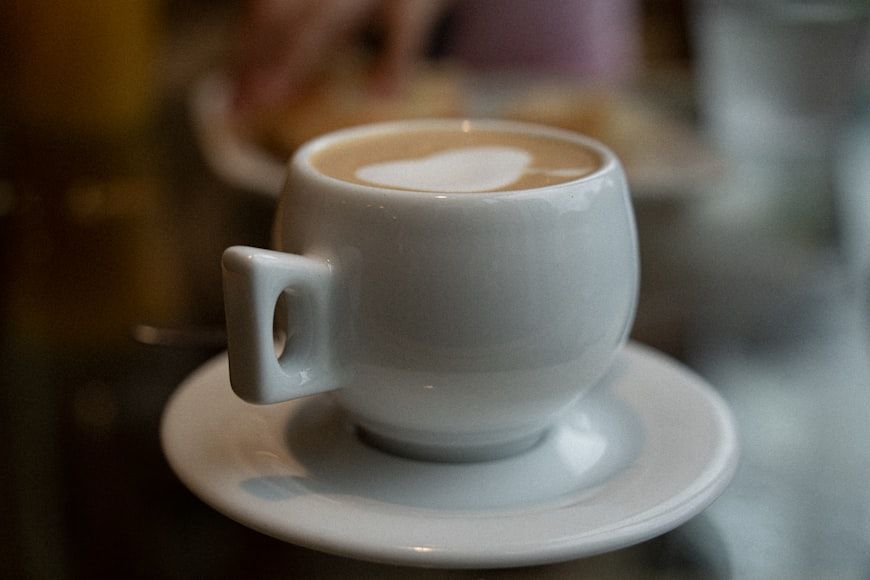
Contrary to popular belief, a macchiato is not the Italian version of a cortado. Meaning ‘stained’ or ‘spotted’, a macchiato uses a very small amount of foamed milk to slightly soften the strong espresso flavor. Among the traditional espresso-based drinks, macchiatos use the least amount of milk.
Cappuccino
 Credit: Ammie Ngo
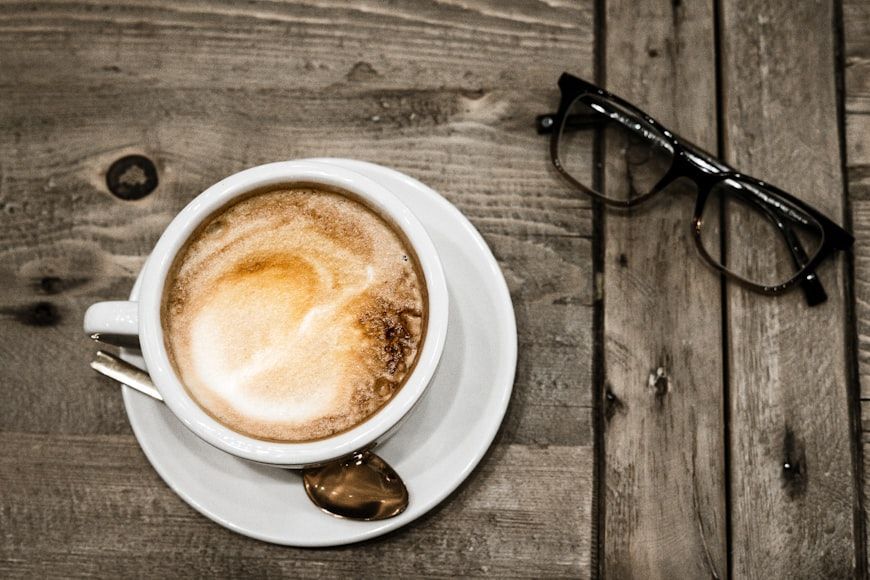
Despite its simplicity, cappuccino has become one of the most controversial and reinvented coffee drinks. A traditional Italian cappuccino consists of equal parts espresso, steamed milk, and foam, and the addition of a slight dusting of cinnamon or cocoa powder is optional (or considered a culinary blasphemy, depending on where in Italy you are). While many Italians consider cappuccinos a morning drink due to the high milk content, you can order them at any hour at your own risk.
Americano
 Credit: Çağlar Oskay
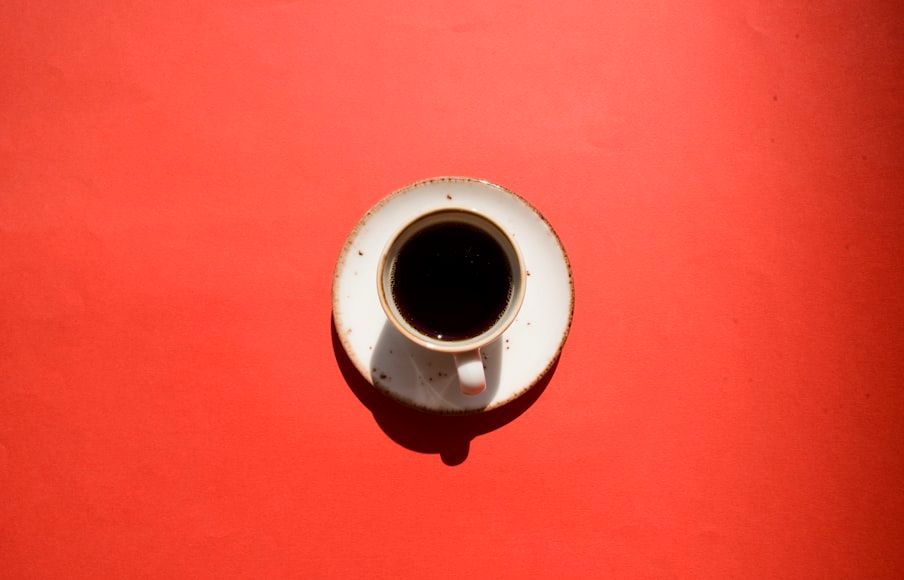
Allegedly originating as a way for American soldiers to make espresso more palatable during the 20th century, an Americano is made by diluting an espresso shot with hot water, softening the coffee without losing its flavor complexities. In Australia and other neighboring countries, a long black is a similar variant, though there are some differences in the preparation method, while an iced Americano is the unofficial drink of choice of most South Koreans.
Caffe latte
 Credit: Fahmi Fakhrudin
Usually known simply as a latte in English-speaking countries, a caffè latte is made by mixing one or more shots of espresso with steamed milk. Though it sounds similar to a cappuccino, a latte is served in a larger cup and with less foam, making it milkier and milder. In a traditional caffè latte, the steamed milk is poured on top of the espresso, whereas in a latte macchiato, the milk is added to the cup before the coffee. In the U.S., most coffee shops offer flavored versions of a latte.
Café au lait
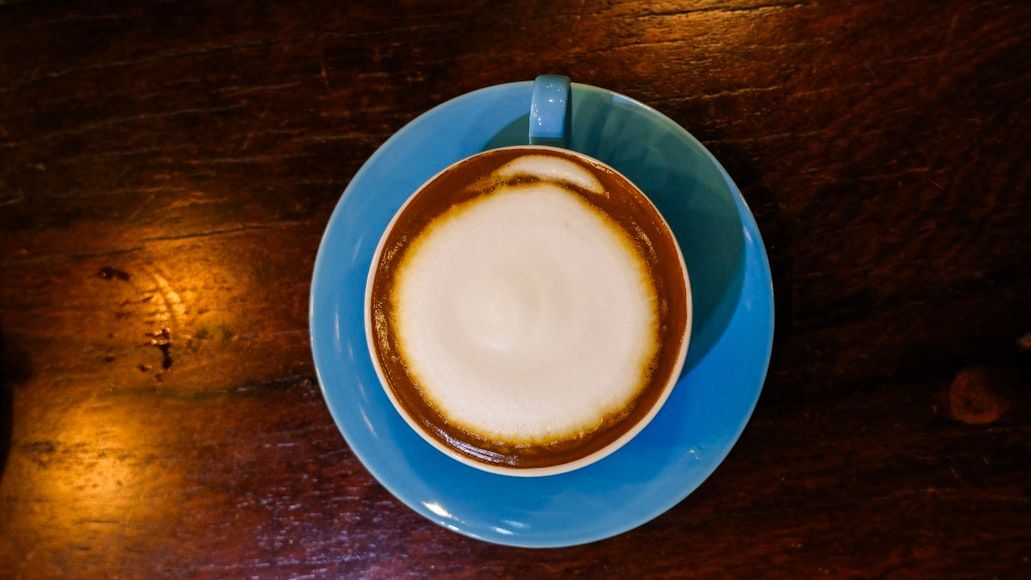 Credit: Red Reyes
Though sometimes compared to a caffè latte, a café au lait is simpler and less milky. Traditionally, it is made with French-press or drip coffee, although espresso-based versions are common today. The proportions are typically one-to-one coffee and steamed milk, and it is usually served in a large cup.
Flat white
 Credit: Preethika Anbalagan
Of Australian origin, a flat white is more coffee-forward than a latte and has less foam than a cappuccino. It consists of one or two shots of espresso and steamed milk, but, being served in a smaller cup, it contains less milk than a latte. The name "flat white" comes from the absence of foam on top and the drink’s smooth texture.
Ristretto vs Lungo
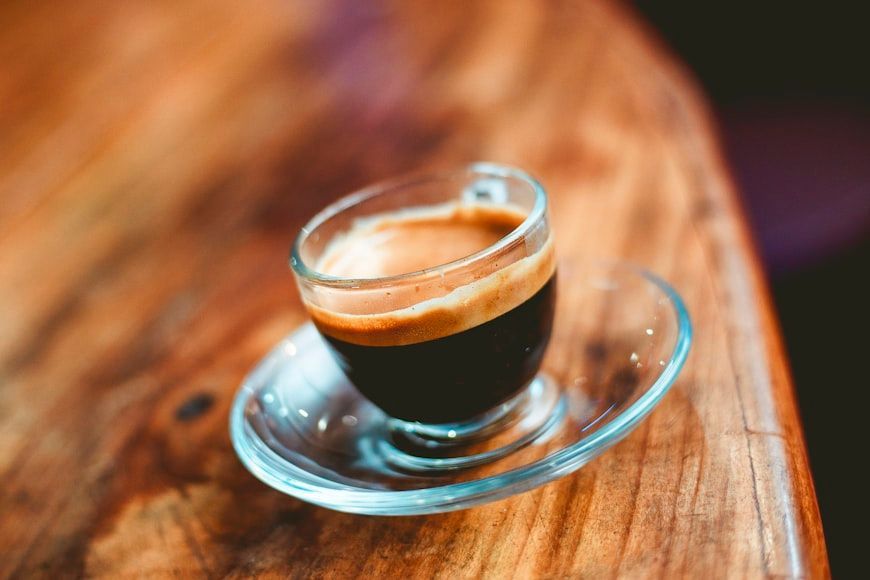 Credit: nitin pariyar
If espresso is a concentrated form of coffee, ristretto is an espresso on steroids. It is made from the same amount of ground coffee but only half the water; it produces a short, highly concentrated shot. Its opposite version, the lungo, has the same amount of coffee as an espresso, but twice the amount of water.
Frappe
 Credit: Thimo van Leeuwen
Today, the word "frappe" is often used for any blended iced coffee, but a traditional frappe is simple and straightforward. Invented in Greece, it is usually made with instant coffee, sugar, and water mixed until foamy, then topped with ice and milk. A more "elevated" version, the freddo espresso, substitutes the instant coffee with a shot of espresso.
Red eye
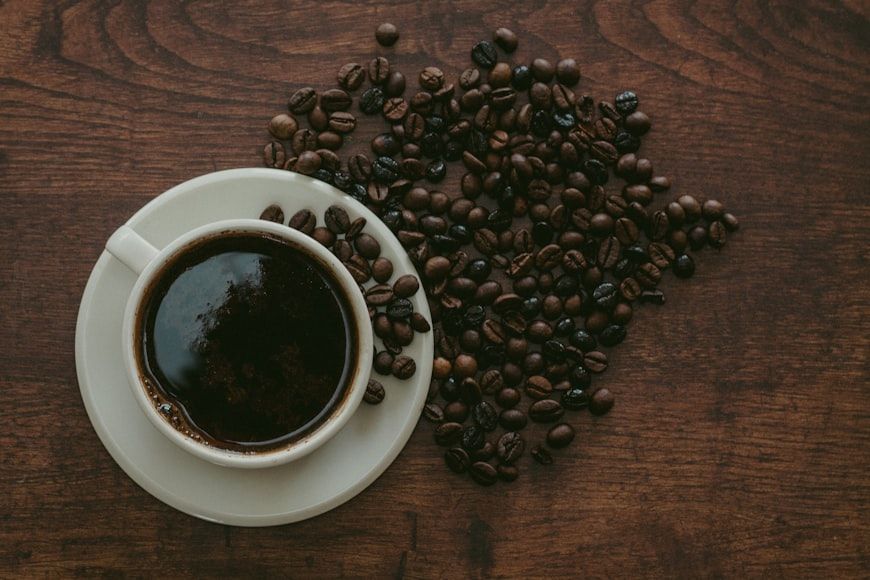 Credit: Julia Florczak
Also known as a "shot in the dark," a red eye is for those moments when a single espresso won’t cut it, but you want something stronger than a ristretto. A red eye is made by adding an espresso shot to a regular cup of drip coffee, increasing the caffeine content. The name comes from red-eye flights, where passengers would need something to wake them quickly.