A peek into the future
Can a printer produce living tissues? Amazing tech inventions
Published on October 5, 2026
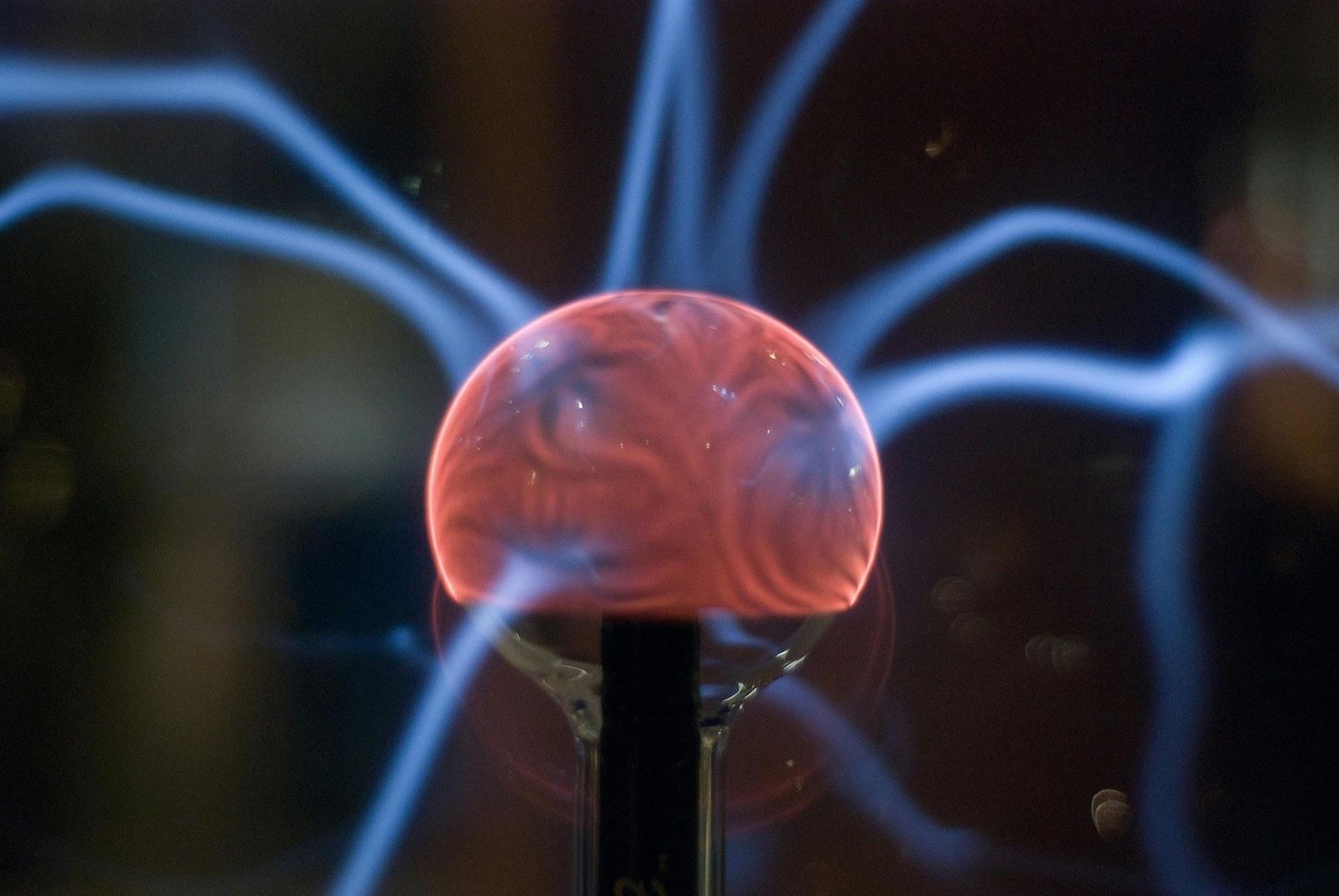
Tech always moves quickly. But the past five years have felt like watching the future sprint toward us. Breakthroughs that once existed only in science fiction books or remote labs are now slipping into daily life. Some involve communications, others break boundaries in health, but all of them signal a world in rapid transformation. This list explores the most remarkable developments of the moment.
Generative AI and advanced language models

The rise of AI that actually understands people. These systems have learned to write, analyze, reason, and create with a fluency that once seemed out of reach. Their impact cuts across everything from research and education to art, software development, and everyday problem-solving.
Humanoid robots with real-world skills
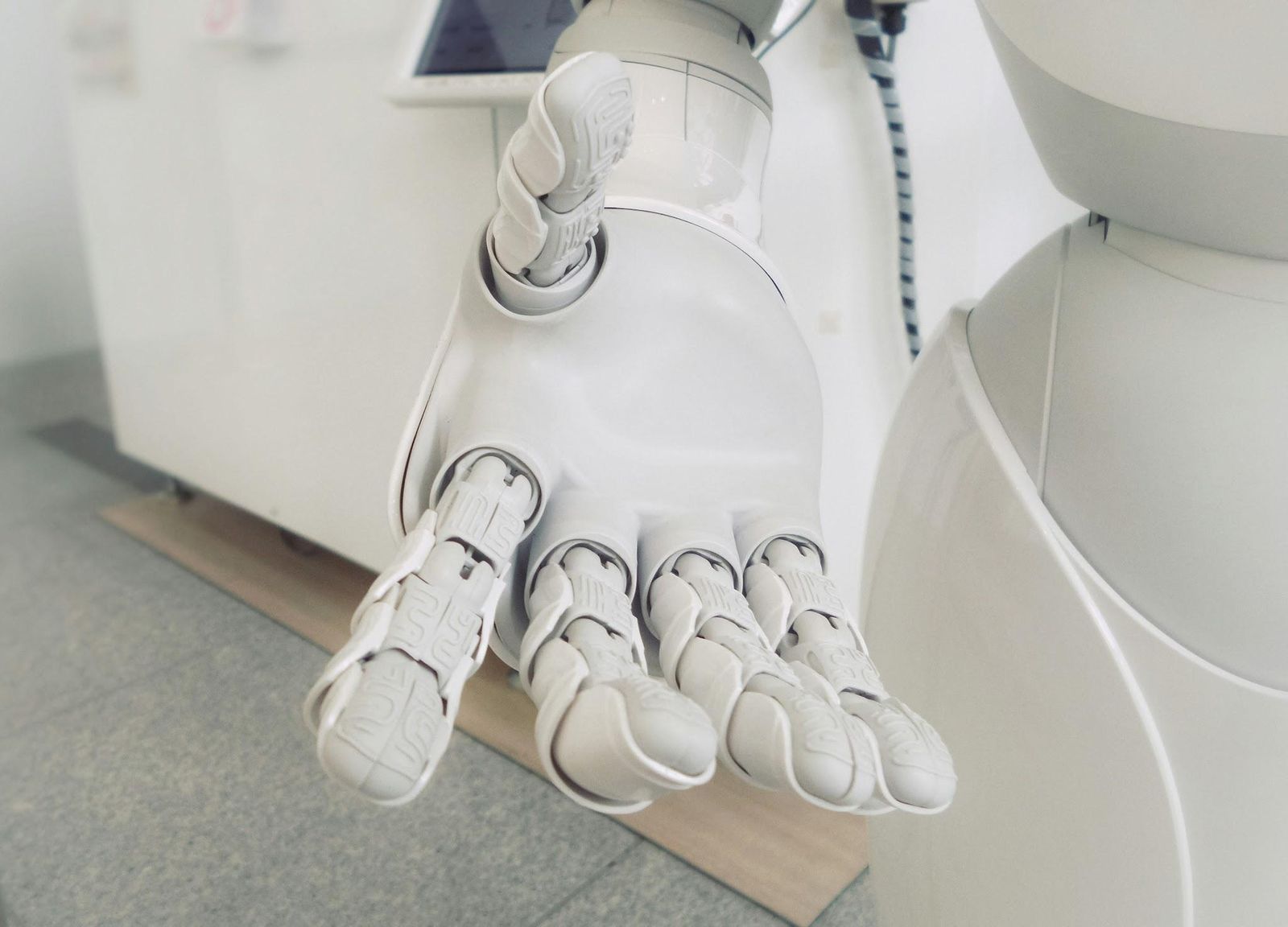
Robots that walk, work, and almost feel alive… Are you ready for that? Humanoid robots evolved from awkward prototypes into machines that can walk, balance, lift, and manipulate objects with remarkable fluidity. Companies are now testing them in warehouses and manufacturing spaces, where they can handle repetitive or dangerous tasks.
Advances in 3D printing, including living tissues
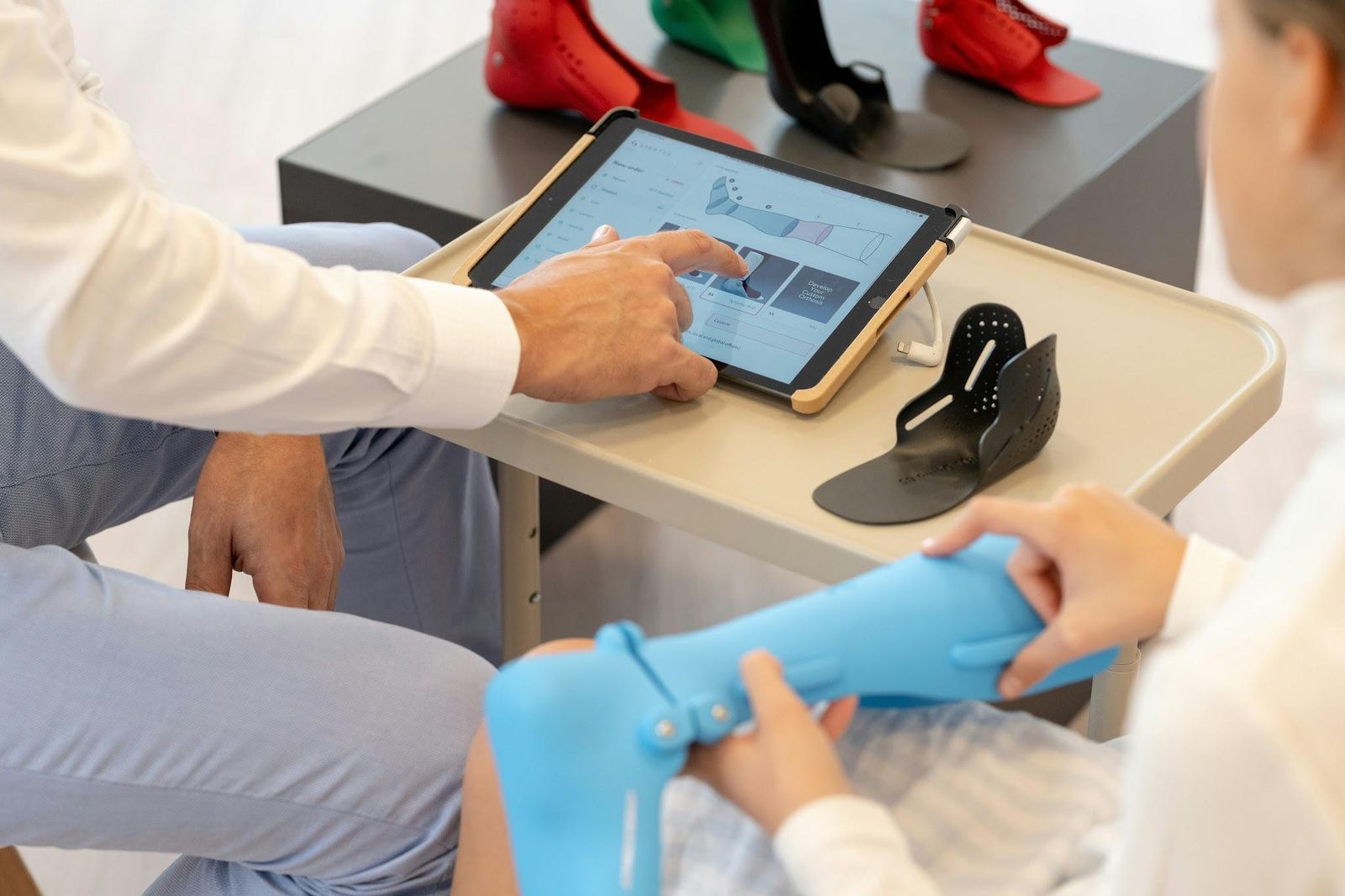
Printing the impossible is now possible, including living tissues. 3D printing has leaped in complexity, producing structures made of metals, ceramics, and biological materials. Research teams have demonstrated the ability to print vascularized tissues, which made the dream of printed organs feel a little closer. The same technology now lets us have custom prosthetics.
Renewable energy systems redesigned for scale

Renewables received a wave of innovation, including floating wind turbines, next-generation solar materials, and more efficient storage strategies. Instead of treating wind and solar as add-ons, engineers now design them as central components of future infrastructure.
Brain-computer interfaces that bridge biology and code

Brain-computer interfaces have made dramatic progress, improving signal fidelity and implant design. These systems can help people with paralysis communicate or control devices with mere intention. They also open new paths for neurological research.
Autonomous robotics and coordinated robot teams

Robots that once required constant supervision now navigate unfamiliar spaces, collaborate with one another, and solve tasks on the fly. In logistics and agriculture, fleets of autonomous machines already perform repetitive roles with steady efficiency. The key shift is their increased talent in adaptability.
Early commercial steps in quantum computing

Quantum computers have taken their first real steps in recent years. These machines are still in their infancy, but their potential to handle complex simulations places them among the most anticipated technologies of the century. For fields like chemistry, materials science, and cryptography, quantum breakthroughs could redefine the rules.
Materials that heal themselves

Materials that can heal cracks or restore structural integrity have taken impressive steps forward. These polymers and composites respond to damage by triggering chemical reactions that seal or rebuild the material. This can apply to electronics, infrastructure, or medical devices.
Medicine tailored to you

Biotechnology advances in tandem with machine learning, enabling diagnostics that analyze patterns invisible to the human eye. Personalized treatments, genetic insights, and tailor-made therapies have become increasingly realistic.
Digital assistants that handle tasks on their own

Instead of static tools, modern software agents can manage schedules, process information across multiple steps, and carry out tasks with minimal oversight. These agents can now handle research, administrative workflows, or customer interactions.
Eco-smart, biodegradable electronics

Engineers have developed components that decompose naturally, reduce toxic materials, or rely on recycled inputs. Biodegradable sensors, lightweight circuits, and low-impact materials show how sustainability can coexist with innovation.
Augmented reality that blends seamlessly into life

Headsets have become lighter, visual fidelity has increased, and new applications for work, training, and entertainment have emerged. Instead of novelty, mixed reality now aims for practicality. Only the future will show us the extent of its applicability.
Nanotech tools working at the edge of the invisible
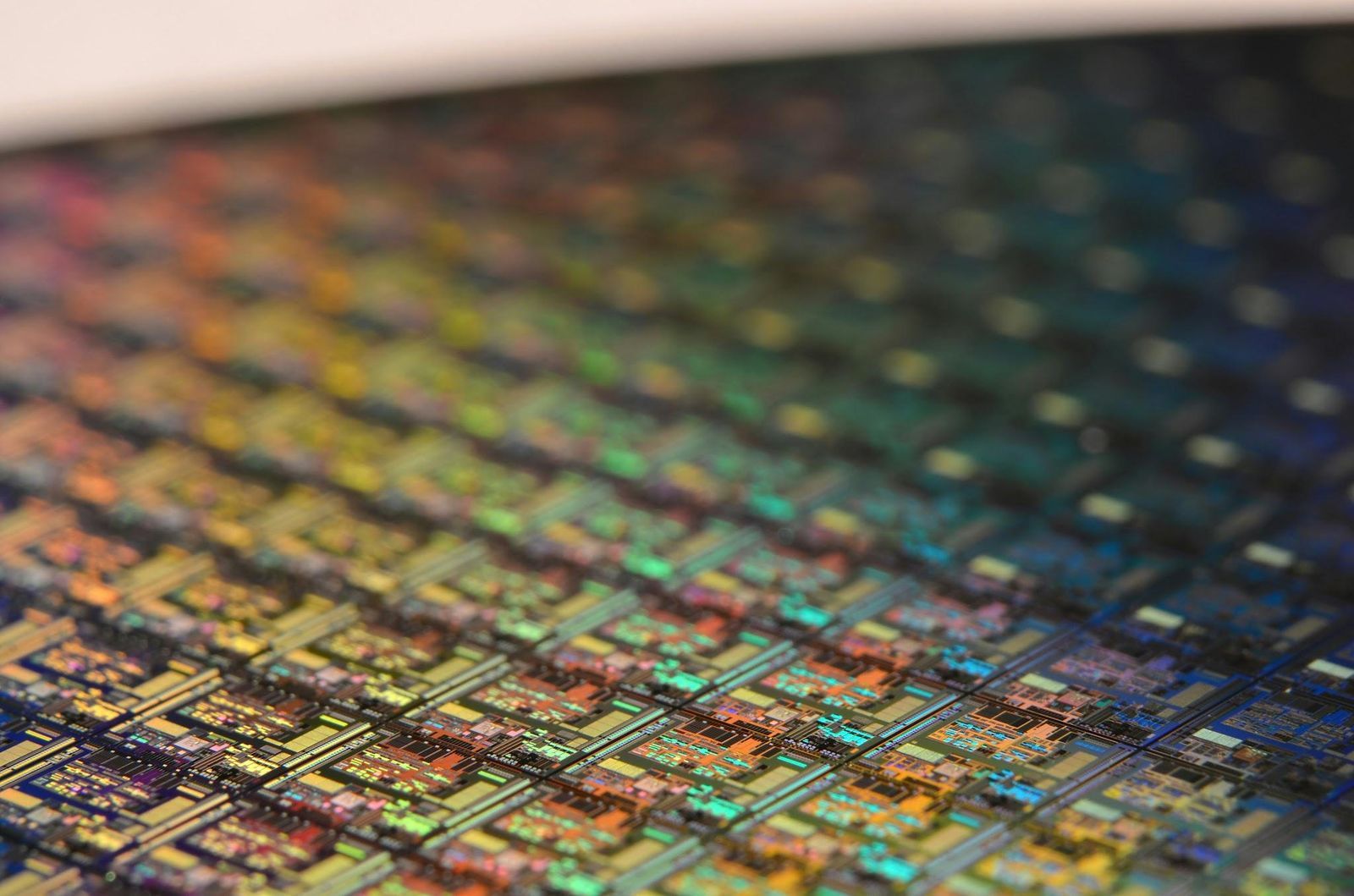
Nanotechnology continues to refine structures that operate at the scale of molecules. Researchers have developed nanoparticles for drug delivery, ultra-sensitive sensors, and early concepts of medical nanorobots. These systems promise targeted treatments with fewer side effects and more precise disease detection.