Animal facts

Busted! 10 animal myths we all fell for


Published on October 3, 2026


Image: Hans Eiskonen

From bulls "hating" red to bats being "blind," we’ve all grown up believing certain things about animals that just aren’t true. Luckily, science has cleared things up, and many of these classic claims have been completely debunked. If you want to discover which ones didn’t pass, keep reading!

1

Bats vision

Image: Clément Falize

You’ve probably heard the expression "blind as a bat." But that saying is actually based on a myth. Bats do have functional eyes, and they can see quite well, even in low light. On top of that, they use echolocation (detecting objects through reflected sound), which helps them navigate with impressive accuracy in complete darkness.

2

Touching a baby bird

Image: Ray Hennessy

If you ever find a baby bird that has fallen from its nest, here’s some good news: you can gently pick it up and place it back. The old myth that a mother bird will abandon her chick if it’s touched by a human has been debunked. The truth is that most birds have a poor sense of smell, so they won’t detect your scent. What can cause a mother bird to leave is excessive noise or human disturbance.

3

Touching a toad

Image: Byron Burns

Have you ever touched a toad? Some people won’t go near them, while others would love to but worry they’ll catch something from their skin. Fortunately for us (and for the toads), that’s just a myth. Toads can’t give humans warts; those come from a virus that toads don’t carry. However, some species do have toxins or bacteria on their skin that can cause irritation, so it’s always a good idea to wash your hands in case you have to handle one.

4

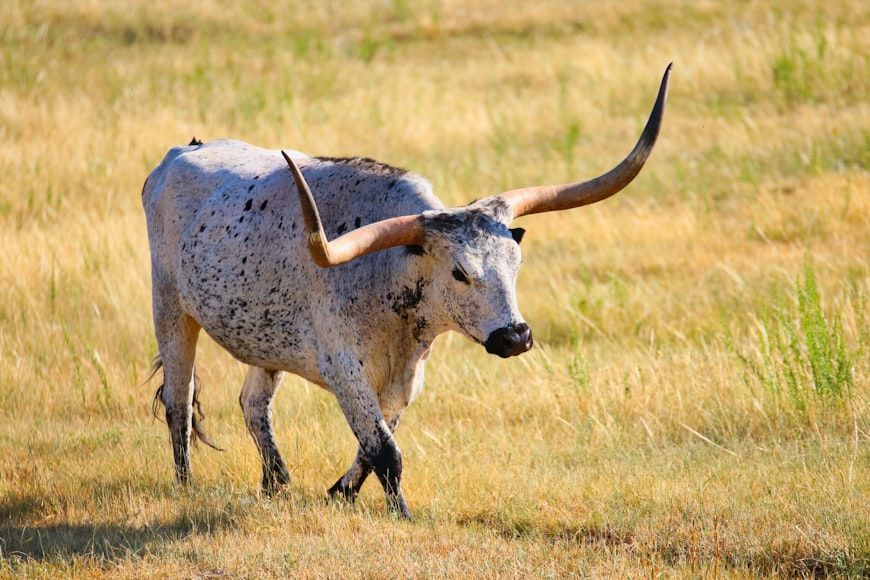
Bulls and red

Image: Thomas M. Evans

For decades, cartoons have taught us never to wave anything red in front of a bull. But science tells a different and surprising story: bulls are actually colorblind to red. What really triggers their reaction isn’t the color, but the fast, sudden movement of the bullfighter’s cape.

5

Goldfish memory

Image: SLNC

You've probably heard the idea that goldfish have a memory span of only three seconds. But despite popular belief, studies show that goldfish can learn to associate certain stimuli with specific responses, linking a sound to feeding time, or recognizing their caregivers. And that kind of learning requires a memory far longer than just three seconds. Let's give more recognition to these beautiful fish!

6

Head lice preferences

Image: Element5 Digital

Head lice can be a headache for school-age kids and their parents. For years, many believed that lice preferred dirty hair or oily scalps; however, that’s not true. But be careful: the opposite isn’t correct either! Lice can climb onto any head, clean or not. In the end, prevention is always your best defense.

7

Sloths' laziness

Image: Javier Mazzeo

Poor sloths! Even their name accuses them of the sin of laziness. But that reputation isn’t entirely fair. While it’s true that these mammals move far less than most animals, it’s not because they’re unwilling or "lazy"; their bodies just work differently. A sloth’s metabolism is roughly 45% slower than that of other animals of their size, which means everything they do takes more time.

8

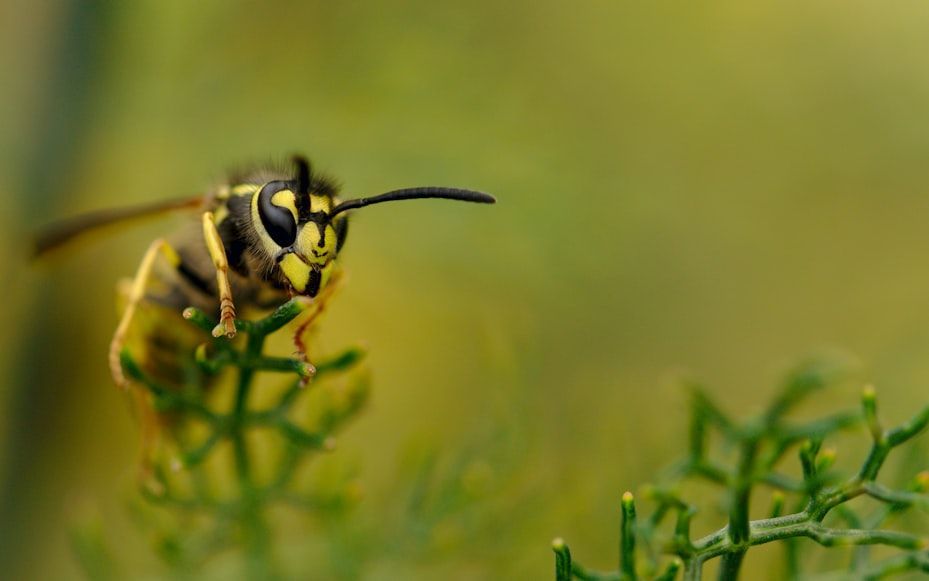
Wasps temperament

Image: Nicolas DC

Maybe someone once told you, "If you don’t bother them, they won’t bother you." While that’s usually true for honeybees, it’s not the case with wasps. Wasps tend to be far more temperamental, and they’re known to attack or sting even when they haven’t been provoked.

9

Camels Humps

Image: Mohamed Hashif

The scarcity of liquid in the desert has given rise to the belief that camels store water in their humps, but that’s a myth. Actually, their humps are filled with fat. Why fat? Well, that reserve can be converted into energy and even small amounts of water, helping these large animals endure long walks in the desert without food or hydration.

10

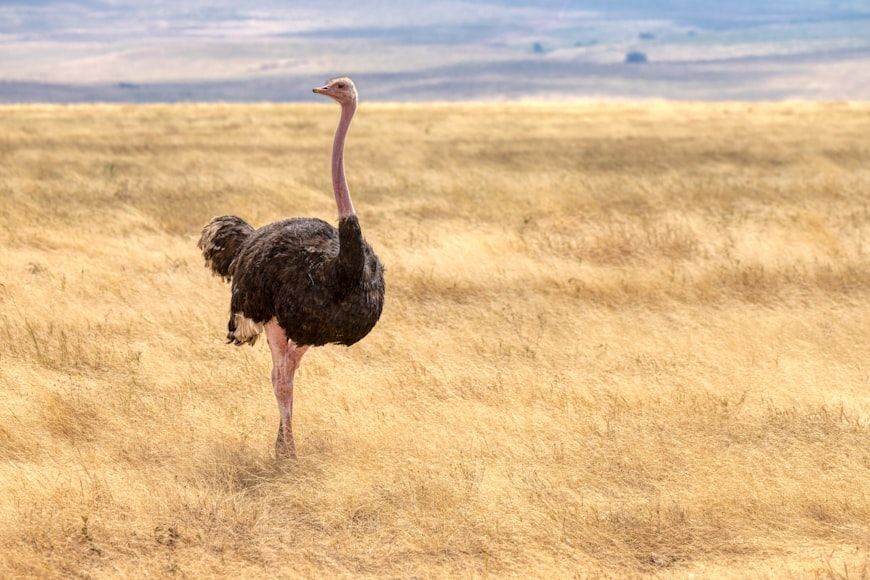
Ostrich heads

Image: MARIOLA GROBELSKA

If you've ever seen an ostrich bury its head when frightened, it was probably a cartoon. This widespread myth likely comes from the way these birds care for their nests. Ostriches dig shallow holes for their eggs, and they lower their heads to turn the eggs or check on their young, but they never bury their heads in the ground.

National melodies

10 national anthems with a curious story


Published on October 3, 2026


Image: Colin Lloyd

The purpose of a national anthem is to foster a sense of patriotism and unity among the citizens of a nation, but there are as many ways to achieve this as there are nations. While some anthems reflect on glorious deeds of the past, others express a shared desire for peace and prosperity, or celebrate love for their country, its lands, its leaders, and, at times, even the leaders of another nation. Let’s take a look at 10 national anthems with curious stories.

1

"The Star-Spangled Banner" (United States of America)

Image: Marcus istrfry

We all know the story of how The Star-Spangled Banner was written after a battle, but did you know it was not officially adopted as the national anthem for over a century? Composed during the War of 1812 under the title Defence of Fort M’Henry, it quickly became popular as a patriotic song and was officially adopted by the U.S. Navy in 1889. It was not declared the national anthem until 1931.

Some critics point to references in the third stanza—particularly language interpreted as relating to slavery—as well as the documented views of its author, Francis Scott Key. However, opposition to the song’s adoption at the time was more often based on its difficult vocal range and competition from other popular patriotic songs. Despite these debates, the poem—especially its first stanza—has long been regarded as a symbol of national unity.

2

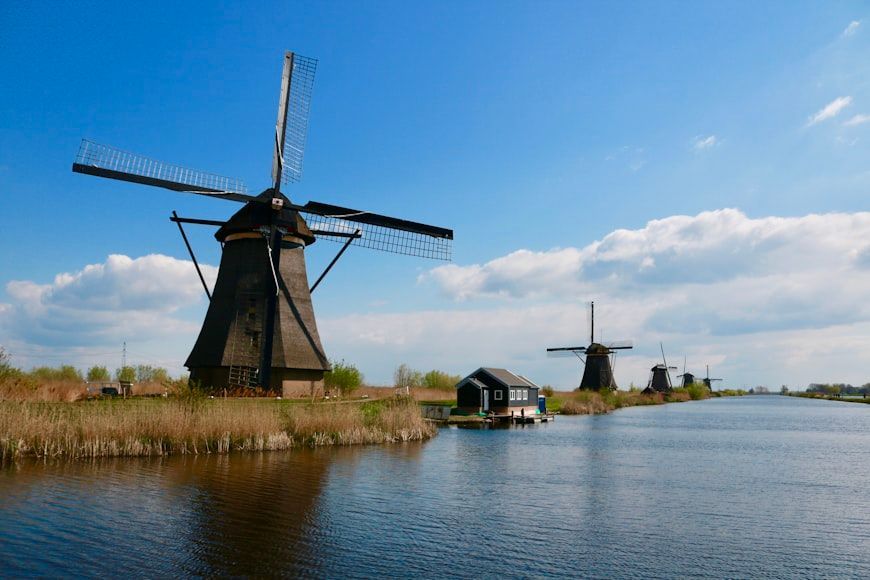
"Wilhelmus" (The Netherlands)

Image: Hendrik Kuterman

Composed in 1572, it is one of the oldest national anthems still in use. The lyrics are written from the perspective of William of Orange—the leader of the Dutch revolt against the Spanish Empire—and reflect his inner struggles between his loyalty to the Spanish King and his duty to his people.

Though the original text has at least 15 stanzas, only the first stanza and sometimes the sixth are sung today, which can be confusing for those unfamiliar with the historical context, as the first stanza ends by declaring undying loyalty to the king of Spain.

3

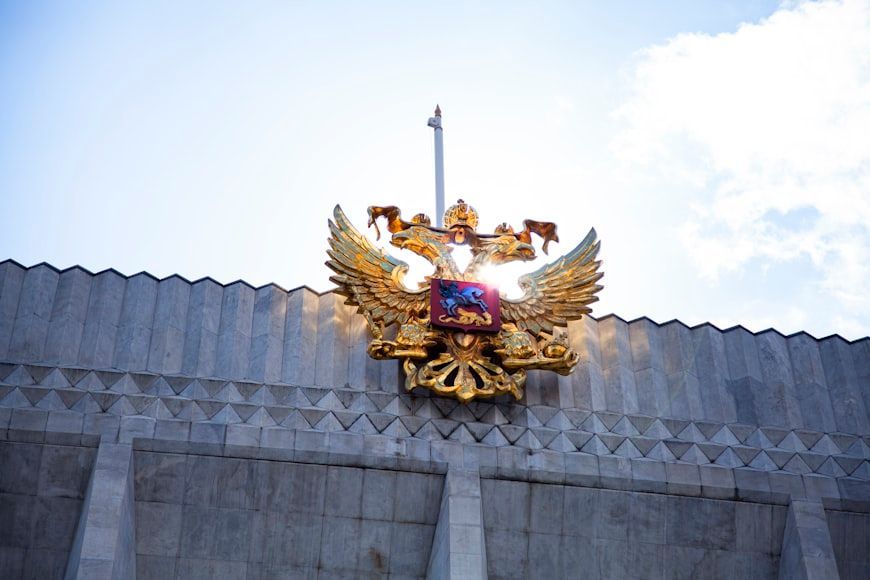
"State Anthem of the Russian Federation" (Russia)

Image: Tamara Malaniy

After the 1917 Russian Revolution, the newly formed Soviet Union adopted the socialist anthem The Internationale as its national anthem. In 1944, the Soviet government replaced it with a new anthem centered on Soviet Russia, with lyrics that emphasized the Soviet fatherland and Joseph Stalin’s leadership, though it was often performed without lyrics after Stalin’s death.

Following the collapse of the Soviet Union in 1991, the Russian Federation adopted an instrumental piece known as The Patriotic Song, composed in 1833 by Mikhail Glinka. After a decade of debates, and citing the need for an anthem that people could sing, the government decided to restore the former Soviet melody, this time with newly written lyrics.

4

"My Country, Malaysia" (Malaysia)

Image: Putra Mahirudin

How many countries can say that they owe their national anthem to a moment of panic? At least one. Malaysia’s national anthem was adopted after its independence from the United Kingdom, using the melody of the anthem of the state of Perak. But where does that melody come from?

When the Sultan of Perak attended the coronation of King Edward VII in 1902, his delegation was asked to provide their state anthem. Not having one, he improvised and adapted the melody of a popular tune from the Seychelles. This melody was later adopted as the official anthem of Perak and eventually became the basis for Malaysia’s national anthem.

5

"Argentine National Anthem" (Argentina)

Image: Fernando Távora

Composed and adopted as the national anthem during the Argentine War of Independence, but before the formal declaration of independence from Spain, this song was initially called the Patriotic March. It was much longer than the current anthem, and its lyrics were controversial, as they portrayed Spain as a tyrannical and bloodthirsty nation.

The anthem originally contained nine stanzas—including accusations towards Spain—which were used until 1924, when improved diplomatic relations with Spain and the arrival of thousands of Spanish immigrants led the government to shorten the lyrics and omit the more controversial parts.

6

"National Anthem of South Africa" (South Africa)

Image: Lina Loos

Famed for having lyrics in five of the twelve official languages of the country —Xhosa, Zulu, Sesotho, Afrikaans, and English— this anthem was officially adopted after the end of apartheid, and reflects a broader desire for national unity.

The post-apartheid government initially retained the former Afrikaans anthem, while also adopting the Xhosa hymn Nkosi Sikelel' iAfrika (God Bless Africa), which had long been used as a song of resistance. Maintaining two anthems proved impractical, so their lyrics were combined and translated into other majority languages to create a single national anthem that could represent all South Africans.

7

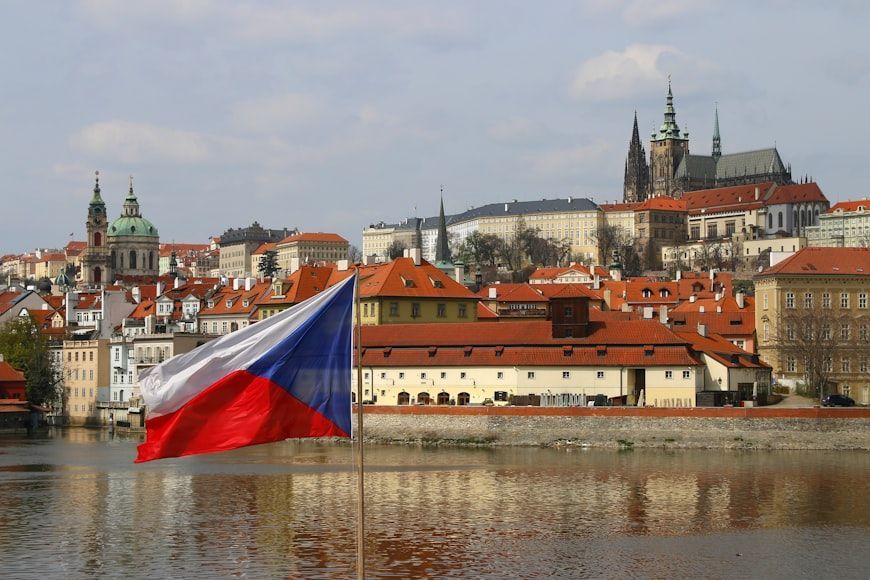
"Kde domov můj" + "Nad Tatrou sa blýska" (Czechia and Slovakia)

Image: Radek Kozák

When Czechoslovakia existed as a single state, it adopted a combined national anthem consisting of the first stanza of the Czech song Kde domov můj ("Where Is My Home?"), followed by the first stanza of the Slovak song Nad Tatrou sa blýska ("Lightning over the Tatras").

After the country’s peaceful dissolution in the Velvet Divorce (1992), Czechia retained Kde domov můj as its national anthem, while Slovakia retained Nad Tatrou sa blýska, which is typically performed with two stanzas and in its traditional form.

8

"Kimigayo" (Japan)

Image: Joshua Tsu

Though its lyrics come from a poem dating to the 8th-10th centuries, Kimigayo was not adopted as Japan's national anthem until 1888, and it's one of the world’s shortest anthems. After World War II, it was not officially designated as the national anthem due to its imperial associations, though it continued to be used. It regained formal legal status in 1999.

Often translated into English as His Majesty's Reign, its initial verse is commonly rendered as "may your reign [continue]." The word kimi has historically been used for the emperor, and the song's brief lyrics express a desire for the Imperial reign to endure for thousands of years, "until the tiny pebbles grow into massive boulders."

9

"El Gran Carlemany" (Andorra)

Image: Jossuha Théophile

In a similar fashion to the Wilhelmus, the Netherlands anthem, Andorra’s anthem is also written from a first-person perspective, this time not from an individual but the country itself, remembering its glorious past.

Composed in the early 20th century, it was adopted as the national anthem in 1921. In the lyrics, Andorra presents itself as a princess, daughter of Charlemagne, and describes itself as the "only remaining daughter of the Carolingian Empire."

10

"Woven from Hundreds of Flowers" (Nepal)

Image: Sebastian Pena Lambarri

A relatively new anthem, _Sayaun Thunga Phool Ka_—adopted in 2007—replaced the Shriman Gambhir following the abolition of the monarchy in Nepal. It’s notable for its distinctive melody, upbeat and joyful, quite different from other solemn or martial tone anthems.

The lyrics describe Nepal as a garland woven from hundreds of flowers, stretching from one corner of the country to the other, and emphasize the diversity of its people and landscapes.

Looking for an extra scoop of literary fun?

Learn more with our Word of the day

renounce

/rəˈnaʊn(t)s/