Linguistic comeback

These 10 outdated words are too good to stay buried!


Published on December 15, 2025


Over time, language evolves, and with it, certain words fade into the background, replaced by new phrases and expressions. But some of these forgotten words have fascinating histories and meanings that will make you smile—or scratch your head. So, let’s take a stroll down memory lane and rediscover some outdated words that deserve a comeback. You’ll be surprised how much fun they are!

1

Curmuring

Credit: Jornada Produtora

Remember that time you rushed out the door without breakfast and sat down in an important meeting? Just as the director began speaking, your stomach grumbled so loudly that everyone could hear it. That’s curmuring, the noise your stomach makes when it’s protesting from hunger.

2

Curglaff

Credit: David Boca

Imagine jumping into the ocean on a hot summer day, and the cold water hits you like a shock to the system. You want to scream and gasp for air, and that’s called a curglaff.

It’s a Scottish term from the 1800s, and it perfectly captures that initial chill when you dive into icy waters. Who knew that there was a word for that heart-stopping moment?

3

Elflock

Credit: engin akyurt

Have you ever woken up with your hair in complete disarray, as if it had a wild night? That’s elflock, a term for messy hair that looks like it was tangled by mischievous elves while you slept. It’s fun as it is specific, don’t you think?

4

Twattle

Credit: Priscilla Du Preez 🇨🇦

If you’ve ever overheard a conversation where someone was gossiping about trivial matters, you might have caught them twattling. It’s an old-fashioned way to say that someone is talking nonsense or spreading rumors. Language evolves and changes, just like gossip and the many ways we find to name it!

5

Excogitate

Credit: Kenny Eliason

This one might sound a bit fancy, but excogitate means to plan or devise something thoughtfully. It comes from Latin roots and refers to bringing something to life by thinking it through carefully. It’s a plan, but in the scheming way, not the to-do list way, you know? This is a word worth keeping; we could all do with a little more of it!

6

Cockalorum

Credit: Angelina

Have you ever met someone who thinks way too highly of themselves? That’s a cockalorum: A person who’s full of themselves despite not having much to show for it. The word has been around since the early 1700s and is the perfect way to describe someone with a high opinion of themselves, especially if they’re not actually as impressive as they think they are!

7

Brabble

Credit: Vitaly Gariev

You may not know the word, but you’ve surely witnessed a brabble. When two people argue over something so small and insignificant that you can’t help but shake your head, that’s a brabble. Whether it’s a petty disagreement over the last slice of pizza or a heated debate about the TV remote, you can bet it is one of these.

8

Lunting

Credit: Val Tievsky

Back in the 1800s, gentlemen enjoyed a leisurely activity called lunting, which was simply walking while smoking a pipe. It’s a charming image, don’t you think? Picture strolling along with your favorite pipe in hand, taking in the fresh air and enjoying a quiet moment. Next time you go for a walk, why not try a modern version of lunting? Just once in a while can do no harm!

9

Snoutfair

Credit: Jon Tyson

Imagine meeting someone and immediately thinking they’re good-looking. That’s when you can call them a snoutfair. This word, dating back to the 1500s, refers to someone with an objectively attractive face. So, if you’re ever complimenting someone’s appearance, try telling them they’re a snoutfair, it’ll certainly catch their attention!

10

Gorgonize

Credit: K

Have you ever met someone who could just captivate you with their charm? That’s the effect of being gorgonized. This word comes from the mythological Gorgon, Medusa, whose gaze could turn people to stone. While you won’t actually be turned into a statue, you might find yourself completely mesmerized by their presence!
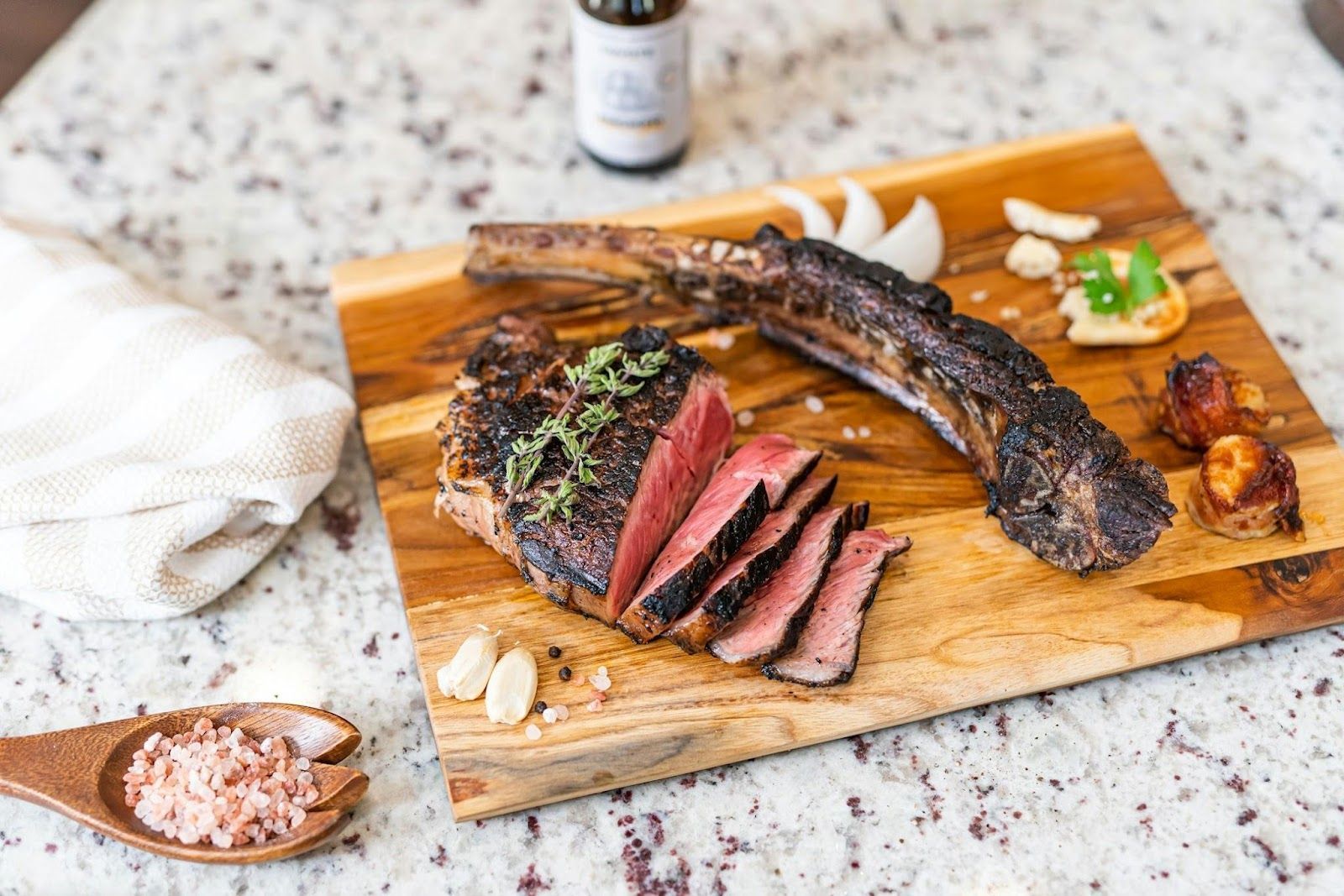
How do you like your food?

Beyond "well done" and "rare": words to describe how you want your food


Published on December 15, 2025


Credit: amirali mirhashemian

Taste is subjective; what seems overcooked to some may be perfect to others. What is too salty for one person might be too bland for someone else. Fortunately, over time, certain terms have been widely agreed upon to describe and distinguish the different stages of the cooking process and the varying degrees of seasoning typically used. Everyone knows what "well done" and "rare" mean, but many other words can describe how we want our food, often with great precision. Do you use any of these?

1

Extra-rare, or blue

Credit: Nanxi wei

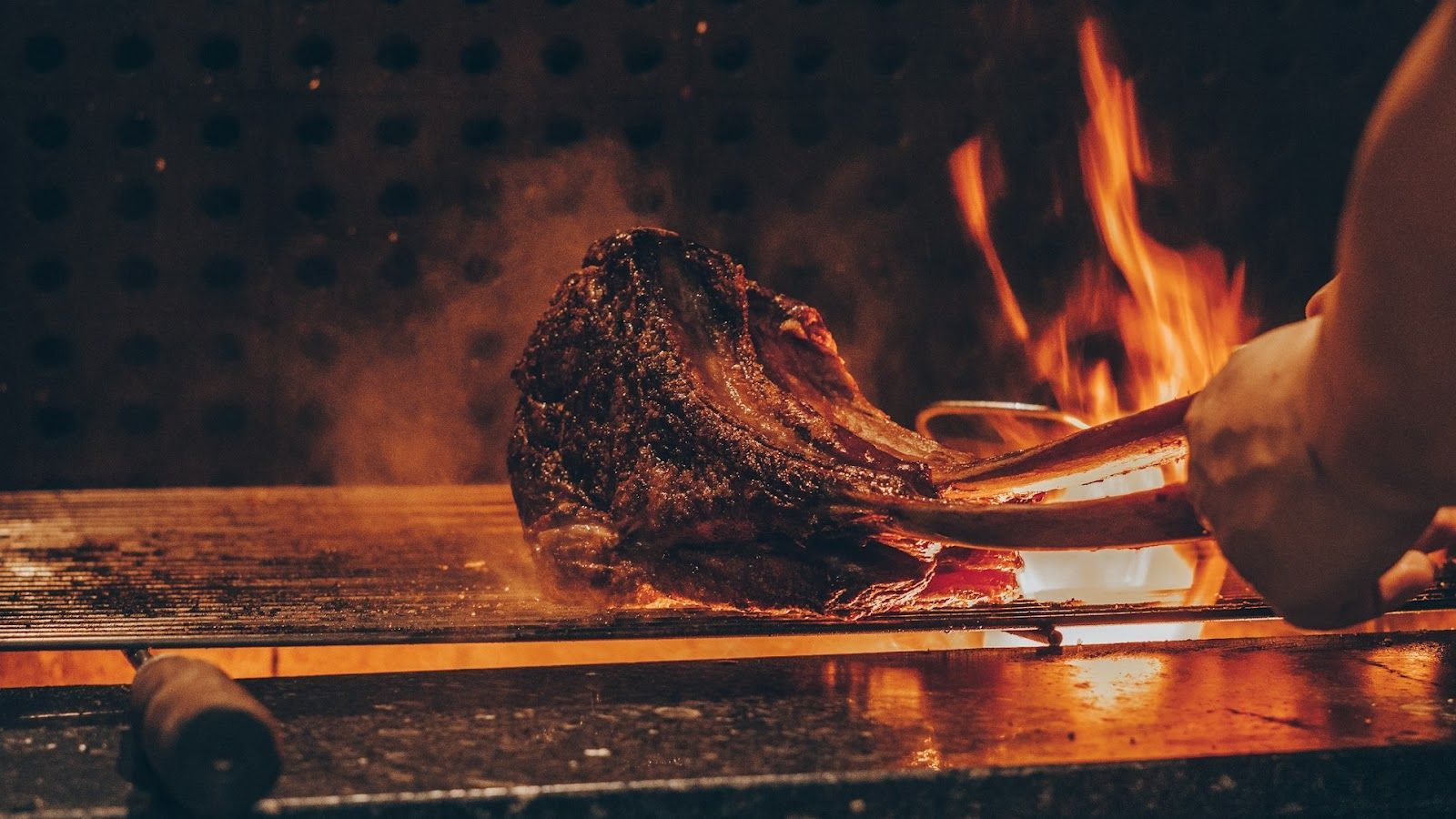
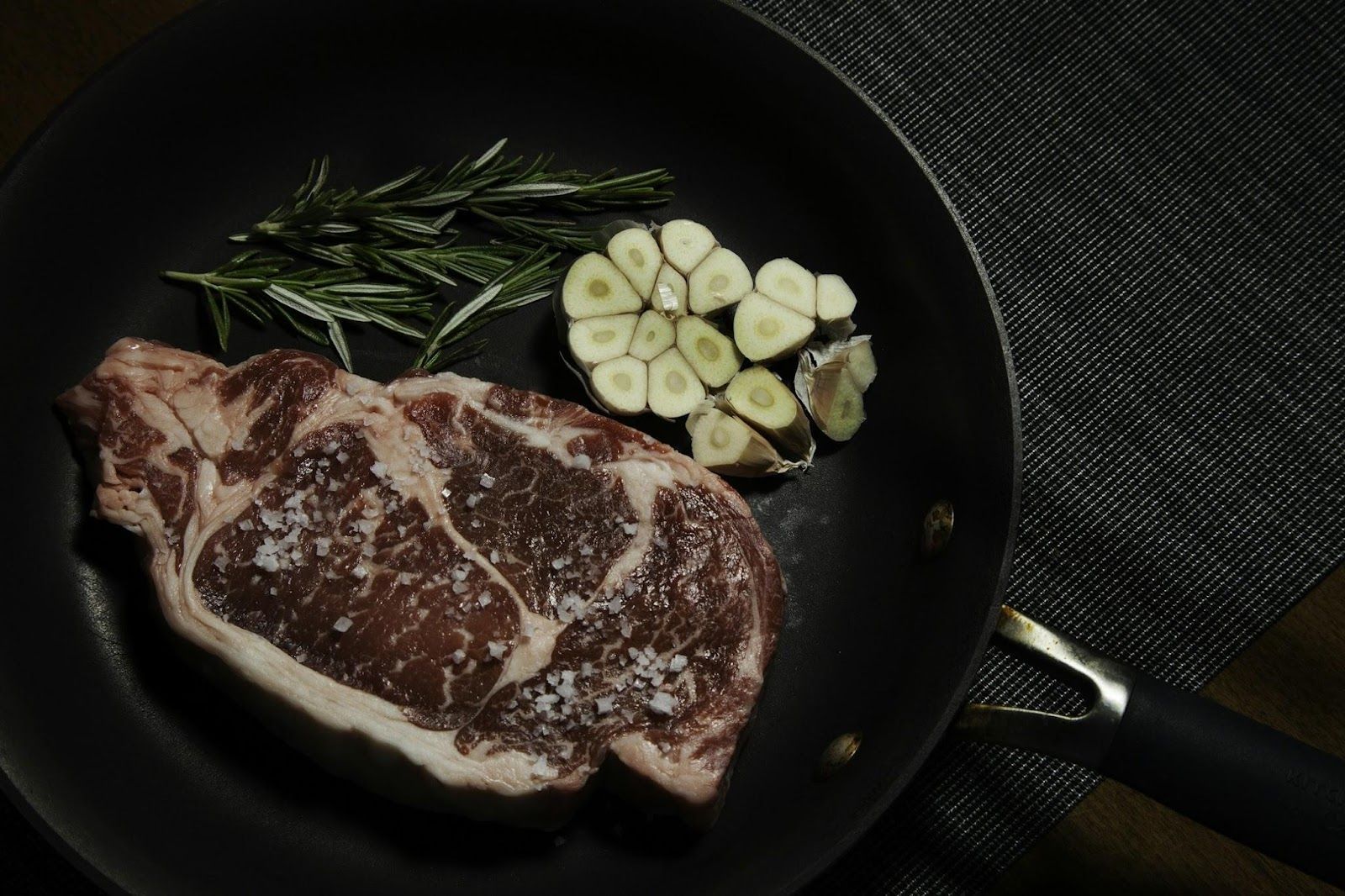
If "rare" is still too cooked for your taste, then "extra-rare" or "blue" describes the doneness level you're looking for in a piece of red meat.

This is a steak that is lightly seared on the outside but remains red and cool on the inside. To achieve this, a blue steak is cooked for a very short period of time, just enough to brown the surface. The result is a steak that is soft and tender, perfect for those who love a melt-in-your-mouth texture.

2

Rare

Credit: Hybrid Storytellers

One of the two most well-known terms for doneness, "rare" describes a steak that is browned on the outside but remains very soft and red on the inside. The center is warm, though not hot to the tongue, typically cooked to an internal temperature of about 120–125°F.

3

Medium rare

Credit: Stu Moffat

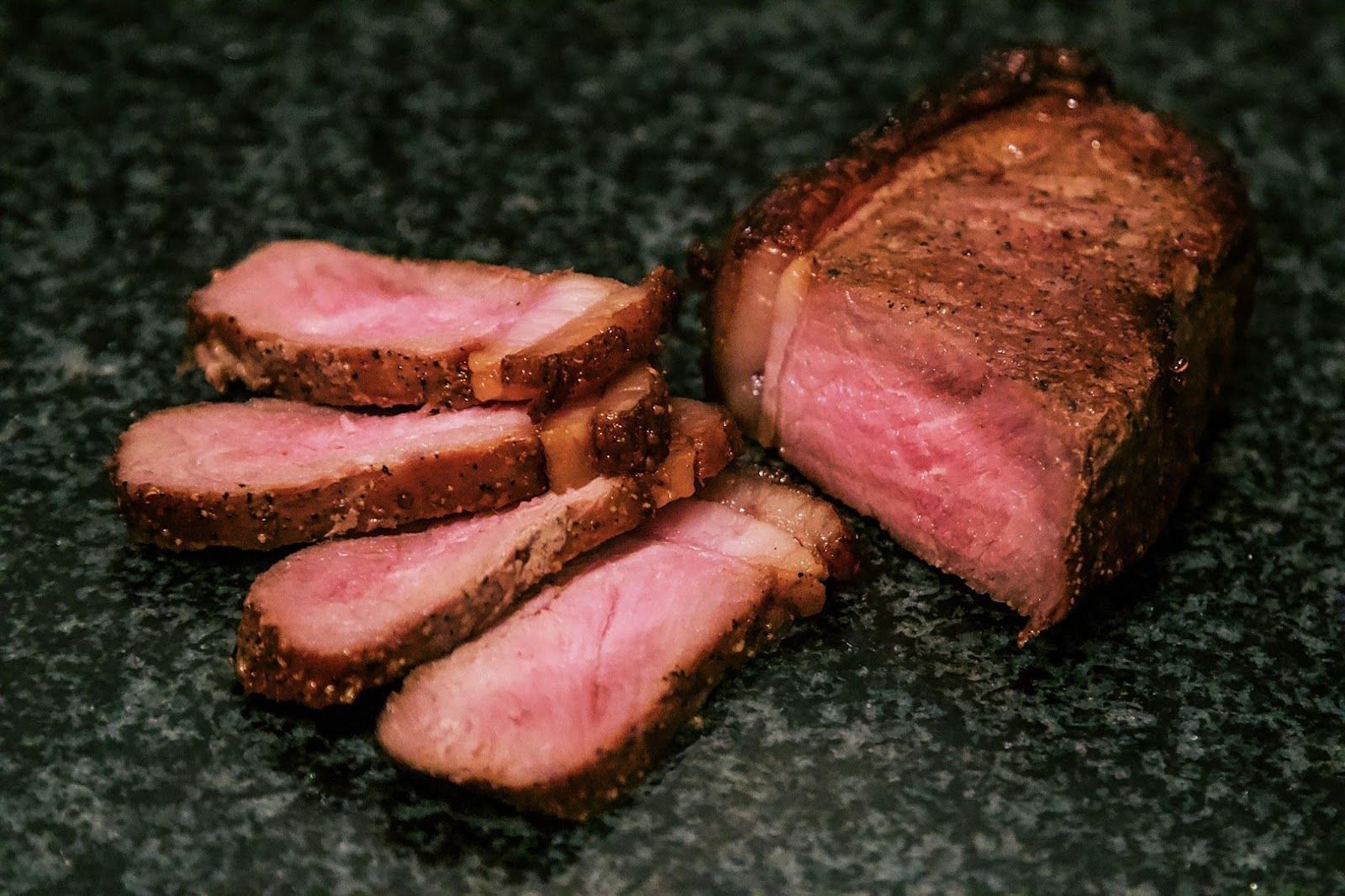
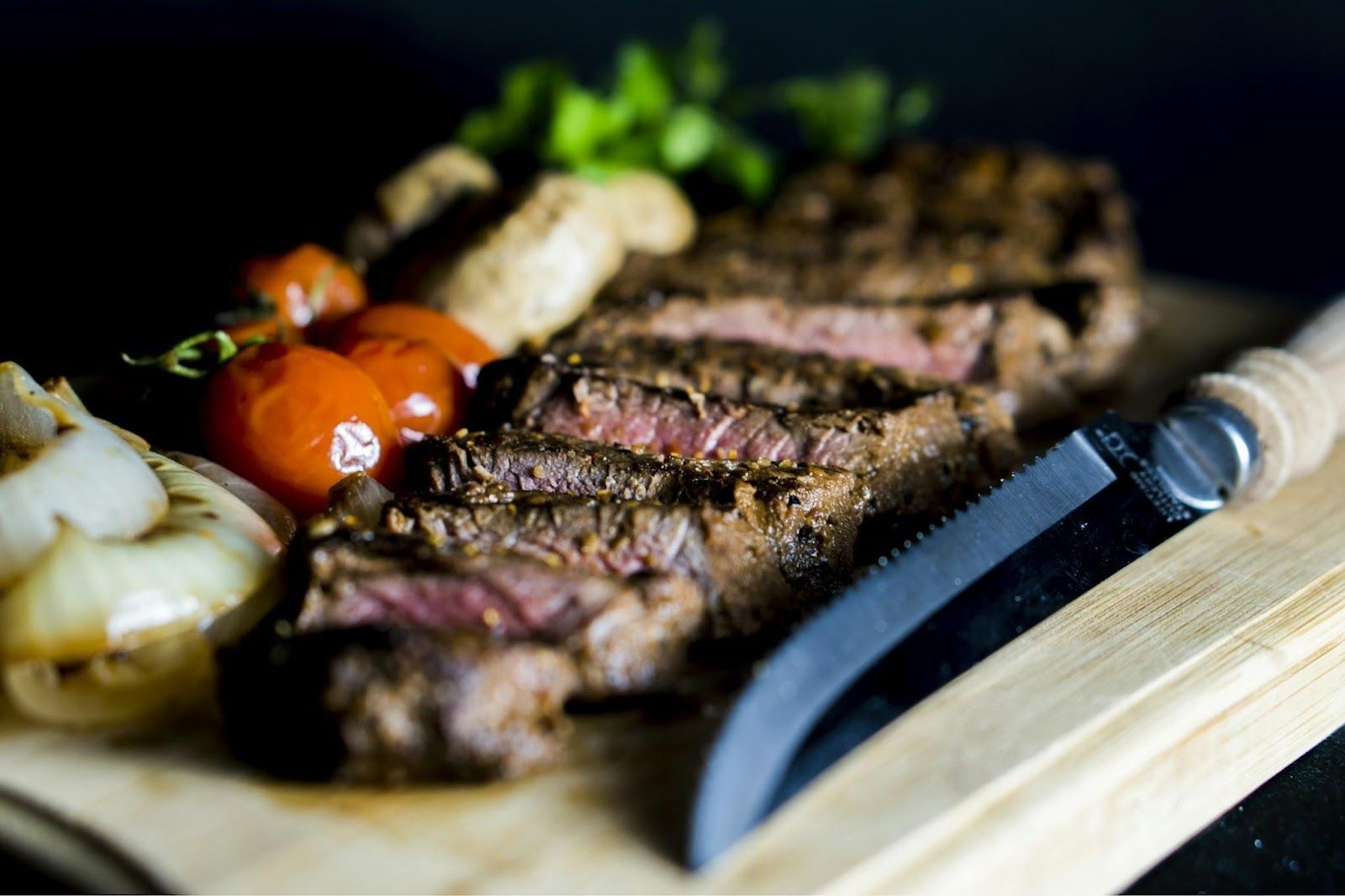
What if you don’t want your steak to be too juicy, but not dry either? Then you ask for it "medium rare." This steak is firm and browned on the outside, but still very tender in the center, with a warm red middle and a slight pink ring around the edge. This is considered by many chefs as the ideal doneness for flavor and texture balance.

4

Medium

Credit: Tim Rüßmann

Pink but not too juicy. That is a good, short definition of a "medium" cooking point. This steak has a small ring of gray-brown on the outside and a warm pink center, with only a hint of red. For cuts with more marbling, this is the point where the fat begins to melt, enhancing flavor and tenderness.

5

Medium well

Credit: Cooker King

A bit more cooked than "medium," "medium well" is the point at which a steak starts to become noticeably firm. The meat is mostly gray-brown throughout, with only a slight hint of pink remaining in the center.

6

Well done

Credit: Tiitus Saaristo

You know this one. "Well done" is the most thoroughly cooked level of doneness on the menu. The steak is uniformly brown or gray throughout, with no trace of pink in the center. It’s typically quite firm and can be tough to chew, though it can still be flavorful, especially with the right cut and seasoning.

7

Overcooked, or burned

Credit: Emerson Vieira

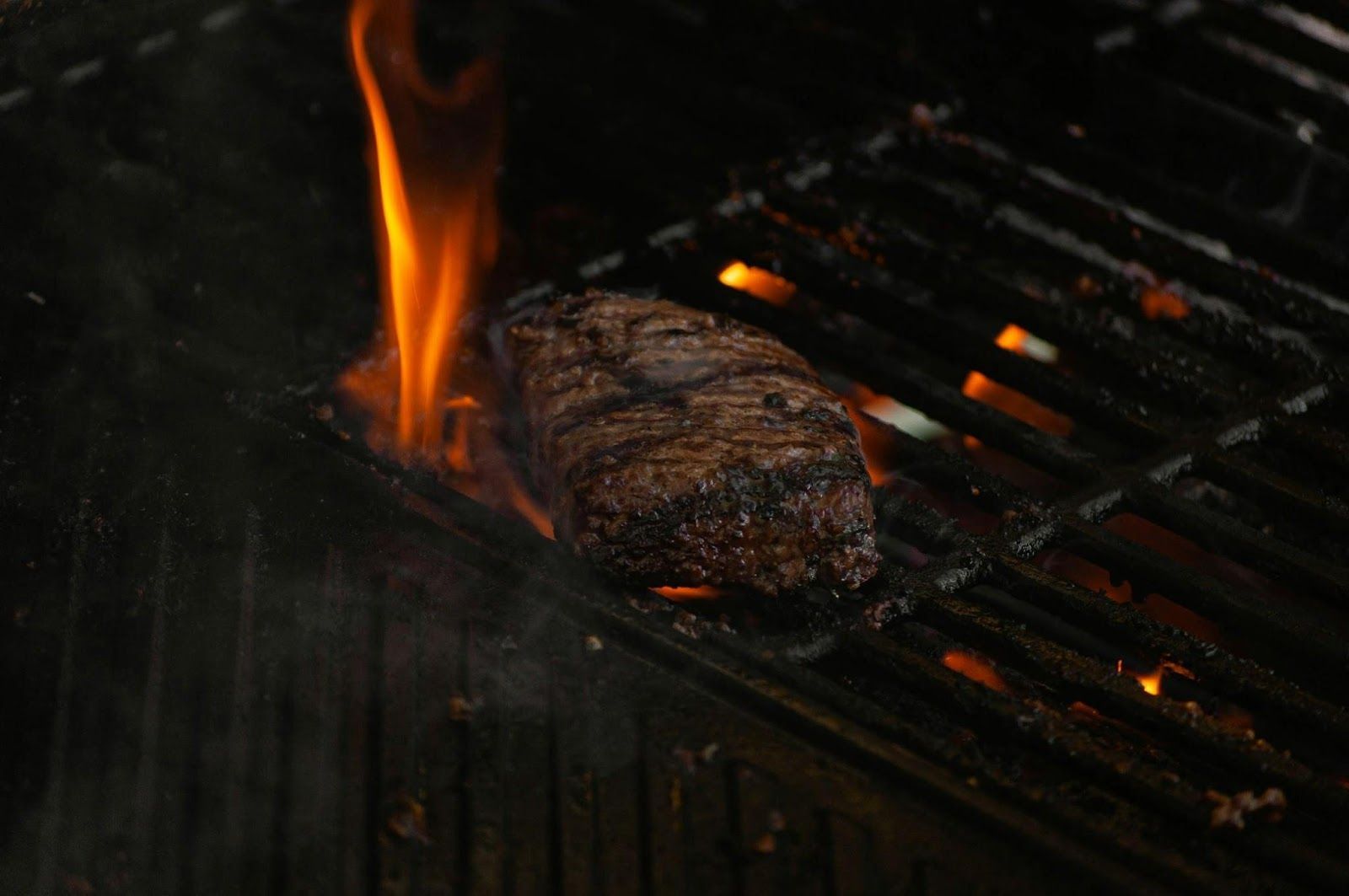
Most people consider this level of doneness flavorless, dry, and tough to chew, but some genuinely enjoy it. An overcooked steak is usually solid light gray throughout, with a heavily charred exterior that can add a distinctive, smoky flavor.

8

Al dente

Credit: Klara Kulikova

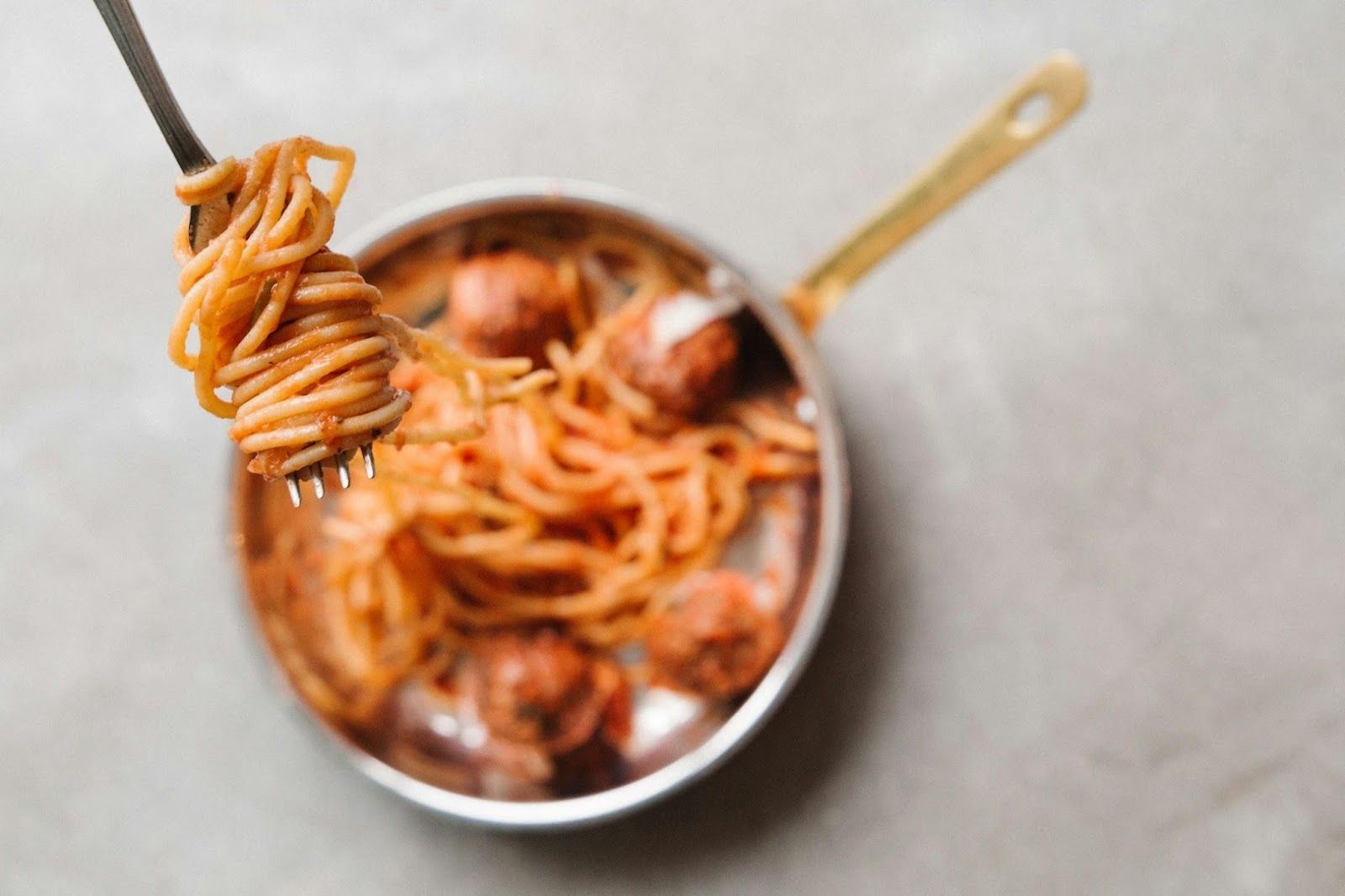
Moving on from meat doneness, you’ve probably heard this one. Al dente is an Italian expression meaning "to the tooth," used to describe pasta that is cooked just enough to remain firm to the bite.

In contemporary Italian cooking, it’s considered the ideal texture for pasta and is achieved with a relatively short cooking time.

9

Medium boiled

Credit: Krisztina Papp

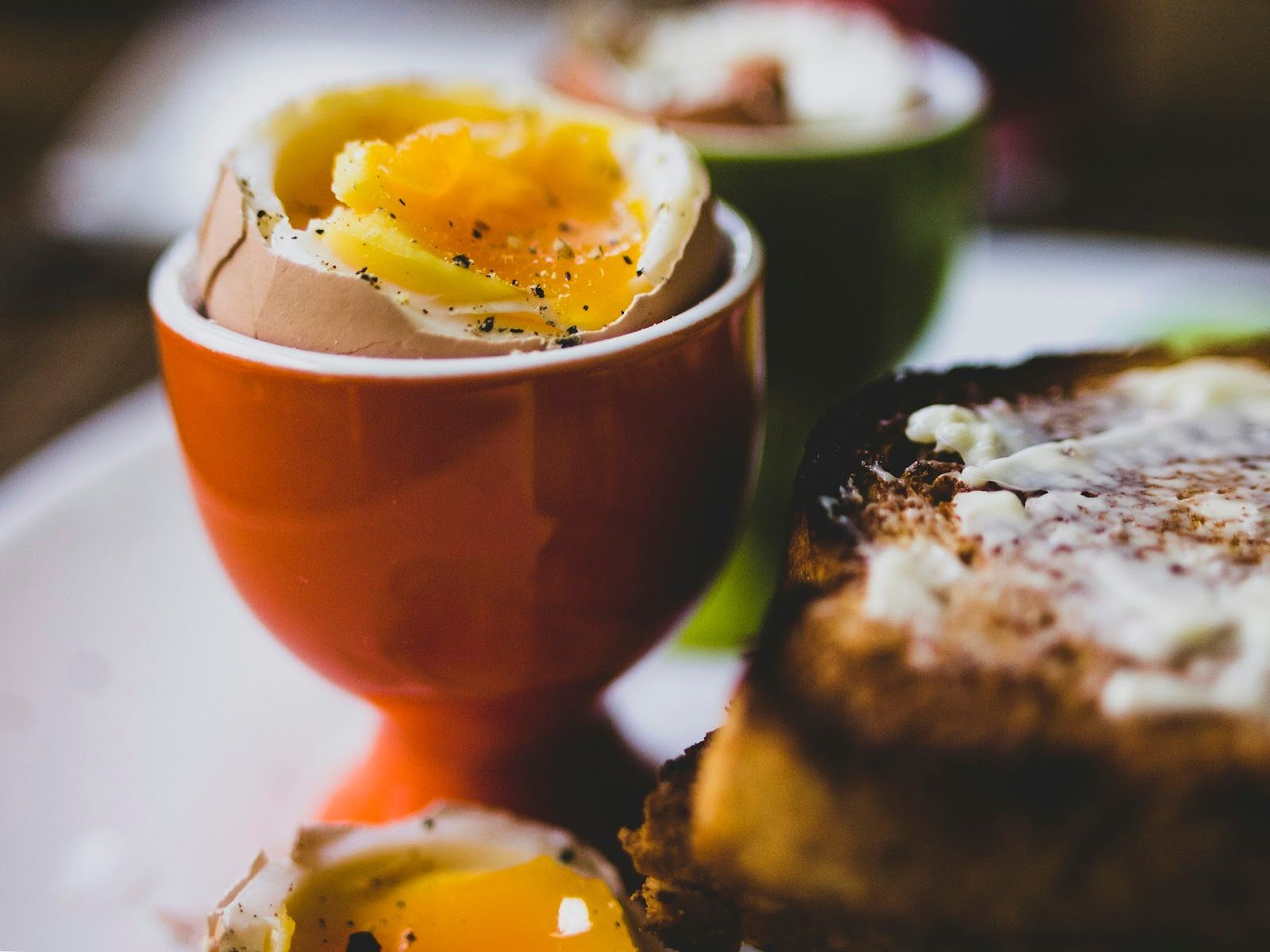
Sometimes you don’t want your egg soft-boiled, but you don’t want it hard-boiled either. A medium-boiled egg offers the perfect middle ground. At this stage, the white is fully set, while the yolk remains jammy, thick and creamy, but not runny.

10

Tender crisp

Credit: Louis Hansel

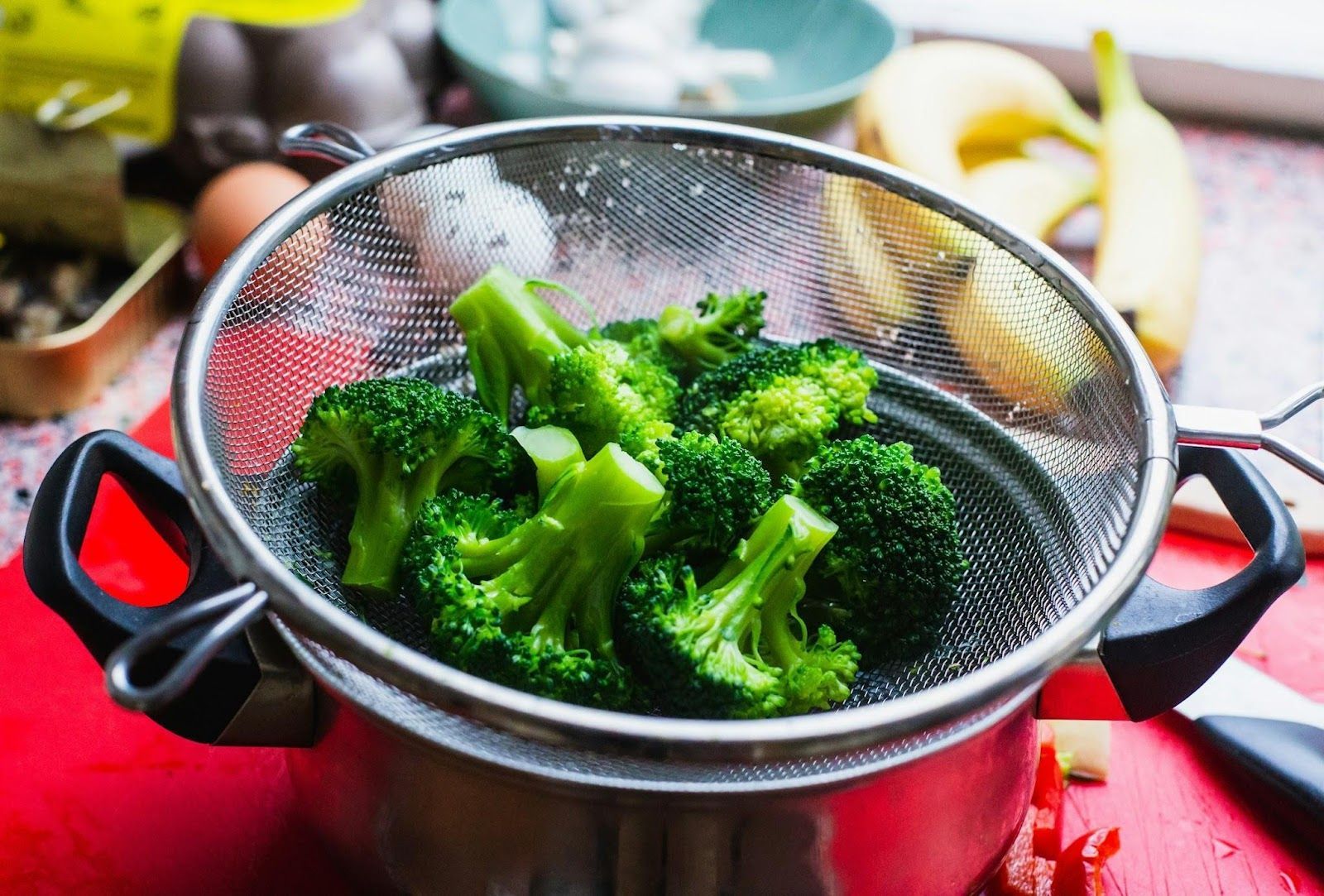
How do you like your broccoli? Cooked but not overdone or soft, right? The correct term to describe this cooking point is "tender crisp." Broccoli or asparagus prepared this way is cooked until tender while still retaining a slight crispness.

11

Flaky

Credit: eatde

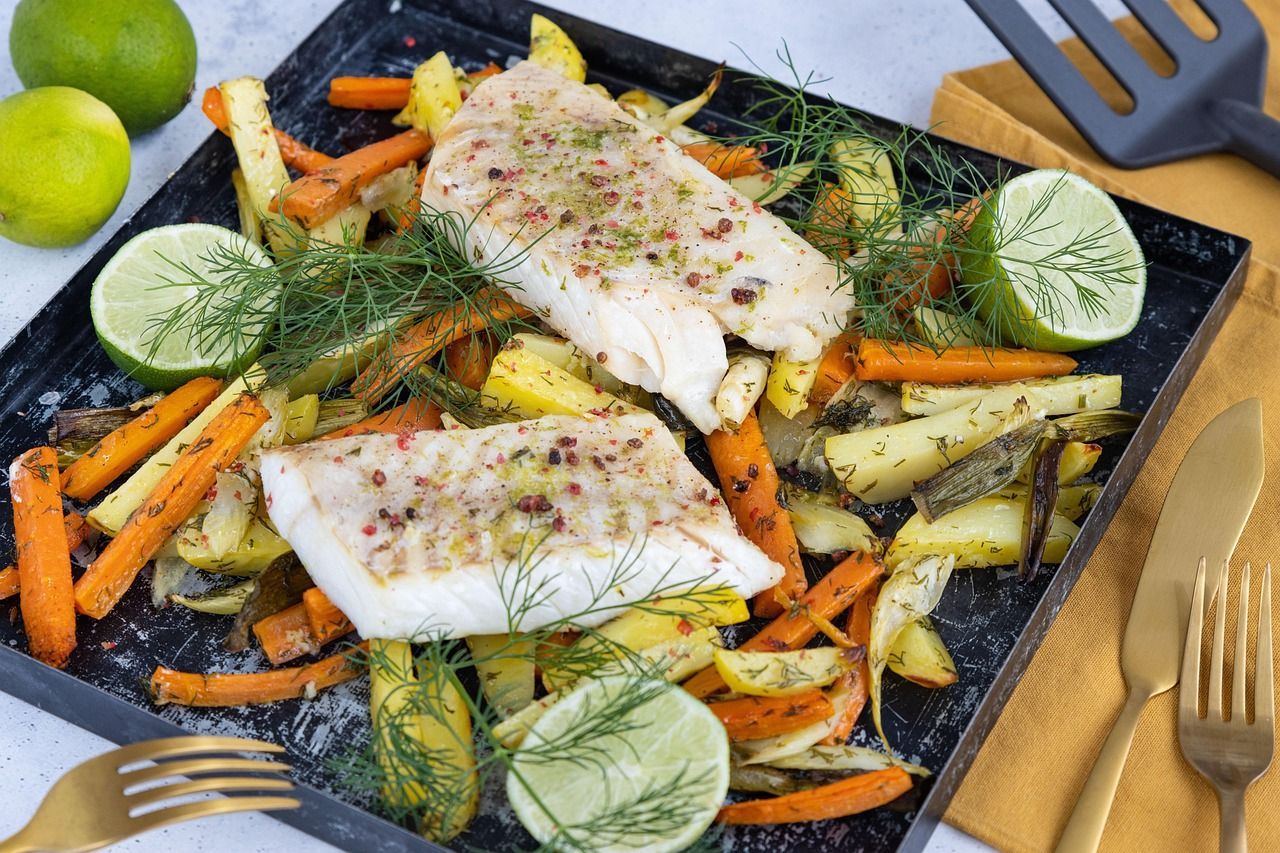
When fully cooked, the meat of a fish should easily separate into flakes. A "flaky" fish is well-done, tender, and moist.

12

Seared

Credit: Toa Heftiba

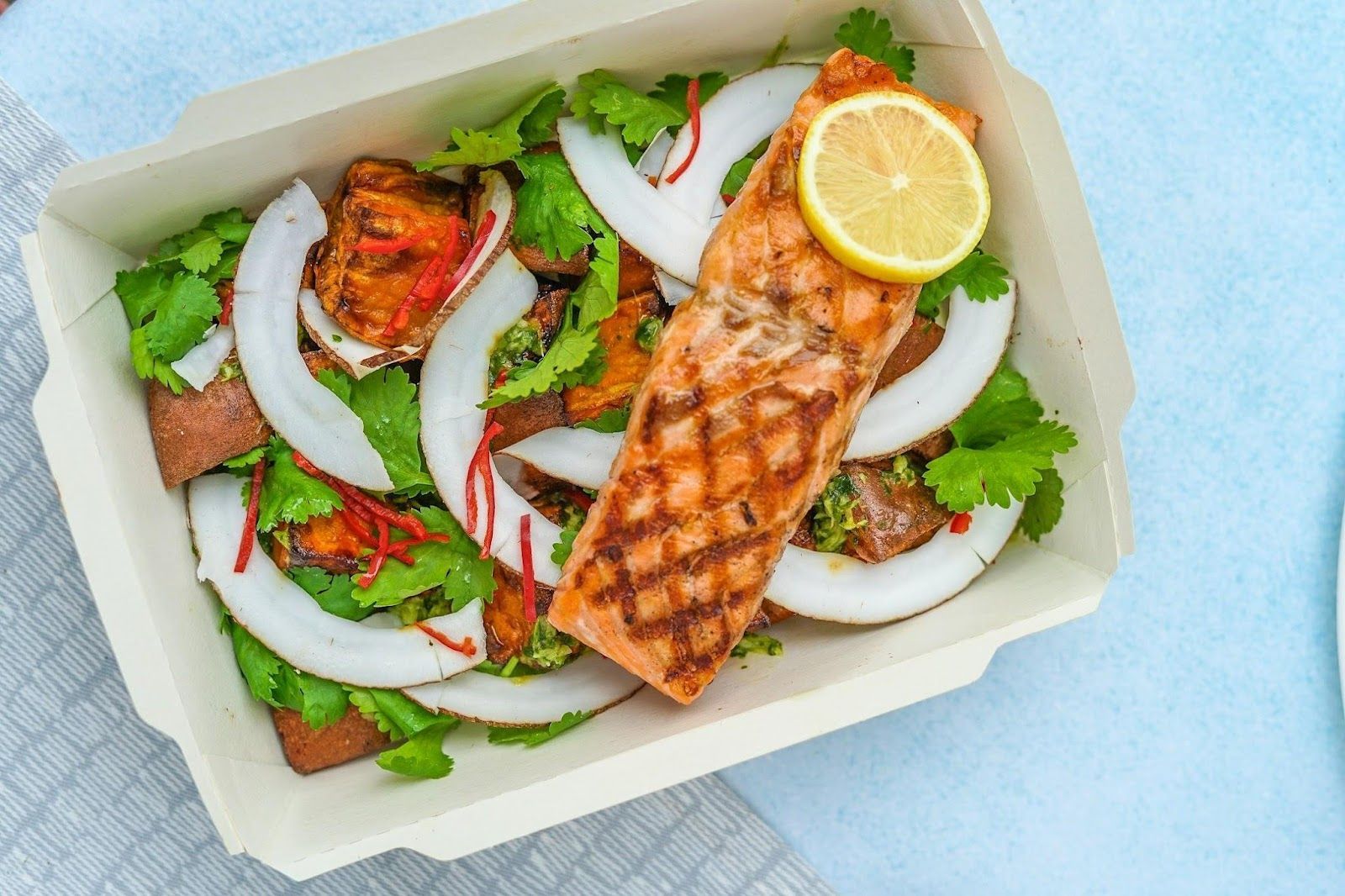
A "seared" fish is cooked quickly over high heat—usually in a pan—to create a browned crust while keeping the interior less cooked. This technique is often used for tuna or salmon.

Looking for an extra scoop of literary fun?

Learn more with our Word of the day

amenable

/əˈminəb(ə)l/