Trimming our vocabulary

Americans say 'soccer' instead of 'football' for this reason


Published on June 7, 2026

Image: Megan Watson

Have you ever wondered why we say ‘fab’ for fabulous, or ‘uni’ for university? A natural characteristic of most languages is that speakers, even if they don't realize it, try to say the most amount of things with the least amount of words possible. This can be done in many ways, including by shortening the word to its smallest form. While in some cases the short and the long versions are used at the same time, many terms that we don’t think twice about actually have a longer version. Keep on reading to discover the original form of these everyday words.

1

Pub

Image: Amie Johnson

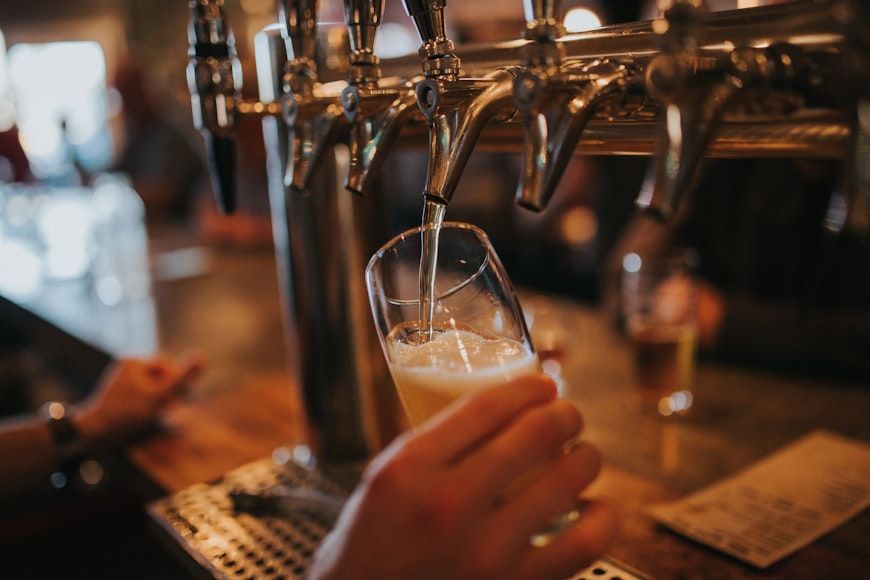
Public establishments dedicated to selling alcohol are as old as time and have gone by several names over the centuries. In English, taverns, alehouses, and inns existed way before the word ‘pub’ was in use. Where did it come from, then? In the 17th century, the term ‘public house’ began to be used to distinguish these establishments from private houses and residences, and the shortened version of ‘pub’ was registered for the first time in 1859.

2

Bus

Image: CHUTTERSNAP

Buses weren't always machines. The first recorded bus dates back to 1823 in Nantes, France, where a horse-drawn carriage service transported passengers to the public baths. The service was called Omnes Omnibus, Latin for ‘everything for everyone’. The omnibus part remained and was adopted into English to refer to public transport, later shortened to ‘bus’.

3

Fridge

Image: nrd

While we still use the full word ‘refrigerator’ in English, ‘fridge’ is now a word in its own right. But how did it get to that form? As modern refrigerators became increasingly more common in the 20th century, people started shortening their name to ‘frig’, but this form sounded harsher than the original. To capture the sound of the g in ‘refrigerator’, writers started writing the word as ‘fridge’, mirroring the spelling of words like ‘bridge’ or ‘lodge’.

4

Soccer

Image: Emilio Garcia

Many think that Americans use the term soccer because a sport named football was already popular in the U.S., and they are only half right. Originally, there were several sports named football: Rugby football (now, just rugby), Association football (soccer), and Gridiron football (football). In the late 19th century, English students started shortening Association football to ‘assoc’ and then to ‘soccer’, a name that became popular and coexisted with the term ‘football’ for a long time. While ultimately ‘football’ became the more widespread term for the sport, in America, due to the popularity of Gridiron football, the name ‘soccer’ remained.

5

Perk

Image: Markus Winkler

The word ‘perk’ has many meanings, but not all are a shortened version of another word. The word ‘perquisite’ comes from the Latin perquisitum, meaning ‘something carefully sought or acquired’. In the 19th century, it was shortened to ‘perk’, which has now evolved to mean a benefit or an extra, usually related to a job or salary.

6

Miss

Image: Christopher Campbell

While ‘mistress’ often has a negative connotation in modern English, this was not always the case. Originally, ‘mistress’ was the feminine version of ‘master’, as in ‘the head of a household’. Around the 1600s, it was shortened to ‘miss’, and both ‘mistress’ and ‘miss’ were used for the lady of the house. Eventually, ‘miss’ came to be used for young, unmarried ladies, while ‘mistress’ evolved into ‘Mrs’ (pronounced missus).

7

Cute

Image: Jonatan Pie

Have you ever heard the word ‘acute’ used to describe a sharp pain or a sharp-witted person? Believe it or not, it is related to the word we use to talk about charming and pretty things and people. While acute —and its shortened version, ‘cute’— originally meant ‘perceptive’ or ‘sharp’, it became a slang word for clever, fetching, or pretty things in the 19th century. Eventually, the meaning broadened to include physical appearances.

8

Girl

Image: Leo Rivas

Middle English had many gender neutral terms to refer to people —think ‘child’ or ‘sibling’, for example— and ‘girl’ was one of these terms. Originally gyrle or girle, it was used to describe any small child, regardless of their sex, and adjectives were added to specify if it was male or female. Around the 15th and 16th centuries, the meaning shifted to refer to young females, while also becoming an affectionate term for women of all ages.

9

Taxi and Cab

Image: Waldemar Brandt

‘Taxi’ and ‘cab’ are used interchangeably for a vehicle with a hired driver, and many people have at least once heard the term ‘taxicab’, now practically obsolete. But what if we tell you that taxicab is not the original term either? A taximeter (a mix of taxa, ‘charge’, and metron, ‘measure’) was an instrument used to measure and determine a fare, while a cabriolet was a light, horse-drawn carriage. The first automatic taximeter was invented in Germany in 1891, and attached to horse carriages and later to automobiles. These vehicles were initially called taximeter cabs, then taxicabs, and ultimately just taxis or cabs.

10

Prom

Image: Shayna Douglas

Ask any high school student, and most of them will agree that prom is a major rite of passage of adolescence. This tradition is derived from high society formal dances that gave young people the opportunity to practice their social skills and make acquaintances. But what does ‘prom’ mean? The original term is ‘promenade’, a word you may recognize in relation to walkways and avenues, a French term used for a leisurely walk or stroll. In high society events, ‘promenade’ was used for the initial formal parade of the guests, which gave them the chance to show off their attire. Eventually, it came to refer to the event itself.


LISTEN YOUR WAY BACK TO BALANCE

You Should Be Listening To These Podcasts


Published on June 7, 2026


Image: Mohammad Metri

Ever since podcasts were created, their popularity has grown non-stop and the reasons are plenty. For starters, podcasts allow you to learn new stuff while you do something else. Podcasts keep you entertained as you get something else done.

Moreover, podcast productions today range from history to science, from literature to gossip. Even psychology is a whole different category within podcasts. And these can be quite helpful if we are trying to get some useful advice on how to lead a better and more balanced life. So, here are ten podcasts you should be listening to if that is your case!

1

The Doctor’s Farmacy

Image: Vitalii Pavlyshynets

Hosted by M.D. Mark Hyman, this podcast is within the category of health, but it goes far and beyond that. In this podcast, Hyman leads listeners on an exploration of the profound link between food and health. Maybe you are thinking: "Oh, not another dieting podcast," but this is not the case.

Hayman’s approach is rooted in functional medicine, a discipline that addresses the root causes rather than just providing treatment for different illnesses. He has a holistic perspective that focuses on human and environmental well-being as he understands that true health encompasses more than just what we put on our plates, it is all about nurturing our bodies and minds within the natural world.

You can listen to new episodes every Monday, Wednesday, and Friday morning.

2

Ten Percent Happier

Image: TBIT

Hosted by Dan Harris, this podcast offers a unique and refreshing take on mindfulness and meditation. After having a panic attack on live national television, Harris gave meditation a chance despite his skepticism. This podcast is a testimony of his journey and how his initial stand on meditation turned into a powerful transformation.

"Ten Percent Happier" is different from other podcasts due to its pragmatic approach. Interviews with researchers, teachers, neuroscientists, and leaders are the means to show how practical tools and techniques can make your life easier.

Harris doesn’t shy away from addressing the challenges and misconceptions surrounding meditation, nor does he claim to have all the answers. Instead, he invites listeners to join him on a journey of exploration and self-discovery. Listen to new chapters every Monday, Wednesday, and Friday morning!

3

Feel Better, Live More

Image: Madison Oren

"Health has become overcomplicated, I aim to simplify it," states its host, Rangan Chatterjee. Today, considering how fast the world moves, the quest for well-being can seem like an elusive pursuit. This podcast works as a refreshing antidote to the chaos, providing practical advice and actionable strategies for navigating life’s challenges with grace and resilience.

Chatterjee acknowledges the deep connection between mind, body, and soul and he takes a holistic approach with a keen focus on addressing the root causes of health. Listen to inspiring stories from health leaders and personalities that aim to debunk common myths surrounding well-being.

Nutrition, lifestyle, and more, this podcast will help you incorporate small (and not so small) habits into your daily routine to make mindful choices to lead a better-balanced life.

4

The Minimalists

Image: Sarah Dorweiler

This name may ring a bell to you and that is because The Minimalists, Joshua Fields Millburn, T.K. Coleman, and Ryan Nicodemus are Netflix stars and New York Times bestselling authors.

The Minimalists aim to show people how simplicity and purpose can be a transformative experience.

Through this podcast, the group explores the profound intersection of minimalism and intentional living, offering a roadmap to a life filled with greater joy, meaning, and fulfillment. Even if a part of it tries to convince listeners to declutter their physical spaces, its final goal is much deeper than that: it tries to show us how the minimalism principles can be also applied to other areas of our lives.

Whether they are discussing the liberating power of letting go of material belongings or the importance of cultivating meaningful connections, their message resonates deeply with listeners seeking a more meaningful way of living.

5

Best Laid Plans

Image: Alexa Williams

In her podcast, Sarah Hart-Unger shares insights, tips, and personal experiences related to planning, productivity, and intentional living. She discusses various aspects of planning, including time management, organization, goal-setting, and self-care. Sarah’s approach is practical and relatable, she draws on her own experiences as a busy working mother, physician, and podcaster now.

One of the strongest points of the podcast is Sarah’s ability to blend productivity strategies with self-reflection and mindfulness. Through candid conversations and solo episodes, she encourages listeners to get things done, but also to cultivate a sense of intentionality and purpose in their daily lives. This podcast covers a wide range of topics of modern busy life, listen to a new chapter every week!

6

Radio 1’s Life Hack

Image: Cody Engel

This podcast is produced by BBC Radio 1, and hosted by VickHope and Katie Thistleton. In it, they cover a wide range of topics and offer advice on various aspects of life including mental health, relationships, career development, and personal finance.

Vicky and Kate provide a friendly approach to discussing these topics, often sharing their own experiences and inviting guests to offer their expertise and insight. Delving into how personal growth intersects with broader societal issues, the podcast aims to provide practical advice and support to help listeners navigate daily life more smoothly and efficiently.

Even if its target audience skews towards young adults, its insights are universal and resonate across age demographics.

Mind you, this podcast ended in the fall of 2020, but it came back with a few post-pandemic mini-series with some useful tips to make your life more eco-friendly.

7

Ask a Clean Person

Image: Unsplash+

If you are handling your personal organization just fine, if you are an expert at handling anxiety and meditation is already a habit for you, but you struggle with cleaning, then this podcast is for you.

In it, Kerr offers practical advice, tips, and tricks for cleaning and maintaining a tidy living space. Listeners can submit their cleaning-related questions to Jolie who answers them with expertise and humor. Whether it is tackling tough stains, organizing cluttered spaces, or finding the right cleaning solution, Jolie provides helpful guidance to help listeners achieve a clean and organized home.

This podcast doesn’t air new episodes anymore, but the more than a hundred already posted are enough to get you going!

8

Do It Scared

Image: Austin Chan

In a world where fear often holds us back from pursuing our dreams and reaching our full potential, this podcast serves as a beacon of hope and encouragement. Hosted by Ruth Soukup, Do It Scared offers an empowering and transformative journey for listeners seeking to overcome fear and live a life of purpose and fulfillment. With a warm and relatable approach, Ruth dives deep into the heart of fear, exploring its roots, its impact on our lives, and most importantly, how to conquer it.

Whether it is starting a new business, pursuing a passion project, or making a major life change, Soukup guides listeners to overcome adversity, sharing valuable insight and strategies for building confidence. Learn how to harness the power of fear and turn it into fuel for pursuing your dreams.

9

Habit Based Lifestyle

Image: Lala Azizli

This podcast hosted by Jesse Ewell covers a wide range of topics like nutrition, fitness, marriage, relationships, kids, business, and spirituality. Before creating this podcast, Jesse Ewell had a more than twenty-year career as a personal trainer and gym owner but decided to take a turn and go after a new life.

This new life includes inspiring people to learn about how a habit is formed and how we can all benefit from strong foundations when it comes to big changes and decisions. He understands that long-term choices require commitment and certain strategies to keep a sustainable approach.

Jesse maintains engaging discussions and expert interviews to break down complex concepts into easy-to-understand principles.

10

Huberman Lab

Image: Unsplash+

This isn’t an average neuroscience podcast, it’s a deep dive into the inner workings of the human brain, led by neuroscientist Dr. Andrew Huberman. With a focus on understanding how our brain influences everything from perception to behavior and health, this podcast offers a fascinating journey into the complexities of the nervous system.

In his podcast, Huberman translates complex scientific concepts into digestible insights for listeners. He discusses the influence of vision and breathing on human behavior and explores some tools for optimizing neural plasticity.

An interdisciplinary approach is the key, neuroscience, psychology, and physiology together blend into a holistic approach to understand how the brain interacts with the body and the environment.

Looking for an extra scoop of literary fun?

Learn more with our Word of the day

seminal

/ˈsɛmən(ə)l/