Dutch Baby, anyone?

A Dutch Baby is not made with babies. Then, why is it called that way?


Published on June 28, 2026


Image: Pixel-Shot

English is full of food names that sound completely straightforward. There is not much mystery about what a stuffed tomato or a grilled chicken is. But that is not always the case. Some names refer to ingredients that disappeared centuries ago. Others are jokes that somehow became official names. Take a look at these 10 food names that seem to describe a completely different product from the one they represent.

1

Mincemeat

Image: OlgaBombologna

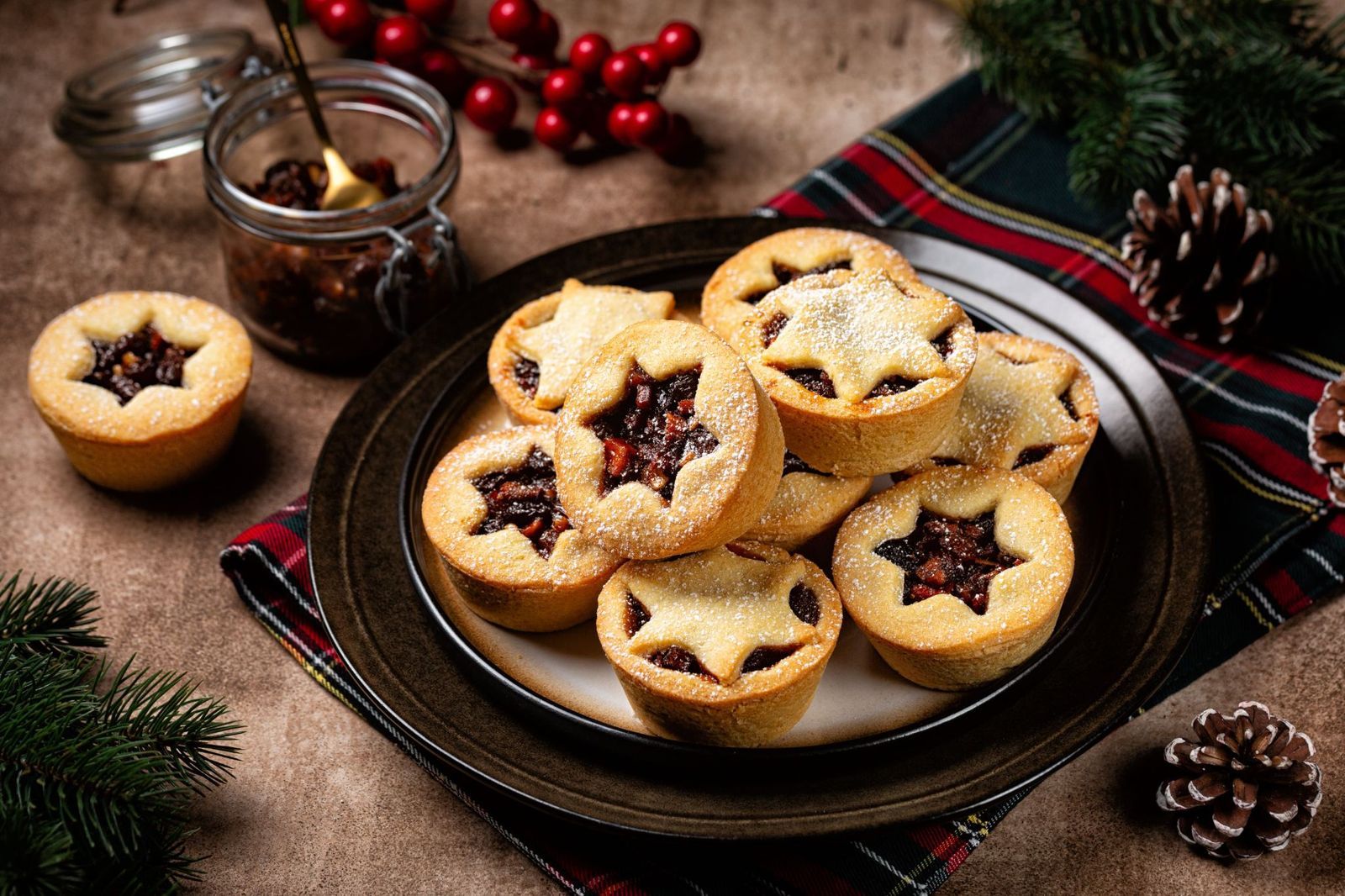
If you’ve never tasted mincemeat, you might assume it contains finely chopped meat. Historically, that assumption would have been correct. Medieval English cooks mixed minced beef, mutton, or venison with dried fruits, spices, and sugar to create rich pies.

Over time, the meat gradually vanished from most recipes. Modern mincemeat is usually made from raisins, currants, apples, citrus peel, spices, and sometimes even brandy. Despite containing little or no meat today, the name survived.

2

Sweetbread

Image: redzen2

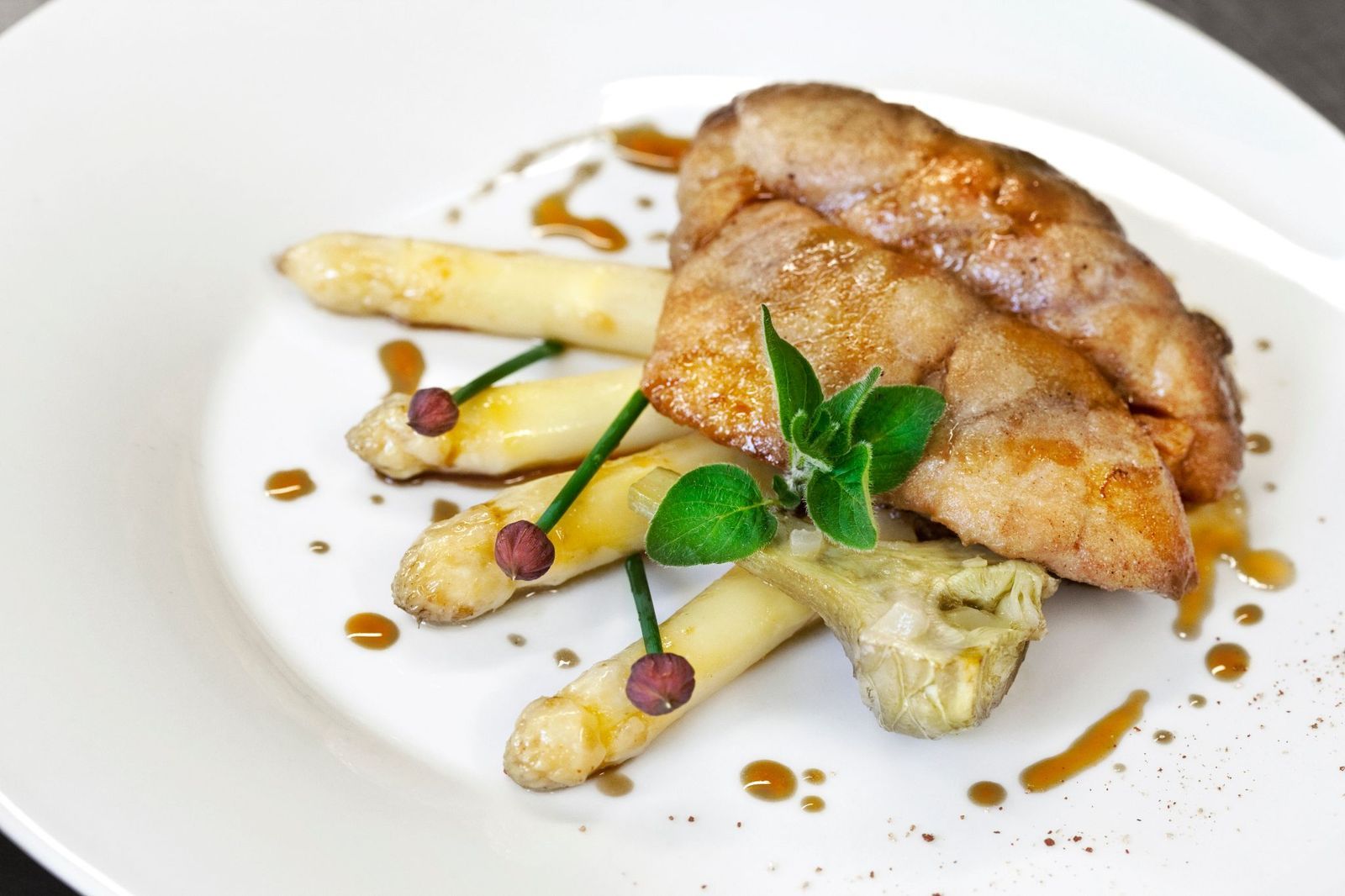
Sweetbread sounds like a bakery item, perhaps a sugary loaf or a pastry. In reality, it is neither sweet nor bread. The term refers to the thymus gland or pancreas of a young calf or lamb.

Sweetbreads have long been prized in French and European cuisine for their delicate texture and mild flavor. Food historians are not entirely sure where the name originated, but it has appeared in English culinary records for centuries. It remains one of the most misleading names in the culinary world.

3

Black pudding

Image: Nima Naseri

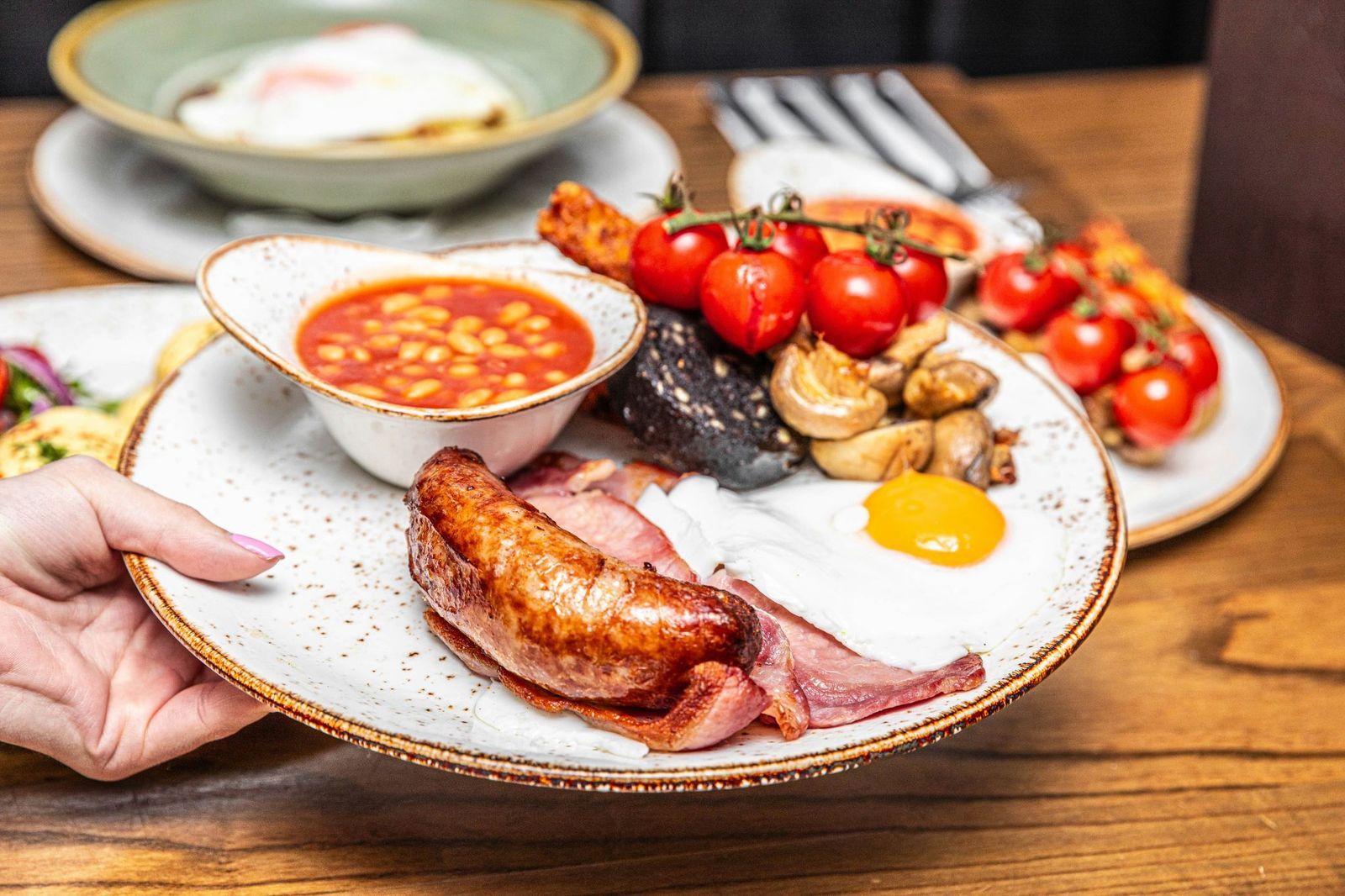
Many Americans hear the word "pudding" and think of dessert. Black pudding is something entirely different. It is a type of blood sausage traditionally made from pork blood, fat, and oats or barley.

The dish has been eaten throughout Britain and Ireland for hundreds of years and remains a classic component of a traditional full breakfast. The word "pudding" once had a much broader sense than it does today, which helps explain why a sausage ended up with that name.

4

Welsh Rabbit

Image: Foodgraphy39

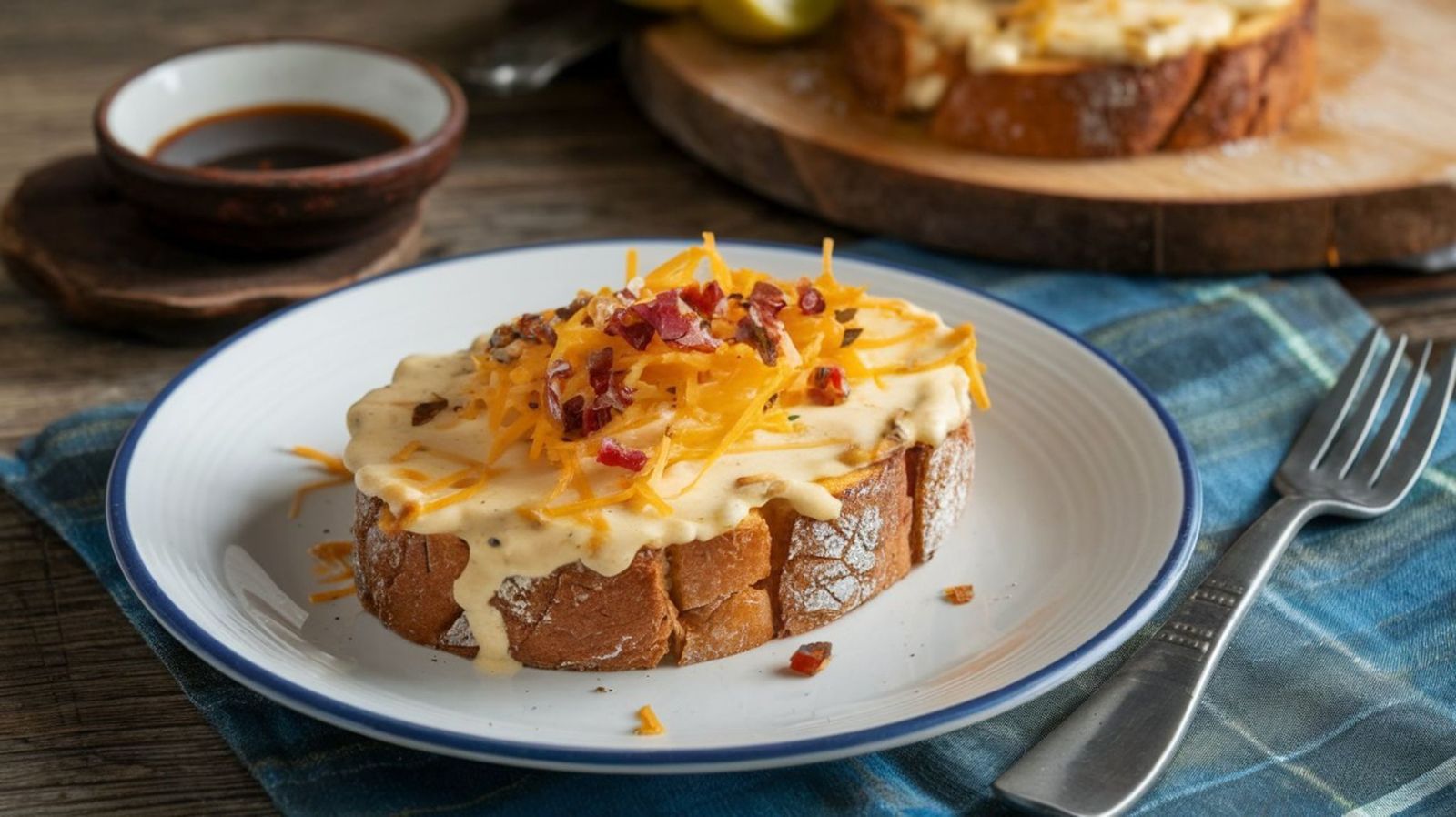
A person ordering Welsh Rabbit for the first time might reasonably expect rabbit meat. Instead, the dish consists of toasted bread topped with a savory sauce made from melted cheese, often flavored with mustard or ale.

The name appeared in print by the early eighteenth century. At some point, people began calling it "Welsh Rarebit," possibly because diners were confused by the complete absence of rabbit. Despite the newer name, many historians consider Welsh Rabbit the original and more authentic term.

5

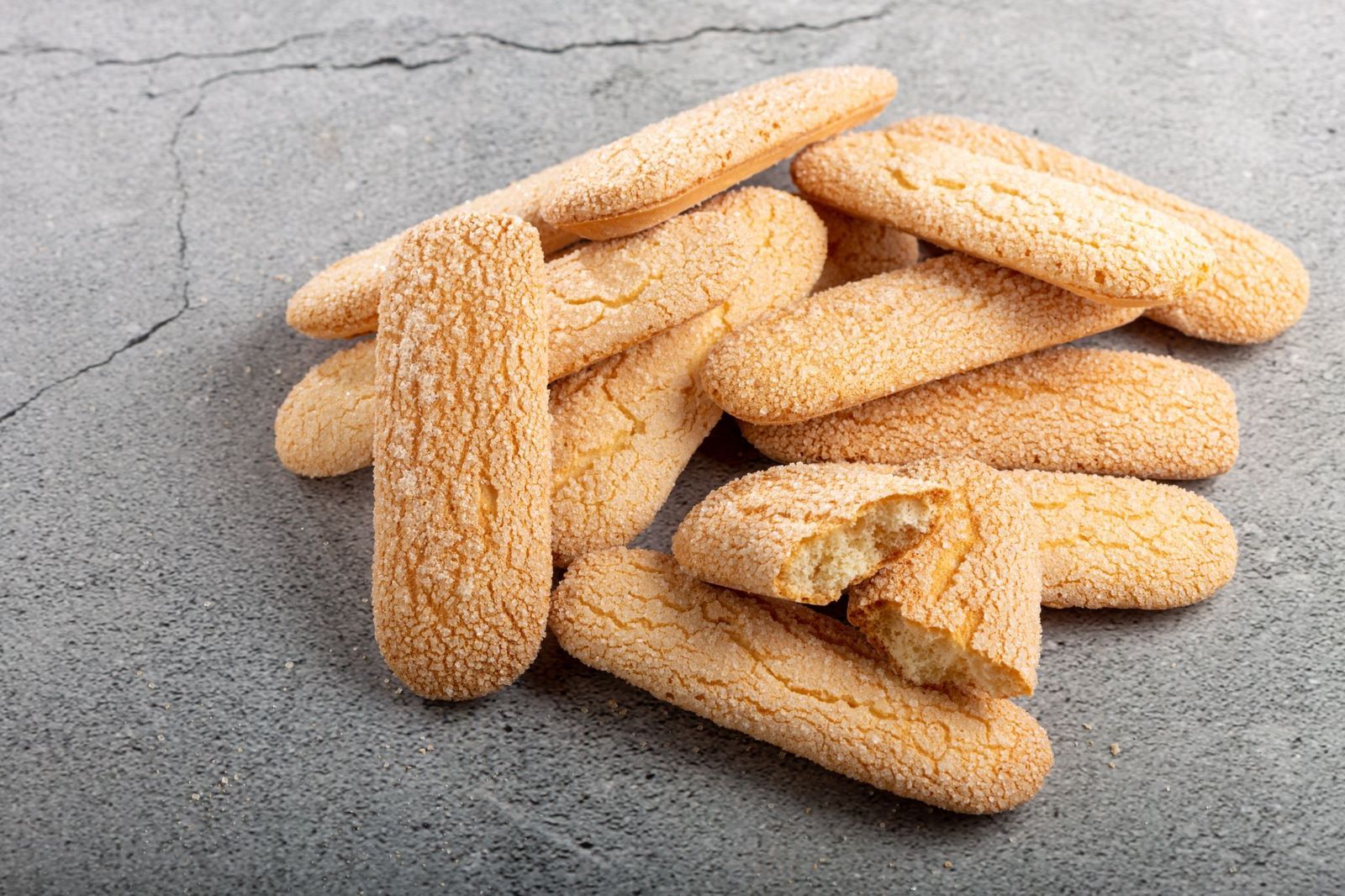
Ladyfingers

Image: WS-Studio

Ladyfingers are delicate sponge biscuits often used in desserts such as tiramisu and charlotte cakes. Their elegant name has nothing to do with a person and everything to do with appearance.

The cookies originated in the Duchy of Savoy, a region that once stretched across parts of modern France and Italy. Their long, slender shape was thought to resemble graceful fingers, giving rise to the name.

6

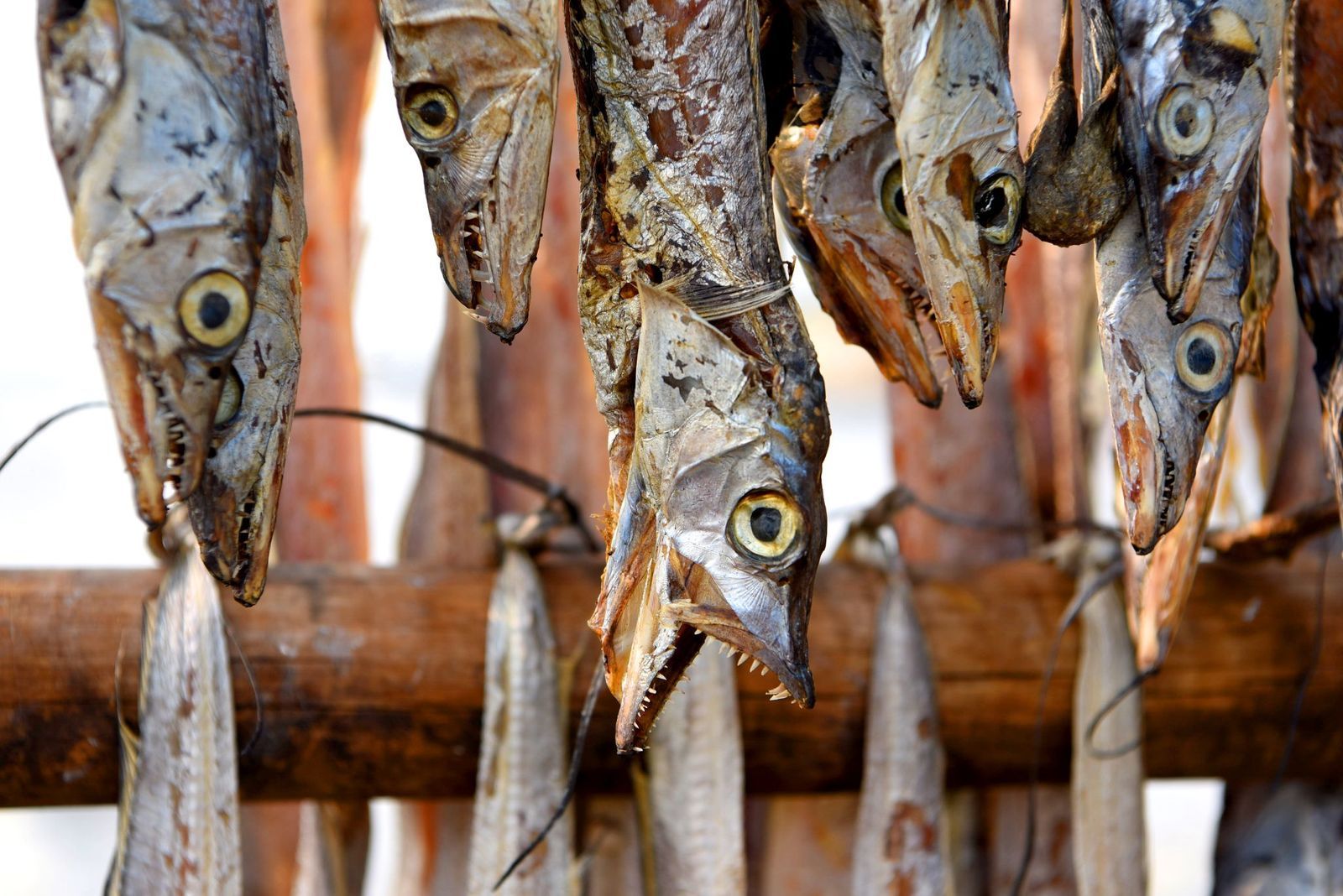
Bombay duck

Image: Akella Srinivas Ramalingaswami

Bombay duck sounds like a poultry dish from India. But it is actually a fish. Specifically, it is Harpadon nehereus, a species commonly found in the waters of the Arabian Sea.

The fish is especially associated with Mumbai, formerly known as Bombay. One popular explanation traces the name to the old "Bombay Daak" mail train, which reportedly carried the strongly scented dried fish across India.

7

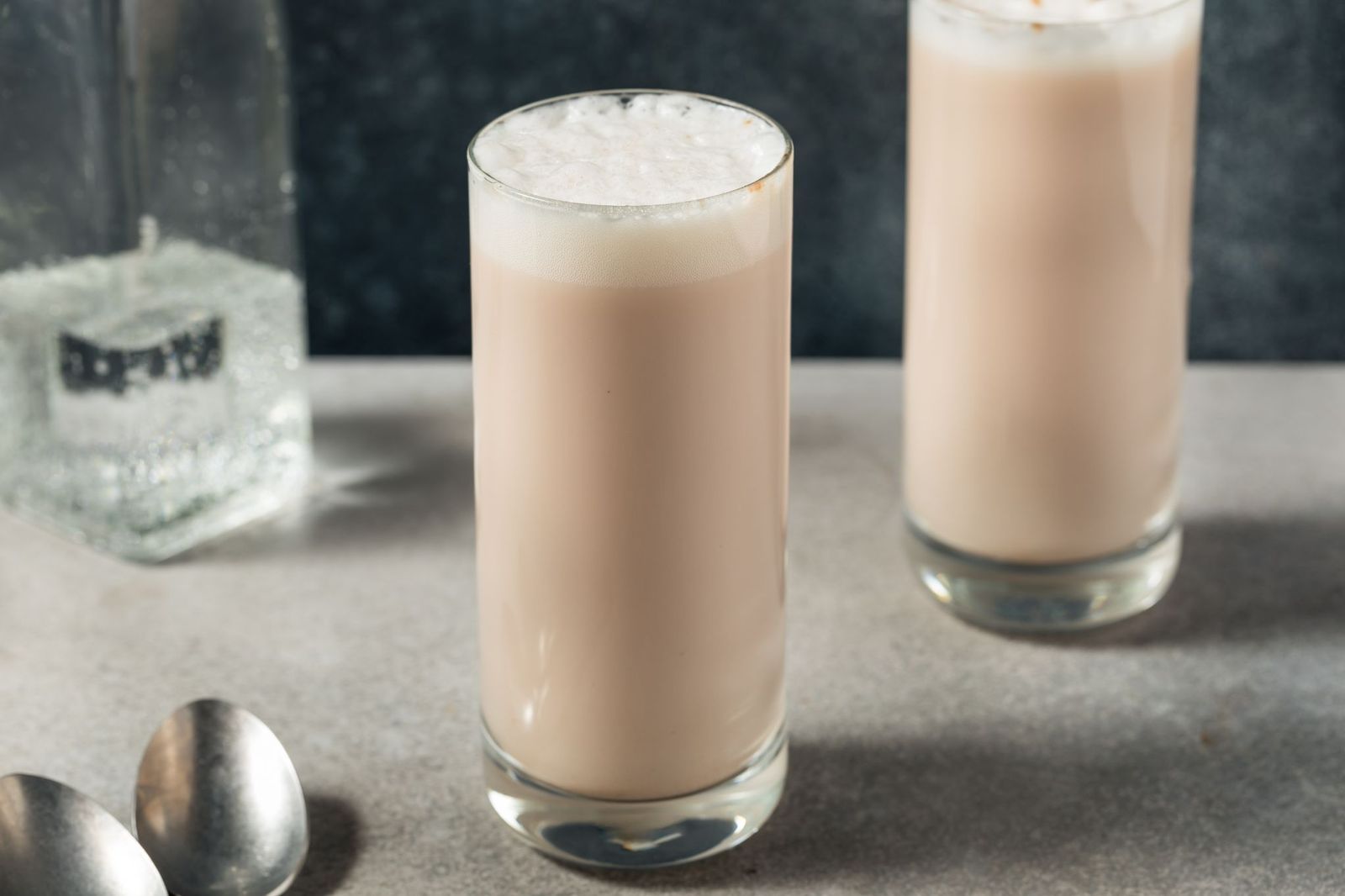
Egg cream

Image: Brent Hofacker

The classic New York egg cream contains neither eggs nor cream. Traditionally, it is made with milk, chocolate syrup, and carbonated water, creating a frothy drink that became famous in Brooklyn and Manhattan.

The beverage emerged in immigrant neighborhoods during the late nineteenth and early twentieth centuries.

8

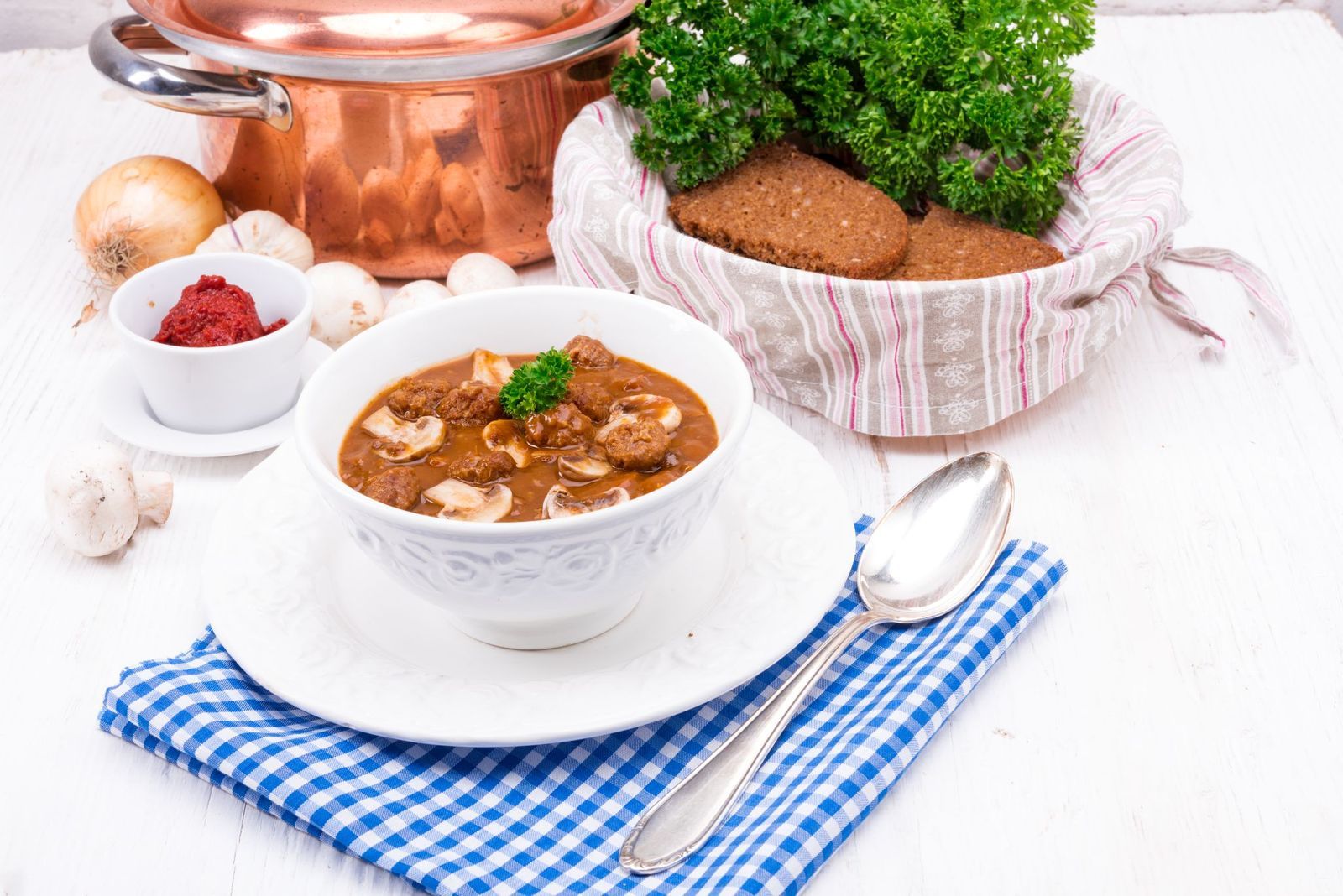
Mock turtle soup

Image: Dar1930

During the eighteenth century, turtle soup became a fashionable dish among wealthy diners in Britain. Real turtle meat, however, was expensive and difficult to obtain. Enter Mock Turtle Soup.

Cooks developed a less costly alternative using a calf’s head and other ingredients to imitate the flavor and texture of turtle soup. The imitation became so well known that Lewis Carroll included a Mock Turtle character in Alice’s Adventures in Wonderland in 1865, helping preserve the name in popular culture.

9

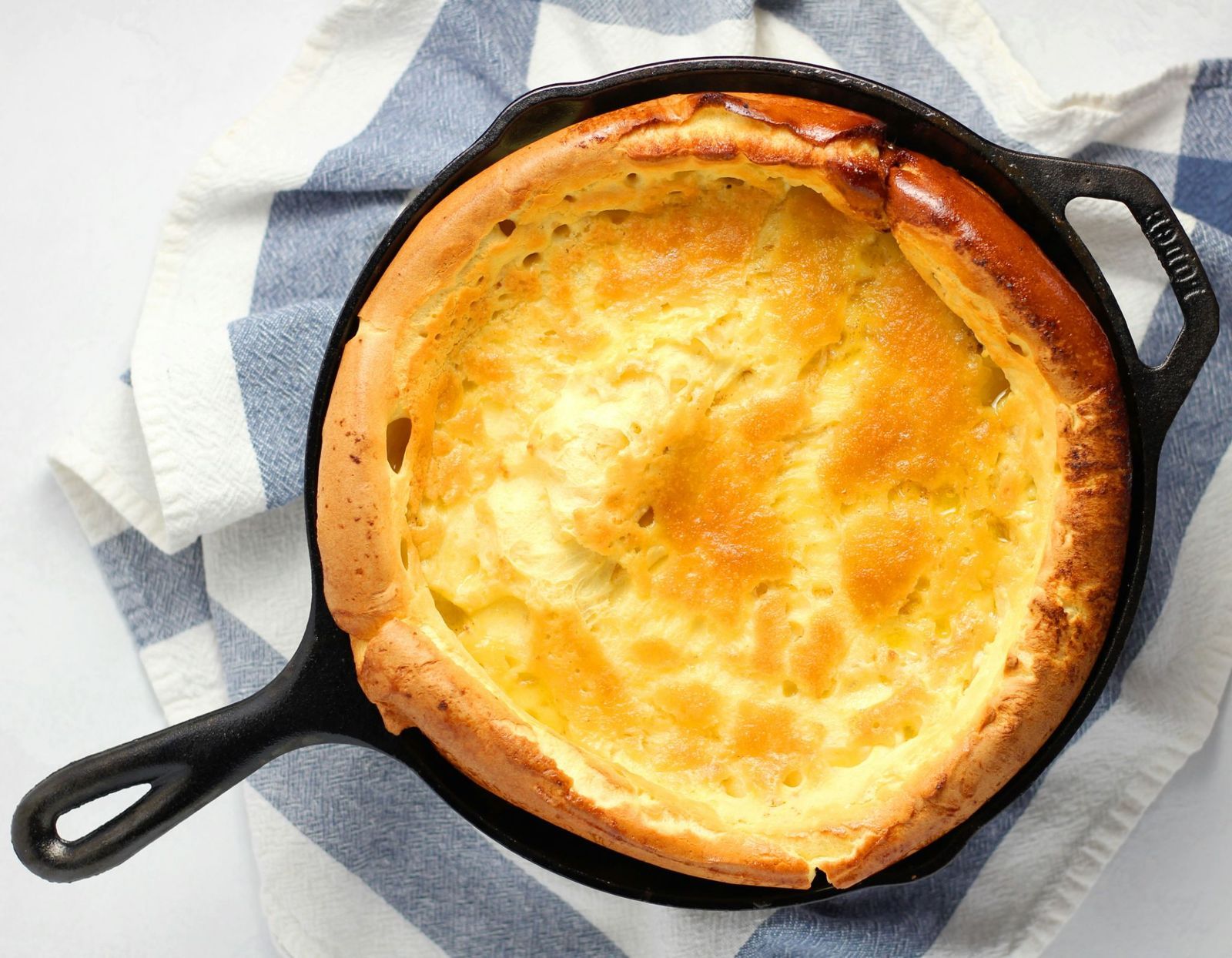
Dutch baby

Image: sheri silver

A Dutch Baby is a large baked pancake that puffs dramatically in the oven before settling into a bowl-like shape. Despite its name, it’s not Dutch.

Most food historians trace the dish to German pancake traditions. The name likely emerged from a misunderstanding of the word Deutsch, meaning German. The recipe became especially popular in the U.S. during the early twentieth century.

10

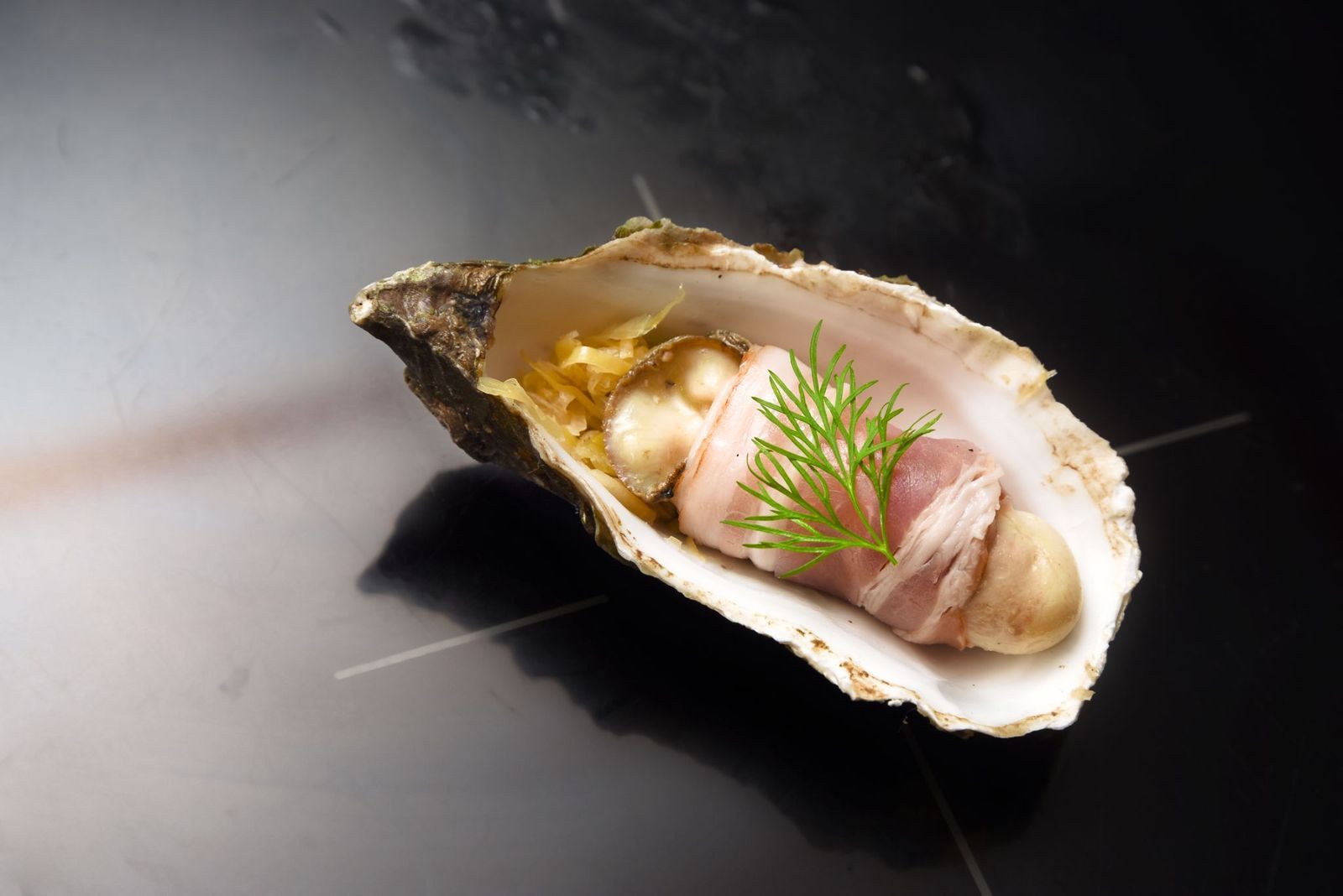
Angels of horseback

Image: Maren Winter

No angels or horses were harmed in the making of this classic British appetizer. The dish consists of oysters wrapped in bacon and then grilled or broiled until crisp.

Angels on Horseback became popular during the Victorian era and was often served at formal dinners. It even has a culinary counterpart called Devils on Horseback, which typically substitutes dried fruit such as prunes for the oysters.


Diggin’ deeper

Antikythera to Rosetta: 10 of the greatest archaeological finds ever made


Published on June 28, 2026


Image: The Cleveland Museum of Art

Most of the time, archaeology uncovers little more than pottery shards and ancient tools—not that there’s anything wrong with those. But sometimes, when luck strikes, excavations can reveal bizarre, baffling, and downright eerie artifacts that challenge our understanding of history. Join us on a journey through 10 of the most fascinating mysteries and unexpected finds ever unearthed.

1

Antikythera Mechanism

Image: Constantinos Kollias

Recovered from a shipwreck in 1901, the Antikythera Mechanism was a surprisingly complex artifact that used intricate bronze gears to predict eclipses, track planetary positions, and regulate calendars.

Advanced imaging techniques revealed it contained at least 37 interlocking gears, operated by a hand crank, earning it the title of the world’s first known analog computer.

2

Nazca Lines

Image: Seiji Seiji

Dating back to 500 BCE–500 CE, these lines cover over 400 square miles and depict animals, plants, and geometric shapes. Created by removing the top layer of reddish pebbles to expose the lighter soil beneath, they have remained intact thanks to the region’s dry climate.

While their full extent can only be appreciated from the air, scholars believe they served astronomical or ceremonial purposes at the time.

3

Roman Dodecahedrons

Image: Spencer Davis

Found across Europe, these hollow 12-sided polyhedra date to the 2nd–4th centuries CE. From the start, they puzzled scientists, who couldn’t determine their purpose.

Their size, ranging from 1.6 to 4.3 inches, and evenly spaced holes suggest they may have been measuring tools, religious artifacts, or even knitting aids. However, no ancient texts explain their use, and, so far, the mystery remains unsolved.

4

The Baghdad Battery

Image: F𝓪7𝓪𝓭 ✔️ .

This 2,000-year-old ceramic jar contained a copper cylinder and an iron rod, which some have speculated could have been part of an ancient galvanic cell.

It might have generated the electricity required for electroplating or medicinal purposes. Tests with modern replicas show it can produce a small voltage, though its true function remains unconfirmed.

5

Piri Reis Map

Image: The New York Public Library

Drawn by Ottoman admiral Piri Reis in 1513, this early world map depicts parts of Europe, Africa, and the Americas with surprising precision.

Some theories claim it even shows Antarctica centuries before its official discovery. The surviving fragment is now kept in Istanbul’s Topkapı Palace.

6

The Voynich Manuscript

Image: Mark Rasmuson

Carbon-dated to the early 15th century, this mysterious 240-page manuscript is written in an unknown script with even stranger botanical drawings.

Despite decades of cryptographic attempts, no one has cracked its meaning. It’s housed at Yale University’s Beinecke Library.

7

L’Anse aux Meadows

Image: Steinar Engeland

At the northernmost tip of the island of Newfoundland, Canada, lies the first confirmed Viking settlement in North America, dated to around 1000 CE. Excavations have revealed turf houses, iron-working remains, and Viking-style artifacts.

This UNESCO World Heritage site provides clear evidence that Norse explorers reached North America nearly 500 years before Columbus.

8

The Clay Army

Image: Aaron Greenwood

Discovered in 1974, China’s Terracotta Warriors consist of over 8,000 life-sized clay soldiers standing in battle formation near Emperor Qin Shi Huang’s tomb.

Buried with the emperor around 210 BCE, these warriors were created to serve as his protectors in the afterlife, reflecting the emperor’s power and beliefs about immortality. The site remains one of the most significant archaeological discoveries in history.

9

Ötzi the Iceman

Image: Gabriel Garcia Marengo

Discovered in the Alps in 1991, Ötzi is a naturally mummified man from the Copper Age, over 5,300 years old. Found with a copper axe and clothing made from multiple animal hides, his body is so perfectly preserved that even multiple tattoos can be identified.

Curiously, analysis of Ötzi’s remains revealed he died from an arrow wound, offering rare and valuable insight into prehistoric life, violence, and death during the Copper Age. A literal cold case from millennia ago, eh?

10

Rosetta Stone

Image: Matteo Vistocco

Discovered in 1799, the Rosetta Stone is a granodiorite stele inscribed with the same text in three scripts: Greek, Demotic, and hieroglyphic. This unique trilingual inscription provided the crucial key to understanding ancient Egyptian hieroglyphs.

Thanks to the Rosetta Stone, Jean-François Champollion was able to crack the hieroglyphic code in 1822, unlocking centuries of Egyptian history. The artifact is now prominently displayed in the British Museum.

Looking for an extra scoop of literary fun?

Learn more with our Word of the day

infatuation

/ɪnˌfætʃuˈeɪʃən/