Deep roots

12 Native American words that you use daily without even knowing it


Published on July 5, 2026


Image: Zoshua Colah

English is a very welcoming language in the sense that it incorporates terms from many other languages from all over the world. And, as it couldn’t be otherwise, Native American languages have lent many of their words and terms to English speakers. Some traveled through Spanish or French before settling into English, and others arrived directly through early contact and trade, helping shape the way we speak today. Did you know about these 11 terms?

1

Canoe

Image: Michael Niessl

The word "canoe" comes from the Taino term canoa, which was first used by Caribbean islanders long before Europeans arrived. Early explorers adopted it to describe the slim, sturdy boats they saw.

Over time, "canoe" became the standard English word for a small paddled craft. Today it still carries that sense of simplicity and closeness to nature.

2

Barbecue

Image: Philipp Kämmerer

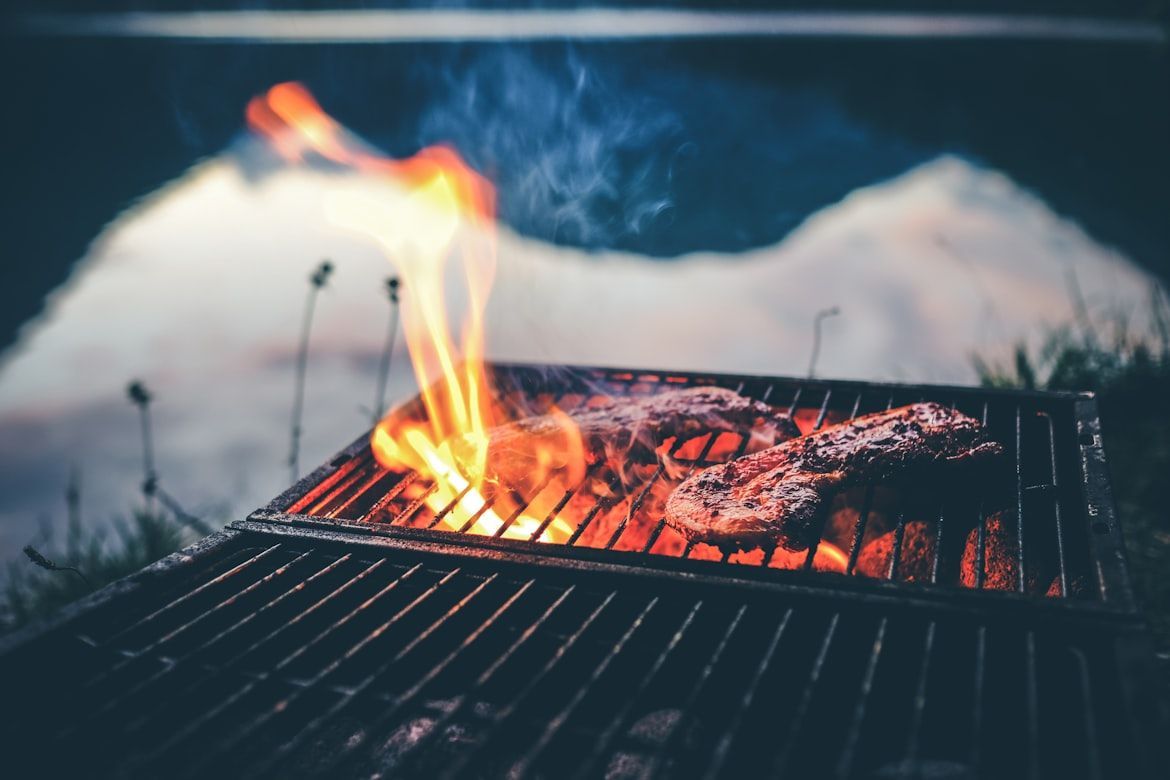
The word "barbecue" comes from barbacoa, another Taino term for a wooden frame used for cooking meat over fire. Europeans adopted it and applied it to both the method and the gathering itself.

Today, "barbecue" means everything from a backyard cookout to a regional cooking style. Its origins highlight the deep culinary influence of Native Americans in the nation's current culture.

3

Skunk

Image: Elisa Stone

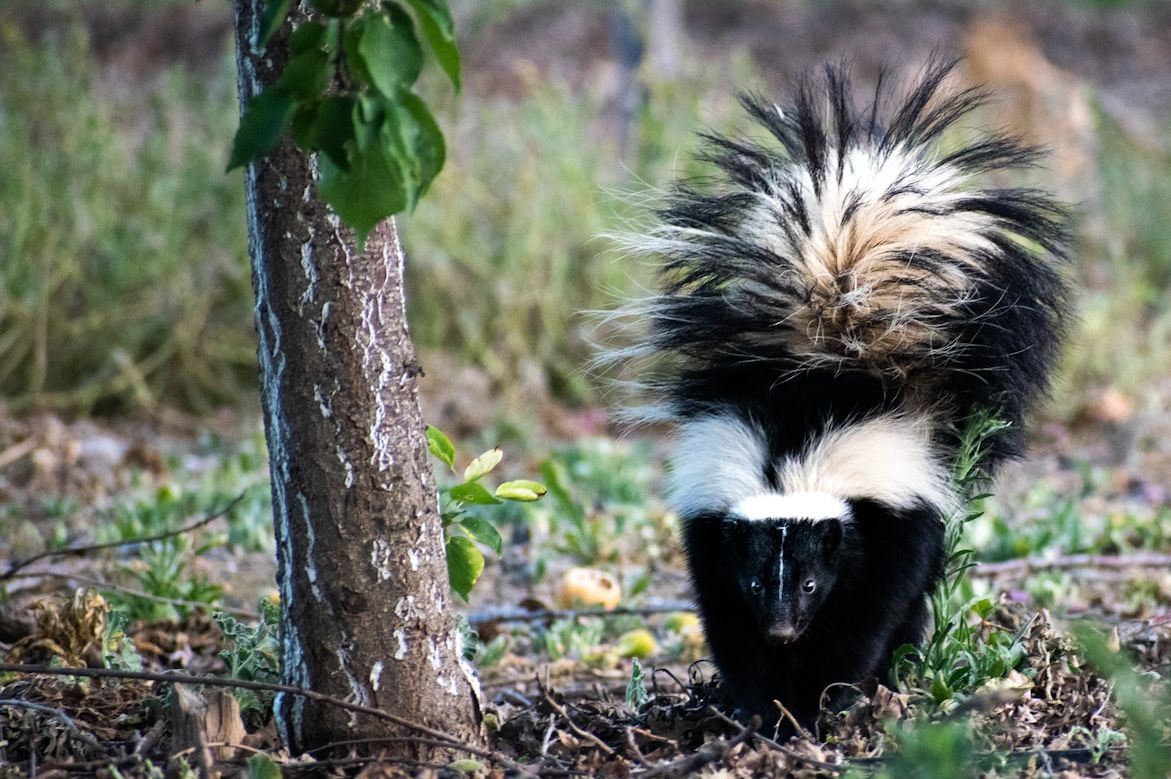
"Skunk" comes from the Algonquian word squnk, which means "urinating fox" (quite a fitting term, indeed). This was an obvious reference to the animal’s strong defensive spray. Early settlers adopted the term directly.

Since English had no better name for the creature, the Native word stuck. Today, the word skunks is also used as playful slang.

4

Moose

Image: Shivam Kumar

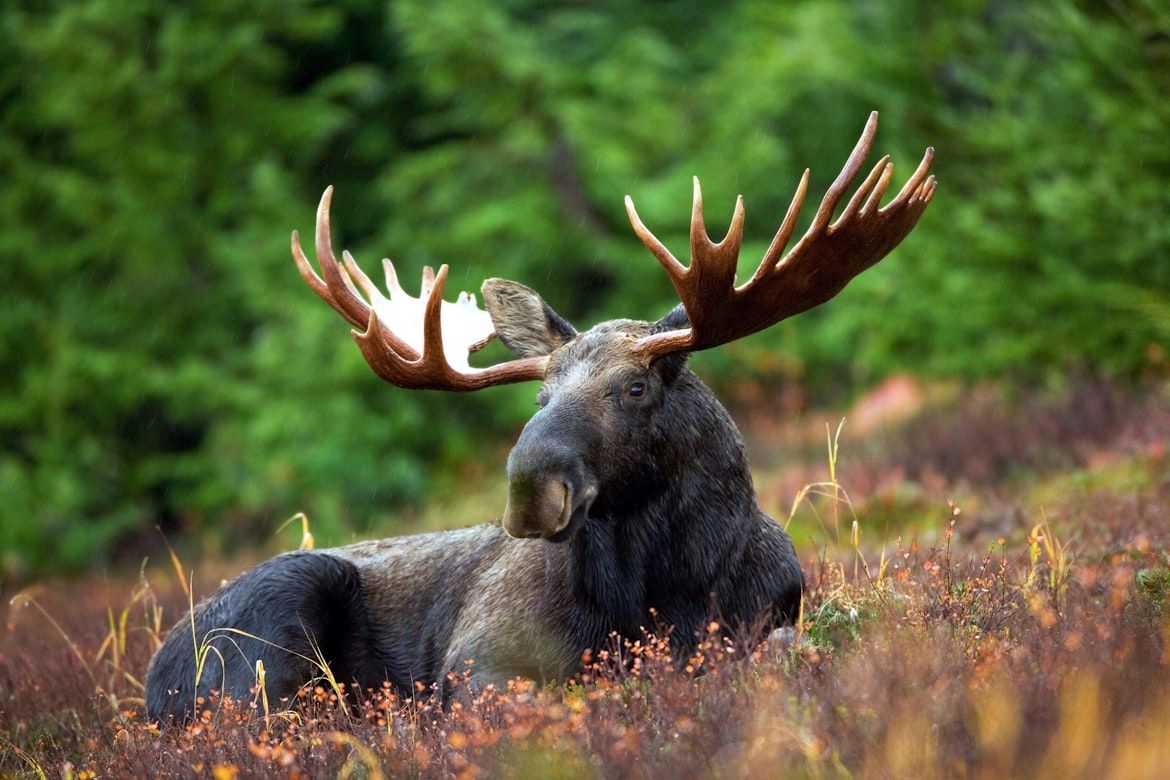
The word "moose" originates from Eastern Abenaki, a part of the Algonquian family, where it meant "he strips off bark." Yes, it described the animal’s habit of tearing bark from trees.

The name entered English quickly because settlers relied on Native knowledge of local fauna. The word remains unchanged because of its accuracy and usefulness.

5

Raccoon

Image: Gary Bendig

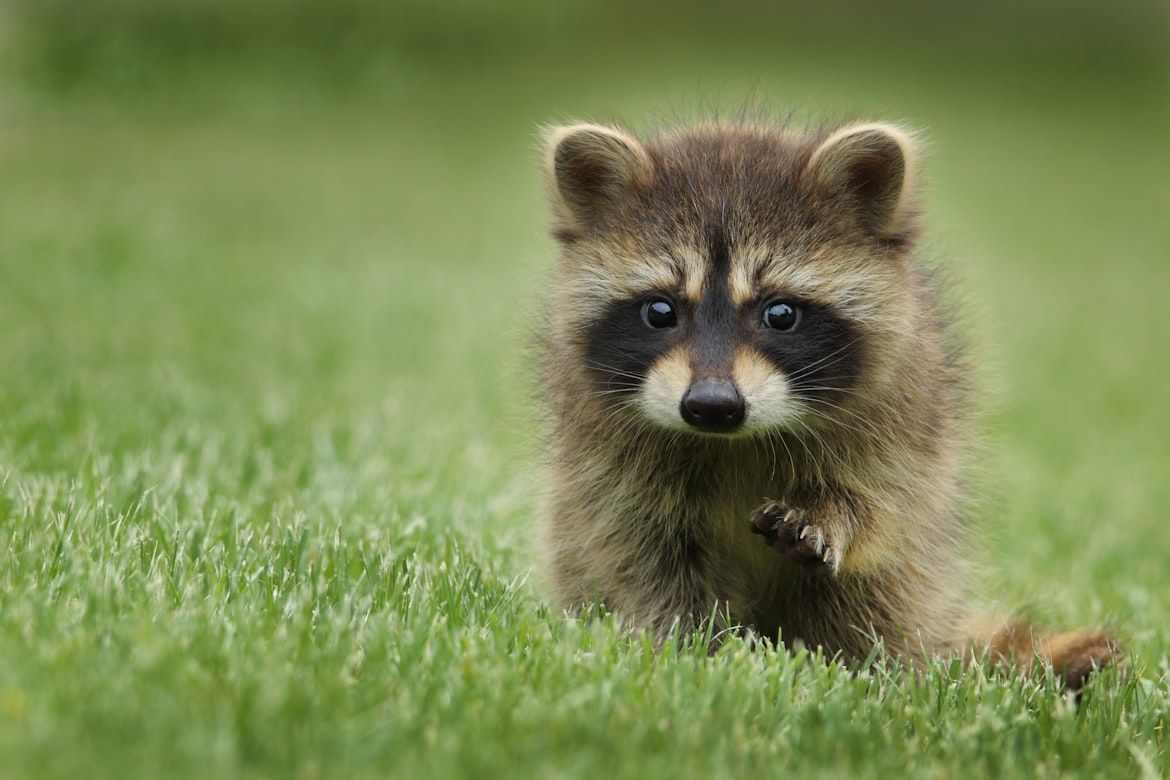
"Raccoon" comes from the Powhatan word arakun, meaning "he scratches with his hands." It described the animal’s clever, humanlike front paws.

Settlers adopted the term because it captured the creature’s behavior beautifully. Today, the raccoon is used as a household symbol of curiosity, not unlike the animal itself.

6

Chipmunk

Image: Annegret Kammer

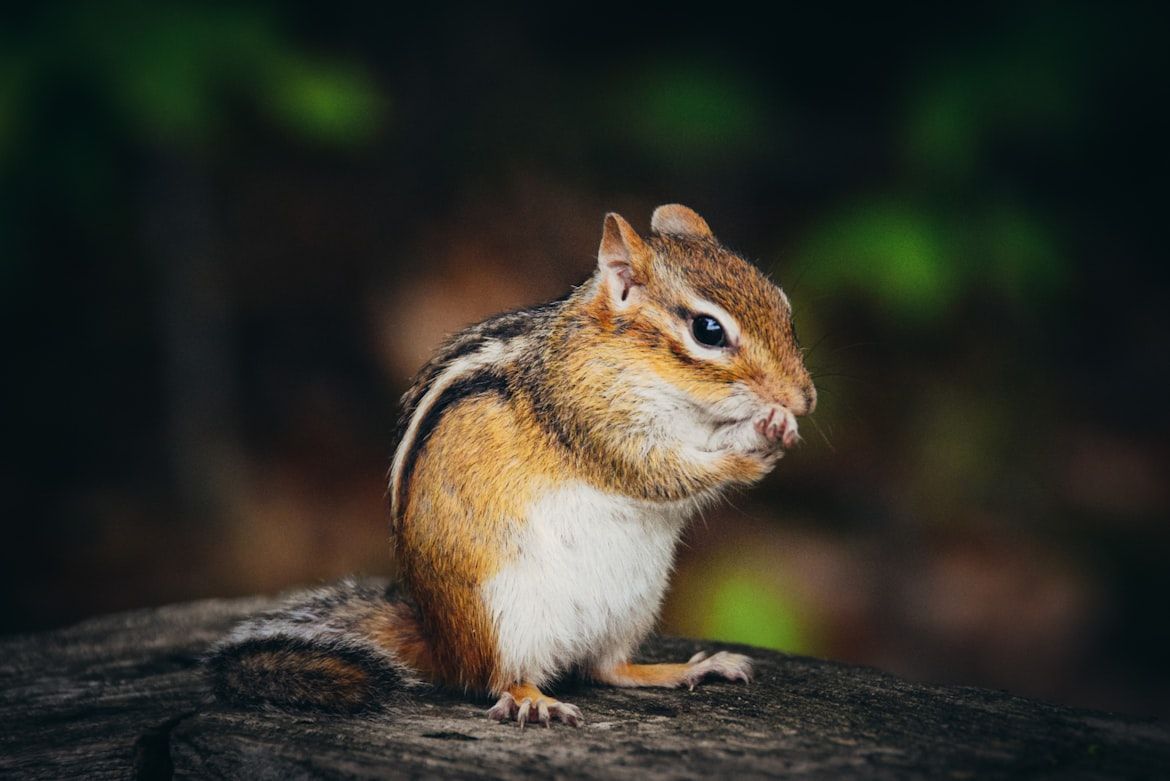
The term "chipmunk" most probably comes from the Ojibwe word ajidamoo, which means "one who descends trees headfirst." Early English settlers adapted the sound into today’s form.

Though the spelling changed over time, the lively image of a chipmunk racing down a tree face-first stayed.

7

Caribou

Image: JD-Photos

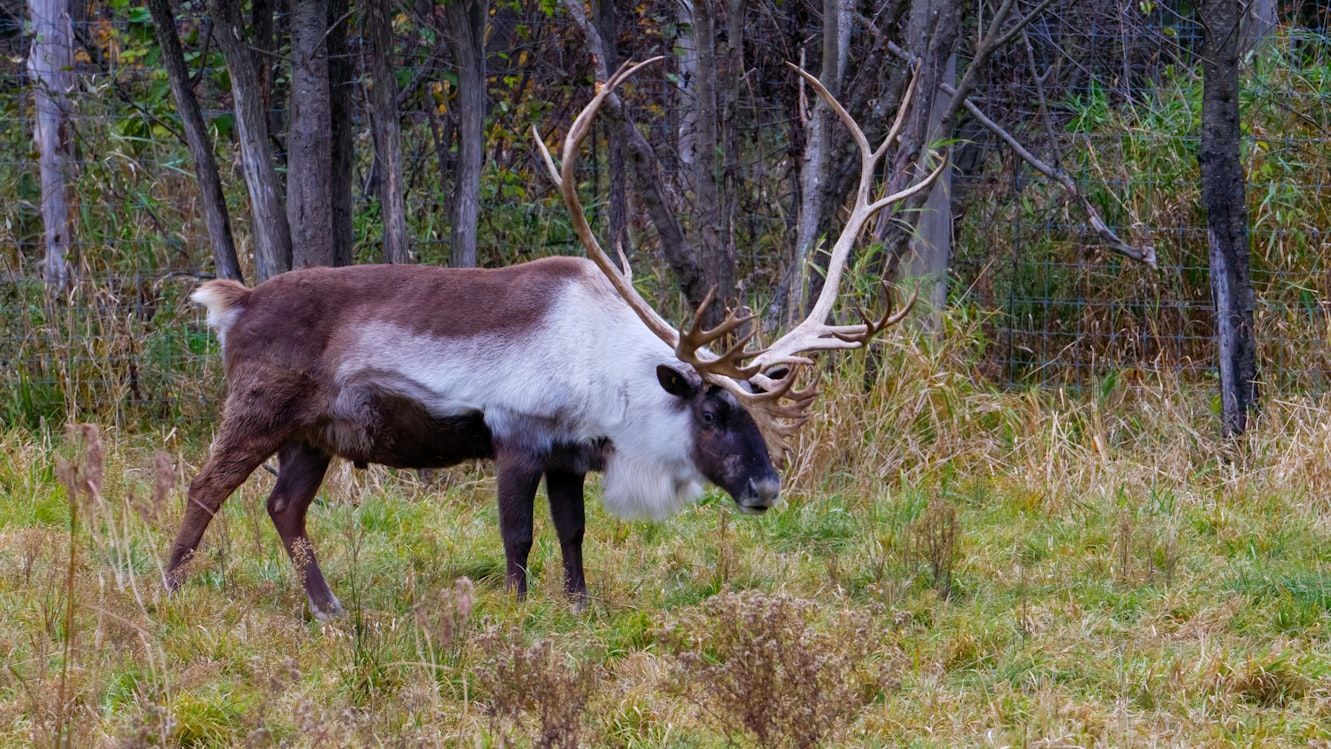
The word "caribou" comes from the Mi’kmaq term qalipu, which means "snow shoveler," referring to the animal’s habit of digging through snow for food.

French settlers brought the word into English, keeping its descriptive nature. The name still connects the modern animal to the winter landscapes it belongs to.

8

Totem

Image: Stéfano Girardelli

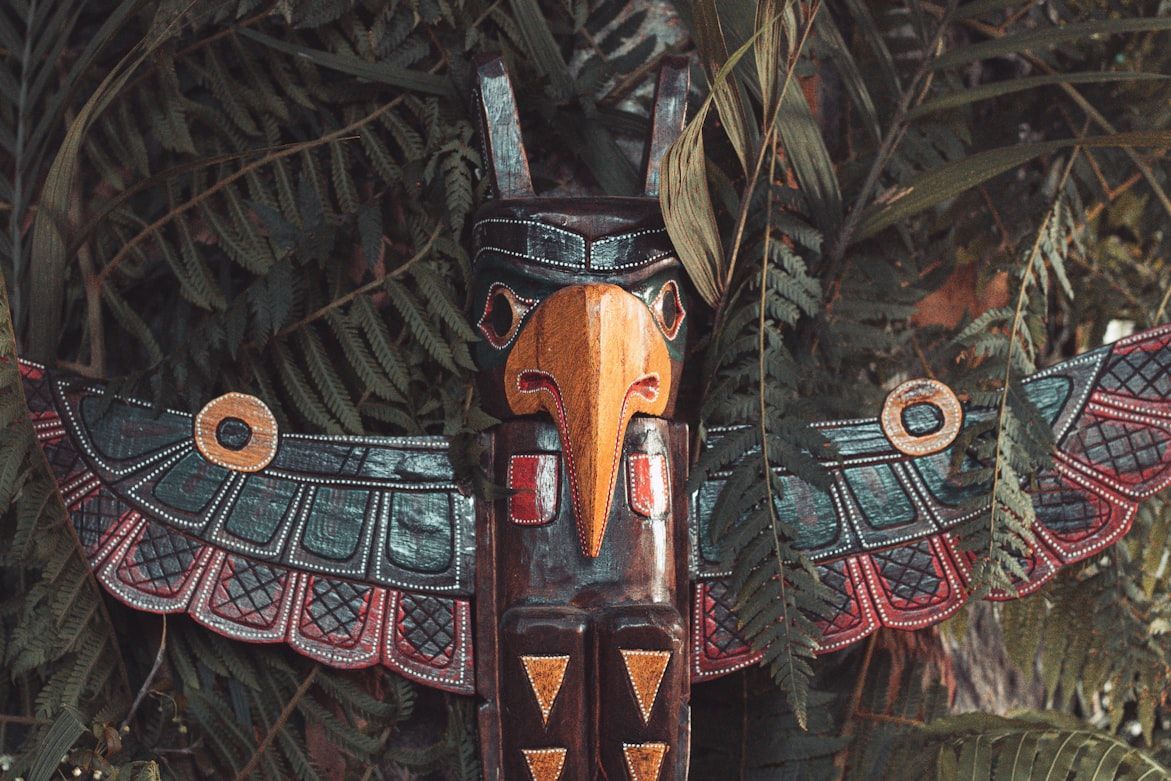
"Totem" comes from the Ojibwe word ototeman, which means "kinship group." It described symbols representing clans and shared roots.

English adopted it to describe carved poles and symbolic elements. Though broader in modern usage, it still hints at the original sense of community, identity, and heritage.

9

Coyote

Image: Dylan Ferreira

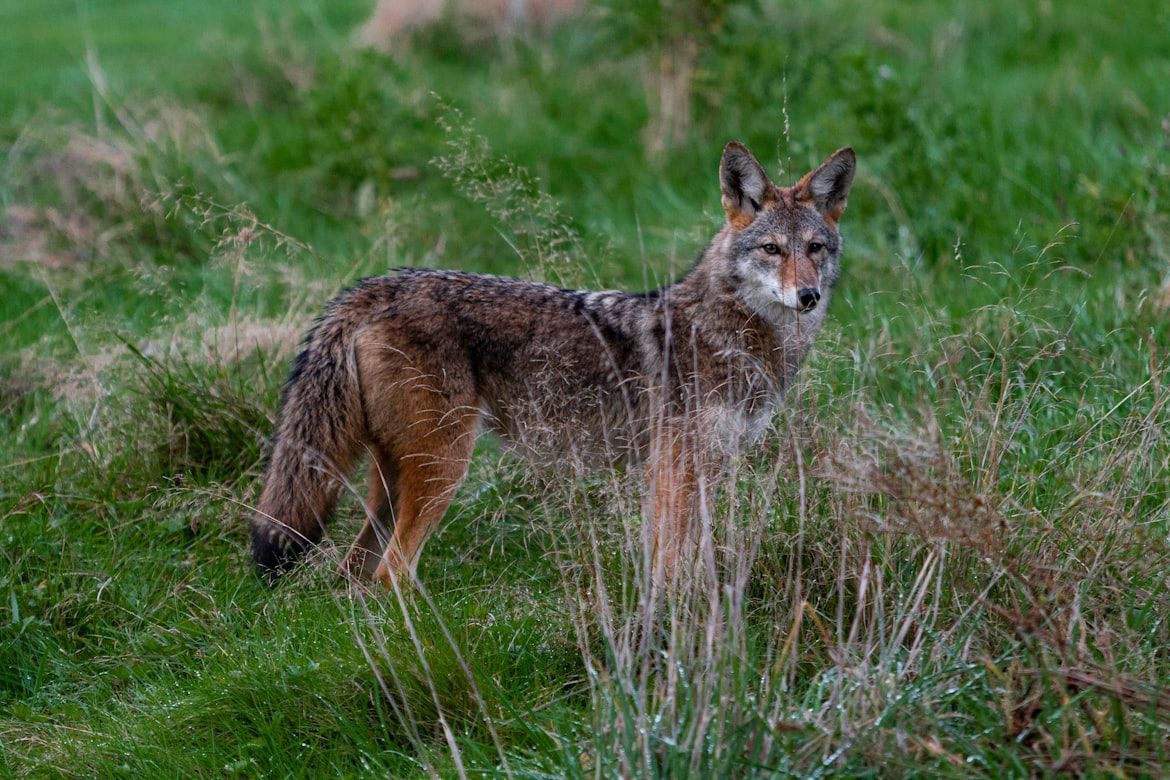
"Coyote" comes from the Nahuatl word coyōtl, which was used by Indigenous tribes of central Mexico. Spanish speakers adopted it, and English borrowed later.

The word kept its meaning, and it remains one of the most direct links between the English language and Nahuatl.

10

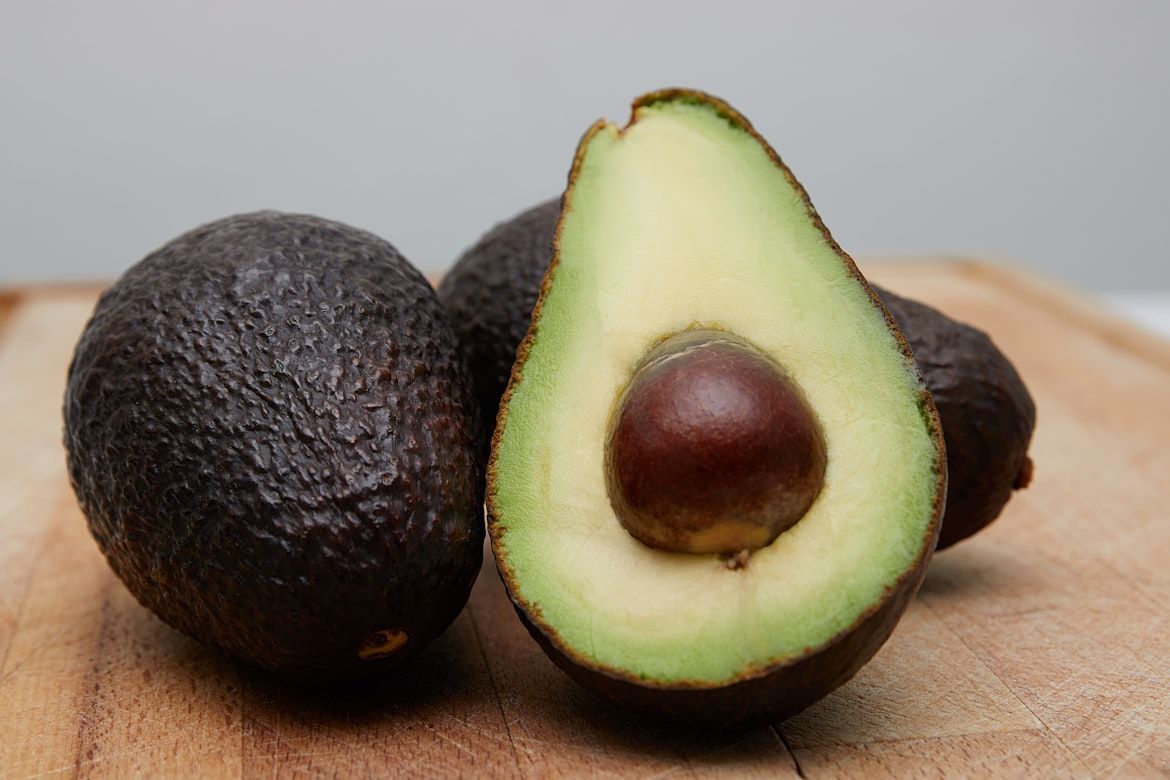
Avocado

Image: Gil Ndjouwou

The tasty avocado’s name traces to the Nahuatl word ahacatl, which refers to the fruit and to a body part as well. Spanish speakers transformed it into aguacate.

Later on, English speakers adapted it to avocado. While the name sounds contemporary and culinary, it has ancient Native roots.

11

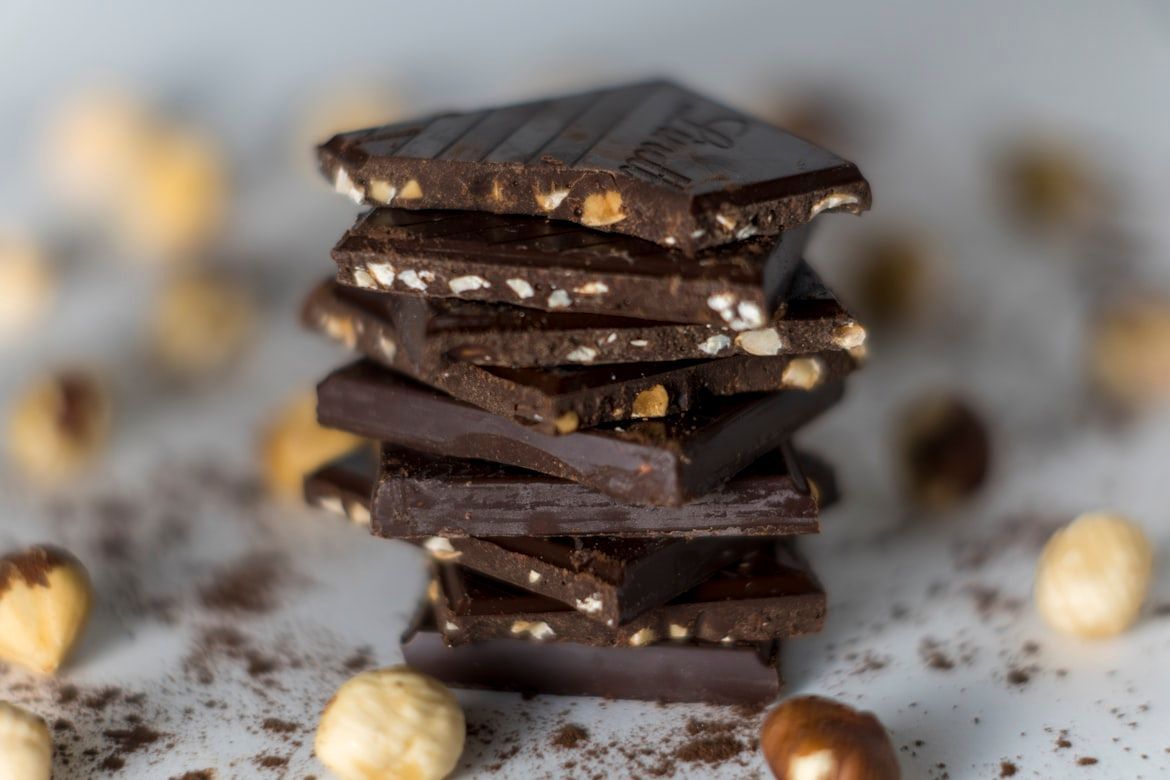
Chocolate

Image: amirali mirhashemian

The last Nahuatl word and also the last word on the list comes from the term xocolātl, which describes a bitter cacao drink that was consumed long before Europeans arrived in America. The name traveled from Spanish to English.

Though the product changed dramatically, the word survived. Today, chocolate is a universal symbol of sweetness, with rich and deeply indigenous roots.


A pirate’s life for me

Ahoy, matey! Sail with us and these 10 pirate words & phrases!


Published on July 5, 2026


Image: David Dibert

Alongside cowboys and knights, pirates have always been a playtime staple. These historical figures have inspired countless childhood adventures, as well as several timeless characters from movies and books like Captain Hook or Long John Silver. In that sense, pirates’ carefree lifestyle also influenced their unique vocabulary, which has become as synonymous with their culture as their roguish exploits have. We have selected 10 of the most iconic terms and phrases from pirate slang to help us relive those endless afternoons playing with our friends. Enjoy!

1

Ahoy

Image: Steven Beyer

What’s a better way of welcoming you to this article than with a typical pirate salute? "Ahoy" is a versatile sailing term that can be used for greeting, bidding farewell, or simply catching the attention of someone. Being the seafaring adventurers that they were, this word is ever-present in pirate vocabulary and still playfully used by sailors everywhere.

Funnily, the origins of this word can be traced back to a landscape on which a pirate would not be particularly comfortable: Cattle herding. Apparently, "ahoy" comes from adding an extra letter to "hoy", a common English call to drive cattle.

2

Scallywag

Image: Palle Knudsen

The term "scallywag" (also sometimes spelled "scalawag") describes someone who is well-regarded, although he behaves in a somewhat mischievous manner. You can see how this term is now synonymous with pirates: Although these sea bandits were once deeply feared and despised, they are now looked at in a cheekier and devilish light.

What’s interesting is that scallywag was not a popular term during the time when pirates were most prominent (late 17th and 18th century). In fact, it most likely came into use during 19th century America, when the first pirate novels and plays were published.

3

Walk the plank

Image: Sabina Kallari

Leave it to pirates to turn a simple wooden plank into a dreadful symbol. "Walking the Plank" describes a method of execution in which the accused is forced to walk on a wooden plank extended over the side of the ship, often bound and blindfolded.

While nowadays this technique is heavily associated with pirate culture, few (if any) real-life cases of people forced to walk the plank have been documented. In truth, it seems that it has become such a staple from its frequent use in literature and movies featuring pirates.

4

Shiver me timbers

Image: Mateusz Dach

"Shiver me timbers" is an expression that was probably never uttered by a real pirate, but it has become so ingrained in this culture that it is difficult to find a fictional pirate who hasn’t said this phrase at least once. With hindsight, it seems only natural that this phrase has become so popular since it was first said by one of literature’s most iconic pirates.

In Robert Louis Stevenson’s 1883 classic "Treasure Island", the character of Long John Silver (considered by many to be the quintessential fictional pirate) says variations of "shiver me timbers" seven times throughout the novel. These exclamations were used to denote Long John’s surprise, anger, or annoyance, but they all denote an extreme shock, since the timbers referenced are the wooden support frames that hold a ship together.

5

Argh!

Image: Anthony 🙂

Yeah, we know: "Argh" is not a word, but it is the go-to expression for any wanna-be pirate. Want to strike fear into the hearts of your seafaring enemies? Or maybe you just want to add an extra layer of drama to that Halloween costume. In any case, this onomatopoeia is the ultimate sound of anyone who chooses to impersonate a dreaded corsair.

This entry should be titled "sounds with an R associated with pirates", since other similar-sounding onomatopoeias like "yarr" or "‘arr" are also insanely popular. In that sense, trying to trace the origins of these sounds can be a rather daunting task. However, most sources agree that this type of pirate snarling was inspired by actor Robert Newton’s many groundbreaking pirate roles, including Long John Silver in the 1950s adaptation of "Treasure Island" and Blackbeard in 1952s "Blackbeard the Pirate".

6

Davy Jones’ Locker

Image: Jadon Barnes

No, we are not referring to a locked metal compartment where a man named Davy Jones might store his gym equipment. In truth, Davy Jones is the pirates’ very own boogeyman, a legendary spirit hellbent on taking sailors’ lives. In that sense, the expression "Davy Jones’ locker" is used to describe the final resting place of many dreaded pirates: The bottom of the sea.

The first written mention of Davy Jones is attributed to Robinson Crusoe’s author, Daniel Defoe, who mentions in a book the story of an enraged captain threatening to throw his crew to "Davy Jones’ Locker". Some believe the legend was inspired by a real pirate called David Jones, who sailed through the Indian Ocean in the 17th century.

7

Hornswoggling

Image: Tanhauser Vázquez R.

You would think that, for an honest person, being called a pirate would be insulting enough, but did you know that there’s an adjective that can be added to give an extra kick to the deceitful nature of corsairs? By today’s standards, the word "hornswoggling" sounds downright silly, but its meaning is less charming: to "hornswoggle" someone means to cheat or deceive them, usually for monetary gain.

Although the phrase "hornswoggling buccaneer" perfectly describes most pirates, this quirky word is by no means exclusive to them, since it is also associated with cowboys and gunslingers. In any case, we can’t end this entry without reiterating this warning: It doesn’t matter if it sounds like a Dr. Seuss character; don’t trust any hornswoggler you come across.

8

Jolly Roger

Image: Amy Syiek

Have you ever wondered why the quintessential pirate flag is called a "Jolly Roger"? Don’t you agree that the name seems a little too cheerful for such an ominous and threatening symbol? Unless the sunny disposition of a fellow named Roger inspired the first of these black flags, this name doesn’t really make sense.

Well, the truth is that no one really knows when the term Jolly Roger was first used, although we can be certain that it is not connected to the name Roger. The most prevailing theory points to the fact that pirates originally raised plain flags to indicate their would-be targets their intentions, where a red flag meant that no quarter would be given. In that sense, many believe that the term "Jolly Roger" comes from the French expression Joli Rouge, which translates to "pretty red".

9

Landlubber

Image: N.

Would you believe us if we told you that this entry features the most insulting word on this list? Granted, for us non-pirate folks the term "landlubber" doesn’t seem that harsh, but trust us: If you ever call a pirate this, be prepared for a loud and angry response.

As you might have guessed, "landlubber" is a discouraging adjective used to describe anyone not versed in the seafaring ways of the pirates. Basically, anyone who is more comfortable at land than at sea. You can see how a pirate might take offense to this, seeing as how sailing skills are an incredible source of pride for any corsair worth their salt.

10

Matey

Image: Lisa Fotios

We’ll end this article with a pirate term for comradery, which at the end of the day is one of the many things that pirates can teach us: How it feels to belong in a crew. Although pirates were definitively deceitful outlaws, they were bound by a code of honor that focused on trusting in your commander and your crewmates with your life.

In that sense, the word "matey" is one of the most affectionate things a pirate can say to another. This term, which is used for a friend or a comrade, seems to come from the French word matelot, which means "sailor" or "seaman". If you want to end up with more than a few pirate friends, then this is the word for you!

Looking for an extra scoop of literary fun?

Learn more with our Word of the day

tenacity

/təˈnæsədi/