The name of the game

10 things that were named after their creators


Published on September 24, 2026


Image: AbsolutVision

It is common for discoveries and inventions to be named after their developers or discoverers, but some products are so common that we fail to recognize them as related to a person’s name. From hot tubs to writing systems, inventors and scientists have left their personal mark everywhere. Here are ten common things that are named after the mastermind behind them.

1

Jacuzzi

Image: Zoe Stefanatou

Did you know that "Jacuzzi" is a brand and not the name of this type of hot tub? Founded in the early 20th century by the Jacuzzi brothers, the manufacturing company was initially focused on aviation and agricultural pumps. In the 1950s, Candido, one of the brothers, designed a portable hydrotherapy pump to help with the treatment of his son, who suffered from rheumatoid arthritis.

After witnessing the child’s positive response to the treatment, Candido patented the invention, which became popular as a therapeutic aid first, and later as a spa device. In the late 1960s, Jacuzzi developed the first whirlpool bath, which used jets to mix air and water.

2

Ferris wheel

Image: Jorgen Hendriksen

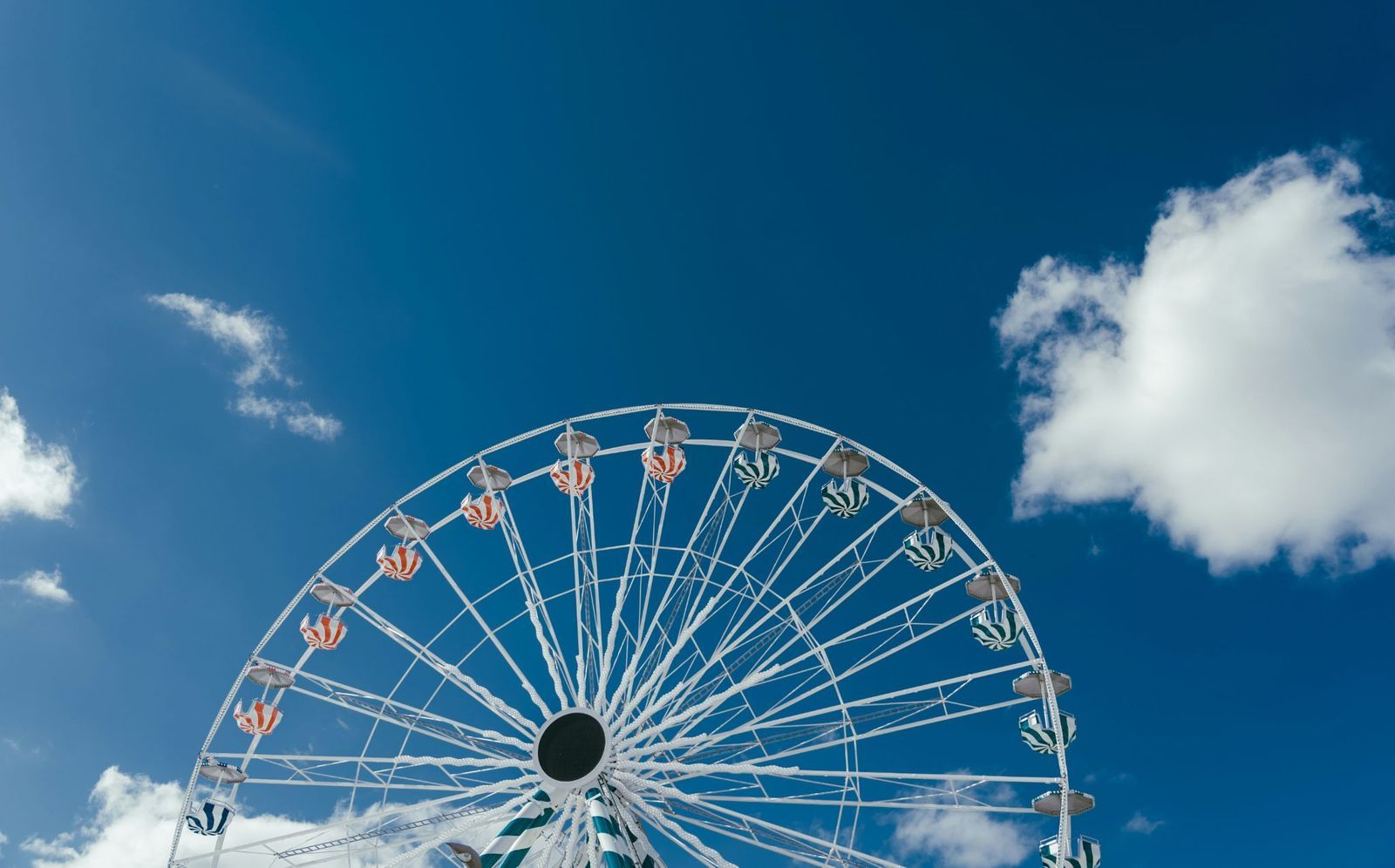
Though similar wooden wheels already existed (but were not common), this quintessential fair attraction as we know it was designed by engineer George Washington Gale Ferris Jr. for the 1893 World's Columbian Exposition in Chicago, as organizers wanted a feature that rivaled the 1889 Paris Expo’s Eiffel Tower.

Ferris designed a 264-foot-tall steel wheel (equivalent to a 25-story building), weighing over 2,000 tons, with 36 passenger cars. Each car could fit up to 60 people, meaning the ride could carry about 2,000 passengers at once.

3

Morse code

Image: LoudPhoto

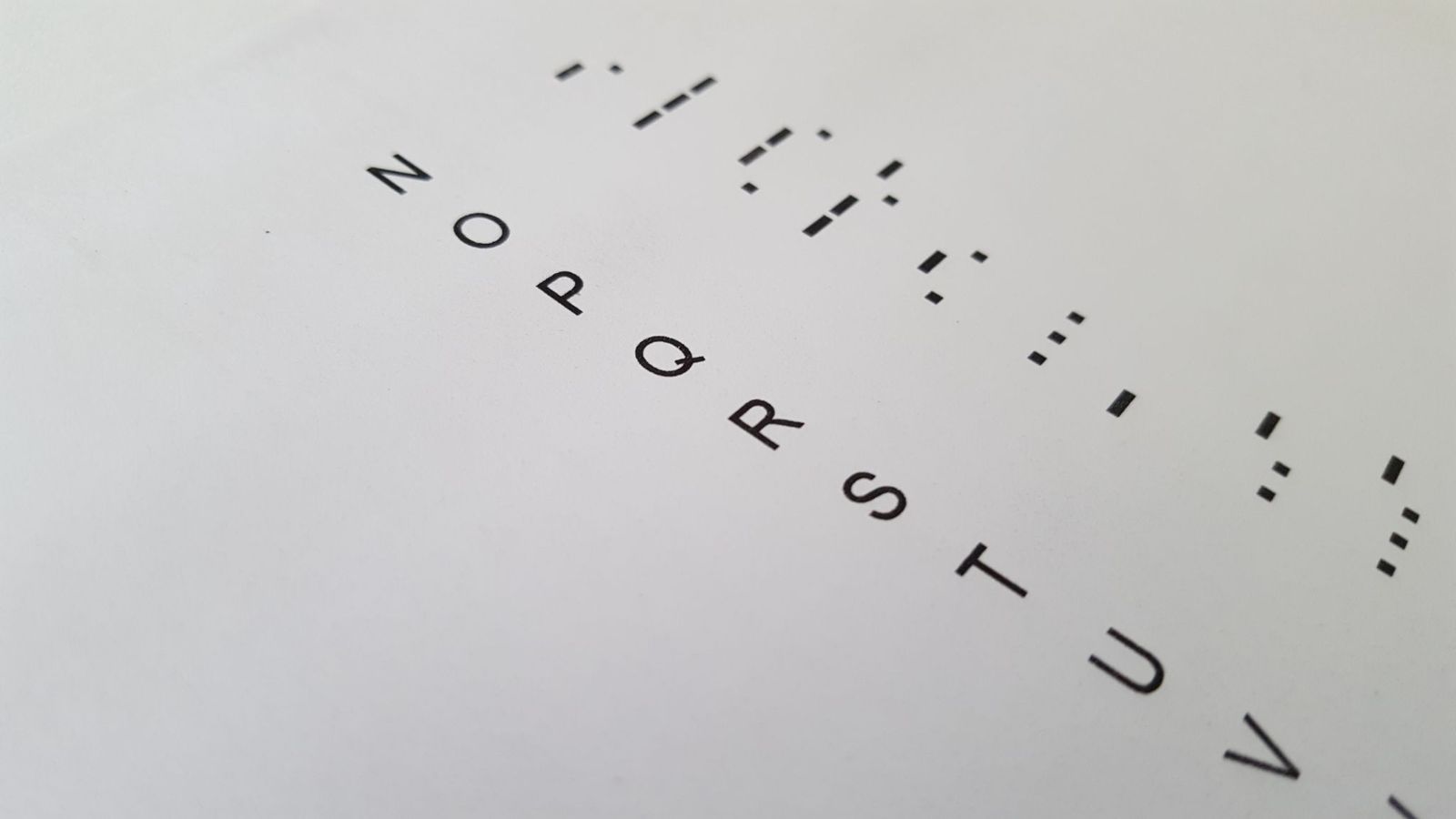
The development of the telegraph in the 19th century revolutionized the speed and reach of communications, but what the best-suited code for it was was still an ongoing discussion. In the 1830s, Samuel Morse, Alfred Vail, and Joseph Henry developed their own electrical telegraph system and looked into developing a code based on "on and off" electrical pulses.

Morse developed a system around short and long pulses (dots and dashes) that his machine would transform into indentations onto a moving paper tape. In 1844, he sent the first Morse code message from Washington, D.C., to Baltimore, which read "What hath God wrought?"

4

Braille writing system

Image: Gabriella Clare Marino

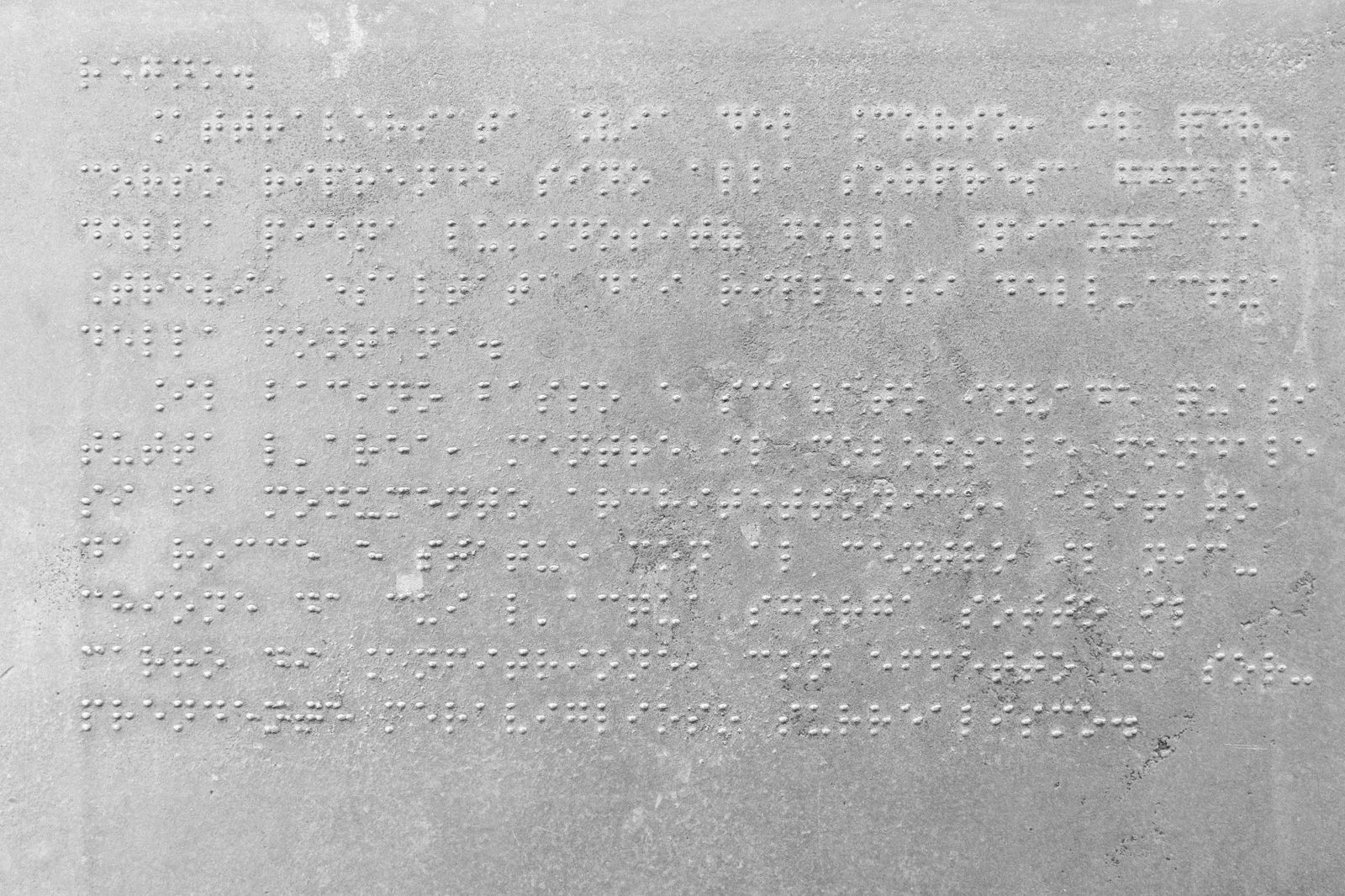
Tactile writing systems already existed before Louis Braille, a blind 15-year-old French student, developed his now-famous writing system in 1824, but they were not practical. Braille had learned to use the "night writing" code, based on 12 raised dots representing letters, but he realized that each cell or group of dots was too big to be felt at once with the fingertips.

Braille spent nine years developing a new system, based on the "night writing" code, with 6 dots per cell, which allowed for each "letter" to be encompassed at once. Today, the Braille system, virtually unchanged from its development, is one of the most widely used writing systems for the visually impaired.

5

Sandwich

Image: Mae Mu

Before "sandwich" was the name of a beloved snack or an easy lunch choice, it was a town in Kent, England, which gave its name to the Earldom of Sandwich. Eating food encompassed in bread is as old as humanity, but sandwiches didn’t receive their name, nor were they considered a category of their own, until the 18th century.

John Montagu, the 4th Earl of Sandwich, was known for his love of cards and gaming. To avoid leaving the card table when feeling hungry, he had his servants bring him roast beef between two pieces of toasted bread, which eliminated the need for a fork and prevented the cards from getting greasy. The snack became popular in London attached to his name, and the rest is history.

6

Pap smear

Image: Photoroyalty

As many women know, Pap smears are routinely used to detect precancerous or cancerous cells that could lead to cervical cancer, but what many might not know is that the test was originally called the "Papanicolaou test," and that is named after the couple who developed it.

George Papanicolaou was a Greek physician who, while studying the reproductive cycles of guinea pigs, came up with a way of identifying malignant cells with a microscope. His wife and assistant, Mary Papanicolaou, volunteered as a test subject, and after two decades of studies and investigation, the Papanicolaou test gained wide acceptance, becoming one of the main screening tests for cervical cancer.

7

Petri dish

Image: Michael Schiffer

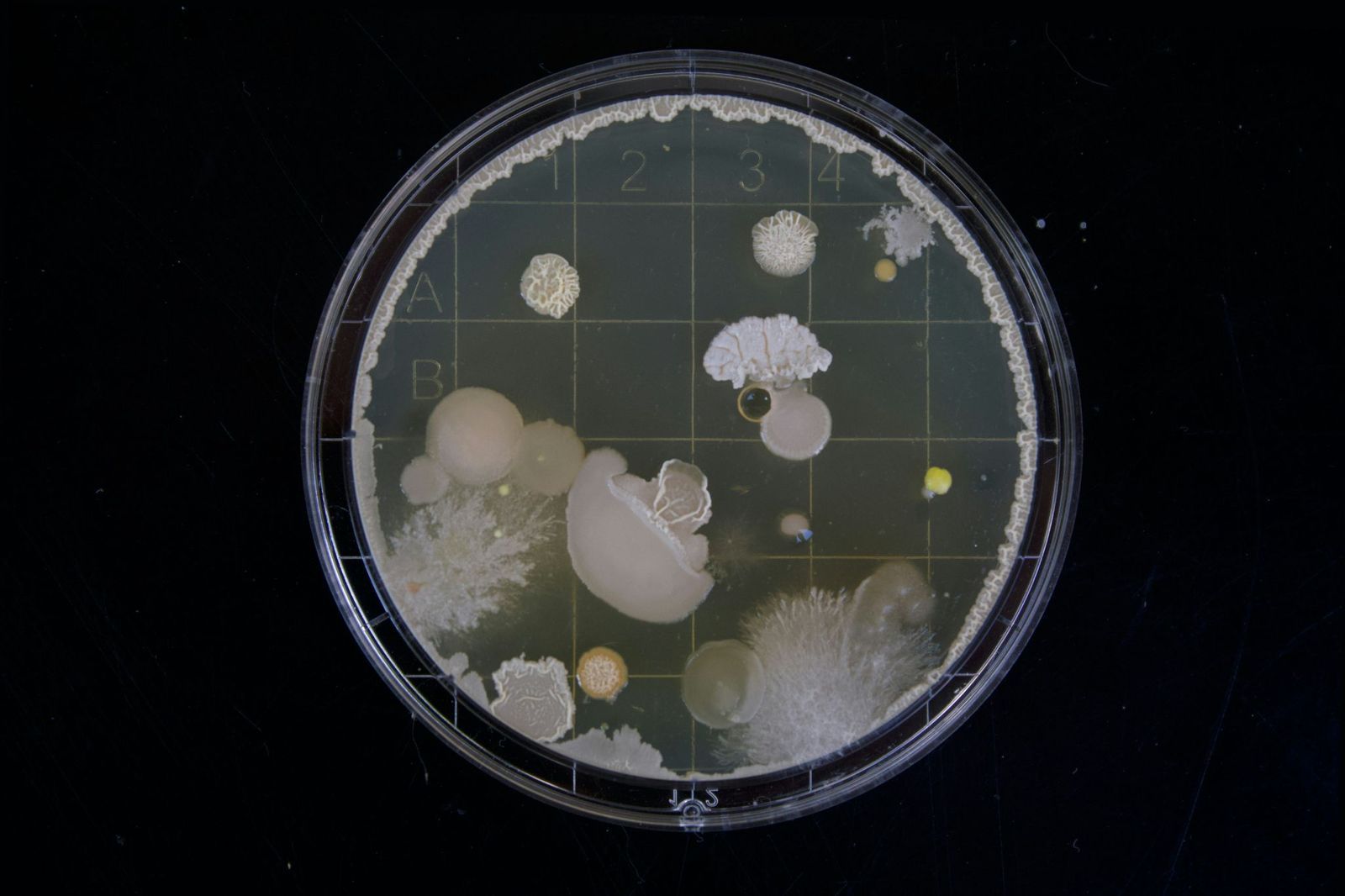
If you ever saw a lab, you might have noticed an abundance of small, shallow circular containers, filled with samples. These are called "Petri dishes" and are used by scientists to grow microorganisms, such as bacteria and fungi. The dishes and their lids are transparent, so scientists can easily observe the samples or examine them under the microscope without disturbing them.

Why are they called "Petri" dishes? They were developed by a German physician named Julius Richard Petri, an assistant to the famous microbiologist Robert Koch. Petri observed that the glass plates covered by bell jars used in the lab allowed air and germs to contaminate the samples and made observation difficult. He designed a shallow, circular, two-part glass dish with a slightly larger lid that let oxygen in while keeping other bacteria out, and allowed for easy and close examination.

8

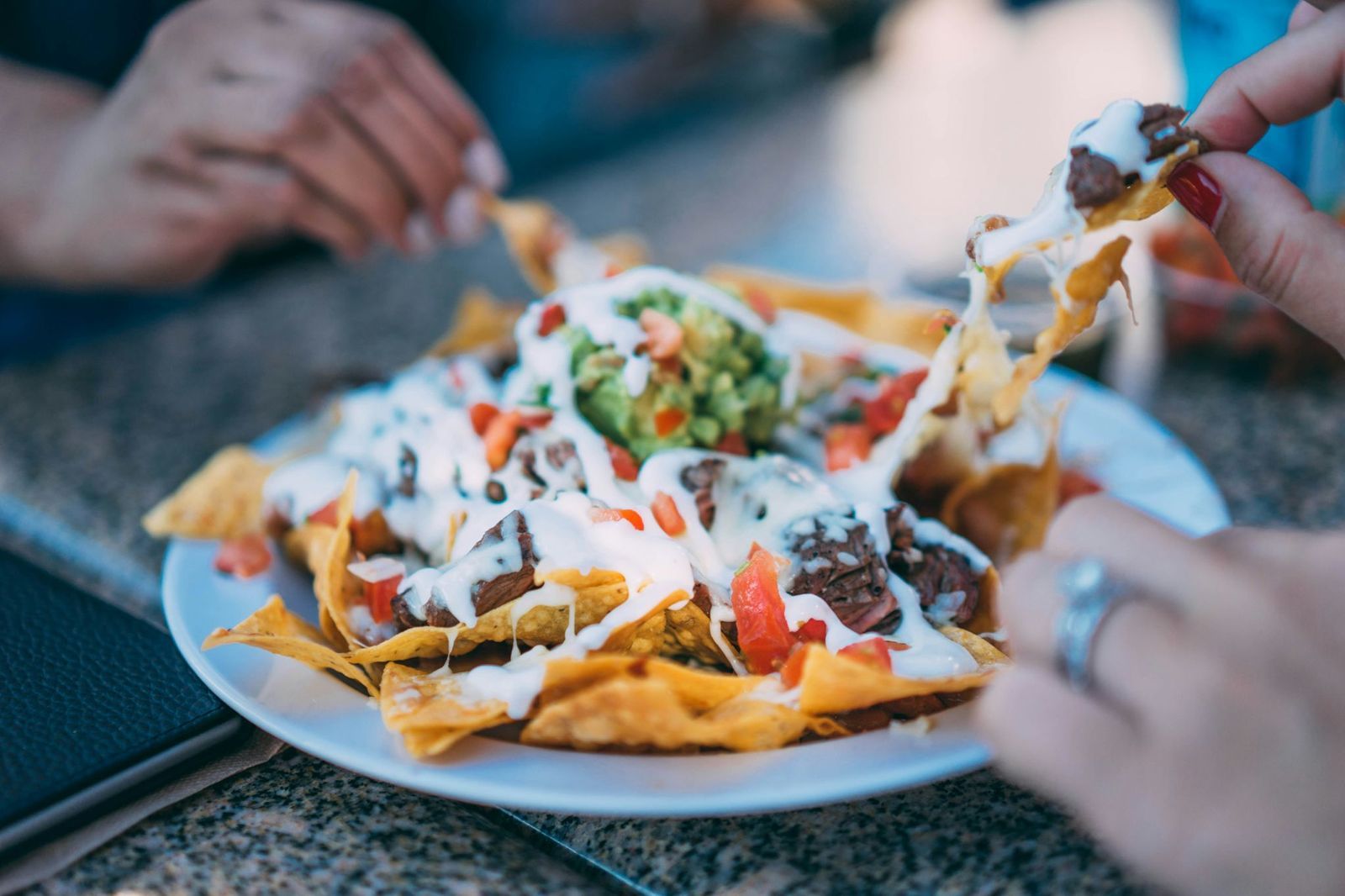
Nachos

Image: Herson Rodriguez

Unless you speak Spanish or are familiar with common Spanish nicknames, it might come as a surprise to know that one of America’s favourite snacks and a staple in Tex-Mex cuisine bears the name of a person. In this case, "Nacho," a common nickname for someone named "Ignacio."

These fried corn tortilla chips were invented by Ignacio "Nacho" Anaya, who worked at a restaurant in Coahuila, Mexico, near the U.S. border. A group of American tourists arrived after the kitchen had closed, but Anaya decided to improvise. He cut and fried corn tortillas, and topped them with melted cheese and jalapeños, a combination that surprised and delighted the guests. When asked about the name of the dish, he called it the "Nacho special."

9

Boysenberries

Image: FiledIMAGE

Are you a boysenberry enthusiast? Did you know that boysenberries are not only a hybrid of 4 different berries (raspberries, blackberries, dewberries, and loganberries) but that they owe their name to their creator, Rudolph Boysen? However, the one to name them was Walter Knott, the farmer behind the famous "Knott’s Berry Farm."

Boysen had enlisted Knott’s help to cultivate this hybrid plant, but had ultimately abandoned the vines and sold his farm. Knott transplanted some plants to his own farm and started selling the large berries in his produce stand. The fruit quickly became popular, and when Knott was asked the name of the variety, he named them "boysenberries" as an homage to their developer.

10

Diesel

Image: Sergey Ryzhov

What came first, the diesel fuel or the diesel engine? The answer is neither, as Rudolf Diesel, a German engineer and inventor, came first of all. As an engineering student in Munich, Diesel attended a lecture about the issues of steam engines, which motivated him to start developing a more efficient engine.

He developed an internal combustion engine, which used the heat of compressed air instead of a spark plug to ignite fuel. The engine was patented in 1892, and Diesel named it after himself. This engine used different types of fuel but, over time, it became obvious that a specific type of oil worked best. With time, this petroleum-based fuel also became known as "diesel".


THE HARDEST TIMES

The Great Depression: 10 Weird Facts About America’s Deepest Crisis


Published on September 24, 2026


Image: The New York Public Library

The Great Depression, a period of economic instability that lasted from the early 1930s until the end of the decade, was one of the most challenging times in American history. Kickstarted by the Wall Street Crash of October 1929, the recession hit hard, bankrupting thousands of businesses and leaving no one untouched.

Though well depicted in films and literature, there are still numerous surprising and lesser-known facts that shed light on the resilience and creativity of the Americans who lived through those difficult times. From bizarre dance marathons to bustling criminality and a near-ecological collapse, here are 10 intriguing facts about the Depression Era that you might not have known.

1

Unique Currencies

Image: rc.xyz NFT gallery

Due to the extreme economic volatility, as the banking system collapsed, some towns and communities had to resort to issuing their own currency in order to keep commerce moving. These emergency currencies, often colorful and varied, featured designs from local artists.

They played a critical role in maintaining local economies during the financial crisis, ensuring that people could continue to trade goods and services despite the widespread financial crisis. Today, these unique scrips are collectors' items and a reminder of the creativity and resilience of communities during times of hardship.

2

A Culture on the Road

Image: Museums of History New South Wales

The Great Depression saw a significant increase in the number of people who took to the road, wandering around the country in search of temporary employment. These migrant workers, known as hoboes, developed a cultural network that helped them survive the adverse conditions of the time.

This network included leaving messages for each other. While many of these messages were simple, including just their monikers or road names, a date, and the direction they were headed, there were claims of a more complex secret code. This code allegedly provided specific instructions on where to find food, safe places to sleep, or warnings about hostile areas. Though these claims were likely exaggerated, hoboes did rely on their community of fellow travelers to navigate the treacherous landscape of the Depression.

3

Penny Auctions

Image: Siora Photography

Farmers were among those hit hardest by the economic crisis. When banks foreclosed on farms for unpaid debts and their properties were auctioned, neighbors would conspire to bid pennies on both property and equipment, often using intimidation or physical force if necessary to keep others from bidding competitively. They would then return the farm to the original owners.

This act of defiance and solidarity helped create a strong sense of community during tough times. For many, losing a farm meant losing their livelihood and sustenance, making these efforts crucial for survival.

4

Return to Self-sufficiency

Image: Zoe Schaeffer

Many rural families survived by reverting to subsistence farming, hunting, and foraging. Skills that were once common but declining became essential for survival, aligning with a larger back-to-the-land movement that swept across America during the harder years of the crisis.

City folk believed that returning to the land was the only way to survive and avoid the pitfalls of consumerism that had contributed to widespread poverty. The back-to-the-land ethos provided both a practical solution to immediate economic hardships and a philosophical shift toward valuing independence and community perseverance.

5

The Empty State Building

Image: Mark Asthoff

Not without irony, the largest skyscraper in the world until the 1970s was completed during the Depression. A symbol of ambition and modernity, the Empire State Building stood as a rare sight in a foundering country. Initially, it struggled to find tenants, earning it the nickname "Empty State Building."

However, despite the economic downturn, its construction provided much-needed jobs for thousands of workers. The building of the Empire State Building became a beacon of hope amidst economic despair, proof of American strength and determination to leave the economic crisis behind.

6

An Ecological Disaster

Image: Samantha Sheppard

As if farmers didn’t have enough on their hands with the hardships brought on by economic instability, they also faced an ecological collapse of significant proportions during the Great Depression.

Severe drought and dust storms ravaged farmlands, forcing thousands of families to migrate westward in search of employment and improved living conditions. This ecological catastrophe stemmed from a combination of natural phenomena and human activities, including the destruction of natural topsoil and inadequate measures to prevent wind erosion.

7

The Public Enemy Era

Image: Maxim Hopman

With scarce job opportunities and widespread societal collapse, the Depression saw the rise of many notorious criminals like Bonnie and Clyde, John Dillinger, and Pretty Boy Floyd.

These criminal figures soon captured the public's imagination, becoming folk heroes to some and villains to others.

Though the media often exaggerated their exploits to boost sales, the real backstories of most of these criminals reflect the desperation and feelings of societal abandonment that were prevalent during that time.

8

An Unlikely Sports Boom

Image: Philip Strong

In the midst of economic turmoil, Americans flocked en masse to sports for much-needed relief and affordable entertainment. Popular sports such as baseball, boxing, and athletics experienced a significant surge in both attendance and participation.

Iconic moments, such as Jesse Owens' triumph in the 1936 Olympics, also served as sources of inspiration and ignited a sense of nationwide pride. These events solidified America’s enduring fascination with sports of all kinds, demonstrating their power to uplift spirits and unify communities even during challenging times.

9

Monopoly Mania

Image: Joshua Hoehne

Curiously, the Monopoly board game surged in popularity during the Great Depression. Originally developed in the early 1900s as "The Landlord's Game," Monopoly was commercially released under its modern name in 1935.

It became an instant hit, providing an affordable form of entertainment and a temporary escape from financial woes. In the world of the game, players could dream of economic success, even amid real-world hardships, cementing Monopoly as a staple in American households.

10

Dance Marathons

Image: jurien huggins

Bizarrely, many forms of endurance entertainment became a craze during the Great Depression. One of these peculiar trends was dance marathons, where participants competed to outlast each other on the dance floor, often dancing for days with only short breaks.

Another similar trend was flagpole-sitting, which involved individuals sitting atop flagpoles for extended periods, attracting spectators and media attention. These events often offered participants a chance to earn money and meals, while also drawing large crowds who paid to witness the spectacle unfold.

Looking for an extra scoop of literary fun?

Learn more with our Word of the day

tame

/teɪm/