Names that contain multitudes

10 real people who became widely used adjectives


Published on June 2, 2026


Image: Patrick Tomasso

Is it possible for a person to leave such a deep impression in their time that their name becomes synonymous with their most predominant characteristics? Of course! We can find many examples of this across history, but also in words that we use or hear often, and we might not realize that they are the names of famous queens, generals, writers, or philosophers. Here are 10 adjectives you have heard at least once that come from the name of a historical character.

1

Napoleonic

Image: Nicolas HIPPERT

Meaning: aggressive and domineering as a way to compensate for a fault in a different aspect.

Be it that we think of Napoleon Bonaparte as a military genius or as a very lucky madman, we can’t deny that he was ambitious and assertive. However, some of his detractors say that this attitude was a way for him to compensate for his (very documented) lack of height. No matter his military triumphs, the name ‘Napoleon’ remained stuck to a physical trait.

2

Homeric

Image: Simone Pellegrini

Meaning: grand, heroic, epic.

Homer’s The Iliad and The Odyssey are two of the most influential literary works of all time. Narrating the War of Troy, Odysseus’ journey back home, and the workings of the gods in human fate, the impact of these works in Western culture has made them, and their creator, the epitome of all that’s epic and heroic.

3

Kafkaesque

Image: Paulo Ziemer

Meaning: a complex, bizarre, and illogical situation.

Franz Kafka is known for his stunning prose, but even more for the oppressive and alienating world his characters live in, be it that they wake up turned into a giant insect or that they have to navigate the nightmares of a bureaucratic system. So, add ‘kafkaesque’ to your repertoire for the next time you are left endlessly waiting on a call with customer service.

4

Machiavellian

Image: Marius Teodorescu

Meaning: cunning, sneaky, manipulative.

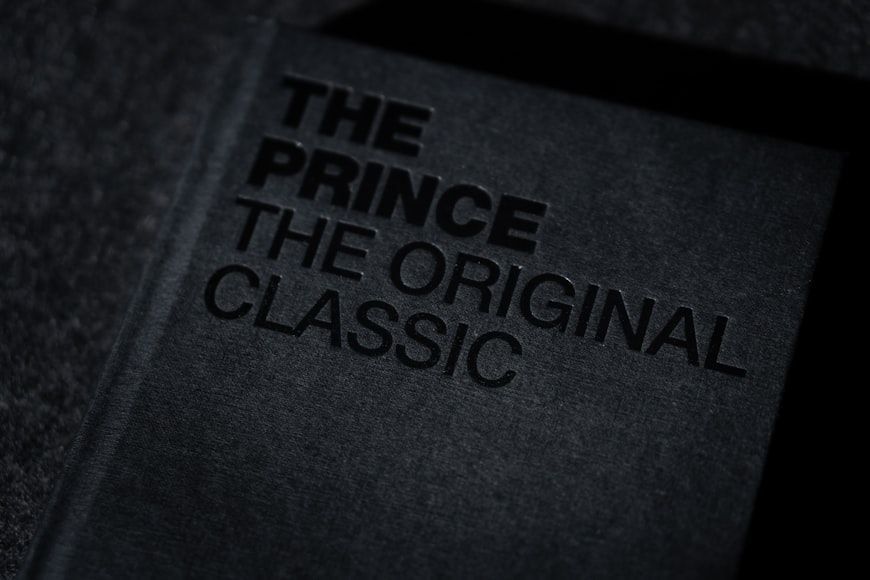
We often describe evil people and things as ‘Machiavellian’, but was Niccolo Machiavelli that twisted? Not necessarily, but some might say his ideas were. As the author of the political philosophy treatise The Prince, he was of the idea that the common good might justify using not-so-good means, which resulted in his name being associated with those who put their own interests above ethics and morals.

5

Draconian

Image: Constantinos Kollias

Meaning: excessively harsh or severe.

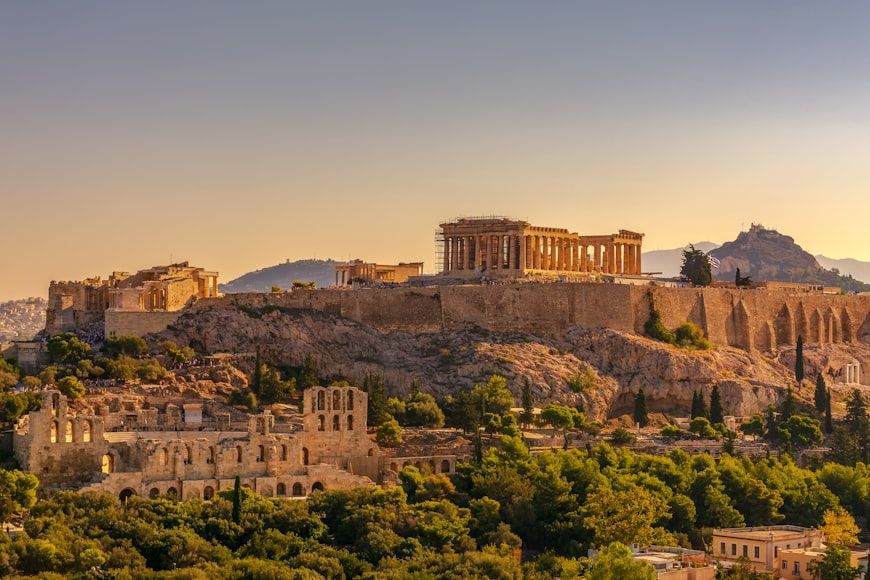
Chances are that, even if you heard the term ‘draconian’, you don’t know it refers to a real person. Draco was an Athenian lawmaker from the 7th century BC, infamous for creating a legal code so strict that even minor crimes warranted the death penalty. The severity of this code was such that his name became synonymous with excessive laws and regulations.

6

Byronic

Image: Europeana

Meaning: defying traditional heroic ideals, anti-heroic.

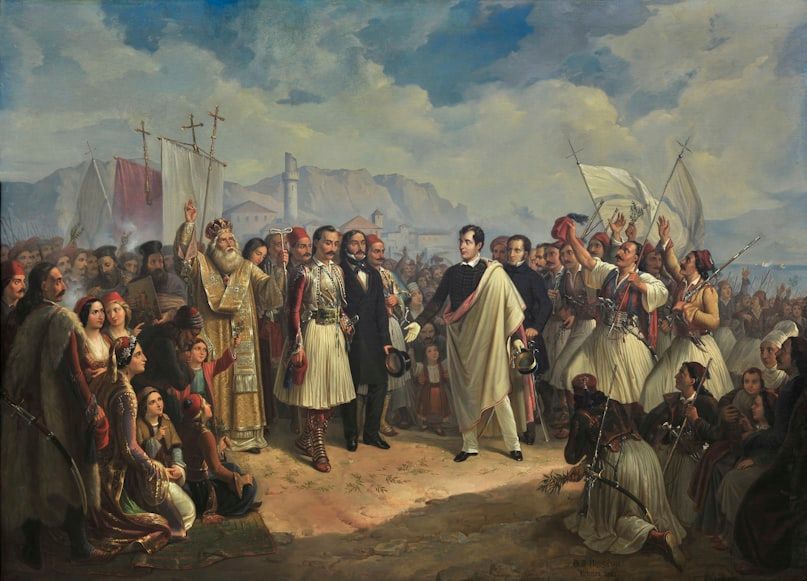
As far as 19th-century poets go, none was as rebellious, cynical, and self-destructive as George Gordon, better known as Lord Byron, and his male characters followed suit. Leaving a lasting impact in English society, the name Byron came to signify melancholy, rebellion, arrogance, cynicism, and a complete disregard for social rules.

7

Victorian

Image: K. Mitch Hodge

Meaning: prudish, strait-laced, old-fashioned, rigid.

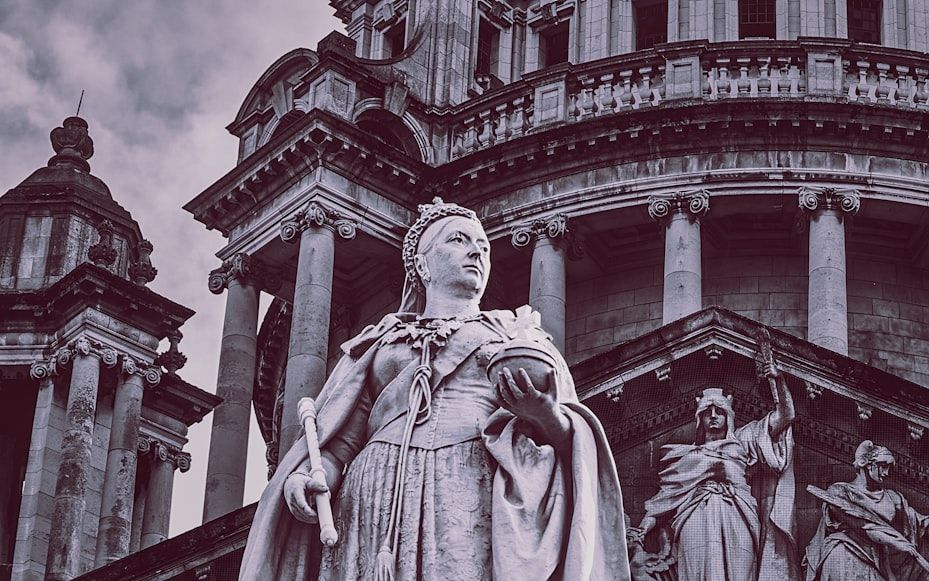
As the second-longest reigning monarch of the UK, Queen Victoria and her 63-year-long reign left a deep impression on British society and on the world. Although the Victorian era was characterised by industrialization and social reform, it was also a time when society behaved according to a strict moral code that is seen today as hypocritical, prudish, and extremely rigid.

8

Pavlovian

Image: Sameep Adhikari

Meaning: an automatic or conditioned response to a specific stimulus.

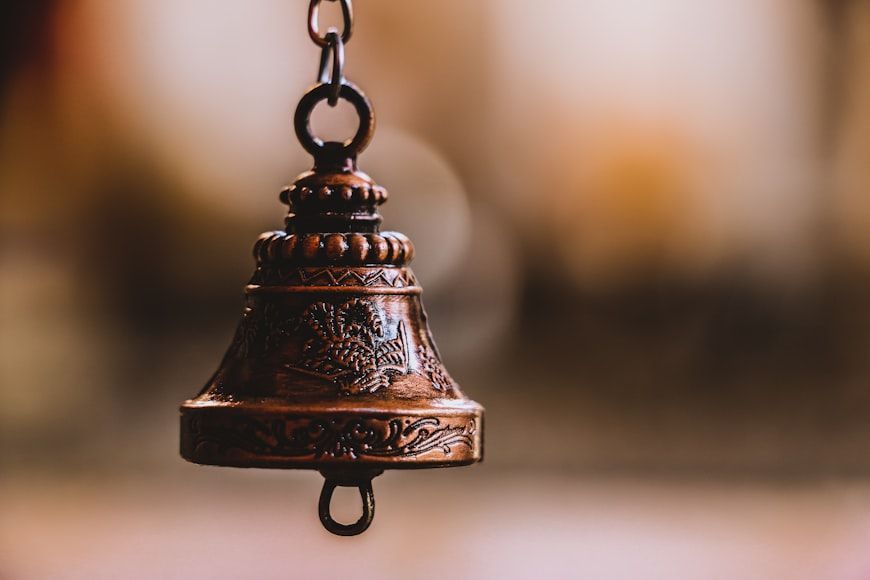
When Russian physiologist Ivan Pavlov trained a dog to associate the sound of a bell with food, which in turn caused the dog to salivate when the bell rang, he couldn’t have imagined that his name would become an adjective used across the world. Next time you associate a random sound or action with a memory, remember that that Pavlovian response can be described thanks to a dog.

9

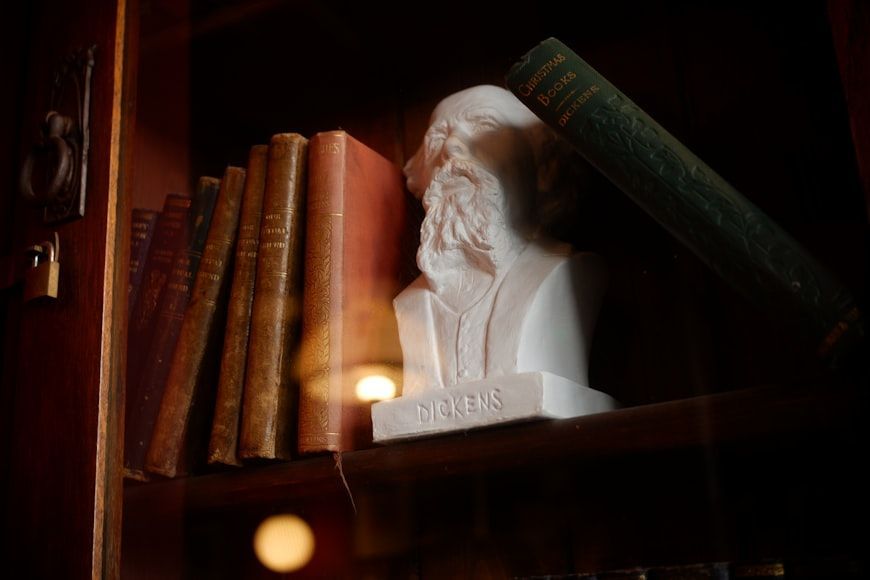
Dickensian

Image: Daniela Muntyan

Meaning: bleak, tragic, grim, eccentric.

Prolific 19th-century author Charles Dickens published his novels in installments meant to be read by the middle and working classes, so naturally, he chose topics he thought would appeal to those people, which resulted in stories of social injustice, poverty, industrialization, and its consequences, with a cast of eccentric characters to match. Dickens is now a revered author and the hand behind several beloved stories, but his name has turned into a way to describe situations reminiscent of those he depicted in his work.

10

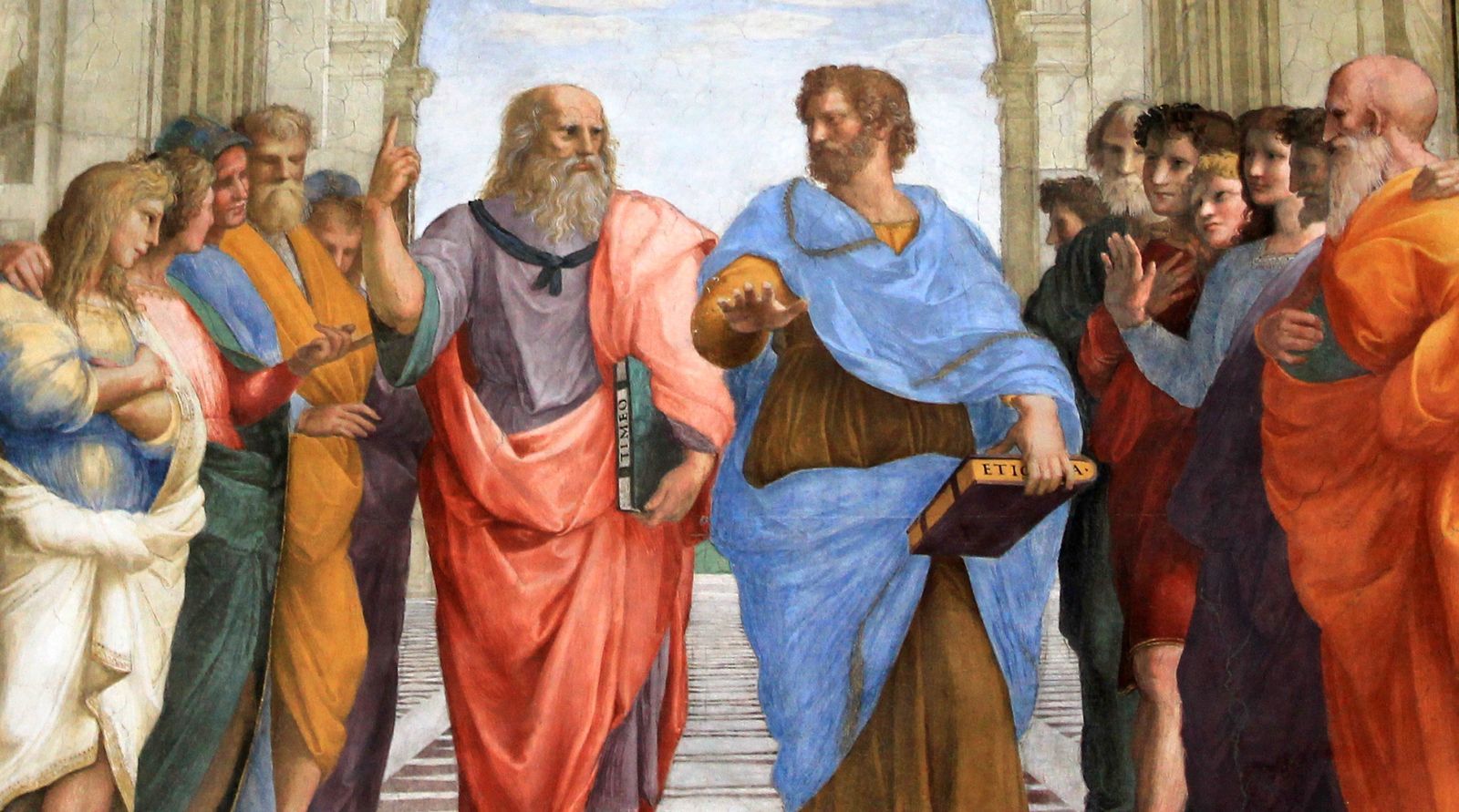
Platonic

Image: Raphael, Public domain, via Wikimedia Commons

Meaning: a spiritual, intellectual, or emotional relationship, free from desire.

We use the term ‘platonic’ often, and although we know who Plato was, we sometimes fail to realize that what he described in his works and what we call ‘platonic’ are not the same thing. In his writings, Plato suggested that true love was spiritual and could transcend the physical aspect of life. With the passing of time, people came to associate the ‘platonic’ idea of love with a love freed from physical desire.


UNLOCK THEIR POWER

Color Psychology: Use Colors To Their Full Potential


Published on June 2, 2026


Image: Héctor J. Rivas

Colors are more than just visual stimuli; they hold the power to evoke emotions, shape perceptions, and influence behaviors. The psychological impact of colors has been studied extensively, revealing how different hues can trigger specific responses in individuals. By understanding the principles of color, their psychological impact, and their practical applications, you can create compelling designs, and enhance your natural features.

Let’s get into the fascinating world of color psychology and explore the effects of ten prominent colors on the human psyche.

1

Understanding the basics

Image: Mika Baumeister

You probably already know about primary and secondary colors, and you also know there are many more colors than those. What you probably don’t know is that each combination receives a different name and, learning about the color wheel is a fundamental tool to elevate your features. Consider combinations in terms of:

  • **Complementary colors:** These are **located directly opposite each other** on the color wheel. For example, orange and purple. Together, they create high-contrast vibrancy and impact.
  • **Analogous colors:** They sit **adjacent to each other** on the color wheel. For example, blue and green. Contrary to complementary colors, these together create harmony and cohesion. They evoke unity and tranquility.
  • **Triadic colors:** These are **evenly spaced around the color wheel**, forming a triangle. For example, red, yellow and blue. They provide a balanced contras while maintaining harmony. They create dynamic and visually appealing compositions.
[[]]
2

Red

Image: Unsplash+

Red is, typically, the color associated with intense feelings: passion, energy, and excitement. Synonyms with desire and sensuality, red is the color of romantic love and attraction.

In fashion, red is associated with power and it can easily attract attention. It is visually striking as it stands out against its surroundings. It can make you feel confident and strong, red has the power to captivate the imagination, stimulate the senses, and drive action.

3

Blue

Image: Kier in Sight Archives

When you think of blue, you probably think of the sea first. And unless you suffer from

thalassophobia, you feel relaxed. That is because blue is associated with tranquility, trustworthiness, and reliability.

In fashion, shades of blue -from serene sky blue to deep navy- convey a sense of calm sophistication. A classic blue suit exudes professionalism, while a breezy blue dress evokes a relaxed yet refined vibe.

4

Yellow

Image: Ehimetalor Akhere Unuabona

This color is magical to some. If you are having a bad day, wearing a yellow sweater can instantly make you feel happier. That is because yellow radiates optimism, happiness, and naturally, warmth.

Yellow garments or accessories bring a burst of sunshine to any wardrobe. Whether it is a vibrant yellow sundress or a subtle yellow accessory, this color adds a playful and cheerful touch to an ensemble.

5

Green

Image: iam_os

Green is the color of nature, it symbolizes harmony, balance, and growth. In fashion, every shade of green -from earthy olives to vibrant emeralds- evokes a connection to nature and sustainability. Green clothes convey a sense of freshness and vitality, making it a popular choice for eco-conscious fashionistas.

However, that is not all. Green suits evoke authority at the same time that they exude reliability and closeness.

6

Purple

Image: Sang Tran

Purple holds a unique allure, it evokes a sense of luxury, creativity, and regal elegance. It is historically linked to opulence and, in fashion, it gives every look a sense of grandeur and sophistication.

Beyond its association with luxury, purple is also a color of creativity and individuality. It sparks imagination and encourages artistic expression. Purple accessories inject a playful and whimsical element into an outfit and they showcase an interest for innovation.

7

Orange

Image: Unsplash+

Orange radiates vitality and warmth, similar to yellow, but with a touch of energy. It is dynamic and playful and it easily captivates the eye and invigorates the spirit. Using an orange garment serves as a focus of attention and energy, uplifting any outfit and contrasting with the rest of the colors.

Whether it is a soft peach dress for a casual day out or a vibrant tangerine skirt for a night on the town, orange attires radiate joy and optimism, lifting the wearer’s spirit with a sense of confidence.

8

Pink

Image: Alexandra Tran

Pink, with its soft and delicate hue, holds a special place as it evokes feelings of femininity, romance, and sweetness. It transcends time and trends in its ability to convey grace.

Pink clothes can be seen as a symbol of charm and sophistication. The soft, rosy tones of blush pink create a sense of ethereal beauty while, combined with flowers, it exudes elegance and grace. It is one of the most versatile colors as it can easily be adapted to casual and formal outfits.

Pink is inherently romantic, symbolizing love, affection, and tenderness.

9

Black

Image: Ivana Cajina

Black is probably the wildcard in every closet and there are reasons aplenty. But the nerd note first, black is not actually color, but the absence of it. Black is not just any color, it is a statement of power, it effortlessly transmits sophistication and class, and it goes with every color. That is why it easily became a staple in fashion.

Moreover, black is also the color that best flatters every figure, regardless of your weight. Wearing black can create curves and accentuate your silhouette. And naturally, it has transcended infinite trends and seasons, remaining eternally chic and versatile.

10

White

Image: Samantha Gades

Similar to black, white is also an eternally versatile color. White represents balance, clarity, and calmness more than any other color. It represents purity and newness.

Considering it is the chosen color for brides and major life events of the sort, white is connected to elegance and freshness, and, contrary to what those specific scenarios may show, it also represents simplicity and innocence.

White is the color of ethereal beauty and luminosity as it reflects natural light in a unique way.

Looking for an extra scoop of literary fun?

Learn more with our Word of the day

facilitate

/fəˈsɪləˌteɪt/