10 rare languages still spoken across the U.S. that are worth saving
Published on February 28, 2026
Across the United States, many Indigenous languages are spoken by fewer people each year. These examples show how language loss often happens quietly, over generations. Learning about them helps explain important parts of American history that are rarely discussed but still shape communities today. Keep reading to discover 10 languages you probably didn’t know existed.
Chinook
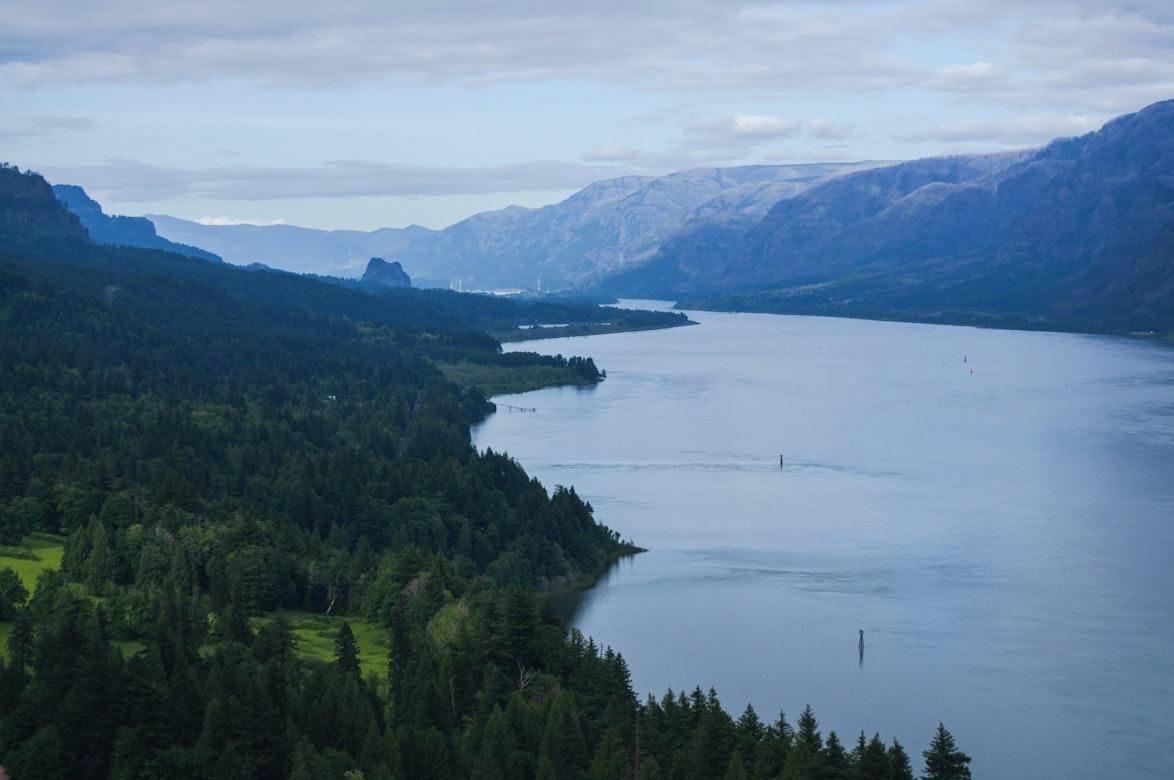
Today, only a small number of people can still speak Chinook fluently. This language is associated with Indigenous communities of the Pacific Northwest, particularly along the Columbia River in present-day Oregon and Washington.
In the 19th century, Chinook played an important role in regional communication, especially through Chinook Jargon, a simplified trade language used by Native peoples, settlers, and traders. During the early 20th century, the use of English increased in schools, government, and business, which reduced the everyday use of Chinook. Linguists now classify the language as critically endangered, although dictionaries, recordings, and community teaching programs are available to support learning and preservation.
Comanche
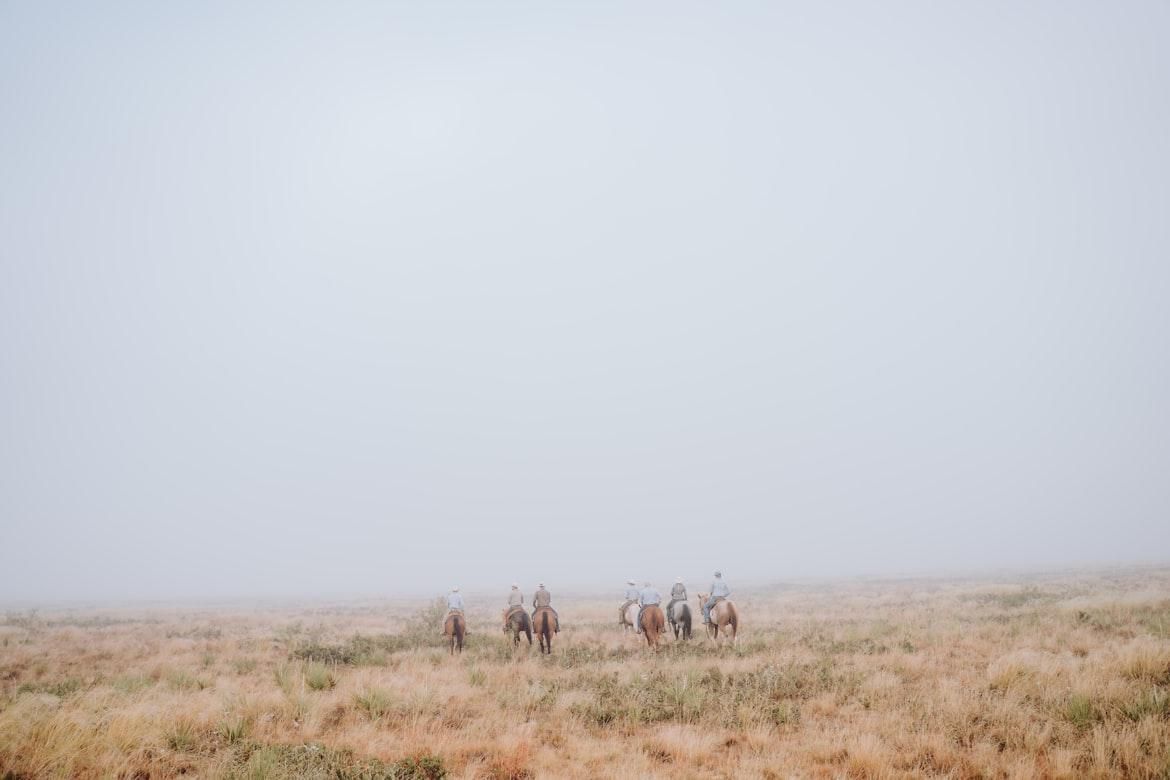
For much of the 1800s, Comanche was spoken across large areas of present-day Texas, Oklahoma, and surrounding states. It is the traditional language of the Comanche Nation, whose communities were widely distributed across the Southern Plains. They call themselves Nu-muu or Numunuu, meaning "The People" or "Our People."
Historical records show that Comanche was used in daily life, trade, and community communication. During the 20th century, English became more common in schools and public settings, and fewer children learned it at home. By the late 1900s, most fluent speakers were older adults. Today, Comanche is classified as severely endangered, and preservation efforts include language classes, recorded lessons, and educational materials designed for younger tribal members.
Menominee
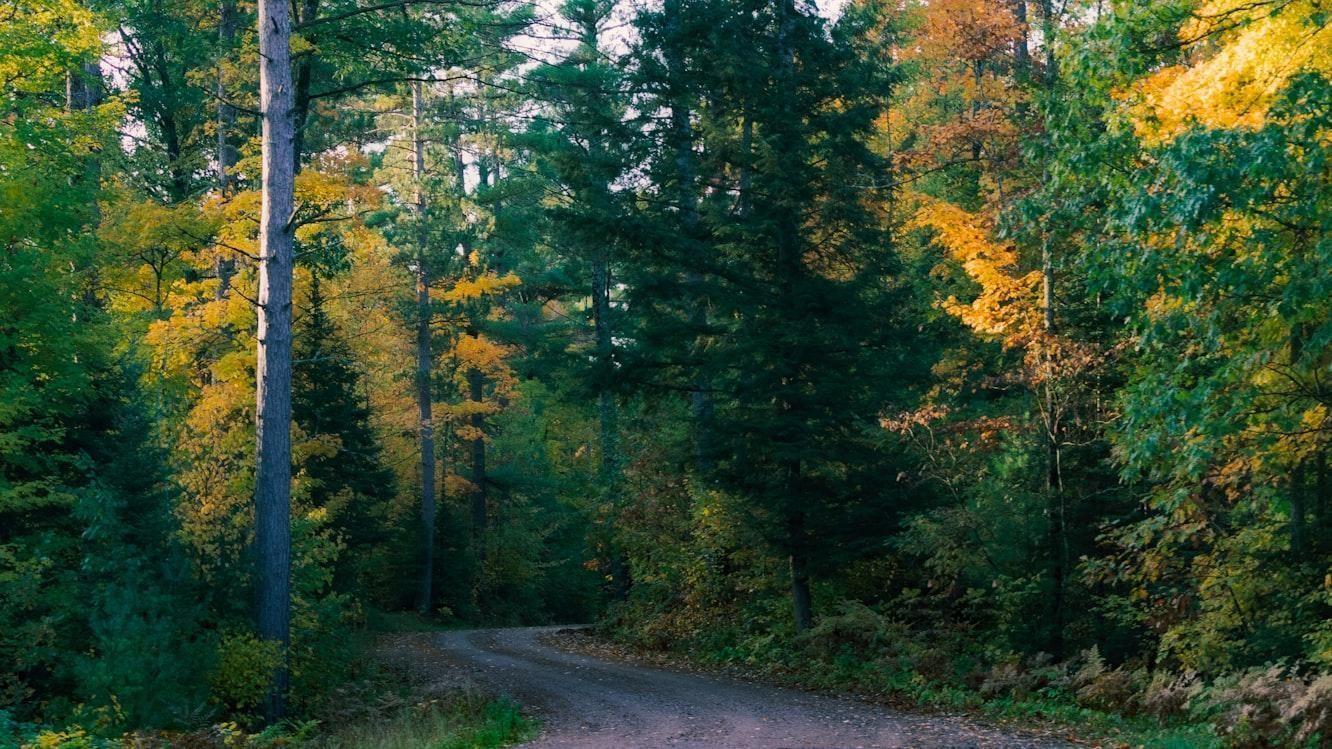
This is the traditional language of the Menominee people, a Native American tribe whose homeland is in present-day Wisconsin. The name Menominee comes from an Algonquian word meaning "wild rice people," given by neighboring tribes because wild rice was a vital food source for them.
Historical sources show that Menominee was used regularly in homes and community life into the early 1900s. As English became dominant, fewer families passed the language on to children. By the late 20th century, only a small number of fluent speakers remained. Today, Menominee is classified as critically endangered, but language immersion schools, adult classes, and community-led programs are actively working to increase everyday use among younger generations.
Osage
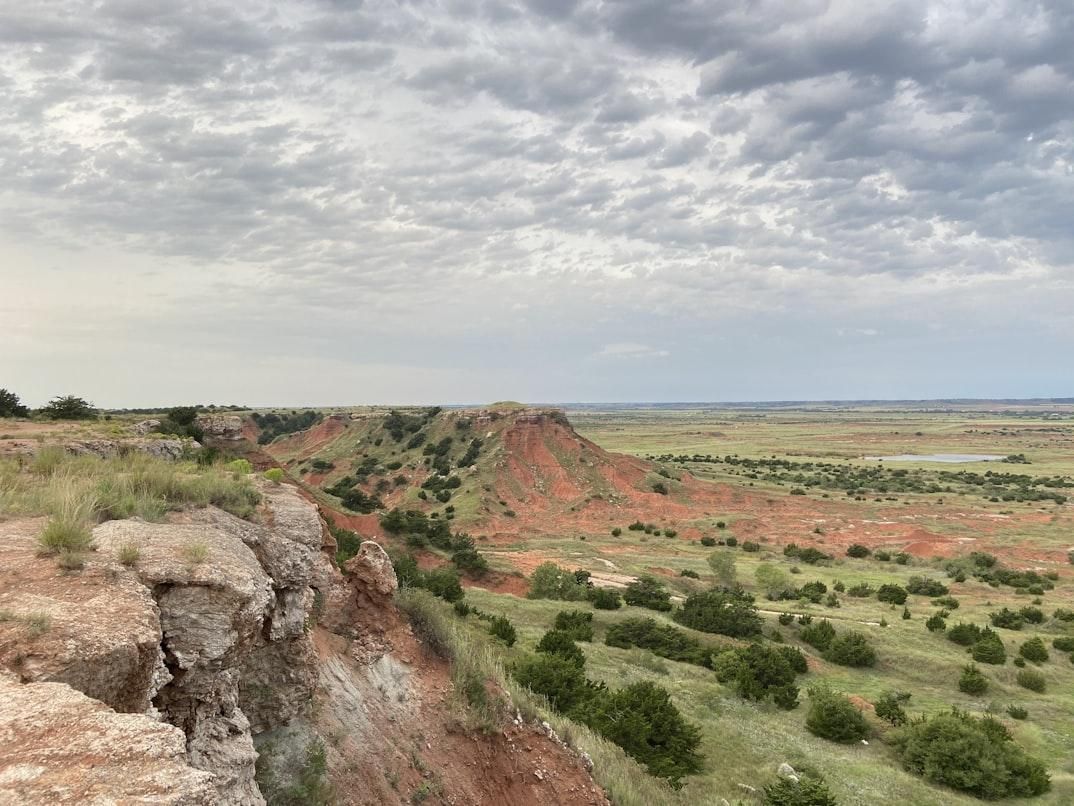
The Osage language belongs to the Osage Nation, whose people historically lived in parts of present-day Missouri and Arkansas before relocating to Oklahoma. Written and oral records indicate that Osage was commonly spoken in daily life through the early 20th century. Today, the language is often considered very vulnerable, meaning it is still spoken but at risk. Preservation efforts include a standardized writing system introduced in the 2000s, language classes, and educational programs organized by the Osage Nation to support new speakers.
Pawnee

Spoken among Pawnee communities in what is now Nebraska and later in Oklahoma, historical accounts show that this language was still in regular use in the early 1900s. The name "Pawnee" likely comes from a word like Pariki or Pani, meaning "horn," referencing the tribe's distinctive hairstyle where a scalp-lock was stiffened to stand up like a horn
By the middle of the 20th century, English had largely replaced Pawnee in homes, schools, and public settings. Today, it’s classified as critically endangered, with only a small number of fluent speakers. Audio recordings, written dictionaries, and grammar descriptions are now key resources for language classes and community-led education efforts.
Tolowa

The traditional territory of the Tolowa people is northwestern California, close to the border with Oregon. The name "Tolowa" comes from a Yurok/Wiyot term, Taa-laa-welh, meaning "people of Lake Earl," referring to their ancestral lands. However, the Tolowa people's own name for themselves is Dee-ni', meaning "person" or "citizen."
Their language was used in everyday life well into the 19th century, but by the late 20th century, census data and linguistic surveys indicate that only a small number of fluent speakers remain. Today, Tolowa is classified as critically endangered, though tribal organizations have partnered with universities and language specialists to record vocabulary, oral histories, and pronunciation, creating resources that can be used in the future.
Washo

The Washo are the Indigenous people of the Lake Tahoe region and the surrounding Great Basin/Sierra Nevada, known for their famous basketry. Their language was commonly spoken up to the early 20th century. As formal education in English became more widespread, fewer children learned Washo at home, and daily use declined over time.
Today, Washo is classified as severely endangered. Preservation efforts include language classes, written dictionaries, and audio recordings that are used by community members to support learning and maintain use of the language.
Wintu
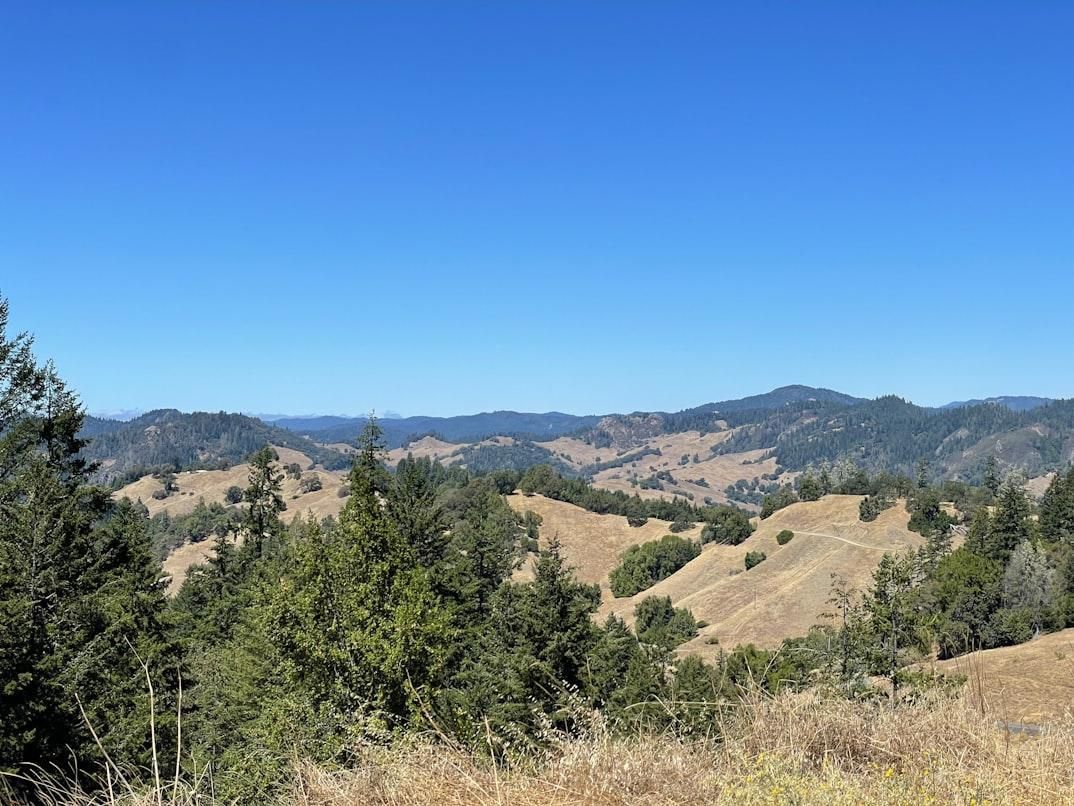
Wintu refers to a group of related languages traditionally spoken in northern California, mainly in areas around the Sacramento River and nearby regions. Historical accounts show that these languages were actively used by native communities throughout the 1800s. During the 20th century, however, the number of fluent speakers declined steadily, and by the late 1900s, only a few remained.
Today, Wintu languages are classified as critically endangered. Most of what is known about them comes from written documentation and audio recordings created by linguists and Wintu tribal members, which are now used for teaching.
Yuchi
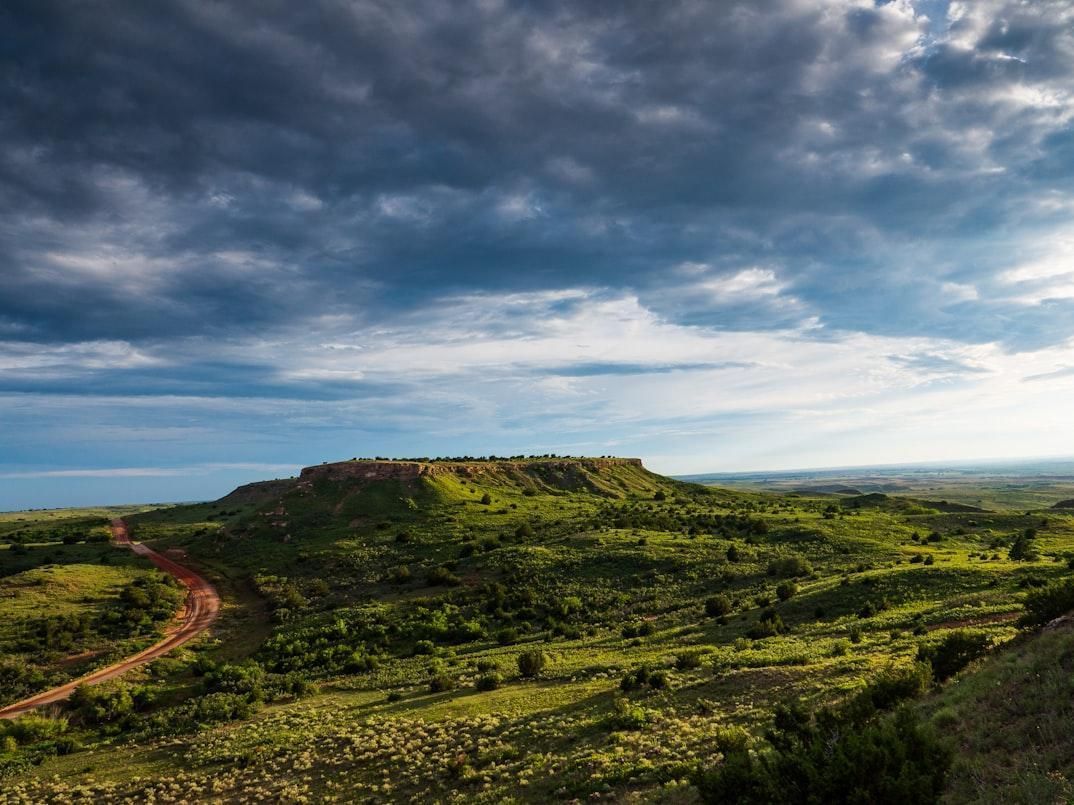
Yuchi is unusual because it is not closely related to most other Native languages in the southeastern United States, making it linguistically distinct. It was traditionally spoken in areas that are now Georgia, Tennessee, and Alabama, and later in Oklahoma after forced relocations in the 19th century.
During the 20th century, the number of speakers declined. Today, Yuchi is classified as critically endangered, with only a small number of fluent speakers remaining. Current teaching programs aim to introduce basic vocabulary and everyday conversation to younger community members so the language can continue to be learned and used.
Yokuts
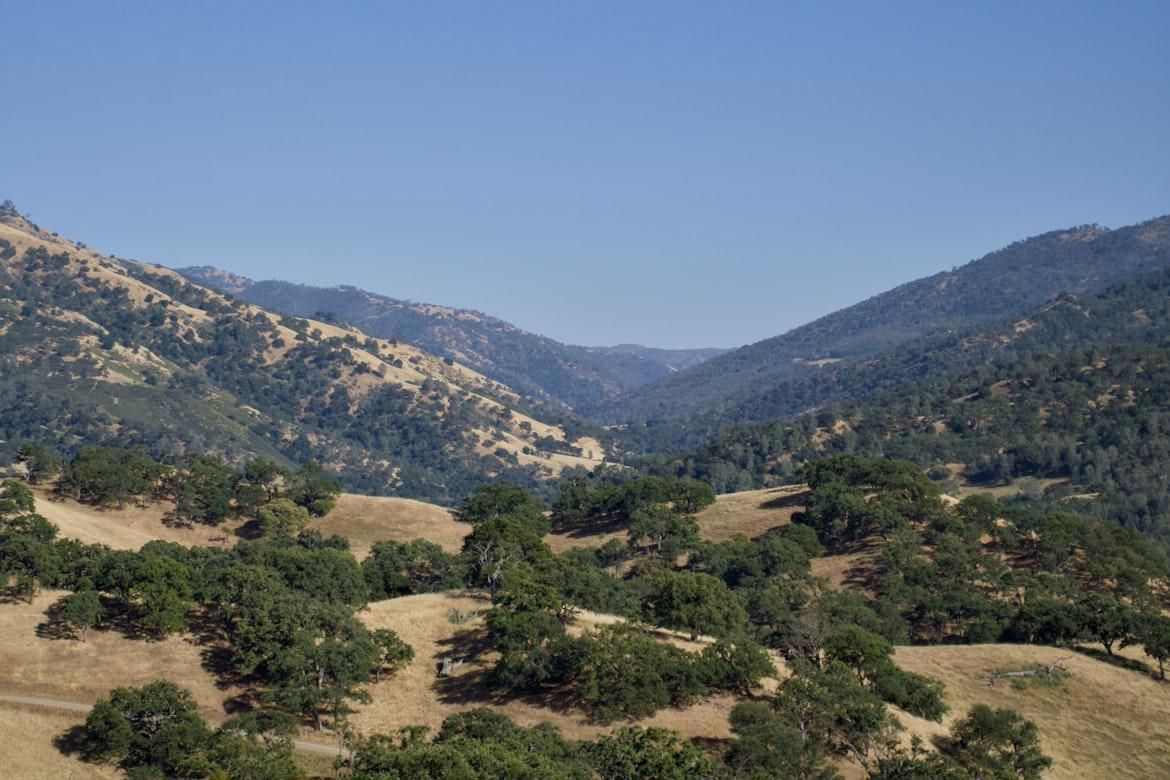
Yokuts is a family of related Indigenous languages traditionally spoken by different communities across California’s Central Valley. Each community had its own variety, which explains why Yokuts is described as a language family rather than a single language.
During the 20th century, several of these varieties stopped being spoken entirely as younger generations shifted to English. Other Yokuts varieties still exist but are spoken by only a small number of people, often older adults. For this reason, linguists classify most Yokuts languages as critically endangered. Written notes, audio recordings, and word lists collected by researchers and community members in the early and mid-1900s are now essential resources for teaching and preservation.