Strange scales
10 of the weirdest units of measurement humans actually used
Published on February 25, 2026
 Image: Towfiqu barbhuiya
Measuring the world is a human necessity, and throughout history, we’ve used some truly strange units. From the height of a monkey to the speed of beard growth, here are 10 of the weirdest—and funniest—measures ever recorded. Not the most practical, but undeniably fun!
Beard-second
 Image: Tim Mossholder
A beard-second is the distance a beard grows in one second, roughly 5 nanometers. The unit originated in physics as a playful way to express extremely small lengths.
Although humorous, it can actually be used to illustrate minuscule distances, and some textbooks and teachers use it to make abstract concepts more relatable.
Sheephead
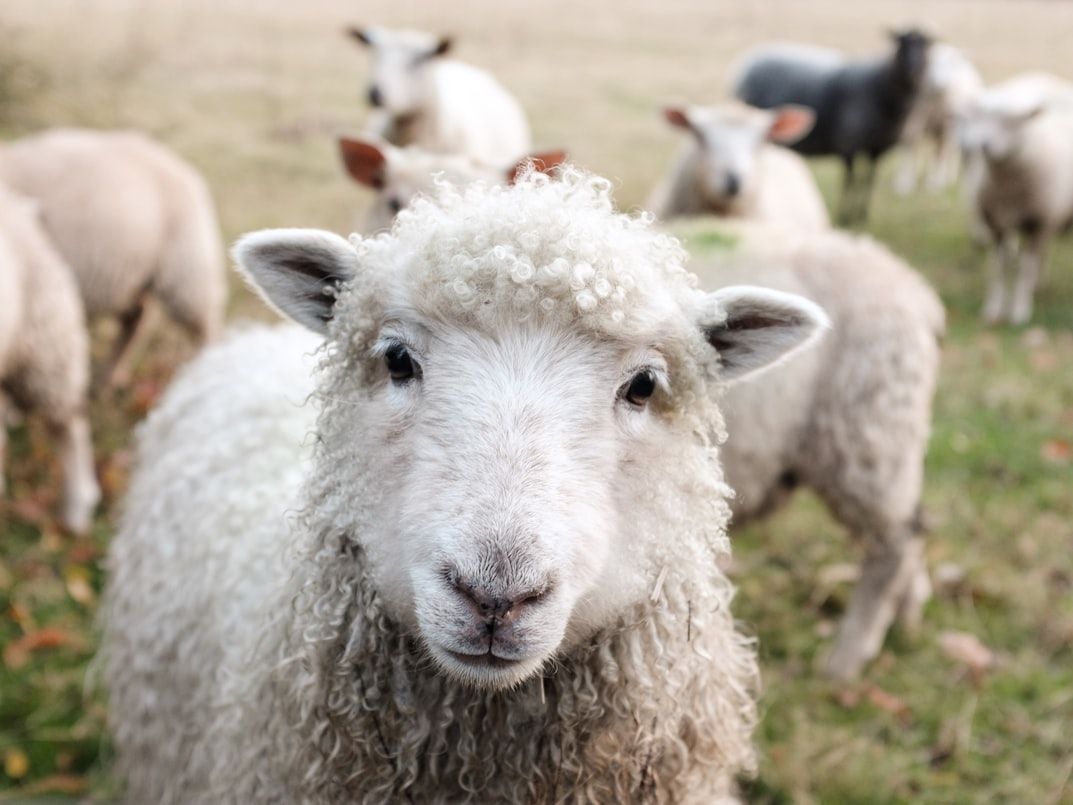 Image: Sam Carter
In medieval Scandinavia, a sheephead was a unit of weight for butter and cheese, representing roughly 30–40 pounds.
Units like this emerged from agricultural economies, where livestock products were common commodities. Though forgotten today, historical accounting records show widespread use of animal-based measures for commerce.
Furlong per fortnight
 Image: Toomas Tartes
Another humorous velocity unit is the furlong per fortnight: a furlong equals 220 yards, and a fortnight represents 14 days. This means one furlong per fortnight is about 0.000116 meters per second.
Mostly used as a joke among scientists, it highlights the sometimes absurd combinations of units that can arise.
Monkey
 Image: Syed Ahmad
In 17th-century England, a "monkey" was a unit of weight for Indian textiles, equal to roughly 7.5 pounds. The name likely came from playful trade jargon rather than any connection to the weight of an actual monkey.
It facilitated commerce between Britain and its colonies, and historical trade documents preserve its use in textile contracts.
Reaumur
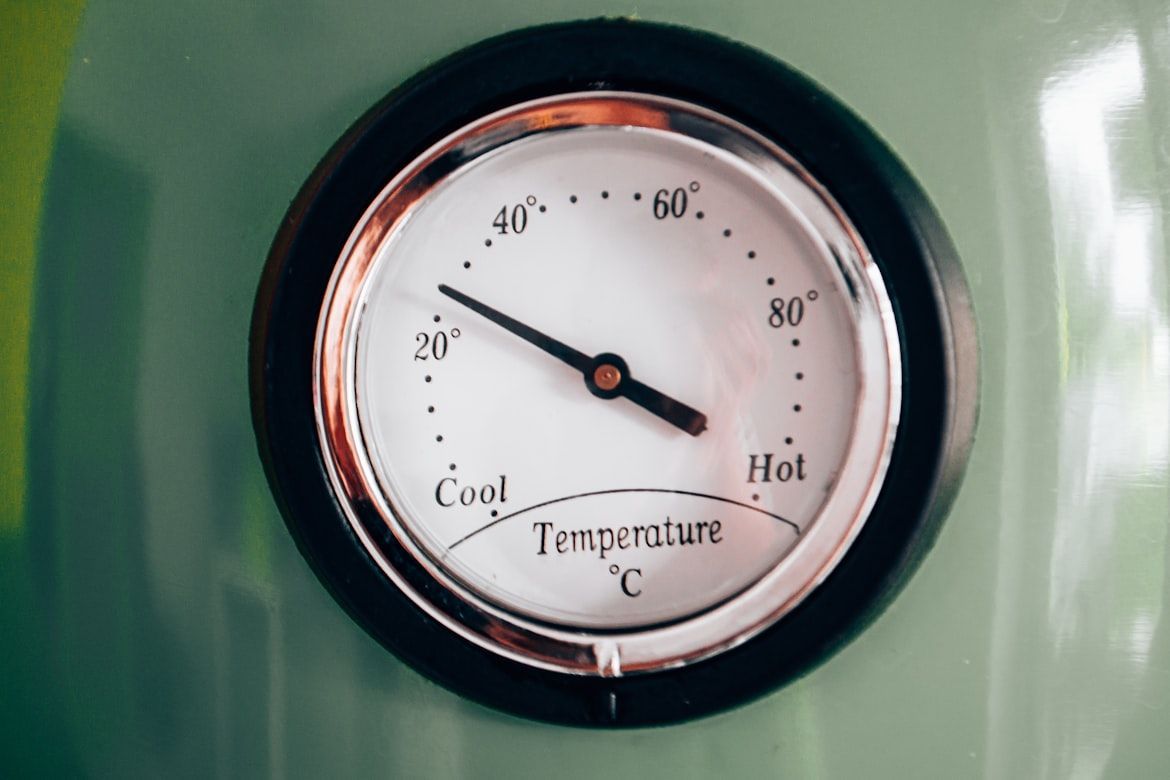 Image: Artur Solarz
An old temperature scale, where 0°R marked the freezing point of water and 80°R its boiling point. Named after René-Antoine Ferchault de Réaumur, it was widely used in France and parts of Europe until the early 20th century.
Though now mostly obsolete, Réaumur thermometers survive in antique collections and are still occasionally referenced in traditional cheesemaking guides.
Sheep’s Eye
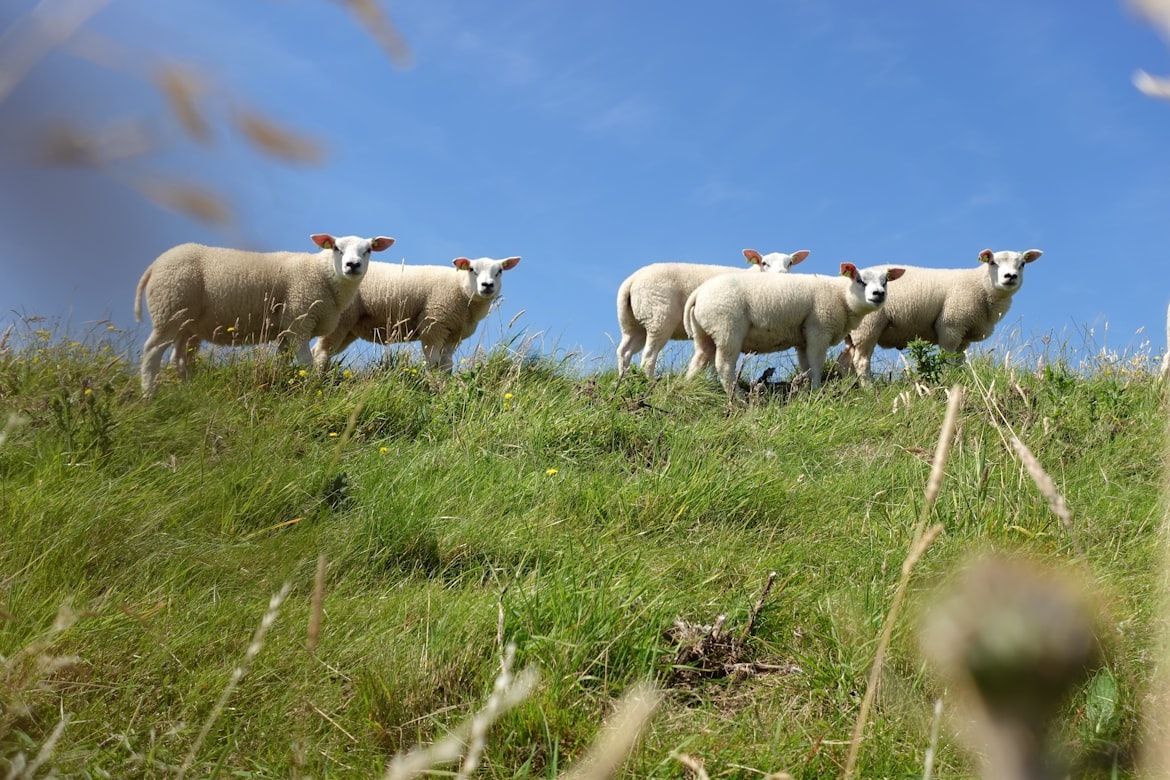 Image: Stephan Frolov
A Scottish unit of land measurement, the "sheep’s eye" was said to be based on how far a sheep could see—roughly 30 meters.
This intuitive measure allowed local farmers to discuss land informally before precise surveying tools existed.
Gross
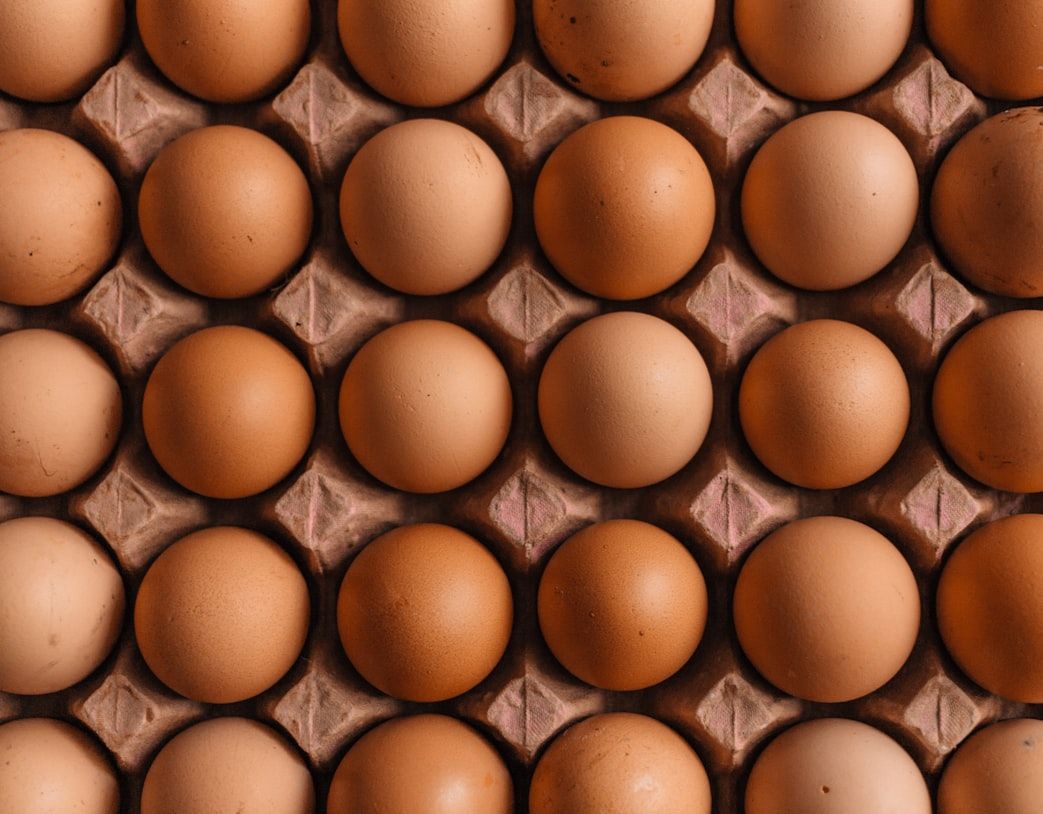 Image: Erol Ahmed
A gross equals 144 items, or 12 dozen. Traders historically used it for bulk counting and wholesale commerce. The term comes from the Old French grosse douzaine, meaning "large dozen."
Still common in packaging and manufacturing, gross is often a practical unit when large quantities are involved.
Stone
 Image: Scott Webb
A British unit of weight, the stone is standardized at 14 pounds. It was traditionally used for weighing people and animals and is still in use in parts of the UK today.
While most of the world now uses metric units (and the modern imperial system in the US), the stone persists in Britain and Ireland as a traditional measure.
Smoot
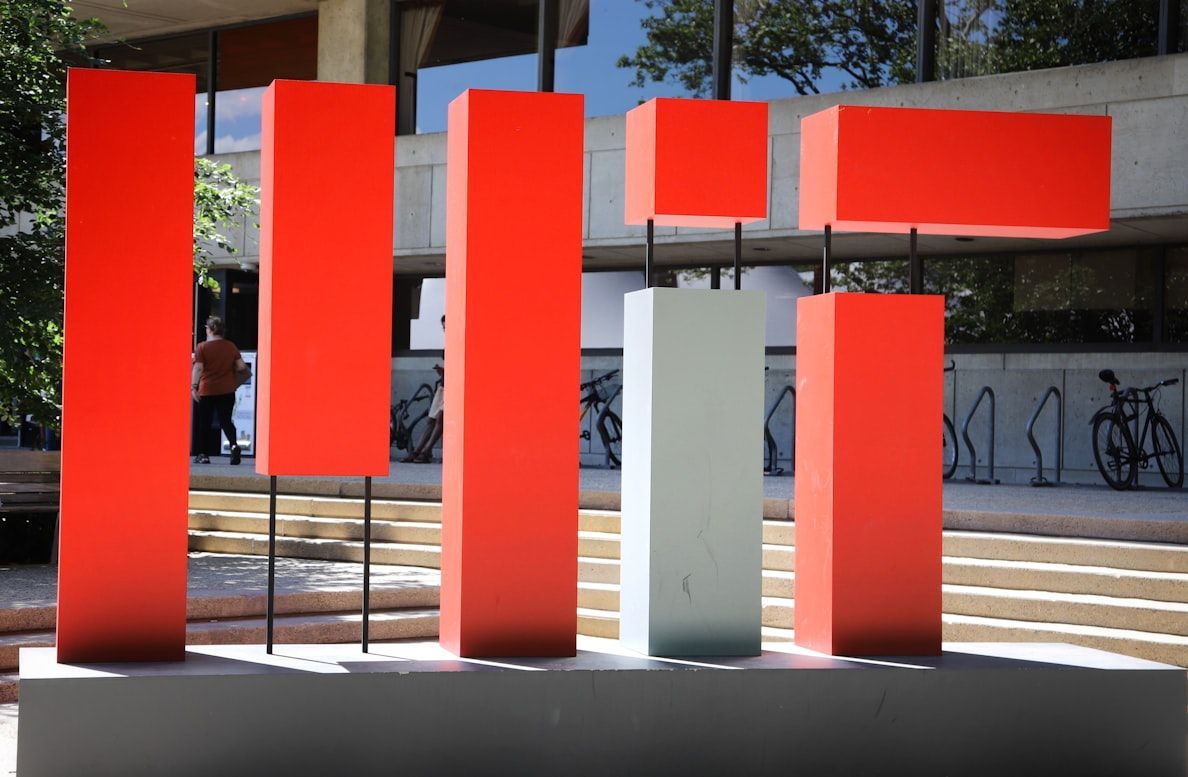 Image: Bernd Dittrich
A "smoot" equals 5 feet, 7 inches—the height of Oliver Smoot, a MIT student. In 1958, MIT students used Smoot’s height to measure the Harvard Bridge in Boston.
The bridge was humorously marked in Smoots with chalk during the experiment, and the unit stuck—today, the bridge still has "Smoot" markings.
Hogshead
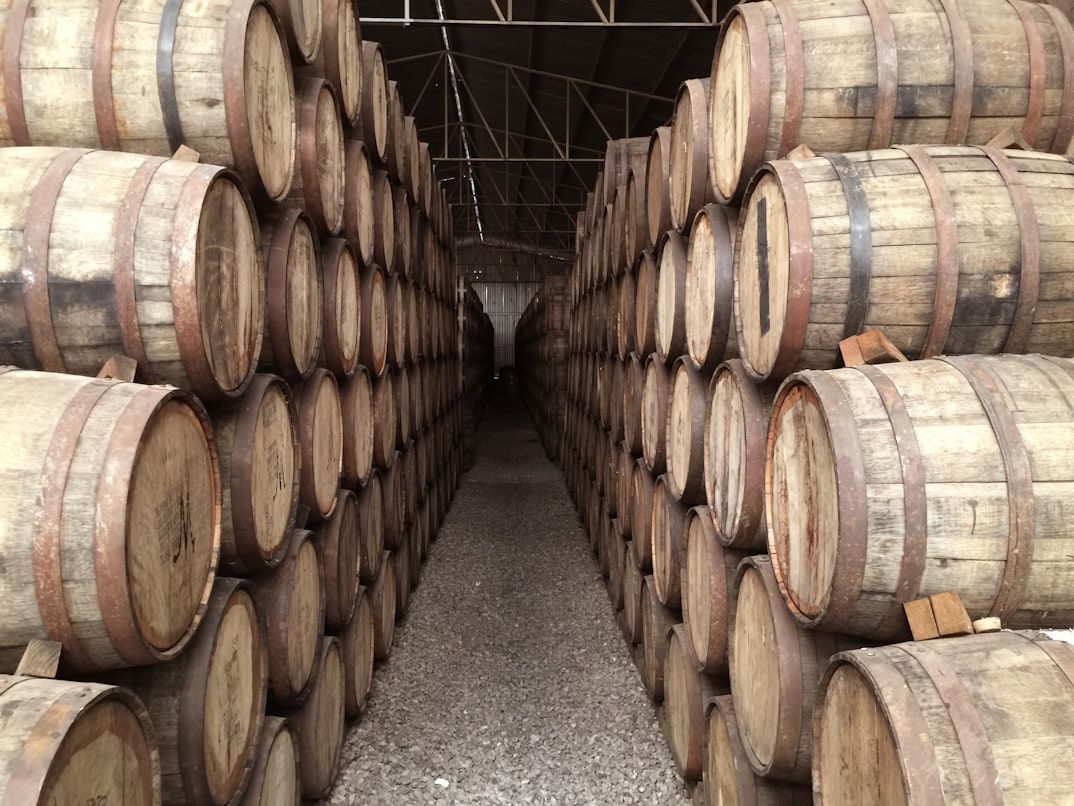 Image: fred crandon
A barrel unit that varied by region, the hogshead typically measured 63 gallons for wine or 54 gallons for beer. Used as early as the 15th century, it helped standardize liquid trade.
The term’s origin is obscure, possibly a mispronunciation of "oxhead." Hogsheads were important for commerce in both colonial America and Europe.