Stories we remember

10 authors behind the books we loved as kids


Published on October 31, 2026


Image: Morakod1977

The story of a cat in a red-and-white hat, a spider who saved a pig, and a classic written with just 50 words. Add a World War II mapmaker, a children’s author behind a hit song for Johnny Cash, and a librarian inspired by a boy asking for stories about "kids like us," and you get 10 surprising stories behind the books we loved when we were little. Ready to revisit these childhood favorites?

1

Dr. Seuss — The Cat in the Hat, Green Eggs and Ham
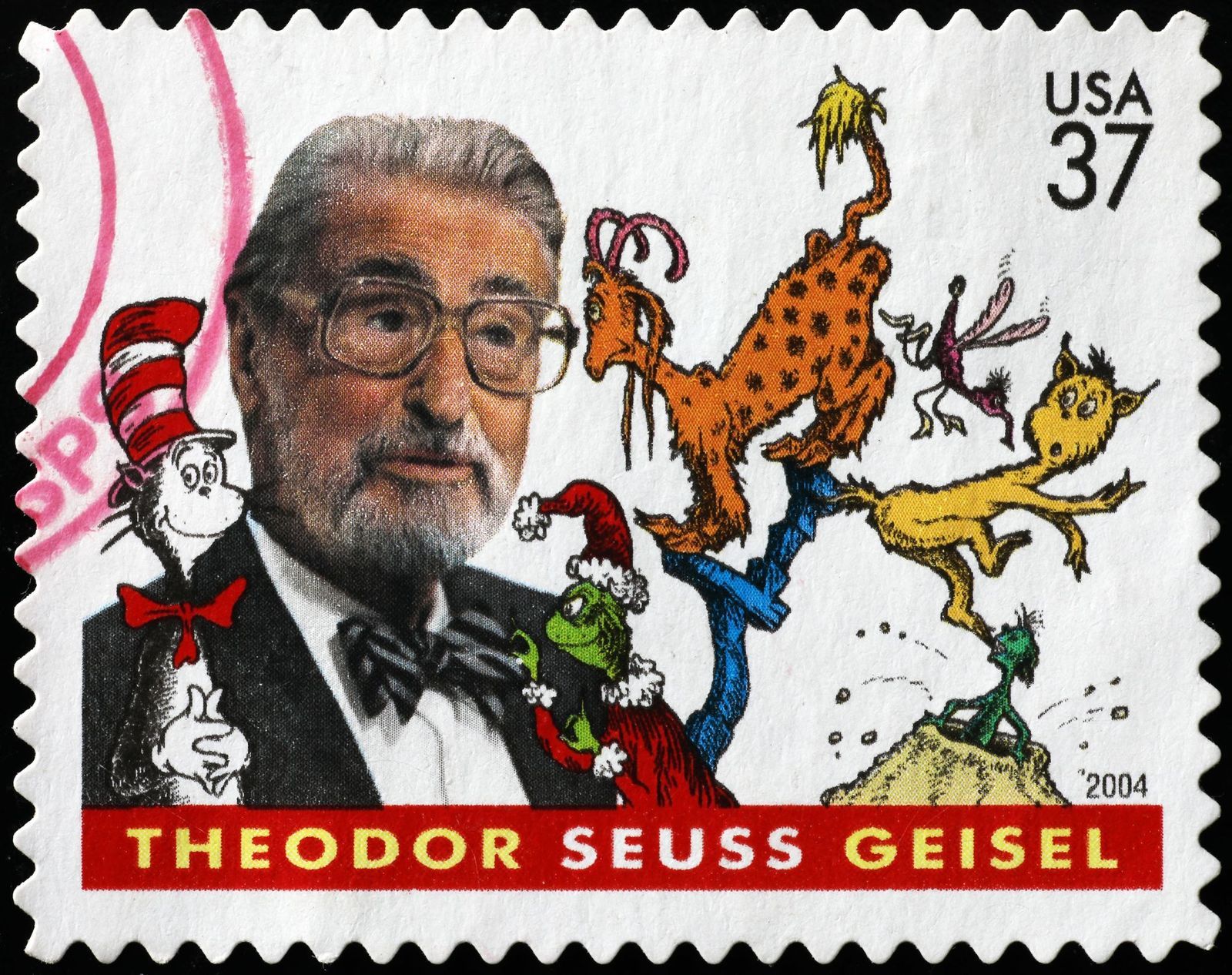
Image: spatuletail

Theodor Seuss Geisel (1904-1991), better known by his pen name, Dr. Seuss, was the legendary author and illustrator whose whimsical books shaped generations of childhoods. Despite the Doctor in his name, Geisel was not a medical doctor—he adopted the pen name while in college, later adding "Dr." partly in reference to his father’s unfulfilled hopes that he would earn a doctorate.

Before writing children's books, Geisel worked as a cartoonist and advertising illustrator. His breakthrough came in the late 1950s. Challenged to create a more engaging alternative to the school primers at the time, he wrote The Cat in the Hat (1957), a book that helped change the way children learned to read. He followed it with Green Eggs and Ham (1960), reportedly after a bet with his publisher that he couldn't write a book using just 50 different words.

2

Shel Silverstein — The Giving Tree

Image: Pornchai oom

Shel Silverstein (1930-1999), whose full name was Sheldon Allan Silverstein, was an American writer, poet, cartoonist, and songwriter born in Chicago, Illinois. He became famous for his imaginative children’s books and poetry. One of his best-known books is The Giving Tree (1964), a poignant and often-debated story about the relationship between a boy and an apple tree, raising questions about generosity, sacrifice, and love.

Before becoming a household name in children’s literature, Silverstein was also a cartoonist for Playboy magazine. He had a successful music career, too, writing Johnny Cash’s Grammy-winning hit "A Boy Named Sue" and Dr. Hook’s "The Cover of Rolling Stone." His work is known for simple yet striking black-and-white monochromatic ink drawings, unconventional humor, and themes that resonate with both children and adults.

3

Richard Scarry — Busytown books

Image: EdwinPNursalim

Richard Scarry (1919-1994), born in Boston, Massachusetts, was one of the most prolific and beloved American children's authors and illustrators of his generation. He published more than 300 books that sold over 100 million copies worldwide.

Best known for creating the vibrant, whimsical universe of Busytown, Scarry introduced young readers to the adult world through detailed illustrations of animals behaving like people. Generations of children have spent hours exploring his busy pages, learning about jobs, transportation, and how communities work. During World War II, he served in the U.S. Army, where he worked as an informational art director and mapmaker, creating visual materials to communicate information clearly.

4

Beverly Cleary — Ramona Quimby, Henry Huggins

Image: Marc Elias

Beverly Cleary, who lived from 1916 to 2021 (104 years), was an American children’s author who wrote more than 40 books about the everyday humor, challenges, and genuine feelings of growing up.

Cleary worked as a children's librarian in Yakima, Washington, and started writing after a young boy asked her where he could find books about "kids like us." Inspired by that question, she created relatable characters whose stories reflected the worries of ordinary children. Many of her best-known books are set in Portland, Oregon, where she grew up, and explore everything from sibling rivalry and boredom to family finances and childhood dreams, always with warmth and humor.

5

E.B. White — Charlotte’s Web, Stuart Little
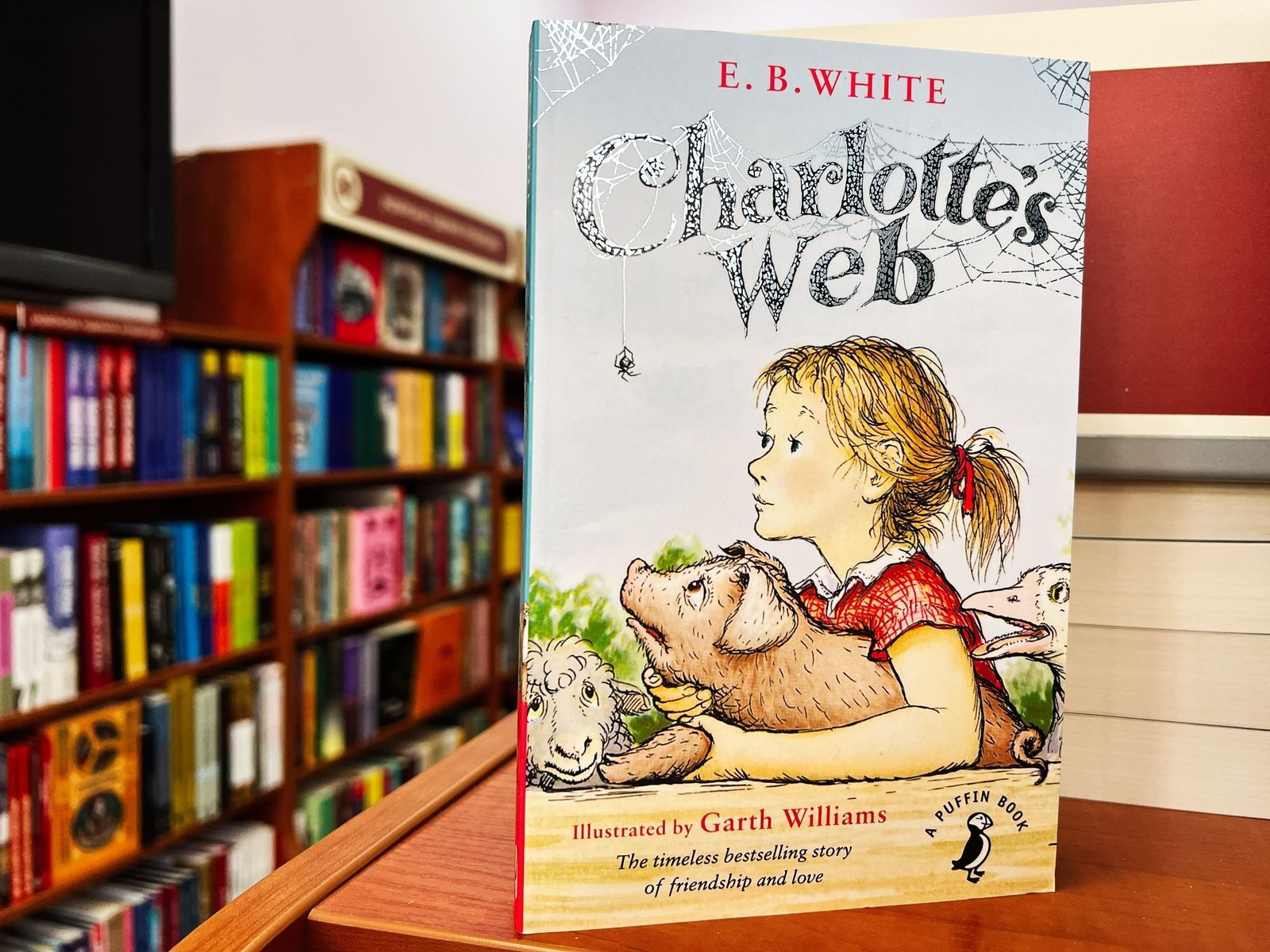
Image: AS photo family

E.B. White, whose full name was Elwyn Brooks White and whose nickname was "Andy" (1899–1985), was an American writer and essayist. Although he wrote only three children’s books, each became a classic: Stuart Little (1945), Charlotte’s Web (1952), and The Trumpet of the Swan (1970).

White was a longtime contributor to The New Yorker and a columnist for Harper’s Magazine. He spent much of his adult life on a farm in coastal Maine and received the Presidential Medal of Freedom in 1963 and a special Pulitzer Prize in 1978.

6

Laura Ingalls Wilder — Little House series
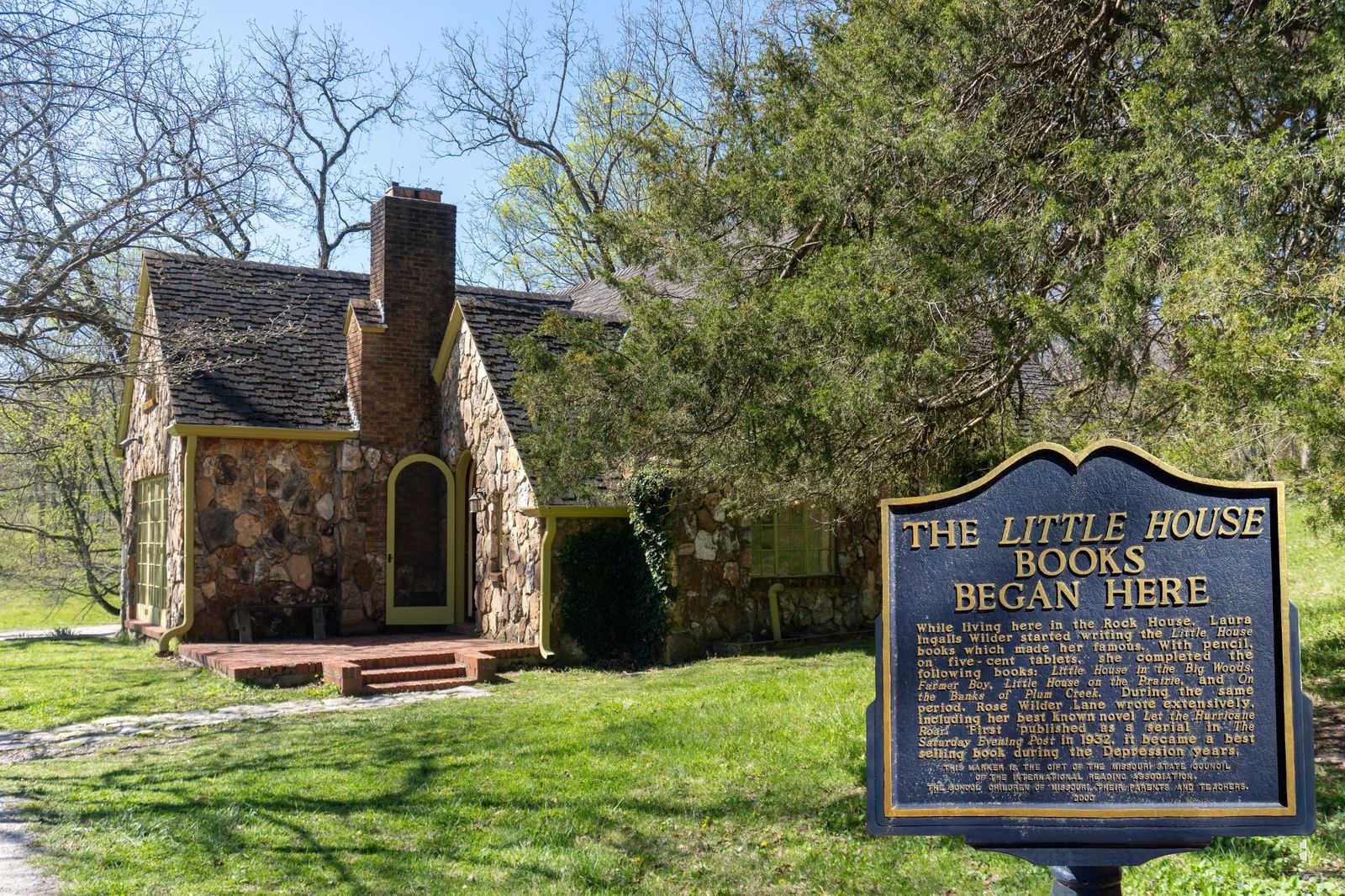
Image: EWY Media

Laura Ingalls Wilder (1867–1957) was the American author behind the beloved Little House children’s book series. Born near Pepin, Wisconsin, she grew up in a pioneer family that moved across the American frontier through Kansas, Minnesota, Iowa, and the Dakota Territory.

She published her first book, Little House in the Big Woods, in 1932 at age 65, with encouragement and editorial help from her daughter, Rose Wilder Lane. Wilder’s earlier autobiographical manuscript, later published as Pioneer Girl: The Annotated Autobiography, was originally written for adults and later reworked into the children’s novels for which she became famous.

7

Maurice Sendak — Where the Wild Things Are
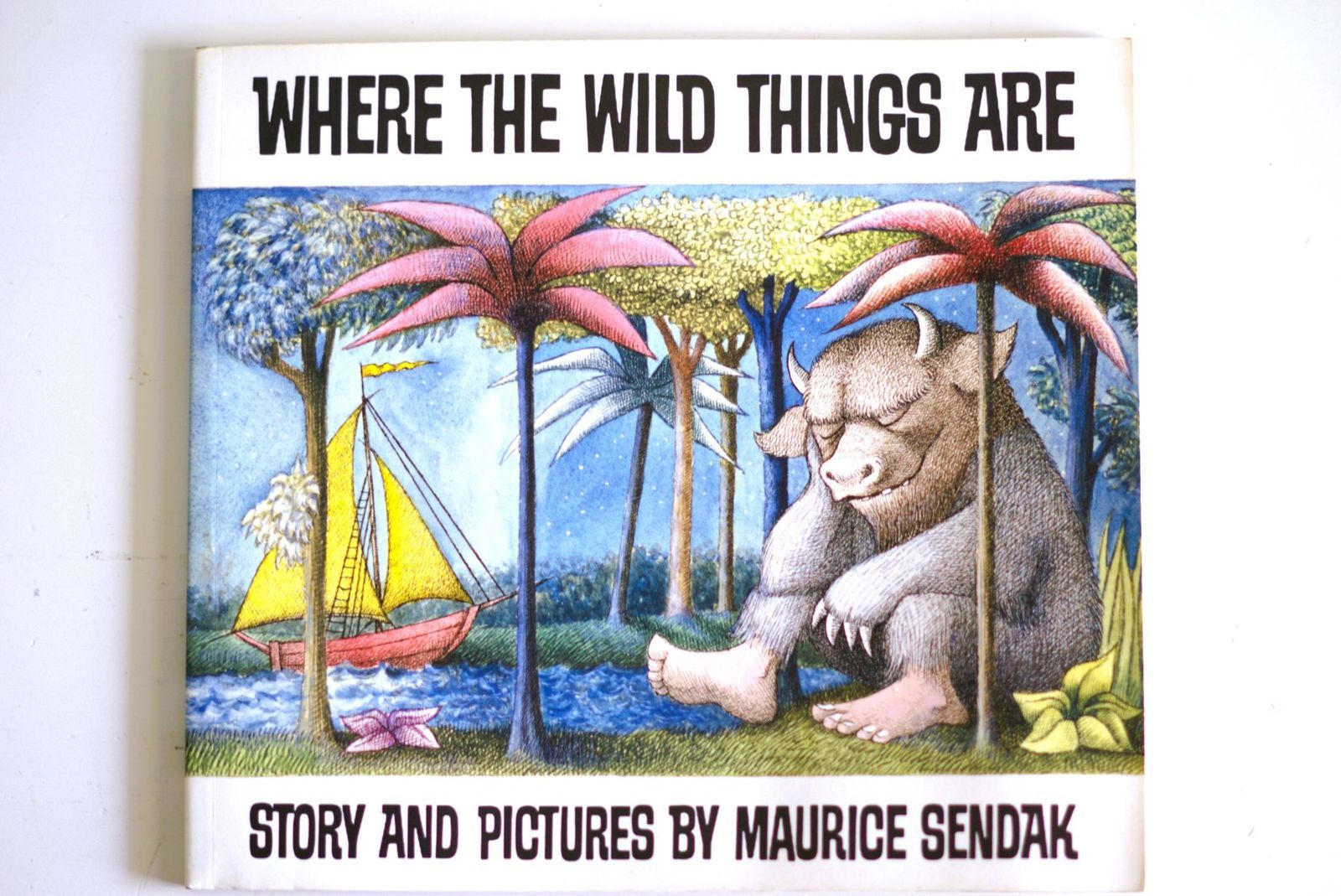
Image: irfan_setiawan

Maurice Sendak (1928-2012), who was born in Brooklyn, New York, became one of the most influential figures in children’s literature. His work challenged the idea that picture books should present children with only safe, cheerful worlds, exploring darker emotions and the complexities of growing up.

Rather than offering only comforting bedtime stories, Sendak fiercely respected the emotional complexity of childhood. He famously said he did not set out specifically to write for children, and his books acknowledged their fears, anger, and resilience. This approach shines through in classics such as Where the Wild Things Are (1963), In the Night Kitchen (1970), and Outside Over There (1981).

8

Eric Carle — The Very Hungry Caterpillar
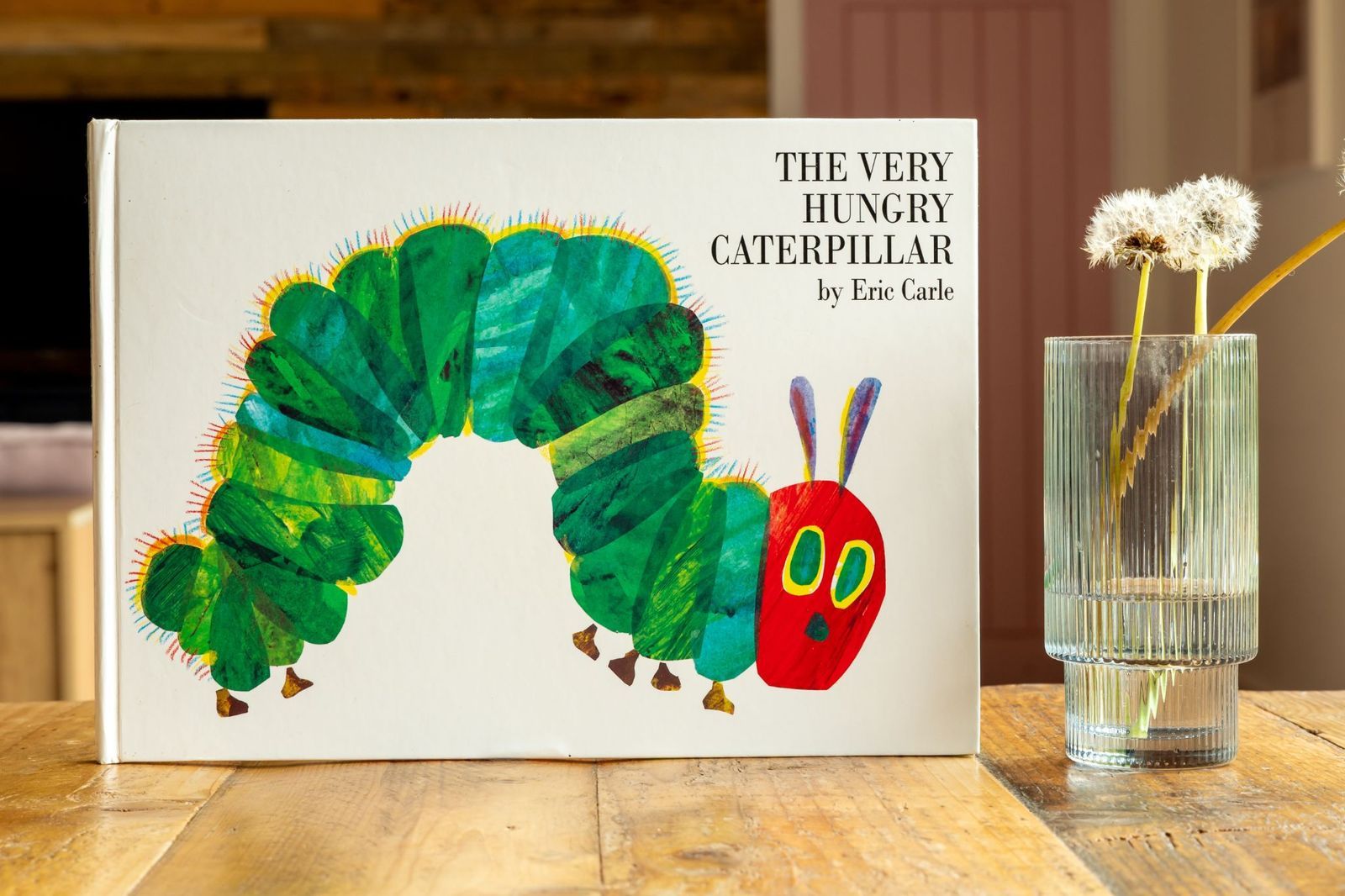
Image: Doodeez

Eric Carle (1929–2021), born in Syracuse, New York, to German parents, was an American author, artist, and illustrator best known for his children’s picture books, which feature vivid illustrations made from hand-painted tissue paper collages, often depicting animals and the natural world.

His most famous work was The Very Hungry Caterpillar (1969), which has been translated into more than 70 languages and sold tens of millions of copies worldwide. He also co-founded The Eric Carle Museum of Picture Book Art in Amherst, Massachusetts, with his wife, Bobbie, in 2002.

9

Margaret Wise Brown — Goodnight Moon

Image: Logan Bush

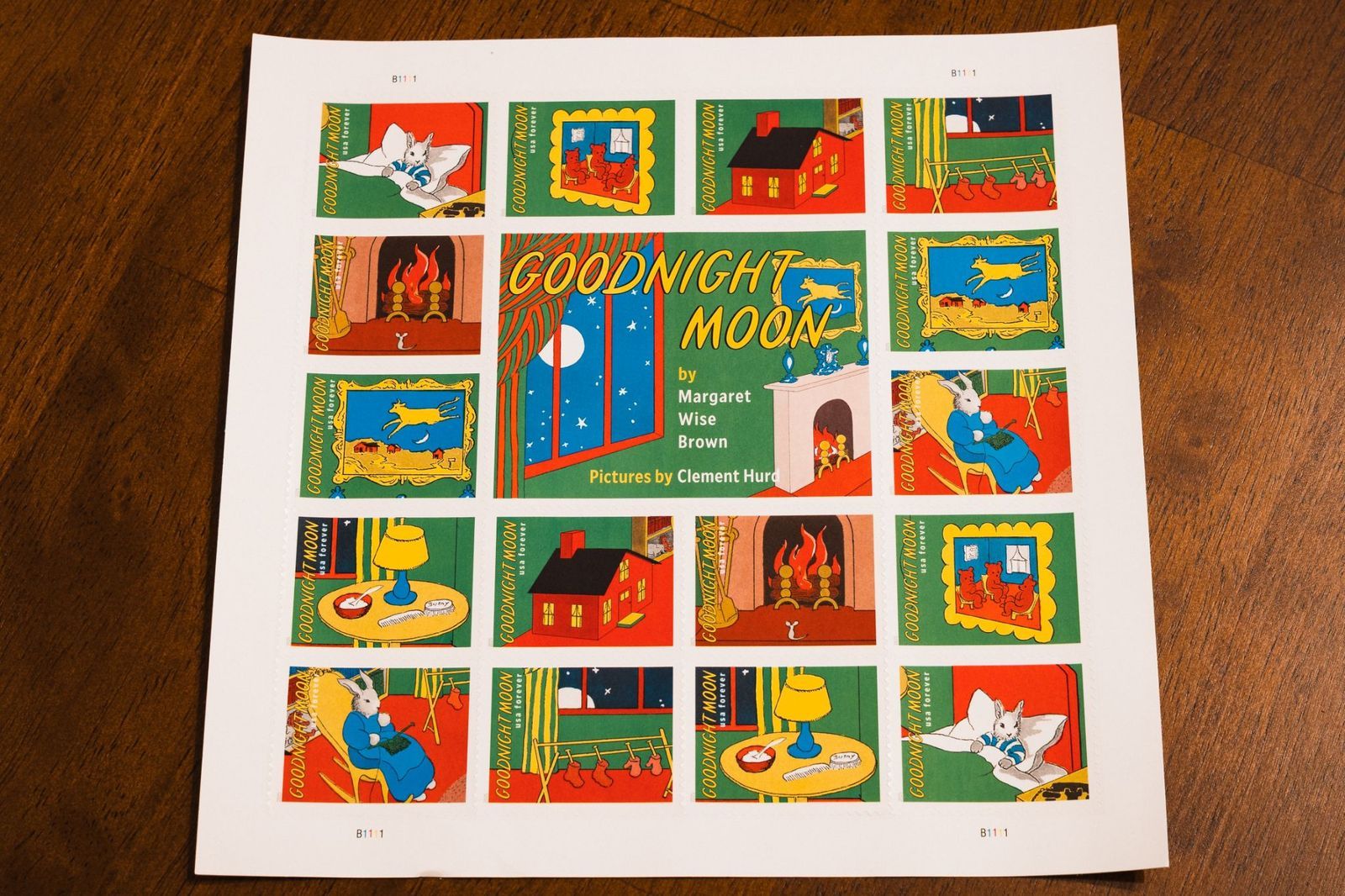
Margaret Wise Brown (1910–1952) was an American author who wrote over 100 children's books, including the timeless classics Goodnight Moon and The Runaway Bunny.

Her stories focused on young children’s immediate experiences and sensory worlds rather than the moral lessons often found in traditional fairy tales. Brown worked with renowned illustrators such as Clement Hurd and Leonard Weisgard. She also sometimes wrote under pen names, including Golden MacDonald, Timothy Hay, and Juniper Sage.

10

Judy Blume — Tales of a Fourth Grade Nothing, Are You There God? It’s Me, Margaret

Image: Carl Lender

Judy Blume, born in Elizabeth, New Jersey, in 1938 and alive as of 2026, is an acclaimed American author known for iconic children’s and young adult books such as Are You There God? It’s Me, Margaret, Tales of a Fourth Grade Nothing, and Deenie.

She published her first book, The One in the Middle Is the Green Kangaroo, in 1969, and her books have since sold more than 80 million copies worldwide. Her stories tackle subjects including puberty, body image, family dynamics, religion, and the emotional realities of growing up. Blume has also become a prominent advocate for intellectual freedom and against book censorship.


Godly etymology

What do volcanoes and sportswear have in common? Mythology!


Published on October 31, 2026


Image: Ivan Bertona

From the food on your breakfast table to the shoes on your feet, traces of ancient mythology are hidden in plain sight. But we bet you didn’t know that! And we get it—after all, only a few people think about the origins of words daily. But don’t worry—that’s why we’re here. These mythological figures, who once inspired awe and devotion, now lend their names to the phenomena, products, and concepts we mention every day. Let’s dive into the fascinating world of mythologically inspired names and uncover 10 surprising origins.

1

Hypnosis

Image: MK Hamilton

The word hypnosis takes its name from Hypnos, the Greek god of sleep. Hypnos, often depicted as a gentle, winged figure, had the power to lull both mortals and gods into a deep slumber.

Today, hypnosis refers to a trance-like state that feels like a dream but leaves you fully awake. This practice is often used for relaxation, therapy, and even entertainment.

The connection is fitting, to be honest—both Hypnos and hypnosis evoke a sense of calm and surrender. While Hypnos ruled over dreams, modern hypnosis helps people tap into their subconscious minds. It’s pretty amazing how the ancient god of closed eyes still influences our understanding of the mind today.

2

Nemesis

Image: Monika Simeonova

Nemesis, the Greek goddess of retribution and balance, has left her mark on the English language as a term for an unbeatable rival or a source of downfall.

In mythology, Nemesis punished hubris, which was considered a serious offense, and ensured that no one escaped the consequences of their actions.

The modern concept of a nemesis describes something or someone we cannot conquer and reflects this sense of unavoidable justice. It is frequently used to refer to a person we can’t defeat, but it can also apply to goals we struggle to achieve. Is that meant to make us feel bad? Not exactly—a nemesis is there to keep us humble!

3

Echo

Image: Francesca Scrinzi

Greek mythology features many creatures, including the Oreads, the mountain nymphs. Echo was an Oread who lived on Mount Cithaeron. This nymph was, of course, part of Zeus’s love life—and when Hera, his wife, found out, she cursed Echo to only repeat the words others said.

Fun twist: the next person Echo met—and fell in love with—was Narcissus. And we all know how that went!

In any case, the phenomenon of repeating sounds now carries her name. An echo is a repetition of sound caused by the reflection of sound waves from a wall, a mountain, or any surface that obstructs the path of the sound. Interesting, huh?

4

Cereal

Image: Natsuko D'Aprile

Did you know that the breakfast you—or your kids—have every single day can be traced back to ancient mythology? Your morning bowl of cereal is named after Ceres, the Roman goddess of agriculture and grain.

As a deity who ensured a good harvest, Ceres was cherished by farmers and worshipped in lavish festivals. The name is perfect for the grains that are a breakfast staple worldwide. From cornflakes to oatmeal, cereal embodies the abundance that Ceres symbolized.

5

Atlas

Image: Siddhant Kumar

Greek mythology was no fun business—love triangles, family disputes, and wars were pretty common. And when it comes to wars among the gods, the War of the Titans is one of the most remarkable. Why? Because the Titans went up against the gods for ten years.

The term atlas for a book of maps traces back to one of those Titans: Atlas, who was condemned to hold up the heavens after losing this divine rebellion. His incredible strength and eternal burden made him a symbol of endurance and support. In the 16th century, map collections were named after him because they reflected the idea of "carrying the world." Even if it’s a burden for him, it’s an accurate connotation!

6

Morphine

Image: Jordan Whitt

Hypnos was the god of sleep, but once you were within his realm, Morpheus took over as the god of dreams. Father and son ruled together when it came to closed eyes.

Morphine, a powerful pain-relieving drug, draws its name from Morpheus, who was known for shaping and controlling dreams and often appeared in human form to deliver messages.

The drug’s name reflects its ability to induce a dream-like state and ease suffering. While it’s a medical wonder in many situations, its connection to dreams reminds us of its potent effects. Like Morpheus entering dreams, morphine brings relief—but it commands respect for its power.

7

Volcano

Image: Ása Steinarsdóttir

Every Roman god has a Greek counterpart, but in the case of volcanoes, the name comes from the Romans themselves. The term "volcano" comes from Vulcan, the Roman god of fire and smithing, who crafted weapons for gods and heroes in his fiery forge.

Vulcan worked with molten lava, just as volcanoes erupt with fiery power from the earth’s core. Ancient Romans believed volcanic eruptions were Vulcan’s way of showing his might. Even though we now understand the science behind them, the mythology still adds a sense of drama to these geological events. Don’t you just love it?

8

Chaos

Image: Peter Herrmann

As we said, mythology was no lighthearted affair—and there was even an entity dedicated to disorder: enter Chaos.

In Greek mythology, Chaos was the primordial void from which everything began—a vast, formless expanse that existed before order emerged.

Today, still bearing the same name, chaos refers to mess, disorder, and unpredictability, just like the state of the universe before creation. It’s fascinating how a term for beginnings now represents turmoil and confusion, but maybe that’s the essence of the universe itself: from the cosmos to a messy kitchen, chaos has a timeless presence

9

Nike

Image: Joseph Barrientos

That’s right—the gods are also a source of inspiration for some of the biggest brands in the world. Take Nike, for example.

Nike, the Greek goddess of victory, has become a household name thanks to the global sportswear brand. A symbol of triumph and achievement in every arena, she inspired warriors in battle and athletes in competition. Remember the divine war we mentioned? Nike was the first to show her support for Zeus.

As for the company’s iconic Swoosh, the logo reflects her winged speed and grace. Every pair of Nike sneakers carries the spirit of determination and success. Who knew a goddess could have such impressive branding skills?

10

Psychology

Image: Alicia Christin Gerald

To finish things off, let’s talk about one of the most celebrated figures in Greek mythology and her connection to one of the most respected professions in the modern world.

The word "psychology" finds its roots in Psyche, the Greek goddess of the soul. In mythology, she was depicted as a beautiful woman with wings resembling those of a butterfly.

Since her name means "soul," Psyche inspired the field of psychology, which is all about studying the human essence, mind, and behavior. With the addition of a suffix that denotes a field of study, the word psychology connects ancient interest in understanding what makes us human to the modern scientific discipline. It’s ironic, but also beautiful, that the field studying the mind and soul is named after a goddess.

Looking for an extra scoop of literary fun?

Learn more with our Word of the day

relegate

/ˈrɛləˌɡeɪt/