10 Books that suddenly make more sense later in life
Published on August 26, 2026

Ever reread a book and realize it hits completely differently? Time changes us, and how we relate to and understand things does too. If you’ve read these books, you’ll know; if you haven’t, you will soon. Some stories can mean one thing at one point in our lives, and something completely different at another. Let’s go over these incredible novels that may have already changed us once, and might just do so one more time.
Fahrenheit 451 by Ray Bradbury
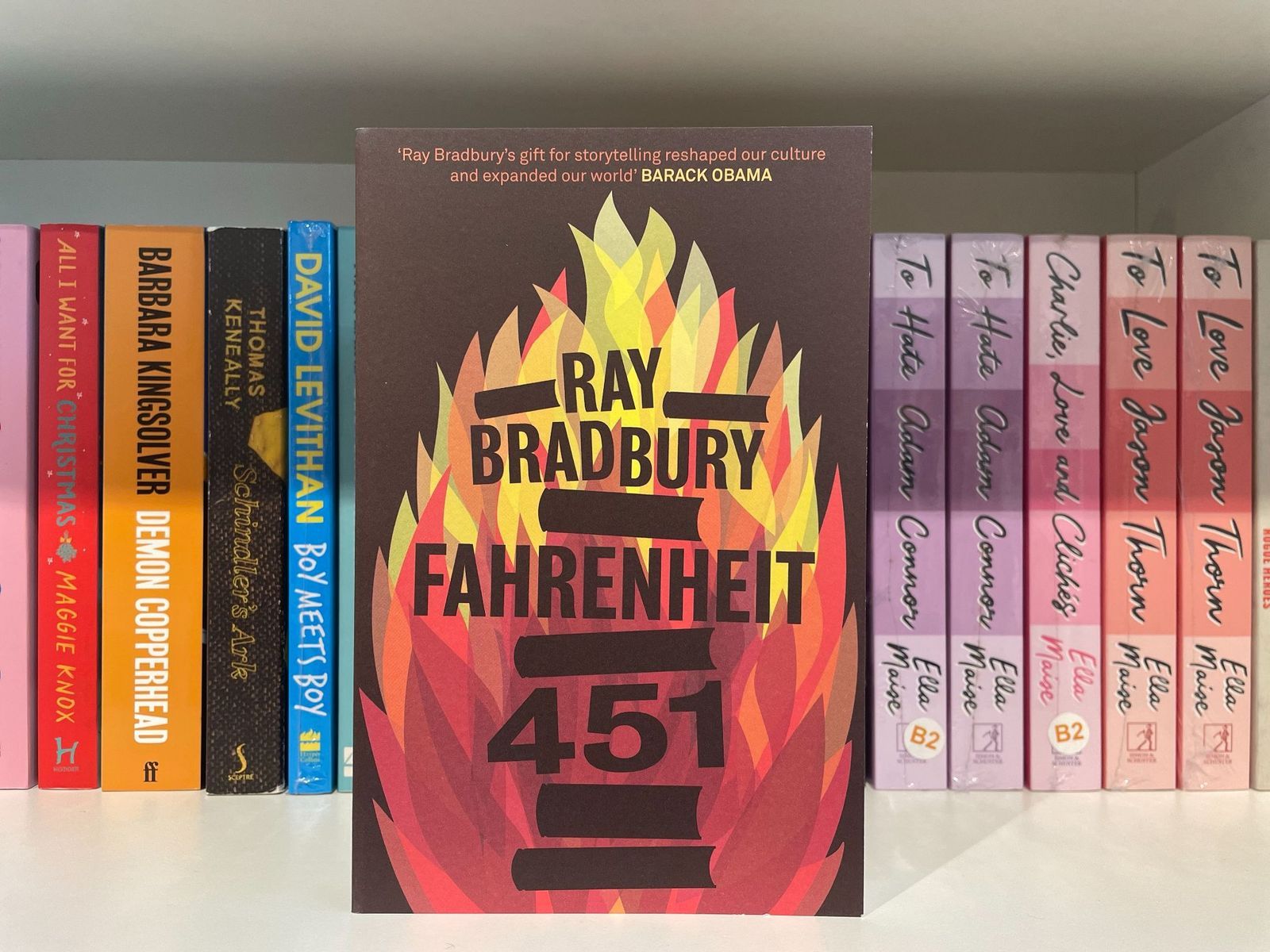
What if the real danger isn’t censorship, but indifference? This question comes up when reading Fahrenheit 451 by Ray Bradbury, published in 1953. The story follows Guy Montag, a fireman tasked with burning books in a futuristic, dystopian society where reading is officially banned.
In youth, this classic novel can be read as a thrilling adventure of rebellious firemen who confront a dark government. Later in life, it can be seen as a mirror of modern society, where many people choose content that avoids uncomfortable truths. The key lies in what Bradbury noted: books weren’t initially banned by force; instead, society stopped caring about them and chose shallow entertainment.
The Nightingale by Kristin Hannah
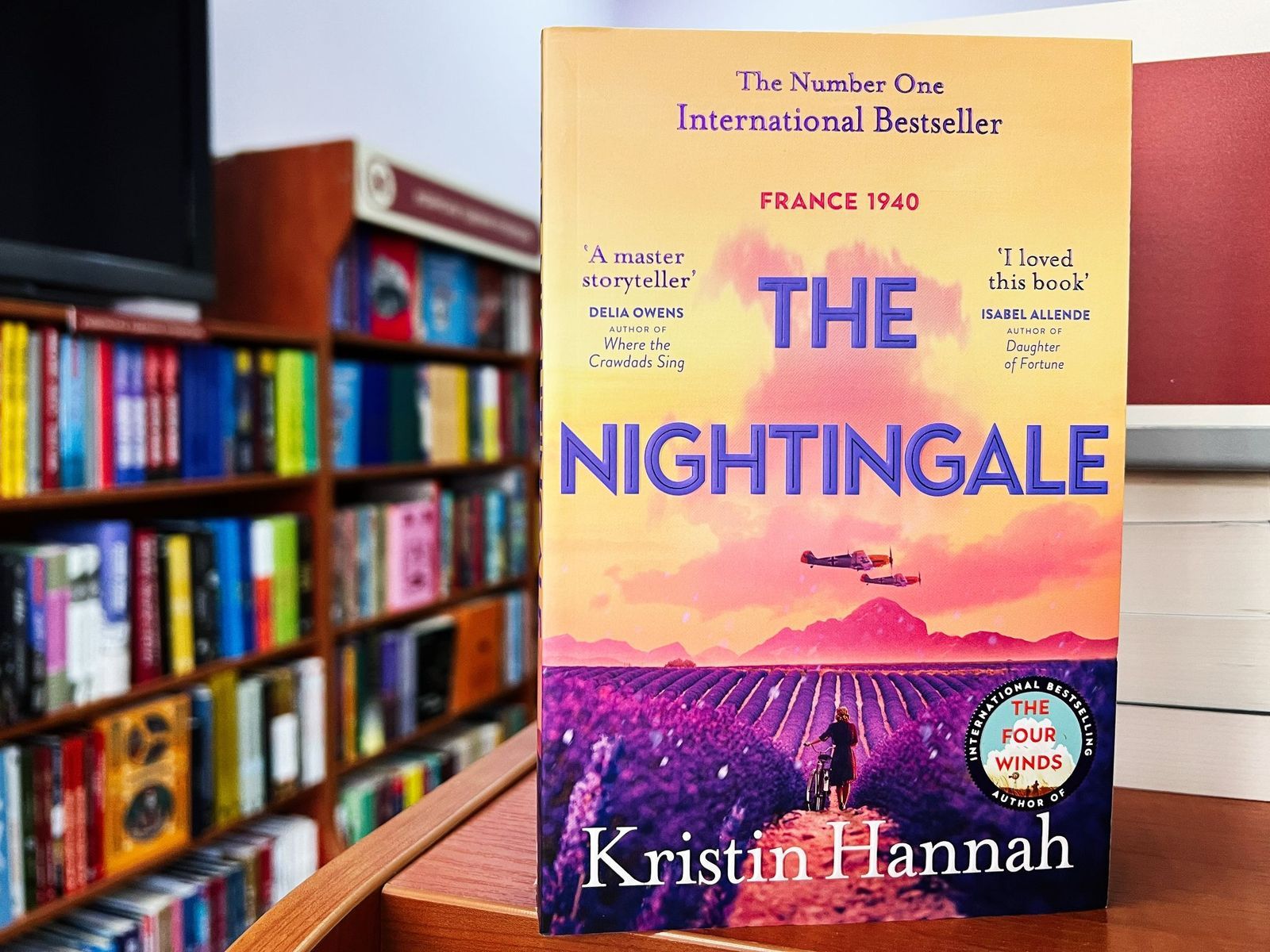
Not all bravery is loud. This is a core concept present in The Nightingale (2015), a historical fiction novel by Kristin Hannah. It centers on two estranged sisters, Vianne and Isabelle, during the German occupation of France in World War II, highlighting the strength and sacrifice of women, especially during wartime.
This book hits harder later in life because younger readers might look for a loud, active rebellion. But as time goes on, readers come to understand the immense strength required simply to keep going. Parents also realize how protecting a family can sometimes involve impossible choices, and older readers better understand the weight of carrying secrets and moving forward anyway.
Of Mice and Men by John Steinbeck
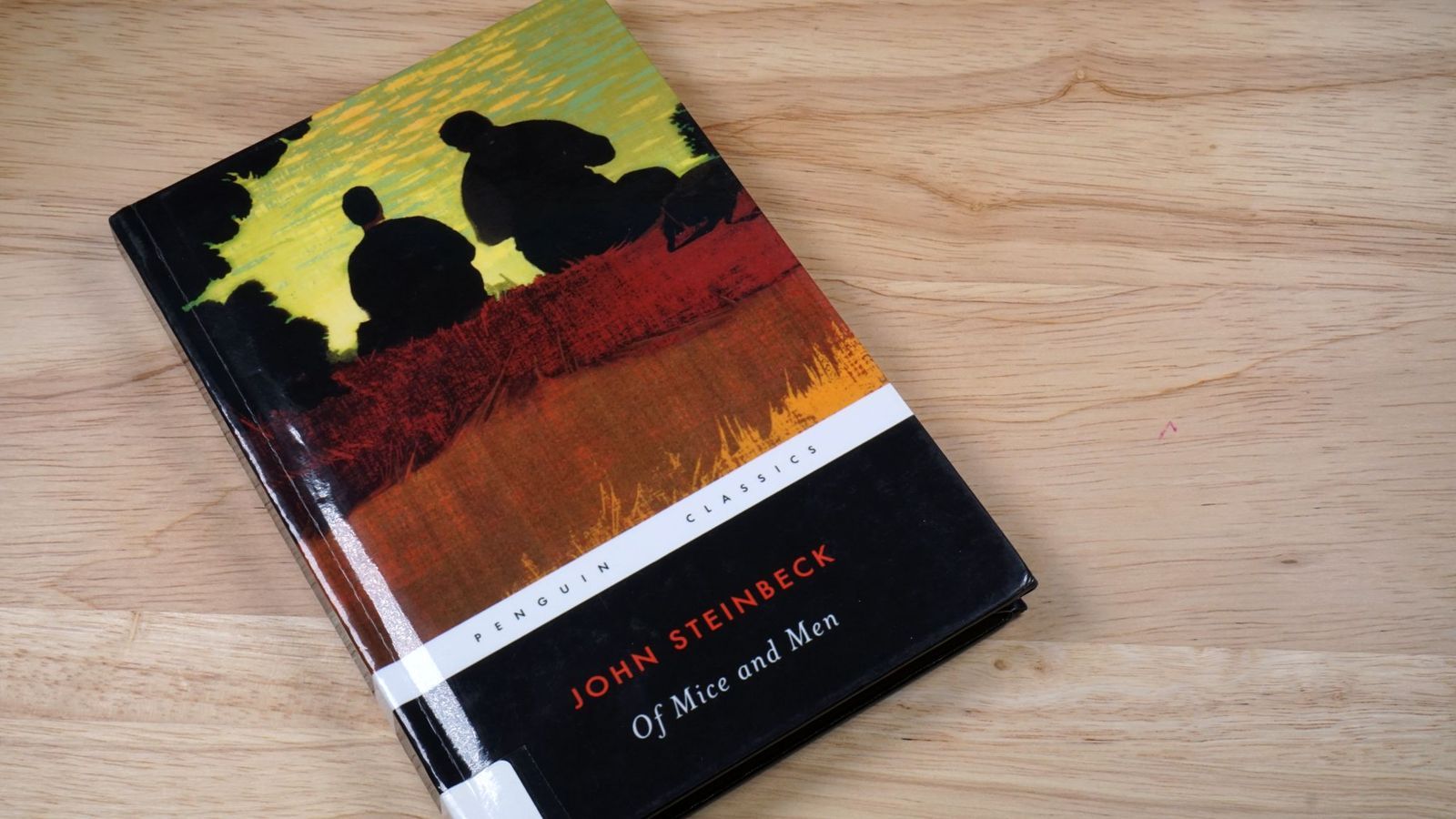
It’s not just tragic, it’s actually devastatingly human. Of Mice and Men is a heartbreaking 1937 novel by John Steinbeck that showcases exactly that. It follows two displaced ranch workers in California, George Milton (who is smart and small) and Lennie Small (who has physical strength and an intellectual disability).
If read as a teenager, this story can come across as a school assignment with a very sad ending, but if read in adulthood, one can value, above all, that the outcome painfully and honestly echoes the crushing sacrifice of protective love and responsibility.
The Old Man and the Sea by Ernest Hemingway
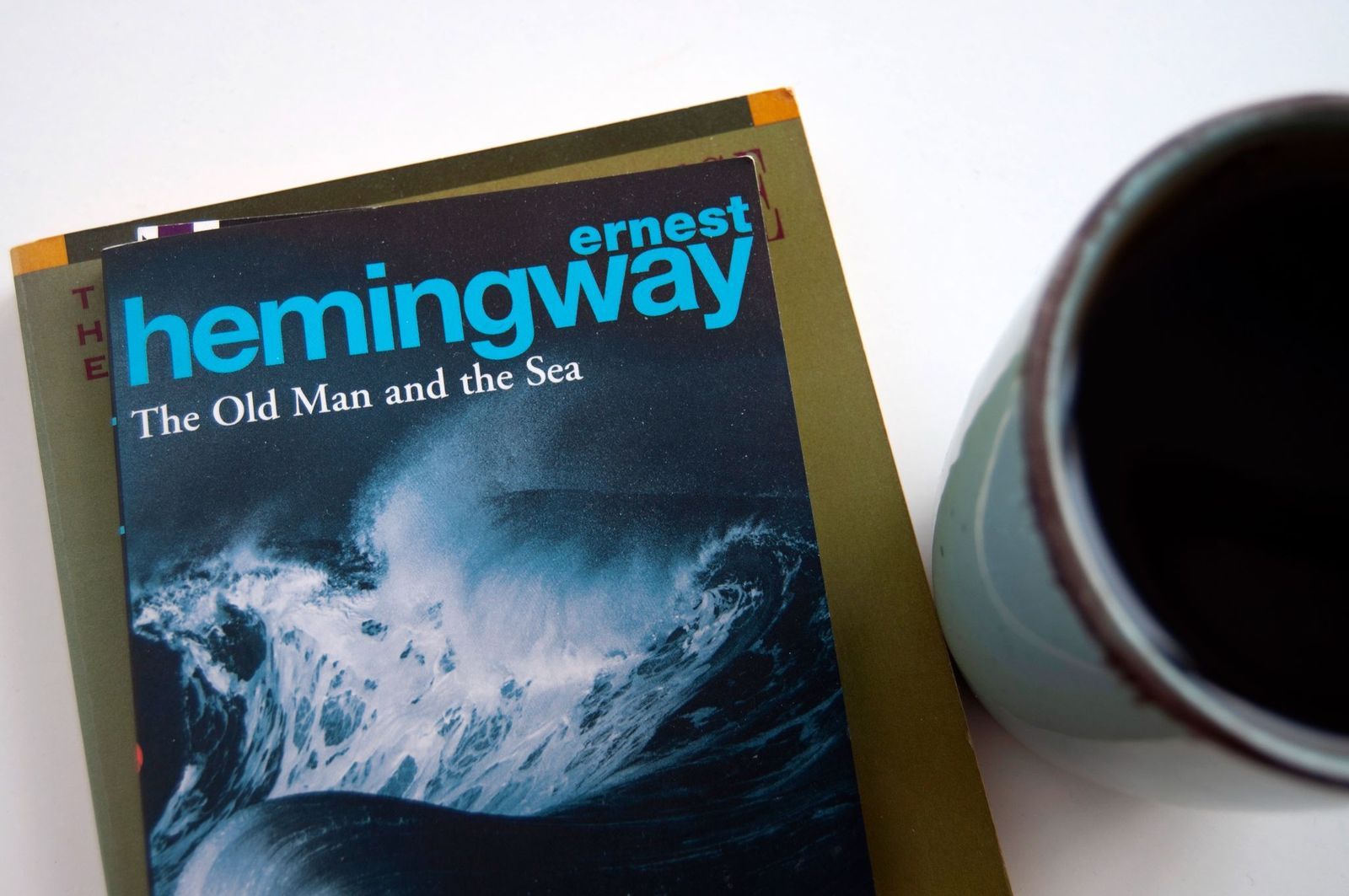
Is losing everything sometimes the real win? The Old Man and the Sea, a 1952 novel by Ernest Hemingway, explores this question. At first sight, it tells the story of an old Cuban fisherman named Santiago and a giant fish. He hooks the massive marlin out at sea and fights for it endlessly, but giant sharks eat it before he can bring it back to shore.
It could initially seem like a simple fishing tale, since young readers might get restless as they wait for a quick, triumphant ending. As life goes on, readers begin to appreciate how the story focuses on resilience in the face of life’s losses, and that in this case, returning empty-handed with Santiago’s dignity intact is the true victory. It reminds us that not every effort will mean a prize, and that inner peace is priceless.
The Grapes of Wrath by John Steinbeck
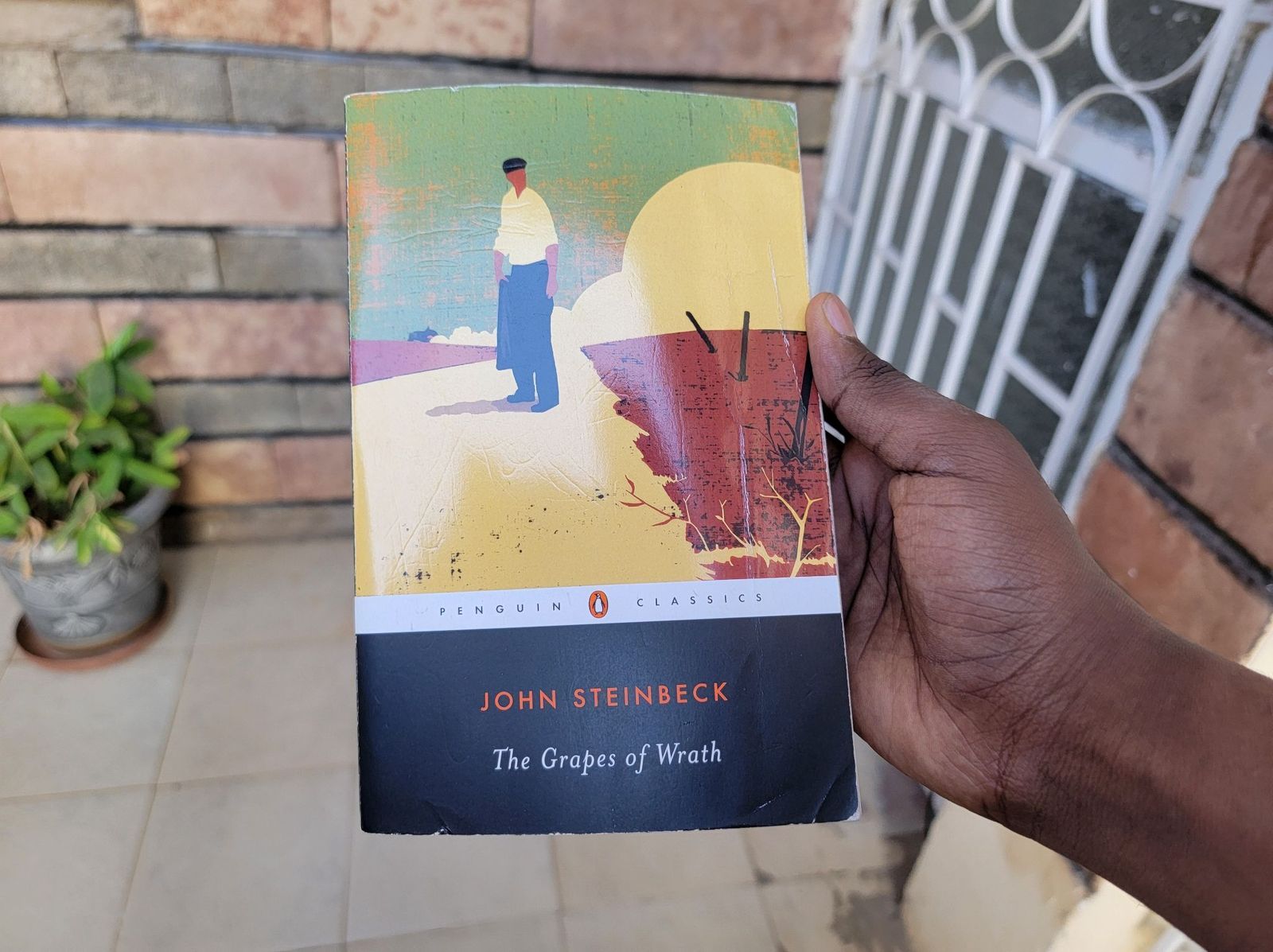
What happens when survival replaces dreams? The Grapes of Wrath is a 1939 novel by John Steinbeck that deals with this topic as it follows the financially struggling Joad family, tenant farmers from Oklahoma. Driven off their land by severe weather (including dust storms and drought), and greedy banks during the Great Depression, they travel west to California along Route 66, looking for a better life.
This book makes more sense as we get older because youthful idealism gives way to a deeper understanding of hardship, such as systemic challenges, the depth of parental sacrifice, and the profound need for community over individualism.
The Color Purple by Alice Walker

What if survival itself is the greatest victory? The Color Purple is a 1982 epistolary novel by Alice Walker that won the 1983 Pulitzer Prize for Fiction and asks this question. It is set in rural Georgia and follows young African American sisters Celie and Nettie, their struggles, and how they face them.
Young readers tend to focus solely on the brutal oppression and pain inflicted on Celie, who suffers abuse and writes letters to God in search of peace and guidance. When revisited later in life, readers value more the triumph of survival, the importance of redefining life on one's own terms, and how this reinvention, spiritual guidance, and sisterhood can save us.
Roots by Alex Haley

The past feels different when you finally understand what it cost. Roots is an impactful 1976 historical saga written by Alex Haley that explores precisely that. It follows the life of a young African man named Kunta Kinte, who is enslaved. The story then traces the author's lineage from Kunta Kinte to Alex Haley himself, who won a Pulitzer Prize and National Book Award for this work.
For younger readers, the story can come across as a harsh history lesson, but as time passes by, one can observe with more clarity how the text showcases the incredible sacrifices grandparents and parents made just for future generations to be free.
Lonesome Dove by Larry McMurtry

Adventure fades, but meaning deepens. Lonesome Dove is an epic 1985 Western novel by Larry McMurtry that won a Pulitzer Prize, shining a light on this. It’s about two retired Texas Rangers, August "Gus" McCrae and Woodrow Call, who lead a 2,500-mile cattle drive from a small town in Texas to the relentless Montana territory.
This story makes a different type of sense later in life because youth often craves limitless, grand adventures, while age, on the other hand, reflects and understands the quiet strength and dignity of "simply enduring". The core difference lies in youth chasing goals before realizing that meaning lies in small, daily moments, such as in the value of companionship (like the unspoken bond between Gus and Call).
The Hardy Boys by Franklin W. Dixon

Why do these stories feel so comforting years later? The Hardy Boys is a classic mystery series by Franklin W. Dixon. It follows two teenage brothers named Frank and Joe Hardy, who solve crimes, catch thieves, and discover treasures. The stories take place in the fictional town of Bayport, where the Hardy brothers use the detective skills their father, Fenton Hardy, taught them.
These tales make a different kind of sense later in life, when the excitement and fearlessness give way to the nostalgic comfort of stories where everything works out in the end, reflecting a mid-century idealism sometimes longed for to this day.
A Man Called Ove by Fredrik Backman
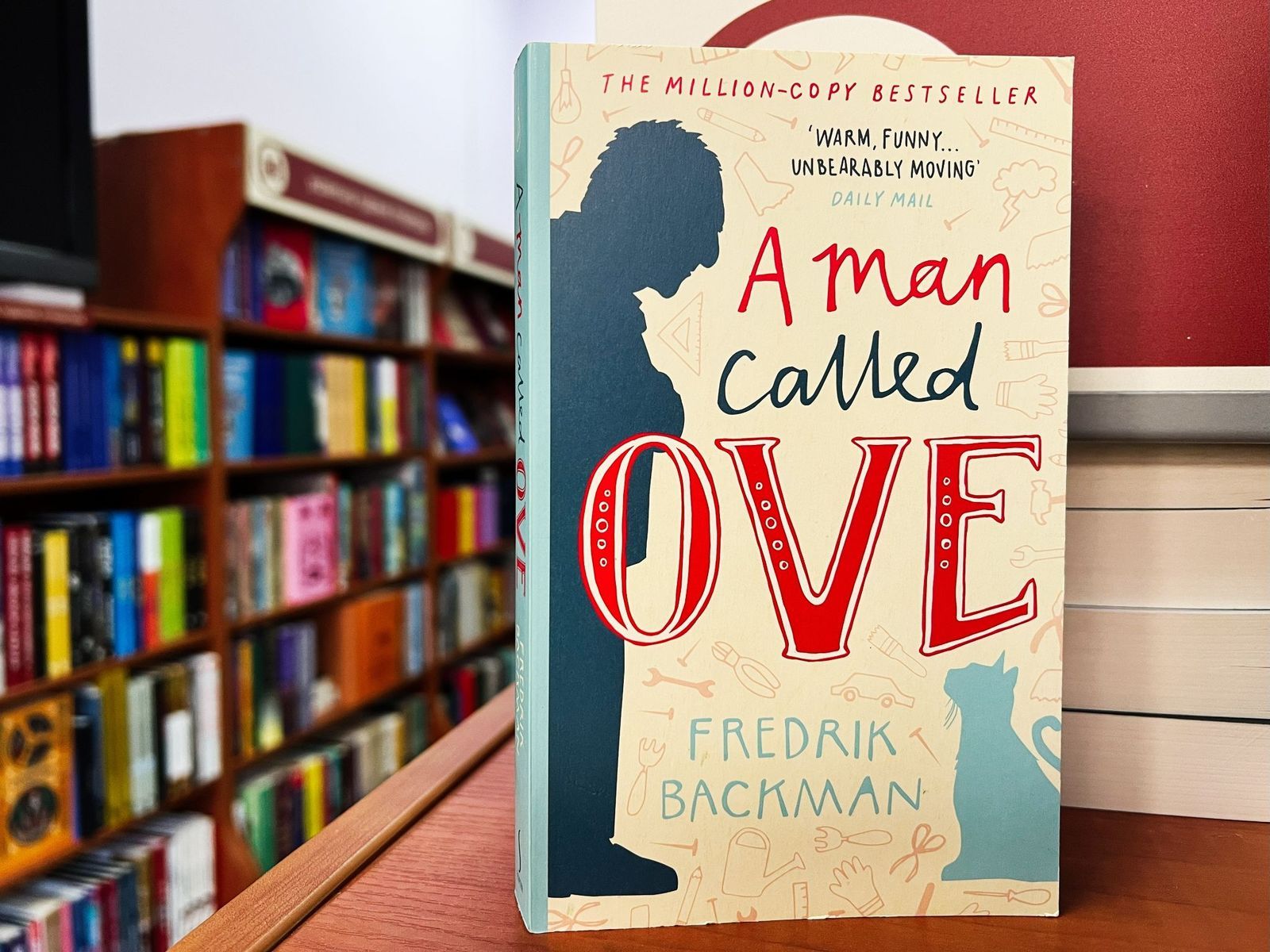
The people we misjudge often carry the heaviest stories. A Man Called Ove is a heartwarming novel by Fredrik Backman, published in Swedish in 2012 and translated to English the following year. It follows the grumpy and lonely 59-year-old widower named Ove, who initially intends to end his life, but is continually interrupted by his lively neighbors.
This story completely changes meaning as life goes on, because if read in youth, readers often see the main character as dark or unlikeable. Instead, later in life, readers will appreciate how overwhelming grief shapes him, and the importance of letting the unexpected into our lives, like a seemingly irritating neighbor who may be precisely who we need. It reminds us that others are also fighting silent battles, and together we are far more likely to endure than alone.


